The Medicines — Desert of Loneliness Review
The Medicines is a Dutch alternative rock entity. On 7 September 2026, the band released their latest EP, Desert of Loneliness.
The Medicines, Desert of Loneliness Review: This review will evaluate every aspect of the album, from its intricate musical composition to its production.
The First Three Sins, The Summary
The First Sin, The Strings/Keys: Angular staccato guitars, energetic bass, and psychedelic synths forge a cold, nocturnal atmosphere. The Second Sin, The Vocals: Dark, brooding clean vocals deliver an introspective, melancholic presence. The Third Sin, The Percussions: Mechanical drum-machine rhythms provide a precise, detached pulse.
The Fourth Sin, Overall Discussion
The Guitar-Wave Threshold
As soon as the listener presses the play button, they are greeted by a thirteen-minute sonic landscape spread across three hymns. The Medicines operate within a specialised post-punk, gothic rock, and darkwave aesthetic — formally defining their signature sound as guitar-wave: a dark, brooding vocal delivery anchored by effect-driven staccato guitars, energetic bass lines, and psychedelic synthesisers strongly rooted in the alternative music of the 1980s.
A Living Memorial: Ricardo de Miranda Azevedo
Beyond its post-punk and guitar-wave architecture, Desert of Loneliness carries a profound, tragic resonance. The EP is explicitly dedicated to former member and friend Ricardo de Miranda Azevedo, who passed away in 2022. Azevedo’s presence is not merely memorialised in the liner notes; his creative spirit remains physically embedded within the musical DNA of the entire release.
- Embedded Artistry — Ricardo de Miranda Azevedo’s lyrical phrasing and compositional ideas form the core blueprint of all three hymns, ensuring his distinct artistic voice continues to speak through the band’s finished performances.
- A Living Memorial — Rather than leaving his final works unfinished, The Medicines honoured Azevedo by bringing these pieces to complete, polished realisation — turning the thirteen-minute journey into a solemn, beautiful monument to friendship, memory, and enduring artistic creation.
Three Hymns Across the Emotional Wasteland
Across its thirteen-minute runtime, Desert of Loneliness navigates isolation through three distinct psychological vectors. Though each hymn approaches the void from a unique angle, all three remain tightly bound by the same desolate, melancholic environment.
- Hymn I — Desert of Loneliness — sinks into a slow, hypnotic darkwave and post-punk cadence. The song explores a landscape of spiritual emptiness and grief, capturing the paradoxical phenomenon of crowded emptiness — where one feels completely isolated even amidst a crowd.
- Hymn II — Social Anxiety — shifts the momentum into a nervous, pulsing coldwave rhythm. Built around frantic bass movement and tight staccato guitars, the lyrics depict a self-imposed conversational prison — channelling intense self-consciousness, the looming fear of judgment, and total social withdrawal.
- Hymn III — Land of No Passion — closes the journey with mid-tempo, bleak post-punk architecture. The thematic focus turns toward absolute emotional numbness, apathy, and societal decay — leaving the listener marooned in a landscape devoid of purpose or passion.
The Mechanics of Guitar-Wave
The devilmanship across Desert of Loneliness is honed to perfection. The instrumental arrangements operate as an integral component of the record’s atmosphere — cold, clipped, and detached, directly mirroring the EP’s core themes of emotional isolation and urban melancholia.
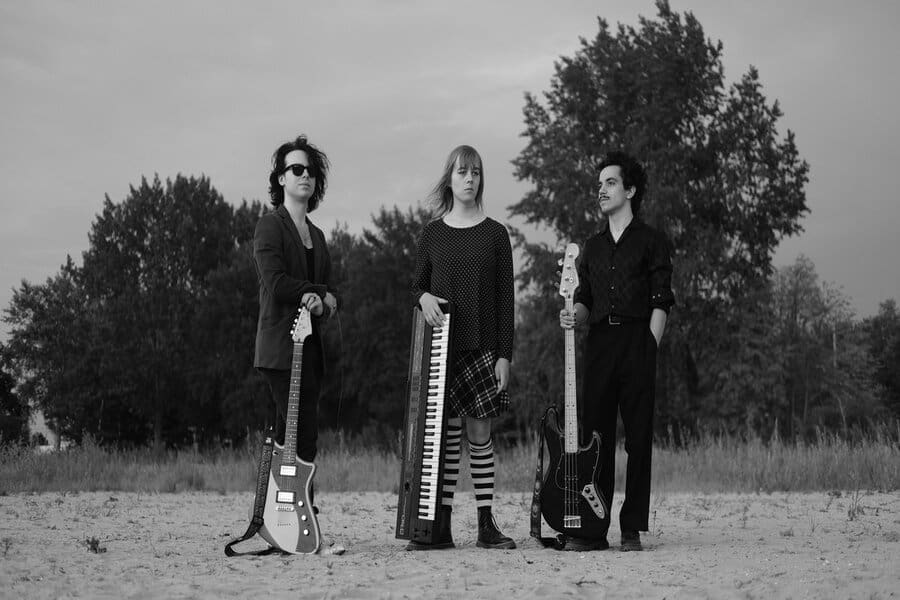
- Gene Teysse (Guitars) — His playing is rooted deeply in post-rock and specialised guitar-wave rather than standard hard-rock riffing. Also deploys sharp, angular, staccato-driven phrases shaped by clean to mildly overdriven tones, chorus, and delay — cutting through the mix with hypnotic, icy precision.
- Miguel Guerreiro (Bass Guitar) — Supplies the primary physical propulsion of the music. His energetic, clearly defined rhythmic playing anchors each hymn with steady momentum beneath the floating synth layers.
- Percussion Mechanicse — Programmed with intention, providing mechanical beats, electronic rhythms, and a distinct drum-machine pulse that evokes an eerie, late-night urban atmosphere.
- Amber Hermsen (Synthesisers & Vocals) — Her psychedelic synth pads and leads build the EP’s main atmospheric environment. Vocally, Amber delivers a dark, brooding, clean goth-leaning performance — introspective, melancholic, and emotionally direct, navigating the space between darkwave and post-punk.
The Cold Nocturnal Chamber
The production across Desert of Loneliness is pristine, spacious, and atmospheric. The mix balances Gene’s delay-kissed staccato guitar lines against Miguel’s energetic bass pulse and the mechanical drum-machine beats with total clarity, allowing Amber’s dark, brooding vocals and synth textures to envelop the listener in a cold, 1980s-inspired nocturnal landscape.
Thirteen Minutes of Enduring Memory
Overall, Desert of Loneliness is a remarkably poignant, beautifully crafted fruit of art. The Medicines have created a compelling guitar-wave document — honouring the memory and creative legacy of Ricardo de Miranda Azevedo while delivering thirteen minutes of unforgettable, atmospheric post-punk.
The Fifth Sin, The Memorabilia
For me, listening to Desert of Loneliness felt like stepping through a time portal straight back into the 1980s. Across just three concentrated hymns, the EP captures everything I adore about gothic rock, darkwave, and deathrock — evoking the foundational spirit of Joy Division, The Sisters of Mercy, Bauhaus, Christian Death, and The Cure.
Each hymn carries a distinct identity, almost as if every hymn captures the essence of those classic influences while honouring their late bandmate and friend, Ricardo.
The opening hymn even drops a subtle, thrilling nod around the 1:40 mark that instantly brings to mind the dramatic pulse of Pet Shop Boys‘ “It’s a Sin”. Yet, the pinnacle of the record remains its brooding vocal delivery and oppressive atmosphere — capturing that timeless, melancholic Joy Division weight that hooks you from the first second.
The Sixth Sin, The Artwork
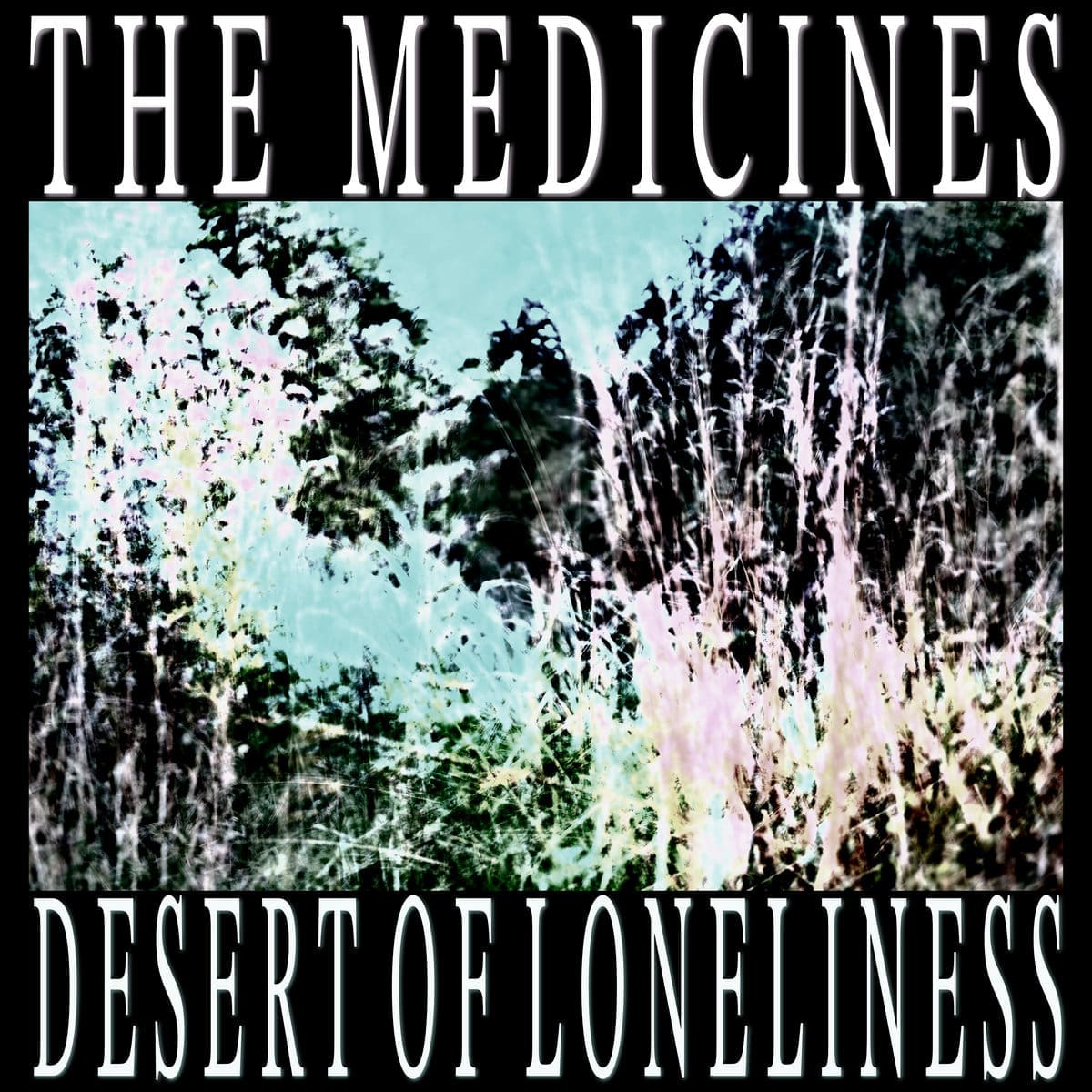
The visual presentation is ambiguous and understated — leaving its connection to the EP’s barren emotional geography open to individual interpretation rather than handing the listener a direct visual answer.
The Seventh Sin, Disrelish
The visual presentation is ambiguous and understated — leaving its connection to the EP’s barren emotional geography open to individual interpretation rather than handing the listener a direct visual answer.
The Hymns
01. Desert of Loneliness
02. Soical Anxiety
03. Land Of No Passion
The Medicines
Amber Hermsen — Vocals, Synthesisers
Gene Teysse – Guitars, Drum Machine, FX
Miguel Guerreiro – Bass