Anasarca — Achlys Review
Anasarca is an old-school death metal entity rising from the shadowy depths of the German underground in 1995. Anasarca continues to carve their brutal legacy in stone with their fifth full-length, Achlys, released on 3 April 2026, via Selfmadegod Records.
Anasarca, Achlys Review: This review will evaluate every aspect of the album, from its intricate musical composition to its production.
The First Three Sins, The Summary
The First Sin, The Strings/Keys: A devastating collision of razor-sharp riffing, haunting melodies and crushing bass lines, balancing relentless brutality with profound sorrow. The Second Sin, The Vocals: Cavernous guttural growls and savage mid-range roars deliver an emotionally charged assault of grief, anguish and despair. The Third Sin, The Percussions: Blistering blast beats, thunderous double-kicks and volatile tempo shifts unleash a relentless, punishing rhythmic onslaught.
The Fourth Sin, Overall Discussion
Eleven Hymns of Grief and Bereavement
From the very first moment the listener presses play, Anasarca plunges them into a suffocating forty-minute descent into the abyss with Achlys.
The album takes the listener on a labyrinthine journey through eleven hymns of grief, the paralysing weight of bereavement, and the arduous, often agonising process of surviving profound loss. It is brutal, unrelenting, and deeply human, matching the devastation of its lyrical themes with a crushing sonic architecture.
As “Mike” states in my interview:
“I’ve said, grief is an experience that EVERYONE goes through at some point—and it’s then, if not before, that you truly realize what it means to lose a loved one. We can try to act tough, projecting an image of being untouchable, strong, and above it all. But in that moment, everyone becomes an emotional wreck—whether they realize it or not.
And it takes time to pull oneself back out of that state. I want to help listeners understand that having your loved ones by your side is neither “normal” nor something to be taken for granted …”
From Funeral March to Sonic Devastation
The album opens with a haunting gateway into its bleak emotional landscape through the introductory hymn, Beyond the Passing. It greets the listener not with a conventional metal intro, but with a chilling, solemn adaptation of Chopin’s legendary Funeral March. Led by a mournful, solitary piano melody and underscored by eerie spoken-word elements, it immediately establishes a funereal and oppressive atmosphere before the true storm breaks.
Following suit as the second hymn, My Reality plunges the listener headfirst into the agonising shock phase of grief. The hymn violently erupts from the solemn ashes of the intro, transforming into a whirlwind of blast-beat-driven auditory violence. It is armed to the teeth with aggressive, piercing tremolo-picked riffs and lightning-fast palm-muted passages rooted firmly in old-school death metal construction.
Beneath the guitar work, the drumming is relentlessly rapid and punishing, characterised by dizzying tempo shifts and an abundance of thunderous drum fills and snare rolls that keep the listener perpetually off-balance. Aiding this sonic devastation are the vocals — a cavernous, deep guttural growl that drags the listener into the abyss, punctuated occasionally by savage mid-range roars deployed strategically for maximum emotional and visceral emphasis.
The Ancient Spirit of Misery
The album descends into its darkest and most harrowing depths with the third hymn, Achlys, the embodiment of sorrow itself. Named after the ancient Greek spirit of misery and the eternal gloom of death — this hymn serves as the true compositional centrepiece of the record — a balance of extreme speed, memorable chorus movements and dark melodic content.
Achlys features a devastating torrent of high-speed riffing that tears through the mix with relentless ferocity. Yet beneath this suffocating brutality lie haunting melodic overlays and sweeping mid-tempo passages that give the hymn a tragic, almost majestic weight. The percussion matches this volatility, seamlessly shifting between blinding, chaotic blast beats and relentless, double bass-driven foundations that propel the song forward.
Above the musical tempest, the vocalist delivers a crushing onslaught of deep, resonant growls, executed with razor-sharp rhythmic phrasing that ensures every syllable cuts through the instrumentation.
Burdens of Sorrow and Mourning
Carrying the crushing emotional weight and accumulated grief and sorrow, the fourth hymn, Basket of Burdens, emerges as a dynamic sonic exploration defined by a drastically more varied riff vocabulary. It weaves intricate groove-oriented sections with sweeping, deeply melancholic melodic passages that evoke a profound sense of loss.
Beneath these weeping melodies, the bass guitar anchors the rhythm with a tactile, pulsing groove, while the drums provide a volatile and shifting foundation — seamlessly alternating between blistering, chaotic blast beats and driving, mid-tempo double-bass rhythms that propel the hymn forward.
The tempest of despair bleeds directly into In Memoriam, the fifth hymn. The composition opens with a sweeping, doom-inspired melodic passage that immediately establishes a suffocating, atmospheric dread before gradually escalating in intensity and sheer aggression. As the song progresses, long, sustained melodic notes clash with relentless, heavy double-bass support and cavernous, mournful growls.
It is this striking juxtaposition — the seamless, agonising contrast between mournful, crawling doom-metal melodies and sudden, explosive bursts of death-metal violence — that makes the hymn profoundly haunting and devastatingly effective.
The Unrelenting Persistence of Grief
The persistence of grief after the funeral and mourning period defines the sixth hymn, Pain Remains. Beneath its harrowing exterior lies a surprisingly strong and haunting melodic undercurrent, driven forward by sweeping, tremolo-picked guitar passages that bleed a sense of endless sorrow. The percussion is dynamic and volatile, shifting abruptly between trudging, mid-tempo pacing that mirrors the sheer exhaustion of mourning, and sudden, ferocious bursts of blast-beat attacks that represent acute spikes of overwhelming anguish.
Amidst this musical tempest, the vocal delivery remains fiercely aggressive, yet it evolves to become remarkably more expressive, carrying a raw human vulnerability that cuts straight through the wall of heavy instrumentation.
Broken Beneath the Weight of Loss
Next is the psychological collapse after loss — the seventh hymn, Broken. The guitars dominate with thick, punishing rhythmic riffing intertwined with grim, weeping melodic lines that feel inherently defeated. The drums anchor this descent with a relentless, heavy double-bass presence, deliberately dialling back the frantic speed of the previous hymn to focus entirely on sheer sonic mass and gravitational weight.
Compounding this profound darkness, the vocal performance abandons the fiery projection of rage, opting instead for subterranean low gutturals — conveying the bone-deep exhaustion of a damaged soul.
The Brutal Acceptance of Reality
The acceptance of reality emerges through the eighth hymn, He Is Dead. Originally forged during the compositional era of the earlier Goddess of the Somber Shade promotional release, this hymn proudly retains the band’s signature sonic assault.
Driven by blistering blast-beats, razor-sharp, tight tremolo riffing and a relentless tempo, the song executes sudden, crushing groove shifts, all while being anchored by cavernous, deep guttural vocals that deliver the finality of the song’s thematic surrender.
Between Longing and Devastation
From the ashes of acceptance emerges a profound sense of longing and absence with the ninth hymn, Wish You Were Here. While the hymn maintains an unyielding brutality, it seamlessly infuses stronger elements of melodic death metal into the mix. This duality is defined by soaring, memorable lead motifs that cut through the heaviness, contrasting sharply with high-speed passages.
These rapid sections are punctuated by unexpected, dynamic breaks from both the drum kit and the relentless vocal assault, creating a haunting tension between beauty and devastation.
Questions, Anguish and Emotional Catharsis
Following this emotional void comes the inevitable descent into questioning and existential frustration with the tenth hymn, How Can They. The band wastes no time plunging the listener back into a state of turmoil through aggressive, jagged riff patterns and blistering blast-beat passages.
Yet, even within this sonic fury, the hymn incorporates sweeping, melancholic melodic overlays that bleed a sense of despair into the instrumentation. Layered beneath these sorrowful harmonies are earth-shattering, deathly growls, perfectly capturing the anguish and defiance of a fractured mind demanding answers from the void.
The album draws to a close not with a neat narrative resolution, but with a profound act of personal reflection and emotional catharsis through the closing hymn, I Feel. Rather than ending on a narrative conclusion, the album ends with emotion itself.
The title shifts from external events (“He Is Dead”) to internal experience (“I Feel”), completing the album’s psychological journey.
The Uncompromising Fruit of Art
Overall, Achlys is a meticulously crafted composition, both musically and instrumentally, driven by a solid, tight and surgically precise display of devilmanship, all anchored by a profoundly dark and emotionally devastating concept.
This is far beyond standard extreme metal; it is the brutal, uncompromising fruit of art.
The Fifth Sin, The Memorabilia
For me, Achlys serves up a lethal, complex beverage — a sonic concoction so potent it borders on intoxicating. Immersing myself in their music, I was immediately struck by the suffocating, cement-thick riff-density that defined the gold standard of early Suffocation, paired effortlessly with the unbridled, blasphemic aggression of peak Deicide. Yet, it is not merely a nostalgic throwback; woven throughout the brutality are occasional, modern, razor-sharp melodic sensibilities that slice through the chaos, bringing to mind the surgical precision of later Cannibal Corpse.
All of this auditory devastation is topped off with a genuinely oppressive atmosphere, anchored by cavernous, deep-throated vocal attacks straight out of the golden age of ‘90s death metal. Driving the entire machine forward is a punishing drum performance that batters the listener with the relentless, machine-gun fury of The Berzerker.
I was so utterly engrossed in the music — completely lost in its crushing weight, emotional lyrics and relentless velocity — that it evoked that rare, visceral feeling of total annihilation that only the truest, most extreme metal can deliver, making it a hard review to ink.
The Sixth Sin, The Artwork
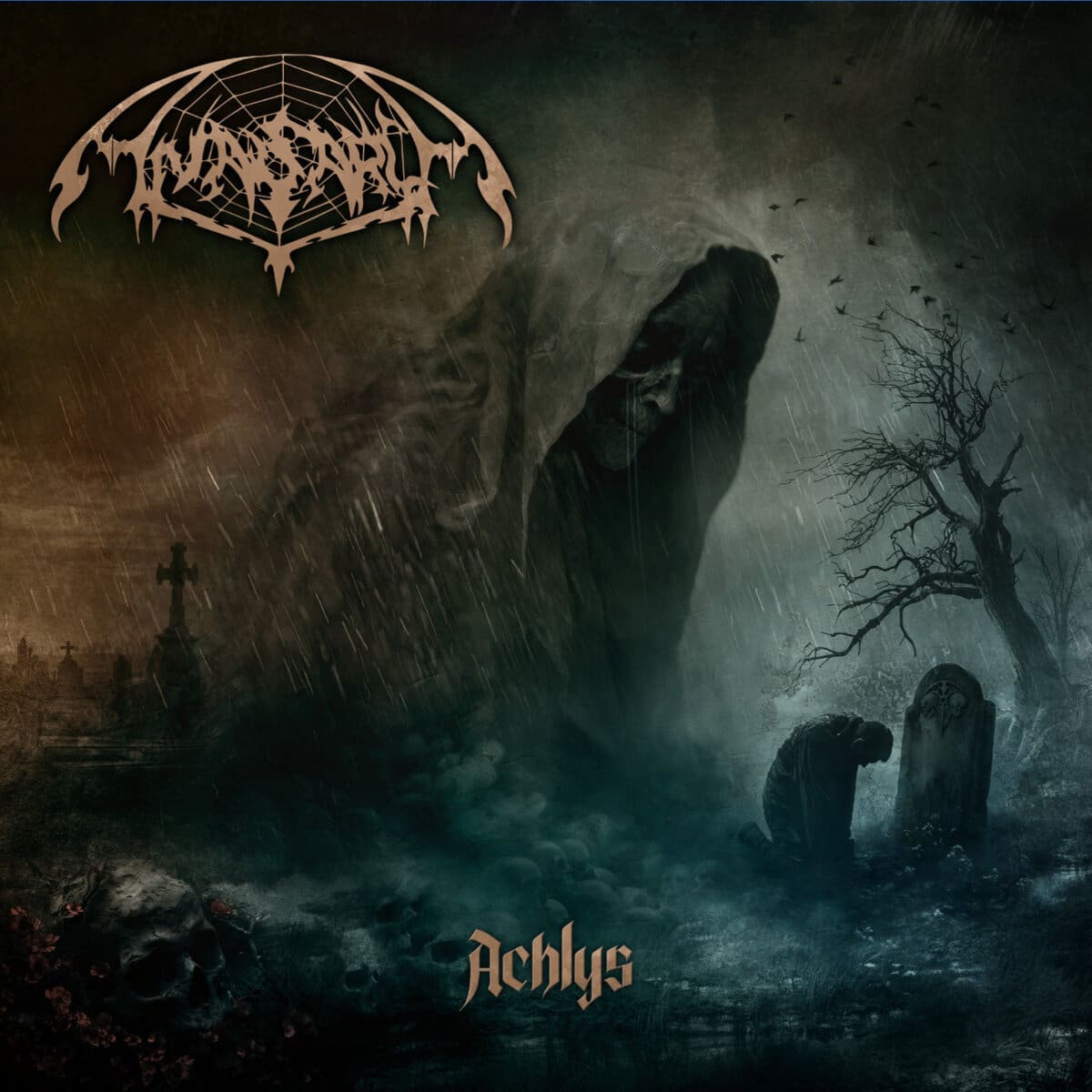
This is more than artwork — it captures the whole composition and concept.
The Seventh Sin, Disrelish
Ultimately, there is simply nothing to dislike here. This is how death metal should be …
The Hymns
01. Beyond the Passing (Intro)
02. My Reality
03. Achlys
04. Basket of Burdens
05. In Memoriam
06. Pain Remains
07. Broken
08. He Is Dead
09. Wish You Were Here
10. How Can They
11. I Feel
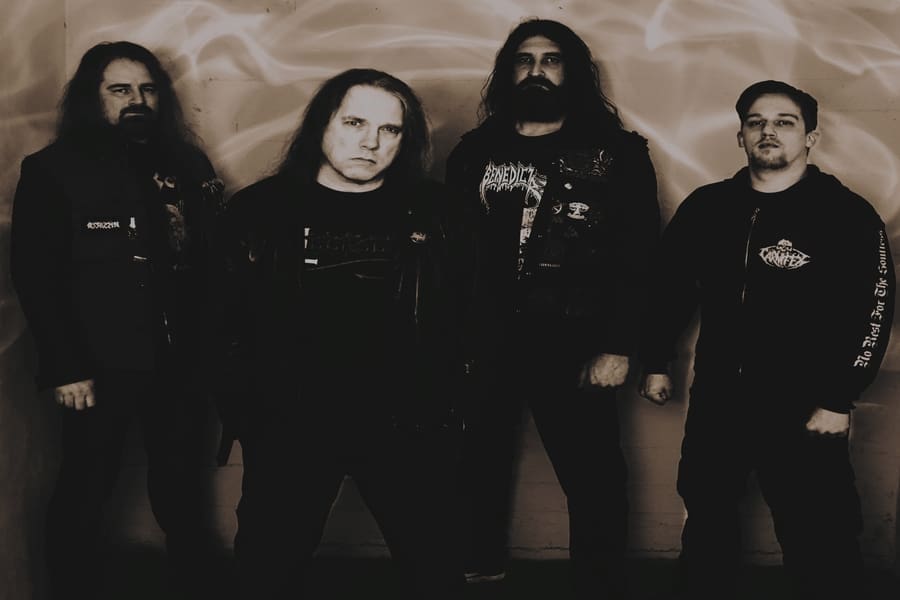
Anasarca
Alf — Drums
Björn – Bass
Carsten – Guitar
Mike – Guitar, Vocals
Hear The Music
Social Links
Selfmadegod Records | Home Page