Agarwaen — God Complex Review
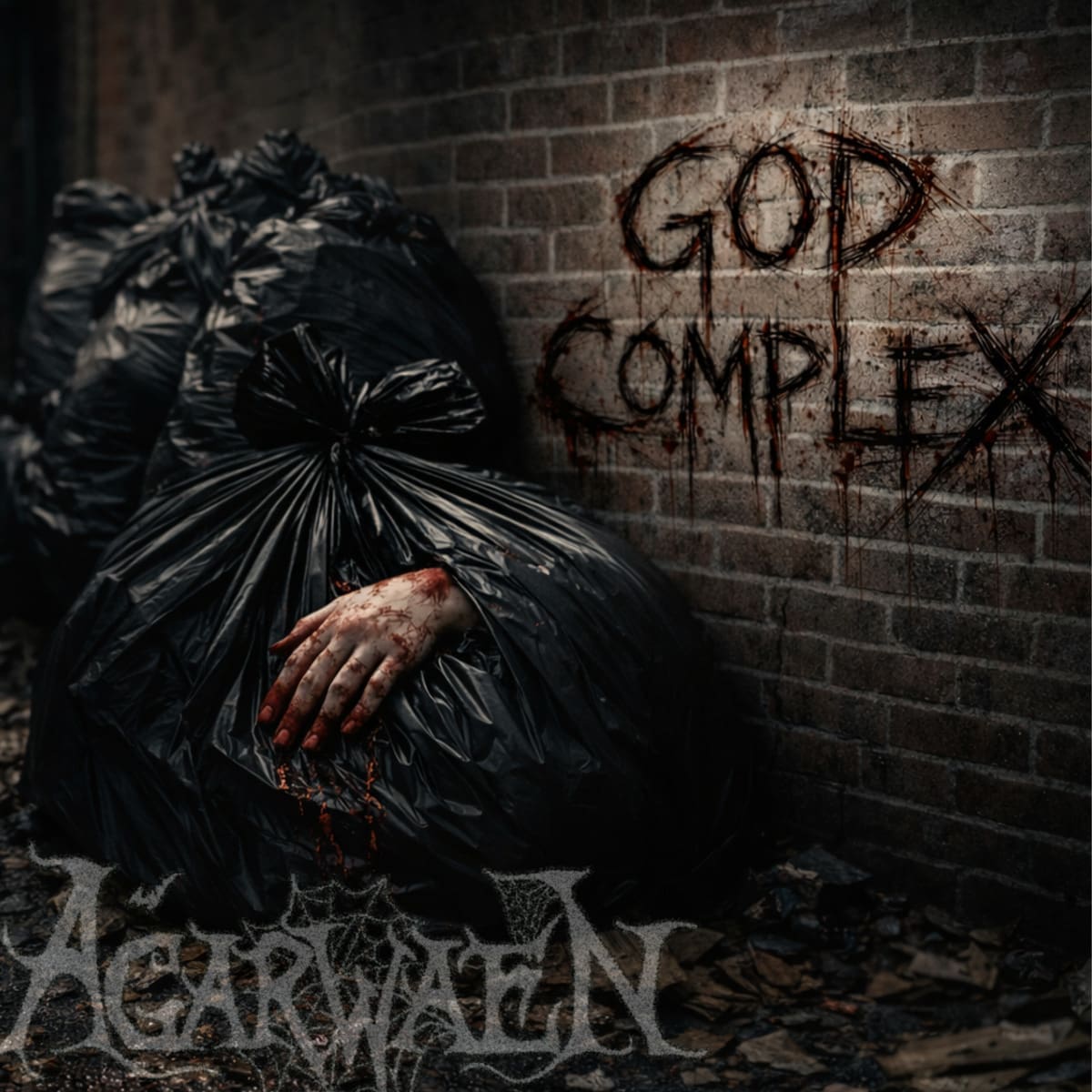
Agarwaen is a Finnish extreme metal (asylum metal) entity. On 13 March 2026, the band unleashed their latest single God Complex, , taken from their upcoming concept album The Murder Trend. The single was released via Over The Border Records.
Agarwaen, God Complex Review: This review will evaluate every aspect of the album, from its intricate musical composition to its production.
The First Three Sins, The Summary
The First Sin, The Strings/Keys: Jagged, high-gain riffing driven by dissonance and unease—balancing chaotic aggression with calculated control. The Second Sin, The Vocals: Unhinged and theatrical—shifting between cavernous growls, piercing screams, and fractured spoken passages. The Third Sin, The Percussions: Clinical, sample-tight percussion with relentless double-kick drive—maintaining tension without collapse.
The Fourth Sin, Overall Discussion
The First Crack
From the moment the listener presses play, they are plunged into a composition clocking in sub-six-minute. God Complex serves as a pivotal chapter in a larger descent into madness.
Agarwaen explains: the album unfolds as the harrowing chronicle of Anton, who was mistreated in the childhood but finds a purpose through his ancestral clown mask that will unleash a sequence of slaughters.
Theatre of the Unwell
Agarwaen leans into the heavier end of the extreme metal spectrum—forceful, abrasive, and deliberately unsettling. The result is a sound that is as violent, terrorising, and confrontational as it is theatrical, blending melodic black and death metal into a singulartapestry of disparate, dark, and jarring experience.
Drawing heavily from the theatrical horror and tortured vocal delivery of Sopor Aeternus & The Ensemble of Shadows; while the timbre differs, the intent remains identical—the voice is treated as a living character rather than a mere instrument.
Furthering reinforced by the psychological horror found in the early works of Germany’s Bethlehem, alongside oscillating between spoken anguish and frantic screams, and the macabre storytelling, reminiscent of King Diamond.
Pressure Behind the Eyes
As the hymn progresses, so does the tension, fruitful building until it taps into your deepest inner terrors of the mind and soul. This is the listener’s worst nightmare realised—asylum metal knocking at the door of the mind.
Agarwaen delivers a display of devilmanship polished to a jagged perfection, unleashing an instrumental arrangement that feels both chaotic and calculated. The composition does not just play; it preys, forcing the listener to confront a sonic landscape where sanity feels increasingly unreachable.
Teeth in the Machine
The guitarsare the engine of this nightmare, driven by a blend of fast, groovy, aggressively driven riffs that manage to remain hauntingly catchy. Agarwaen employs a thick, abrasive distortion—a modern extreme-metal tone defined by a harsh midrange bite and unsettling, dissonant chord shapes.
The result is a sonic landscape that bridges the gap between grinding modern death metal and the cold, tense dissonance of melodic black metal.
This is not melody in any traditional sense; there are no lyrical solos here. Instead, the listener is subjected to screeching, chaotic accents and sudden rhythmic lurches that mirror the song’s violent pacing. Beneath this jagged surface, the bass provides a gritty, overdriven low end, anchoring the madness with a weight that feels both immense and predatory.
Pulse Without Mercy
The percussion is a showcase in clinical precision—tight, modern, and likely sample-reinforced to ensure a terrifying consistency. This mechanical steadiness fuels the hymn’s relentless, cinematic violence. The drums act as the heartbeat of Anton’s psychological breakdown, mirroring the trauma of the album’s concept with every double-bass surge and snare crack.
It is the sound of a breakdown captured in high definition, providing the rhythmic spine for a story that is as much about sonic impact as it is about narrative horror.
The Voice That Isn’t One
The vocals are unhinged by design, serving as the rawest expression of a character spiralling into violence and delusion. This is not a static performance; the delivery shifts fluidly between cavernous, deep growls and piercing, higher-pitched screams, often layered for a sickening intensity.
This theatrical emphasis transforms the hymn into a monologue of madness, where the voice itself becomes the primary vessel for Anton’s trauma.
The Room With No Door
Ultimately, Agarwaen has birthed a nightmare fruit of art—a descent that pushes extreme metal into a visceral, theatrical, and horror-driven space. The hymn is skilfully engineered to simulate a psychological collapse.
With guitars that grind and lurch, drums that hammer with mechanical precision, and vocals that tear through the mix like an escapee from an asylum, the experience is intentionally suffocating.
It leaves the listener feeling as though they are bound in a sonic straitjacket, locked within a white padded room where the only company is their own worst nightmares.
Still Awake Inside
As the final moments unfold, God Complex does not resolve—it lingers. The horror is not contained within the hymn; it seeps beyond it, leaving behind a residue of unease that refuses to settle.
This is not closure, but continuation—the sound of a mind left open, fractured, and echoing long after the noise has ceased.
The Fifth Sin, The Memorabilia
Upon first contact, the piercing, nightmarish screams evoke a specific brand of sonic terror—a Kool-Aid of King Diamond, and Bethlehem. This is melodic black and death metal reimagined as pure nightmare fuel. For those who seek the dark and the confrontational, this extreme fruit of art is a nightmare cup of tea.
It is violent, terrorizing, and deeply theatrical; it’s an experience that will satisfy your appetite with some fava beans and a nice chianti.
“The sound is groovy, progressive, violent as hell and yet brings a twisted smile to your face when you listen to it.”
The Sixth Sin, The Artwork
The visual presentation is impeccably synced to the spirit of the hymn. To truly appreciate the synergy between the art and the audio, the final moments of God Complex reward headphone listening—the transition is seamless and haunting.
The Seventh Sin, Disrelish
My only grievance is the brevity. I find myself craving one more hymn to push the nightmare to the next level. The anticipation for a full-length release is high.
The Hymns
01. God Complex
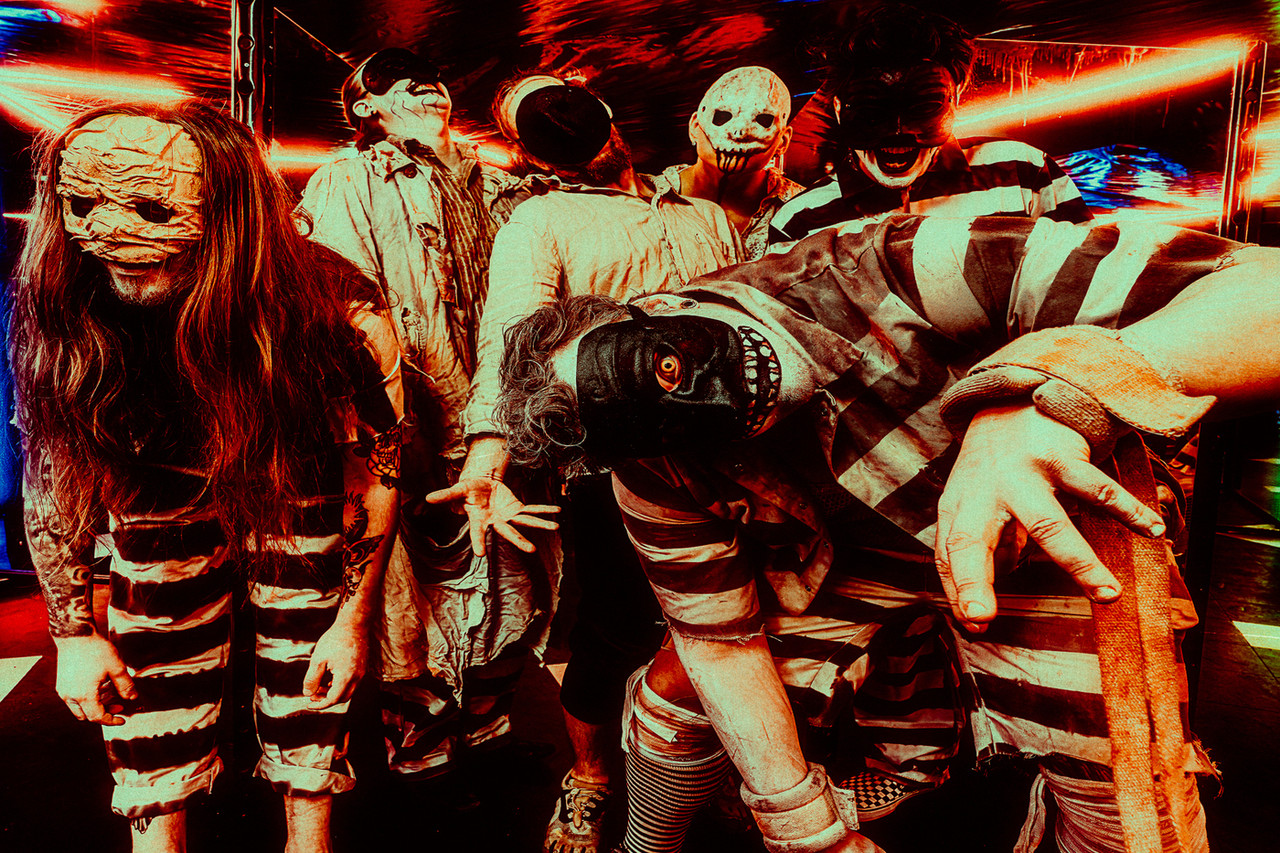
Agarwaen
Anthony “Vryko” Hodju — Guitars, Vocals
Dr Wolfram – Bass
Pete Bay – Guitars
Szilard de la Costa – Drums
Crazy Gustav – Rhythm Guitars
Vermin – Actor
Hear The Music
Social Links
Over The Border Records | Home Page