Baylec — Camus Review
Baylec is an American atmospheric and depressive black metal solo act. On 14 January 2026, Baylec released his fourth independent full-length, Camus.
Baylec, Camus Review: This review will evaluate every aspect of the album, from its intricate musical composition to its production.
The First Three Sins, The Summary
The First Sin, The Strings/Keys: Thin, brittle tremolo lines — cold, distant, and memory-laden, drifting through a suffocating grey haze. The Second Sin, The Vocals: High, strained shrieks — disembodied, anguished, and buried deep in the mix like a voice echoing from another room. The Third Sin, The Percussions: Minimalist, restrained drumming — a sombre, human pulse that underpins the descent without ever breaking the spell.
The Fourth Sin, Overall Discussion
Opening: The Grey Threshold
The moment the listener presses play, the opening hymn As the Grey Clouds Dissipate greets them with an immersive audio recording. This serves as a haunting threshold that leads you directly into a grey, slow, suffocating atmosphere.
It is a sonic fog that does not just surround the listener; it settles over them, signalling a departure from the light and a deep immersion into Baylec’s atmospheric desolation.
The Weight That Refuses to Lift
As the journey continues through the remaining seven hymns, Camus unfolds over a thirty-minute runtime that systematically clouds the soul. A heavy, depressive, atmospheric aura refuses to lift. Be warned, this is no walk in the park, nor is it for the faint of heart.
The slow, crushing weight of the composition is steeped in existentialism, introspective bleakness, and the sound of mental collapse.
This is music for solitary moments — a time to let the outside world drift away and surrender to the headphones. It is designed to drag the listener into the somewhere nothing and beyond, providing a dark sanctuary for those who find comfort in the absolute bottom of the abyss.
Memory, Distance, and the Vanishing Light
Musically, Baylec skilfully blends the raw, unpolished production of the United States black metal underground with the vast emotional landscapes of depressive and atmospheric black metal. It merges the spectral, claustrophobic depression of Xasthur with the wind-scoured melancholy of Woods of Desolation.
Yet, it also reaches toward the luminous, aching despair found in Thy Light, forging a solitary depressive and atmospheric rite that is entirely its own.
In this soundscape, tremolo becomes memory; riffs feel like echoes of a lost past. Reverb becomes distance; every note creates a sense of being miles away from the world. Every fragile chord hangs like frost — a delicate, cold presence that lingers in the air before shattering.
Listening to Camus feels like watching a candle slowly burning away — a flicker of light struggling against an all-consuming grey until, finally, it vanishes.
The Solitary Voice in the Hollow Space
The devilmanship behind Baylec is a one-person labour, forged to precision in both instrumental composition and arrangement. There is a terrifyingly focused precision here; every layer serves the narrative of a mind in the process of fading. As a solitary rite, the music feels less like a studio session and more like a private, nocturnal excavation of the self.
The vocals are one of the most spectral elements of the album — distant, anguished, and ghostlike. Rather than leading the hymns, they sit low in the mix, defined by high, strained shrieked delivery captured with a reverb tail that makes the voice feel entirely disembodied.
The production creates a sense of physical distance, as if the screams are echoing through the hallways of an empty house. Spoken and whispered passages appear in the more introspective hymns; these moments ground the record in a raw, human reality.
These are not performative vocals; they feel like an internal monologue made audible. It is a private despair, a secret grief that the listener is merely overhearing from the shadows.
The Fragile Spine of Sound
The guitars serve as the emotional spine of Camus, defined by a minimal distortion profile. This is not a lo-fi aesthetic, but an intentionally thin, brittle tone that creates a cold air around every note. It is a sound that feels less like a wall of noise and more like fragile, icy structures.
The melodic architecture of the album is built on midrange layered harmonies, providing hymns like Path to Elysium and Martyrdom with a drifting, almost post-black shimmer. Wistful high-register tremolo feels yearning rather than purely bleak, suggesting a memory of something lost.
The existential reach carries the album’s core philosophy — shifting from rage to a profound, quiet resignation.
To enhance the pervasive melancholy, Baylec carefully layers additional textures: Slow clean guitars dominate the fourth hymn Below, deepening the atmospheric gloom. Acoustic interventions on the fifth hymn, Path to Elysium, add a layer of sorrow and greyness that blankets the entire composition.
The bass, while felt more than heard, plays a crucial structural role — acting as the heavy, silent floor for the shimmering, wistful guitars above.
The Pulse Beneath the Fog
The drumming on Camus, whether performed or expertly programmed, is crafted to feel organic, prioritising atmosphere over raw aggression. The drums do not fight for the listener’s attention; instead, they provide a steady, sombre heartbeat for the grey clouds to drift over.
The rhythmic structure is defined by mid-tempo blasts used with such subtlety that they never dominate the mix, acting more like a surge of wind than an assault. Sparse fills, consisting of single-stroke rolls or haunting tom accents that punctuate the silence without breaking the spell.
By remaining subdued, the percussion allows the guitars and disembodied vocals to occupy the foreground, ensuring the record’s existential weight remains the primary focus.
The Claustrophobic Mirror
The production of Camus serves as a mirror to its existential themes — a sound that feels as if it is dissolving at the edges. The mix is intentionally claustrophobic and solitary, creating a space where the listener feels trapped within the artist’s internal landscape. While carrying the DNA of bedroom black metal, it is executed with clear, unwavering intention rather than accidentally.
Every layer of hiss and every muffled frequency is a deliberate brushstroke in this thirty-minute portrait of mental collapse.
Closing: The Final Flicker
The album reaches its conclusion with the closing hymn, Whatever So Pale. As the music begins to recede, it mirrors the slow guttering of a candle. Yet, even as the final note vanishes, the depressive and atmospheric weight lingers — a spectral presence that remains in the room long after the flame itself has been exhausted.
Overall: The Descent Complete
Overall, Camus is a grey, anguished fruit of art that sits heavy on the chest. It is a record that leans into existential melancholy rather than fury — a stylistic choice that remains deeply in line with the album’s title and thematic direction.
Camus is an album where the heaviness moves beyond claustrophobia; it deepens into something darker and more solitary. Each hymn pulls you further into the mind of Baylec himself, until you are left wandering the same dim corridors of dread, resignation, and internal collapse.
It is a descent where the light does not just fade — it is forgotten.
The Fifth Sin, The Memorabilia
For me, Camus is precisely what I seek in depressive music: it is atmospheric, slow, and carries that extra scoop of coffee in the cup — a bitter, concentrated strength.
While some may find this level of heaviness and despair overwhelming, to me, it is a form of relaxation. It belongs in the darkness alongside Xasthur and other titans of the genre. I can almost see the steam of a bath rising in a dark room while this plays; it is a sanctuary for the isolated soul.
The Sixth Sin, The Artwork
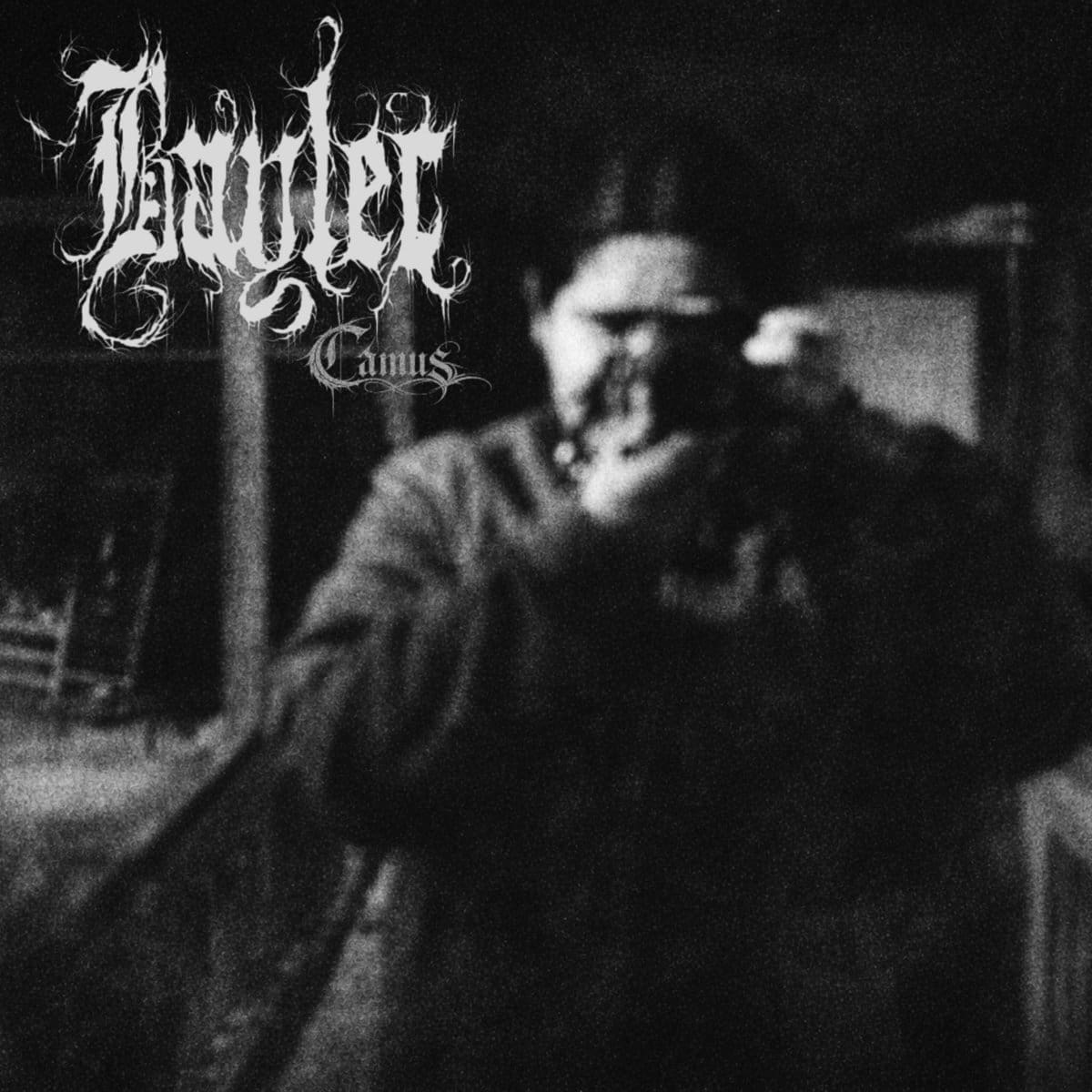
The artwork serves as a visual threshold. It is not just a cover; it feels like a direct window into the mind of Baylec himself.
The Seventh Sin, Disrelish
There is little to disrelish for listeners who actively seek music that is dark, isolated, and claustrophobic. If you are looking for a way to disappear into the somewhere nothing, Baylec offers no friction — only a steady, inexorable pull into the depths
The Hymns
01. As the Grey Clouds Dissipate
02. Martyrdom
03. Cry for Choir
04. Below
05. Path to Elysium
06. Camus
07. Nothing Was Kept
08. What’s Ever So Pale
Baylec
Cayleb Copeland — Everything