Celestial Silence — Silent Calls from the Other Side Review
Celestial Silence is an international (Ukraine/Finland) black metal entity. On 8 September 2025, the band released their debut full-length, Silent Calls From the Other Side, via Forbboden Keep Records.
Celestial Silence, Silent Calls from the Other Side Review: This review will evaluate every aspect of the album, from its intricate musical composition to its production.
The First Three Sins, The Summary
The First Sin, The Strings/Keys: The guitars carry the album’s emotional architecture, shouldering both harmony and low-end weight. The Second Sin, The Vocals: A spectral rasp — less a shriek, more a ritual presence worn down by wind. The Third Sin, The Percussions: The drumming reinforces the atmosphere through pressure and repetition, sustaining the sensation of storm and distance.
The Fourth Sin, Overall Discussion
Crippled Solitude — The Gateway Hymn
From the first breath of the opening hymn, Crippled Solitude greets the listener with a slow and sorrowful introduction — darkly beautiful, building with controlled inevitability before transitioning into the five hymns that follow. This beginning acts as a gateway, pulling the listener away from the waking world and into a cold, atmospheric space where the Other Side begins to speak.
It is not merely an intro; it is a funeral procession for the senses.
Silence as Doctrine
Silent Calls from the Other Side unfolds across less than thirty minutes of black metal, yet its lyrical themes reach far beyond the music itself — isolation, philosophy, metaphysics, and existentialism forming its conceptual spine. The result is an atmosphere that feels unanchored — not tied to a place, but stretched across distance, reinforced by deliberate pauses, restraint, and negative space.
As Celestial Silence explains in our interview:
“Silence is not just the absence of sound; it is an important element, both musically and philosophically. Silence acts as a trigger for introspection, reflection, and self-analysis.”
Devilmanship Forged in Absence
Within the band’s devilmanship — which is rock-solid and forged from the members’ involvement in other projects — there is a remarkably tight sense of composition and arrangement. Yet, despite this technical prowess, the album’s sound is built on absence as much as presence. It feels like a call from the other side: half-heard, half-lost, and carried by wind and distance.
The instruments do not simply fill the air; they haunt it — balancing physical performance against an ethereal void.
Rhythm as Weather
Dødes Kor’s drumming on Silent Calls from the Other Side is the album’s most physical element, yet it never dominates. Dødes Kor gives the kit a cavernous resonance — expansive, deep, and soaked in room tone. The mid-tempo blasts feel more like sustained wind pressure than typical aggression, utilising repetitive, mantra-like rhythms that reinforce the album’s metaphysical focus. Occasional tom rolls mimic the distant rumble of thunder or the heavy shifting of waves.
In this way, the drums don’t drive the music — they weather it, creating the immersive sensation of being trapped inside a storm rather than merely listening to one.
Guitars as the Primary Architect
Osarseph’s guitars serve as the primary architect of the album’s emotional and atmospheric world. With no credited bassist, Osarseph’s guitars carry both harmonic and low-end responsibilities, filling the album’s sonic space with singular purpose. His tremolo picking is utilised not for outward aggression, but for sustained emotional pressure, while his chord shapes lean toward suspended intervals that create a sense of unresolved, lingering tension.
These are punctuated by clean or lightly overdriven passages, like cold air entering a sealed room — subtle harmonic overtones haunting the mix as ghost melodies.
A Voice Eroded by Wind
Klemi’s contribution is the album’s most spectral element: the voice is not a narrator, but a presence. It sits buried in the mix, often lingering behind the guitars under high-diffusion reverb, creating the impression of a voice echoing across a great metaphysical distance. The delivery is rasped, breath-driven, and intentionally indistinct — resembling a ritual chant eroded by the wind rather than a traditional black metal shriek.
His noise elements — wind-like textures, low-frequency rumbles, and feedback manipulation — form subtle static layers that inhabit the negative space.
These details are best captured through headphones, where subtle frequencies and feedback haunt the edges of the sound.
Raw Maritime Melancholy
Silent Calls from the Other Side is built on a chaotic foundation, yet its expression is raw and melancholic — distant-voiced, restrained, and deliberately measured rather than explosive. As previously noted, the atmosphere is built on pauses, space, and restraint; every element is given room to breathe, allowing the listener to fully absorb the beautifully dark atmosphere.
This atmosphere leans heavily into emotional distance — everything feels far away, as if transmitted across a void. There is a cold, maritime melancholy here; hymns like Sailing in a Storm and Fading Time evoke wind, rain, and open water, but this ambience is carved from guitar resonance and noise layers rather than synths.
The recording retains the grit of home-studio / small-room tracking, consistent with raw atmospheric tradition. The guitars feel close-mic’d but are drenched in reverb and delay to create width without sacrificing the raw edge. The drums retain a natural room sound with minimal editing, allowing the cymbals to bloom into the mix and contribute to the storm-like haze, while the vocals are treated with heavy spatial effects — long decay and high diffusion — to cement that deliberate sense of distance.
Nothing feels over‑produced. The recording choices reinforce the album’s emotional and conceptual themes.
For Your Ruin — The Storm Recedes
As the album closes with For Your Ruin, the storm begins to recede. When the final note fades and silence — that important element the band emphasises — returns, the listener is left with a lingering question. In this hollow space between the noise and the void, one can only hope that the listener finds what they were looking for within the music.
A Forbidden Fruit
Overall, Silent Calls from the Other Side is a deep and heavy forbidden fruit — mature, cathartic, and steeped in a hope-lost atmosphere that offers no easy escape.
The Fifth Sin, The Memorabilia
For me, Silent Calls from the Other Side arrives as a genuine fruit of art. While the music stands on its own, headphones are the true conduit, revealing the ritual hollow space within the compositions and deepening the album’s metaphysical pull.
Without spoilers, I can say that I think I found exactly what I was looking for within this music.
The Sixth Sin, The Artwork
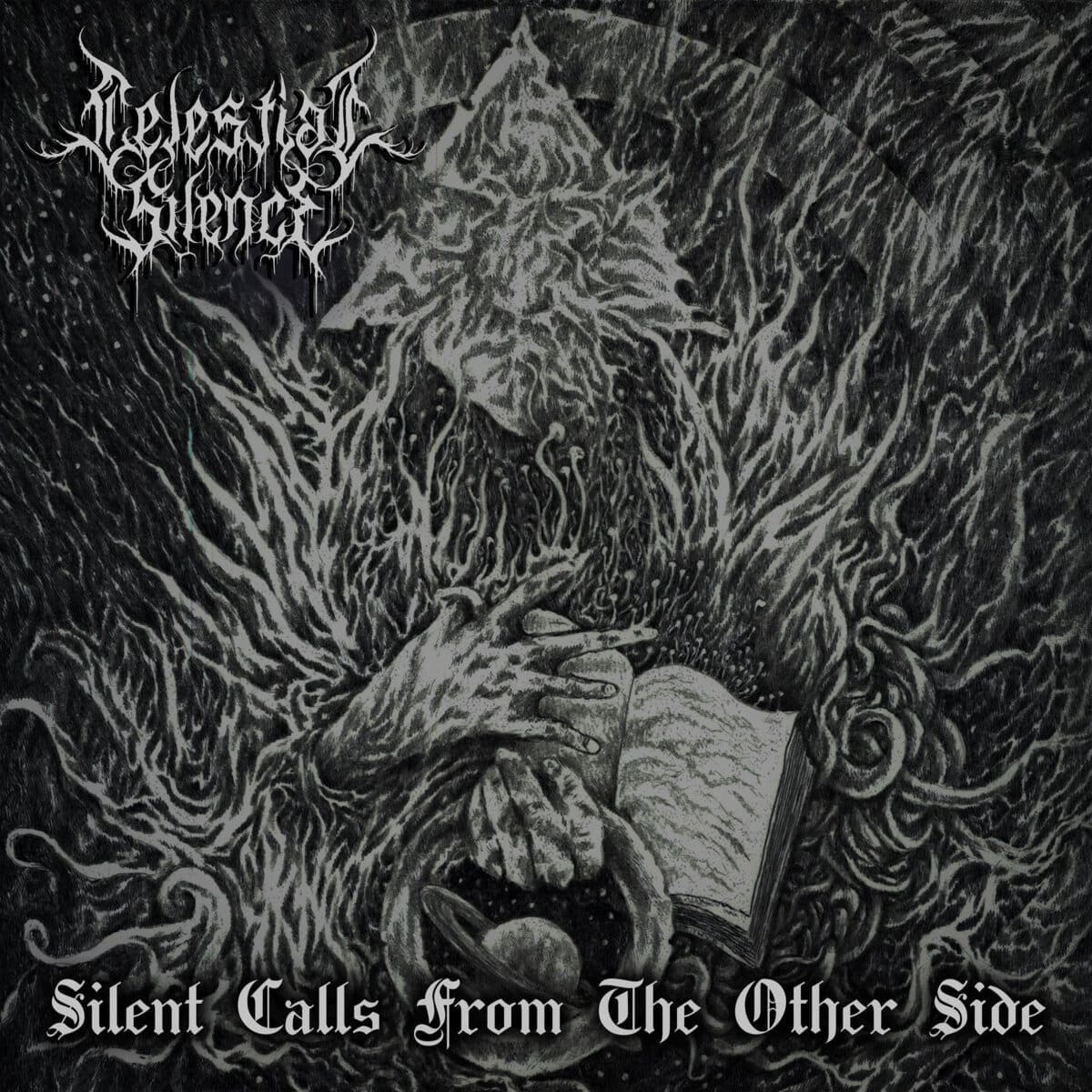
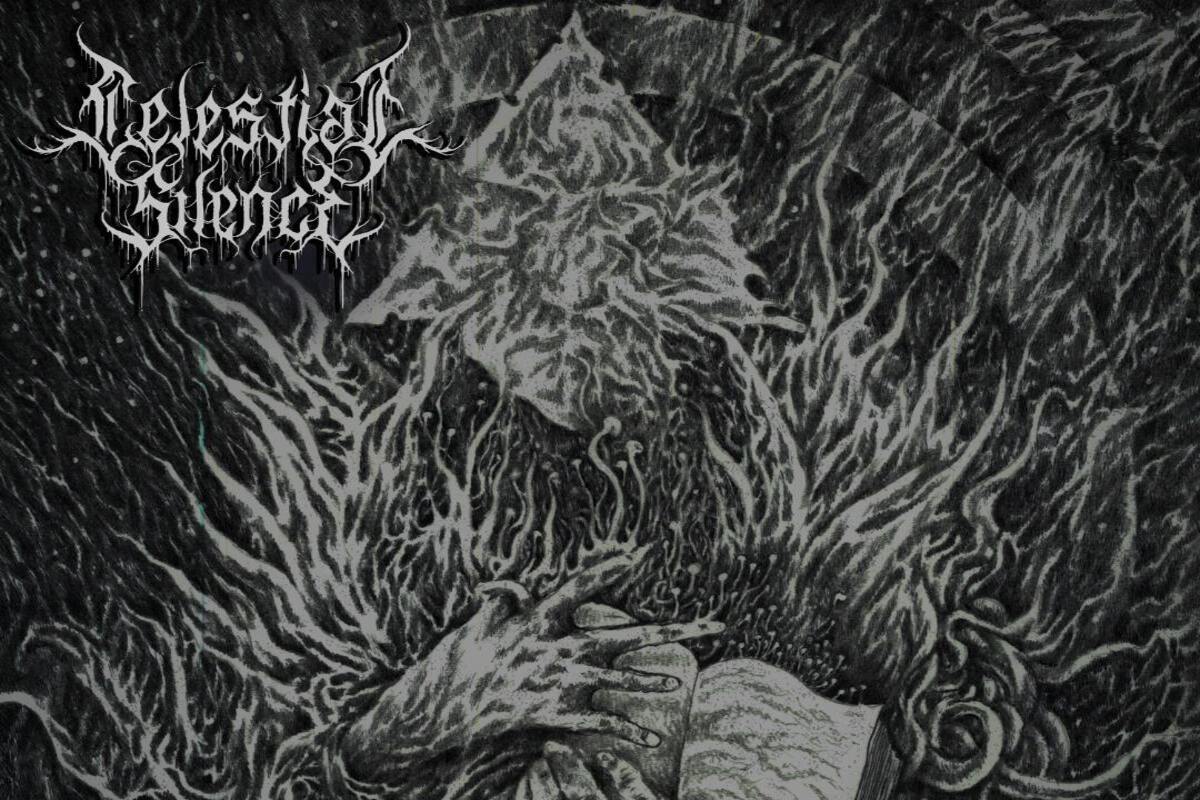
The artwork captures the Other Side as the album presents it — a call half-heard, half-lost. It mirrors the maritime distance and existential weight carved into these hymns.
The Seventh Sin, Disrelish
There is nothing here to disrelish for those who seek the dark side of the heart. The only sin is the finality: when the last note of For Your Ruin fades, the silence left behind is heavy and absolute.
Promotional material provided by Celestial Silence.
The Hymns
01. Crippled Solitude
02. Fading Time
03. Sailing in a Storm
04. Dismal Gleam
05. Knot of Perals
06. For Your Ruin
Celestial Silence
Dødes kor — Drums
Osarseph — Guitars
Klemi — Vocals, Noise
Hear The Music
Social Links
Forbidden Keep Records | Bandcamp