Fatal Arrival — The Venom Gate Review
Fatal Arrival is an German black heavy metal entity. On 29 May 2026, Fatal Arrival released their second independent full-length album, The Venom Gate.
Fatal Arrival, The Venom Gate Review: This review will evaluate every aspect of the album, from its intricate musical composition to its production.
The First Three Sins, The Summary
The First Sin, The Strings/Keys: Dark-melodic dual-guitar architecture intertwines expressive heavy-metal leads with venomous harmonic weight. The Second Sin, The Vocals: Emotionally burdened lead vocals merge theatrical heavy-metal storytelling with towering, cathedral-like backing harmonies, reinforcing the album’s ritualistic psychological weight. The Third Sin, The Percussions: Ceremonial mid-tempo drumming rejects unnecessary technical excess, maintaining disciplined ritual momentum.
The Fourth Sin, Overall Discussion
Beyond the Venom Gate
Before dissecting the sonic architecture of this release, one must first grasp the ambitious scale of the monument. Clocking in at a staggering sixty-five minutes, The Venom Gate is an expansive conceptual odyssey spread across eleven dense hymns and an introductory prelude.
Far more than a simple collection of aggressive hymns, this album stands as a complex, deeply philosophical concept album.
The Poison Within
Each individual hymn operates as a symbolic element of a larger, interconnected worldview — systematically confronting the grim realities of human vices, deep-seated melancholy, inner struggles, and personal demons. It navigates a dark path through pervasive distrust, hard-fought self-realisation, and ritualised suffering, utilising the metaphor of venom to represent the toxic psychological forces that the soul must either transmute or succumb to.
Fatal Arrival states that none of these lyrics are about suicide, nor do they promote in any way suicidal actions! These words were written in days of grief and are addressed to those who feel lost in their darkest and saddest period of life.
The Downward Cycle
The tracking order of The Venom Gate is structured like a methodical, psychological descent. The moment the introductory prelude, Opening the Venom Gate, turns its keys, the listener is greeted by an eerie, atmospheric organ intro. This classical, gothic instrumentation signals the literal and symbolic opening of the gates to self-destruction, plunging the audience directly into the album’s core title-hymn and the exploration of human downfall, Venom Gate.
From that initial plunge, Fatal Arrival expertly rotates through distinct genre styles to illustrate every stage of the inner struggle:
- Silent Sadness (The Power Metal Hymn) — deploys soaring, melodic metal structures to confront recurring melancholy, framing it not as a weakness, but as an inherent, unavoidable human condition.
- Oblivion — The Black Cocoon (The Healing Process) — shifts the sonic weight toward dense, protective atmospheres, treating absolute isolation not as a defeat, but as a necessary, cocoon-like healing process for the fractured psyche.
- Mother Darkness (The Misanthropic Pillar) — stands tall as the album’s most fiercely misanthropic hymn. Saturated in a pitch-black atmosphere and powerful, striking imagery, it champions the realisation of strength found only through darkness and total solitude.
- King Of My Own (The Sovereign Ballad) — closes perfectly the first half of the album. Operating as a dark, heavy ballad, it delivers a massive, unyielding statement of self-empowerment and reclamation forged directly out of intense suffering.
Psychological Function I ‐ The Corrosive Twin Strings
The reigning devilmanship within Fatal Arrival is far more than merely executed; it is honed to perfection. The entire instrumental and musical composition is deliberately built upon a dark-melodic, emotionally heavy foundation where every single instrument serves a distinct, calculated psychological function within the broader conceptual narrative.
The dual guitars of Franz and Max “RavenClaw” Steglich function as the primary carriers of mood, carving out the album’s intricate, venomous architecture from the ground up. Instead of relying on cheap sonic tricks, the dual-guitar layering builds most of the hymns out of two interlocking lines:
- One highly melodic and deeply expressive; the other shadowing closely behind with darker, suffocating harmonic weight.
- These guitars define the album’s true psychological venom ‐ they are never aggressive for aggression’s sake, but rather corrosive, weary, and ritualistic, dragging the listener through an unyielding terrain of internal conflict where tension never fades.
Psychological Function II ‐ The Ritual Momentum
Behind the kit, guest drummer Frank Koppe enforces a strict ritual momentum. The percussive patterns are heavily ceremonial, controlled, and distinctly mid-tempo dominant. Rather than distracting the audience with unnecessary technical flash or erratic tempo changes, the drums give the entire sixty-five-minute odyssey its ritualistic pulse, keeping the compositions completely grounded in emotional gravity and structural discipline.
Serving as the foundation for this emotional weight is bassist Steven Rothe, whose performance deepens the underlying dread and reinforces the instrument’s immense sonic gravity.
Psychological Function III ‐ The Cathedral Confession
Completing the band’s signature style is a shared vocal delivery that handles the album’s core psychological affliction, seamlessly blending dark melodic singing, strained emotional projection, and occasional harsher textures. Franz’s lead vocals are weary, introspective, and profoundly afflicted; his voice feels as though it is physically carrying the album’s thematic venom, occasionally breaking into soaring, King Diamond-esque horror-narrative screams.
Elevating this delivery to new heights are the backing vocals handled by Max “RavenClaw” Steglich, which inject massive layered depth into the mix, particularly during the epic, Candlemass-like doom weight of the choruses and climactic sections.
Together, the vocals feel like an intimate confession delivered inside a collapsing cathedral — wounded, vulnerable, and deeply ritualistic.
The Descent into Numbness
The second half of the cycle ignites with the devastating impact of the seventh hymn,Consequence of Lies, which meticulously deconstructs the themes of personal failure and absolute deception. This flows seamlessly into the suffocating, heavy march of the eighth hymn, Obedience and Control, a hymn that utilises a rigid, militant rhythm to embody the bleak psychological weight of manipulation and external oppression.
From the ashes of that oppression, the ninth composition, Raven Bridge, rises to offer a sweeping, epic progression drenched in a rich gothic atmosphere. This hymn serves as a critical thematic turning point for the entire sixty-five-minute odyssey, charting the agonising process of internal transformation and hard-fought self-realisation.
Yet, this path does not lead to easy salvation. At the terminal end of the crossing lies the tenth hymn of the cycle, Genesis of Narcosis, which plunges the listener into the dark heart of emotional numbness. It is the final, anaesthetic stage of the venom’s journey — where the wounds of the cathedral confession are finally frozen over in a cold, unyielding psychological vacuum.
The Weight of the Production
The Venom Gate benefits from a dark-melodic, emotionally heavy, mid-gain modern metal production. The engineering is clean enough to feel entirely contemporary, yet it remains deliberately grainy and human, ensuring that the overarching melancholy and thematic venom stay fully intact. Rather than chasing sterile digital polish, everything within the mix is meticulously balanced to emphasise sheer sonic weight, ritual pacing, and deep emotional corrosion rather than empty technical flash.
A Momentum of Dark Theatre
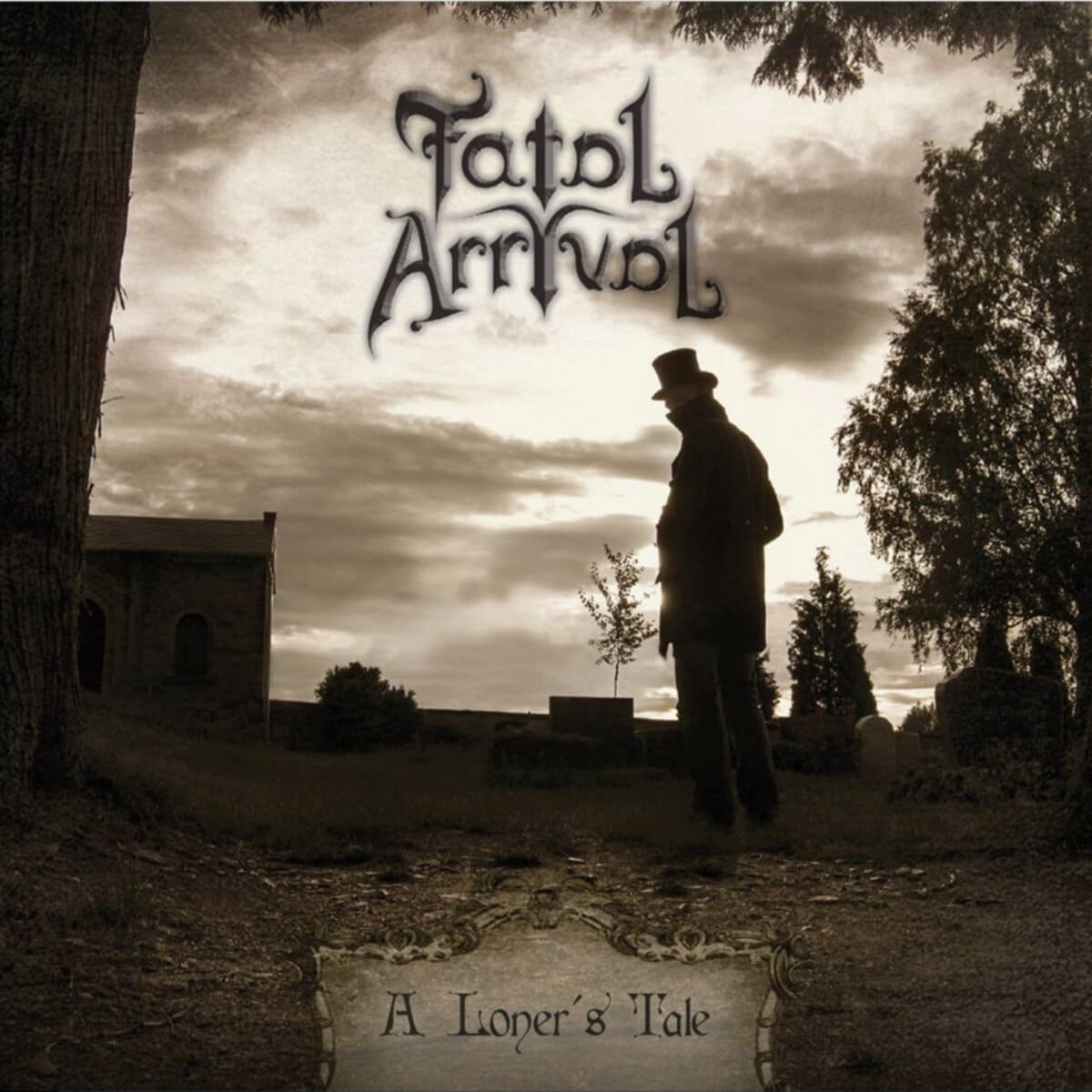
Overall, The Venom Gate stands as a dark-interwoven fruit of art. It artfully keeps the same creative spark that ignited their debut album, A Loner’s Tale, but introduces one massive difference: this material is significantly more profound and darker in its execution.
Even with this pitch-black shift in psychological weight, the record beautifully preserves that highly entertaining heavy metal theatrical-musical-play concept and those unmistakable, classic King Diamond influences.
The Gate Finally Closes
The record reaches the final stage of its journey with its last two hymns. The eleventh hymn, Tower of Salvation, strikes with a sense of final enlightenment and liberation, before the composition closes entirely with the twelfth hymn, Sonett des Kummers— an acoustic, poetic ending delivered in German.
Sonett des Kummers serves as an intensely reflective, melancholic closing to the album, leaving the listener with a stark existential truth: Happiness is bound to time — pain must be endured.
The Fifth Sin, The Memorabilia
For me, The Venom Gate carries an even stronger, more commanding presence than their 2026 debut release, A Loner’s Tale — an album I already deeply enjoyed. But The Venom Gate feels vastly more alive, poetic, and packed with profoundly meaningful, expressive lyricism. It is a raw, deeply experiential, and significantly darker journey that sounds as though it crawled straight out of a forgotten crypt.
Every single element drips with pure hostility: from the toxic guitars, demonic drums, and withered bass to the poisonous backing vocals, Franz‘s venomous guitars, gravetastic lead vocals, cryptic growls, and frantic raven screams.
While the entire sixty-five-minute spectrum is a fruit of art, I found Mother Darkness, King Of My Own, and the haunting closing acoustic piece Sonett des Kummers to be the most enjoyable hymns.
The Sixth Sin, The Artwork
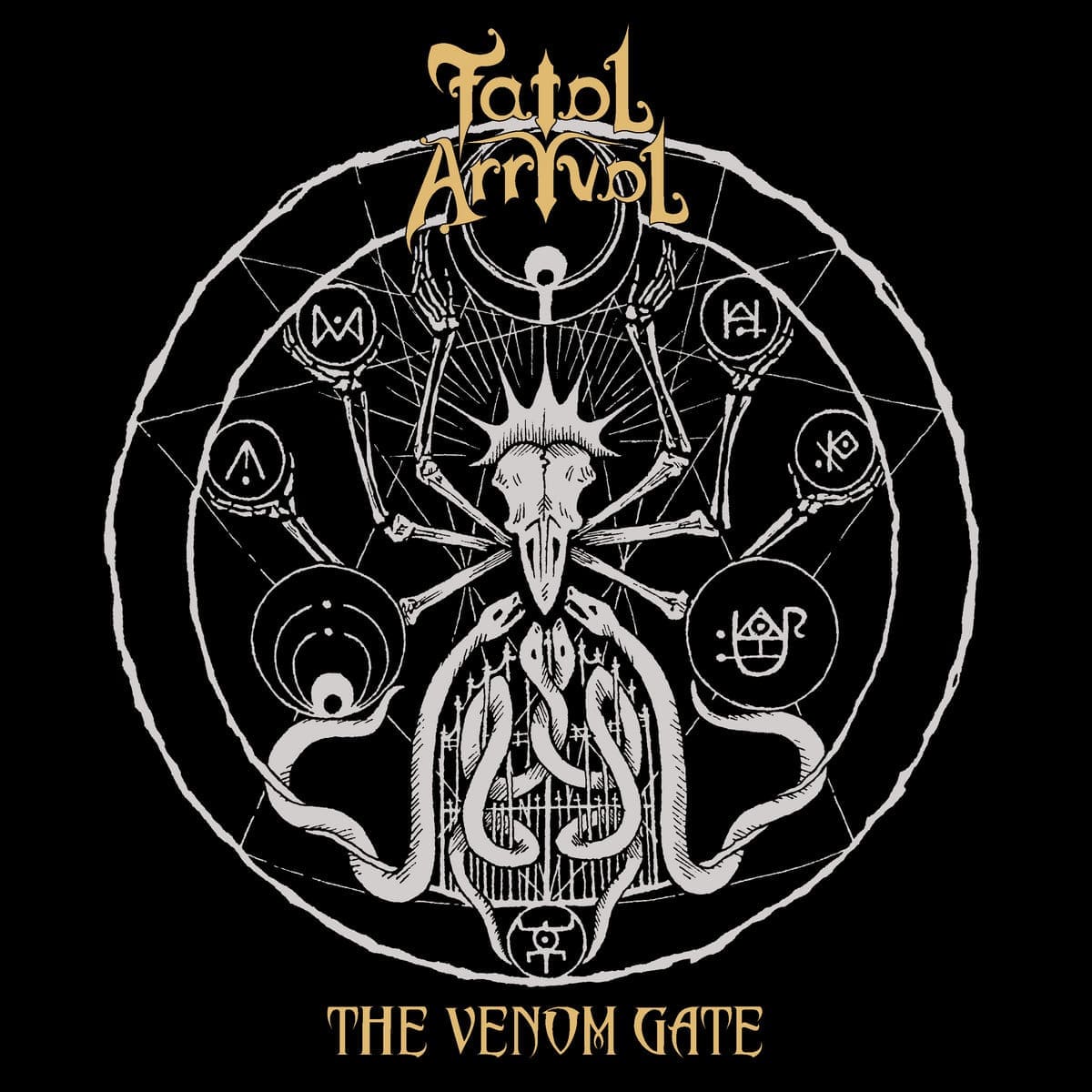
The visual presentation carries a deeply striking, ritualistic occult vibe. It acts as an ominous physical doorway to the music, using stark shadows and ancient symbolic imagery to evoke a sense of forbidden, ceremonial mystery.
The Seventh Sin, Disrelish
I find nothing to disrelish across this entire dark, beautifully interwoven musical spectrum. From the raw, human production grain to the theatrical, emotionally corrosive songwriting Fatal Arrival has delivered a flawless monument of dark art. The only casualty of repeated listening was my replay button, sacrificed willingly upon this dark and dramatic altar.
The Hymns
01. Opening The Venom Gate (Intro)
02. Venom Gate
03. Silent Sadness
04. Oblivion ‐ The Black Cocoon
05. Mother Darkness
06. King Of My Own
07. Consequence Of Lies
08. Obedience And Control
09. Raven Bridge
10.
11. Tower Of Salvation
12. Sonett des Kummers
Fatal Arrival
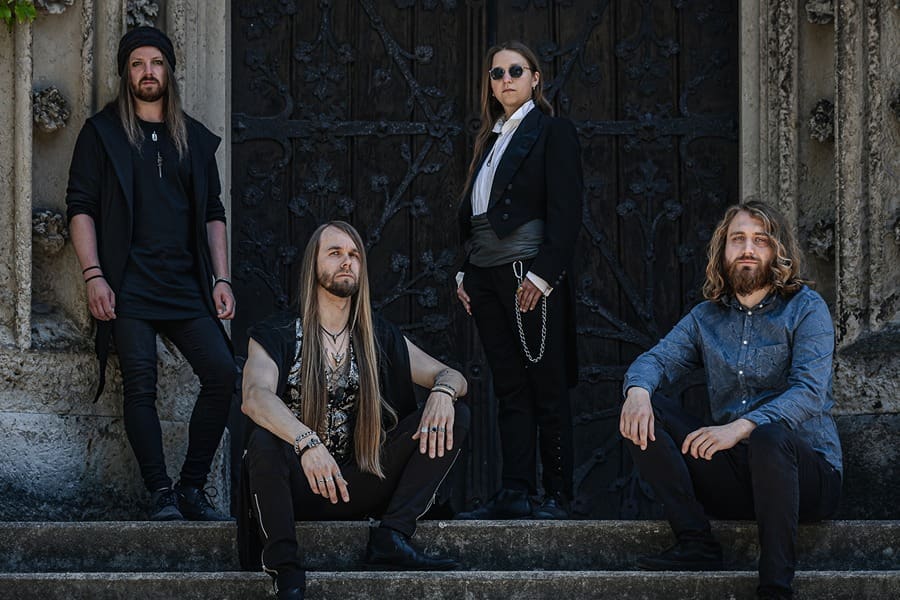
Franz “Gravefield” Lehmann — Vocals, Guitars
Max “RavenClaw” Steglich – Guitars, Backing Vocals
Frank Kopper – Guest Drums
Steven Rothe – Guest Bass