Haissem — Aeon Citadel Review
Haissem is a Ukrainian melodic black death metal solo project. On 27 March 2026, Haissem released his ninth full-length, Aeon Citadel, co-released via Arx Productions and More Hate Productions.
Haissem, Aeon Citadel Review: This review will evaluate every aspect of the album, from its intricate musical composition to its production.
The First Three Sins, The Summary
The First Sin, The Strings/Keys: Icy, melodic tremolo lines carve through a dense, blackened wall of sound. The Second Sin, The Vocals: A dual-layered vocal assault consumed by its own disdain, shifting between torment and command. The Third Sin, The Percussions: Measured yet forceful drumming — blast-beat eruptions and mid-paced grooves carefully deployed to sustain momentum.
The Fourth Sin, Overall Discussion
The Gates of the Citadel
The moment the listener presses play, the opening hymn, The Authenticity of Pious Disdain, greets them with a wall of heavy guitar distortion and dark, abrasive vocals. It does not merely begin; it initiates a ritualistic build-up, a sonic foundation for the architectural darkness to unfold.
There is an immediate sense of weight — not only in the tone, but in the atmosphere — suggesting that the Aeon Citadel is a place of both ancient power and relentless, blackened hostility.
Chambers of Immense Scale
As the journey continues through the three remaining hymns, the album reveals its massive, monolithic structure. At forty minutes, Aeon Citadel demands total immersion. Apart from the opening hymn, which clocks in at over eight minutes, the subsequent hymns push past the ten-minute threshold.
These are not mere hymns; they are expansive, long-form compositions that allow the darkness to breathe, expand, and eventually suffocate.
This deliberate pacing reinforces the album’s title, making each hymn feel like a chamber within a vast fortress of sound.
The Swedish Echo in Stone
With Aeon Citadel, Haissem has moved toward a sound that is far more expansive and profound than previous releases. This is not mere imitation, but a precisely captured essence of the Swedish school.
Aeon Citadel echoes the melodic phrasing of Dissection, utilising icy tremolo lines and grand pacing that defined the genre’s peak. The architectural depth of the album is further reinforced by the mid-paced grooves of Sweden’s Unanimated, providing a rhythmic backbone that feels both ancient and relentless.
The long-form melodicism of Sweden’s Dawn allows the compositions to unfold with a patient, blackened majesty.
These melodic elements do not sit in the mix — they drift over the darkness, creating a foggy, dismal aura that envelops the listener. It is a sonic landscape where the coldness of the melody provides the only light in an otherwise suffocating void.
Devilmanship of the Lone Architect
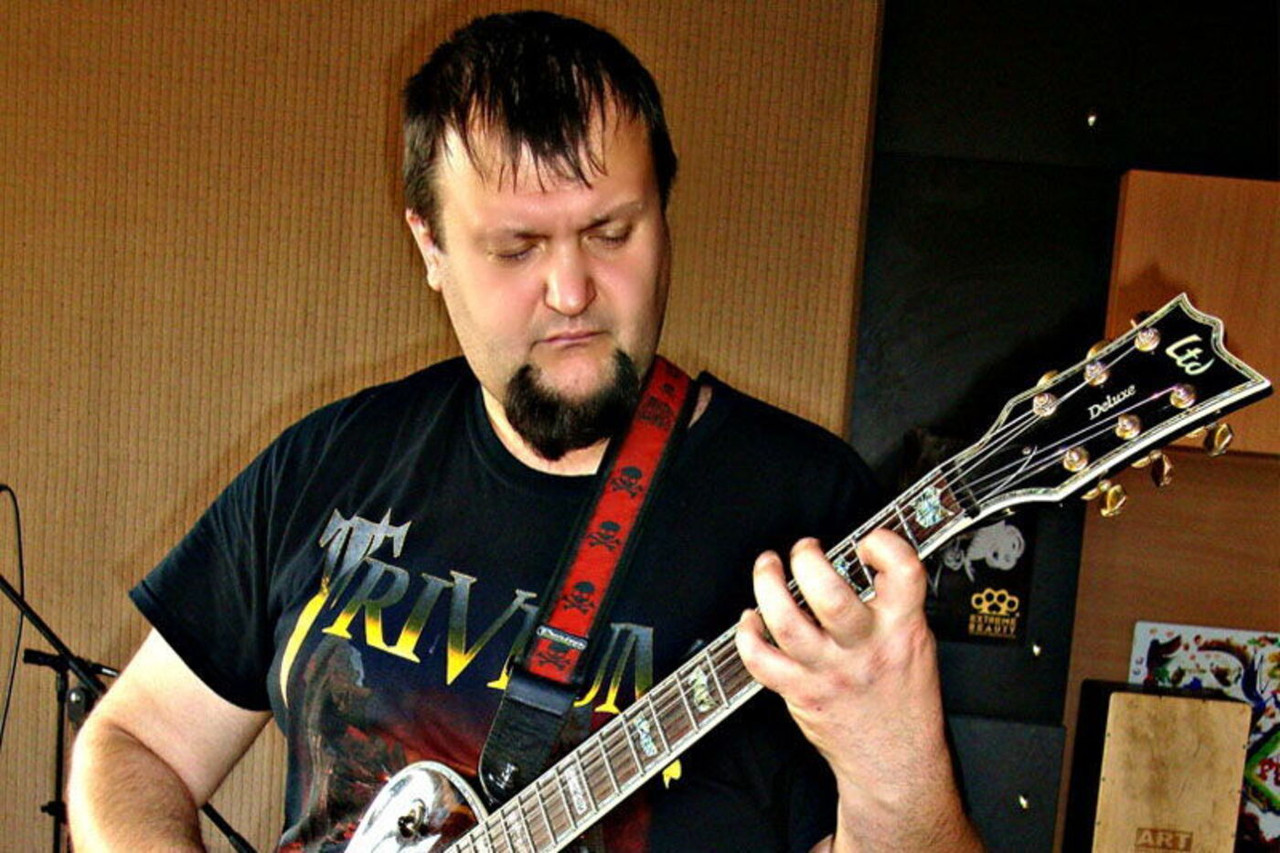
The devilmanship behind Haissem is performed by a single entity — a feat that is forged to perfection. The composition and arrangement are executed with absolute precision.
It is a solitary labour that feels as vast and inhabited as a full coven, yet carries the focused intensity of a lone creator.
The guitars serve as the spine of the album, projecting a blackened aura with riffs that masterfully shift between raw, evil-toned dissonance — forming the record’s aggressive edge — and foggy, melancholic melody, creating a strong sense of narrative movement across these longer hymns.
In these expansive structures, the leads and solos are melodic rather than chaotic. They act as the emotional arc of each ten-minute movement, guiding the listener through the citadel’s darker chambers. While tremolo picking dominates the faster passages — anchoring the sound in raw black metal — subtle, clean guitar textures appear in the background of at least one hymn, adding a layer of spectral depth.
The bass, while not foregrounded, remains clearly present and functional, providing a grounded foundation for the melodic clouds above.
The Pulse Within the Walls
The drumming is a skilful blend of classic black-metal aggression and groove-driven momentum. Rather than a constant blast-beat assault, there is a wide and deliberate tempo range — slow, mid-paced, and fast movements are all utilised to shape these long-form compositions.
Some hymns lock into a solid, near-catchy groove, providing a stable rhythmic platform for the guitars and vocals to ride. This rhythmic variety is essential for a forty-minute journey; it ensures that the citadel has a pulse that shifts with the architecture of each room.
Voices Carved in Cold Air
Haissem’s vocals feel raw, twisted, and torn — a harrowing mix of black-metal extremity and subtle tonal variation. The delivery consists primarily of high-pitched black-metal screams, but these are frequently punctuated by deep, cavernous growls for contrast.
This vocal duality adds a layer of shifting intensity to the record, making the narrator sound as if they are consumed by the very disdain they proclaim.
A Fortress Forged in Sound
The production of Aeon Citadel feels modern at the edges, possessing the intimate, focused energy of a home studio rather than the clinical air of a big-budget recording space.
This choice grants the album an old-school charm and a dense atmosphere at its core. The result is a professional, clear, yet still raw-edged production style — allowing the intricate melodic phrasing to shine through without stripping away the music’s blackened grit.
The Citadel Remains
As Aeon Citadel draws to a close, the weight of its architecture does not collapse; it lingers. The final moments do not offer release, but instead a slow withdrawal from the citadel’s cold, oppressive corridors, leaving behind an atmosphere that clings long after the sound has faded.
An Obsidian Monument
Overall, Aeon Citadel stands as a dark fruit of art — Haissem’s most commanding vision yet. It is an obsidian monument of melodic darkness, carved with intent, conviction, and a cold fire that endures.
It is a testament to what a single entity can achieve when the devilmanship is fuelled by such a profound sense of pious disdain.
The Fifth Sin, The Memorabilia
Where does one begin with Haissem? This stands as his most profound release to date. While the hymns are expansive and long-form, they are never dull; instead, each composition is allowed the space to breathe, moving through the listener with deliberate, haunting grace.
It is music that is simultaneously dark, melodic, and aggressive — a sound that does not just surround you, but possesses an edge that truly bites.
The Sixth Sin, The Artwork
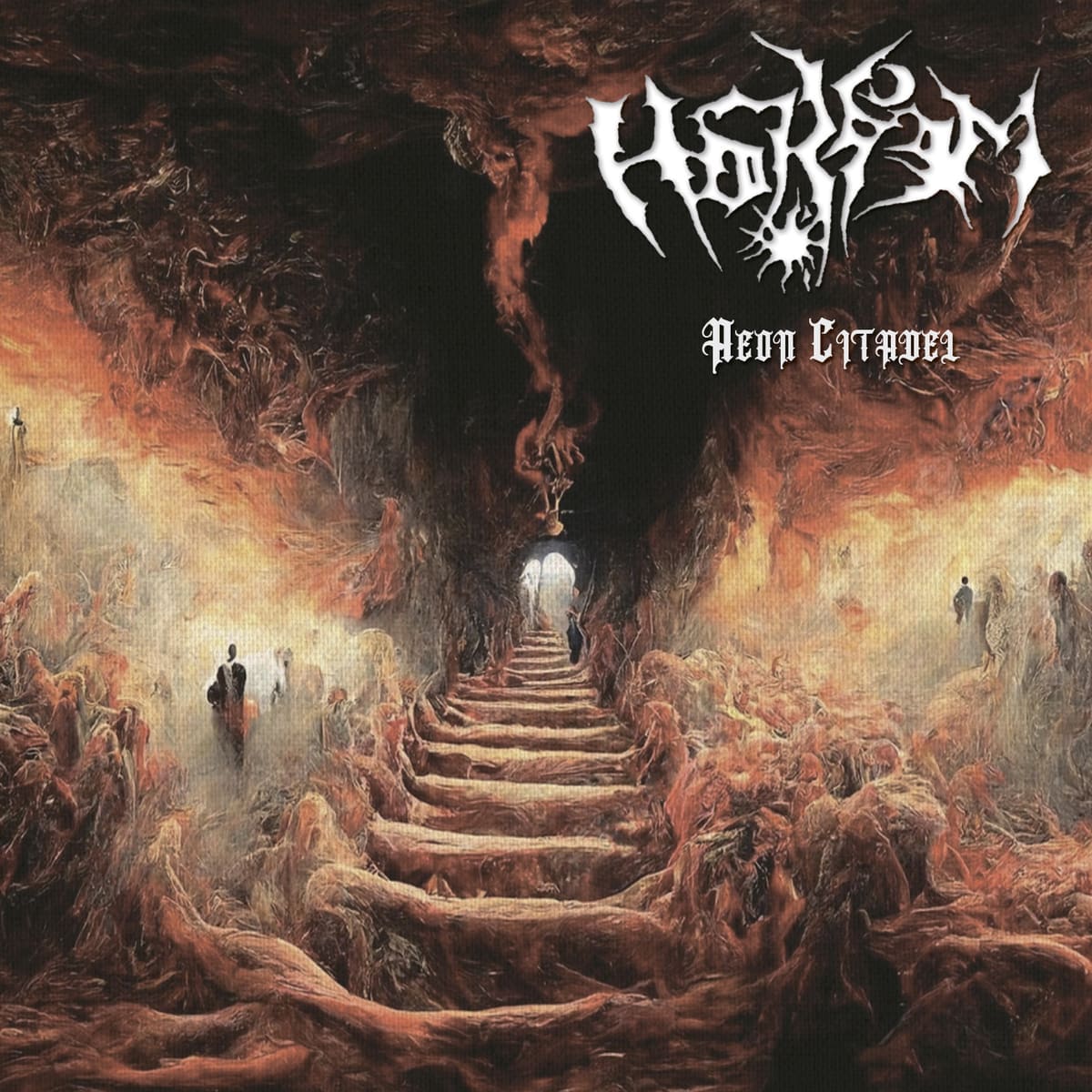
The artwork is a perfect visual anchor for Haissem’s themes of cosmic occultism and alien god-emanation. The light depicted is not benevolent or welcoming; it is overwhelming and consuming. It perfectly mirrors the Aeon Citadel itself — a place where the atmosphere is as vast as the stars and twice as cold.
The Seventh Sin, Disrelish
Nothing to disrelish. The record achieves exactly what it sets out to do — building an obsidian monument that stands defiant against the void.
The Hymns
01. The Authenticity Of Pious Disdain
02. Alleged Insight
03. Ablaze
04. Alien God Emanation/The Feathered Reptiles
Haissem
Andrey Tollock — All Instruments, Vocals