Isolirion — La Notte Dei Sensi Review
Isolirion is an Italian progressive metal entity. On 28 April 2023, Isolirion released their third full-length album, La Notte Dei Sensi. A ablum that explore themes of philosophy, soul, perception, and human introspection.
Isolirion, La Notte Dei Sensi Review: This review will evaluate every aspect of the album, from its intricate musical composition to its production.

The First Three Sins, The Summary
The First Sin, The Strings/Keys: Angular progressive guitars, vintage horror synthesisers, and cinematic experimentation forge an ambitious, theatrical soundscape. The Second Sin, The Vocals: Theatrical, narrative-driven performances embrace progressive-rock expression over conventional metal aggression. The Third Sin, The Percussions: Restrained, disciplined drumming anchors the album with dry precision and measured rhythmic complexity.
The Fourth Sin, Overall Discussion
Entering the Labyrinth
The moment the listener presses play on La Notte Dei Sensi, they are greeted by a sprawling ninety-minute odyssey comprising sixteen complex hymns. For first-time listeners, the sheer scale of the journey feels immediately imposing, and as each movement unfolds, the experience becomes increasingly unconventional.
The album is fractured into two distinct realms: the first eight hymns deliver a vocal-driven, progressive and experimental rock-metal assault, while hymns nine through sixteen drop the vocal layer entirely, adopting the enigmatic titles I sensi 17 through I sensi 24 (or Studio (instrumental) hymns).
To an uninitiated listener, this structural split will feel odd, jarring, and unconventional. Yet, as we documented during our previous features on Outer Heaven (2020) and Warped (2025), this eccentric, divided architecture is precisely how Isolirion operates — pushing progressive metal beyond traditional song structures into increasingly experimental territory.
Beyond Familiar Walls
Within this sixteen-hymn framework, Isolirion constructs sprawling compositions that vary dramatically in both length and purpose. Standing as the album’s emotional and structural anchor is the closing passage, Can’t Hold On (clocking in at 12:50) — a multi-layered piece that contrasts sharply with the shorter, highly experimental tracks preceding it.
Musically, La Notte Dei Sensi marks a significant departure from the thrash and groove metal foundations of their first two records. Instead, the composition pivots toward dynamic avant-garde metal and vintage ’70s progressive rock. The soundscapes evoke the atmospheric dread of Italian cinema legends Goblin, fused with the rhythmic ambition of Rush and the technical scope of King Crimson.
While individual listeners may draw different comparisons, the shift towards cinematic, synth-laden progressive rock is unmistakable. Yet, for all its imagination, the album’s constant pursuit of experimentation occasionally comes at the expense of momentum, making certain passages feel more intellectually fascinating than emotionally involving.
The Architecture of Sound
Both the composition and the devilmanship across La Notte Dei Sensi are meticulously constructed, balancing progressive complexity with theatrical expression. The angular, clean, and theatrical guitar work serves as the core spine of the entire album. Utilising clean or lightly overdriven tones, the arrangement favours angular chord shapes and expressive, melodic phrasing over conventional metal aggression.
On key hymns like La Nube Della (Non) Conoscenza and Do You Know When?, the guitars behave almost like a narrator — shifting the mood, opening doors, and closing curtains as the music demands. Traditional metal riffing is largely absent; instead, Isolirion assembles an intricate mosaic of angular motifs, expressive phrasing, and dramatic melodic arcs.
Beneath this, the bass guitar remains understated, quietly reinforcing the harmonic framework rather than competing for attention, while the dry, controlled drum work delivers disciplined rhythmic foundations inspired by classic Italian progressive rock and horror-soundtrack pacing.
At times, however, the meticulous attention to detail leaves spontaneity in short supply, with technical ambition occasionally overshadowing the immediacy of the compositions themselves.
Spirits Behind the Curtain
The synthesisers serve as the album’s defining voice, drenching the ninety-minute runtime in a rich, Italian horror-prog atmosphere. With Goblin‘s fingerprints visible across every arrangement, the keys deploy creeping, ritualistic motifs, vast ambient pads, and dramatic cinematic transitions that build palpable tension.
Complementing this, the vocals step entirely outside traditional metal boundaries, delivering a theatrical, narrative performance as though lifted from an eccentric Italian progressive-rock opera.
An Intimate Performance
The production across La Notte Dei Sensi embraces a dry, intimate, progressive-rock philosophy underpinned by a fiercely independent DIY character. Built around clean guitars, restrained drums, theatrical vocal deliveries, and creeping, Goblin-like synth atmospheres, the record is produced like a small-room Italian prog opera with distinct avant-garde tendencies.
Rather than aiming for high-octane metal compression, it is mixed like a ’70s Italian horror soundtrack — deliberately unpolished, deliberately exposed, and prioritising raw artistic performance over modern studio gloss. That openness gives every instrument room to breathe, although over such an expansive runtime the restrained production occasionally reinforces the album’s reflective pace rather than driving it forward.
When the Curtain Falls
Ultimately, La Notte Dei Sensi is an ambitious and unapologetically experimental fruit of art. Its theatrical atmosphere and progressive imagination create memorable moments, although its demanding structure and ninety-minute runtime prevent it from maintaining the same impact throughout.
The Fifth Sin, The Memorabilia
For me, La Notte Dei Sensi proved to be more intriguing than consistently rewarding. It is at its strongest when those synthesisers take centre stage, splashing the music with classic ’70s progressive and experimental rock colour. That progressive, experimental environment is easily my favourite aspect of the record.
As a complete work, however, it does not resonate as consistently as Outer Heaven or Warped. While the instrumental passages frequently draw me deeper into the album’s rich progressive atmosphere, the vocal-driven sections prove less consistently engaging, occasionally interrupting the momentum established by the guitars and synthesisers.
Even so, Isolirion deserves recognition for pursuing its artistic vision without compromise, regardless of where that journey ultimately leads.
The Sixth Sin, The Artwork
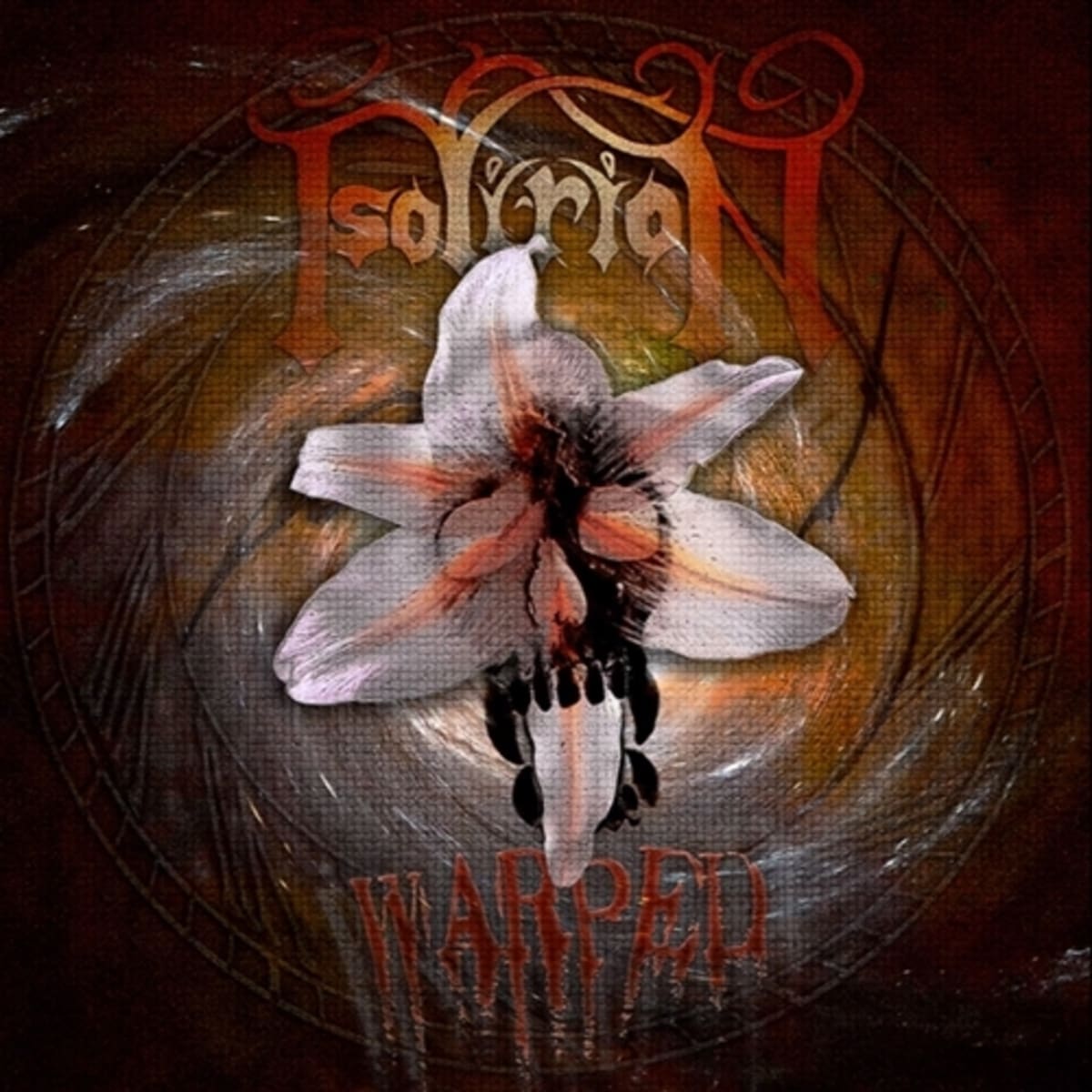
For my personal taste, the artwork lacks the visual impact of Isolirion’s earlier releases. It reflects the album’s experimental spirit, but never proves as memorable as the covers that accompanied Outer Heaven or Warped.
The Seventh Sin, Disrelish
My principal criticism lies not with the devilmanship, but with the album’s structure. Across sixteen hymns and ninety minutes, the relentless pursuit of experimentation occasionally comes at the expense of momentum. While several compositions leave a lasting impression, others feel less essential, resulting in a journey that is more uneven than its remarkable ambition would suggest.
The Hymns
01. La Notte Dei Sensi
02. Black Wizard
03. Hasta la Vista
04. La nube della (non) conoscenza
05. Subversion
06. Anger Seize Falsehood
07. Do You What?
08. Can’t Hold On
Hymns 09‐16 are instrumental hymns (I sensi 17‐24)
Isolirion
Roberto Merlo — Guitars, Drums
Gabriele Sardo – Vocals, Gutiars
Lorenzo – Additional Guitars