Lord of Confusion — The Weight of Life Review
Lord of Confusion is a Portuguese psychedelic doom entity. On 20 March 2026, the band released their second full-length, The Weight of Life, co-released via Morbid and Miserable Records (cassette, 12″ vinyl) & Larvae Records (CD).
Lord of Confusion, The Weight of Life Review: This review will evaluate every aspect of the album, from its intricate musical composition to its production.
The First Three Sins, The Summary
The First Sin, The Strings/Keys: Slow-burning doom riffing saturated in thick fuzz and psychedelic haze — chords linger like incense, pressing weight through atmosphere rather than speed. The Second Sin, The Vocals: Dual vocal presence — deep, worn male chants and ethereal female wails — shifting between invocation and haunting narration. The Third Sin, The Percussions: Ceremonial, tension-driven drumming — floor-tom resonance and measured pacing anchoring the ritual in a slow gravitational pull.
The Fourth Sin, Overall Discussion
Opening: The Descent Begins
From the first note, The Weight of Life submerges the listener in heavy, atmospheric, slow-burning structures. It carries a potent occult, psych-laced edge that feels both ancient and immediate.
The Ritual Framework
The Weight of Life spans sixty minutes of psychedelic atmosphere and ritualistic texture across seven hymns. Lord of Confusion occupies a singular space between the bewitching occultism of Coven, the saturated weight and hazy distortion of Electric Wizard, and the theatrical doom rituals of Abysmal Grief.
This alchemy creates a monolithic wall of sound — slow, dense, and hypnotically heavy — that seems to suffocate the soul. Yet, within this darkness, there is a challenge: the band invites the listener to interpret the hymns through their own lens, prioritising personal experience over a singular, dictated message.
The Mid-Rite Fracture
The fourth hymn, Save Your Tears, breaks the established hypnosis. While it remains shrouded in shadow, the hymn pivots toward a slower, more spacious psychedelia. The vocals shift into a clean, haunting delivery that recalls the late-sixties and early-seventies psych-rock.
This middle movement acts as a brief, ethereal reprieve — a recalibration before the final three hymns. It feels like a necessary pause in the ritual, a moment of clarity before returning to finish the incantation.
Fuzz, Weight, and Devilmanship
The devilmanship of Lord of Confusion is carved into stone; their spellcraft on this release is a composition forged with precision. The guitar work is a showcase in slow-motion intensity, moving fluidly between traditional doom trudges and deep, booming fuzz-drenched riffs. Rather than relying on clarity, the band opts for a thick, saturated grit, often letting chords hang in the air like heavy incense smoke.
Underpinning this are dark rhythms that hit with the physical force of a punch to the chest. These percussion structures are haunted by a persistent, dark aura, ensuring that even the most psychedelic spirals never lose their grounded, ritualistic weight.
The guitar leads are sparse but deliberate — wailing, ghost-light motifs that act more as extensions of the rhythm than standalone solos. The bass is mixed high and warm, providing a bodily heft that is earth-rooted, dense, and foundational.
The Ceremonial Pulse & Haunted Keys
The drumming is ceremonial rather than flashy, built on space, patience, and tension. A heavy presence of floor-tom resonance gives the music a tribal, processional feel where tempos rarely accelerate; instead, the drummer anchors the band in a slow gravitational pull.
Amidst this darkness are eerie, shrieking keyboard melodies. Utilising shrill tones and vintage horror-film textures reminiscent of Goblin or seventies occult cinema, the keys provide a haunting contrast.
If the guitars are the stone walls of the ritual chamber, the keys are the cold air inside it.
Voices of Invocation and Haunting
Two desolate voices lead the composition. The male vocals are deep, worn, and often melancholic — grounded in a traditional doom delivery or a rhythmic chant. In contrast, the female vocals are airier and more ethereal, adding a wailing, spectral layer to the hymns.
These are not constant duets; they function more as a call-and-response orlayered hauntings. Half-spoken and half-sung, the vocalists act as narrators guiding the listener through a séance.
The Pressure of Sound (Production)
Crucially, the album is produced with a sense of dimensional heaviness. The mix is thick, warm, and analogue-leaning, yet never muddy. The band has mastered the art of stacking density without sacrificing definition, ensuring that the sound does not just fill a room but pressurises it.
In this ritual, notes don’t just hit — they linger and decay, perfectly capturing the crushing sensation of the Weight of Life.
Overall: The Ritual Complete
Overall, Lord of Confusion is a dark and heavy fruit of art. While the band challenges the listener to interpret these hymns and reach their own conclusions, their sound is undeniably heavy, hypnotic, and psychedelic.
Ultimately, this record echoes the heaviness of Electric Wizard, the theatrical doom rituals of Abysmal Grief, and the occult lineage of Coven — not necessarily in era or specific sound, but in function. The vocals act as invocation, the atmosphere serves as a ritual space, and each hymn unfolds as a ceremony rather than a mere performance. It is a fruit of dimensional heaviness that demands total immersion.
Closing — The Final Invocation
The album concludes with We Are Here, serving as the record’s final ritual gesture. It closes the journey not with a frantic escalation, but with a profound sense of arrival, revelation, and quiet dread. It feels like the band finally stepping out of the thick fog after the long, winding path of violet visions.
The tone here is sombre but resolute, as if the album’s immense weight has finally settled into place rather than simply crushing the listener. There is a palpable sense of ritual completion — the séance ends, the candles burn low, and the presence that haunted the record finally speaks its name.
The Fifth Sin, The Memorabilia
For me, Lord of Confusion offers something distinctly different.
It is a form of stoner doom that is darker and more abstract, deliberately not following the traditional path of Sleep, Warcoe, Black Sabbath, and a few others. Instead, it takes a Dragonaut-like route through a much more shadowed and psychedelic landscape. But the vocals are what truly shift the experience for me. The deep death growls, the female vocals, and the ritualistic, occult atmosphere feel like a modern recantation of Coven.
This is not an album for mere headphone listening; it demands to be played loud, allowing the heavy, hypnotic incense smoke of the music to take you on a physical journey, similar to the caterpillar in Alice in Wonderland.
The Sixth Sin, The Artwork
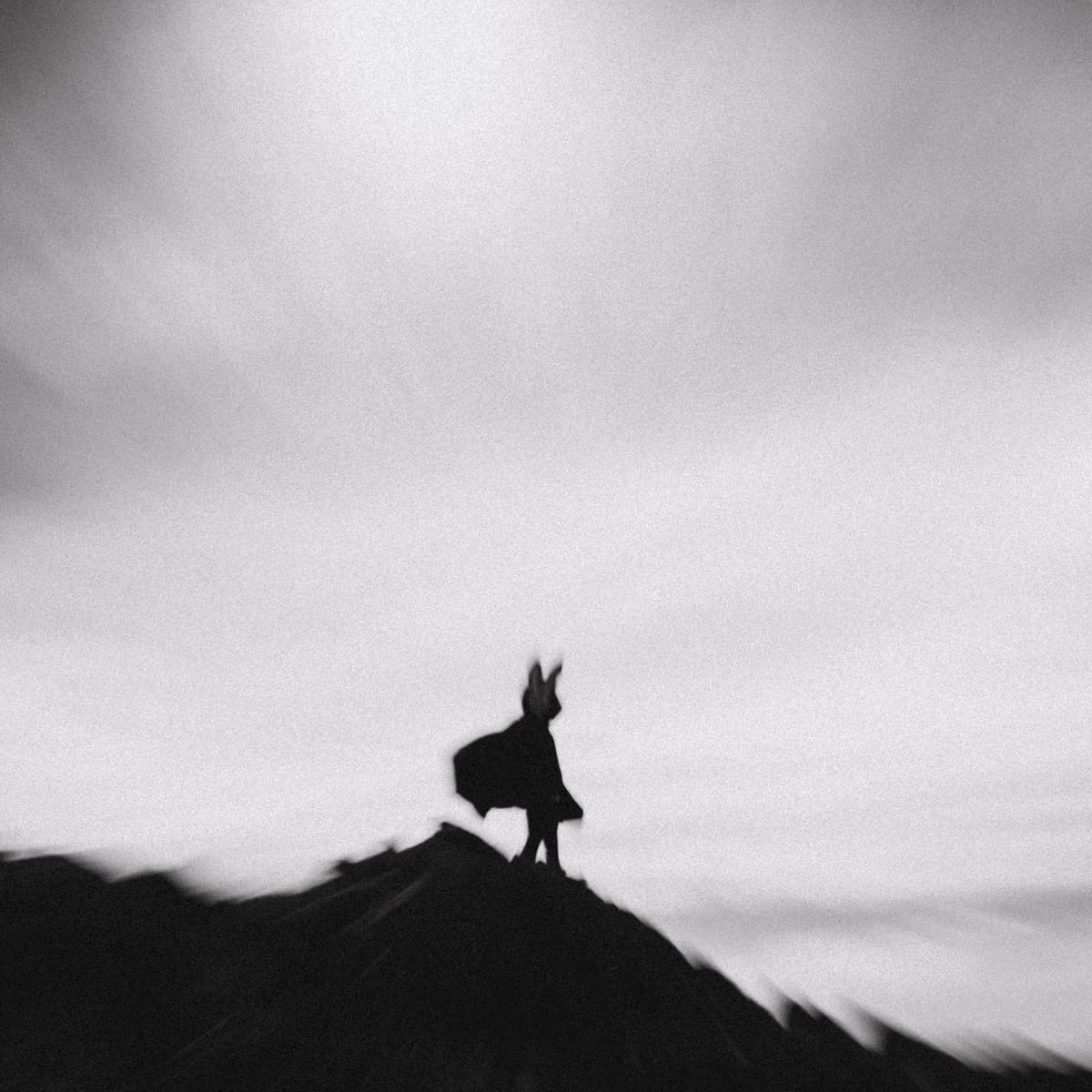
The artwork is enigmatic. Much like the hymns themselves, the visuals seem to require the listener to view them through their own personal lens. Within the imagery, one might see a lone wanderer, a cursed figure, or perhaps a ritual guardian carved out of the shadows, forever walking their own isolated path. It mirrors the album’s refusal to provide easy answers, instead offering a silhouette for the listener to interpret.
The Seventh Sin, Disrelish
Nothing to disrelish. The album succeeds in its mission to pressurise the air and submerge the soul.
The Hymns
01. Life is Heavy
02. Dead Tree Poetry
03. Wander
04. Save Your Tears
05. Afflatus
06. Violet Visions
07. We Are Here
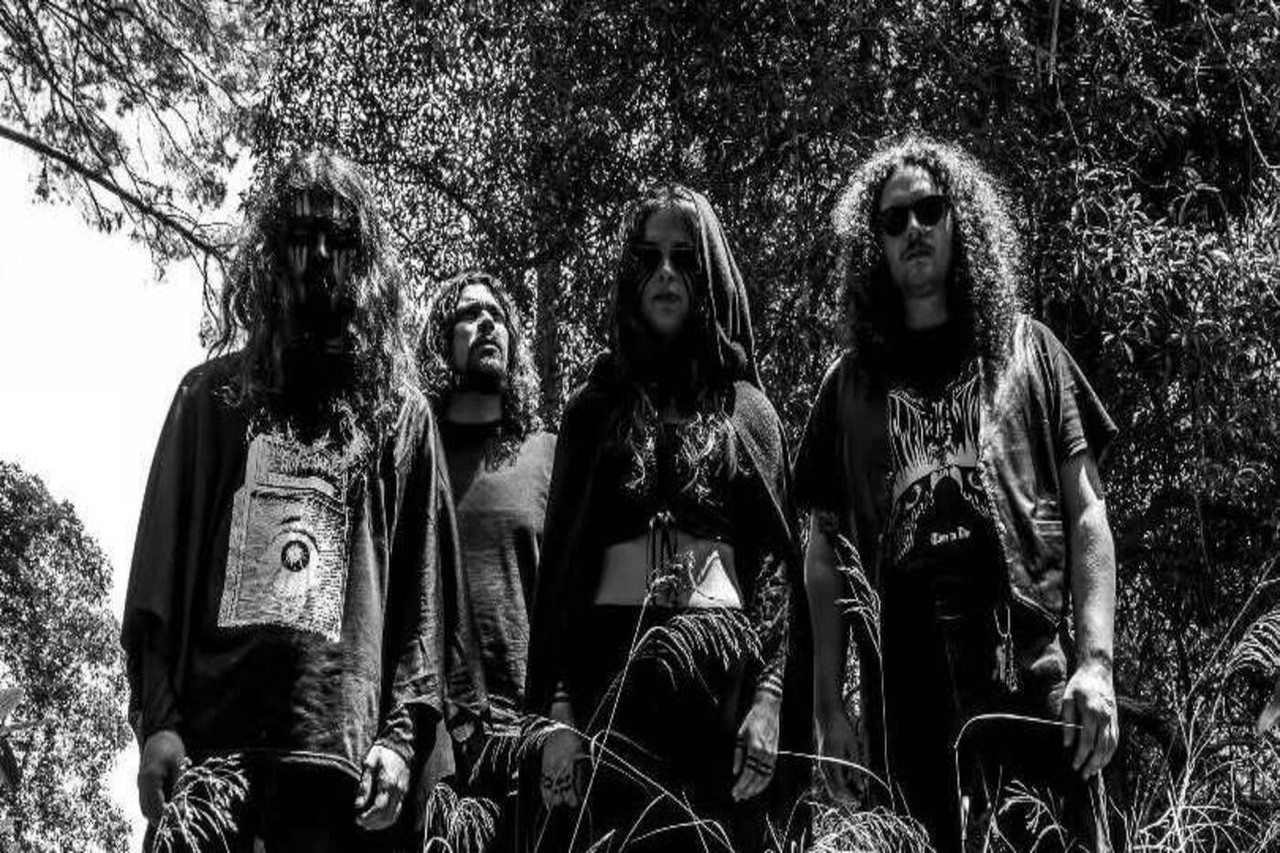
Lord of Confusion
Carlota Sousa — Vocals, and Keyboards
Danilo Sousa – Guitar
João Fonseca – vocals, and Bass
Nelson Figueiredo – drums
Hear The Music
Social Links
Morbid and Miserable | Home Page
Morbid and Miserable | Facebook