Mortgrim — Evangelium Luciferianum Review
Mortgrim is a Hungarian solo atmospheric black metal entity. On 31 Ocotber 2026, Mortgrim will release his second full-length, Evangelium Luciferianum, through Fetzner Death Records.
Mortgrim, Evangelium Luciferianum Review: This review will evaluate every aspect of the album, from its intricate musical composition to its production.
The First Three Sins, The Summary
The First Sin, The Strings/Keys: Cold tremolo, doom-laden structures, subterranean bass, dissonant ruptures, and sparse synthesisers forge an inverted cathedral of atmospheric darkness. The Second Sin, The Vocals: Harsh proclamations, incantatory passages, and whispered invocations deliver a ritualistic Luciferian sermon. The Third Sin, The Percussions: Blast-driven violence, martial mid-tempo rhythms, and collapse-tempo drops form the adversarial pulse of revolt.
The Fourth Sin, Overall Discussion
The Gospel of Atmospheric Darkness
As soon as the listener presses play, they are greeted by over thirty minutes of immersive atmospheric darkness intertwined with crushing doom-laden elements.
Mortgrim forges deeply sombre soundscapes driven by a personal, uncompromising vision of raw black metal, exploring profound spiritual and philosophical themes across nine hymns.
Forbidden Wisdom & Theological Journey
The pairing of Evangelium and Luciferianum functions as an intentional oxymoron. Rather than presenting a conventional collection of disruptive extreme metal hymns, the album operates as an alternative codex of forbidden wisdom. Here, classical occultism, Gnostic Luciferian thought, and darker, more destructive themes intertwine to convey a deeply layered theological message.
- The Path of the Light-Bringer — The record traces a deliberate spiritual and philosophical journey — beginning with the celestial glory of illumination, plunging through the crucible of rebellion, and culminating in absolute magical fulfilment.
- Deconstruction of Hubris — Beyond personal introspection, the hymns systematically dismantle religious dogmas and expose the hollow collapse of human hubris, framing true knowledge as an act of profound defiance.
Compositional Maturity & Scriptural Scope
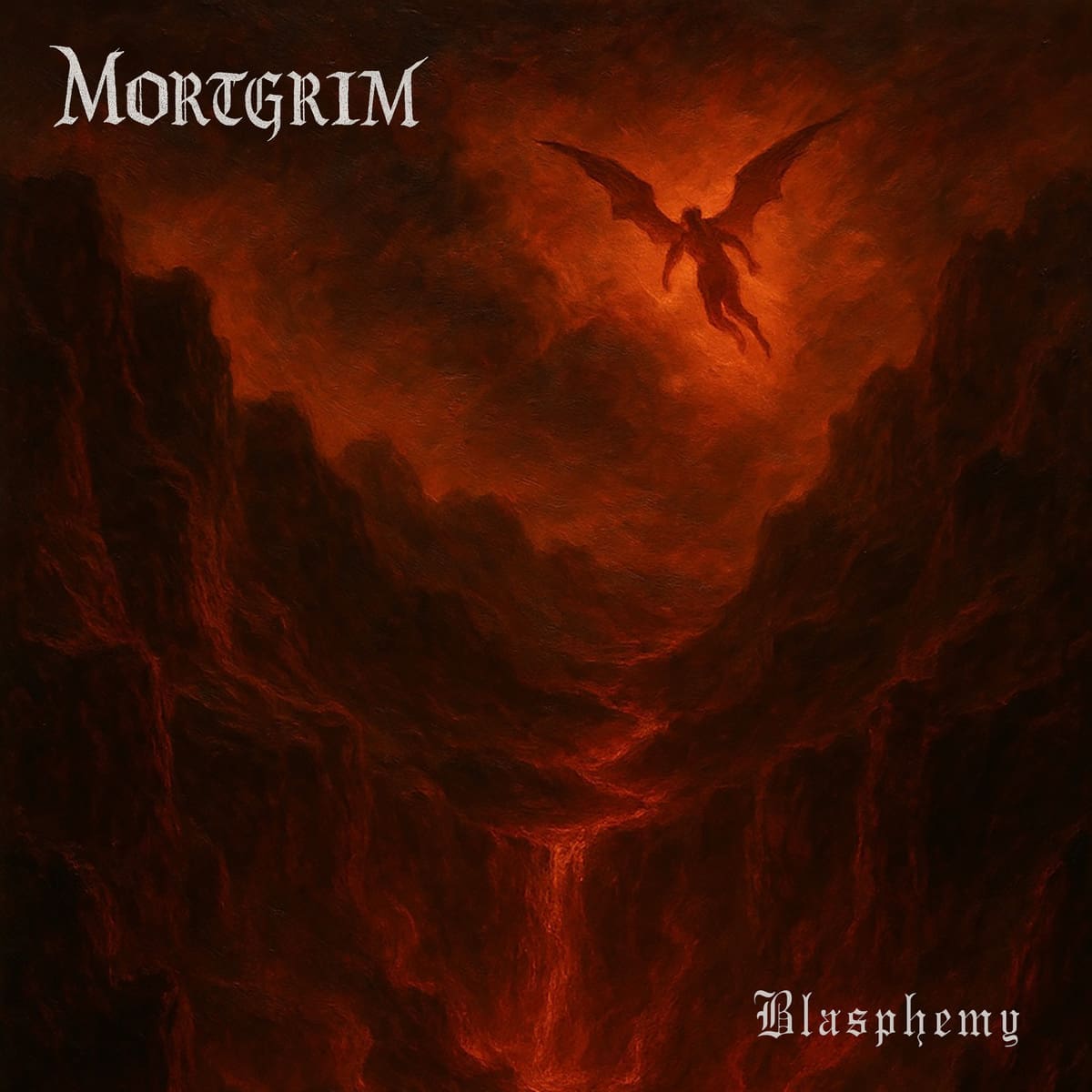
Mortgrim is a project I have encountered before; after featuring his debut album, Blasphemy, I recognised a form of musical devilmanship that was robust and honed to perfection. Across that debut, the instrumental arrangements and overarching compositions were handled with a calculated maturity — where nothing felt rushed and nothing felt improper.
There is an inherent sense of architectural stability across his work: a feeling that within every hymn, every single note and texture falls into its rightful place to serve the greater adversarial ritual. Evangelium Luciferianum carries that exact weight, devilmanship, and perfection, but expands upon it magnificently.
While Blasphemy was deeply ritualistic and descent-focused, this second full-length operates as a far more expansive, doctrinal work.
Here, Mortgrim is not just casting spells; he is building a complete Luciferian scripture in musical form:
- Calculated Maturity — Building upon the ironclad foundation established on Blasphemy, Mortgrim exercises complete compositional control. Every transition, doom-laden dirge, and atmospheric black metal crescendo is placed with deliberate architectural precision.
- Scriptural Expansion — Where the debut descended into subterranean occultism, Evangelium Luciferianum rises as a grand doctrinal text — pairing atmospheric darkness with doom-laden weight to codify an immersive, unyielding spiritual manifesto.
Solo Architecture: Strings as the Luciferian Codex
Within this masterful display of devilmanship stands a single creative soul: Máté Nagy, who handles every instrument and vocal delivery. His guitar work serves as the primary carrier of Luciferian revelation and light — functioning directly as the architectural spine of the album’s doctrine.
These instrumentals act as the “scripture-lines” of the record — the melodic, blasphemous, and harmonic equivalent of forbidden verses:
- Tremolo-Picked Ascension Lines — These represent Luciferian illumination — an upward surge toward forbidden knowledge. Sharp, cold, and radiant in a thoroughly blasphemous manner, they mimic the rising of the Morning Star.
- Mid-Tempo Doom Structures — These embody the weight of rebellion and the heavy gravity of metaphysical dissent. When the tempo slows, the music captures the crushing spiritual cost of enlightenment.
- Dissonant Chord Ruptures — These function as literal tears in the veil — calculated moments where the doctrinal world fractures.
- The Scriptural Bass Line — The bass acts as the shadowed underlayer of the doctrine — the part of the scripture written entirely in the dark rather than the light.
The Adversarial Pulse: Drums as the Ritual Engine of Revolt
Handled entirely by Máté Nagy, the percussive performance serves as the adversarial pulse and ritual engine of the album — functioning as the cadence of rebellion and the literal heartbeat of Luciferian revolt. The drums operate across three distinct adversarial modes:
- Blast-Driven Violence — These aggressive passages capture the exact moment of rebellion — the instant Lucifer turns against the celestial throne. They are sudden, violent, and spiritually explosive.
- Martial Mid-Tempo Stomps — Acting as the march of the fallen, these steady, calculated rhythms give the doctrine its strict, ceremonial pacing.
- Collapse-Tempo Drops — When the percussion slows dramatically, it feels as though Mortgrim is depicting the fall itself — a heavy, deliberate descent from celestial order into unyielding adversarial freedom.
Constructing the Inverted Cathedral
The synthesisers serve as the ether, the invisible doctrine, and the overarching Luciferian atmosphere. Deployed sparingly but with absolute surgical precision, they do not clutter the mix; instead, they function as the literal ritual space — creating the overwhelming sense of an inverted cathedral built as a sanctum of darkness rather than light.
The Inverted Cathedral: The synth textures establish a sacred, claustrophobic environment that mirrors a desecrated house of worship, heightening the album’s ceremonial weight.
- Whispered Doctrine — Subtle, hovering pads and drones represent the whispered doctrine — carrying the weight of esoteric, hidden teachings just beneath the surface of the riffs.
- The Blasphemous Halo — The synths frequently emerge at moments of profound revelation, acting as a dark, luminous halo that surrounds the guitar work with an unholy aura.
Incantations and the Spoken Doctrine of the Adversary
Máté Nagy’s vocal delivery serves as the sermon, the incantation, and the spoken doctrine — representing the portion of the gospel delivered directly to the listener with a strictly ritualistic purpose:
- Harsh Proclamations — These represent the core Luciferian sermon — adversarial truths spoken aloud. They are entirely doctrinal rather than merely aggressive.
- Incantatory Passages — When his delivery deepens or slows, Nagy becomes the ritual officiant, guiding the listener through the gospel’s darker teachings.
- Whispered Invocations — These function as forbidden verses meant exclusively for initiates, establishing an intimate connection with the adversarial current.
Scripture Rendered Entirely in Sound
Ultimately, Evangelium Luciferianum transcends the boundaries of a standard music release; it is a Luciferian scripture rendered entirely in sound. Every instrument fulfils a specific theological function, and every passage operates as a deliberate ritual act.
Furthermore, while the overall composition remains raw, blackened, and doom-laden, the record masterfully captures both “how the music is written” in its primitive, essential form and “how the music is captured” in its raw, unpolished state.
Raw Fidelity & Primitive Capture
The production across Evangelium Luciferianum is purposefully raw, unvarnished, and atmospheric. Rather than seeking modern gloss, the mix preserves the primitive reality of how the music was written and captured — giving Máté Nagy’s tremolo-picked guitars, subterranean bass, adversarial drums, and surgical synths the gritty, authentic fidelity required of a true underground scripture.
The Completed Luciferian Testament
The album closes with Lament of Goetia, an instrumental piece built around dark, mournful piano and the persistent sound of falling rain. After the blackened aggression and ritualistic weight that precede it, the closing hymn strips everything back, leaving the listener within a sombre, almost funereal atmosphere — a haunting final lament that allows the scripture to fade into silence.
Overall, Evangelium Luciferianum is an extraordinary, fully realised fruit of art. Mortgrim has elevated the solo black metal template into an expansive doctrinal work — where classical occultism, Gnostic thought, and doom-laden blackened metal unite to form a profound, ritualistic testament that must be experienced as a complete spiritual journey.
The Fifth Sin, The Memorabilia
For me, this unforgettable experience begins with the entity’s peerless devilmanship. Having been profoundly impressed by Blasphemy, I had long been waiting for a follow-up — and did I ever get more than just a sequel.
Evangelium Luciferianum delivers something rawer, deeply atmospheric, and driven by an uncompromising lyrical theme, all made even sweeter by its release through Fetzner Death Records.
To truly grasp and enjoy this release, one must experience it like any true atmospheric black metal fruit of art: channelled straight through headphones. That is precisely where I caught the raw magic of the composition and the absolute brilliance of Máté Nagy‘s devilmanship.
The Sixth Sin, The Artwork
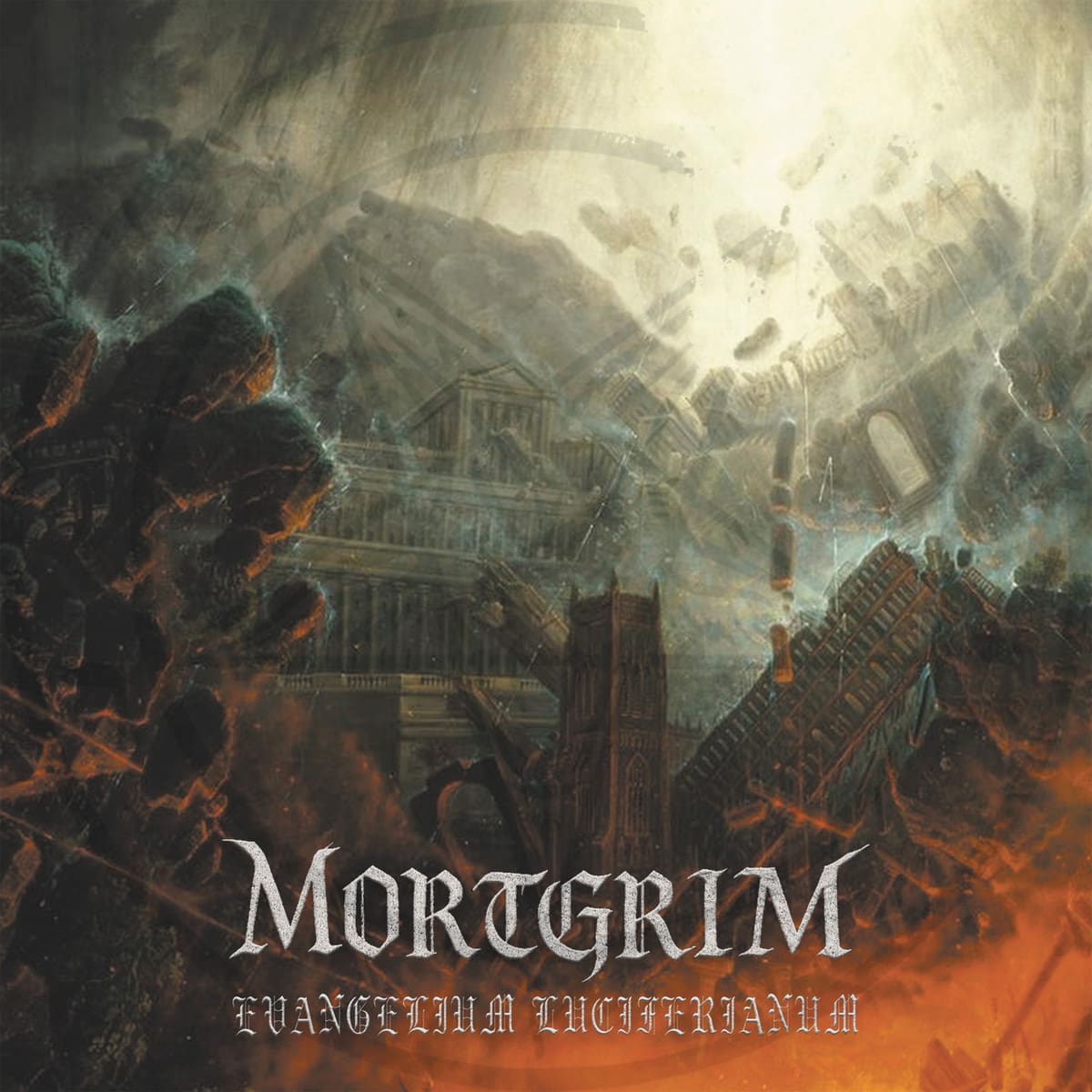
The artwork is taken from an 1838 printing of The Edge of Doom by Samuel Colman — a visionary piece depicting the total destruction of civilisation.
The Seventh Sin, Disrelish
There is nothing to dislike anywhere across this composition. My only grievance is that my repeat button feels entirely like the artwork — destructed.
The Hymns
01. Majestry of the Morning Star
02. Helel
03. Fornir Andar
04. Dead Tide
05. Eternal Rite
06. Inverted Cross
07. Corpus et Chaos
08. Rotting Souls
09. Lament of Goetia
Mortgrim
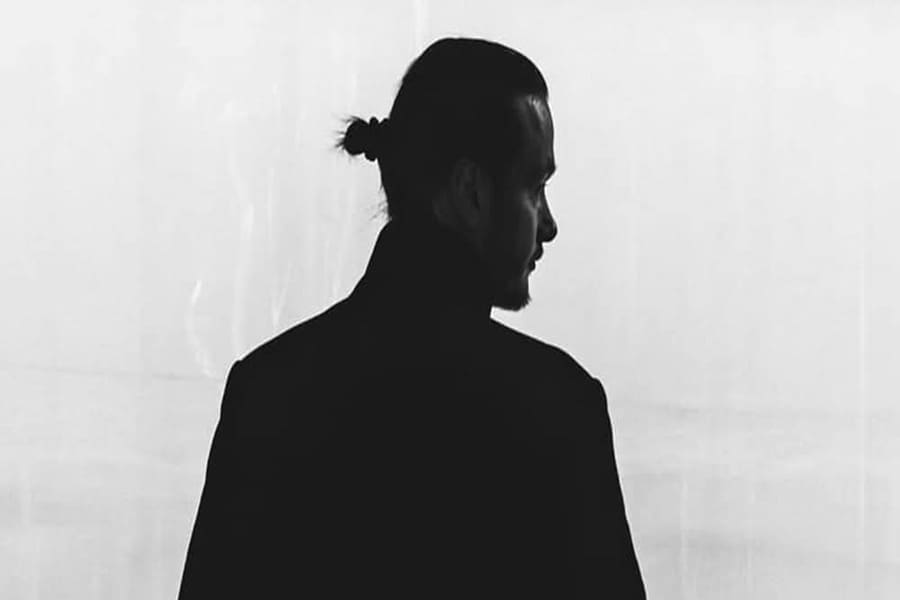
Máté Nagy — Everything
Hear The Music
Social Links
Fetzner Death Records | Home Page
Fetzner Death Records | Facebook