Crux Ex — The Merciless Cold Review

Crux Ex is an Spanish depressive black metal solo entity. On 25 September 2026, Crux Ex released his fifth independent full-length, The Merciless Cold.

Crux Ex, The Merciless Cold Review: This review will evaluate every aspect of the album, from its intricate musical composition to its production.
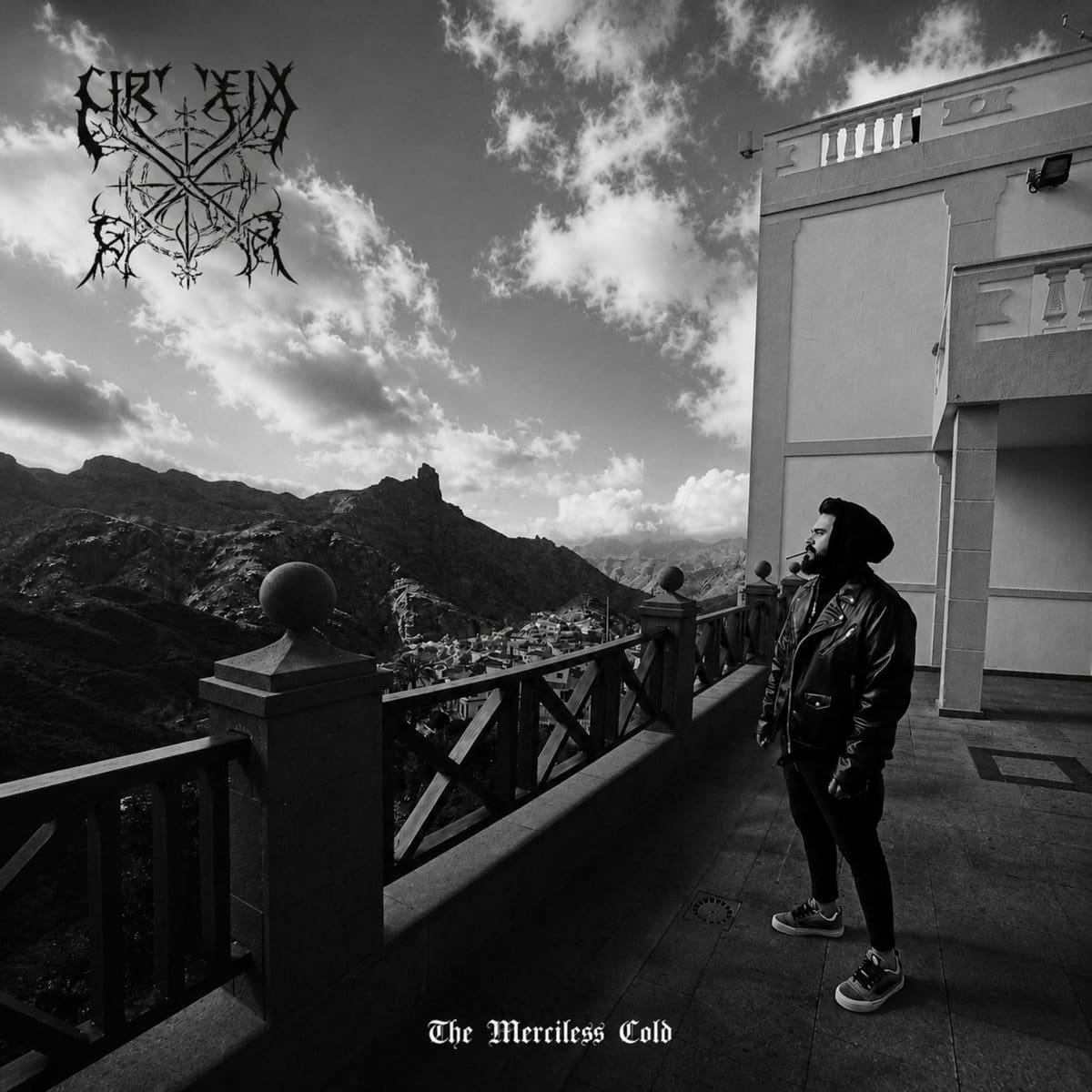
Crux Ex — The Merciless Cold album cover

The First Three Sins, The Summary

The First Sin, The Strings/Keys: Cold melodic riffing, hypnotic tremolo, abrasive guitar textures, and suffocating ambient and drone passages forge a desolate soundscape. The Second Sin, The Vocals: Raw, tortured vocal expressions convey spiritual exhaustion, emotional anguish, and relentless hostility. The Third Sin, The Percussions: Relentless blast beats, punishing double kicks, mid-tempo rhythms, and sparse atmospheric passages drive the album’s shifting intensity.

⸸ ⸸ ⸸ ⸸ ⸸ ⸸ ⸸

The Fourth Sin, Overall Discussion

The Threshold of Merciless Cold

The moment the listener presses the play button, they are immediately enveloped in a chilling, atmospheric expanse of the opening hymn Echo of a Merciless Cold. A stark, spoken-word introduction serves as the gateway to this desolate soundscape, gently nudging them forward to begin an arduous yet hypnotic journey.

Over the course of forty minutes, this sonic pilgrimage unfolds across nine distinct hymns, each one bleeding into the next to create a seamless, meditative descent into darkness.

Eight Hymns of Spiritual Decay

Across the remaining eight hymns, the listener’s soul is drawn into a display of solo composition and unholy devilmanship. Here, the sonic scope widens considerably, exploring atmospheric and experimental black metal alongside the suffocating weight of doom passages, unsettling ambient soundscapes, and abrasive, hypnotic drone sections.

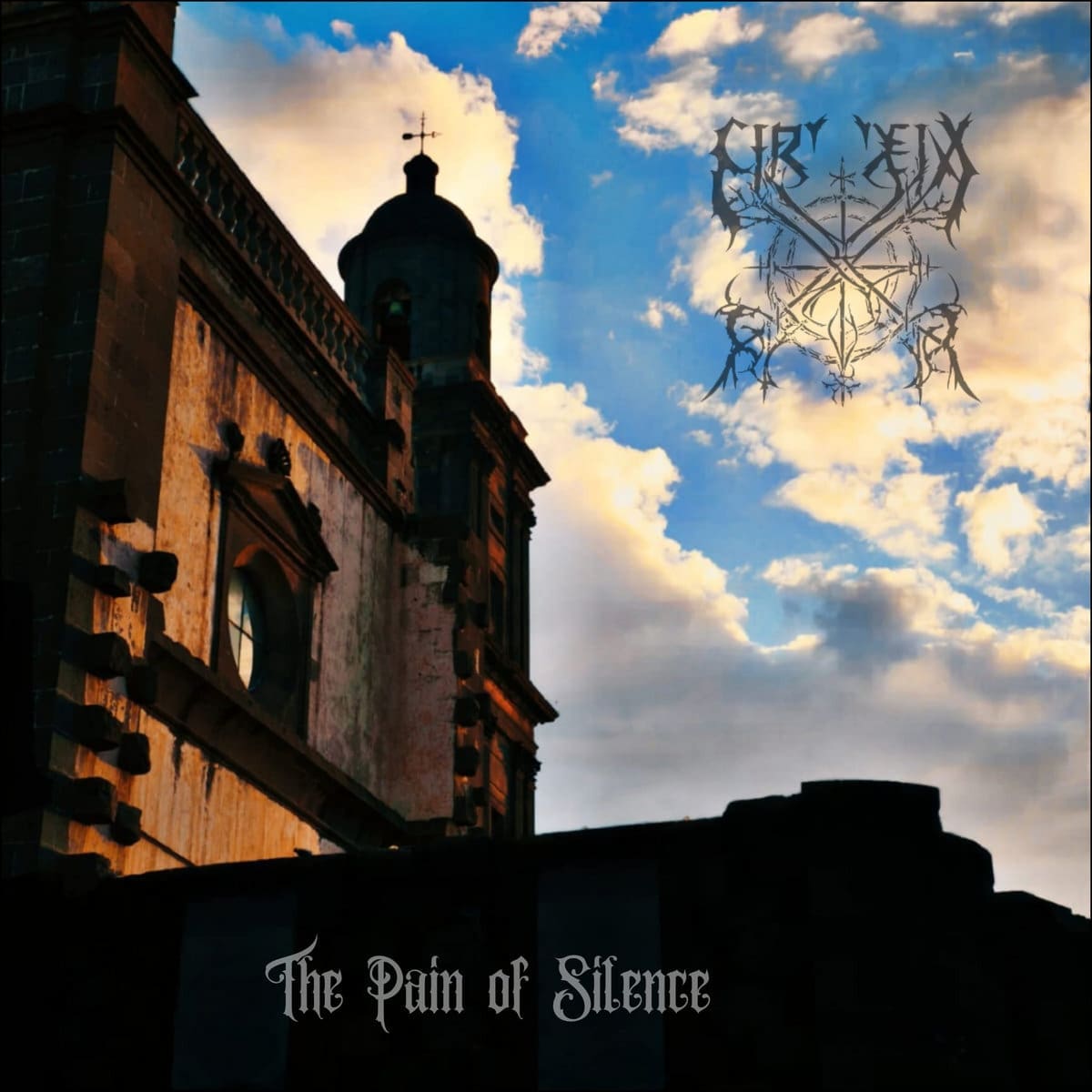
This creates a soundscape that feels noticeably colder, rawer, darker, fiercer, more decayed and far more abrasive than his previous full-length, The Pain of Silence [link below].

  • The Symbolism of Frost — The “merciless cold” feels deeply symbolic of a world completely stripped of warmth, sincerity, faith, and human connection. Rather than celebrating abstract evil, the hymn titles and structures suggest a clinical observation of rot, weakness, and spiritual exhaustion.
  • The Numbness of Collapse — Ultimately, the music captures the triumph of decay over meaning, evoking the stark emotional numbness that remains when beliefs, morality, and authenticity have all collapsed into dust.

The Fretwork of Desolation

Alongside solid devilmanship, the album boasts a remarkably robust composition and intricately layered musical arrangement. The guitars stand firmly as the central driving force behind the record’s sonic architecture, shifting fluidly across the hymns.

Rather than relying on static repetition, the fretwork acts as a chameleon of darkness, adapting its personality from hymn to hymn:

  • Melodic Melancholy (Ashes of a Forgotten Creed) — On the second hymn, the guitars introduce melodic yet deeply melancholic black metal riffs that anchor the emotional core of the frostbitten soundscape, invoking a haunting sense of loss that cuts through the surrounding chaos.
  • Hypnotic Trance (Serpent’s Feast) — By the fourth hymn, the approach shifts; the riffs become intensely repetitive, hypnotic incantations, adopting an almost drone-like quality through their unwavering persistence. This cyclical mastery pulls the listener into a dark, meditative trance.
  • Direct Brutality (Rotten To The core) — Pivoting once more, the fifth hymn strips away the ambient haze in favour of riff-craft that is significantly heavier, more aggressive, and brutally direct, bludgeoning the senses with straightforward malice.

Ultimately, this diverse riff-craft demonstrates that the composition is less focused on showy technical devilmanship and far more dedicated to cultivating atmosphere, relentless repetition, rising tension, and crushing emotional weight.

Percussion and Vocal Torment

Whether performed live, programmed, or executed through a seamless combination of both, the percussion on The Merciless Cold spans a dynamic range. It features rapid-fire sections and slower, agonising transitions anchored by relentless blast beats, mid-tempo tension-building rhythms, sparse atmospheric passages, punishing double kicks, and calculated fills.

Matching the glacial desolation and claustrophobia of the instrumentation, the vocal delivery is a harrowing exercise in absolute ruin — harsh, raw, emotionally desperate, and torn from the throat. Rather than striving for clean intelligibility or catchy melody, the delivery is entirely consumed by the visceral expression of biting contempt, organic decay, and profound, inescapable human suffering — an audio document of spiritual collapse.

The Architecture of Suffering

Musically, The Merciless Cold rests upon a foundation of cold, hypnotic guitar work, dynamically shifting drumming, and tormenting vocals all bound by an unyielding raw production aesthetic.

  • Dominant Elements — The guitars and pervasive atmospheric layers remain the towering pillars of the album’s soundscape.
  • Textural Vocals — Rather than operating as a separate focal point, the vocals act as another organic layer of emotional hostility, bleeding directly into the surrounding frost.

A Monolithic Wall of Frost

The production on The Merciless Cold is intentionally raw, unpolished, and abrasive. Rather than seeking modern sheen, the mix embraces a chilling lo-fi fidelity that enhances the sense of isolation, allowing the repetitive guitars, relentless drums, torn vocals, and frostbitten atmosphere to cease functioning as separate elements.

Instead, they bleed together into a monolithic, suffocating wall of pure desolation — a blinding whiteout of sound that leaves the listener utterly stranded in the gale.

Frozen Decay — The Final Descent

The album draws to a glacial close with its final hymn, Frozen Decay. Within this concluding devilmanship, the instrumentation fractures into jagged, dissonant guitar riffs that bleed over a vast, haunting atmospheric soundscape, punctuated by distant, mournful moans that echo like ghosts trapped in ice.

The Fruit of Frozen Desolation

Overall, The Merciless Cold stands as a cold, decaying fruit of art — a harrowing descent into absolute spiritual exhaustion and chilling atmospheric extremity.

It is, from first note to last, an essential and freezing soundtrack crafted for a world that has been entirely stripped of warmth.

⸸ ⸸ ⸸ ⸸ ⸸ ⸸ ⸸

The Fifth Sin, The Memorabilia

For me, engaging with The Merciless Cold has never been a passive act of merely listening. It is an intentional ritual — a complete and unconditional submission into the dark, decaying, raw, and profoundly depressive world the music constructs. 

While I thoroughly enjoyed the haunting atmospheres of The Pain of Silence, that earlier work feels almost welcoming by comparison. The Merciless Cold goes further, proving to be far more consuming, unsettling, and genuinely discomforting to experience — and that uncompromising intensity is precisely why I embrace it.

The Sixth Sin, The Artwork

Standing before the piece, I find myself enveloped in a quiet ambiguity — I cannot quite be certain of its true meaning, yet the emotional impact is undeniable. To me, Dante Crux Ex appears frozen in a moment of profound contemplation, gazing far out into an endless, desolate expanse.

There is a palpable chill that radiates from the canvas, as if the cold, unforgiving atmosphere of that distant horizon is seeping directly into the room, wrapping the viewer in its vast, silent isolation.

The Seventh Sin, Disrelish

From any critical standpoint, there is nothing to dislike about this release; Crux Ex has far surpassed the trap of creating something one-dimensionally depressive or sterile.

⸸ ⸸ ⸸ ⸸ ⸸ ⸸ ⸸

The Hymns

01. Echo of Merciless Cold
02. Ashes of a Forgotten Creed
03. Graveyard Posers
04. Serpent’s Feast
05. Rottem To The Core
06. Candles Of Shame
07. Wickedness And Violence
08. Beyond The End
09. Fozen Decay

Crux Ex

Dante Crux EX – All Instruments, Vocals, Composition, Production
Reviewed by Kristian — editorial architect and ceremonially crafted. © Athenaeum of Sin Reviews.

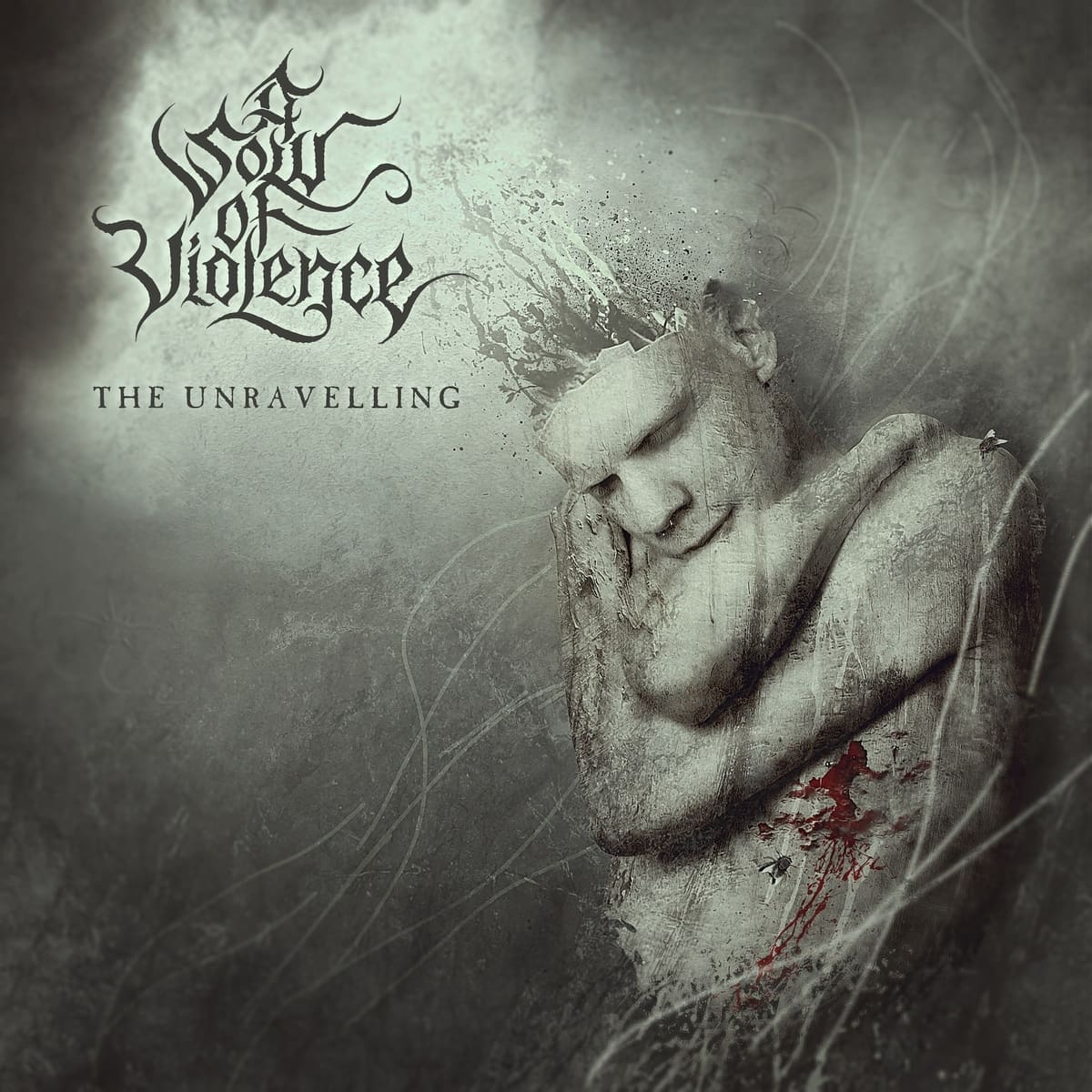
A Sow of Violence — The Unravelling Review

A Sow of Violence is a American dark extreme metal solo entity. On 21 September 2026, A Sow of Violence released its third independent EP, The Unravelling.

A Sow of Violence, The Unravelling Review: This review will evaluate every aspect of the album, from its intricate musical composition to its production.

A Sow of Violence — The Unravelling album cover

The First Three Sins, The Summary

The First Sin, The Strings/Keys: Crushing death-doom riffs, blackened tremolo, violin, and cinematic orchestration forge a suffocating descent. The Second Sin, The Vocals: Cavernous growls, intimate snarls, and declarative passages shift between confession and ritual authority. The Third Sin, The Percussions: Slow doom marches, ritualistic strikes, and blackened surges drive the EP’s deliberate procession.

⸸ ⸸ ⸸ ⸸ ⸸ ⸸ ⸸

The Fourth Sin, Overall Discussion

All Things Exist to Fall Apart

As soon as the listener presses the play button, they are greeted by just under thirty minutes of unrelenting extreme metal spread across four deliberate hymns centred on ageing, passing time, and absolute existential dissolution. Anchored by the guiding phrase “all things exist to fall apart,”Jason Korolenko leaves the listener to wrestle with a stark, unresolved question: whether that inevitable collapse leads toward active rebuilding or total surrender.

The Cinematic Descent into Dissolution

Musically, The Unravelling is an intensely immersive, headphone-bound journey — purpose-built music designed to scrape away the weight of modern times, switch off the outside world, and escape entirely into the abyss. Within its running time, the listener encounters a punishing sonic passage, where cinematic death-doom collides with symphonic metal grandeur, blackened atmospheric elements, and long, slow, grief-ritual pacing.

The Mausoleum Threshold & Bearers of Hauntings

The journey begins with the opening hymn, For Those Who Travel with Ghosts, which acts as the threshold piece to the record. It is less a traditional hymn and more the sensory experience of a heavy mausoleum door being slowly pushed open.

  • Instrumental Mechanics — the guitars move in long, slow, doom-dragging phrases. Their distortion is grainy rather than overly saturated, giving the riffs the quality of a swinging lantern in a dark corridor. The chords hang, decay, and leave behind a cold residue, occasionally pierced by blackened tremolo wisps that resemble passing apparitions.
  • Ritual Percussion & Cavernous Vocals — the drums are sparse and ritualistic, their beats feeling precisely like slow, deliberate footsteps in a crypt. Similarly, the vocals are sparse, deep, and cavernous, functioning less like a traditional narrator and more like an ominous wind whispering through the gate.
  • The Weight of Absence — the orchestral elements act as cold vapour rising behind the death-doom chassis. When the heavier sections arrive, they do not erupt; they descend, acting like physical weight placed upon the chest.

Ultimately, the title is literal: the hymn behaves like a procession for those who carry their dead with them — not mere mourners, but the steadfast bearers of hauntings.

The Rot Beneath the Skin & Internal Infestation

Where the opening hymn is spectral and distant, the second movement, Sleeping with Flies, is intensely corporeal. It is concerned entirely with physical decay, infestation, and the quiet horror of what lives hidden inside open wounds.

  • Instrumental Mechanics — the hymn’s pacing tightens, driving forward with riffs that feel humid, oppressive, and feverish. A violin is used selectively in the introduction and bridge, slashing through the gloom with haunting precision. While the drum tempo remains fundamentally doom-slow, the pattern density increases significantly.
  • Suffocating Vocal Presence — the vocal delivery shifts to a much closer, suffocating proximity — sounding as if words are being forced out directly through clenched teeth.

This hymn functions as a harsh ritual of acknowledgement — the brutal realisation that the rot is not an external affliction, but an internal reality. The flies are not mere visitors; they are permanent residents.

The Confession at the Lowest Point

Jason Korolenko’s dual background as both a seasoned author and a musician is deeply embedded within the sound design, ensuring that each hymn feels like an authentic chapter pulled straight from a cursed manuscript. This is solo devilmanship executed with deliberate, razor-sharp precision.

The third hymn, So Low, is built around a driving thrash riff and hinges upon a clever title pun: solo / so low. Instrumentally, the music reflects this exact duality. The grand cinematic elements pull back, leaving the bare death-doom skeleton completely exposed while the instruments behave like a confession whispered directly into a void.

  • Ceremonial Confession — this is the absolute kneeling point of the EP — the precise moment where the traveller stops walking, sets down their accumulated ghosts, and admits the true depth of their descent.
  • Skeletal Arrangements — the guitars feel naked, playing simple, resigned, almost skeletal chords with raw, unadorned distortion. The orchestration retreats into the background, while the vocals strip away their cavernous reverb in favour of raw, unshielded intimacy.

Retreat, Find Hell & Face the Final Threshold

The closing hymn, Retreat and Find Hell, supplies a profoundly ambiguous resolution: whether it depicts final surrender or a gruelling, agonising struggle back towards the light depends entirely upon the listener’s interpretation.

Musically, this is where the cinematic orchestration swells — not in triumph, but with a kind of terrible, suffocating grandeur.

  • Expansive Instrumentation — the guitars deliver the EP’s most expansive work, with doom chords stretching into cathedral-scale suffering while blackened tremolo passages flicker like torches deep inside a vast cavern. Multiple guitar voices overlap to create a crushing sense of depth and inevitability.
  • Percussive and Choral Dynamics — the drums alternate between slow doom marches and urgent, sweeping blackened surges. Low choral pads and dark vocal textures rise to give the track its distinct infernal majesty.
  • The Declarative Voice — the vocals project the energy of a ritual leader — less intimate than the preceding tracks, more declarative and authoritative. It is the voice of someone who has finally found hell and is calmly naming it.

Grain, Vapour & Claustrophobic Production
The production on The Unravelling is masterfully balanced, utilising grainy, unadorned guitar distortion, sparse ritualistic percussion, and cold symphonic vapour to construct an intimate, headphone-bound world. Every element is calibrated to evoke claustrophobia and solemnity without sacrificing dynamic clarity.

The Unravelling of Everything

Overall, The Unravelling is a towering cinematic fruit of art. Jason Korolenko successfully fuses death-doom, symphonic grandeur, and blackened atmosphere into a profound, cursed manuscript on ageing and dissolution. It is a work of staggering intellectual and sonic weight. 

The Final Seal: You do not fall into hell. You find it — because it was always yours.

⸸ ⸸ ⸸ ⸸ ⸸ ⸸ ⸸

The Fifth Sin, The Memorabilia

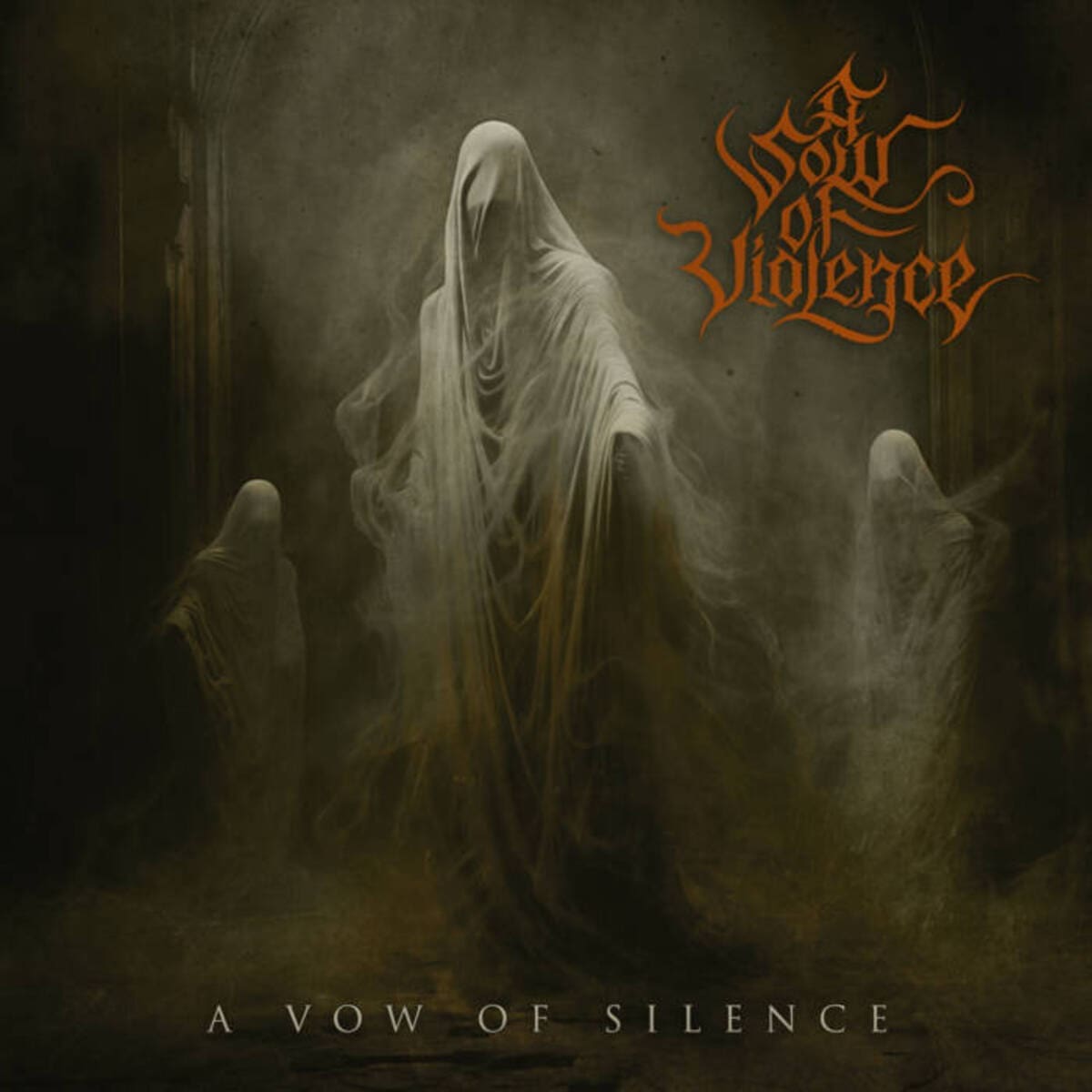
For me, this is not my first experience with A Sow of Violence, so I knew what I was heading into, but The Unravelling was not what I expected. This feels heavier and more atmospheric than A Vow of Silence. I think having the interview with Jason Korolenko helped me truly understand the music, atmosphere, composition, devilmanship, and underlying theme.

So I suggest you read the interview as well [link below]. From the moment I pressed that play button, I was lost in the music. This is far more than standard doom, or death metal — it is cinematic extreme metal built upon long, slow, grief-ritual pacing.

The Sixth Sin, The Artwork

Regarding the artwork, Jason Korolenko mentioned in the interview [link below]: “I knew the title and the general concept, and then I stumbled upon the cover (an incredible digital drawing by Pavel Kurbanov at All4Band Design) that just fit so perfectly. From there, writing the songs with that cover image in mind, I think the atmosphere just developed naturally as the songs took shape.”

The Seventh Sin, Disrelish

There is nothing to dislike within the walls of the music.

⸸ ⸸ ⸸ ⸸ ⸸ ⸸ ⸸

The Hymns

01. For Those Who Travel with Ghosts
02. Sleeping with Files
03. So Low
04. Retreat and Find Hell

A Sow of Violence

Jason Korolenkov

Reviewed by Kristian — editorial architect and ceremonially crafted. © Athenaeum of Sin Reviews.

Mortgrim — Evangelium Luciferianum Review

Mortgrim is a Hungarian solo atmospheric black metal entity. On 31 Ocotber 2026, Mortgrim will release his second full-length, Evangelium Luciferianum, through Fetzner Death Records.

Mortgrim, Evangelium Luciferianum Review: This review will evaluate every aspect of the album, from its intricate musical composition to its production.

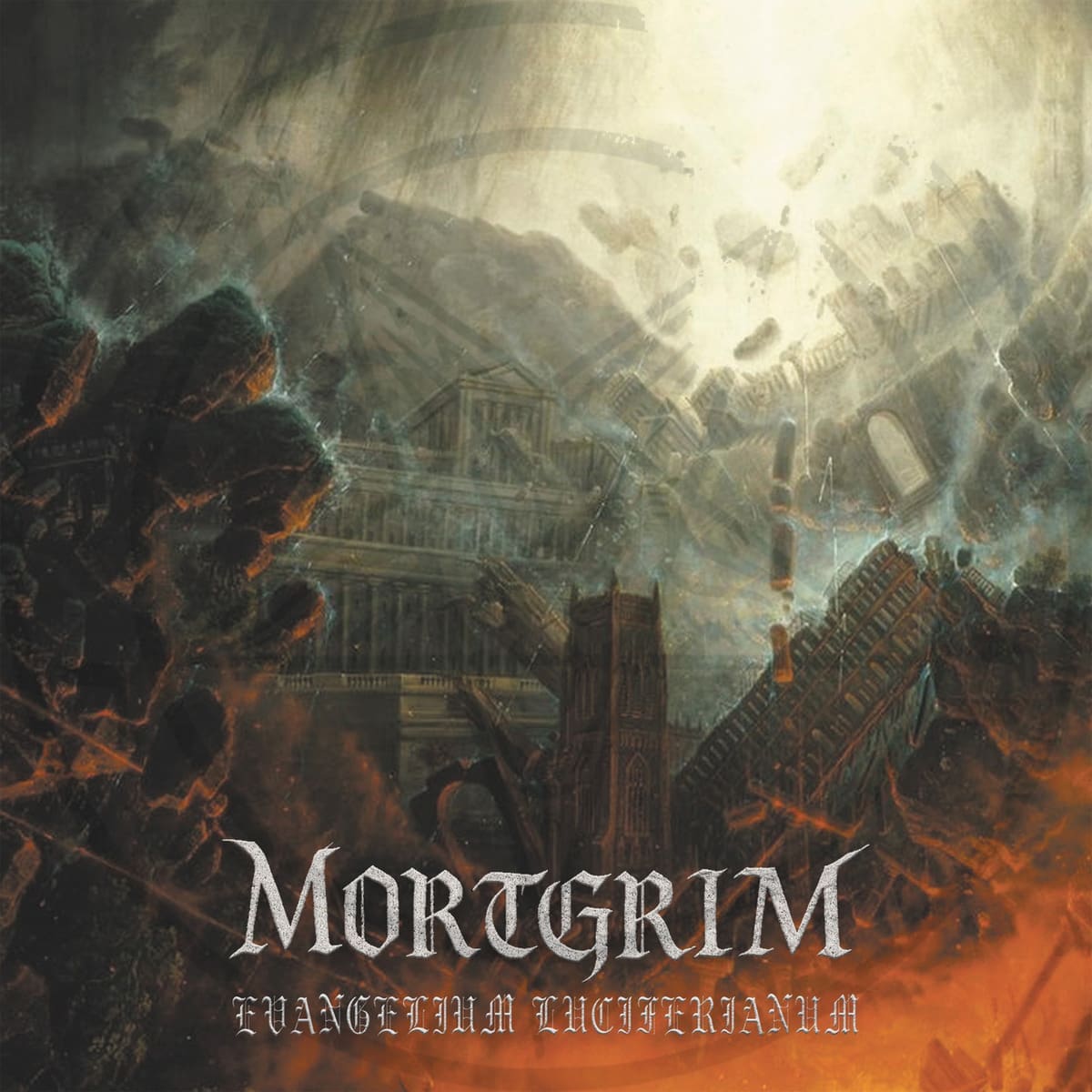
Mortgrim — Evangelium Luciferianum album cover

The First Three Sins, The Summary

The First Sin, The Strings/Keys: Cold tremolo, doom-laden structures, subterranean bass, dissonant ruptures, and sparse synthesisers forge an inverted cathedral of atmospheric darkness. The Second Sin, The Vocals: Harsh proclamations, incantatory passages, and whispered invocations deliver a ritualistic Luciferian sermon. The Third Sin, The Percussions: Blast-driven violence, martial mid-tempo rhythms, and collapse-tempo drops form the adversarial pulse of revolt.

⸸ ⸸ ⸸ ⸸ ⸸ ⸸ ⸸

The Fourth Sin, Overall Discussion

The Gospel of Atmospheric Darkness

As soon as the listener presses play, they are greeted by over thirty minutes of immersive atmospheric darkness intertwined with crushing doom-laden elements.

Mortgrim forges deeply sombre soundscapes driven by a personal, uncompromising vision of raw black metal, exploring profound spiritual and philosophical themes across nine hymns.

Forbidden Wisdom & Theological Journey

The pairing of Evangelium and Luciferianum functions as an intentional oxymoron. Rather than presenting a conventional collection of disruptive extreme metal hymns, the album operates as an alternative codex of forbidden wisdom. Here, classical occultism, Gnostic Luciferian thought, and darker, more destructive themes intertwine to convey a deeply layered theological message.

  • The Path of the Light-Bringer — The record traces a deliberate spiritual and philosophical journey — beginning with the celestial glory of illumination, plunging through the crucible of rebellion, and culminating in absolute magical fulfilment.
  • Deconstruction of Hubris — Beyond personal introspection, the hymns systematically dismantle religious dogmas and expose the hollow collapse of human hubris, framing true knowledge as an act of profound defiance.

Compositional Maturity & Scriptural Scope

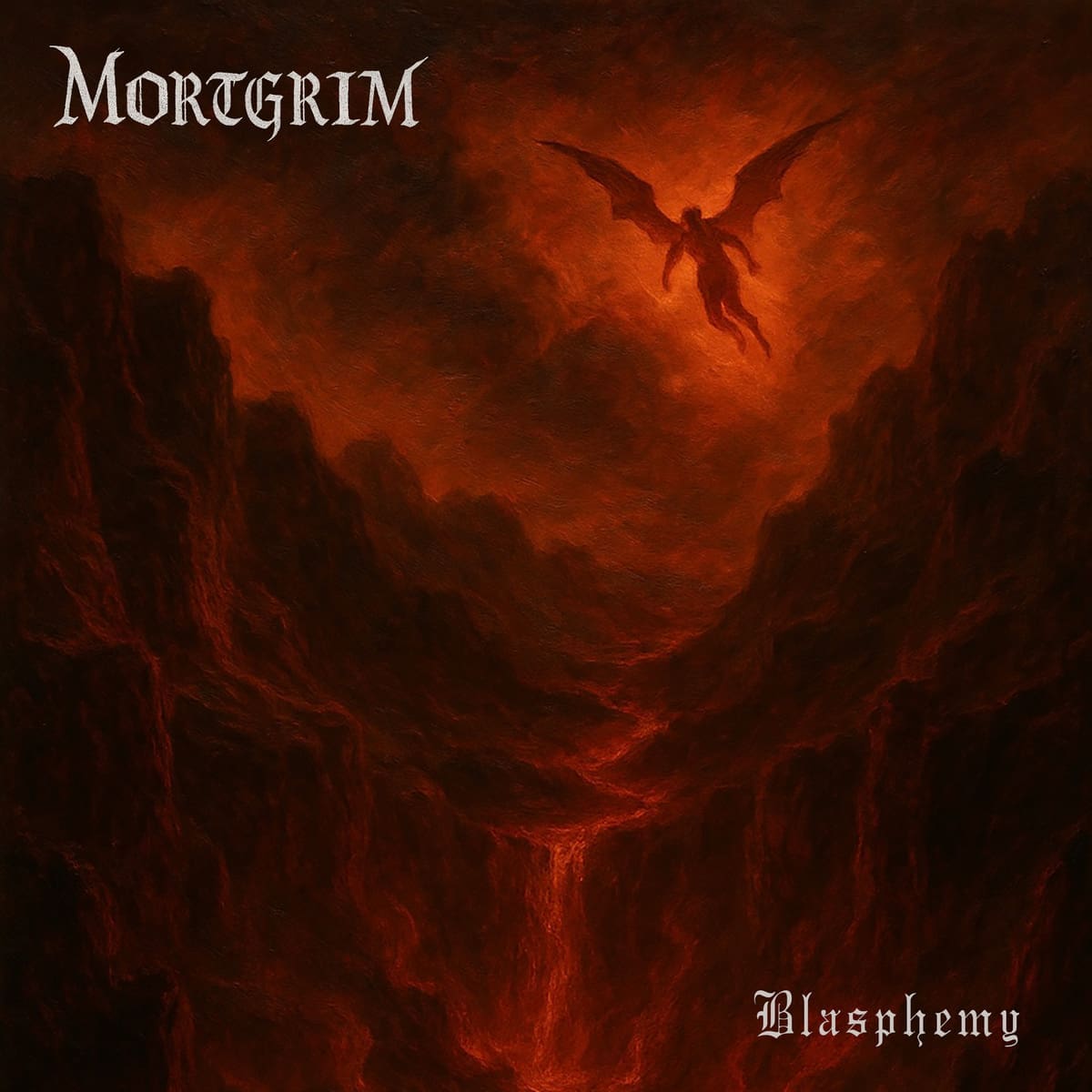
Mortgrim is a project I have encountered before; after featuring his debut album, Blasphemy, I recognised a form of musical devilmanship that was robust and honed to perfection. Across that debut, the instrumental arrangements and overarching compositions were handled with a calculated maturity — where nothing felt rushed and nothing felt improper.

There is an inherent sense of architectural stability across his work: a feeling that within every hymn, every single note and texture falls into its rightful place to serve the greater adversarial ritual. Evangelium Luciferianum carries that exact weight, devilmanship, and perfection, but expands upon it magnificently.

While Blasphemy was deeply ritualistic and descent-focused, this second full-length operates as a far more expansive, doctrinal work.

Here, Mortgrim is not just casting spells; he is building a complete Luciferian scripture in musical form:

  • Calculated Maturity — Building upon the ironclad foundation established on Blasphemy, Mortgrim exercises complete compositional control. Every transition, doom-laden dirge, and atmospheric black metal crescendo is placed with deliberate architectural precision.
  • Scriptural Expansion — Where the debut descended into subterranean occultism, Evangelium Luciferianum rises as a grand doctrinal text — pairing atmospheric darkness with doom-laden weight to codify an immersive, unyielding spiritual manifesto.

Solo Architecture: Strings as the Luciferian Codex

Within this masterful display of devilmanship stands a single creative soul: Máté Nagy, who handles every instrument and vocal delivery. His guitar work serves as the primary carrier of Luciferian revelation and light — functioning directly as the architectural spine of the album’s doctrine.

These instrumentals act as the “scripture-lines” of the record — the melodic, blasphemous, and harmonic equivalent of forbidden verses:

  • Tremolo-Picked Ascension Lines — These represent Luciferian illumination — an upward surge toward forbidden knowledge. Sharp, cold, and radiant in a thoroughly blasphemous manner, they mimic the rising of the Morning Star.
  • Mid-Tempo Doom Structures — These embody the weight of rebellion and the heavy gravity of metaphysical dissent. When the tempo slows, the music captures the crushing spiritual cost of enlightenment.
  • Dissonant Chord Ruptures — These function as literal tears in the veil — calculated moments where the doctrinal world fractures.
  • The Scriptural Bass Line — The bass acts as the shadowed underlayer of the doctrine — the part of the scripture written entirely in the dark rather than the light.

The Adversarial Pulse: Drums as the Ritual Engine of Revolt

Handled entirely by Máté Nagy, the percussive performance serves as the adversarial pulse and ritual engine of the album — functioning as the cadence of rebellion and the literal heartbeat of Luciferian revolt. The drums operate across three distinct adversarial modes:

  • Blast-Driven Violence — These aggressive passages capture the exact moment of rebellion — the instant Lucifer turns against the celestial throne. They are sudden, violent, and spiritually explosive.
  • Martial Mid-Tempo Stomps — Acting as the march of the fallen, these steady, calculated rhythms give the doctrine its strict, ceremonial pacing.
  • Collapse-Tempo Drops — When the percussion slows dramatically, it feels as though Mortgrim is depicting the fall itself — a heavy, deliberate descent from celestial order into unyielding adversarial freedom.

Constructing the Inverted Cathedral

The synthesisers serve as the ether, the invisible doctrine, and the overarching Luciferian atmosphere. Deployed sparingly but with absolute surgical precision, they do not clutter the mix; instead, they function as the literal ritual space — creating the overwhelming sense of an inverted cathedral built as a sanctum of darkness rather than light.

The Inverted Cathedral: The synth textures establish a sacred, claustrophobic environment that mirrors a desecrated house of worship, heightening the album’s ceremonial weight.

  • Whispered Doctrine — Subtle, hovering pads and drones represent the whispered doctrine — carrying the weight of esoteric, hidden teachings just beneath the surface of the riffs.
  • The Blasphemous Halo — The synths frequently emerge at moments of profound revelation, acting as a dark, luminous halo that surrounds the guitar work with an unholy aura.

Incantations and the Spoken Doctrine of the Adversary

Máté Nagy’s vocal delivery serves as the sermon, the incantation, and the spoken doctrine — representing the portion of the gospel delivered directly to the listener with a strictly ritualistic purpose:

  • Harsh Proclamations — These represent the core Luciferian sermon — adversarial truths spoken aloud. They are entirely doctrinal rather than merely aggressive.
  • Incantatory Passages — When his delivery deepens or slows, Nagy becomes the ritual officiant, guiding the listener through the gospel’s darker teachings.
  • Whispered Invocations — These function as forbidden verses meant exclusively for initiates, establishing an intimate connection with the adversarial current.

Scripture Rendered Entirely in Sound

Ultimately, Evangelium Luciferianum transcends the boundaries of a standard music release; it is a Luciferian scripture rendered entirely in sound. Every instrument fulfils a specific theological function, and every passage operates as a deliberate ritual act.

Furthermore, while the overall composition remains raw, blackened, and doom-laden, the record masterfully captures both “how the music is written” in its primitive, essential form and “how the music is captured” in its raw, unpolished state.

Raw Fidelity & Primitive Capture

The production across Evangelium Luciferianum is purposefully raw, unvarnished, and atmospheric. Rather than seeking modern gloss, the mix preserves the primitive reality of how the music was written and captured — giving Máté Nagy’s tremolo-picked guitars, subterranean bass, adversarial drums, and surgical synths the gritty, authentic fidelity required of a true underground scripture.
The Completed Luciferian Testament

The album closes with Lament of Goetia, an instrumental piece built around dark, mournful piano and the persistent sound of falling rain. After the blackened aggression and ritualistic weight that precede it, the closing hymn strips everything back, leaving the listener within a sombre, almost funereal atmosphere — a haunting final lament that allows the scripture to fade into silence.

Overall, Evangelium Luciferianum is an extraordinary, fully realised fruit of art. Mortgrim has elevated the solo black metal template into an expansive doctrinal work — where classical occultism, Gnostic thought, and doom-laden blackened metal unite to form a profound, ritualistic testament that must be experienced as a complete spiritual journey.

⸸ ⸸ ⸸ ⸸ ⸸ ⸸ ⸸

The Fifth Sin, The Memorabilia

For me, this unforgettable experience begins with the entity’s peerless devilmanship. Having been profoundly impressed by Blasphemy, I had long been waiting for a follow-up — and did I ever get more than just a sequel.

Evangelium Luciferianum delivers something rawer, deeply atmospheric, and driven by an uncompromising lyrical theme, all made even sweeter by its release through Fetzner Death Records.

To truly grasp and enjoy this release, one must experience it like any true atmospheric black metal fruit of art: channelled straight through headphones. That is precisely where I caught the raw magic of the composition and the absolute brilliance of Máté Nagy‘s devilmanship.

The Sixth Sin, The Artwork

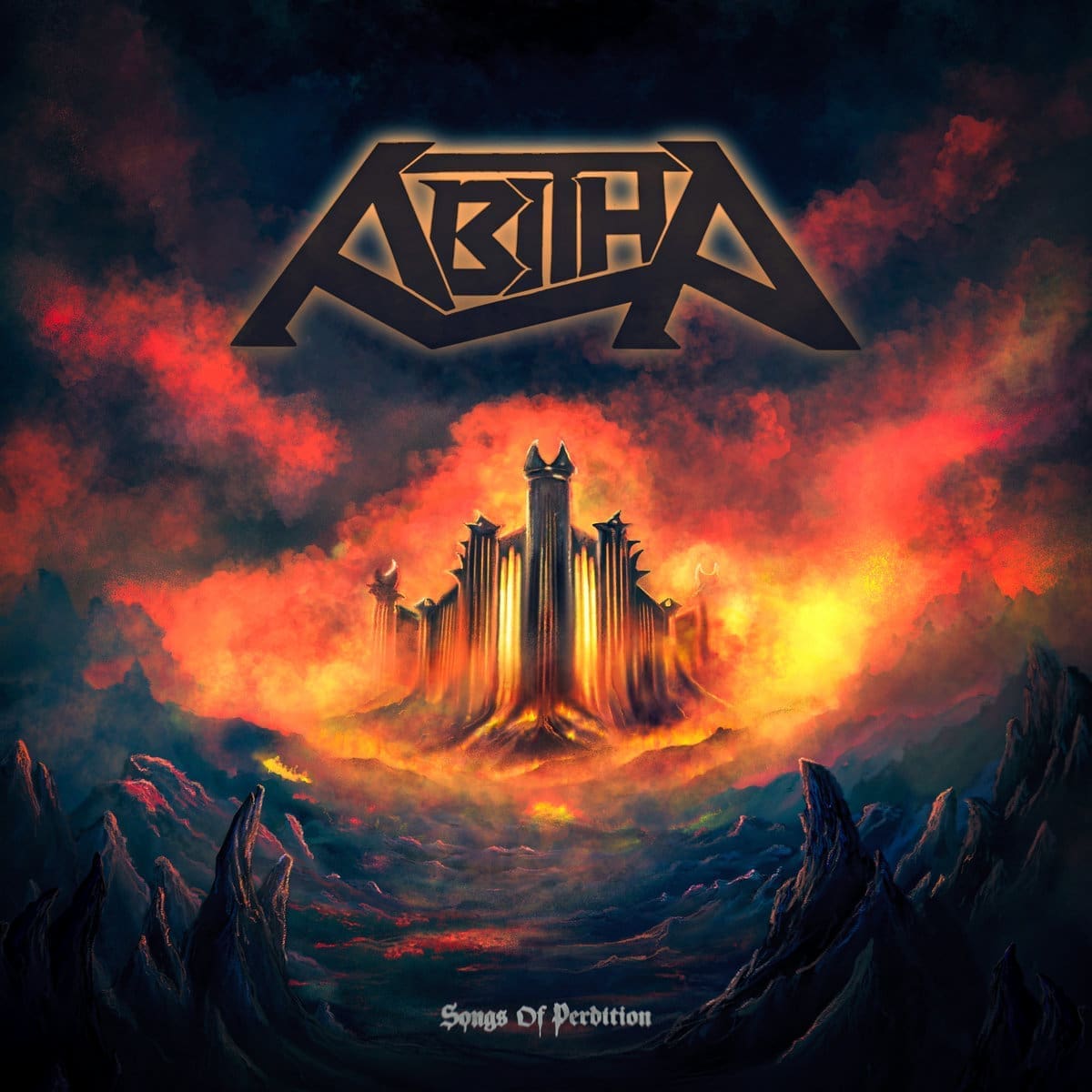
The artwork is taken from an 1838 printing of The Edge of Doom by Samuel Colman — a visionary piece depicting the total destruction of civilisation.

The Seventh Sin, Disrelish

There is nothing to dislike anywhere across this composition. My only grievance is that my repeat button feels entirely like the artwork — destructed.

⸸ ⸸ ⸸ ⸸ ⸸ ⸸ ⸸

The Hymns

01. Majestry of the Morning Star
02. Helel
03. Fornir Andar
04. Dead Tide
05. Eternal Rite
06. Inverted Cross 07. Corpus et Chaos
08. Rotting Souls
09. Lament of Goetia

Mortgrim

Máté Nagy — Everything

Reviewed by Kristian — editorial architect and ceremonially crafted. © Athenaeum of Sin Reviews.

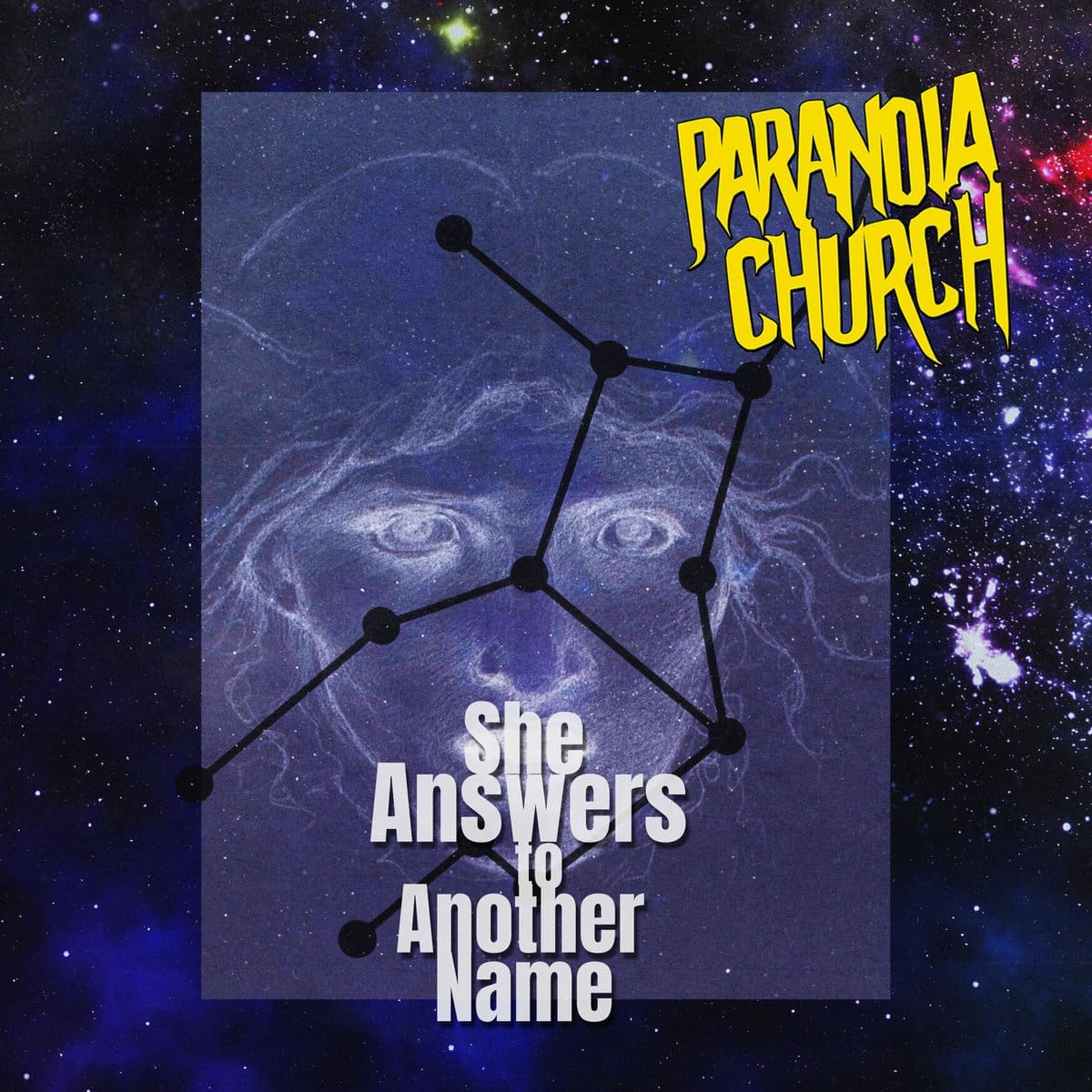
Paranoia Church — She Answers to Another Name Review

Paranoia Church is a Brazilian heavy progressive metal entity based in Canada. On 28 August 2026, Paranoia Church released their latest independent single, She Answers to Another Name. The single will be part of the concept EP, Harbinger of Tragedy, scheduled for release in 2027.

Paranoia Church, She Answers to Another Name Review: This review will evaluate every aspect of the album, from its intricate musical composition to its production.

Paranoia Church — She Answers to Another Name album cover

The First Three Sins, The Summary

The First Sin, The Strings/Keys: Heavy progressive riffing, grounded bass, atmospheric synths, and orchestral layers forge a cinematic framework. The Second Sin, The Vocals: Dark, theatrical clean vocals shift from intimate narration to soaring dramatic intensity. The Third Sin, The Percussions: Dynamic drumming balances controlled rhythms, decisive strikes, and progressive shifts.

⸸ ⸸ ⸸ ⸸ ⸸ ⸸ ⸸

The Fourth Sin, Overall Discussion

Act II: The Harbinger of Tragedy

Before stepping into the core sonic critique of She Answers to Another Name, this feature acknowledges the hymn’s crucial placement within a grander conceptual architecture. The hymn functions as Act II of a four-part concept EP titled Harbinger of Tragedy (scheduled for release in 2027).

It unfolds a mythological narrative of abuse, retribution, trauma, and ultimate transformation — following a woman broken by divine decree, cast into the depths of Hell, and reborn as an uncontrollable force.

Heavy Metal Through a Mythological Lens

The moment the play button is pressed, the listener is immersed in an expansive composition spanning over five minutes. Paranoia Church seamlessly bridges traditional heavy metal foundations with progressive rock structures and dark, mythological folk — elevated throughout by atmospheric orchestration and cinematic storytelling.

The Cohort Behind the Tragedy

The devilmanship behind She Answers to Another Name represents a seamless convergence of dedicated talent, led by project creator Bruno Rios and executed alongside a premier cohort of returning collaborators.

  • Bruno Rios (Creator, Guitars, Bass, Synths, Lyrics & Production) — The primary architect behind Paranoia Church. Rios crafts the foundational song structures, writes the overarching mythological concept, and produces the record — laying down driving guitar riffs, bass lines, and synth foundations.
  • Samtar (Guest Vocals) — Returning from previous Paranoia Church sagas, Samtar handles the entire vocal performance with theatrical intensity — embodying the trauma, fury, and ultimate divine defiance of the central character.
  • Fabián Carrión Troya (Drums) — A trusted returning collaborator who provides the full drum performance, driving the progressive shifts and heavy metal momentum with organic, powerful percussive weight.
  • Guilherme de Siervi (Orchestral Elements & Atmospheric Layers) — Responsible for constructing the sweeping orchestral architecture, symphonic layers, and cinematic environments that give Act II its mythic, otherworldly depth.

There are no crazy odd time signatures or ridiculously complex instrumental passages.

The Voice of Transformation & Defiance

The mix across She Answers to Another Name explicitly prioritises the vocal delivery as the primary dramatic narrator. Placed front-and-centre, Samtar’s performance dictates the movement of the entire composition, with the heavy guitars and symphonic orchestration carefully arranged around the contours of his phrasing.

Samtar utilises a dark, substantial clean-vocal register delivered with emotional, theatrical flair. The performance moves fluidly between intimate, almost spoken-word narrative passages and soaring, dramatic climaxes that articulate the main character’s internal transformation and defiance.

Bruno Rios‘ guitar work fulfils a dual role — serving as both the structural backbone and a vehicle for progressive storytelling. Heavy, distorted rhythm chords provide immense physical weight, while progressive chord progressions, clean atmospheric textures, and expressive melodic leads weave around the vocal line to elevate the song’s cinematic scope.

The Rhythmic & Orchestral Foundation

The rhythm foundation and synth layers across She Answers to Another Name work in total harmony to construct a vast, dynamic framework around the central narrative.

Rios‘ bass guitar directly anchors the harmonic movement, providing deep low-end stability — particularly throughout the song’s complex, progressive structural shifts. Fabián Carrión Troya’s drum performance drives the progressive framework with refined dynamics rather than relentless, uniform aggression.

Controlled rhythms sensitively support the quiet, atmospheric passages, while heavier patterns and decisive strikes build tension during the hymn’s dramatic transitions. Rios‘ synth arrangements expertly fill the negative space between the guitars and vocals, providing ambient pads, textural layers, and transitional cues that prevent the song from ever feeling hollow.

Working alongside them, Guilherme de Siervi’s orchestral design acts as the overarching cinematic layer — mirroring Samtar’s vocal phrasing to reinforce the storytelling.

A Living, Breathing Progressive Ensemble

While Paranoia Church operates fundamentally as a solo project utilising guest and session musicians, the overall musical cohesion feels strikingly like a fully unified, veteran band rather than an isolated studio arrangement.

The devilmanship is executed with precision, while the instrumental structure unfolds like a short progressive heavy metal film:

  • Vocals — act as the primary storyteller, driving the dramatic plot forward.
  • Guitars — provide both the foundational structural backbone and the emotional contour.
  • Bass & Drums — generate constant forward movement, tension, and dynamic shifts.
  • Keys & Synths — fill negative space and seamlessly guide atmospheric transitions.
  • Orchestration — elevates the composition out of standard heavy metal and directly into mythic, cinematic territory.

Nothing across these five-plus minutes is ever static. Every instrument dynamically reacts to the others — creating a living, breathing soundscape that demands to be experienced through headphones to absorb every nuance of Act II.

Reclaimed Power: The Closing Act

Overall, She Answers to Another Name is an extraordinary, theatrical fruit of art. Paranoia Church has set a towering standard for Act II of the Harbinger of Tragedy saga — fusing traditional heavy metal, progressive storytelling, and orchestral majesty into a deeply resonant statement on survival and reclaimed power.

⸸ ⸸ ⸸ ⸸ ⸸ ⸸ ⸸

The Fifth Sin, The Memorabilia

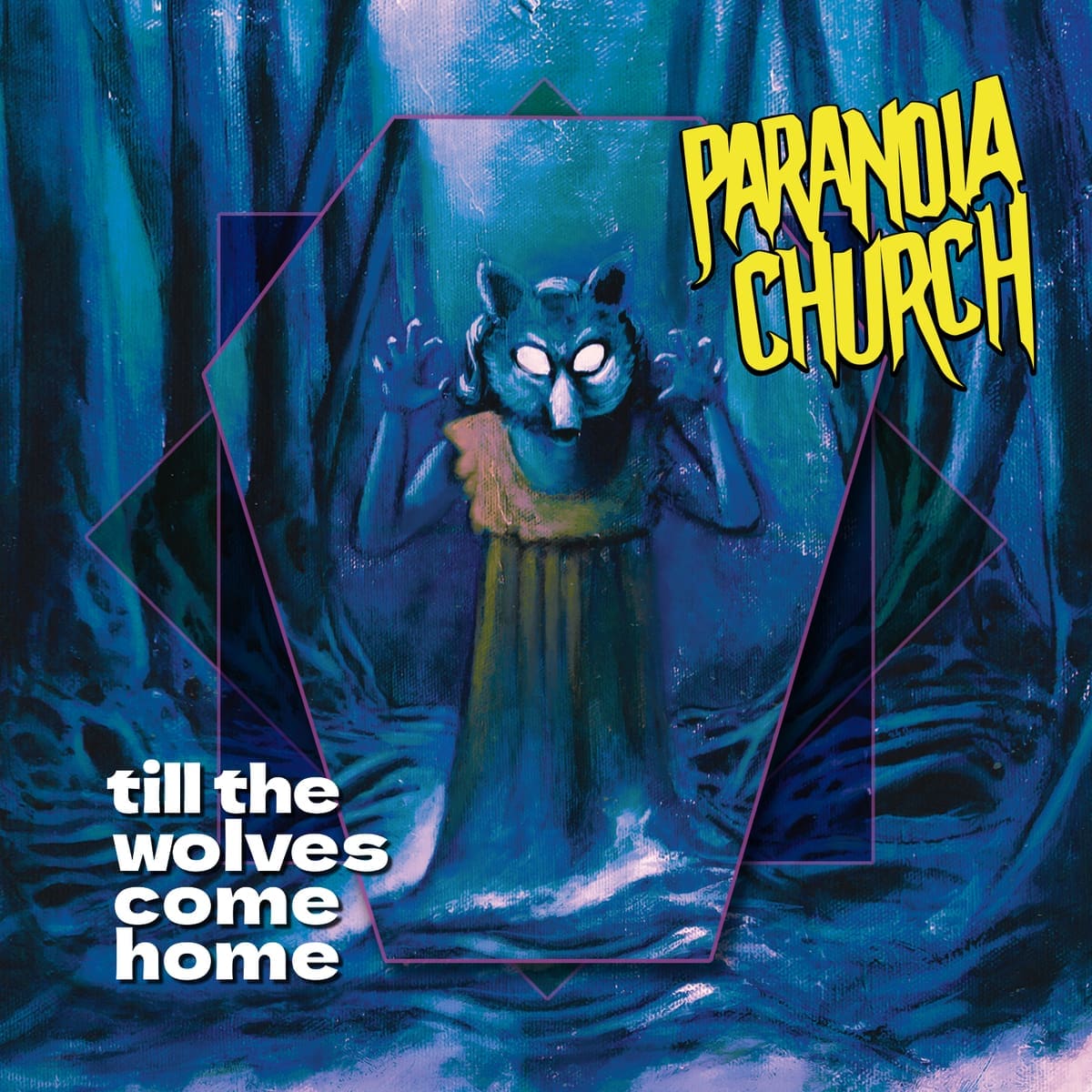
For me, She Answers to Another Name stands as a classic progressive heavy metal single that perfectly matches the sound, identity, and ambition of their debut, Till the Wolves Come Home — a release I enjoyed immensely. Beyond the technical devilmanship, the orchestration, and the compelling narrative, what resonates most is what Bruno Rios shared in our interview:

“This project is a labour of love. I am not a professional musician. I am a normal guy who works quite a lot, has 2 kids, and is approaching his mid-forties. I write and record late at night, mostly by the kitchen table, whenever I have energy at the end of a long day. Everything is really rudimentary and I am totally self-taught.”

This is precisely why I champion underground music like this. It isn’t driven by rock-star vanity or commercial calculation; it is fuelled entirely by pure passion, resilience, and an unyielding love for creating art against all odds.

The Sixth Sin, The Artwork

The visual presentation connects beautifully with the single’s core lyrical concept — featuring the vast expanse of the cosmos paired with the imposing, mythic image of the “head of a goddess,” symbolising divine power, trauma, and cosmic scale.

The Seventh Sin, Disrelish

There is absolutely no dislike to be found across this composition. My only two grievances are that my repeat button has officially broken from overuse, and the wait for the 2027 EP feels far too long.

⸸ ⸸ ⸸ ⸸ ⸸ ⸸ ⸸

The Hymns

01. She Answers to Another Name

Paranoia Church

Bruno Rios — Guitars, Bass, Synths
Samtar – Guest Vocals
Fabián Carrión Troya – Drums
Guilherme de Siervi – Orchestration

Reviewed by Kristian — editorial architect and ceremonially crafted. © Athenaeum of Sin Reviews.

Azgaal — Divine Hitman Review

Azgaal is a French one-man black metal entity forged around 2000 and operating under the solitary command of Naïwyn. On 28 August 2026, Azgaal returned with its ninth full-length, Divine Hitman, released through Fetzner Death Records.

Azgaal, Divine Hitman Review: This review will evaluate every aspect of the album, from its intricate musical composition to its production.

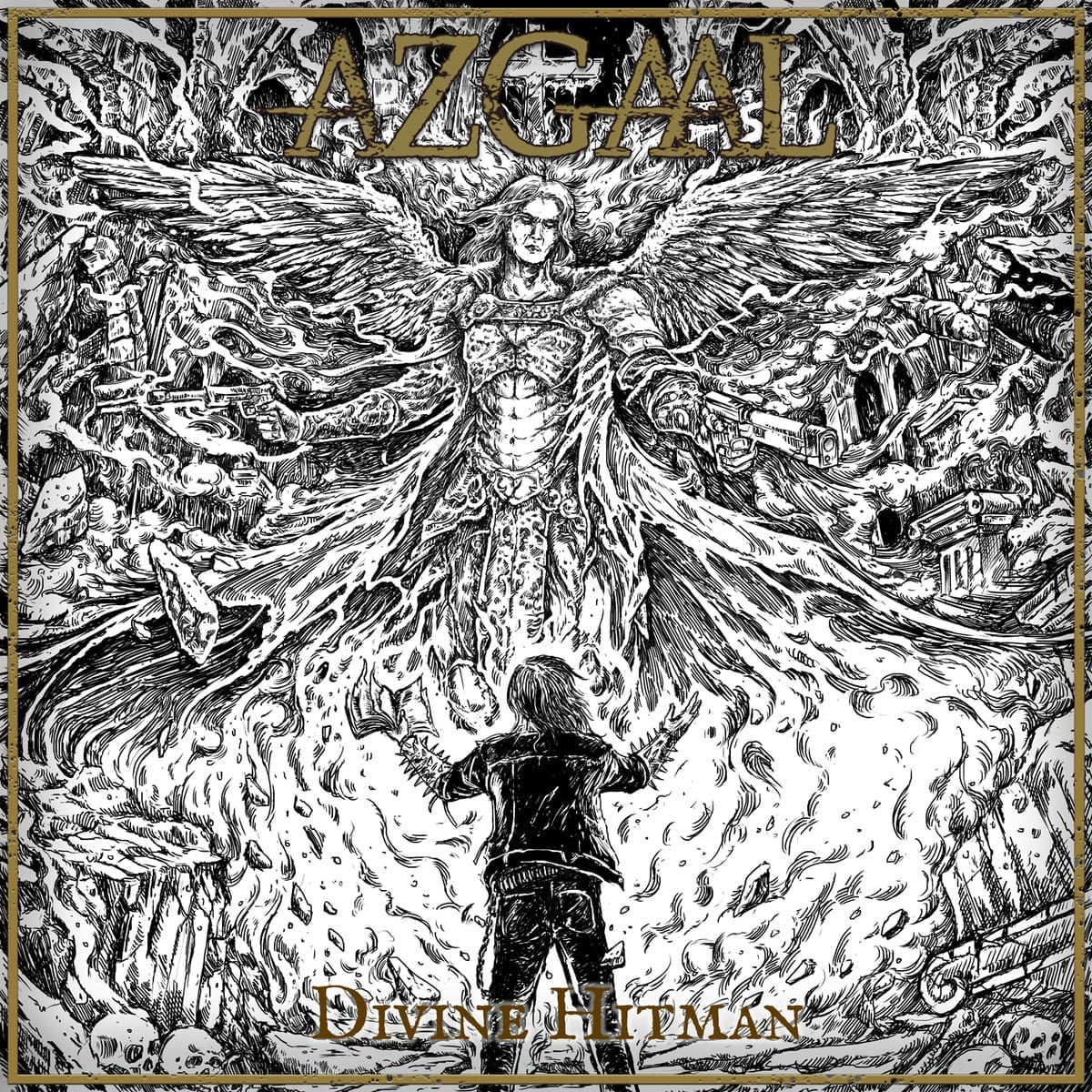
Azgaal — Divine Hitman album cover

The First Three Sins, The Summary

The First Sin, The Strings/Keys: Razor-edged tremolo riffing, melodic leads, grounded bass, and restrained synths forge an expansive celestial atmosphere. The Second Sin, The Vocals: Piercing shrieks, snarls, deeper growls, clean singing, and spoken passages deliver a commanding bilingual invocation. The Third Sin, The Percussions: Dynamic blast-driven aggression and disciplined rhythmic shifts follow each hymn’s changing intensity.

⸸ ⸸ ⸸ ⸸ ⸸ ⸸ ⸸

The Fourth Sin, Overall Discussion

The Divine Executioner

The moment the listener presses play, they are drawn into an unyielding trial spanning under sixty minutes across ten hymns, all constructed around the album’s central concept. The title Divine Hitman refers directly to Daovith, an angelic figure linked to the esoteric mystical text Sefer Ha-Razim.

Through this figure, Azgaal envisions Daovith as a cold, divine executioner charged with administering merciless punishment upon humanity for its systemic transgressions.

The Divine Executioner

Divine Hitman deliberately sidesteps conventional, surface-level Satanic black metal tropes. Instead, Azgaal constructs a theological nightmare concerned with ritual spirituality, esoteric mysticism, and unyielding celestial judgment. Humanity is not tempted or seduced — it is systematically tried, condemned, and executed under the cold, absolute authority of a divine decree.

One Architect, Ten Decrees

The overall composition and execution across Divine Hitman is scored to perfection. The devilmanship is controlled entirely by Naïwyn, who commands all vocals and instrumentation; consequently, the record operates with the razor-sharp discipline of a solitary mastermind executing a divine decree.

Naïwyn’s execution is honed to perfection, while the songcraft remains remarkably tight, sharp, and meticulously arranged. Naïwyn ensures that each composition possesses its own distinct structural identity; no two hymns feel identical.

The dynamic shifts across the hymn-list keep the near-sixty-minute runtime engaging, proving that Divine Hitman is built on genuine songwriting rather than repetitive, monotonous filler.

The Progressive Anatomy of Judgment

Divine Hitman successfully transforms cold celestial judgment into a sophisticated form of atmospheric black metal. Across its runtime, Naïwyn balances razor-sharp aggression with rich melodic passages, solemn majesty, and progressive structural movement:

The Progressive Spectrum: Rather than relying purely on relentless speed, the record builds its atmosphere on dynamic contrast — interweaving cold, aggressive black metal riffing with majestic melodic flourishes and progressive song structures.

  • The Progressive Spectrum — rather than relying purely on relentless speed, the record builds its atmosphere on dynamic contrast — interweaving cold, aggressive black metal riffing with majestic melodic flourishes and progressive song structures.
  • The Sunken Threshold — the seven-minute instrumental “In the Bowels of the Sunken City” acts as a vital structural pivot. Beginning in a clear, serene sonic space, it slowly accumulates weight, heavy distortion, and oppressive density. It serves as an atmospheric threshold, resetting the listener’s palate right before “The Bewitched Souls” erupts to restore vocal fury and full-throated intensity.
  • The Gothic Finale — the album’s closure, “The Occultist Error,” stands as a masterclass in dynamic synthesis. It pairs jagged, razor-raw black metal riffing with haunting, melancholic passages that possess an almost Gothic character — leaving a chilling, majestic resonance as the final decree concludes.

Strings Forged for Execution

The guitar architecture stands as the primary driving engine across Divine Hitman. Naïwyn crafts a dynamic, multi-layered string attack that balances raw black metal velocity with technical control and atmospheric depth. The guitars move effortlessly across diverse sonic landscapes. Naïwyn pairs blistering, raw tremolo-picking with compact, tight-muted riffs that carry a distinct blackened thrash and classic heavy metal character. 

When the tempo slows, the guitars shift into dissonant, atmospheric passages and clean, ringing sections punctuated by technically controlled, melodic lead solos. The bass work remains clearly present throughout the mix rather than being lost beneath the distortion. It solidifies the album’s overall rhythmic weight while occasionally introducing subtle melodic motion underneath the guitar substrate, providing a rich, grounded foundation for every shift in tempo.

The Voice, Battery & Ethereal Veil

The vocal performance, drum architecture, and background synth arrangements across Divine Hitman reinforce the album’s dynamic, multi-layered approach to celestial judgment.

Naïwyn’s vocal delivery commands a vast, expressive range — combining harsh black metal screams, piercing snarls, and deeper black/death-inflected growls with clean singing and spoken-word passages. The album alternates seamlessly between French and English, endowing the French-language hymns with a distinct, regal, and deeply individual character.

Rather than resorting to endless, continuous blast beats, the drumming precisely follows each composition’s rise-and-fall structure. The percussion hammers with unrelenting violence during heavy passages, yet recedes into steady, disciplined patterns whenever melodies, clean vocals, or atmospheric elements require room to resonate.

The ethereal synth background consists of restrained, haunting textures that hover low in the mix. Never overbearing, these subtle layers expand and deepen the record’s ethereal, occult, and ritualistic atmosphere.

Rawness Within the Celestial Chamber

The production across Divine Hitman achieves an ideal balance between raw, underground black metal grit and expansive atmospheric depth. The mix ensures that every instrument — from the biting guitar substrate and present bass lines to the background synths and dynamic vocal shifts — remains clear, legible, and spiritually weighty across its near-sixty-minute runtime.
The Final Decree

Overall, Divine Hitman is an extraordinary, meticulously crafted fruit of art. The final decree ends with a chilling, majestic resonance as the album folds into the void. Solitary architect Naïwyn has delivered a deeply compelling ten-hymn esoteric black metal record — flawlessly fusing cold aggression, progressive structural shifts, and French/English ritualistic narratives into an unforgettable trial of divine judgment.

⸸ ⸸ ⸸ ⸸ ⸸ ⸸ ⸸

The Fifth Sin, The Memorabilia

For me, Divine Hitman ultimately proved to be an extraordinary black metal record — masterfully capturing the raw, unholy spirit of Les Légions Noires alongside majestic, atmospheric, and deeply occult traditions. The overall composition and solitary devilmanship stand as a true fruit of art; every hymn and arrangement is nailed to perfection.

Experiencing this entire (under) sixty-minute trial through headphones is an immediate pleasure — particularly during those clean, majestic passages where the ethereal space truly opens up.

While there is not a single weak link across the entire hymn list, the seventh hymn, In The Bowels Of The Sunken City, and the eighth hymn, The Bewitched Souls, stand out as my personal favourite monumental peaks.

The Sixth Sin, The Artwork

The visual presentation directly mirrors and elevates the album’s core lyrical concept — serving as a striking aesthetic gateway into the esoteric domain of Daovith and the cold, unyielding reality of divine execution.

The Seventh Sin, Disrelish

There is absolutely nothing to disrelish within the musical spectrum of Divine Hitman. Across its ten-hymn trial, Azgaal maintains a remarkable balance between raw aggression, atmospheric depth, melodic grandeur, and progressive movement without allowing one element to overwhelm another. Even across its near-sixty-minute runtime, there is no discernible weakness capable of breaking the album’s carefully sustained atmosphere.

For me, Divine Hitman remains compelling from the opening decree to the final judgment — a meticulously constructed fruit of art where every compositional shift serves the greater celestial trial.

⸸ ⸸ ⸸ ⸸ ⸸ ⸸ ⸸

The Hymns

01. Versipellis
02. Dans le flammes du purgatoire
03. The Reaper Comes To You
04. La marche du pénitent
05. To The Ice Palace
06. Breaker of the Tides
07. In The Bowels of the Sunken City (instrumental)
08. The Bewitched Souls
09. Finis Temporis
10. The Occultist Error

Azgaal

Naïwyn – All Instruments

Reviewed by Kristian — editorial architect and ceremonially crafted. © Athenaeum of Sin Reviews.

Pusta Noc — Funus Vampyri Review

Pusta Noc is a Polish atmospheric & ceremonial black metal solo entity. On 6 March 2026, Pusta Noc released its second independent full-length album, Funus Vampyri.

Pusta Noc, Funus Vampyri Review: This review will evaluate every aspect of the album, from its intricate musical composition to its production.

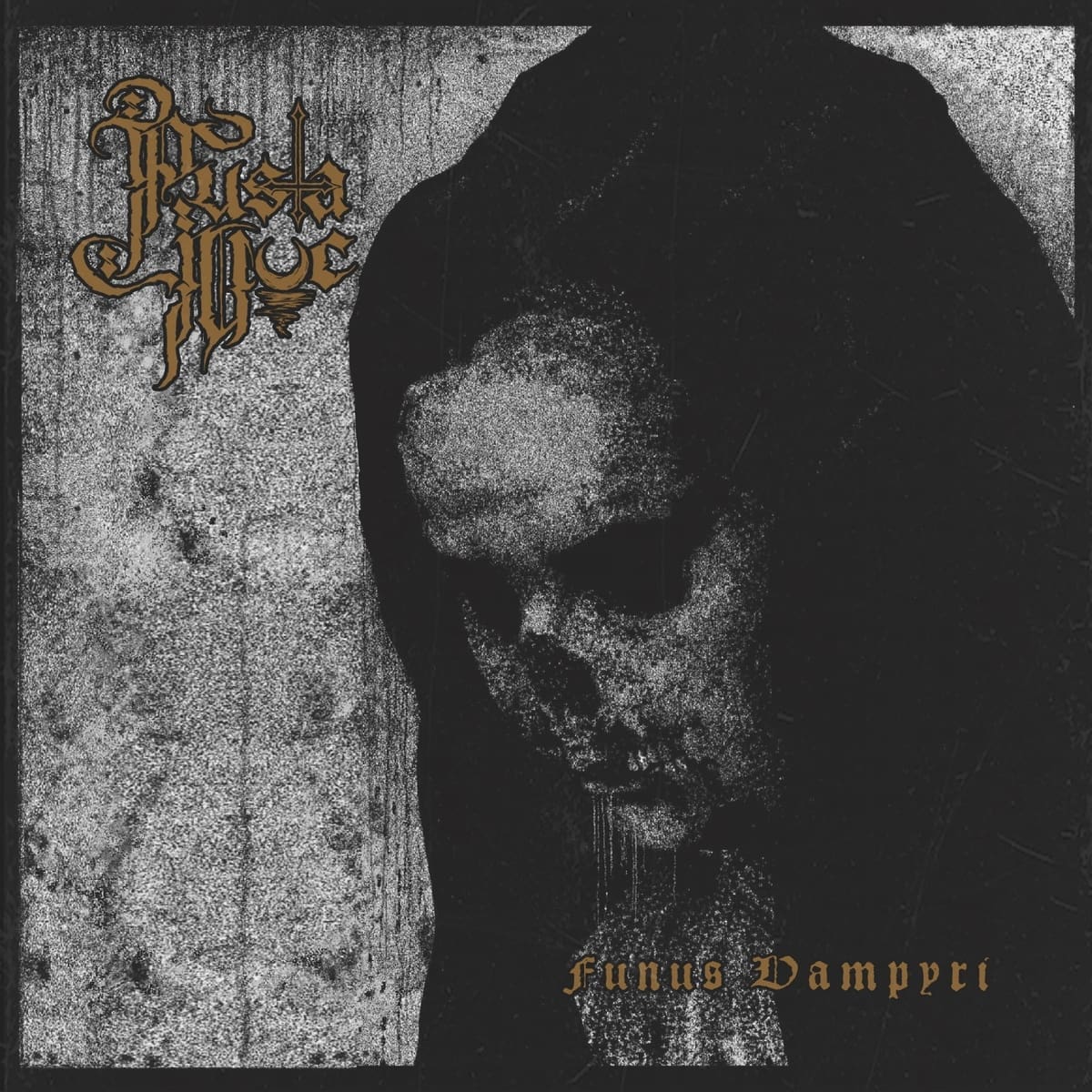
Pusta Noc — Funus Vampyri album cover

The First Three Sins, The Summary

The First Sin, The Strings/Keys: Processional guitar harmonies, earthy bass, and sparse atmospheric synthesisers construct a cold, melancholic funeral soundscape. The Second Sin, The Vocals: Distant, anguished harsh vocals operate as a ghostly lament, guiding the narrative through grief, anger, and tragic resignation. The Third Sin, The Percussions: Restrained programmed percussion maintains a hypnotic ceremonial pulse, favouring deliberate mid-tempo procession over chaotic aggression.

⸸ ⸸ ⸸ ⸸ ⸸ ⸸ ⸸

The Fourth Sin, Overall Discussion

The Empty Night Begins

The moment the listener presses play, they are welcomed into over thirty minutes of immersive atmospheric music — spread across four expansive hymns deeply rooted in Slavic folklore.

Pusta Noc constructs an atmospheric sanctuary with Funus Vampyri, inviting the listener into a traditional nocturnal vigil where ancient folk customs, dark superstition, and melancholic black metal converge.

Thematic Pillars

The album’s central narrative is constructed around the 2022 archaeological discovery of a 17th-century woman buried with anti-vampiric measures — an iron sickle placed across her neck and a padlock affixed to her big toe — in the Polish village of Pień.

Sensationalised by modern media as “Zosia the vampire,” Pusta Noc reclaims this historical case not for cheap shock value or standard horror tropes, but as a profound exploration of human tragedy:

  • Social Ostracism & Fear of the Dead: — Examining how community fear, superstition, and suspicion alienate those deemed other, even into the afterlife.
  • Grief, Anger, & Acceptance: — Navigating the complex emotional spectrum of loss, betrayal, and tragic resignation.
  • Ritualised Mourning: — Channelling the authentic Slavic tradition of Pusta Noc (Empty Night) — a traditional overnight wake spent beside the deceased before burial.

Thematic Foundations

The devilmanship across Funus Vampyri is honed to perfection and crafted entirely solo by Grymuar. Emphasising extreme intimacy, personal expression, and immersion, the creator treats each release as a self-contained narrative world rather than a simple collection of hymns.

Pusta Noc’s creative palette draws directly from four core pillars:

  • Polish Folklore: — Exhuming forgotten historical tragedies to give voice to the silenced and ostracised.
  • Ritual, Mystery, & Darkness: — Crafting a solemn, ceremonial atmosphere that surrounds the listener in cold, reverent gloom.
  • Late-90s Black Metal Spirit: —Channelling the raw, melancholic, and deeply atmospheric spirit of classic late-1990s black metal pioneers.

The Processional Guitar Work & Fog-Bound Low-End

Musically, Funus Vampyri deploys a deliberately restrained, ritualistic instrumental palette. Rather than relying on frantic, chaotic aggression, the guitars carry almost the entire emotional weight of the record — operating with patient, processional solemnity.

Instead of the icy, high-speed tremolo picking typical of standard second-wave black metal, Pusta Noc‘s guitar work feels distinctly processional — evoking the physical sensation of walking slowly behind a coffin in a cold, fog-shrouded cemetery. The mid-tempo pacing allows layered harmonies to build a thick, mournful atmosphere, while subtle folk-horror motifs weave through the riffs to gently echo ancient Slavic funeral traditions.

Beneath this guitar architecture, the bass remains earthy, deep, and steadfastly supportive, grounding the record’s tragic narrative weight.

The Ceremonial Heartbeat & Ghostly Lament I

The percussive foundation and vocal execution on Funus Vampyri maintain the record’s strict commitment to funeral ceremony, eschewing chaotic speed for hypnotic, mournful dread.

The programmed drums behave explicitly like the heartbeat of the funeral rite. Mid-tempo beats dominate throughout, while blast beats are intentionally kept rare or completely absent — maintaining an unbroken, hypnotic dread. Beneath this rhythm, synths are deployed sparingly and with total purpose; ambient pads and subtle orchestral touches act like the biting, cold air hovering over the burial site — ever-present and atmospheric, yet never overwhelming the central instrumentation.

The Ceremonial Heartbeat & Ghostly Lament II

Rather than deploying a standard, high-register black metal shriek, Pusta Noc operates as a solemn lamenter — authoritatively guiding the listener through the emotional progression of the funeral vigil:

  • Narrative & Anguished Delivery: — A harsh, sorrowful voice that remains strictly disciplined rather than chaotic.
  • Emotional Spectrum: — A harsh, sorrowful voice that remains strictly disciplined rather than chaotic.
  • Ghostly Mix Placement: — Positioned slightly behind the guitars, imparting a distant, haunting spectral presence.
  • Storytelling Focus: — Utilised purely as an instrument of storytelling, tragedy, and mourning rather than aimless aggression.

The Acoustics of the Burial Wake

The production across Funus Vampyri is cold, spacious, deeply atmospheric, and ritualistic — capturing the raw, unpolished spirit of late-90s atmospheric black metal while maintaining complete mix clarity. By placing the anguished vocals slightly behind the shimmering, processional guitar layers and grounding the low-end with earthy bass and ceremonial percussion, the recording achieves the exact acoustic ambience of a nocturnal burial wake.

Funus Vampyri sits between classic atmospheric black metal, funeral rite, and modern folk-horror sound design, with a strong emphasis on storytelling through tone.

When the Vigil Ends

Overall, Funus Vampyri is a profoundly melancholic, deeply moving fruit of art. Grymuar has crafted an extraordinary four-hymn monument to Slavic mourning, exhuming historical tragedy to deliver a solemn work of atmospheric and ceremonial black metal.

As the final hymn fades, the sunset sits low over the horizon, and the music settles like the dust and ashes of a funeral now been and gone.

⸸ ⸸ ⸸ ⸸ ⸸ ⸸ ⸸

The Fifth Sin, The Memorabilia

When the first drops of Funus Vampyri echoed, the music initially carried the distinct chill of late-90s black metal — yet as the four long-form hymns unfold, it becomes clear this is something far deeper. Pusta Noc transcends standard black metal boundaries, forging an atmospheric funeral rite steeped in the folk-horror tales of a bygone era when vampire hysteria and dark superstitions gripped the land.

Grymuar has masterfully taken elements of black metal, dense atmosphere, funeral doom, and folk horror to create something deeply melancholic, raw, ceremonial, and ritualistic — delivered with the cold, captivating precision of a dark tale narrator.

The Sixth Sin, The Artwork

The visual presentation stands as a stark, grain-scoured icon: a hooded, half-eroded figure rendered in cold monochrome, framed by gold gothic lettering that reads like a solemn funerary plaque.

It feels significantly less like modern album cover art and far more like a sacred, forgotten relic exhumed directly from an ancient crypt.

The Seventh Sin, Disrelish

There is absolutely nothing to disrelish across this entire funeral rite.

⸸ ⸸ ⸸ ⸸ ⸸ ⸸ ⸸

The Hymns

01. Exordium
02. Laudatio
03. Comploratio
04. Consolatio

Pusta Noc

Grymuar — All Instruments, Vocals, Drum Programming

Reviewed by Kristian — editorial architect and ceremonially crafted. © Athenaeum of Sin Reviews.

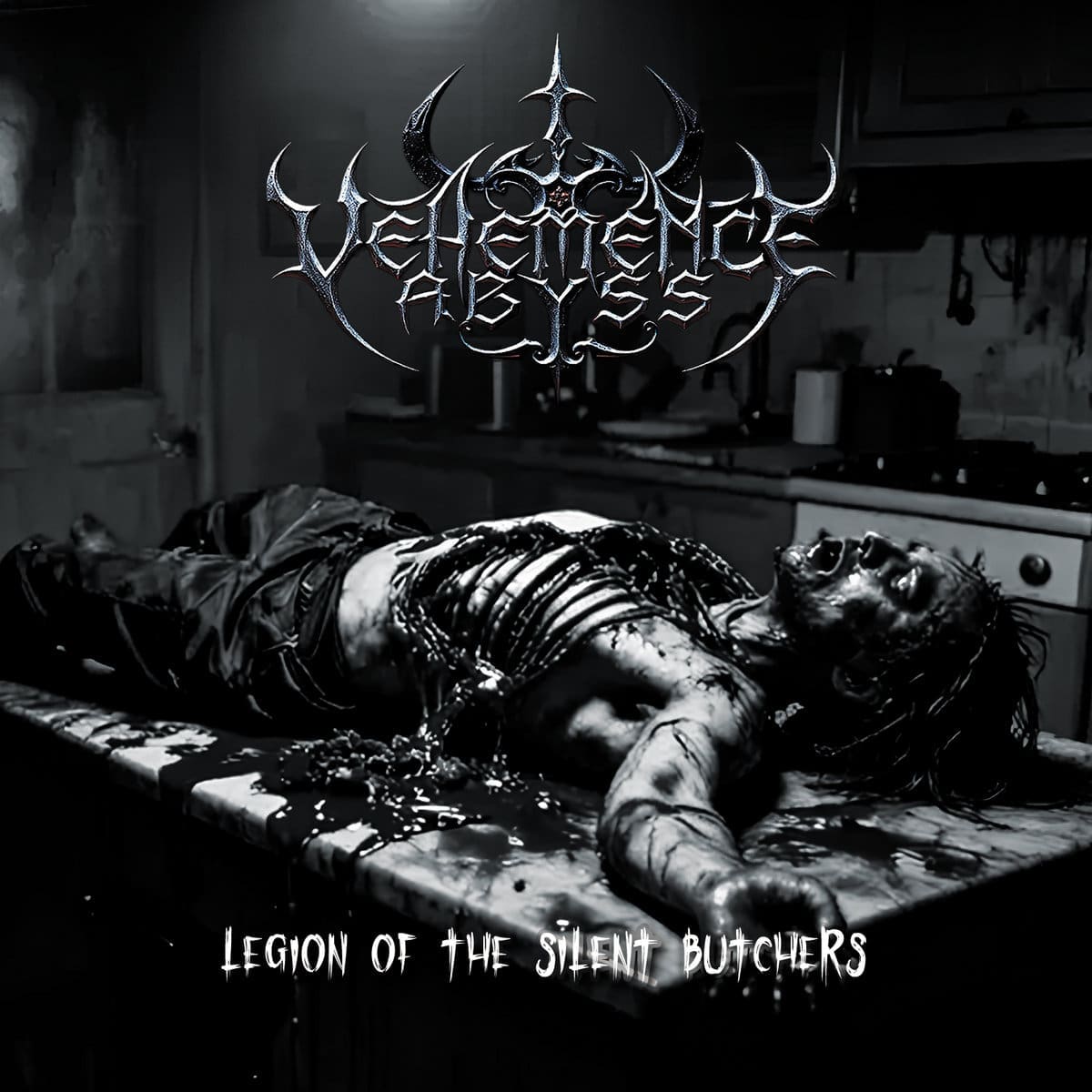
Vehemence Abyss — Legion of the Silent Butchers Review

Vehemence Abyss is an Portuguese black metal entity created by Melkor. On 1 August 2026, Vehemence Abyss released its third full-length, Legion of the Silent Butchers. The album self-released through Studios 13.

Vehemence Abyss, Legion of the Silent Butchers Review: This review will evaluate every aspect of the album, from its intricate musical composition to its production.

Vehemence Abyss — Legion of the Silent Butchers album cover

The First Three Sins, The Summary

The First Sin, The Strings/Keys: Serrated tremolo riffing, jagged dissonant melodies, and cold atmospheric textures forge an oppressive monument to human depravity. The Second Sin, The Vocals: Feral black metal rasps and occasional guttural growls deliver every tale with confrontational realism rather than theatrical excess. The Third Sin, The Percussions: Relentless drumming shifts between stalking restraint and explosive violence, driving each hymn with calculated predatory momentum.

⸸ ⸸ ⸸ ⸸ ⸸ ⸸ ⸸

The Fourth Sin, Overall Discussion

The Forest Hunts First

The moment the listener presses play, the opening hymn, The Forest Devours the Weak, greets them with an instantly unsettling atmosphere. Vehemence Abyss wastes no time establishing its territory, plunging the listener headfirst into a relentless, suffocating realm that explores the absolute depths of human darkness.

The Seven Masks Of Predation

As the listener continues their descent through the remaining six hymns, the music plunges deeper into the darkest corners of human predation. Rather than relying on generic fantasy gore, instead each hymn exposes a different face of cruelty, the starving beast, the wandering killer, the clinical murderer, the cannibal next door, the corrupt authority, the perfect hunter, and the ego‑drunk suburban monster.

As Melkor states: “This album is not a celebration of violence; it is a confrontation with it. A portrayal of the rot beneath civilization, the hunger that hides behind uniforms, smiles, and silence.”

The Architects of the Abyss

Musically, the entirety of Legion of the Silent Butchers is raw, frigid, and merciless. The composition transforms real-world atrocities into bleak, suffocating atmospheres, jagged dissonant riffs, and feral vocals — forging an imposing sonic monument to the abyss lurking within humanity.

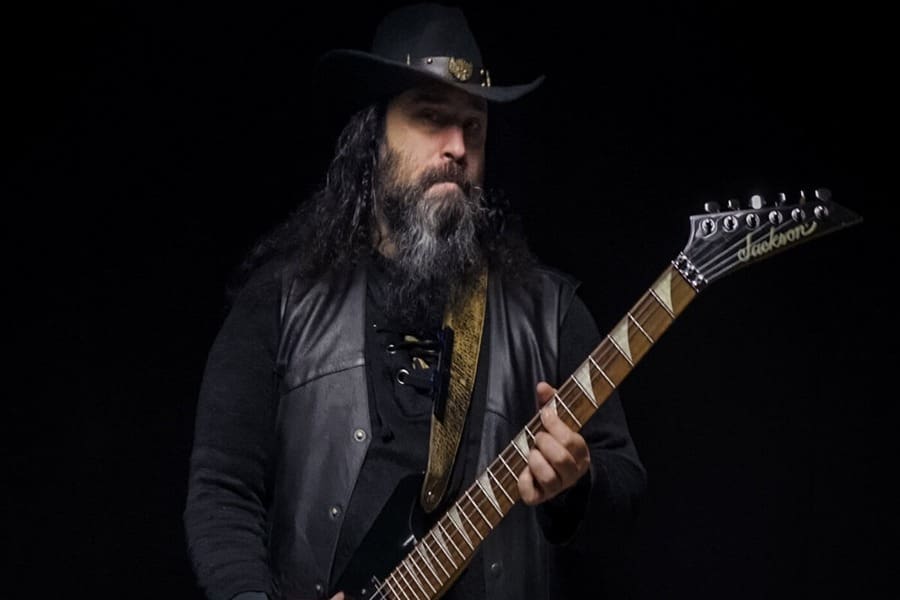
The devilmanship throughout the record is shaped by multi-instrumentalist Melkor, who constructs every facet of the album’s bleak sonic world, while Jeroen, whose relentless drum performance, drives both the music and its underlying narrative forward. Equally crucial to this monument is Catherine Theodore, who handled the lyrical and narrative refinement. Theodore’s role was to sharpen the thematic violence into something deliberately confrontational rather than cheap or sensational.

The Anatomy of Violence

The strings and vocals forged by Melkor are executed with perfection. His guitars serve as the album’s physical spine — the central pillar from which every other element hangs. The guitar-craft is forged in cold, serrated, mid-gain distortion, utilising a technique palette of rapid tremolo-picked dissonant lines and mid-tempo, stabbing riffs.

Supporting this attack, the bass guitar mirrors the main guitar lines while occasionally diverging to build biting harmonic tension. Behind the kit, Jeroen drives the record forward like a hammer smashing through flesh and stone. His drumming dictates the album’s predatory pacing — shifting seamlessly between a patient, stalking cadence and explosive, lethal attacks characterised by sharp, cutting snares and harsh cymbal washes.

Fronting this onslaught, Melkor’s vocals lean into confrontational realism rather than theatrical drama — delivering a raw black metal rasp, feral enunciation, and occasional deep guttural growls.

The Air Between the Blades

While Legion of the Silent Butchers remains overwhelmingly guitar-driven black metal, atmospheric micro-textures are tucked into the mix. Subtle mechanical hums, breathing-room drones, and grimy, metallic scrape textures are used sparingly. Rather than providing comfort, these micro-synth-pads make the recording feel as though it is unfolding within a genuinely hostile physical space.

Ultimately, the instrumentation mirrors its thematic stance: violence without ornament, cruelty without fantasy, and black metal without comfort.

Concrete Walls and Cold Steel

The production across Legion of the Silent Butchers feels like it was captured directly inside a kill room — surrounded by icy concrete walls, rusted metal hooks, and zero mercy in the acoustics. The guitars scrape like serrated steel dragged across damp tile, the drums crack with the dry slap of an enclosed space meant for slaughter, and the vocals hit with the claustrophobic immediacy of someone screaming beneath a single swinging bulb.

When Silence Finally Returns

Overall, Legion of the Silent Butchers is a frostbitten, merciless, and terrifying fruit of art. As the album draws to a close with the final hymn, BTK — Bind, Torture, Kill, and the music falls completely silent within the freezing void, the sheer torment of the soundscape lingers long in the listener’s mind.

Vehemence Abyss has engineered a relentless seven-hymn monument to human depravity — stripping away all theatrical fantasy to deliver an oppressive, realistic exploration of predation and cold, unvarnished black metal violence.

⸸ ⸸ ⸸ ⸸ ⸸ ⸸ ⸸

The Fifth Sin, The Memorabilia

For me, Legion of the Silent Butchers feels significantly stronger than Shadows of Sin: Chronicles of Portuguese Serial Crimes — it is undeniably colder, darker, and far more merciless. This is emphatically not music for the faint-hearted; it is a direct descent into the abyss and an unyielding journey through macabre tales.

This is black metal that completely avoids being epic, grand, or theatrical. Instead, it serves up severe, unvarnished black metal like a corpse presented on a silver plate — raw, highly atmospheric, freezing like a winter chill, and deeply unsettling to the core.

The Sixth Sin, The Artwork

The visual presentation is crafted strictly for those with a strong mind and is certainly not for the faint of heart, mirroring the album’s gruesome, confrontational exploration of human cruelty.

The Seventh Sin, Disrelish

There is absolutely nothing to disrelish across this entire cold, merciless, and freezing atmosphere. Every string is sharp, every drum hammers across the skull, and the lyrics cling to the listener like a mask stitched from suffering.

⸸ ⸸ ⸸ ⸸ ⸸ ⸸ ⸸

The Hymns

01. The Forest Devours the Weak
02. Strangler of the Peaks
03. Angel of Silent Overdose
04. Duisburg Cannibal
05. Angarsk Wolf
06. Perfect Predator
07. BTK — Bind, Torture, Kill

Vehemence Abyss

Melkor — Guitars, Vocals, Lyrics
Jeroen – Drums
Lyrics refined & sharped by Catherine Theodore

Reviewed by Kristian — editorial architect and ceremonially crafted. © Athenaeum of Sin Reviews.

Isolirion — Denied And Rejected Review

Isolirion is an Italian progressive metal entity. On 17 July 2025, Isolirion released its independent fourth full-length album, Denied And Rejected.

Isolirion, Denied And Rejected Review: This review will evaluate every aspect of the album, from its intricate musical composition to its production.

Isolirion — Denied And Rejected album cover

The First Three Sins, The Summary

The First Sin, The Strings/Keys: Aggressive thrash riffing, progressive structures, and expressive classical guitar studies forge an ambitious musical journey. The Second Sin, The Vocals: Raw thrash barks and cold spoken-word passages convey rejection, isolation, and emotional unrest. The Third Sin, The Percussions: Dry, controlled percussion drives relentless thrash rhythms with precision and discipline.

⸸ ⸸ ⸸ ⸸ ⸸ ⸸ ⸸

The Fourth Sin, Overall Discussion

A Solitary Return

Before embarking on this musical journey, one important detail deserves mentioning: Isolirion was once a full band, but with Denied And Rejected, the project now rests under the complete creative control of Roberto Merlo.

For those encountering the name for the first time, this is far from a standard solo endeavour. Instead, Merlo fuses sharp thrash metal foundations with expansive progressive elements, classical guitar studies, and daring experimental influences.

The Weight of Rejection

Lyrically and atmosphere-wise, Denied And Rejected explores profound psychological terrain — delving deep into themes of exclusion, rebirth, social pressure, emotional numbness, and the restless search for identity.

The result stands as one of the most diverse, deeply personal, and unconventional releases across the broader Isolirion musical discography.

Twenty Hymns, Two Journeys

While previous releases consistently stretched past the one-hour mark and split cleanly between standard hymns and instrumental pieces, Denied And Rejected takes a far more ambitious, structured approach.

Explicitly framed by the artist as a “dark and visceral concept album,” this expansive work spans twenty hymns and runs just under two full hours, divided into two distinct halves:

  • The first half houses twelve standard hymns that drive the core narrative forward, unleashing thrash velocity, progressive shifts, and visceral vocal commentary on social pressure and emotional numbness.
  • The second half pivots entirely, delivering a dedicated suite of classical guitar studies that showcase Merlo’s technical discipline and acoustic finger style articulation — balancing raw metal aggression with meticulous formal composition.

Thrash Reforged

The devilmanship and compositional design — spanning both instrumental performance and broader musical architecture — are consistently well crafted. Seamlessly connecting to the broader Isolirion lineage, Denied And Rejected shifts away from the progressive-riff dominance of La Notte Dei Sensi, making a return toward the thrash-avant-garde roots established on early works like Outer Heaven and Warped.

Roberto Merlo’s guitar work combines aggressive thrash-leaning rhythm foundations with precise palm-muted riffing, raw mid-gain crunch, sudden meter changes, and dissonant chord clusters. Supporting this complex framework, the bass guitar is mixed closely alongside the guitars, acting as a unified layer that injects immense physical weight directly into the riffing.

Voices Within the Machine

The drum battery across Denied And Rejected carries a dry, precise footprint. Whether programmed or performed, the percussion remains tightly controlled throughout, driving relentless thrash tempos and rapid double-time snare work. Fronting this aggressive rhythmic grid, Roberto Merlo delivers a raw vocal attack centred on harsh thrash barks, intercut with cold spoken-word and declamatory vocal passages.

While synthesisers are omitted from the arrangement, the record generates a deep background atmosphere through alternative methods. Merlo layers low-frequency drones, subtle ambient hiss, and industrial noise beds beneath the guitars.

The Raw Chamber

The production across Denied And Rejected carries a raw, home-recorded austerity from beginning to end. Built on close, dry, and deeply intimate soundscapes, the recording deliberately avoids modern studio ambience or artificial polish.

Every instrument — from the harsh thrash riffing to the delicate classical guitar studies — is captured with a stark, unvarnished clarity that reinforces the album’s central themes of personal isolation and emotional vulnerability.

When the Fire Falls Silent

Overall, Denied And Rejected is a fruit of art that values artistic conviction above accessibility. Rather than ending with spectacle, the closing eight instrumental studies gradually strip away the aggression established during the opening half, leaving only intimate acoustic reflections.

Instead of functioning as bonus material, these pieces feel like the emotional aftermath of the record’s central struggle — quiet, restrained, and deeply personal.

⸸ ⸸ ⸸ ⸸ ⸸ ⸸ ⸸

The Fifth Sin, The Memorabilia

For me, Denied And Rejected proved to be a stronger experience than La Notte Dei Sensi, though it still does not quite capture the consistency of Outer Heaven or Warped. The return to thrash metal immediately felt more engaging, yet the songwriting remains uneven across such an expansive running time. Certain hymns leave a lasting impression, while others simply pass by before the next memorable idea arrives.

What continues to impress most is Roberto Merlo‘s willingness to challenge himself creatively. Rather than repeating previous successes, he constantly experiments with structure, instrumentation, and atmosphere, and even when every decision does not fully resonate with me, that fearless approach deserves genuine respect.

Unpleasant Human Form and Fontamorlock stood among my personal highlights, while the closing acoustic studies offered a thoughtful and unexpectedly intimate conclusion. Even so, Isolirion deserves recognition for pursuing its artistic vision without compromise, regardless of where that journey ultimately leads.

The Sixth Sin, The Artwork

As Roberto Merlo states: The artwork visually represents the core themes of the album: solitude, abandonment, and the constant threats faced by anyone considered “different” or rebellious. The central figure stands alone, surrounded by symbolic hostility — a metaphor for how society often targets those who do not conform to its expectations.

The cover summarises the emotional landscape of the album: isolation, resilience, and the courage to exist outside imposed standards.

The Seventh Sin, Disrelish

My principal criticism lies not with the devilmanship, but with the album’s immense structure. Running for just under two hours, Denied And Rejected occasionally struggles to sustain the same level of engagement across its full duration. Individual hymns certainly reward repeated listening, yet as a complete experience the record can become demanding, allowing some otherwise compelling ideas to lose their impact under the sheer weight of the album’s duration.

⸸ ⸸ ⸸ ⸸ ⸸ ⸸ ⸸

The Hymns

01. Mysrical Forest
02. Get out of the Mud
03. Reborn Again
04. Libertas God
05. The Patriots
06. Freezing Eyes
07. The Dream Begins Again
08. Is This a Joke?
09. Schizoid Disorder
10. Deamination
11. Unpleasant Human Form
12. Fontamorlock
Hymns 13‐20 are classical instrumental studies (Rejected 25‐32)

Isolirion

Roberto Merlo — All Instruments, Vocals, Lyrics

Reviewed by Kristian — editorial architect and ceremonially crafted. © Athenaeum of Sin Reviews.

ExaNera — Dolmen ad Naturam Review

ExaNera is an Italian dark ambient/dungeon synth solo project. On 3 July 2026, ExaNera released his second independent full-length album, Dolmen ad Naturam.

ExaNera, Dolmen ad Naturam Review: This review will evaluate every aspect of the album, from its intricate musical composition to its production.

ExaNera — Dolmen ad Naturam album cover

The First Three Sins, The Summary

The First Sin, The Strings/Keys: Soft synthesisers, medieval-inspired timbres, restrained melodies, and low drones forge a deeply immersive woodland atmosphere. The Second Sin, The Vocals: No human vocals are required; the synthesisers and field recordings become the album’s sole narrators. The Third Sin, The Percussions: Gentle electronic pulses and ritualistic impacts add movement while preserving the music’s tranquil character.

⸸ ⸸ ⸸ ⸸ ⸸ ⸸ ⸸

The Fourth Sin, Overall Discussion

Into the Mossbound Wilds

The moment the first notes emerge from the speakers, the listener is greeted into a thirty-minute journey spread across eleven crafted hymns. Dolmen ad Naturam leans heavily into nature-bound dungeon synth, experimental arrangements, mossy atmospheres, and ancient-woodland mysticism.

To fully absorb this nature-bound material, one must completely forget about the modern realm, find a comfortable seat, prepare a warm drink, and don a pair of headphones. By closing your eyes, you allow the music to take you far away, navigating and wandering through a tapestry of hymns that effortlessly evoke ancient ruins, hidden caves, sacred wells, deep forests, mist-shrouded lakes, and long-forgotten landscapes.

Act I: The Empty Keep

One’s journey begins with the opening hymn, A trail through hollow woods, which functions as a scene-setting prologue. It immediately establishes the album’s signature mossy tonal palette, pairing gentle synthesiser chords with delicate, light forest field recordings that immerse the listener in a living, breathing environment.

This naturalistic introduction quickly shifts as the listener follows into the second hymn, The Castle Ruins. There is an immediate, palpable feeling of leaving the shelter of the hollow woods behind and entering the skeletal frame of an empty keep. The music pivots toward a deeply melancholic, architectural feel, driven by sweeping minor-key pad synths and faint pseudo-organ timbres.

It evokes perfectly the image of towering, weather-worn stone pillars crumbling under the weight of centuries, shifting the listener’s journey from a simple walk through nature into a solitary exploration of historic decay.

The Solitary Artisan

Behind these sprawling, ancient vistas lies a remarkably focused creative architecture: ExaNera is realised entirely through the solitary devilmanship of a single individual. In this stripped-back configuration, strategic sound effects and pure synthesisers are the artisan’s only armament.

Yet, despite these minimalist boundaries, both the instrumental compositions and the overall musical arrangements are honed to perfection.

Musically, the project combines dark ambient landscapes, low-frequency drone, and experimental textures. Rather than offering cheap, predictable melodies, it delivers an intensely atmospheric and deeply immersive sound experience. It is the kind of challenging, highly rewarding sonic cartography that is frequently explored and celebrated within underground, niche electronic music communities — a quiet monument to texturised world-building.

Act II: The Subterranean Descent

Diving much deeper into the shadows of the castle structure, the third hymn takes the listener directly to the Threshold of the Cave. This hymn acts as a stark, chilly transition from the surface world down into a pitch-black subterranean realm. Here, darker drones, minor-key pad synths, and faint pseudo-organ timbres take full hold of the mix, all underscored by the unsettling, wet sound of dripping water echoing through the stone chambers.

The further down this dark path one goes, the more menacing the landscape becomes. The fourth hymn, The Giants’ March, emerges from the gloom with heavy mid-range pads and a deceptively simple, looping melodic motif. It operates as a staggering processional piece; the rhythm carries the vivid, terrifying image of huge, lumbering figures moving through the dark.

Grounding this ancient march are deep, pulsing beats resembling human bones beating rhythmically on skin-drums, transforming the track into a raw, primeval ritual.

The Synth Architecture & Environmental Capture

By completely omitting traditional guitars, live percussion, and human vocals, Dolmen ad Naturam relies entirely on an electronic ecosystem. The primary backbone of the instrumentation is a curated array of synthesisers and field recordings, each assigned a specific atmospheric duty within the wilderness landscape:

  • Pad Synths — Soft, sweeping, fog-like layers that blanket the compositions in a dense, mossy atmosphere.
  • Drone Synths — Long, deeply sustained tones that ground the tracks and establish an ancient, immovable presence.
  • Medieval-Voiced Synths — Specialised pseudo-flute, pseudo-string, and pseudo-organ timbres that invoke a stark, archaic historical lineage.
  • Bass Synths — Low, rumbling undercurrents that mimic the crushing gravity of shifting earth and deep bedrock.
  • Lead Synths — Stripped-back, remarkably simple melodic lines that remain entirely minimalistic to keep the focus on the surrounding space.
  • Percussion Pads — Soft, tom-like electronic pulses, cinematic low-end booms, and heavy, ritualistic thuds that drive the lumbering paces forward.
  • The Organic Field Palette — Whistling wind, shifting water (active forest streams, placid lakes, and echoing dripping cave ambience), physical footsteps or rustling movement through natural spaces, cavern reverb impulses, and rich, nocturnal forest ambience woven directly into the mix to forge a deeper, unvarnished atmosphere.
ExaNera — band photo

Act III: The Topographical Ascent

Moving onward into the heart of the wilderness, the fifth hymn, Mossbound Lake, emerges to greet the listener with shimmering pads and a remarkable gentle, flowing lead-synth phrase.

This piece operates as a highly effective, soothing interlude, leaning significantly more toward pure, sprawling ambient space than traditional, rigid dungeon synth structures.

The journey quickly climbs out of the subterranean depths with the arrival of the sixth hymn, Bell of Watchtower. Driven by striking, bell-like synth tones and crystalline, high-register chimes layered over supporting pads, this composition immediately suggests towering elevation and an expansive, open sky.

It provides the listener with a triumphant, airy release — marking the exact moment of escaping the damp walls of the cave below.

Resting at the very foot of the watchtower lies the seventh hymn, A Broken Well in the Lost Forest. The musical landscape immediately plunges back into shadow, shifting toward mid-dark pads and subtle, spectral melodic fragments. Functioning as a deeply haunted, isolated vignette, placing a heavy, melancholic focus entirely on themes of physical decay, moss-covered stone, and absolute woodland abandonment.

Act IV: The Threshold of Clarity & Depth

The journey experiences a sudden, luminous shift with the arrival of the eighth hymn, A Beam Of Light. Utilising noticeably brighter synth pads, higher-register leads, and an almost hopeful sonic voicing, the hymn benefits from a much cleaner reverb profile with significantly less background noise.

This intentional production adjustment instantly suggests a moment of pure clarity breaking directly through the dense, overarching woodland gloom.

This brief moment of illumination is instantly swallowed by the tide as the listener enters the ninth hymn, Deep Water Realm. Here, the sonic architecture plunges beneath the surface, dominated by low drones, sparse melodic hints, and deeply submerged-sounding pads. The entire track crafts an unmistakable underwater impression, relying on heavily filtered high frequencies, gentle melodic swells, and tactical water recordings to make the listener feel completely enveloped by the deep, dark aquatic weight.

Act V: The Final Erasure

The woodland journey reaches its destination through the final two hymns. The tenth hymn, Under the Oaks, provides a beautiful, grounded sense of pastoral respite, wrapping the listener in warm pads, rustic pseudo-flute and organ synth voices, and a rich layer of woodland ambience. Through the tactical inclusion of natural sounds — rustling leaves and distant life implied by subtle, organic background noise — the hymn offers a peaceful, earthly sanctuary before the final descent.

This peaceful clearing is instantly obliterated by the arrival of the eleventh and final hymn, Fog. Here, the architecture shifts entirely into soft, blurred pads where any remaining semblance of traditional melody is almost completely dissolved into pure texture — leaving behind nothing but a quiet, echoing void.

The Final Reflection

The production and recording bear an imprint of a solitary home-studio ritual. Soft-voiced synth pads, low drones, and medieval-tinged leads are shaped within a modest environment, entirely free of guitars, vocals, or percussion. Instead, ExaNera leans heavily on electronic impact pads, synths and carefully layered field recordings.

The mix is intentionally lo-fi and intimate, utilising long reverb tails and minimal processing to preserve the raw, moss-covered ambience that defines the album’s wandering, dioramic character.

Overall, Dolmen ad Naturam stands as an experimental fruit of art that rewards patience, imagination, and quiet contemplation.

⸸ ⸸ ⸸ ⸸ ⸸ ⸸ ⸸

The Fifth Sin, The Memorabilia

For me, dungeon synth is one of those rare, incredible styles that is inherently beautiful and experimental — a sonic landscape where you can truly do whatever you want and create whatever you want. Dolmen ad Naturam captures this creative freedom and does so much more.

This music provides one of those rare, perfect moments where you can simply close your eyes. The music does not simply ask to be heard; it asks to be visualised. Every composition gradually sketches an ancient landscape across the listener’s imagination, allowing forests, ruins, forgotten pathways, and mist-covered waters to emerge with remarkable clarity.

The Sixth Sin, The Artwork

The artwork is honestly not the strongest element of the release, but its very plainness ends up serving a quiet purpose: it pushes the listener’s attention inward, away from surface aesthetics and directly toward the music’s moss-covered atmospheres.

The Seventh Sin, Disrelish

I find nothing to disrelish across this entire tranquil, transportive musical spectrum.

⸸ ⸸ ⸸ ⸸ ⸸ ⸸ ⸸

The Hymns

01. A trail Through Hollow Woods
02. The Castle Ruins
03. Threshold of the Cave
04. The Giants’ March
05. Mossbound Lake
06. Bell of Watchtower
07. A Broken Well in the Lost Forest
08. A Beam Of Light
09. Deep Water Realm
10. Under the Oaks
11. Fog

ExaNera

Anonymous — Everything

Reviewed by Kristian — editorial architect and ceremonially crafted. © Athenaeum of Sin Reviews.

Angel Rising — Immortalizer Review

Angel Rising is a French progressive death metal project. On 20 June 2026, Angel Rising released his latest independent single, Immortalizer.

Angel Rising, Immortalizer Review: This review will evaluate every aspect of the album, from its intricate musical composition to its production.

Angel Rising — Immortalizer album cover

The First Three Sins, The Summary

The First Sin, The Strings/Keys: Razor-sharp technical riffcraft, crushing chug patterns, angular motifs, and calculated dissonance forge a suffocating progressive death-metal landscape rich in atmosphere and precision. The Second Sin, The Vocals: Harsh death-metal roars and a clipped, commanding cadence reinforce the single’s mechanical aggression and immortalising thematic weight. The Third Sin, The Percussions: Thunderous double-kick propulsion, disciplined rhythmic structures, and sharp snare strikes drive the single forward with relentless momentum.

⸸ ⸸ ⸸ ⸸ ⸸ ⸸ ⸸

The Fourth Sin, Overall Discussion

Descent into the Machine

The moment the play button is pressed, the listener is dragged into a dense atmospheric void where tension, weight, and unease immediately take hold. 

Spanning a razor-sharp running time of exactly four minutes, the single features a display of creative devilmanship that extends far beyond technical perfection.

Four Minutes of Total Immersion

Immortalizer feels significantly deeper, carrying a profound layer of sonic depth and structural maturity that noticeably eclipses the boundaries of previous Angel Rising material.

Instead of relying on standard extreme metal templates, the project uses these four minutes to construct a towering wall of suffocation. It is an uncompromising wall of claustrophobic weight that envelops the listener, proving that immense atmospheric depth can be achieved without needing a sprawling ten-minute runtime.

The Architecture of Suffocation

The genuine strength of the devilmanship at play here lies in how seamlessly it draws the listener deep into the core of the music. Operating as the spine of Immortalizer is Angel Rising’s highly technical guitar composition. The fretwork is built on razor-sharp, down-picked rhythm figures delivered with mechanical precision.

These structures constantly alternate between crushing, palm-muted chug patterns and complex, angular, ascending motifs that twist the track’s direction when least expected.

Through this meticulously constructed instrumental architecture, Immortalizer gradually and relentlessly establishes its atmosphere of suffocating darkness. Simultaneously, the track cleverly introduces slow, highly dissonant passages that drag the listener straight into the darkest abyss of the music.

Angel Rising — band photo

Iron, Flesh, and Momentum

Providing the fundamental weight to this suffocating atmosphere is a bass line that sits incredibly low and iron-heavy in the mix. The bass follows the complex guitar architecture, yet it carries a distinct, gritty texture that grants the overall production its immense subterranean pressure.

The drumming performance remains intensely martial and direct. The percussion relies on thunderous double-kick patterns that fuse tightly with the guitar phrasing, ensuring every rhythmic shift lands with maximum kinetic impact.

Punctuated by sharp, devastating snare accents, the drums function as a piston-driven engine that gives the track its relentless propulsion.

Floating over this piston-driven engine are the vocals, delivered as a lethal mixture of harsh, mid-to-low register death-metal roars. Rather than drawn-out, slurred growls, the performance features a clipped, percussive cadence where each phrase lands like an absolute command rather than a mournful lament.

The voice is pushed aggressively forward in the mix — dry, confrontational, and raw — matching the single’s mechanical, immortalising thematic thrust. 

Clarity Within the Void

The production work captured on this piece is noteworthy, pulling off a rare and remarkable sonic paradox. It delivers a crystal-clear, immaculate sound design that allows the listener to effortlessly perceive every individual droplet of the technical composition. 

Every string vibration, vocal inflection, iron-heavy bass note, and drum accent is laid bare with remarkable transparency. Yet, through some studio sorcery, this immaculate clarity remains utterly suffocating.

Precision as a Weapon

This strict, uncompromising attention to detail across the instruments and the musical arrangements creates an incredibly immersive experience — one that thoroughly captivates and isolates the senses.

By refusing to hide behind a wall of muddy distortion, Angel Rising forces the listener to look directly into the sharp, mechanical gears of the machine as it grinds forward. It is a milestone in modern extreme engineering, demonstrating that absolute sonic precision can be weaponised to create a deeper, more calculated sense of dread.

Overall, Immortalizer is a suffocating fruit of art. As its final notes disappear into silence, Angel Rising leaves the listener with the unmistakable feeling that they have witnessed something far larger than its four-minute runtime suggests. It is a journey from which one does not emerge entirely unscathed.

⸸ ⸸ ⸸ ⸸ ⸸ ⸸ ⸸

The Fifth Sin, The Memorabilia

As a long-time follower of Angel Rising, having covered a significant portion of the project’s catalogue over the years, I have always been presented with music that is technical, deeply progressive, and steeped in a neoclassical, virtuoso-level delivery — all forged within the unyielding mould of death metal. 

Yet, Immortalizer takes a fascinating, calculated detour; it feels noticeably slower, a stylistic shift that feels entirely right for the project’s evolution. It is a darker, more suffocating landscape that manages to retain every ounce of its signature primal brutalitywhile allowing the compositions to breathe in a whole new way. If this single is the blueprint for a forthcoming full-length album currently in the pipework, I am incredibly excited to see where this deeper trajectory leads. It marks a bold, mature step forward that promises a spectacular next chapter for the project.

The Sixth Sin, The Artwork

The visual packaging opts for a classic apocalyptic power-fantasy tableau, yet it is executed with a magnificent level of theatrical excess. Rather than settling for a standard, predictable extreme metal cover, the artwork carries a grand, operatic weight that makes the presentation feel like a mythic, historical event. 

It beautifully mirrors the single’s towering, calculation-driven soundscapes before the first note even sounds, anchoring the release as a premium presentation.

The Seventh Sin, Disrelish

I find exceptionally little to actively disrelish on this exhilarating release. The precision engineering is flawless, the atmospheric weight is immense, and the new, slower pacing is executed with professionalism. If there is any genuine disrelish to be found, it is simply the torturous brevity of the release itself. When a single is this potent, a four-minute runtime featuring just one solitary song feels like a cruel tease, leaving the listener entirely possessed by an immediate, insatiable hunger to hear more.

⸸ ⸸ ⸸ ⸸ ⸸ ⸸ ⸸

The Hymns

01. Immortalizer

Angel Rising

Listenangel — Guitars, Bass, Progremmed Drums
Kevin Talley — Drums

Reviewed by Kristian — editorial architect and ceremonially crafted. © Athenaeum of Sin Reviews.
Secret Link