Abitha — Songs of Perdition Review
Abitha is an American solo melodic groove metal project. On 6 March 2026, Abitha released his independent debut EP, Songs of Perdition promoted via GlobMetal Promotions.
Abitha, Songs of Perdition Review: This review will evaluate every aspect of the album, from its intricate musical composition to its production.
The First Three Sins, The Summary
The First Sin, The Strings/Keys: Mid-gain, groove-driven riffing — melodic death accents and blackened flares woven into a controlled, surgical framework of contrast. The Second Sin, The Vocals: Rasped, preacher-like delivery — clear, articulate, and weaponised to deliver satirical liturgy with theatrical bite. The Third Sin, The Percussions: Precise, modern percussion — mid-tempo stomps and syncopated patterns that drive momentum with a clean, ritualistic punch.
The Fourth Sin, Overall Discussion
A Doctrine Turned
Songs of Perdition is more than an EP; it is a pointed, satirical strike at American religious culture. Drawing from his own history, Rob Shomaker weaponises his thirty years within the Mormon tradition to create a record of fierce intellectual and emotional defiance.
Concept: A satirical, often venomous critique of American religious culture, using imagery from Mormon history (Blood Atonement, Deadbeat Father, etc.) to expose hypocrisy, trauma, and authoritarian structures.
Ritual Before Impact
The moment the listener presses play, the opening hymn Invocation greets the ear not with a riff, but with a deliberate soundscape. It functions as a ritualistic clearing of the air, building tension before transitioning into the sonic assault to come.
This is the calm before the storm — a signal that the listener is entering a space of profound personal and cultural excavation.
Following the Invocation, the remaining five hymns unveil a unique sonic architecture. Ghost’s ritualistic, atmospheric presence is felt here, but it is reinforced by a heavy, melodic groove metal backbone and punctuated with death metal and blackened accents.
Inverted Hymns
This is not just a record of anger; it is a record of inverted ceremony, where the devilmanship lies in making the apostasy feel like a grand celebration.
The second hymn O Eternal Deadbeat Father is where this vision hits the hardest. It is a masterclass in blackened satire, featuring:
- The Dense Swagger — riffs that are thick and groove-oriented, giving the song a rhythmic confidence that demands the listener’s movement.
- The Ghost-Tinted Cadence — a vocal delivery that adopts the melodic, almost liturgical phrasing of Ghost, but utilises it to deliver a biting critique of the divine.
- Melodic Venom — the track moves like an inverted hymn — familiar in its structure, yet lethal in its intent. It is a confrontation with a father who was never there, delivered with surgical precision.
Structure as Weapon
The devilmanship of Abitha is a solo endeavour honed to perfection. Shomaker oversees every structural detail, ensuring that the composition — both musical and instrumental — serves the overarching theme of apostasy. The guitars act as the primary delivery system for this rebellion, utilising thick, mid-gain modern tones with a clear, surgical upper-mid bite.
The riff craft is a deliberate exercise in contrast, moving fluidly between three distinct modes of aggression:
- The Groove Foundation — groove metal chug patterns that are tight and palm-muted, providing a rhythmic foundation that feels almost percussive in its ritualistic focus.
- The Melodic Hook — melodic death-leaning lines characterised by harmonised leads and ascending motifs. These are weaponised melodies — hook-driven refrains designed to contrast the harshness of the lyrical themes.
- The Blackened Venom — tremolo flares and dissonant intervals used sparingly. These are not here for atmospheric murk, but as sharp, dissonant spikes of venom that remind the listener of the record’s blackened heart.
The bass is warm and supportive, sitting strategically just beneath the guitars rather than competing for the spotlight. This provides a thick, melodic cushion that reinforces the Ghost-adjacent atmosphere while allowing the sharp upper-mid bite of the guitars to lead the charge.
It is the grounding force that makes the groove metal backbone feel substantial and cohesive.
Precision & Pulse
Regardless of whether the percussion is human or programmed, itfeels human. The drum work is precise, modern, and punchy, characterised by a studio-clean aesthetic that mirrors the album’s surgical lyrical intent. The performance is defined by its mid-tempo stomps and tom-driven patterns that create a sense of dark ceremony.
Layered rhythms and syncopated kick patterns drive the groove forward, while occasional double-kick bursts and sharper snare work inject sudden flares of blackened death intensity into the mix.
Voice of Apostasy
The vocals deliver a gritty, rasped bark — avoiding both the high-register black metal shriek and the cavernous death metal growl. Instead, the voice functions as that of an excommunicated preacher, utilising a theatrical bite to deliver inverted liturgy.
For a satirical strike to land, the message must be heard. Shomaker employs a clear diction and intentional articulation, ensuring that every critique of the Mormon tradition is understood.
This is bolstered by:
- Ritual Cadence— melodic phrasing in the refrains that provides a sense of inverted ceremony.
- Shaped Lines — while avoiding traditional clean singing, the vocals utilise shaped melodic lines that give the hooks their infectious, Ghost-adjacent power.
- Theatrical Bite — delivery that feels lived-in and deeply personal, as if the voice itself is the final weapon in the reclamation of the self.
Controlled Atmosphere
The atmosphere of Songs of Perdition is a testament to the power of organic tension. It is created purely through the interplay of guitars, vocal cadence, and rhythmic architecture, rather than relying on electronic textures or synthetic layers.
Tracked entirely within Rob Shomaker’s own solitary chamber, the record carries the unmistakable character of a closed ritual performed under electric light. It is intimate, focused, and entirely self-contained. The mix rejects the low-fi or murky tropes of traditional black metal in favour of a bright, controlled clarity.
There is no atmospheric fuzz to hide behind. The sound is dry and honest, exposing every satirical bite and melodic hook.
Final Benediction
As the album closes with Benediction, the final rite seals the EP with a voice not of scripture but of defiance: Stephen Fry’s now-iconic denunciation of a cruel, indifferent heaven rising against a bed of dense melodic riffs and a final spoken-word utterance, completing the circle with a last, articulate strike of apostasy.
Accessible Defiance
Overall, Songs of Perdition is a calculated fruit of art. It is a record that weaponises Ghost-adjacent melodicism and groove-metal brawn to deconstruct a lifetime of faith.
This is not an album of impenetrable noise; it is an album of accessible defiance. It operates as Ghost-adjacent melodicism, but reimagined as something heavier, sharper, and deeply personal.
The Fifth Sin, The Memorabilia
Songs of Perdition brings more than just music to the table; it is a meaningful and courageous telling of faith and regional identity. Musically, it hits every mark. For those who appreciate the melodic ritualism of Ghost but crave the bite of extreme metal, this record is an absolute must.
It is memorabilia because it proves you do not have to fear melody to be extreme — it is a catchy dark fruit that offers a triumphant path out of the temple.
The Sixth Sin, The Artwork
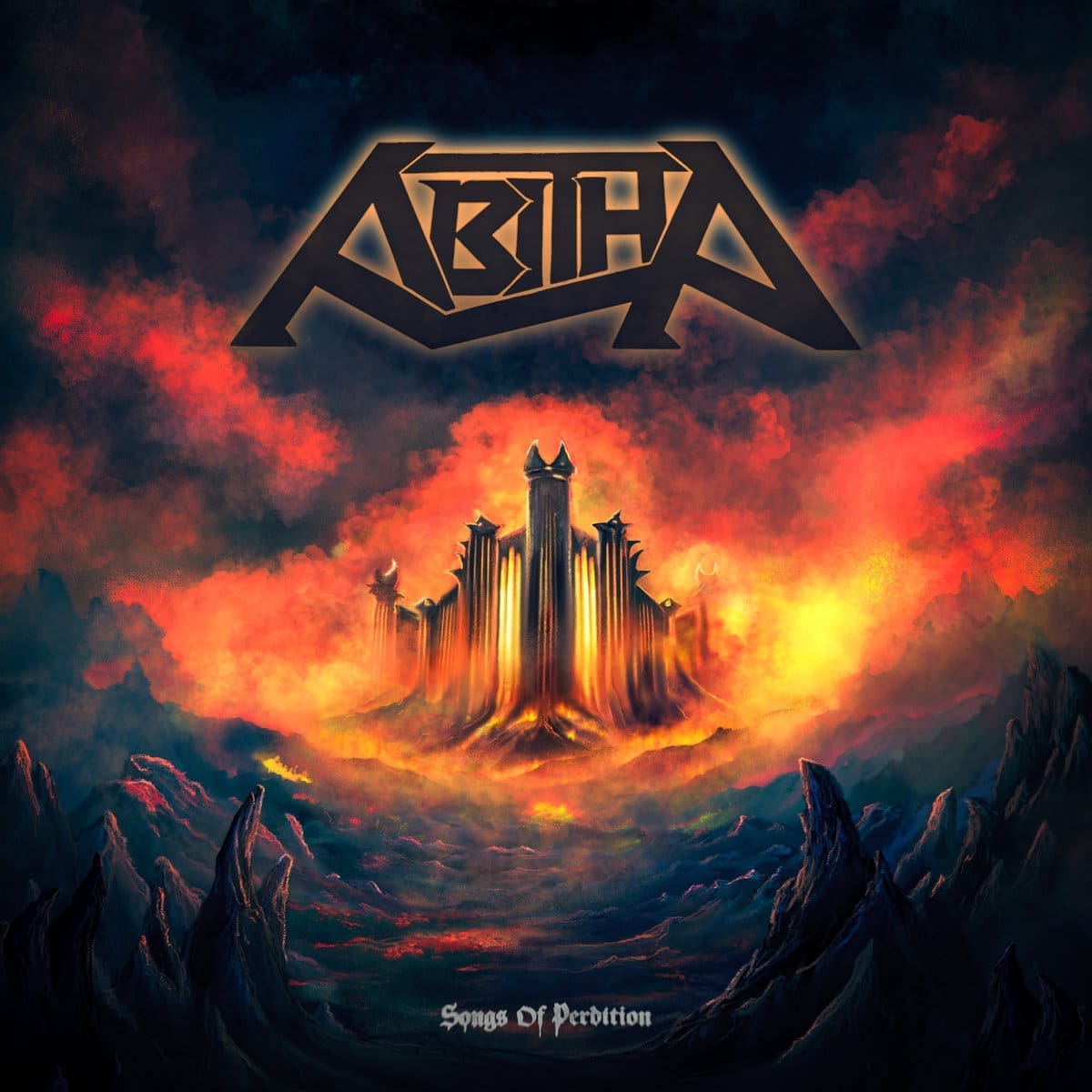
The artwork is a towering apocalyptic vision — a black citadel rising through fire and storm, painted in molten reds and cold blues. It looks like a cathedral caught mid-judgement, perfectly matching the EP’s dramatic, melodic-metal scale.The Seventh Sin, Disrelish
There is no disrelish to be found within Songs of Perdition. From the atmospheric Invocation to the final melodic hook, the record is a flawless execution of its satirical intent. It is a modern metal crucible that rewards the listener with every spin.
The Hymns
01. Invocation
02. O Eternal Deadbeat Father
03. Our Sacrament
04. Great Men
05. Blood Atonement!
06. Benediction
Abitha
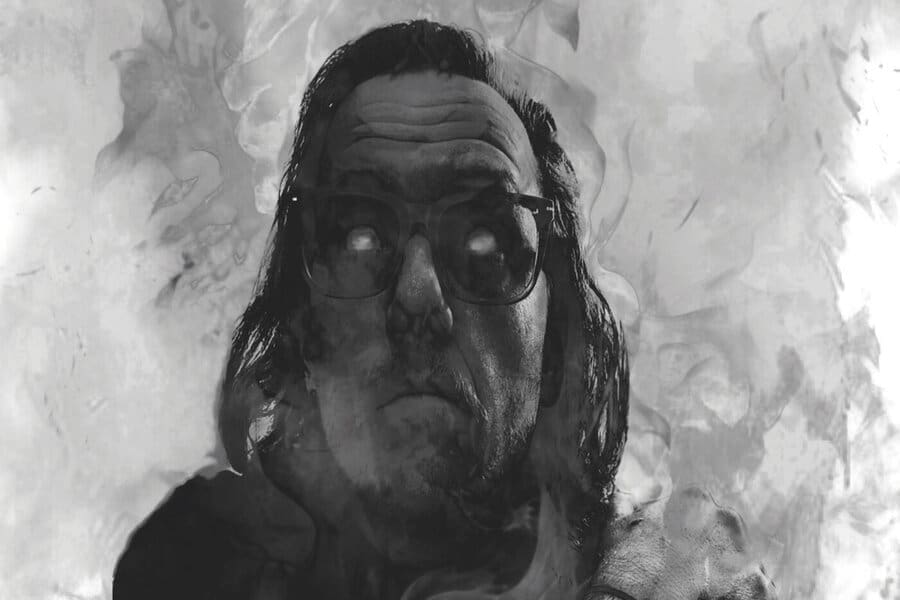
Rob Shomaker — Everything