Liz Van Gretsch — Given You Review

Liz Van Gretsch an Australian female pop-rock singer, songwriter, and multi-talented performer. On 2 June 2026, Liz Van Gretsch released her latest independent single, Given You.

Liz Van Gretsch, Given You Review: This review will evaluate every aspect of the album, from its intricate musical composition to its production.
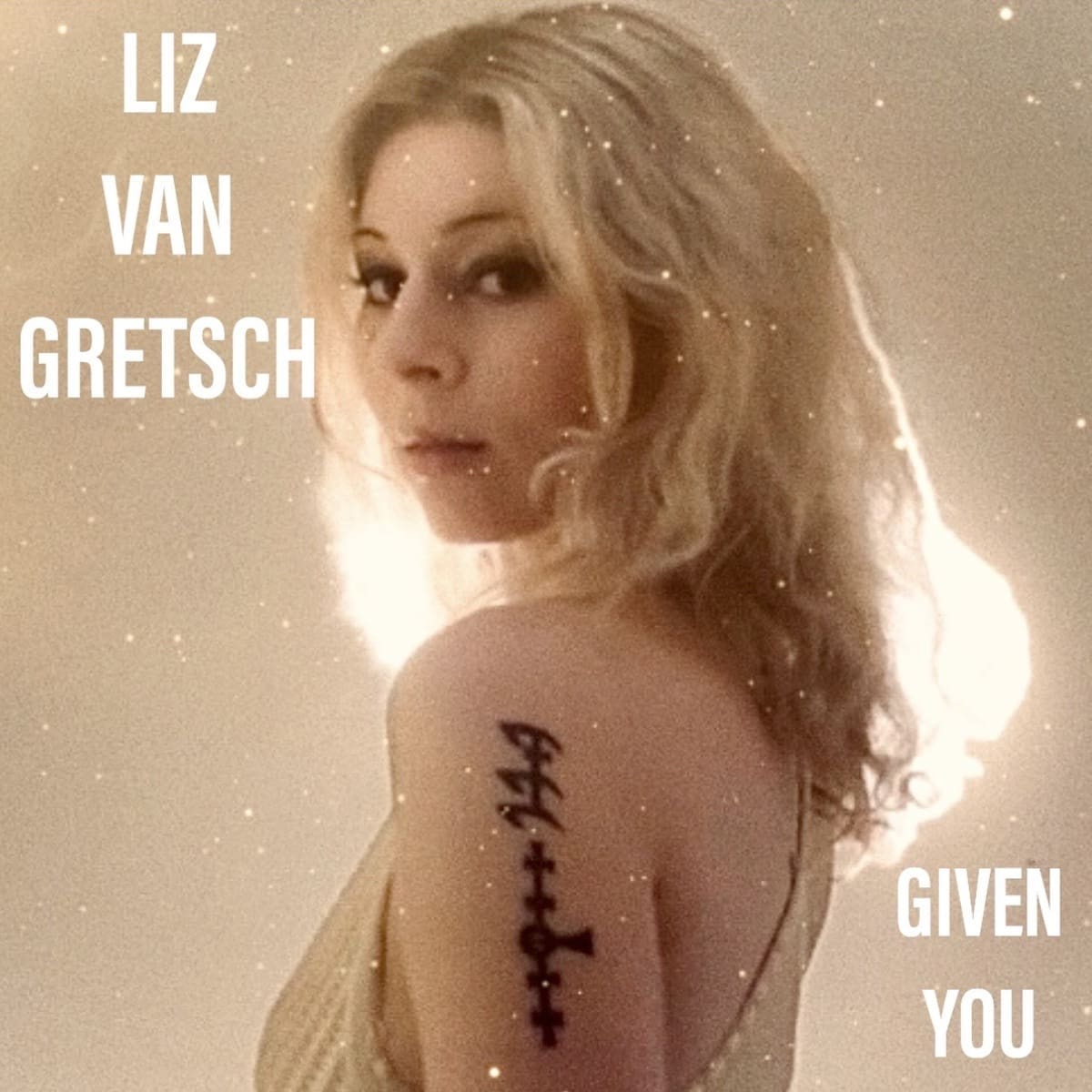
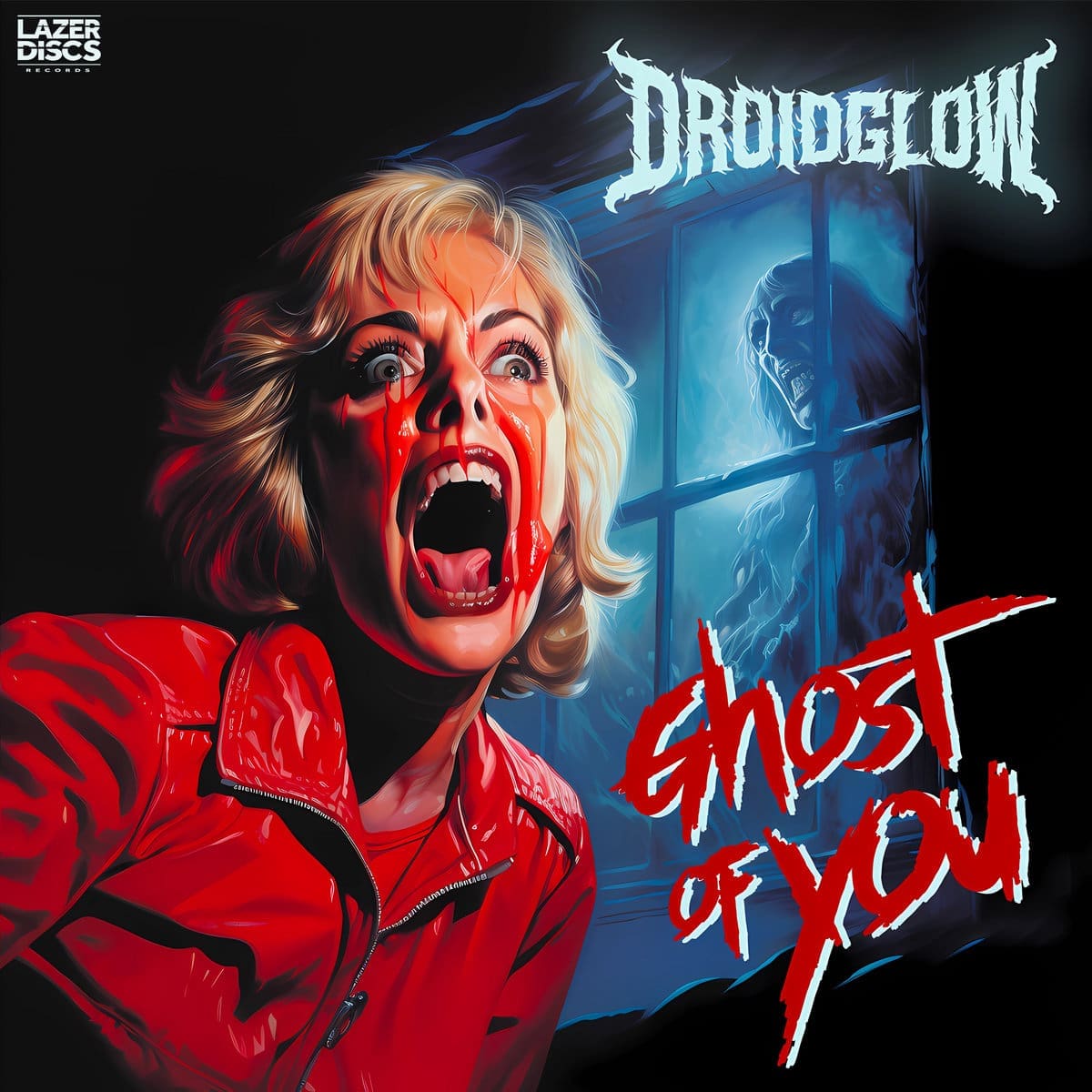
Liz Van Gretsch — Given You album cover

The First Three Sins, The Summary

The First Sin, The Strings/Keys: Driving alternative-rock guitars, shimmering synth-wave textures, energetic electronic pulses, and atmospheric melodic layering create a vibrant sonic framework that balances modern accessibility with emotional depth. The Second Sin, The Vocals: Liz Van Gretsch delivers a charismatic and emotionally transparent performance, blending resilience, vulnerability, and uplifting conviction into a vocal display that remains the emotional centre of the composition. The Third Sin, The Percussions: Crisp contemporary drum programming, dance-floor momentum, and carefully placed rhythmic accents provide the track with relentless forward propulsion while preserving its radio-ready immediacy.

⸸ ⸸ ⸸ ⸸ ⸸ ⸸ ⸸

The Fourth Sin, Overall Discussion

The Light Beyond the Storm

Before commencing the review, who is Liz Van Gretsch? Gretsch is a pop-rock singer who reimagines her music through a darker, more muscular lens — a potent musical hybrid that effortlessly bridges the gap between raw alternative rock grit and pulsing electronic soundscapes. 

For long-time followers of the platform, this is not the first time we have featured the formidable talents of Liz Van Gretsch.

Pain Reforged into Hope

At the heart of this high-energy framework is Gretsch‘s signature lyrical depth. Her songwriting frequently touches on deeply personal themes of internal growth, self-discovery, uncompromised authenticity, and the fierce battle of overcoming adversity. Instead of the shallow, plastic tropes often found in mainstream pop-rock, Liz Van Gretsch uses the upbeat tempo as a Trojan horse to deliver a heavy, lived-in emotional narrative.

Liz Van Gretsch explains that the song aligns closely with her core writing philosophy. Her music frequently acts as a raw, emotional exploration of human relationships, navigating themes of total vulnerability, giving one’s all, and finding spiritual strength to survive deception or personal trials. 

“Even though upbeat, this song was written in one of my darkest moments. I was able to channel the pain of the toxic and abusive relationship that I was in (and since have left) into what’s become a really joyous track. And all I want to do is spread joy to anyone who may be hurting and give them hope through the tunes.”

Three Minutes of Momentum

The very instant the listener presses the play button on Given You, they are welcomed into an upbeat, highly energetic sonic motion. Clocking in at under three minutes, the track wastes no time on prolonged introductions or atmospheric buildup. 

Liz Van Gretsch delivers an unapologetic, energetic anthem. It is a track built for maximum emotional momentum — a streamlined sonic sprint that condenses its energy into an immediately memorable hymn.

The Creative Alliance

The Seamless Matrix

A definitive cornerstone of Liz Van Gretsch‘s clean and modern production architecture is her frequent, high-calibre collaboration with acclaimed Welsh guitarist and producer Peredur ap Gwynedd, famously known as the guitarist for the electronic rock/drum and bass outfit Pendulum. 

Ap Gwynedd weaves haunting, atmospheric melodies and energetic guitar compositions into the arrangement, creating a forceful and upbeat counterbalance that meets perfectly with Gretsch’s powerful vocal delivery.

The Explosive Crown

Liz Van Gretsch‘s explosive vocal work is the cherry on top of this composition. She delivers a beautiful, deeply charismatic, resilient, and unapologetically authentic performance. Her vocals blend seamlessly with the track’s pulsating rhythms and shimmering guitar waves, locking directly into the groove to create an unforgettable experience for the listener. 

It is an elite display of creative devilmanship, where vocal performance, production precision, and songwriting instinct converge into a singular artistic vision.
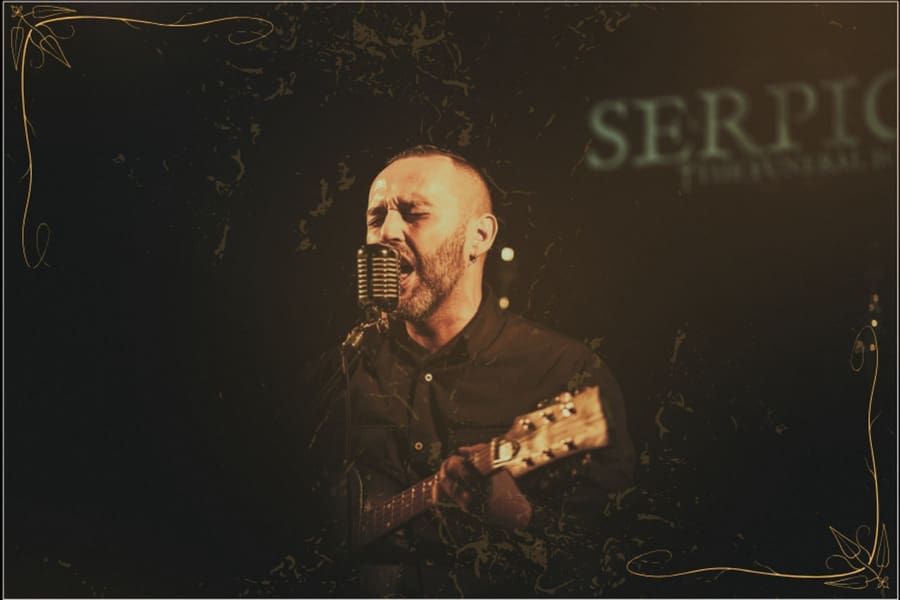
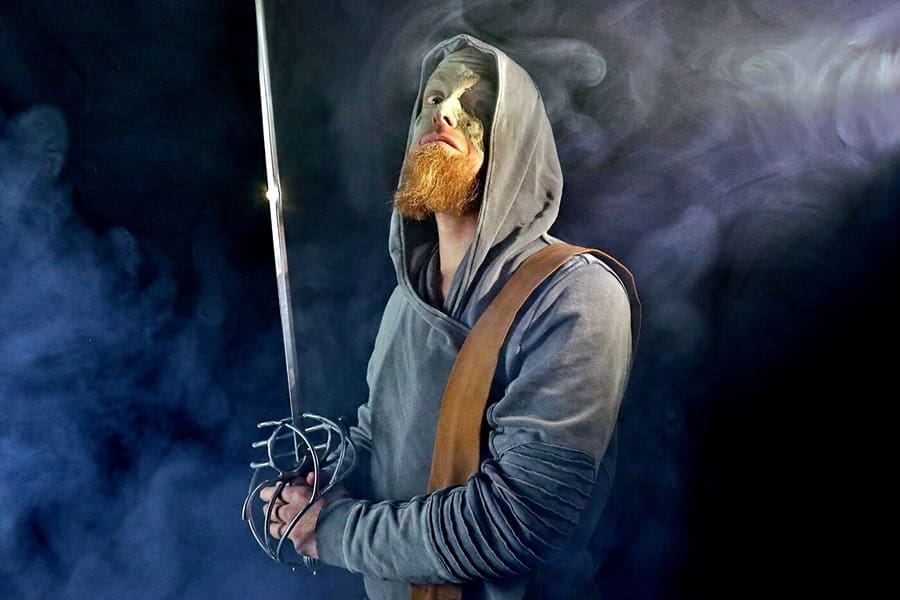
Liz Van Gretsch — band photo

The Pulse of the Machine

Driven by this creative partnership, Given You unfolds as an immaculate, multi-layered wall of sound. There is no awkward friction between the rock and electronic elements; instead, the live-wire guitar energy, Gretsch’s vocals and the synthetic pulse lock together into a singular, driving force. 

The clean, explosive production ensures that the track hits with immediate anthem-sized scale while keeping her voice squarely at the emotional centre of the storm.

Hooks, Heart, and Devilmanship

The songwriting and lyrics across Given You are beautifully executed, resulting in a polished and emotionally uplifting composition. Melodic hooks, anthem-sized choruses, crisp percussion, and electrifying synth arrangements work in harmony to create a vibrant and memorable listening experience.

Liz Van Gretsch and Peredur ap Gwynedd have constructed a track that balances emotional sincerity with modern accessibility, delivering the kind of high-impact songwriting that lingers long after the final note has faded.

Where Shadows Meet Sunlight

What makes Given You such a triumph is how it seamlessly blends elements of eighties rock, electronic textures, retro synth-wave, high-velocity drum and bass, and modern pop into a single, cohesive entity. This complex genre cocktail is steered by a remarkably consistent tempo flow and perfectly placed structural transitions that keep the energy running red-hot without ever feeling jarring.

Overall, Given You is a vibrant, emotional, and upbeat fruit of art. It is a track that moves the feet while simultaneously speaking to the scars of the human experience.

Liz Van Gretsch’s words about arousing your emotions, facing your demons, and conquering obstacles are relevant to everyone.

⸸ ⸸ ⸸ ⸸ ⸸ ⸸ ⸸

The Fifth Sin, The Memorabilia

For me, Given You stands as her strongest, most impactful release to date — though, truth be told, every single song of hers that I have covered and experienced over the years has left its own indelible mark. 

I make no secret of the fact that I am a metalhead with an unyielding love for dark, extreme, and heavy music. Yet, there are times when it feels genuinely good to let go of that crushing weight for a moment, step out of the shadows, and let some vibrant light in. Liz Van Gretsch is far more than just a singer; she is an artist whose emotional transparency, inner struggles, and fierce battles against personal demons are things that each one of us can deeply relate to.

The Sixth Sin, The Artwork

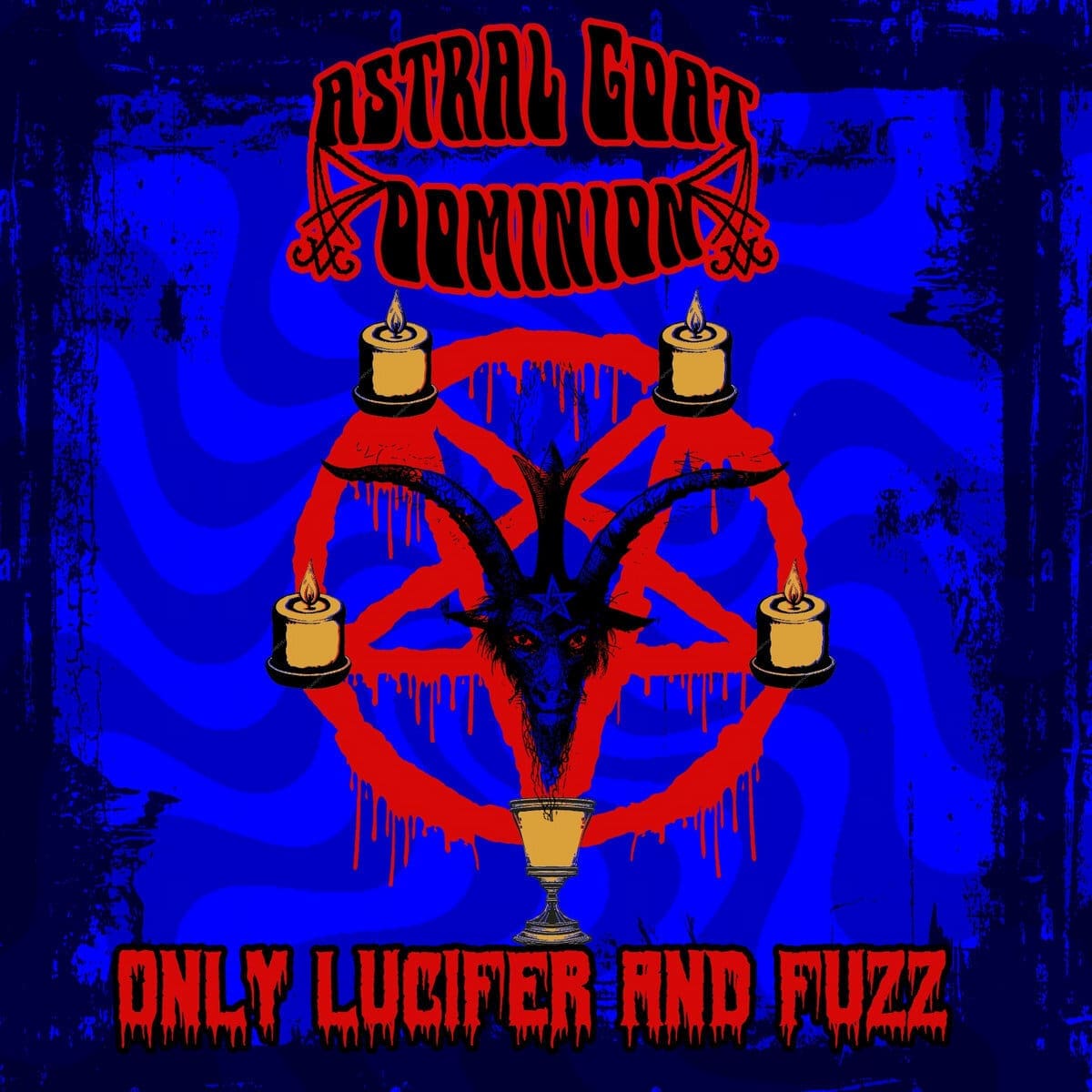
The single’s visual packaging opts for a more traditional route, presenting what is essentially your standard, clean pop-rock image.

The Seventh Sin, Disrelish

I find exceptionally little to actively disrelish on this exhilarating release. The pacing is incredibly precise, the hooks are entirely irresistible, and the collaborative execution between Gretsch and Peredur ap Gwynedd is flawless.

⸸ ⸸ ⸸ ⸸ ⸸ ⸸ ⸸

The Hymns

01. Given You

Liz Van Gretsch

Liz Van Gretsch — Vocals, Lyrics
Peredur Ap Gwynedd – Guitars

Reviewed by Kristian — editorial architect and ceremonially crafted. © Athenaeum of Sin Reviews.

Serpico — The Tombstone Cowboy Review

Serpico is an Italian one-man heavy garage blues project. On 31 October 2025, Serpico released his latest independent album, entitled The Tombstone Cowboy.

Serpico, The Tombstone Cowboy Review: This review will evaluate every aspect of the album, from its intricate musical composition to its production.

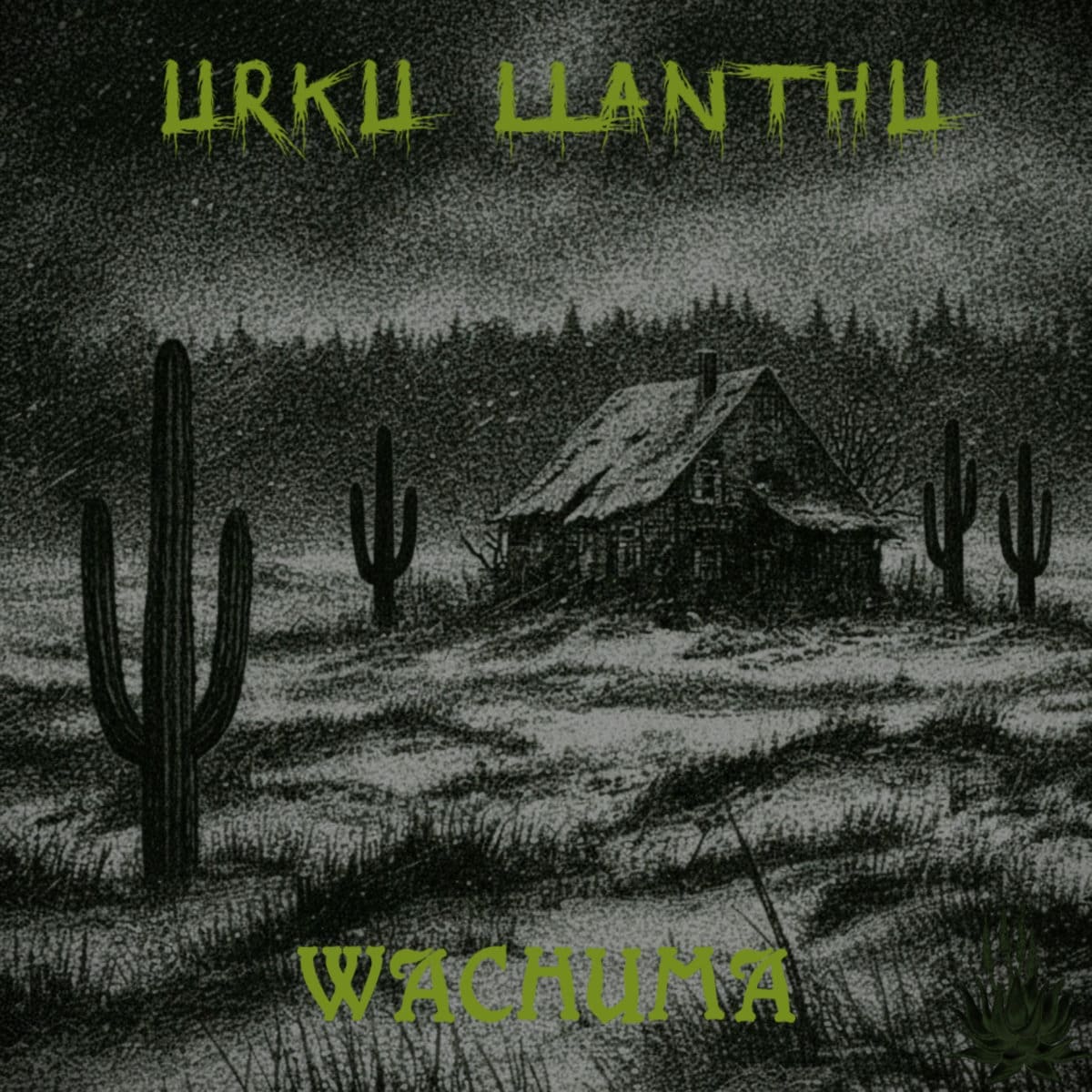
Serpico — The Tombstone Cowboy album cover

The First Three Sins, The Summary

The First Sin, The Strings/Keys: Dust-choked blues guitar, sombre dark-folk strumming, droning atmospheric textures, and cinematic Western flourishes create a haunting sonic frontier where solitude and storytelling walk hand in hand. The Second Sin, The Vocals: Serpico delivers a gravel-etched ghost-blues rasp, balancing weary narration, Southern Gothic melancholy, and intimate storytelling to evoke the presence of a wandering spirit recounting forgotten frontier tales. The Third Sin, The Percussions: Though entirely absent in the traditional sense, the album’s deliberate pacing, mantra-like guitar repetitions, and carefully measured rhythmic movement create an internal pulse that guides the listener through its desolate landscape.

⸸ ⸸ ⸸ ⸸ ⸸ ⸸ ⸸

The Fourth Sin, Overall Discussion

The Solitary Gunslinger

Before diving into the dusty, desolate depths of this record, one must realise that Serpico is a masterclass in the art of solitary guitar-slinger. Here, everything is executed to perfection within a remarkably stripped-back framework: you will find no pounding drums, no pulsing bass lines, and no rhythmic safety nets. 

It is simply one man, his guitar, and a tale that transports the listener to the lands of the United States, into the great desert spaces, to the Appalachian mountain chain and to the swamps of the South. Following the tales of a Cowboy, who, after selling his soul, hides in a cemetery, to atone for his sins and to live according to his destiny.

Southern Gothic Horizons

Through this singular instrument, the project masterfully bleeds together elements of Dark Folk, raw Delta Blues, and Country Folk influences, submerging them all in vast, dark cinematic atmospheres, Ambient textures, and brooding Drone music.

Drawing its primary conceptual inspiration from deep Southern Gothic imagery, The Tombstone Cowboy plays out like a haunting, audio-borne widescreen Western. It evokes images of sun-bleached bones, forgotten gallows, and endless, windswept prairies where the line between the living and the dead has worn entirely thin.

The Slow Burn

Musically, The Tombstone Cowboy is a highly specialised offering that might not be for everyone. However, for those underground connoisseurs who prefer their coffee pitch-black and laced with complex, varied flavours, this release will be an utter revelation.

Across these eight slow-paced hymns, there is no frantic rush, no needless speed, and no technical posturing. Instead, everything moves at a deliberate, measured crawl. Yet, despite this minimalist cadence, each movement is undeniably catchy, deploying skeletal hooks that slowly sink into the listener’s psyche and refuse to let go.

The Desert Chapel

To thoroughly understand the devilmanship at play here — one must envision the legendary Delta blues grit of The Howlin’ Wolf and the ragged, melancholic folk style of Neil Young wandering side-by-side with The Swans and King Dude into a dilapidated desert chapel — built entirely by a dark ambient artist.

The album thrives in this exact, unholy confluence. The single guitar acts as both the preacher and the choir, generating a hypnotic, dust-choked atmosphere where every slow chord strum and echoing slide feels heavy with spiritual fatigue and cinematic dread.

Two Sides of the Frontier

As soon as the listener presses the play button, they are welcomed into an immersive, dust-bitten musical journey of solitary cowboy.

  • the first five hymns feature one man, his guitar, and his gravel-etched voice.
  • the final three hymns pivot completely into pure, dark, cinematic instrumentals.
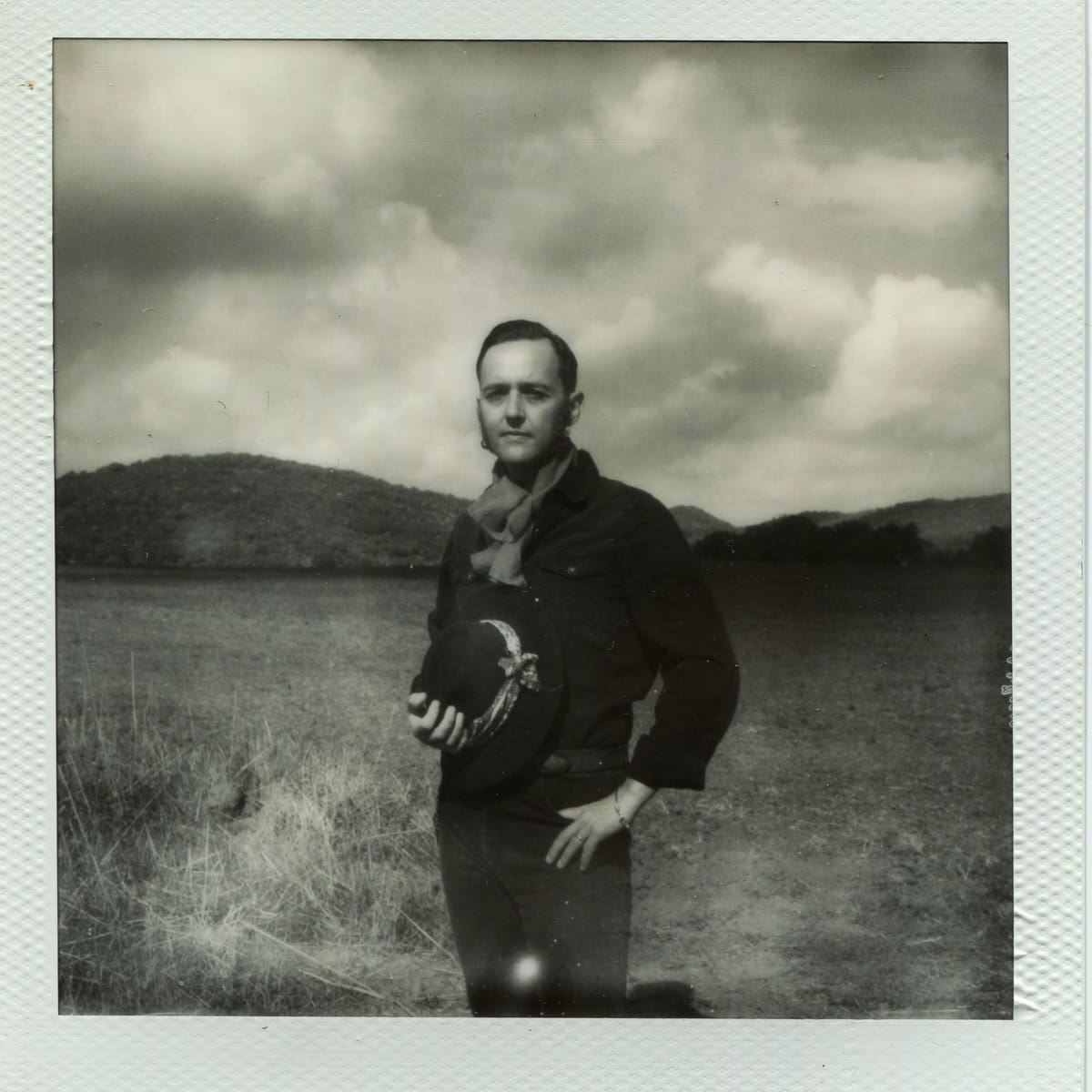
Serpico — band photo

Dust, Devils, and Storytellers

The first half of the album kicks open the saloon doors with California Sun, a hymn built on a slow, groove-riddled stomp that feels like a dehydrated, sun-baked reinterpretation of Queen‘s Fat Bottomed Girls rhythm.

From there, the vocal-driven movement deepens its boots in the soil, shifting into a heavy, twilight atmosphere. The remaining songs effortlessly weave together the ragged, emotional folk of Neil Young, the occult neofolk shadow of King Dude, and the dark, bluesy, swaggering baritone grit of Danzig.

It is a masterclass in minimalist storytelling, where the vocals and guitar are completely exposed, letting the natural grain of the performance carry the emotional weight.

The Weight of Every Chord

The guitars rightfully claim centre stage throughout the entire record, shifting effortlessly between a clean or lightly overdriven electric tone and a dry, intimately close-mic’d acoustic. 

Staying true to the dark folk, drone, and blues tags, the devilmanship here relies on slow, repetitive, and mantra-like chord shapes rather than ornate or flashy playing. Every single strum is given the space to breathe, allowing the strings to vibrate with an ominous, ritualistic weight. 

At times, the guitar carries a slow, blooming distortion that is deeply reminiscent of funeral doom. This is not achieved through overwhelming, wall-of-sound volume, but rather through the deliberate way each note drags behind the beat, feeling like a solitary procession cutting through heavy dust and long shadows.

Ghost-Blues and Graveyard Lore

Floating over this desolate landscape are the vocals, delivered as a low, murmured, and half-spoken ghost-blues rasp. This style matches perfectly the graveyard Americana aesthetic of the release.

Serpico does not shout to be heard over a backing band; instead, they lean directly into the microphone, sharing tales of the frontier like an old spirit whispering across a forgotten cemetery.

The Drone Beneath the Dust

Beneath the skeletal guitar chords lies a woven tapestry of dark cinematic atmosphere. Rather than stepping forward as melodic leads, the synthesisers are deployed strictly as background atmospherics. These subtle synth pads utilise low-volume, deeply sustained tones to construct a dense, hypnotic drone bed that mirrors the vast, empty expanse of a midnight desert.

Where the Frontier Meets the Mausoleum

The Tombstone Cowboy is produced with a strict, monastic austerity — built entirely around a lone guitar, a gravel-etched voice, and the faint, low-volume hum of a physical space that feels far more like an empty mausoleum than a modern recording studio.

This deliberate isolation finds Serpico effortlessly expanding his grave-blues hermitage into a wider, significantly more haunted frontier. By seamlessly blending ambient and drone influences directly with blues, country, and dark-folk songwriting, the album sounds as if Swans were jamming in the shadows with Neil Young and King Dude.

The compositions move with agonising deliberation, crawling forward like heat-mirages rising from hot desert asphalt. The arrangements rely on skeletal guitar figures, low murmured vocals, and lingering atmospheric hums that feel less like studio constructions and more like something genuinely conjured. 

Across the expanse of the album, you catch immediate flickers of Johnny Cash’s unyielding outlaw stoicism, Howlin’ Wolf’s weathered grave-blues grit, and Danzig’s unmistakable shadow-croon.

Yet, just as the dust threatens to bury the soundstage completely, the seventh hymn shifts gears entirely. Out of nowhere, the guitar blooms with a Brian May-like cinematic flourish — a brief moment of Queen-esque devilmanship cutting straight through the desert haze. It is a striking reminder that while this record is fundamentally built on deep solitude, it is one that occasionally opens its doors into a massive, widescreen myth.

Overall, The Tombstone Cowboy is an essential and deeply haunting grave-blues fruit of art.

⸸ ⸸ ⸸ ⸸ ⸸ ⸸ ⸸

The Fifth Sin, The Memorabilia

For me, The Tombstone Cowboy was completely unexpected and grew more profound with every subsequent listen. The standout element remains the sheer bravery of its execution: just one man and his guitar, entirely exposed.

 The structural brilliance of how this record is divided into two distinct sides makes for an incredible journey. The first half is steeped heavily in raw Delta Blues and traditional Roots Blues inspiration, honouring the dusty acoustic lineages of the 1930s. 

The second half pivots completely, plunging into vast, dark Ambient and Drone atmospheres. This stark transition creates a unique space where the music forces you to construct your internal cinematic narrative. 

Just as I found myself visualising iconic bands wandering across that desolation to tell the story, the vivid mental imagery this sound conjures will be completely personal and beautifully different for every single ear that encounters it.

The Sixth Sin, The Artwork

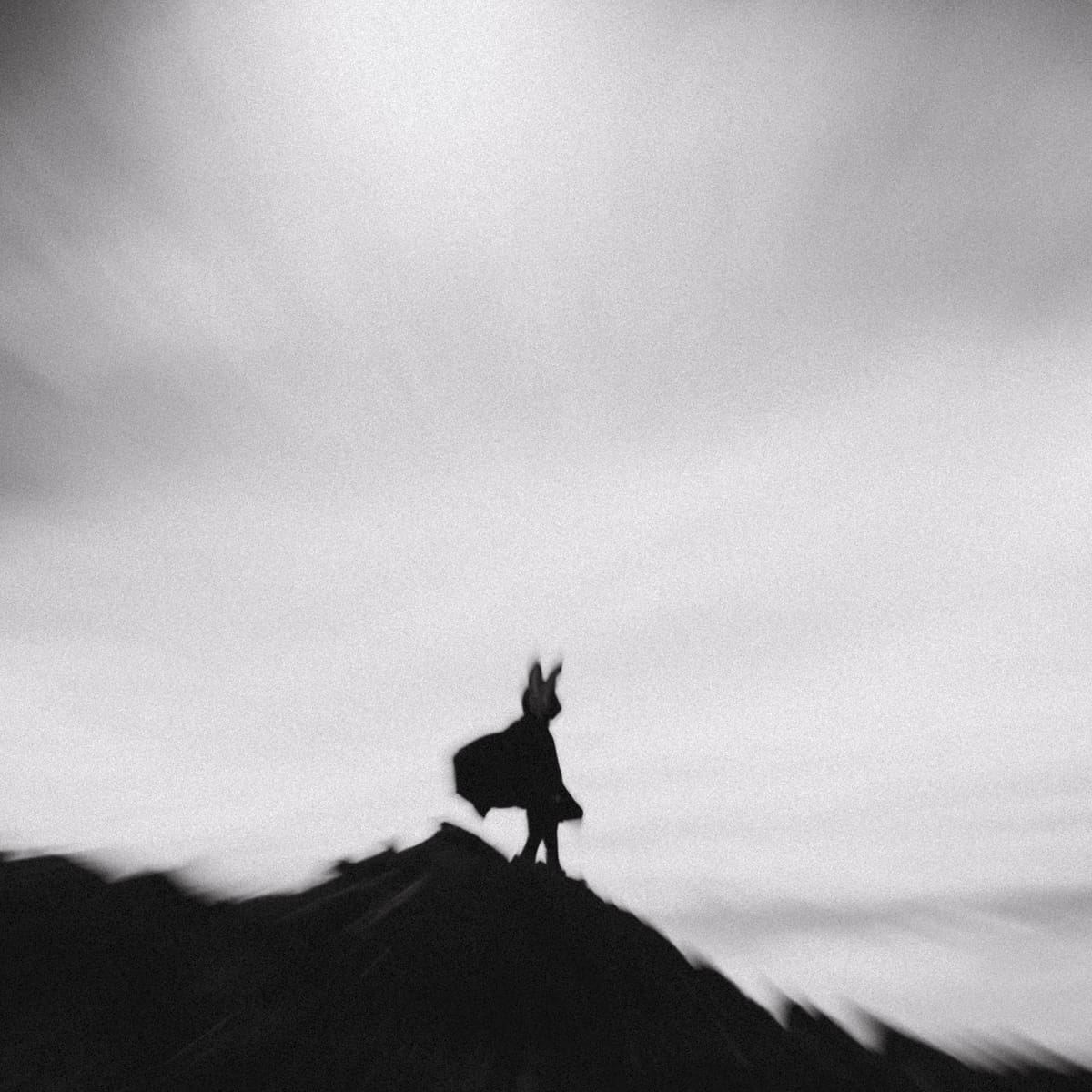
The visual presentation of the album acts as a perfect physical manifestation of the sonic frontier inside. The artwork beautifully captures the overarching story and conceptual weight of the music.

The Seventh Sin, Disrelish

While I find exceptionally little to actively disrelish regarding the devilmanship and atmospheric execution, the album holds an inherent property that may act as a barrier for some. Due to its slow, uncompromising pace, deliberate minimalism, and complete lack of traditional bass or percussion, this record is simply not going to be everyone’s cup of tea.

⸸ ⸸ ⸸ ⸸ ⸸ ⸸ ⸸

The Hymns

01. California Sun
02. Jesus In The Grave
03. I Love My Coffin
04. Graveyard Lullabies
05. Guns On My Grave
06. La Confraternita Della Morte
07. There, Where The Sun Is Born
08. To The Mountains

Serpico

Serpico — Guitars, Vocals, Lyrics

Reviewed by Kristian — editorial architect and ceremonially crafted. © Athenaeum of Sin Reviews.

Sacred Sword — The Eternal Realm Calls Review

Sacred Sword is an American atmospheric black metal solo project. On 13 May 2026, Sacred Sword released its latest independent single, The Eternal Realm Calls.

Sacred Sword, The Eternal Realm Calls Review: This review will evaluate every aspect of the album, from its intricate musical composition to its production.

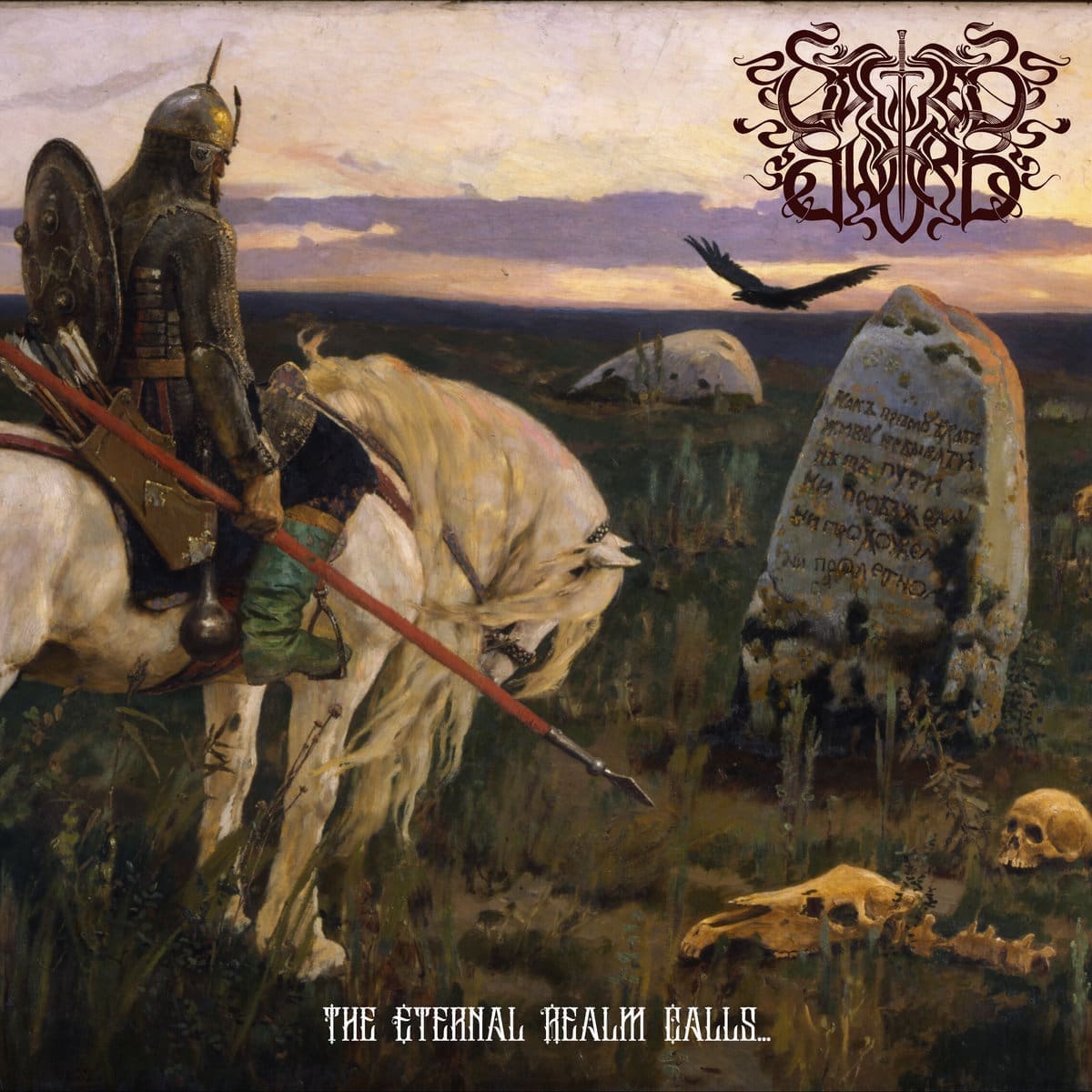
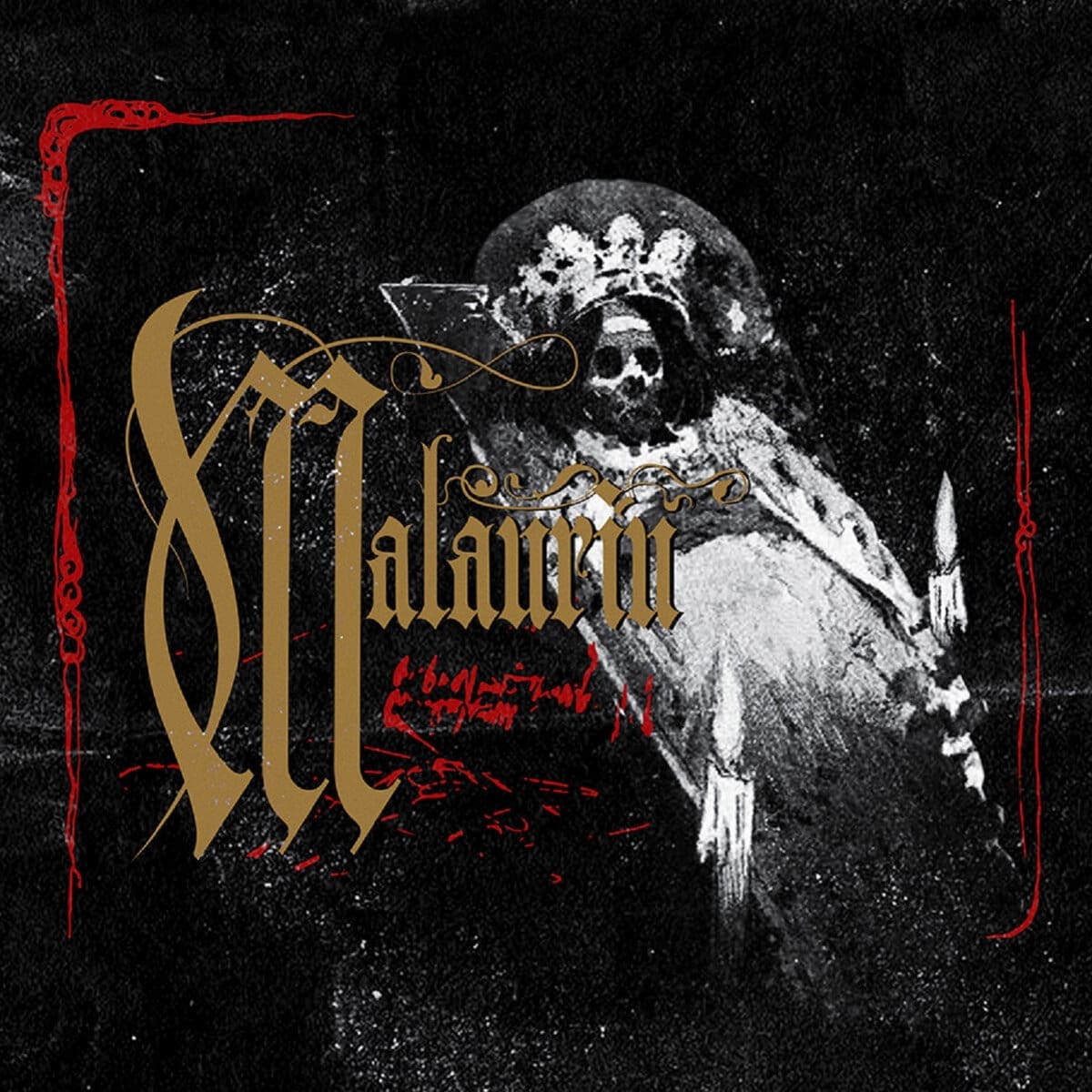
Sacred Sword — The Eternal Realm Calls album cover

The First Three Sins, The Summary

The First Sin, The Strings/Keys: Sweeping tremolo passages and medieval-tinged melodic phrasing forge a cinematic journey that balances melancholy, triumph, and mythic grandeur. The Second Sin, The Vocals: Xol delivers harsh, windswept vocals that function less as aggression and more as a narrative force guiding the listener through the realm. The Third Sin, The Percussions: Restrained yet purposeful percussion anchors the atmosphere, balancing steady momentum with carefully placed bursts of intensity.

⸸ ⸸ ⸸ ⸸ ⸸ ⸸ ⸸

The Fourth Sin, Overall Discussion

Entering the Eternal Realm

Before heading into this review, I strongly encourage readers to delve into our exclusive interview with Sacred Sword [link at the bottom of the article].

Handled by the solitary creative force of Xol, Sacred Sword operates on a grand, world-building ethos. As Xol states in the interview, “Sacred Sword is about making each song feel like a story. Both within the lyrics and in the structures of the song, I want the listener to feel transported into this world.”

The Minstrel Guides the Journey

As soon as the listener presses play, The Eternal Realm Calls immediately draws them into a sweeping, arduous pilgrimage. Throughout the hymn, the guitar serves as the literal narrative engine.

Each distinct passage tells a complete story in itself — never relying on repetitive loops, but instead constantly evolving to invoke vivid emotional landscapes. The riffs seamlessly shift, pulling the listener through devastating waves of despair and burning anger, before turning sharply into deep melancholy and, ultimately, moments of soaring triumph.

It is devilmanship through cinematic songwriting, where the strings act as the narrator of the realm.

Chronicles Written in Steel & Tremolo

The guitars move seamlessly between sweeping, atmospheric tremolo lines and highly distinct, medieval-tinged motifs that carry the entire emotional arc of the record. This is where the true medieval colour of The Eternal Realm Calls lives most vibrantly.

This is not folk instrumentation — it’s medieval atmosphere woven into the metal framework.

  • The Guitar Mode — core songwriting through modal phrasing and heroic intervals — black metal executed with the majestic, sombre gravity of a martial saga.
  • The Melodic Arcs — constructing riffs that feel as though they were pulled directly from the pages of a long-forgotten chronicle.
  • The Emotional Transitions — a fluid songwriting style that transitions effortlessly from the depths of melancholic defeat to the heights of triumphant glory within a single track.
  • The Ancient Grandeur — a constant, heavy undercurrent of mythic scale that remains pinned beneath the harsh black metal surface.

The March Through Snow & Ruin

Beneath the intricate tapestry of the guitars, the bass underpins the music with a warm, rock-steady foundation, keeping the melodic movements securely anchored. The drums provide a relentless forward motion, relying on classic mid-paced atmospheric black metal rhythms.

When the intensity shifts, surges of driving double-kick and tightly controlled blast beats emerge to elevate the drama — yet they are executed with a deliberate restraint that never overpowers the central melody. 

It moves like a cavalry charge through a snowstorm: powerful, rhythmic, and inevitable.

The Herald Calls

Perched atop this sonic landscape are Xol’s vocals. They are fiercely harsh, windswept, and deeply charged with emotion. Rooted firmly within the atmospheric black metal tradition, his delivery is expressive and narrative rather than purely aggressive. 

It functions perfectly as the literal voice of the realm calling out to the traveller — a mythic, grim summons that mirrors the epic tragedy of the song title.

The Realm Breathes Through Sound

The Eternal Realm Calls sounds as if it were forged entirely within a windswept medieval haze. 

The sonic imagery is vivid: 

  • The Medieval Strings — shining like polished steel in flickering torchlight, and the bass securely grounding the perilous journey.
  • Percussion — drums marching forward with a steady, unyielding purpose.
  • The Minstrel — the vocals are carried on the wind like a herald’s cry, warning of ancient, solemn, and myth-bound forces.
  • The Knightly Devilmanship — the entire piece is executed with a finely honed devilmanship and impeccable compositional balance.

Prophecy Fulfilled

As the single fades away, the music plays out a final, tragic progression that sounds less like an ending and more like a prophecy fulfilled. The music does not just stop — it dissolves like ash scattered over a battlefield, ensuring the doom of the Eternal Realmresonates long after the audio cuts out.

Overall, Xol weaves a tapestry that foretells the impending doom of the Eternal Realm — a medieval atmospheric fruit of art-story shaped through storytelling grandeur.

⸸ ⸸ ⸸ ⸸ ⸸ ⸸ ⸸

The Fifth Sin, The Memorabilia

For me, Sacred Sword brought something entirely different to the table — moving far beyond standard atmospheric black metal into a deeply transportive realm of medieval-infused atmospheric black metal. What truly sets this project apart is its execution — the guitar serves as the literal minstrel of the quest, carrying the narrative weight while weaving the ancient lore forward.

The Sixth Sin, The Artwork

It’s an image steeped in heroic solitude and ancient ruin — the perfect visual echo of the track’s melodic, quest-driven atmosphere. It frames the stark loneliness of a crumbling kingdom, mirroring the tragic, historical scale woven directly into the music’s modal architecture.

The Seventh Sin, Disrelish

There is no true disrelish to be found within The Eternal Realm Calls. If there is one disappointment, it is simply that one hymn is not enough. Across its eight-minute journey, Sacred Sword leaves the listener wanting the saga to continue. 

⸸ ⸸ ⸸ ⸸ ⸸ ⸸ ⸸

The Hymns

01. The Eternal Realm Calls

Sacred Sword

Xol — Everything

Reviewed by Kristian — editorial architect and ceremonially crafted. © Athenaeum of Sin Reviews.

Faded Remembrance — The Blessing of Downfall Review

Faded Remembrance is a Atmospheric gothic doom/death solo project from Hungary. On 12 May 2026, Faded Remembrance released its third full-length, The Blessing of Downfall, released through Bitume Prods label

Faded Remembrance, The Blessing of Downfall Review: This review will evaluate every aspect of the album, from its intricate musical composition to its production.

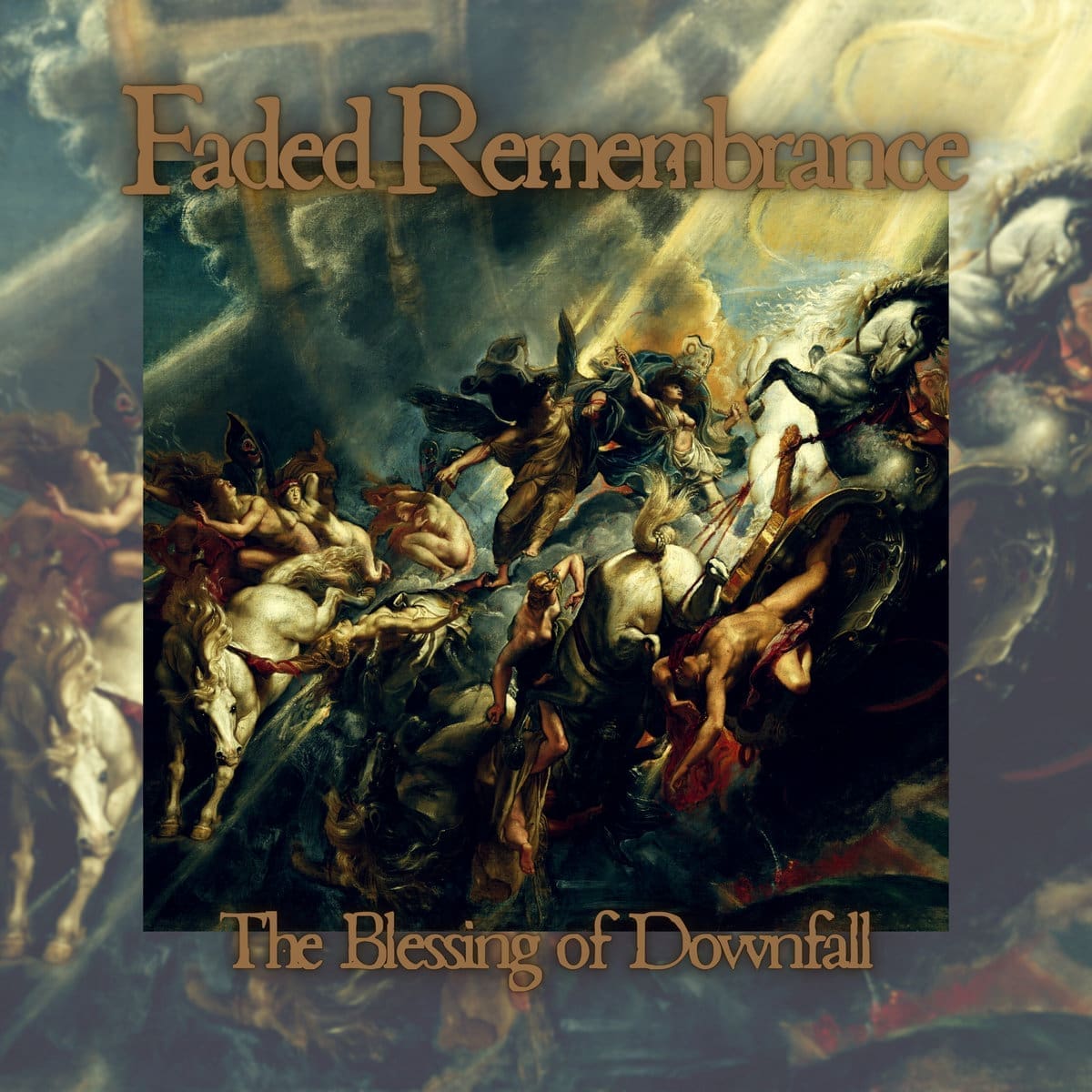
Faded Remembrance — The Blessing of Downfall album cover

The First Three Sins, The Summary

The First Sin, The Strings/Keys: Crushing doom/death foundations merge with mournful brass, restrained synthesisers, and gothic melancholy to forge a slow-moving atmosphere of philosophical weight. The Second Sin, The Vocals: Harsh doom/death growls collide with restrained cleans, capturing the album’s constant tension between hostility, contemplation, and human fragility. The Third Sin, The Percussions: Spacious doom pacing and selective mid-tempo surges reinforce emotional pivots while preserving the album’s immense ceremonial weight.

⸸ ⸸ ⸸ ⸸ ⸸ ⸸ ⸸

The Fourth Sin, Overall Discussion

Opening the Tomb Gate

The opening hymn, The Blessing of Downfall begins, it greets the listener with a slow, suffocating doom instrumental and crushing vocals. It serves as a grim threshold as one continues the journey through the remaining eight hymns.

Philosophy Beneath Funeral Stone

Spanning an immersive runtime of under sixty minutes, The Blessing of Downfall takes the listener on a harrowing lyrical trek through human nature, inner struggle, faith, existence, and emotion. Rather than relying on simple verse-chorus structures, the lyrics manifest as raw poems and fragments of philosophical thought, deeply rooted in tragedy, human frailty, and the natural world.

Brass Through the Doom Fog

The sonic masonry within the walls of The Blessing of Downfall exposes a slow, heavy, and intensely atmospheric doom/death soundscape. However, Faded Remembrance enriches this bleak landscape with the unexpected integration oftrumpet, trombone, and synthesiser — granting the record a distinctive, avant-doom colour reminiscent of the legendary Pan.Thy.Monium.

Simultaneously, the foundations remain firmly rooted in the melancholic vibes of old-school doom/death and gothic metal from the 1990s and the first decade of the 2000s. The artistic lineage remains clear, drawing lineage from foundational giants such as Bathory, Candlemass, and Moonspell.

The Solitary Codex of Ruin

Faded Remembrance’s devilmanship is shaped entirely by a single hand. Because of this self-contained creative vision, The Blessing of Downfallmoves with a highly deliberate, ceremonial slowness. Its crushing weight is carried not only by standard doom guitars, but by brass and synths that bleed a strange, mournful radiance directly into the gloom.

Ultimately, the album reads like a philosophical codex set to a grand, funereal procession. It handles human frailty, inner fracture, and the cold beauty of nature in long, atmospheric movements. Balancing a bittersweet tonal palette with avant-garde instrumentation, this solitary creation stands apart from the contemporary doom landscape.

Where Brass Becomes Voice

The brass instrumentation on The Blessing of Downfall is entirely devoid of gimmickry. Instead, the trumpet serves as the lead instrument alongside the solo guitar, while the trombone and synthesisers act as the foundational supporting framework. Together, the trumpet and trombone function as a second vocalist — often softening, elevating, or complicating the emotional message of the crushing riffs.

Beneath the avant-garde brass and philosophical lyricism lies a foundational bedrock forged from traditional extreme metal elements. The guitars are tuned down to standard D, delivering a wall of heavily distorted rhythm hymns and a thick, anchoring bass line. However, the true character of the string work shines in the clean and solo passages, which are injected with an atmospheric tonality and a deep sense of internal melody.

The guitar and bass layers work in tandem to balance immense crushing weight with gothic melancholy:

  • The Rhythm Guitars — they carry the definitive doom/death backbone of the record. The execution relies on slow, immensely thick chord work, heavy palm-muted accents, and occasional mid-tempo surges that recall classic early-90s death metal tempos.
  • The Clean & Solo Guitars — hovering slightly above the rhythm wall, the clean guitars employ a glassy, reverb-touched tone. This specific texture shifts the record away from pure, oppressive funeral weight and guides it into a space of elegant, gothic melancholy.
  • The Bass Guitar — rather than wandering, the bass strictly underlines the fundamental chord changes, providing a massive low-end glue that thickens the agonisingly slow sections and gives the brass a solid platform to launch its laments.
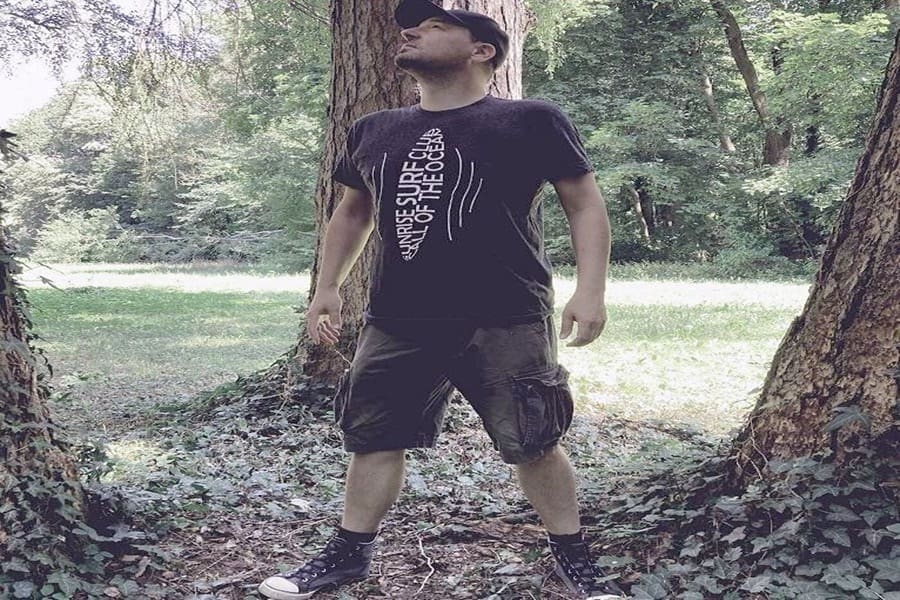
Faded Remembrance — band photo

Monoliths of Brass & Shadow

To complete the avant-garde tapestry, Faded Remembrance relies on a meticulous division of labour between the lower brass and the keys. These are not filler elements; they are structural pillars designed to expand the dynamic range of the standard metal instrumentation.

While the trumpet handles the high, lyrical laments, the trombone operates in the lower registers to reinforce critical chord changes and underpin the album’s most climactic moments.

It injects a heavy, funereal, and processional weight — a deep brass resonance — that distorted guitars alone simply could not achieve. It gives transitions the gravity of a moving monolith.

The synthesisers are deployed with exceptional restraint, focusing on rich pads, subtle melodies, and sweeping textural swells. Their primary purpose is to fill the acoustic gaps between the crushing guitars, the soaring brass, and the raw vocals — the recurring combination of brass and synthesis is what defines the record’s identity. Together, they infuse the crushing weight of the string section with a bittersweet, deeply melancholic tone.

Ritual Pulse & Internal Fracture

The drums enforce the album’s deliberate doom pacing and mark critical emotional pivots. They signal the exact moments where the musical narrative shifts from quiet, internal contemplation to raw, external confrontation — particularly when the harsh vocals tear through the mix or the riffs gain momentum.

The drums cycle through two primary modes to guide the listener through the philosophical landscape:

  • Slow, Spacious Beats — massive backbeats, long, bleeding cymbal decays, and heavy tom accents that heighten the atmosphere of the more ritualistic passages.
  • Mid-Tempo Surges — these rhythmic accelerations drive hymns like Thoughts Of Disobedience and Deep In The Forest. Here, the percussion shifts the narrative into an urgent, deeply conflicted space, reflecting the internal friction of the lyrics.

Voices Across the Abyss

The vocals act as the primary vehicle for the album’s emotional conflict. Rather than sticking to a single delivery style, the vocals shift dynamically between absolute hostility and vulnerable detachment, mapping perfectly onto the record’s philosophical architecture.

  • The Harsh Growl — the primary vocal delivery is filthy, freezing, and immensely heavy. It masterfully blends a classic, low-end doom/death growl with a sharp, venomous blackened edge.
  • The Clean Musings — clean vocals are deployed with precise restraint. They emerge only when the musical arrangement opens up — typically coinciding with glassy guitar tones, long sustained brass notes, and thicker synthesiser pads.
  • The Contemplative Anchor — these clean passages align directly with the contemplative side of the record’s thematic concept.
  • The Underscoring of Conflict — by routinely preceding or trailing a harsh, blackened outburst, these clean vocals underline a sense of deep internal conflict, capturing the fragile human spirit caught beneath a crushing weight.

The Tomb Breathes Back

The sonic environment feels less like a modern studio recording and more like a solitary ritual captured inside a damp, stone-cold tomb. The entire mix carries a hard, echo-bitten chill that rejects polished modern engineering in favour of a stark, airless, and highly deliberate atmosphere — a sound unearthed, not engineered.

Collapse Beneath Blackened Skies

As the instrumentation fractures and dissolves, the music fades into a total, suffocating darkness with the closing hymn, Slumber In The Darkness. It leaves the listener stranded in the airless quiet of the crypt, staring into the internal fracture that the album so meticulously carves open.

Overall, The Blessing of Downfall stands as a slow, crushing, and deeply atmospheric fruit of art — a solitary monument to human frailty and the bittersweet weight of existence.

⸸ ⸸ ⸸ ⸸ ⸸ ⸸ ⸸

The Fifth Sin, The Memorabilia

For me, The Blessing of Downfall was entirely unexpected. It marks a striking evolution from its previous outings, Delusion of Silence and Dying Age, which were both highly enjoyable but operated in a different territory. This album is something else entirely. The embedded integration of brass and synthesisers borders on devilmanship — particularly the brass work, which is never treated as an overused gimmick, but is instead carefully placed and meticulously timed.

The sequence of the fifth and third hymns, Deep in the Forest and Glimmering Hope, captures this magic perfectly. The former genuinely makes you feel as though you are hopelessly lost within a dense, unyielding thicket. The latter, with its slow-tempo cadence, glassy clean riffs, and mournful brass work, feels like stepping directly into a blackened void — yet one that is breathtakingly beautiful. 

Overall, there is not a single bad hymn to be found across the entire runtime.

The Sixth Sin, The Artwork

The cover descends like a sanctioned calamity, its storm-lit figures frozen in the exact moment where downfall becomes doctrine. It is a stark visual reflection of the album’s core internal warfare, capturing the precise point where human frailty meets inescapable cosmic ruin.

The Seventh Sin, Disrelish

There is no disrelish to be found within The Blessing of Downfall. Every element of this solo ritual is executed with unwavering conviction, leaving no room for rejection — only a vast, sorrowful monument worth returning to time and again.

⸸ ⸸ ⸸ ⸸ ⸸ ⸸ ⸸

The Hymns

01. The Blessing Of Downfall
02. Shadowhaunt
03. Glimmering Hope
04. At the Gates of Avalon
05. Deep In The Forest
06. Requiem
07. Thoughts Of Disobedience
08. Pride Far Gone
09. Slumber In The Darkness

Faded Remembrance

Tamás Albert — Everything

Reviewed by Kristian — editorial architect and ceremonially crafted. © Athenaeum of Sin Reviews.

Azbac — Zenith Beneath the Ashen Clouds Review

Azbac is a volcanic dungeon synth solo project from São Miguel Island, Azores, Portugal. On 2 May 2026, Azbac released the independent full-length, Zenith Beneath the Ashen Clouds.

Azbac, Zenith Beneath the Ashen Clouds Review: This review will evaluate every aspect of the album, from its intricate musical composition to its production.

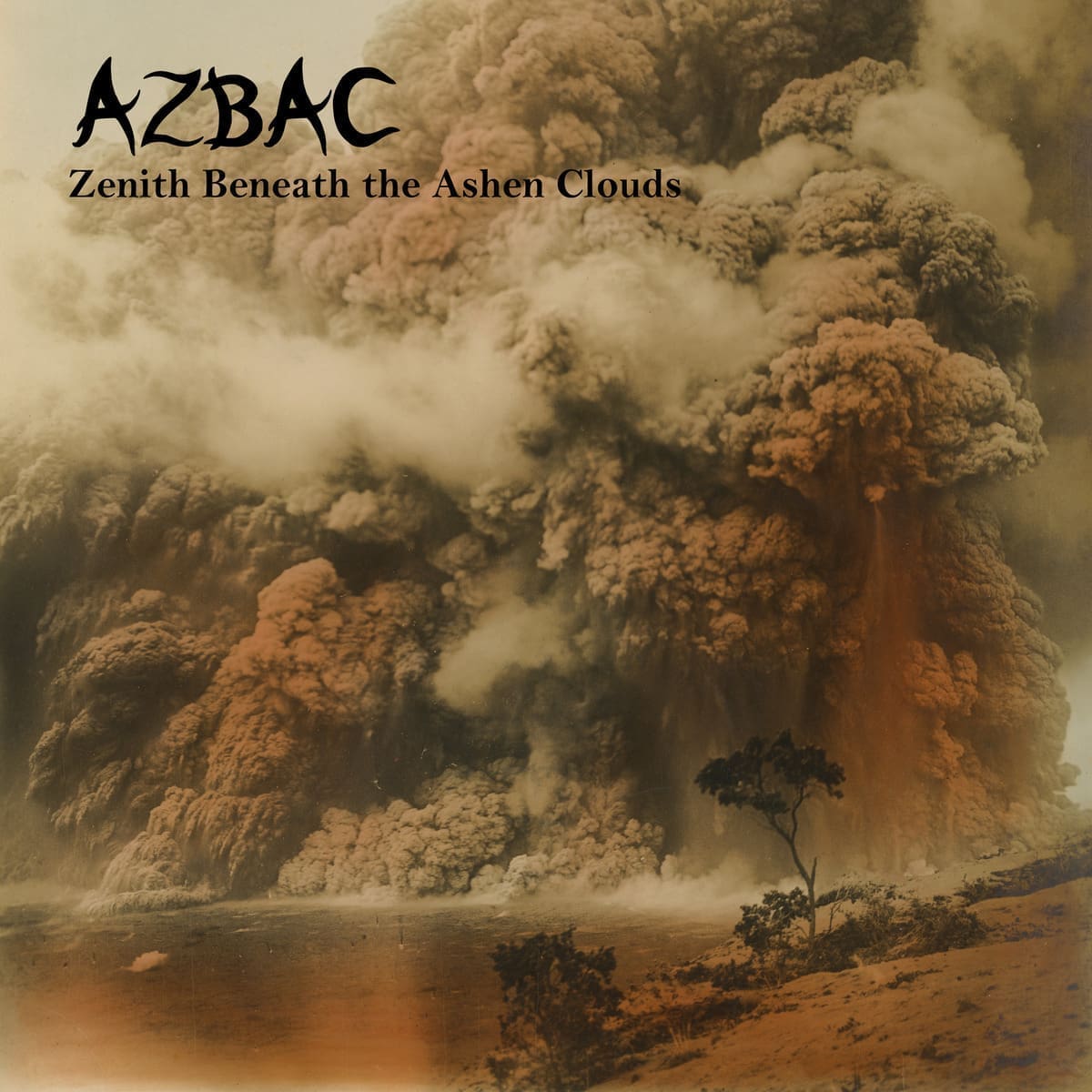
Azbac — Zenith Beneath the Ashen Clouds album cover

The First Three Sins, The Summary

The First Sin, The Strings/Keys: Dense synthesisers, subterranean drones, and ash-like textures transform Zenith Beneath the Ashen Clouds into a vast geological soundscape rather than traditional dungeon synth. The Second Sin, The Vocals: There are no vocals within Azbac’s volcanic descent; instead, manipulated field recordings and atmospheric pressure become the album’s true voice. The Third Sin, The Percussions: Synthesised seismic pulses and cavernous low-frequency impacts mimic tectonic movement rather than conventional percussion.

⸸ ⸸ ⸸ ⸸ ⸸ ⸸ ⸸

The Fourth Sin, Overall Discussion

Severing the Modern World

Before pressing play, understand that this is music for total disconnection. It demands you sit down, forget the constraints of modern technology, secure your headphones tightly, and lose yourself entirely to the magma. This is not your typical dungeon synth — this is geological dungeon synth. It is a new terrain entirely: Volcanic Dungeon Synth.

The Volcano Awakens

As soon as the play button is pressed, the listener is welcomed by a soundscape that feels less like a traditional album and more like a vast cinematic score structured as a linear, geological narrative.

This auditory eruption is directly inspired by the Capelinhos Volcano and the broader volcanic memory of the Azores, translating deep-earth history into a sprawling sonic landscape.

The Eightfold Descent

Zenith Beneath the Ashen Clouds is a beautifully composed and arranged work spanning eight distinct movements. By prioritising immense spatial depth and layered textural movement, the record simulates active magmatic flow and the geological isolation characteristic of the archipelago.

The journey traces a linear timeline, beginning in pristine forest environments and dissolving into the absolute acoustic void of cooled ash.

  • Hymn I — low-intensity forest soundscapes; tension builds toward volcanic rupture.
  • Hymn II — subterranean pulses and dense synth pressure representing magma carving its way through rock beneath the surface.
  • Hymn III — maritime field recordings merging with slow synth layers to depict lava reaching the coast.
  • Hymn IV — minimalist, cavernous textures with geothermal field recordings.
  • Hymn V — suspended, fog-like atmospheres creating zero visibility beneath the suffocating weight of the primary ash cloud.
  • Hymn VI — cyclic subterranean rhythms representing internal geological pressure from deep within the earth’s mantle.
  • Hymn VII — high-frequency particles, irregular rhythms, abrasive textures.
  • Hymn VIII — low-frequency stagnation and cooling minerals; the album’s final void.

Synthesisers Beneath the Crust

Azbac’s palette is forged through the complete omission of electric instruments, traditional percussion, and vocals. The entire atmospheric soundscape is constructed solely through digital synthesisers and original field recordings. 

Rather than functioning as traditional melodic instruments, the synthesisers behave like shifting environmental forces — slow-moving, oppressive, and immense in scale.

The synthesisers do not play melodies in the traditional dungeon synth sense. Instead, they drive the narrative like lava crawling through an isolated valley, behaving like raw elemental forces rendered electronically:

  • Subterranean Drones — long, low-frequency pads that simulate crushing magma pressure beneath the crust.
  • Granular Textures — high-friction crackles representing ashfall, particulate movement, and volcanic haze.
  • Slow-attack Brass-like Swells — heavy, monolithic chords that evoke the agonisingly slow shifting of tectonic plates.
  • High-resonance Harmonic Layers — piercing, ethereal layers that mirror geothermal steam escaping through fissure resonance.
  • Filtered Noise Beds — sweeping, suffocating layers of wind, choking ash clouds, and collapsing planetary crust.
Azbac — band photo

The Earth Speaks

If the synthesisers represent the energy of the eruption, the original field recordings act as the earth’s physical voice, forming the core of the album’s identity. These regional captures are never left raw — instead, Azbac stretches, pitches, layers, and treats them until they mutate into quasi-musical tectonic textures that are seamlessly woven into the mix:

  • Forest Ambience (hymn I) — the fragile, living surface layer before the rupture.
  • Geothermal Vents — hissing steam, bubbling mud, and high-pressure subterranean releases.
  • Coastal Lava Interactions — the violent, steaming collisions of ocean waves striking hot volcanic rock.
  • Wind Across Calderas — hollow, sweeping white noise captured across vast, empty craters.
  • Footsteps on Ash and Pumice — gritty, rhythmic percussive textures that signify a lonely trek through the debris.
  • Subterranean Rumble Simulations — heavily processed, low-end simulations of fault lines fracturing deep below.

Seismic Ritual Percussion

Zenith Beneath the Ashen Clouds employs no traditional drums whatsoever. What initially resembles percussion is actually low-frequency digital synthesis sculpted into violent seismic pulses.

These are not percussion samples; they are synthesised impacts, sculpted to evoke massive geological phenomena:

  • Low-End Sine Bursts (with long decay) — sub-bass frequencies tailored to trick the ear into feeling a monolithic drum. They mimic the terrifying pressure waves of active volcanic eruptions.
  • Layered Noise Bursts — textured, white-noise transients that sound like heavy mallets striking colossal surfaces. They evoke the echoing density of magma chamber resonance.
  • Sub-bass Pulses — deep, foundational frequencies that provide the physical thud of tectonic movement and collapsing planetary rock.
  • Granular Impacts — microtonal crackles and sharp, brief transients that simulate massive ash or rock displacement.
  • Reverb Chambers — expansive digital spaces that grant the synthesised impacts a cavernous, film-score-like scale.

Azbac’s drum-like synth pulses closely resemble the Taiko, Timpani, or Gran Cassa styles utilised in epic film scores:

  • Low-frequency Dominance — heavily weighted to the dark end of the sonic spectrum.
  • Long reverb tails — allowing the sound to echo across vast, imagined landscapes.
  • Slow, Ritualistic, and Massive — massive, spaced-out strikes that mimic the slow build-up of pressure.
  • Non-rhythmic or Minimally Rhythmic — prioritising spatial atmosphere over danceable or predictable cadences.

Standing at the Caldera Rim

The recording feels captured on the very rim of the Azorean calderas, shaped by wind, ash, and the slow breath of the earth — as though the volcanic landscape itself imprinted its presence into every movement.

The Final Ashen Silence

Overall, Zenith Beneath the Ashen Clouds is a forbidden fruit of art. The whole composition does not feel rushed; each movement progresses with a slow, tectonic weight rather than conventional melody-driven structures. The geological journey finally closes with the final hymn, Crypt of the Ashen Crater, leaving the listener at the absolute end of the volcanic descent — shrouded in silence and cooling minerals.

⸸ ⸸ ⸸ ⸸ ⸸ ⸸ ⸸

The Fifth Sin, The Memorabilia

For me, Zenith Beneath the Ashen Clouds is a rare artifact — it feels like stumbling by chance upon a lost David Attenborough field recording. What makes it truly unforgettable is how Azbac has mutated the genre, reshaping dungeon synth into something entirely his own. It is a sonic experiment that theoretically should not work, yet it does effortlessly. 

The meticulous devilmanship, dense composition, and pure electronic instrumentation seamlessly pull you into a raw, volcanic descent.

The Sixth Sin, The Artwork

The artwork stands as a stark visual manifestation of the musical and lyrical themes within. It is a direct glimpse into the ash-choked horizon of the record, capturing the exact point where deep-earth geology meets synthetic artifice.

Cover Illustration: Hand Tinted 1924 Explosion Cloud, courtesy of the National Park Service. Massive plume of smoke from an eruption at Kīlauea, captured by Kenichi Maehara on May 13, 1924.

The Seventh Sin, Disrelish

There is no disrelish to be found within Zenith Beneath the Ashen Clouds. The composition is flawlessly executed, leaving nothing to reject — only an immense, heavy terrain to re-traverse.

⸸ ⸸ ⸸ ⸸ ⸸ ⸸ ⸸

The Hymns

01. The Verdant Slumber
02. Echoes of Magma Symphonies
03. The Molten Tide
04. Caldera Shrine
05. Volcanic Zenith Contemplation
06. Rites of the Abyssal Core
07. Lava Rain Dance
08. Crypt of the Ashen Crater

Azbac

Azbac — Digital Synthesisers, Field Recordings

Reviewed by Kristian — editorial architect and ceremonially crafted. © Athenaeum of Sin Reviews.

Bone Caster — Romance the Serpent Review

Bone Caster is a blackened dungeon synth solo artist from the United States. On 15 May 2026, Bone Caster will release his debut full-length, Romance the Serpent

Bone Caster, Romance the Serpent Review: This review will evaluate every aspect of the album, from its intricate musical composition to its production.

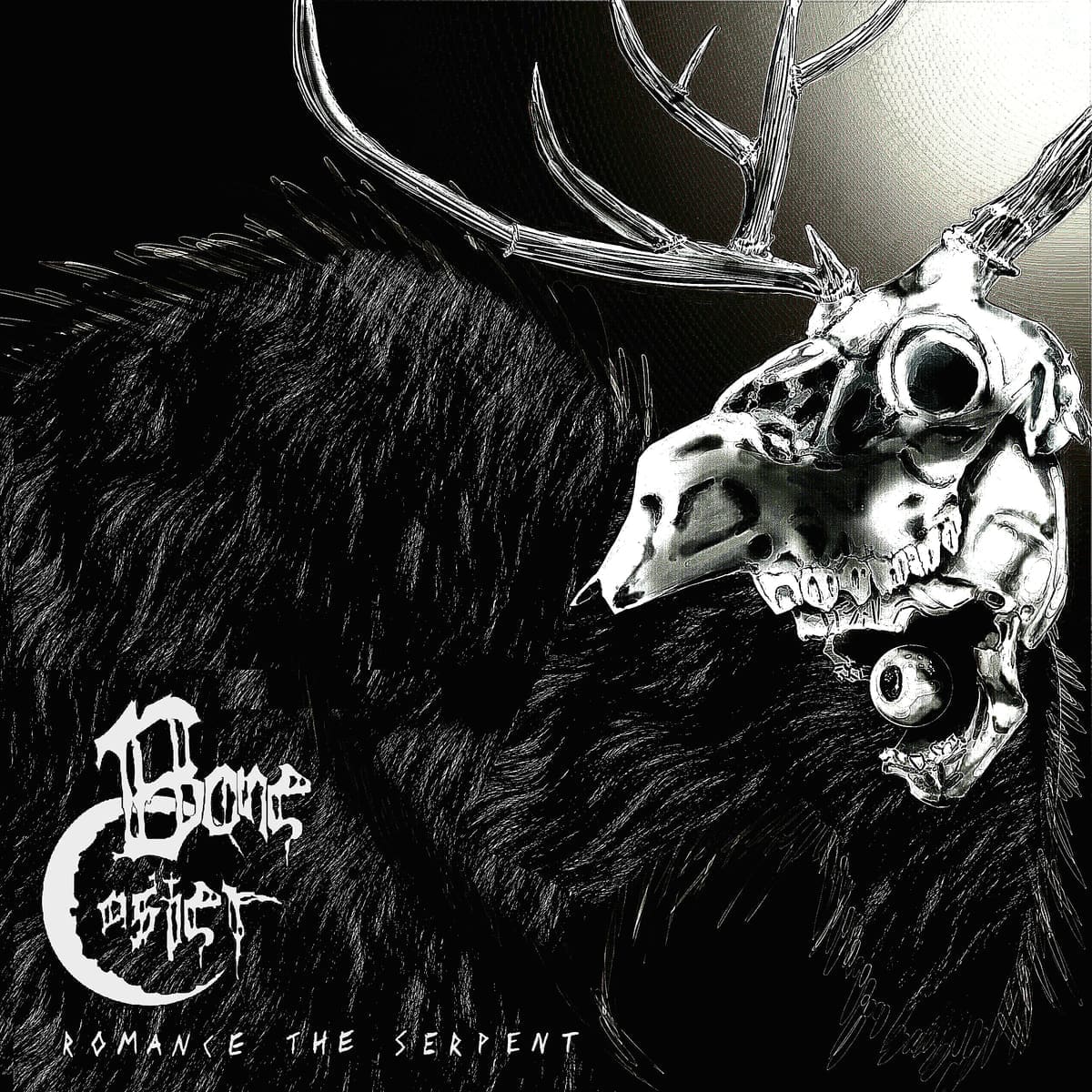
Bone Caster — Romance the Serpent cover

The First Three Sins, The Summary

The First Sin, The Strings/Keys: The synthesisers function as the album’s primary narrator — weaving dungeon synth atmosphere, blackened tension, and electronic world-building into a dense ritualistic framework. The Second Sin, The Vocals: The vocals emerge as heavily processed goblinesque incantations — distorted, mechanical, and inhuman. The Third Sin, The Percussions: The percussion favours dry, claustrophobic rhythmic structures — utilising sparse blast-like patterns, industrial clatter, and ritualistic pulses.

⸸ ⸸ ⸸ ⸸ ⸸ ⸸ ⸸

The Fourth Sin, Overall Discussion

Opening the Dungeon Gate

As the listener presses play, the opening hymn Bioluminescent Butterfly greets the listener with clean passages, the sound of nature and pagan instrumentation — a gateway for the descent to come.

The Blackened Dungeon Crawl

As the listener continues through the remaining seven hymns — with a runtime of under forty minutes — Bone Caster’s soundscape is a blackened dungeon labyrinth — blending atmospheric black metal, dungeon synth, and fantasy-steeped noise with electronic alchemy, evoking a vivid sense of place and a harrowing addiction-mythos.

Descent Through Headphones & Shadow

This blackened synth represents an ideal musical journey — onebest experienced while settled comfortably with a warm drink and headphones, perhaps while watching a silent dungeon-crawling playthrough.

Simultaneously, Bone Caster draws inspiration from a wide spectrum of shadows, channelling the primal chaos of Abruptum and the dissonant, twisting landscapes of Thantifaxath and Skáphe.

The Synth as Dungeon Master

Though the atmosphere feels ancient and sprawling, it is assembled within a modern, self-contained recording setup. Every texture and transition was placed with clinical precision — as deliberate as a move on a game board.

The synthesiser is not merely an accompaniment; it is the primary narrator. It replaces the conventional tremolo guitar part of black metal with oscillator-driven tension, thus defining the emotional mood of every hymn.

This creates a dual force: the soft wash of ambience and the sharp edge of a sonic attack:

  • Harmonic Bid — providing the foundational atmosphere and depth.
  • Lead Melodies — carrying the voice of the track through the gloom.
  • Dissonant clusters — creating the blackened tension and unease.
  • Noise-adjacent textures — adding the grit and ritualistic pagan dirt.
  • Atmospheric world-building — serving as the structural backbone for the entire journey.

Ritual Pulse & Structural Spine

While the synths provide the fluid narrative, the drums give the serpent its skeleton. This rhythmic framework provides a ritual pulse that anchors the surrounding chaos, creating a sharp contrast against the atmospheric wash. Whether utilising a drum machine or a hybrid electronic kit, the production is intentionally dry and claustrophobic.

The percussion avoids constant bombardment, opting instead for occasional blast-like patterns that punctuate the silence rather than filling:

  • Metallic Hits — cold, sharp strikes that cut through the electronic fog.
  • Low-passed Thuds — muffled, heavy beats that feel more sensed than heard.
  • Industrial Clatter — brief moments of mechanical chaos.
  • Sparse Tom Patterns — rhythmic pulses used specifically to ratchet up tension.
Bone Caster — band photo

Ghosts of Blackened Lineage

The guitar is relegated to a tertiary role— acting as a colour or a shadow rather than a lead voice. It functions as a tool for texture, dissonance, and ritual punctuation, serving as a ghostly reminder of the artist’s black metal lineage without ever dominating the sonic field.

While occasionally brought to the forefront for contrast — such as the acoustic opening of The Warlock— the guitars generally remain submerged beneath the synth layers.

  • Dissonant Stabs — sharp, single-note strikes that pierce the atmosphere.
  • Harmonic Scrapes — abrasive textures that add a pagan grit.
  • Slow Bends — pitch-shifted tension that mirrors the winding serpent.
  • Feedback Swells — rising walls of noise that dissolve into the synth beds.
  • Buried Tremolo — faint echoes of traditional black metal, felt rather than heard.

Goblinesque Incantations

The vocals are treated not as a narrative tongue, but as another layer of instrumentation. Transformed into goblinesque growls, the voice is heavily processed, evoking the distorted, inhuman vocal styles of Skinny Puppy.

Toward the album’s conclusion — specifically on Tower to the Moon and Smoke and Mud — these textures shift to emphasise the ritualistic over the aggressive, using clean phrases and spatial effects to heighten the contrast.

  • Processed Growls — gritty, mechanical snarls.
  • Whispered Incantations — low-volume threats that feel close to the ear.
  • Goblin-like Distortions — high-pitched, unsettling creature sounds.
  • Reverse-Reverb Chants — ethereal, backwards-flowing ritual sounds.
  • Clean Contrast — brief moments of human clarity used to anchor the final hymns.

The Dungeon Walls Breathe

Beyond the instruments lies a dungeon wall of treated field recordings — wind, stone, metal, and water — processed until they are unrecognisable as natural sounds. These elements, alongside low-mixed choral pads and pseudo-liturgical motifs, provide a metaphysical weight to the hymns. 

These textures are used with surgical restraint, ensuring they provide depth without masking the primary synth narrative.

  • Processed Field Recordings — elemental world (stone/water) transformed into alien textures.
  • Noise Layers & Static — gritty, high-frequency friction that suggests age and decay.
  • Broken Radio Signals — moments of electronic haunting that bridge the ancient and the modern.
  • Distorted Ambience — deep, shifting soundscapes that fill the negative space.
  • Metaphysical Motifs — faint choral swells that suggest a ritual occurring just out of earshot.

Mapping the Labyrinth

The devilmanship and the instrumental score are meticulously honed to perfection. The composition and arrangement, both technical and musical, are mapped with a precision that balances ritualistic unpredictability with deliberate structure.

  • Synth (Primary Voice) — the emotional and narrative lead.
  • Drums (Structural Spine) — the skeletal pulse that anchors the descent.
  • Guitars (Spectral Colour) — a ghostly reminder of blackened lineage.
  • Vocals (Textural Presence) — inhuman, processed, and atmospheric.
  • Atmospheric Architecture (World-building) — metaphysical depth through field recordings and noise.

Together, these elements provide the listener with a coherent modern blackened-synth instrumentation model.

Collapse at the Dungeon Floor

Ultimately, Bone Caster is a deep, dungeon-crawling fruit of art — a complex harvest of shadow and circuit. The journey finally collapses across the dungeon floor with the closing hymn, Smoke and Mud, leaving the listener at the end of the dungeon we have just traversed.

⸸ ⸸ ⸸ ⸸ ⸸ ⸸ ⸸

The Fifth Sin, The Memorabilia

For me, Romance the Serpent is a rare artifact discovered deep within a dungeon keep. While synth projects capture something special, this record goes further. It is a dense convergence of blackened atmosphere, electronic unease, and ritualistic immersion.

For the first-time listener, this will feel like stepping into a cold, dank oubliette — each hymn leaves you disoriented, unsure of which way to turn or where the path leads.

The Sixth Sin, The Artwork

The artwork presents a metallic forest‑spirit relic, suspended between nature and artifice. It feels like a pagan totem reforged in a modern forge — an object of worship, but also a piece of machinery.

The Seventh Sin, Disrelish

There is nothing here to disrelish. My only grievance is that my repeat button has become a rolling die — constantly spinning, always landing back at the beginning of the crawl.

⸸ ⸸ ⸸ ⸸ ⸸ ⸸ ⸸

The Hymns

01. Bioluminescent Butterfly
02. A Tremulous Draught
03. Cognitive Drift
04. The Warlock
05. Ferrous Membrane
06. Romance the Serpent
07. Tower to the Moon
08. Smoke and Mud

Bone Caster

Mul — Keyboards, Guitars, Programming, Voclas
Séamus – Lead Guitar
ĦʘɃ – Additional Electronics & Percussion
Imbroseus – Additional Vocals
Allison1710 – Additional Vocals & Artwork

Reviewed by Kristian — editorial architect and ceremonially crafted. © Athenaeum of Sin Reviews.

Saint Omen — Mysteries of Rebirth Review

Saint Omen is an occult narrative doom metal solo project from the United States. On 5 November 2025, Saint Omen released his second independent full-length, Mysteries of Rebirth.

Saint Omen, Mysteries of Rebirth Review: This review will evaluate every aspect of the album, from its intricate musical composition to its production.

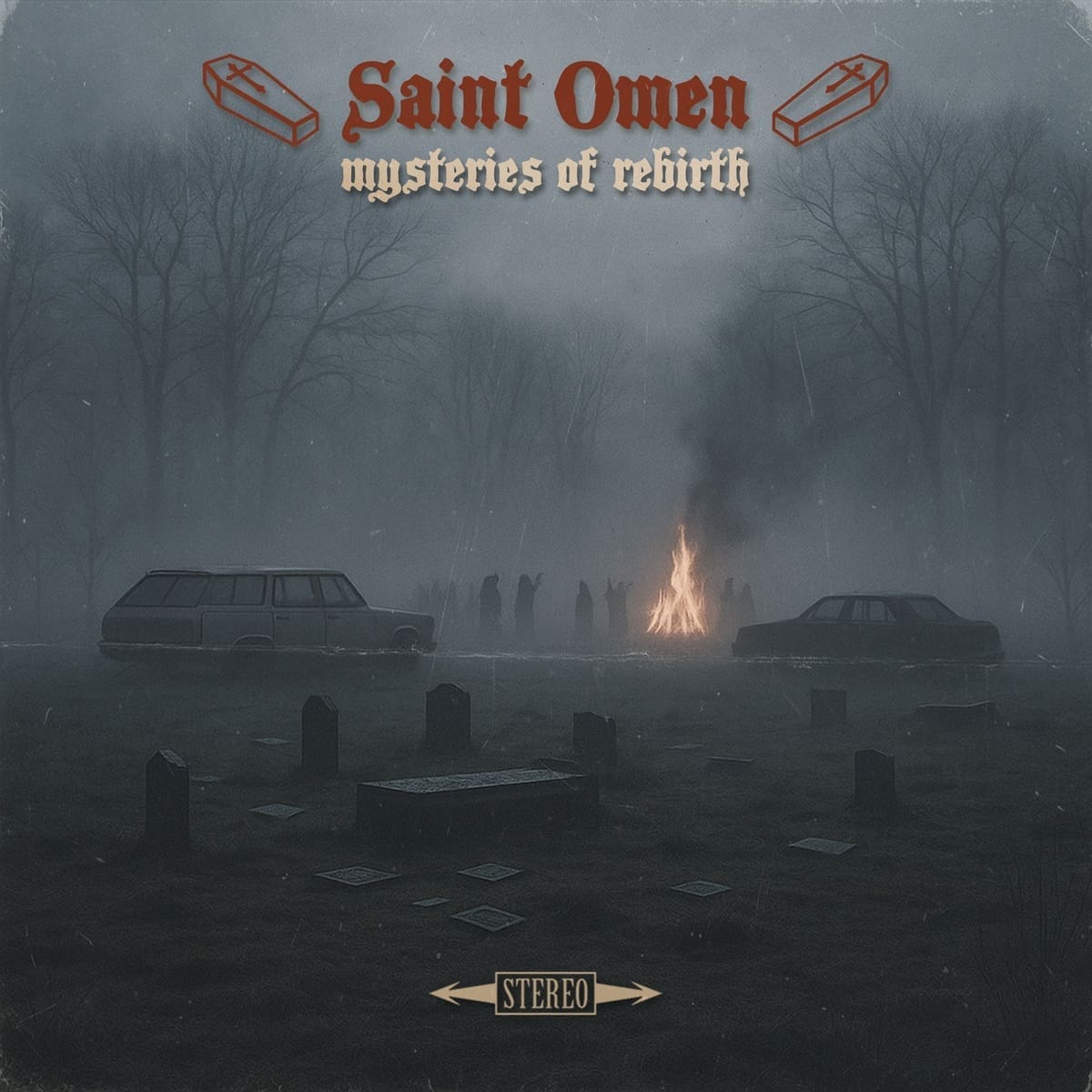
Saint Omen — Mysteries of Rebirth album cover

The First Three Sins, The Summary

The First Sin, The Strings/Keys: Thick, 1970s-horror fuzz dominates, with slow, hypnotic riff cycles and subtle synth veils shaping a psychedelic, smoke-drenched atmosphere. The Second Sin, The Vocals: A spectral, Ozzy-tinged rasp delivered as ritual incantation—half-spoken, half-sung, guiding the listener through the occult haze. The Third Sin, The Percussions: Heavy-footed, mid-tempo doom pacing built on ritual repetition, with occasional stoner-rock swagger breaking through the trance.

⸸ ⸸ ⸸ ⸸ ⸸ ⸸ ⸸

The Fourth Sin, Overall Discussion

The Threshold

Before you press play, understand this: this artifact has already passed through other hands. You are not the first to endure it, and you likely won’t be the last to be changed by it.

The moment the play button is depressed, the opening hymn, You Found It, rises to meet you. It bleeds seamlessly into Invocation of Rebirth (Intro), marking the exact point where your old self ends and the journey begins.

The Trial of Transformation

This is not merely a collection of hymns; it is a staged transformation. To listen is to undergo a sequence of spiritual trials:

  • Rebirth through Decay — finding the spark of life within the rot.
  • Occult Initiation — entering a space where the logic of the sun no longer applies.
  • Sin, Consequence, and Spiritual Violence — acknowledging the weight of one’s actions through a sonic assault.
  • Transformation as Ordeal — reminding the listener that change is never painless—it is earned through fire.

As you move deeper into the remaining ten hymns, the true scale of the journey reveals itself. With a runtime exceeding thirty-five minutes, Mysteries of Rebirth functions as a rotten doorway into a world of total cult devotion. 

It is a calculated blend of:

  • Sonic Texture — heavy stoner fuzz, sludgy-doom, and grit.
  • Atmosphere — creeping synth textures and spectral vocals that sound as if they were recorded through a veil.
  • Aesthetics — a marriage of 1970s horror sensibilities and genuine occult ritualism.

The Lineage of Smoke

Once you cross that threshold, the air thickens. The listener is submerged in a haze of smoke and distortion, where the lineage of the old ones becomes clear. 

The riffs and doom-laden pacing evoke the foundational weight of Black Sabbath, the psychedelic menace of Uncle Acid and the Deadbeats,the cinematic terror of Goblin, and the gothic‑occult fuzz of Bloody Hammers.

In this space, the music is not just heard; it is an environment you are trapped within, all sharing that smoke-thick, candle-lit, shadow-ritual chamber that your ear locks onto immediately.

The Devilmanship Revealed

The most staggering revelation of Mysteries of Rebirth is its origin: a single entity conducts the entire ordeal. This is a one-person exhibition of devilmanship honed to perfection, covering everything from the intricate instrumentation to the overarching composition.

The guitar work serves as the record’s ritual vertebrae. It is not just distorted; it possesses a thick, 1970s-horror fuzz with a distinct grainy, analogue drag. The riffs do not merely play — they move in slow, hypnotic cycles, carrying a physical weight reminiscent of Electric Wizard or Sabbath at its most glacial.

While the riffs provide the structure, the chords provide the atmosphere. They frequently bloom into a psychedelic smear, dissolving the edges of the songs and bathing the record in a persistent drug-haze aura. It creates a sensation of being untethered — hovering somewhere between a ritual and a hallucination.

The Ritual Body

The bass serves as the record’s bedrock, doubling the guitar to create a monolithic wall of sound. However, it is not merely a shadow — it frequently pushes to the forefront with a swampy, primeval pulse that anchors the more ethereal elements of the hymns.

The percussion functions as a ceremonial stomp and ritual pacing. Eschewing complex flourishes for a heavy-footed, doom-centric pacing, the drums rely on:

  • Mid-tempo stability — keeping the listener locked in a trance.
  • Ritual repetition — simple, crushing patterns that mimic a heartbeat in the dark.
  • The Swagger Exception — on hymns like Bone Shakin’ Mama, the drums shift into a stoner-rock swagger, injecting a moment of predatory groove into the sludge.

The synths are the invisible architecture of the record. Sparse but crucial, they function as scene-setting tools rather than melodic leads. 

Drawing from the lineage of John Carpenter and Goblin, these textures manifest as:

  • Tension Beds — low-frequency pulses that vibrate beneath the fuzz.
  • The Ritual Chamber — atmospheric drones that appear in intros and transitions to build the walls of the sonic space before the riffs tear them down.
Saint Omen — band photo

The Officiant Speaks

The vocals function as the officiant of the rite. They carry the weight of an ancestral echo, channelling the spirit of a resurrected Master of Reality-era Ozzy Osbourne, yet they remain grounded in a gritty, street-level mysticism.

This is not a traditional performance, but a doom-sermon delivered through a veil of smoke and fuzz. The delivery is a haunting mix of:

  • The Spectral Rasp — distorted, half-spoken, and half-intoned, as if the words are being pulled from another plane.
  • The Ritual Pulse — an occult rasp that feels less like singing and more like a series of incantations.

While the record is steeped in doom, the devilmanship shows its range on Bone Shakin’ Mama. Here, the officiant shifts his stance, trading the pulpit for a predatory, street-wise swagger that leans into the cool, detached territory of Lou Reed and Iggy Pop.

Across all ten hymns, the voice acts as the guide through the shadow. It is the sound of a resurrected prophet standing amidst the distortion, ensuring the listener completes the ordeal.

The Exhumed Sound

Tracked in solitary ritual and sealed in an analogue-haunted haze, the production of Mysteries of Rebirth does not sound recorded; it sounds exhumed. It possesses a warm, grain-stained and tape-scarred quality—heavy with the dust of the seventies and the weight of the genre’s first incantations.

The record is built upon four ritual pillars:

  • The Guitars: The Primary Architecture — monolithic ritual wall of heavy, grainy fuzz.
  • The Drums: The Ceremonial Cadence — a heavy-footed, mid-tempo stomp; rhythm as ritual, not technicality.
  • The Vocals: The Officiant — a resurrected Ozzy presence filtered through occult smoke and street-prophet rasp.
  • The Synths: The Ritual Chamber — sparse, low-frequency dread that builds the walls around the riffs.

The Exit Wound

As the music fades into the smoke and fuzz with the closing hymn It Stays With You, the title becomes a prophecy. The transformation is complete, and the spectral prophet leaves you behind in the silence.

The Final Vision

Overall, Mysteries of Rebirth is a tripped-out, fuzz-soaked fruit of art. It is slow, deliberate music that covers you like heavy smoke in a darkened chamber. Listening to it feels like being Alice in a darkened Wonderland, where the music itself is the Caterpillar, blowing thick, intoxicating clouds of fuzz into your path.

⸸ ⸸ ⸸ ⸸ ⸸ ⸸ ⸸

The Fifth Sin, The Memorabilia

While my entry point of Mysteries of Rebirth was paved by the familiar weight of Black Sabbath and Uncle Acid and the Deadbeats, the true memorabilia of this album lies in its hidden textures.

What I hear — and what makes this artifact stay with me — is the persistent haunting of John Carpenter, Goblin, and Bloody Hammers lurking in the fuzz. Not everyone will catch these spectral echoes, and that is precisely what makes the experience personal.

It reflects only what the listener is willing to confront in the dark, and the ritual marks their acceptance.

The Sixth Sin, The Artwork

The artwork stages the album as a grave-ritual drama, not just a doom release. Everything in the composition reinforces the themes of rebirth through fire, death, and initiation. 

The Seventh Sin, Disrelish

There is no disrelish to be found within Mysteries of Rebirth. From the first invocation to the final fade of smoke, the ritual is absolute.

⸸ ⸸ ⸸ ⸸ ⸸ ⸸ ⸸

The Hymns

01. You Found It
02. Invocation Of Rebirth (Intro)
03. Hell Money
04. Devil Eyes
05. Bone Shakin’ Mama
06. Those Who Ham
07. Smokeless Fire
08. Satan Man
09. Mysteries of Rebirth
10. Undead
11. Levitation Communion
12. It Stays With You

Saint Omen

Geroni J. Saint-Hilaire – Everything

Reviewed by Kristian — editorial architect and ceremonially crafted. © Athenaeum of Sin Reviews.

Abitha — Songs of Perdition Review

Abitha is an American solo melodic groove metal project. On 6 March 2026, Abitha released his independent debut EP, Songs of Perdition promoted via GlobMetal Promotions.

Abitha, Songs of Perdition Review: This review will evaluate every aspect of the album, from its intricate musical composition to its production.

Abitha — Songs of Perdition album cover

The First Three Sins, The Summary

The First Sin, The Strings/Keys: Mid-gain, groove-driven riffing — melodic death accents and blackened flares woven into a controlled, surgical framework of contrast. The Second Sin, The Vocals: Rasped, preacher-like delivery — clear, articulate, and weaponised to deliver satirical liturgy with theatrical bite. The Third Sin, The Percussions: Precise, modern percussion — mid-tempo stomps and syncopated patterns that drive momentum with a clean, ritualistic punch.

⸸ ⸸ ⸸ ⸸ ⸸ ⸸ ⸸

The Fourth Sin, Overall Discussion

A Doctrine Turned

Songs of Perdition is more than an EP; it is a pointed, satirical strike at American religious culture. Drawing from his own history, Rob Shomaker weaponises his thirty years within the Mormon tradition to create a record of fierce intellectual and emotional defiance.

Concept: A satirical, often venomous critique of American religious culture, using imagery from Mormon history (Blood Atonement, Deadbeat Father, etc.) to expose hypocrisy, trauma, and authoritarian structures.

Ritual Before Impact

The moment the listener presses play, the opening hymn Invocation greets the ear not with a riff, but with a deliberate soundscape. It functions as a ritualistic clearing of the air, building tension before transitioning into the sonic assault to come.

This is the calm before the storm — a signal that the listener is entering a space of profound personal and cultural excavation.

Following the Invocation, the remaining five hymns unveil a unique sonic architecture. Ghost’s ritualistic, atmospheric presence is felt here, but it is reinforced by a heavy, melodic groove metal backbone and punctuated with death metal and blackened accents.

Inverted Hymns

This is not just a record of anger; it is a record of inverted ceremony, where the devilmanship lies in making the apostasy feel like a grand celebration.

The second hymn O Eternal Deadbeat Father is where this vision hits the hardest. It is a masterclass in blackened satire, featuring:

  • The Dense Swagger — riffs that are thick and groove-oriented, giving the song a rhythmic confidence that demands the listener’s movement.
  • The Ghost-Tinted Cadence — a vocal delivery that adopts the melodic, almost liturgical phrasing of Ghost, but utilises it to deliver a biting critique of the divine.
  • Melodic Venom — the track moves like an inverted hymn — familiar in its structure, yet lethal in its intent. It is a confrontation with a father who was never there, delivered with surgical precision.

Structure as Weapon

The devilmanship of Abitha is a solo endeavour honed to perfection. Shomaker oversees every structural detail, ensuring that the composition — both musical and instrumental — serves the overarching theme of apostasy. The guitars act as the primary delivery system for this rebellion, utilising thick, mid-gain modern tones with a clear, surgical upper-mid bite.

The riff craft is a deliberate exercise in contrast, moving fluidly between three distinct modes of aggression:

  • The Groove Foundation — groove metal chug patterns that are tight and palm-muted, providing a rhythmic foundation that feels almost percussive in its ritualistic focus.
  • The Melodic Hook — melodic death-leaning lines characterised by harmonised leads and ascending motifs. These are weaponised melodies — hook-driven refrains designed to contrast the harshness of the lyrical themes.
  • The Blackened Venom — tremolo flares and dissonant intervals used sparingly. These are not here for atmospheric murk, but as sharp, dissonant spikes of venom that remind the listener of the record’s blackened heart.

The bass is warm and supportive, sitting strategically just beneath the guitars rather than competing for the spotlight. This provides a thick, melodic cushion that reinforces the Ghost-adjacent atmosphere while allowing the sharp upper-mid bite of the guitars to lead the charge. 

It is the grounding force that makes the groove metal backbone feel substantial and cohesive.

Abitha — band photo

Precision & Pulse

Regardless of whether the percussion is human or programmed, itfeels human. The drum work is precise, modern, and punchy, characterised by a studio-clean aesthetic that mirrors the album’s surgical lyrical intent. The performance is defined by its mid-tempo stomps and tom-driven patterns that create a sense of dark ceremony. 

Layered rhythms and syncopated kick patterns drive the groove forward, while occasional double-kick bursts and sharper snare work inject sudden flares of blackened death intensity into the mix.

Voice of Apostasy

The vocals deliver a gritty, rasped bark — avoiding both the high-register black metal shriek and the cavernous death metal growl. Instead, the voice functions as that of an excommunicated preacher, utilising a theatrical bite to deliver inverted liturgy.

For a satirical strike to land, the message must be heard. Shomaker employs a clear diction and intentional articulation, ensuring that every critique of the Mormon tradition is understood. 

This is bolstered by:

  • Ritual Cadence— melodic phrasing in the refrains that provides a sense of inverted ceremony.
  • Shaped Lines — while avoiding traditional clean singing, the vocals utilise shaped melodic lines that give the hooks their infectious, Ghost-adjacent power.
  • Theatrical Bite — delivery that feels lived-in and deeply personal, as if the voice itself is the final weapon in the reclamation of the self.

Controlled Atmosphere

The atmosphere of Songs of Perdition is a testament to the power of organic tension. It is created purely through the interplay of guitars, vocal cadence, and rhythmic architecture, rather than relying on electronic textures or synthetic layers. 

Tracked entirely within Rob Shomaker’s own solitary chamber, the record carries the unmistakable character of a closed ritual performed under electric light. It is intimate, focused, and entirely self-contained. The mix rejects the low-fi or murky tropes of traditional black metal in favour of a bright, controlled clarity.

There is no atmospheric fuzz to hide behind. The sound is dry and honest, exposing every satirical bite and melodic hook.

Final Benediction

As the album closes with Benediction, the final rite seals the EP with a voice not of scripture but of defiance: Stephen Fry’s now-iconic denunciation of a cruel, indifferent heaven rising against a bed of dense melodic riffs and a final spoken-word utterance, completing the circle with a last, articulate strike of apostasy.

Accessible Defiance

Overall, Songs of Perdition is a calculated fruit of art. It is a record that weaponises Ghost-adjacent melodicism and groove-metal brawn to deconstruct a lifetime of faith.

This is not an album of impenetrable noise; it is an album of accessible defiance. It operates as Ghost-adjacent melodicism, but reimagined as something heavier, sharper, and deeply personal.

⸸ ⸸ ⸸ ⸸ ⸸ ⸸ ⸸

The Fifth Sin, The Memorabilia

Songs of Perdition brings more than just music to the table; it is a meaningful and courageous telling of faith and regional identity. Musically, it hits every mark. For those who appreciate the melodic ritualism of Ghost but crave the bite of extreme metal, this record is an absolute must. 

It is memorabilia because it proves you do not have to fear melody to be extreme — it is a catchy dark fruit that offers a triumphant path out of the temple.

The Sixth Sin, The Artwork

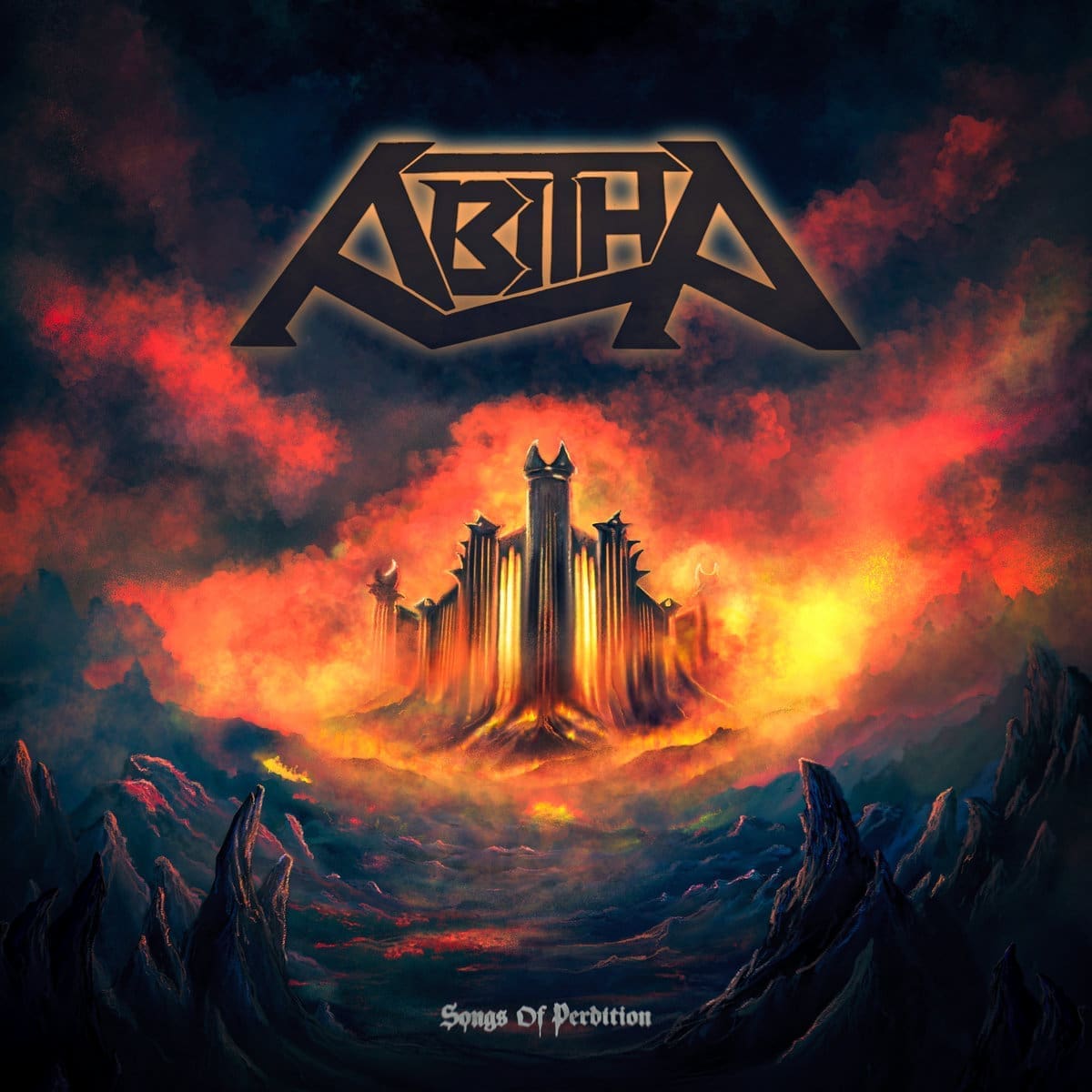
The artwork is a towering apocalyptic vision — a black citadel rising through fire and storm, painted in molten reds and cold blues. It looks like a cathedral caught mid-judgement, perfectly matching the EP’s dramatic, melodic-metal scale.

The Seventh Sin, Disrelish

There is no disrelish to be found within Songs of Perdition. From the atmospheric Invocation to the final melodic hook, the record is a flawless execution of its satirical intent. It is a modern metal crucible that rewards the listener with every spin.

⸸ ⸸ ⸸ ⸸ ⸸ ⸸ ⸸

The Hymns

01. Invocation
02. O Eternal Deadbeat Father
03. Our Sacrament
04. Great Men
05. Blood Atonement!
06. Benediction

Abitha

Rob Shomaker — Everything

Reviewed by Kristian — editorial architect and ceremonially crafted. © Athenaeum of Sin Reviews.

Mazam — A Scar Upon the Void Review

Mazam is an Italian solo depressive black metal project. On 9 April 2026, Mazam released his debut independent full-length, A Scar Upon the Void.

Mazam, A Scar Upon the Void Review: This review will evaluate every aspect of the album, from its intricate musical composition to its production.

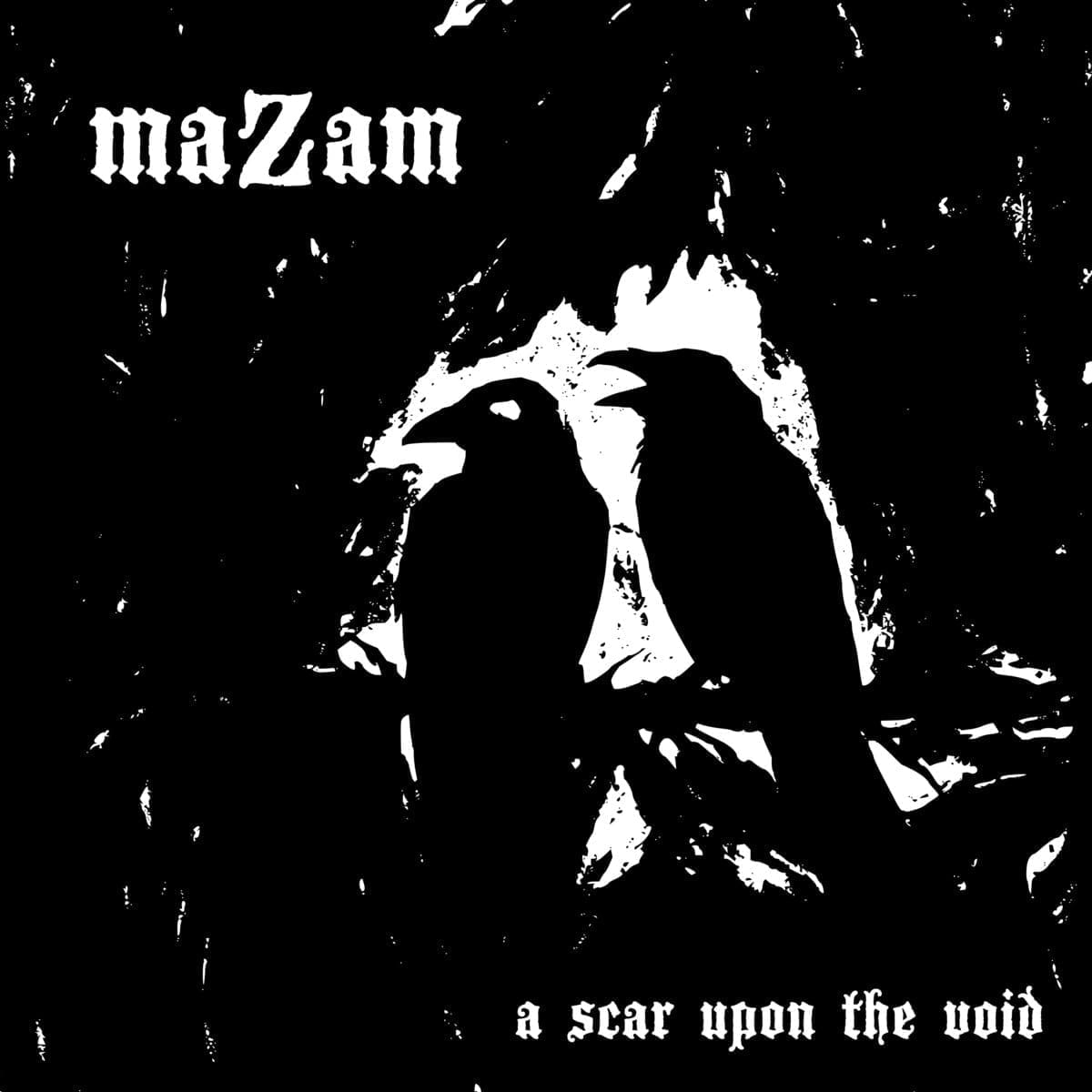
Mazam — A Scar Upon the Void album cover

The First Three Sins, The Summary

The First Sin, The Strings/Keys: Cold tremolo lines and droning smears — abrasive, concrete-bound melodies that suffocate the mix in a grey, industrial haze. The Second Sin, The Vocals: Tortured, high-pitched screams — strained, intrusive, and claustrophobic, like a voice echoing through sealed walls. The Third Sin, The Percussions: Mechanical, indifferent rhythms — shifting between grinding surges and slow, collapsing pulses that mirror urban decay.

⸸ ⸸ ⸸ ⸸ ⸸ ⸸ ⸸

The Fourth Sin, Overall Discussion

Descent Begins

As soon as the listener presses play, A Scar Upon the Void greets them with ten blackened hymns spanning forty-six minutes of unrelenting desolation. This is not a record that welcomes the listener; instead, it drags them deep into a damp, dark, claustrophobic atmosphere.

It is a journey into an urban-nihilistic tradition — bleak, minimal, and profoundly corroded.

Textures of Decay

The strength of A Scar Upon the Void lies in its ability to blend disparate textures of misery into a singular, suffocating experience:

  • Depressive & Atmospheric Black Metal — the foundational slow-burn that creates a sense of endless, grey malaise.
  • Raw Tremolo Aggression — piercing, unrefined guitar work that provides the blackened bite.
  • Industrial Decay — touches of mechanical coldness that suggest a landscape of rusting steel and hollowed-out cityscapes.

This is not an easy listen, nor is it a walk in the park. It is music for the hollowed-out and the spiritually exhausted — a record that feels like a slow, inevitable descent into a lightless urban sprawl.

Ritual of Withdrawal

Like the most potent examples of depressive black metal, A Scar Upon the Void is music designed for specific, heavy moments. It is a sonic ritual for those times when the world must be forgotten, and the listener must retreat into the self.

The devilmanship here is in the creation of a physical sensation of decay. It demands the listener:

  • Isolate from the World — the forty-six-minute runtime acts as a barrier, cutting off the outside world to create a private, internal space.
  • Soak in the Atmosphere — the music feels damp, as if the recording itself has been pulled from a flooded cellar or a rain-slicked alleyway.
  • Embace the Rot — rather than cleaning up the sound, Mazam leans into the spiritually corroded nature of the genre, making the decay the focal point of the art.

Thoughts in Ruin

In the world of Mazam, the void is no longer a metaphorical concept — it is both a physical setting and a permanent state of being. The lyrics inhabit the same grey ruin as the music, functioning as:

  • Scraped Thoughts — blunt fragments of urban nihilism that read like observations pulled from a sleepless mind.
  • Clipped Realism — unpoetic lines that offer no mystical escape, focusing instead on the tangible weight of isolation and the slow suffocation of modern existence.
  • The Internal Monologue — the words feel lived-in, mimicking the repetitive, intrusive thoughts one hears in a dead city at 3:00 AM.

Wound & Atmosphere

The devilmanship of Mazam is a singular feat of endurance. A single individual has composed every musical and instrumental element, creating a cohesive, unblinking vision of urban decay. Because it is a solo effort, the record carries an intimate, claustrophobic focus — the sound of a private nightmare being meticulously documented.

The guitars are the core wound of the record. They provide the primary source of pain and atmosphere through cold tremolo lines — raw, piercing melodies that feel carved into concrete, alongside long, droning phrases that smear across the mix like industrial smog. 

There are moments where the droning shifts into sharper, more aggressive riffing, representing the sudden flares of panic within the malaise. Thebass functions not as a lead, but as a low, oppressive hum — a layer of subterranean pressure that thickens the atmosphere until it becomes suffocating.

Mazam — band photo

Mechanical Pulse

The drums serve as the primary source of urban-industrial ambience. Whether programmed or heavily edited, they function with a mechanical indifference that mirrors the cold environment. Shifting between three states of decay — high-speed surges that scrape and grind, mid-tempo patterns that mirror exhaustion, and slow, staggering passages that feel like the final heartbeat of a dying city.

Mazam’s vocals sit high in the mix, acting as the only human element in an otherwise airless, mechanical void. The delivery is focused on emotional abrasion rather than theatrical posturing. Tortured screams with high, elongated phrases sound like a presence trying to claw its way through concrete walls. Occasional spoken passages appear like cold, detached, ritualistic radio signals — intercepted thoughts from a dead frequency.

This is a delivery that values the raw texture of suffering over traditional metal aesthetics.

Airless Construction

There is almost no warmth to be found. The production is carved into concrete — cold, airless, and uncompromising. This aesthetic choice transforms the music from a mere collection of hymns into a physical environment: Slim, serrated, and close-mic’d guitars create an unsettlingly intimate and abrasive sound. The drums alternate between blasts and trudges that sound more like industrial collapse than human percussion.

Under the tremolo haze, the bass thickens the atmosphere without singing. The vocal capture is the most vulnerable and violent aspect of the mix. Recorded raw and untreated, the high-pitched screams bounce off bare walls with no reverb to soften the blow.

This lack of space creates a narrow, grey, and suffocating mix — a sonic crucible that mirrors perfectly the internal monologue of a mind trapped in a dead city.

Grey Stasis

As the music falls silent with the closing hymn Grey Stasis, the listener is left in a state of total emotional and atmospheric suspension. There is no catharsis, no explosive finale, and no light at the end of the alleyway.

The music simply transitions from the industrial smog of the earlier tracks into a cold, motionless finality. It is the perfect end for a record that views the void not as a destination, but as a permanent state of being.

Permanent Void

Overall, A Scar Upon the Void is a cold, depressive, and atmospheric fruit of art. It is a spiritually corroded and unpoetic document of urban nihilism that refuses to soften its edges for the listener. 

By combining raw tremolo-driven aggression with an airless production, Mazam has created a sanctuary for those 3:00 AM moments when the world must be forgotten and the isolation must be absolute.

⸸ ⸸ ⸸ ⸸ ⸸ ⸸ ⸸

The Fifth Sin, The Memorabilia

For me, A Scar Upon the Void is far from easy going — which is precisely how I like it. Navigating this record required more than just an extra cup of coffee; it demanded total immersion into a soundscape of decay, suffocation, and cold. 

The memorabilia here is visceral: channelling the music through my headphones for forty-six minutes made the atmosphere feel even more suffocating. It is the kind of experience that clings to you long after the final note, a dark fruit that thrives in the isolation of the listener’s own mind.

The Sixth Sin, The Artwork

The artwork serves as a stark omen: two silhouetted ravens perched in a field of grey ruin. It is a visual manifestation of the album’s cold, urban-void despair. The ravens aren’t just symbols of death; they are the watchers of the Grey Stasis, the only living things left in a landscape defined by spiritual corrosion and industrial wreckage. 

The Seventh Sin, Disrelish

There is no disrelish to be found within A Scar Upon the Void. Its difficulty and its tight, airless production are not flaws; they are the intentional tools used to carve this urban scar.

⸸ ⸸ ⸸ ⸸ ⸸ ⸸ ⸸

The Hymns

01. Lead Liturgy
02. Iron Shrines
03. Plastic Void
04. Rust Saints
05. Hollow Eden
06. Oil Palms
07. Silent Smog
08. Dust Crowns
09. Grey Statis

Mazam

Mazam — Everything

Reviewed by Kristian — editorial architect and ceremonially crafted. © Athenaeum of Sin Reviews.

Mortgrim — Blasphemy Review

Mortgrim is a Hungarian solo black metal entity, operating as a one-man project. On 22 February 2026, Mortgrim released their independent debut full-length, Blasphemy.

Mortgrim, Blasphemy Review: This review will evaluate every aspect of the album, from its intricate musical composition to its production.

Mortgrim — Blasphemy album cover

The First Three Sins, The Summary

The First Sin, The Strings/Keys: Chain-drag tremolo and mid-tempo weight — raw, friction-heavy riffs that balance aggression with doom-laden gravity. The Second Sin, The Vocals: Harsh, rasped proclamations — spiritually charged and direct, delivered with ritualistic conviction. The Third Sin, The Percussions: Dual-state drumming — blast-driven ferocity tempered by slow, deliberate pacing that reinforces the ritual’s weight.

⸸ ⸸ ⸸ ⸸ ⸸ ⸸ ⸸

The Fourth Sin, Overall Discussion

Opening the Infernal Gate

The moment the listener presses play, the opening hymn, In Nomine Satanae, greets them with a chilling juxtaposition: dark melodicism paired with a harsh, uncompromising vocal introduction. 

This serves as the ritualistic gateway, immediately signalling that the listener has left the world of the living and entered a space of profound spiritual and physical weight.

Descent Through Brimstone & Weight

As the journey continues through the remaining five hymns, Blasphemy reveals its true, multifaceted nature. Across a compact twenty-minute runtime, Mortgrim seamlessly blends the frostbitten aggression of black metal with the slow heaviness of doom metal enriched by atmospheric veils and ethereal layers.

This is music that is not necessarily slow or fast in the traditional sense; it possesses a deliberate, agonising pace that makes the listener feel as though they are being dragged across the jagged brimstones of hell. 

It is an endurance test — a short, sharp shock of infernal reality that leaves no room for light or sanctuary.

Invocation of the Adversarial Will

At its conceptual heart, Blasphemy is a solitary invocation of Luciferian will. This is a work steeped in Satanic philosophy and occult introspection, representing a cold, calculated rejection of divine order. Mortgrim treats blasphemy not as a superficial shock to the system, but as a deliberate spiritual stance: a turning toward the adversarial current that runs beneath the surface of consciousness.

Forged Devilmanship

Mortgrim provides the listener with a form of devilmanship that is solid and honed to perfection. The instrumental arrangements and overarching compositions are handled with a calculated maturity; nothing feels out of place, and nothing feels rushed. There is a sense of architectural stability here — a feeling that within every hymn, everything falls into its rightful place to serve the greater adversarial ritual.

Chain-Drag Riffs & Sonic Weight

The guitars act as the raw backbone of Blasphemy, built on a foundation of relentless tremolo picking and disciplined mid-tempo riff craft. Their movement is physical — they drag like heavy chains across the ground, providing a sense of friction and resistance that defines the album’s weight.

When the music accelerates, the tremolo becomes the primary carrier of the album’s rawness, sharpening into a serrated edge that cuts through the atmosphere. In the slow-burn of the lower tempos, the riffs introduce subtle melodic undertones that drift toward blackened doom, adding a layer of emotional gravity to the spiritual desecration.

Mortgrim — band photo

Subterranean Pressure & Ritual Pulse

The bass, while not foregrounded, is unmistakable in its presence. It acts as the subterranean pressure in the doom-infused passages, ensuring the brimstone has a tangible, suffocating depth. The drums shift between two dominant modes, and the percussion dictates the ritual’s pace. It moves from blast beats and tremolo-driven velocity — fuelling the record’s raw ferocity — to slow, deliberate mid-tempo patterns that reinforce the doom-laden sections.

Proclamation & Spectral Veil

The vocal performance is harsh, rasped, and spiritually aggressive — a delivery that is fully aligned with the record’s core of Satanism, Luciferian philosophy, and blasphemy. These are not merely sounds; they are proclamations. To deepen the ritualistic tone, Mortgrim incorporates spoken-word passages, grounding the esoteric themes in a chilling, human reality.

It feels like a sermon delivered in an empty cathedral, where every word carries the weight of a deliberate spiritual rejection.

The spectral shroud of synths is used with surgical precision, appearing sparingly to shift the record’s emotional temperature. Rather than providing melody, they function as:

  • Cold Pads: Layered behind the chain-drag guitars, expanding the sonic space.
  • Thin Veils of Ambience: Creating a sense of distance and spiritual coldness.

In the world of Blasphemy, the synths never dominate; they haunt. Their role is to widen the void, ensuring the atmosphere feels vast and ancient without ever compromising the raw, serrated edge of the black metal foundation.

Raw Force, Controlled Clarity

The production of Blasphemy is heavy and raw, yet it avoids the murky pitfalls of traditional raw black metal. Instead, Mortgrim utilises a modern clarity that ensures every element of the devilmanship is felt with maximum impact. 

The sound is characterised by:

  • Weighted Presence: The guitars and bass carry a physical, crushing weight that anchors the listener in the brimstone.
  • Atmospheric Depth: Sparse synth veils provide a sense of scale without obscuring the core aggression.
  • Intelligible Ferocity: Even at high velocity, the tremolo lines and blast beats remain sharp and modern — proving that rawness is an intentional stylistic choice, not a technical limitation

Final Investment — Cathexis

The album reaches its inevitable end with the final hymn, Cathexis. This closing piece serves as the ultimate investment of psychic energy into the adversarial path. As the music fades, it leaves a lingering sense of completion — the spiritual stance has been taken, and the divine order has been successfully rejected.

After the Ritual — Ash & Silence

Overall, Blasphemy is a rotting and depressive fruit of art. By expertly mixing the ferocity of black metal with the suffocating weight of doom metal, Mortgrim has created something distinctly its own.

⸸ ⸸ ⸸ ⸸ ⸸ ⸸ ⸸

The Fifth Sin, The Memorabilia

For me, Mortgrim is something bold and apocalyptic. It is a rotting and depressive fruit of art because it skilfully blends the frost of black metal with the crushing weight of doom. 

The entire twenty-minute runtime is saturated in depression, driven by a tempo that drags the listener through the dirt. There is even a hint of black ‘n roll here — reminiscent of Satyricon during their Now, Diabolical era — which gives the hymns a dark, infectious pulse. 

The sparse synths add a final cosmic touch, and with the saturated atmosphere on top, making the music feel as though you are witnessing the world slowly and painfully burning to cinders.

The Sixth Sin, The Artwork

The artwork is both cosmic and apocalyptic. It serves as the visual realization of the album’s sound: a wide-angle view of the end of all things, captured in the cold vacuum of space and the heat of infernal liberation.

The Seventh Sin, Disrelish

There is little to disrelish within Blasphemy. It is a tight, disciplined, and unyielding piece of extreme art that accomplishes exactly what it sets out to do: destroy and liberate.

⸸ ⸸ ⸸ ⸸ ⸸ ⸸ ⸸

The Hymns

01. In Nomine Satanae
02. Lucifer Lux Aeterna
03. Blasphemy
04. Godless
05. Through Broken Gates
06. Cathexis

Mortgrim

Máté Nagy — Everything

Reviewed by Kristian — editorial architect and ceremonially crafted. © Athenaeum of Sin Reviews.
Secret Link