Serpico — The Tombstone Cowboy Review
Serpico is an Italian one-man heavy garage blues project. On 31 October 2025, Serpico released his latest independent album, entitled The Tombstone Cowboy.
Serpico, The Tombstone Cowboy Review: This review will evaluate every aspect of the album, from its intricate musical composition to its production.
The First Three Sins, The Summary
The First Sin, The Strings/Keys: Dust-choked blues guitar, sombre dark-folk strumming, droning atmospheric textures, and cinematic Western flourishes create a haunting sonic frontier where solitude and storytelling walk hand in hand. The Second Sin, The Vocals: Serpico delivers a gravel-etched ghost-blues rasp, balancing weary narration, Southern Gothic melancholy, and intimate storytelling to evoke the presence of a wandering spirit recounting forgotten frontier tales. The Third Sin, The Percussions: Though entirely absent in the traditional sense, the album’s deliberate pacing, mantra-like guitar repetitions, and carefully measured rhythmic movement create an internal pulse that guides the listener through its desolate landscape.
The Fourth Sin, Overall Discussion
The Solitary Gunslinger
Before diving into the dusty, desolate depths of this record, one must realise that Serpico is a masterclass in the art of solitary guitar-slinger. Here, everything is executed to perfection within a remarkably stripped-back framework: you will find no pounding drums, no pulsing bass lines, and no rhythmic safety nets.
It is simply one man, his guitar, and a tale that transports the listener to the lands of the United States, into the great desert spaces, to the Appalachian mountain chain and to the swamps of the South. Following the tales of a Cowboy, who, after selling his soul, hides in a cemetery, to atone for his sins and to live according to his destiny.
Southern Gothic Horizons
Through this singular instrument, the project masterfully bleeds together elements of Dark Folk, raw Delta Blues, and Country Folk influences, submerging them all in vast, dark cinematic atmospheres, Ambient textures, and brooding Drone music.
Drawing its primary conceptual inspiration from deep Southern Gothic imagery, The Tombstone Cowboy plays out like a haunting, audio-borne widescreen Western. It evokes images of sun-bleached bones, forgotten gallows, and endless, windswept prairies where the line between the living and the dead has worn entirely thin.
The Slow Burn
Musically, The Tombstone Cowboy is a highly specialised offering that might not be for everyone. However, for those underground connoisseurs who prefer their coffee pitch-black and laced with complex, varied flavours, this release will be an utter revelation.
Across these eight slow-paced hymns, there is no frantic rush, no needless speed, and no technical posturing. Instead, everything moves at a deliberate, measured crawl. Yet, despite this minimalist cadence, each movement is undeniably catchy, deploying skeletal hooks that slowly sink into the listener’s psyche and refuse to let go.
The Desert Chapel
To thoroughly understand the devilmanship at play here — one must envision the legendary Delta blues grit of The Howlin’ Wolf and the ragged, melancholic folk style of Neil Young wandering side-by-side with The Swans and King Dude into a dilapidated desert chapel — built entirely by a dark ambient artist.
The album thrives in this exact, unholy confluence. The single guitar acts as both the preacher and the choir, generating a hypnotic, dust-choked atmosphere where every slow chord strum and echoing slide feels heavy with spiritual fatigue and cinematic dread.
Two Sides of the Frontier
As soon as the listener presses the play button, they are welcomed into an immersive, dust-bitten musical journey of solitary cowboy.
- the first five hymns feature one man, his guitar, and his gravel-etched voice.
- the final three hymns pivot completely into pure, dark, cinematic instrumentals.

Dust, Devils, and Storytellers
The first half of the album kicks open the saloon doors with California Sun, a hymn built on a slow, groove-riddled stomp that feels like a dehydrated, sun-baked reinterpretation of Queen‘s Fat Bottomed Girls rhythm.
From there, the vocal-driven movement deepens its boots in the soil, shifting into a heavy, twilight atmosphere. The remaining songs effortlessly weave together the ragged, emotional folk of Neil Young, the occult neofolk shadow of King Dude, and the dark, bluesy, swaggering baritone grit of Danzig.
It is a masterclass in minimalist storytelling, where the vocals and guitar are completely exposed, letting the natural grain of the performance carry the emotional weight.
The Weight of Every Chord
The guitars rightfully claim centre stage throughout the entire record, shifting effortlessly between a clean or lightly overdriven electric tone and a dry, intimately close-mic’d acoustic.
Staying true to the dark folk, drone, and blues tags, the devilmanship here relies on slow, repetitive, and mantra-like chord shapes rather than ornate or flashy playing. Every single strum is given the space to breathe, allowing the strings to vibrate with an ominous, ritualistic weight.
At times, the guitar carries a slow, blooming distortion that is deeply reminiscent of funeral doom. This is not achieved through overwhelming, wall-of-sound volume, but rather through the deliberate way each note drags behind the beat, feeling like a solitary procession cutting through heavy dust and long shadows.
Ghost-Blues and Graveyard Lore
Floating over this desolate landscape are the vocals, delivered as a low, murmured, and half-spoken ghost-blues rasp. This style matches perfectly the graveyard Americana aesthetic of the release.
Serpico does not shout to be heard over a backing band; instead, they lean directly into the microphone, sharing tales of the frontier like an old spirit whispering across a forgotten cemetery.
The Drone Beneath the Dust
Beneath the skeletal guitar chords lies a woven tapestry of dark cinematic atmosphere. Rather than stepping forward as melodic leads, the synthesisers are deployed strictly as background atmospherics. These subtle synth pads utilise low-volume, deeply sustained tones to construct a dense, hypnotic drone bed that mirrors the vast, empty expanse of a midnight desert.
Where the Frontier Meets the Mausoleum
The Tombstone Cowboy is produced with a strict, monastic austerity — built entirely around a lone guitar, a gravel-etched voice, and the faint, low-volume hum of a physical space that feels far more like an empty mausoleum than a modern recording studio.
This deliberate isolation finds Serpico effortlessly expanding his grave-blues hermitage into a wider, significantly more haunted frontier. By seamlessly blending ambient and drone influences directly with blues, country, and dark-folk songwriting, the album sounds as if Swans were jamming in the shadows with Neil Young and King Dude.
The compositions move with agonising deliberation, crawling forward like heat-mirages rising from hot desert asphalt. The arrangements rely on skeletal guitar figures, low murmured vocals, and lingering atmospheric hums that feel less like studio constructions and more like something genuinely conjured.
Across the expanse of the album, you catch immediate flickers of Johnny Cash’s unyielding outlaw stoicism, Howlin’ Wolf’s weathered grave-blues grit, and Danzig’s unmistakable shadow-croon.
Yet, just as the dust threatens to bury the soundstage completely, the seventh hymn shifts gears entirely. Out of nowhere, the guitar blooms with a Brian May-like cinematic flourish — a brief moment of Queen-esque devilmanship cutting straight through the desert haze. It is a striking reminder that while this record is fundamentally built on deep solitude, it is one that occasionally opens its doors into a massive, widescreen myth.
Overall, The Tombstone Cowboy is an essential and deeply haunting grave-blues fruit of art.
The Fifth Sin, The Memorabilia
For me, The Tombstone Cowboy was completely unexpected and grew more profound with every subsequent listen. The standout element remains the sheer bravery of its execution: just one man and his guitar, entirely exposed.
The structural brilliance of how this record is divided into two distinct sides makes for an incredible journey. The first half is steeped heavily in raw Delta Blues and traditional Roots Blues inspiration, honouring the dusty acoustic lineages of the 1930s.
The second half pivots completely, plunging into vast, dark Ambient and Drone atmospheres. This stark transition creates a unique space where the music forces you to construct your internal cinematic narrative.
Just as I found myself visualising iconic bands wandering across that desolation to tell the story, the vivid mental imagery this sound conjures will be completely personal and beautifully different for every single ear that encounters it.
The Sixth Sin, The Artwork
The visual presentation of the album acts as a perfect physical manifestation of the sonic frontier inside. The artwork beautifully captures the overarching story and conceptual weight of the music.
The Seventh Sin, Disrelish
While I find exceptionally little to actively disrelish regarding the devilmanship and atmospheric execution, the album holds an inherent property that may act as a barrier for some. Due to its slow, uncompromising pace, deliberate minimalism, and complete lack of traditional bass or percussion, this record is simply not going to be everyone’s cup of tea.
The Hymns
01. California Sun
02. Jesus In The Grave
03. I Love My Coffin
04. Graveyard Lullabies
05. Guns On My Grave
06. La Confraternita Della Morte
07. There, Where The Sun Is Born
08. To The Mountains
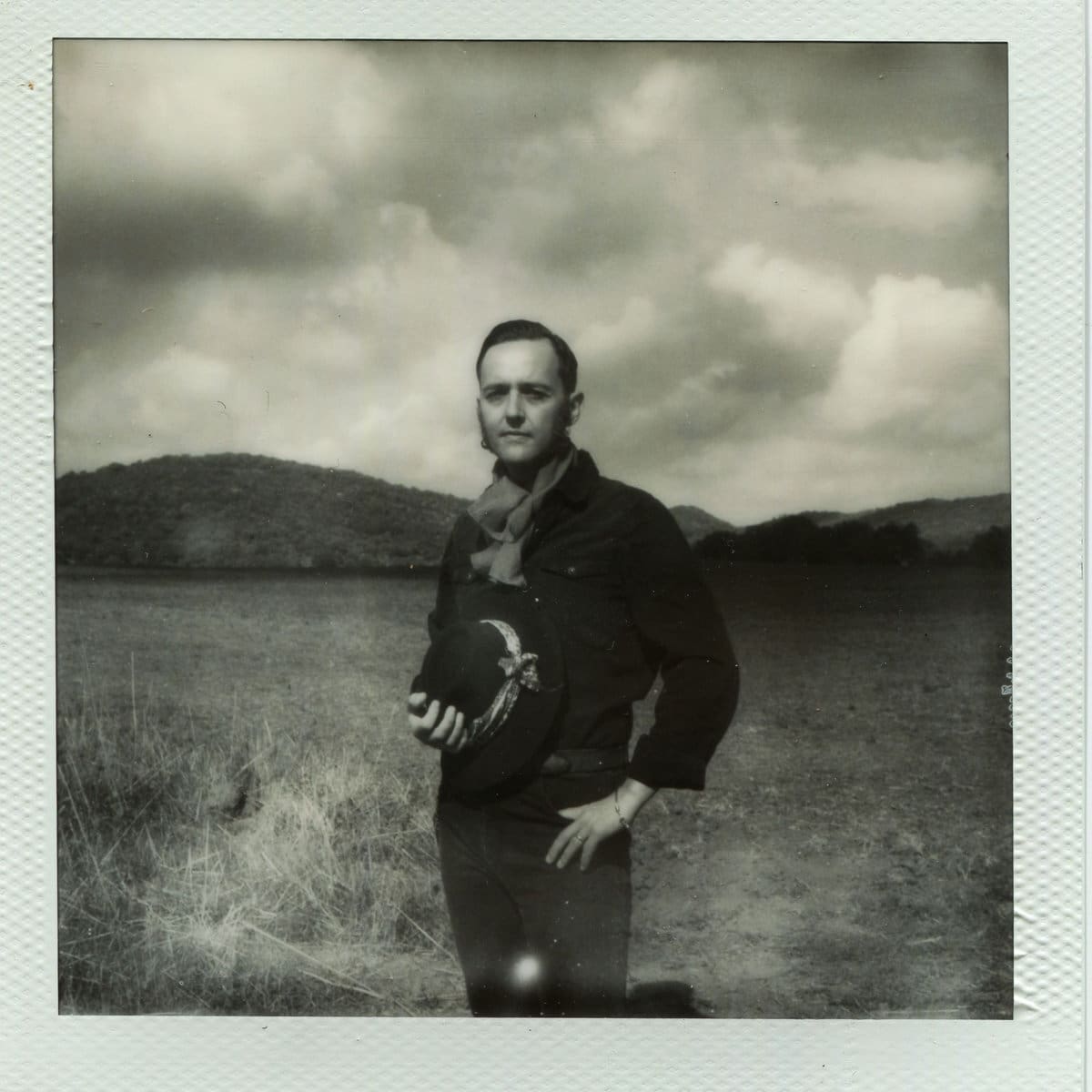
Serpico
Serpico — Guitars, Vocals, Lyrics