Alech? — Nsane Review
Alech? is a Tunisian alternative metal entity. On 1 June 2026, the band released their independent debut single, Nsane / إنسان.
Alech?, Nsane Review: This review will evaluate every aspect of the album, from its intricate musical composition to its production.
The First Three Sins, The Summary
The First Sin, The Strings/Keys: Weighty alternative-metal riffcraft, subtle Tunisian melodic inflections, spacious lead-guitar phrasing, and disciplined structural arrangements create a powerful framework that balances cultural identity with modern accessibility. The Second Sin, The Vocals: Mohamed Amine Houij delivers a raw and emotionally fractured alt-metal rasp, while Imen Houij provides a soft, spectral counterpoint, together forming a compelling dialogue between confrontation and vulnerability. The Third Sin, The Percussions: Crisp contemporary drumming, tightly controlled rhythmic propulsion, and precision-focused percussion patterns drive the composition forward without sacrificing emotional nuance or atmospheric tension.
The Fourth Sin, Overall Discussion
A New Voice from Tunisia
Before diving into the sonic depths of the track, one must understand that Alech? is a vital new force emerging from Tunisia with a musical lineage that truly matters. The project features three former members of the pioneering Tunisian punk-metal outfit H.I.V. (1998–2010), who reconvened in 2023 to forge an entirely new creative hybrid.
This new entity deliberately binds the visceral weight of alternative metal directly to Tunisian cultural identity through language, rhythmic cadence, and a stark, localized atmosphere.
Nsane / إنسان (meaning Human) serves as the first clear, uncompromising statement of that artistic intent. It is a track that carries the raw, emotional volatility of modern alternative metal, yet it completely avoids the trap of Western mimicry by grounding its entire soul in authentic regional character.
The Human Cry
The song opens with an exercise in artfully restrained tension: the guitars are held in a low simmer, the bass sits warm and highly supportive in the low-end, and the drums push forward with a tight, modern discipline.
Yet, the moment the vocals pierce through the mix, the entire thematic picture sharpens into focus. Mohamed Amine Houij delivers an incredibly raw, harsh-edged, and emotionally cracked performance. Completely avoiding the safely polished, melodic pop-rock tones that often dilute modern alternative metal, he opts for a genuine alt-metal rasp.
His delivery is visibly shaped by frustration, identity conflict, and a fierce lyrical insistence on being recognized as إنسان — a human being, rather than a misread caricature. His phrasing carries the immense weight of lived experience rather than mere genre affectation.
Standing directly opposite him is Imen Houij. Her vocals are soft and spectral — deepening the track’s emotional fracture rather than smoothing it over. Together, the two vocalists create a dialogue that mirrors the inner friction of the modern human condition.
Melody Within the Fracture
Instrumentally,the band operates with clarity and fierce purpose. Wael Ben Jemaa’s rhythm guitar provides a rock-solid structural backbone that is tight, highly percussive, and modern in its execution. Over this driving foundation, lead guitarist Maaoui Mounir threads melodic lines that subtly invoke traditional Tunisian modal colours.
Amidst this intense psychological weight, the lead guitar occasionally carves through the arrangement with a faint, soulful Pink Floyd echo. This is not a cheap imitation, but rather an intentional embrace of the same emotional sustain and vast, spacious phrasing that made David Gilmour’s work on The Wall so enduring.
It provides a moment of cinematic breathing room right when the track’s heavy alt-metal claustrophobia threatens to overwhelm the listener.
Beneath the melodic weight, Bassem Meddeb’s bass work is understated yet essential. He keeps the track anchored to a dark, grounded pulse, working in tandem with drummer Enis Hammemi.
Hammemi keeps the song’s momentum taut and driving, utilising crisp, contemporary percussion patterns that completely avoid hollow technical excess in favour of razor-sharp rhythmic precision.
Precision and Presence
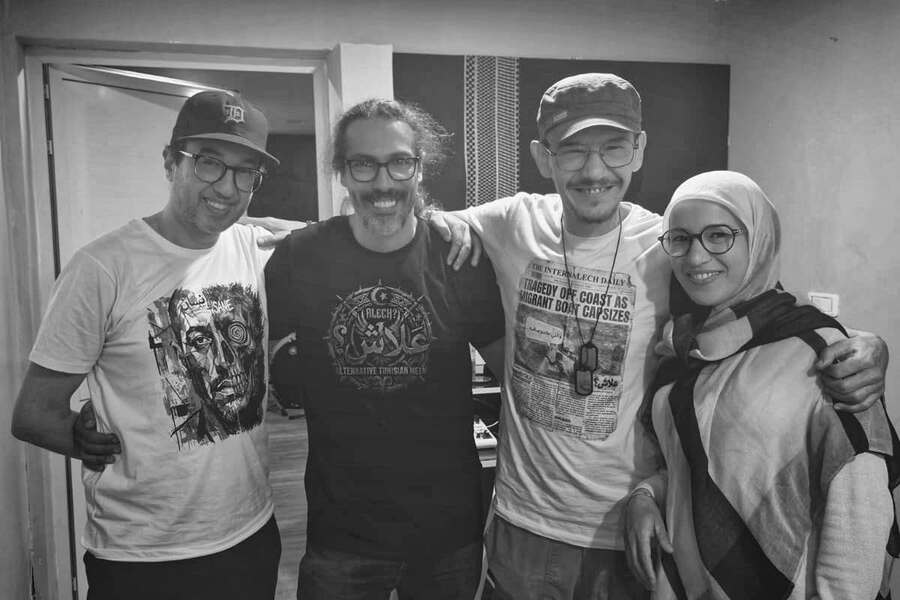
The devilmanship within the band is honed to a razor-sharp edge. The instrumentation remains disciplined, while the compositional flow feels natural and assured. This structural perfection is beautifully elevated by the production, which was handled by Alkimya Audio and recorded at Men Wild Tunis Studio.
The sonic profile is clean, modern, and radio-tight.
Instead of buried tracks or lo-fi obscurity, the vocals sit prominently forward in the mix, while the guitars are masterfully layered for maximum stereo width. The overall mix intentionally favours emotional immediacy over brute, distorted heaviness. It is not raw, nor is it meant to be; this immaculate sonic clarity serves the song’s deeply personal, confessional tone, ensuring that every ounce of identity conflict and human frustration is delivered with uncompromised impact.
The Weight of Being Human
Lyrically, Nsane revolves entirely around identity, systemic misperception, and the harrowing internal struggle between inner chaos and necessary self-assertion.
The relentless insistence on humanity within the refrain —إنسان— gives the entire track its emotional spine. This is not a political statement designed for a crowd, but a deeply personal battle; it is not theatrical posture, but a lived-in reality.
Alech? are completely uninterested in trying to be Western. They are not trying to conform to the predictable boundaries of modern metalcore, or alt-rock, nor rap-rock. Instead, they are boldly carving out a distinct Tunisian alternative metal dialect — one that strategically uses the right vocals, radio-tight modern production, and deep cultural specificity to articulate something entirely and unapologetically their own.
The Heartbeat Remains
Overall, Nsane / إنسان is a remarkably strong opening gesture from a band with a legacy that truly matters. It is not flawless, nor is it fully formed just yet, but it remains an unmistakably sincere fruit of art that demands your undivided attention.
As the track draws to a close, Nsane softly fades into the darkness, leaving only a faint, isolated heartbeat that can be clearly heard echoing in the quiet — a final, rhythmic reminder of the song’s core plea that beneath the heavy, distorting weight of modern isolation, a human being is still breathing.
The Fifth Sin, The Memorabilia
For me, Nsane / إنسان was entirely unexpected. I didn’t find a standard alternative metal track; instead, it occupies a fascinating, distinct territory in between genres. It strips away the predictable, polished heaviness often found in mainstream alternative metal, replacing it with the raw, urgent aggression of punk rock — yet delivered with a touch of softer, melodic vulnerability.
What truly elevates this single into a league of its own is the band’s brilliant decision to execute the track in their native tongue. Singing in Arabic gives the song an incredibly strong, deeply emotional, and entirely unique spine that resonates long after the final note fades.
The Sixth Sin, The Artwork
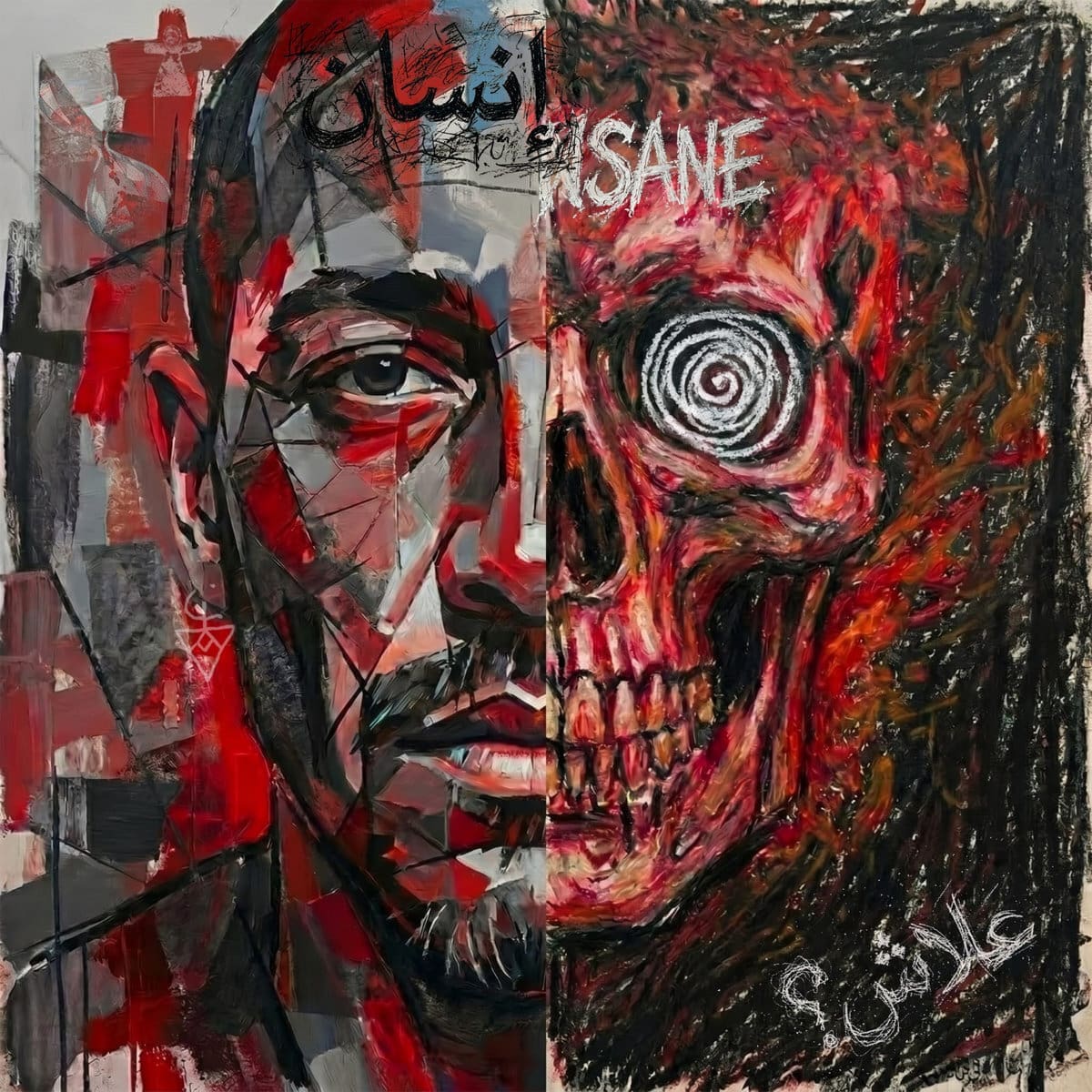
The single’s visual presentation serves as a direct, uncompromised mirror to the song’s sonic architecture. The artwork beautifully captures the core theme of the music — visually interpreting that raw, internal human struggle between chaotic isolation and the desperate need for self-assertion.
The Seventh Sin, Disrelish
I find exceptionally little to actively disrelish on this release. The performance is incredibly focused, and the devilmanship is remarkably mature for a burgeoning project. The only true critique is the inherent brevity of a single gesture; it provides a fleeting glimpse into a powerful Tunisian alternative metal dialect, leaving the listener completely addicted and demanding a full-length record to see how this sonic landscape expands.
The Hymns
01. Nsane
Alech?
Mohamed Amine Houij — Vocals
Imen Houij – Vocals
Maaoui Mounir – Lead Guitar
Bassem Meddeb – Bass
Enis Hammemi – Drums
Wael Ben Jemaa – Rhythmic Guitar