Baylec — Camus Review

Baylec is an American atmospheric and depressive black metal solo act. On 14 January 2026, Baylec released his fourth independent full-length, Camus.

Baylec, Camus Review: This review will evaluate every aspect of the album, from its intricate musical composition to its production.
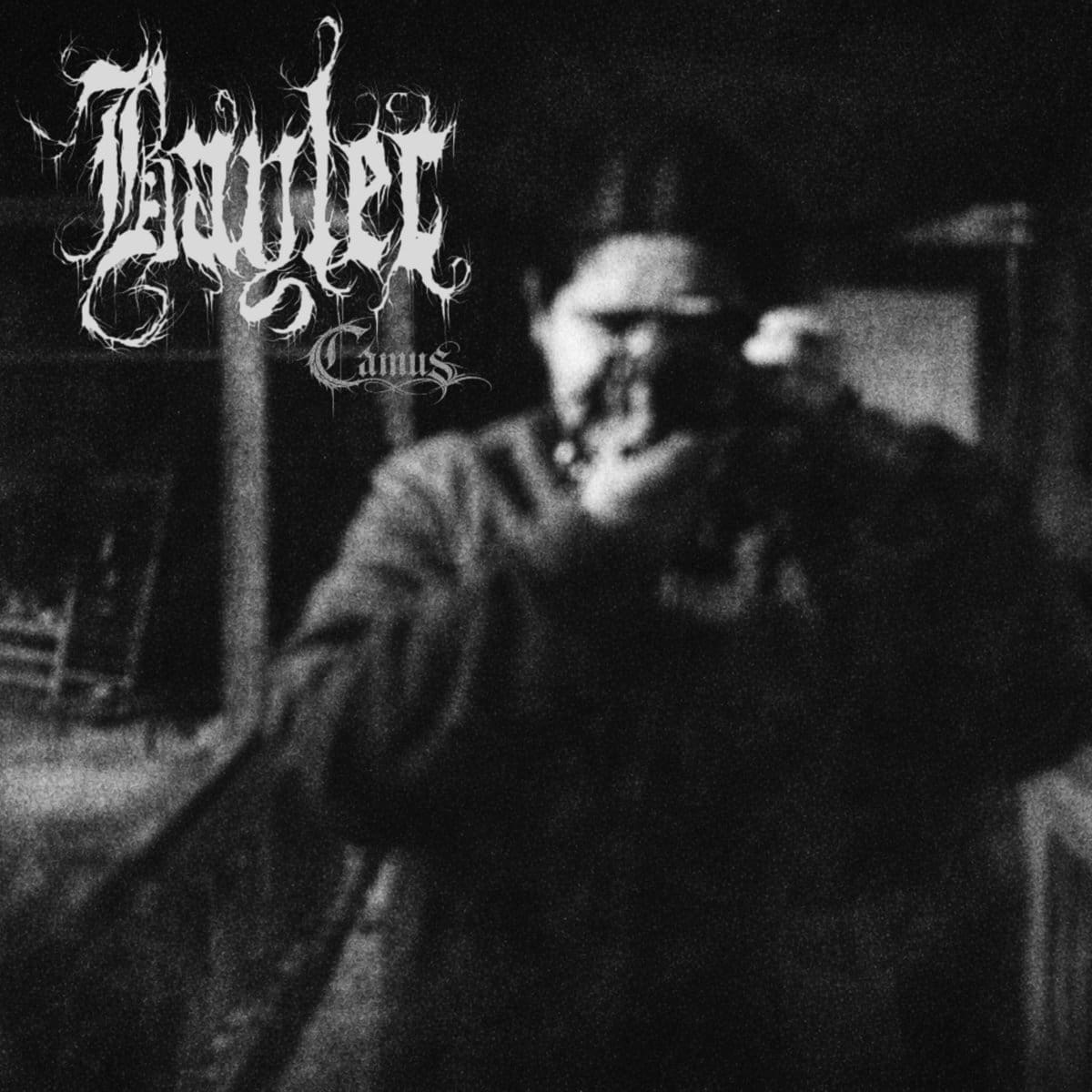
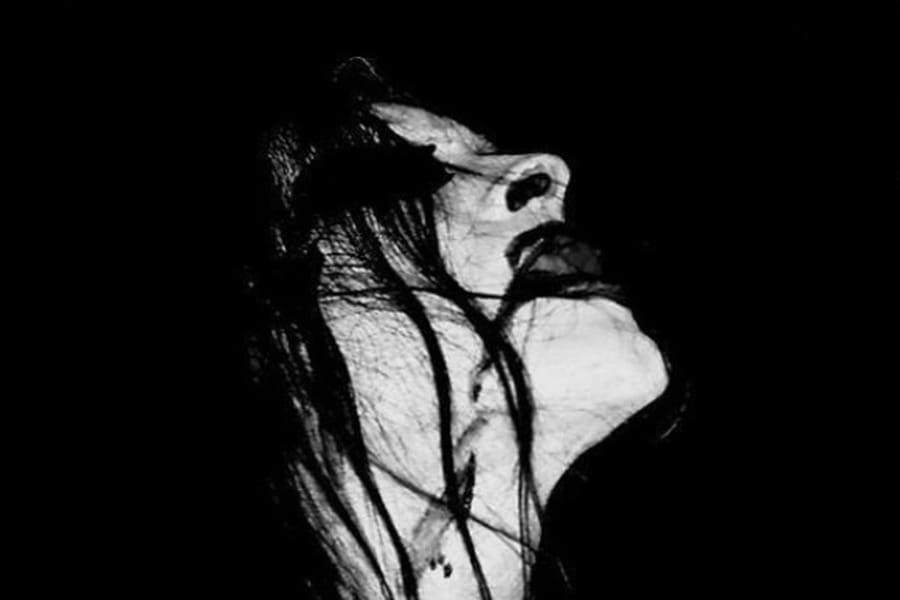
Baylec — Camus album cover

The First Three Sins, The Summary

The First Sin, The Strings/Keys: Thin, brittle tremolo lines — cold, distant, and memory-laden, drifting through a suffocating grey haze. The Second Sin, The Vocals: High, strained shrieks — disembodied, anguished, and buried deep in the mix like a voice echoing from another room. The Third Sin, The Percussions: Minimalist, restrained drumming — a sombre, human pulse that underpins the descent without ever breaking the spell.

⸸ ⸸ ⸸ ⸸ ⸸ ⸸ ⸸

The Fourth Sin, Overall Discussion

Opening: The Grey Threshold

The moment the listener presses play, the opening hymn As the Grey Clouds Dissipate greets them with an immersive audio recording. This serves as a haunting threshold that leads you directly into a grey, slow, suffocating atmosphere.

It is a sonic fog that does not just surround the listener; it settles over them, signalling a departure from the light and a deep immersion into Baylec’s atmospheric desolation.

The Weight That Refuses to Lift

As the journey continues through the remaining seven hymns, Camus unfolds over a thirty-minute runtime that systematically clouds the soul. A heavy, depressive, atmospheric aura refuses to lift. Be warned, this is no walk in the park, nor is it for the faint of heart. 

The slow, crushing weight of the composition is steeped in existentialism, introspective bleakness, and the sound of mental collapse.

This is music for solitary moments — a time to let the outside world drift away and surrender to the headphones. It is designed to drag the listener into the somewhere nothing and beyond, providing a dark sanctuary for those who find comfort in the absolute bottom of the abyss.

Memory, Distance, and the Vanishing Light

Musically, Baylec skilfully blends the raw, unpolished production of the United States black metal underground with the vast emotional landscapes of depressive and atmospheric black metal. It merges the spectral, claustrophobic depression of Xasthur with the wind-scoured melancholy of Woods of Desolation. 

Yet, it also reaches toward the luminous, aching despair found in Thy Light, forging a solitary depressive and atmospheric rite that is entirely its own.

In this soundscape, tremolo becomes memory; riffs feel like echoes of a lost past. Reverb becomes distance; every note creates a sense of being miles away from the world. Every fragile chord hangs like frost — a delicate, cold presence that lingers in the air before shattering.

Listening to Camus feels like watching a candle slowly burning away — a flicker of light struggling against an all-consuming grey until, finally, it vanishes.

The Solitary Voice in the Hollow Space

The devilmanship behind Baylec is a one-person labour, forged to precision in both instrumental composition and arrangement. There is a terrifyingly focused precision here; every layer serves the narrative of a mind in the process of fading. As a solitary rite, the music feels less like a studio session and more like a private, nocturnal excavation of the self.

The vocals are one of the most spectral elements of the album — distant, anguished, and ghostlike. Rather than leading the hymns, they sit low in the mix, defined by high, strained shrieked delivery captured with a reverb tail that makes the voice feel entirely disembodied.

The production creates a sense of physical distance, as if the screams are echoing through the hallways of an empty house. Spoken and whispered passages appear in the more introspective hymns; these moments ground the record in a raw, human reality.

These are not performative vocals; they feel like an internal monologue made audible. It is a private despair, a secret grief that the listener is merely overhearing from the shadows.

The Fragile Spine of Sound

The guitars serve as the emotional spine of Camus, defined by a minimal distortion profile. This is not a lo-fi aesthetic, but an intentionally thin, brittle tone that creates a cold air around every note. It is a sound that feels less like a wall of noise and more like fragile, icy structures.

The melodic architecture of the album is built on midrange layered harmonies, providing hymns like Path to Elysium and Martyrdom with a drifting, almost post-black shimmer. Wistful high-register tremolo feels yearning rather than purely bleak, suggesting a memory of something lost.

The existential reach carries the album’s core philosophy — shifting from rage to a profound, quiet resignation.

To enhance the pervasive melancholy, Baylec carefully layers additional textures: Slow clean guitars dominate the fourth hymn Below, deepening the atmospheric gloom. Acoustic interventions on the fifth hymn, Path to Elysium, add a layer of sorrow and greyness that blankets the entire composition.

The bass, while felt more than heard, plays a crucial structural role — acting as the heavy, silent floor for the shimmering, wistful guitars above.
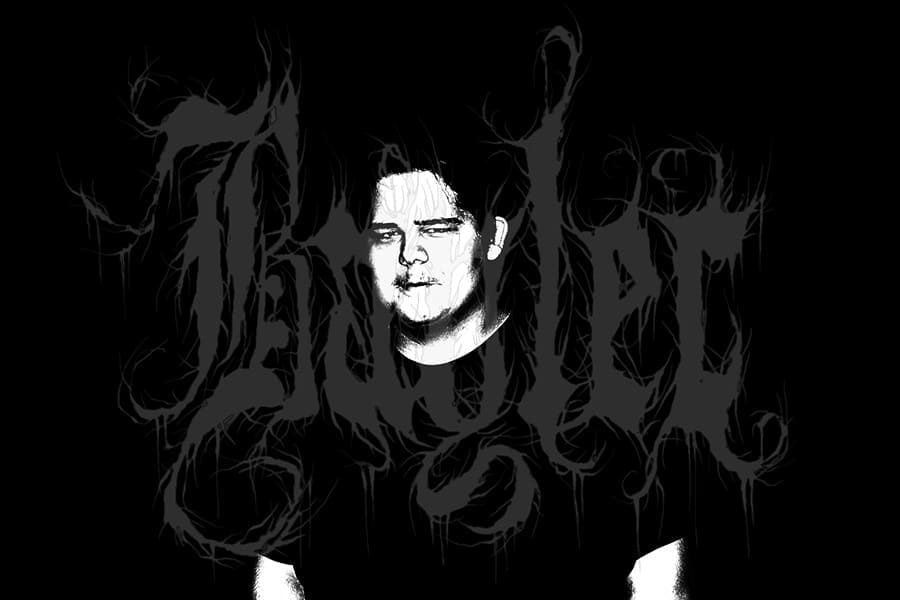
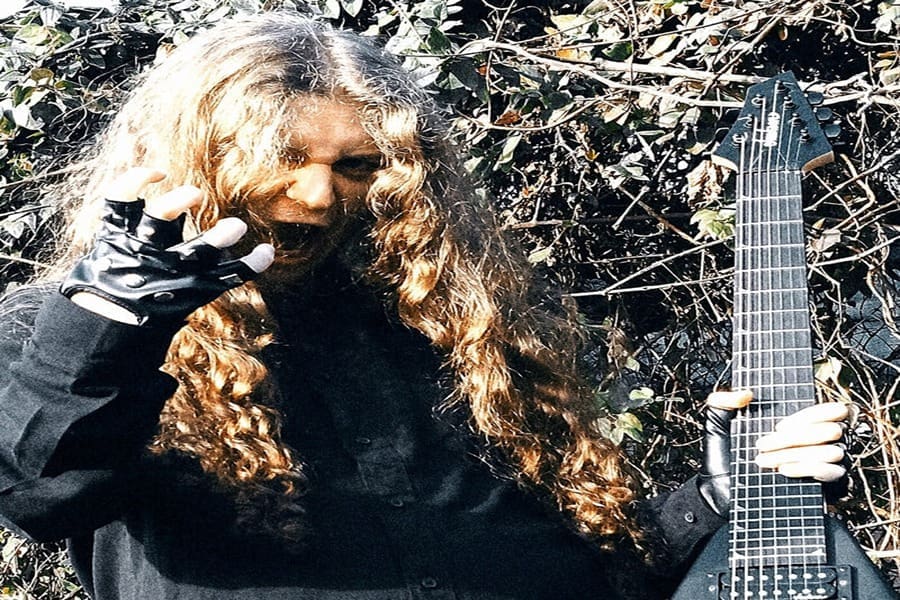
Baylec — band photo

The Pulse Beneath the Fog

The drumming on Camus, whether performed or expertly programmed, is crafted to feel organic, prioritising atmosphere over raw aggression. The drums do not fight for the listener’s attention; instead, they provide a steady, sombre heartbeat for the grey clouds to drift over.

The rhythmic structure is defined by mid-tempo blasts used with such subtlety that they never dominate the mix, acting more like a surge of wind than an assault. Sparse fills, consisting of single-stroke rolls or haunting tom accents that punctuate the silence without breaking the spell.

By remaining subdued, the percussion allows the guitars and disembodied vocals to occupy the foreground, ensuring the record’s existential weight remains the primary focus.

The Claustrophobic Mirror

The production of Camus serves as a mirror to its existential themes — a sound that feels as if it is dissolving at the edges. The mix is intentionally claustrophobic and solitary, creating a space where the listener feels trapped within the artist’s internal landscape. While carrying the DNA of bedroom black metal, it is executed with clear, unwavering intention rather than accidentally.

Every layer of hiss and every muffled frequency is a deliberate brushstroke in this thirty-minute portrait of mental collapse.

Closing: The Final Flicker

The album reaches its conclusion with the closing hymn, Whatever So Pale. As the music begins to recede, it mirrors the slow guttering of a candle. Yet, even as the final note vanishes, the depressive and atmospheric weight lingers — a spectral presence that remains in the room long after the flame itself has been exhausted.

Overall: The Descent Complete

Overall, Camus is a grey, anguished fruit of art that sits heavy on the chest. It is a record that leans into existential melancholy rather than fury — a stylistic choice that remains deeply in line with the album’s title and thematic direction.

Camus is an album where the heaviness moves beyond claustrophobia; it deepens into something darker and more solitary. Each hymn pulls you further into the mind of Baylec himself, until you are left wandering the same dim corridors of dread, resignation, and internal collapse.

It is a descent where the light does not just fade — it is forgotten.

⸸ ⸸ ⸸ ⸸ ⸸ ⸸ ⸸

The Fifth Sin, The Memorabilia

For me, Camus is precisely what I seek in depressive music: it is atmospheric, slow, and carries that extra scoop of coffee in the cup — a bitter, concentrated strength.

While some may find this level of heaviness and despair overwhelming, to me, it is a form of relaxation. It belongs in the darkness alongside Xasthur and other titans of the genre. I can almost see the steam of a bath rising in a dark room while this plays; it is a sanctuary for the isolated soul.

The Sixth Sin, The Artwork

The artwork serves as a visual threshold. It is not just a cover; it feels like a direct window into the mind of Baylec himself.

The Seventh Sin, Disrelish

There is little to disrelish for listeners who actively seek music that is dark, isolated, and claustrophobic. If you are looking for a way to disappear into the somewhere nothing, Baylec offers no friction — only a steady, inexorable pull into the depths

⸸ ⸸ ⸸ ⸸ ⸸ ⸸ ⸸

The Hymns

01. As the Grey Clouds Dissipate
02. Martyrdom
03. Cry for Choir
04. Below
05. Path to Elysium
06. Camus
07. Nothing Was Kept
08. What’s Ever So Pale

Baylec

Cayleb Copeland — Everything
Reviewed by Kristian — editorial architect and ceremonially crafted. © Athenaeum of Sin Reviews.

Phileas — Chapitre 1: La Chute Review

Philéas is a French black metal solo project created by Lord Of Misery (Dark Plague). On 29 March 2026, Philéas released his debut full-length Chapitre 1: La Chute via Fetzner Death Records.

Phileas, Chapitre 1: La Chute Review: This review will evaluate every aspect of the album, from its intricate musical composition to its production.

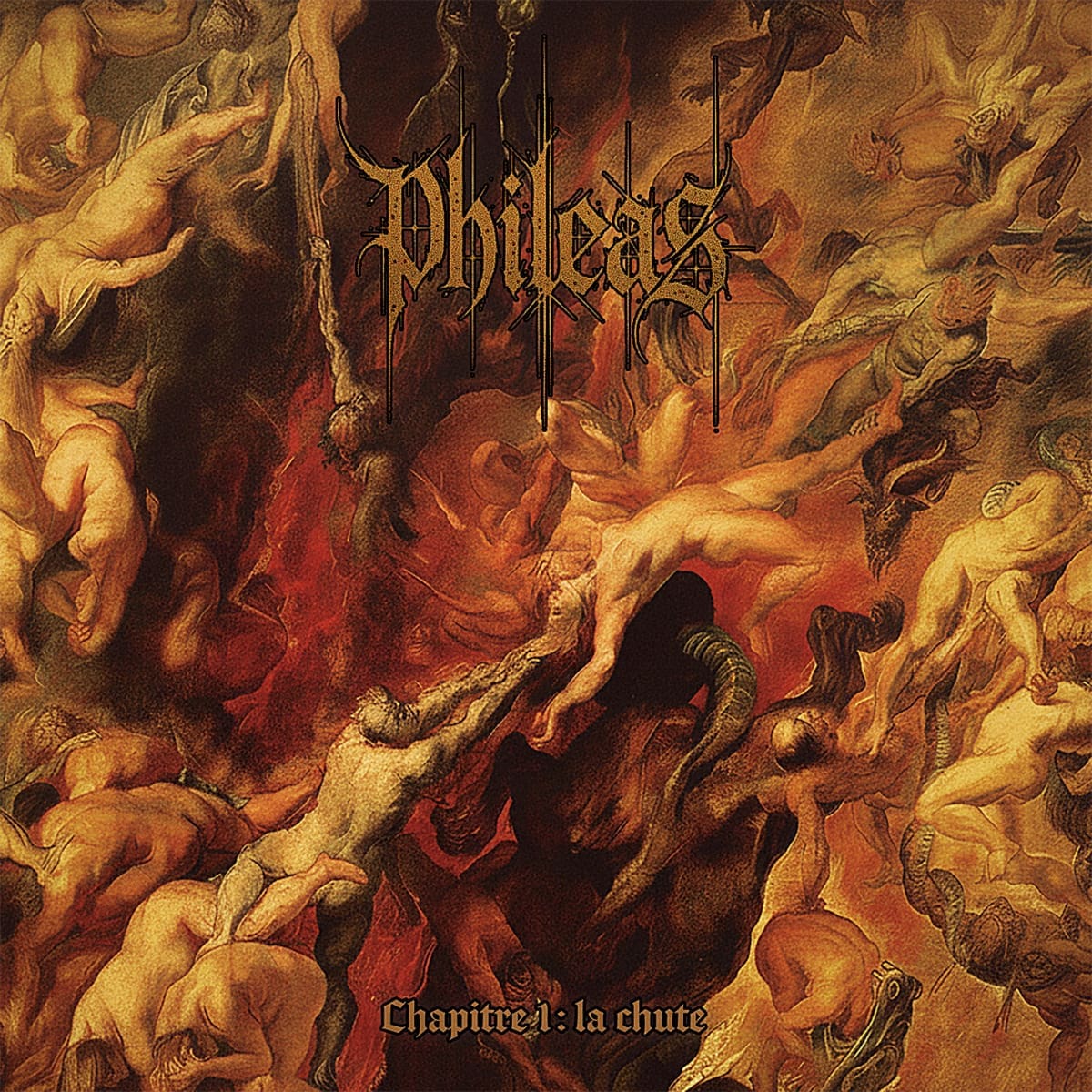
Philéas — Chapitre 1: La Chute album cover

The First Three Sins, The Summary

The First Sin, The Strings/Keys: Dry, descending tremolo lines pull relentlessly downward — melodic yet bleak, each riff tracing the geometry of collapse. The Second Sin, The Vocals: Raw, rasping screams delivered with human strain — less performance than witness, a voice dragged through the fall in real time. The Third Sin, The Percussions: Measured black metal rhythms shaped by restraint — blasts used sparingly, mid-paced patterns guiding a steady, inescapable descent.

⸸ ⸸ ⸸ ⸸ ⸸ ⸸ ⸸

The Fourth Sin, Overall Discussion

The Threshold of the Fall

The moment the listener presses play, the opening hymn, Au Commencement, greets them with a purely instrumental invocation. It serves as a threshold — a breath of atmospheric stillness — before the record transitions into the remaining eight hymns.

This opening acts as a cinematic prologue, establishing the emotional stakes for La Chute. 

It is the calm before a descent that promises to be both expansive and deeply narrative.

A Descent Without Resistance

Do not let the brief, two-minute opening hymn mislead you; Chapitre 1: La Chute is a forty-minute descent into a specialised form of black metal. It is a dark fruit of art — melodic yet bleak, it swaps pure aggression for a pervasive sense of the depressive and the introspective.

The sound is notably dry and gritty, eschewing the polished sheen of modern recordings for a texture that feels tactile and weathered. This sonic choice serves perfectly the album’s emotional core, which carries that unmistakable French black metal tension.

This is not a record that attacks; it is a record that haunts, capturing a melodic sorrow that is as gritty as it is graceful.

The Geometry of Damnation

The conceptual heart of Chapitre 1: La Chute is built upon the harrowing geometry of Peter Paul Rubens’The Fall of the Damned. 

The music does not attempt to depict the tortures of hell itself; instead, it inhabits the precise, agonising moment when salvation becomes an impossibility. The bodies in Rubens‘ work are not yet being punished — they are simply, irrevocably lost. Phileas captures this irreversible movement toward the abyss with a sonic palette that mirrors a total spiritual collapse.

The album is constructed as a single, continuous descent — an uninterrupted fall into the dark. 

The musical progression follows this descent with chilling accuracy — 

The Glimmer — it begins with a faint, fragile light (the opening instrumental). 

The Slip — it slowly loses its footing, sliding into a dry, gritty melodicism. 

The Erasure — it culminates in a total descent into darkness and silence.

This is not a collection of hymns, but a single inexorable fall. The music carries the weight of those falling bodies, creating a sense of kinetic dread where the movement itself is the condemnation.

Strings That Collapse Inward

The devilmanship behind Phileas is a solitary labour, resulting in a composition and arrangement that is remarkably solid. As a single-entity project, it carries a focused, singular vision of collapse. 

The guitars are the primary driver of this emotional descent, utilising melodic but bleak riffing that is often built on minor-key tremolo lines. Most impressively, the guitar work employs descending motifs, musically mirroring the album’s central theme of the fall.

These are not just riffs; they are the sonic representation of losing one’s footing and slipping into the abyss. The guitar work is also expressive but pointedly never polished. It is meant to feel human, strained, and collapsing. The riffs shift between cold, mid-paced marches — capturing the sombre realisation of the descent — and frantic passages, evoking the panic of the irreversible slide toward the dark.

The guitar tone is dry, gritty, and unvarnished, matching the intentionally raw production of the record. There is no studio magic here to hide the pain; it is a naked, tactile sound. The bass is mixed with restraint, serving the narrative of the fall rather than drawing attention to itself — acting as the heavy, silent anchor that ensures the descent remains constant.

Rhythms of the Unavoidable

The drums are either performed or programmed by Lord of Misery, but they are crafted with a deliberate sense of organic reality. By utilising a dry, close-mic production, the percussion reinforces a claustrophobic atmosphere, making The Fall feel intimate and suffocating.

The rhythmic structure of the hymns is defined by straightforward black metal blasts, used sparingly to punctuate the most intense sections of the descent — where rock- and jazz-influenced rhythms appear in the transitions — a sophisticated stylistic choice that separates Phileas from more linear black metal acts.

Ritualistic mid-paced patterns — these dominate the majority of the runtime, providing a steady, hypnotic pulse that guides the listener deeper into the abyss.

Phileas — band photo

A Voice Dragged Through the Abyss

The vocals are one of the album’s defining features: raw, expressive, and profoundly human. They are primarily delivered as harsh, rasping black-metal screams, punctuated by occasional deeper growls to emphasise the most harrowing moments of the descent.

The delivery is intensely emotional and strained — almost theatrical in places — sounding less like a polished recording and more like a narrator being dragged through the fall in real time.

Atmosphere Without Ornament

Chapitre 1: La Chute is built without the aid of traditional synth pads or symphonic elements. Instead, the ambient textures are forged through clean guitars, heavy reverb, and deliberate noise layers. This minimalistic sound design ensures the atmosphere remains dry, gritty, and unpolished. By eschewing keyboards, Phileas keeps the sound grounded in a physical, string-driven reality that matches the unvarnished pain of the concept.

The Language of the Lost

The lyrics are delivered in French, and despite the extremity of the vocals, they carry a striking sense of clarity and intention. This linguistic choice reinforces the narrative of a spiritually wounded existence, lending the record a liturgical, tragic weight. 

The listener does not just hear the noise; they feel the specific, articulated pain of a soul losing its grip on salvation.

The Final Vanishing

As Chapitre 1: La Chute draws to a close, there is no resolution — only the final stages of the descent. The music does not erupt or conclude; it diminishes, as if the fall has reached a point beyond sound — where motion continues but expression fails.

Phileas does not end the journey — he lets it disappear into the abyss.

A Descent Without Redemption

Overall, Chapitre 1: La Chute is a dark, forbidden fruit of art — the odyssey is structured as a continuous descent, a sonic translation of Rubens’ The Fall of the Damned. The oppressive, introspective weight — so characteristic of the French school — is generated through four specific pillars:

(I) Despair-laden guitar lines: melodic but bleak, pulling the listener downward. (II) Raw, expressive vocals: a human witness to the spiritual collapse. (III) Rhythmic slippage: shifts in tempo that feel like the losing of one’s footing. (IV) Sparse ambient breaths: moments of haunting stillness that act as the final gasp before the next plunge into the abyss.

A descent without redemption, Chapitre 1: La Chute stands as a stark, sonic testament to the crushing weight of the fall.

⸸ ⸸ ⸸ ⸸ ⸸ ⸸ ⸸

The Fifth Sin, The Memorabilia

For me, Chapitre 1: La Chute is not for the weak-minded. This is French black metal elevated to another level — an atmosphere that is utterly suffocating. It is music that demands you take a step back, put on the headphones, and simply let the composition pull you down into its depths. 

It is a rare Memorabilia item that does not just play; it colonises the listener’s headspace

The Sixth Sin, The Artwork

The artwork, taken from Peter Paul Rubens’ The Fall of the Damned, aligns perfectly with the album’s descent. Rubens captures the precise moment salvation is lost — bodies spiralling downward, swallowed by chaos — and that same irreversible fall shapes the album’s entire narrative. The cover becomes a visual echo of the music: a plunge from light into darkness with no hope of return.

The Seventh Sin, Disrelish

There is nothing to disrelish here. The only issue is the music’s absolute power; it is designed to consume and suffocate you. If you enter this Chute, do not expect to emerge the same.
⸸ ⸸ ⸸ ⸸ ⸸ ⸸ ⸸

The Hymns

01. Au Commencement
02. Je suis éterne
03. Arrogance & décadence
04. Le visage de la honte
05. Lame de vérité
06. L’orée du gouffre
07. Vox Morits
08. L’antichambre
09. D’enfer!

Philéas

Lord Of Misery — All Instruments, Vocals

Reviewed by Kristian — editorial architect and ceremonially crafted. © Athenaeum of Sin Reviews.

Haissem — Aeon Citadel Review

Haissem is a Ukrainian melodic black death metal solo project. On 27 March 2026, Haissem released his ninth full-length, Aeon Citadel, co-released via Arx Productions and More Hate Productions.

Haissem, Aeon Citadel Review: This review will evaluate every aspect of the album, from its intricate musical composition to its production.

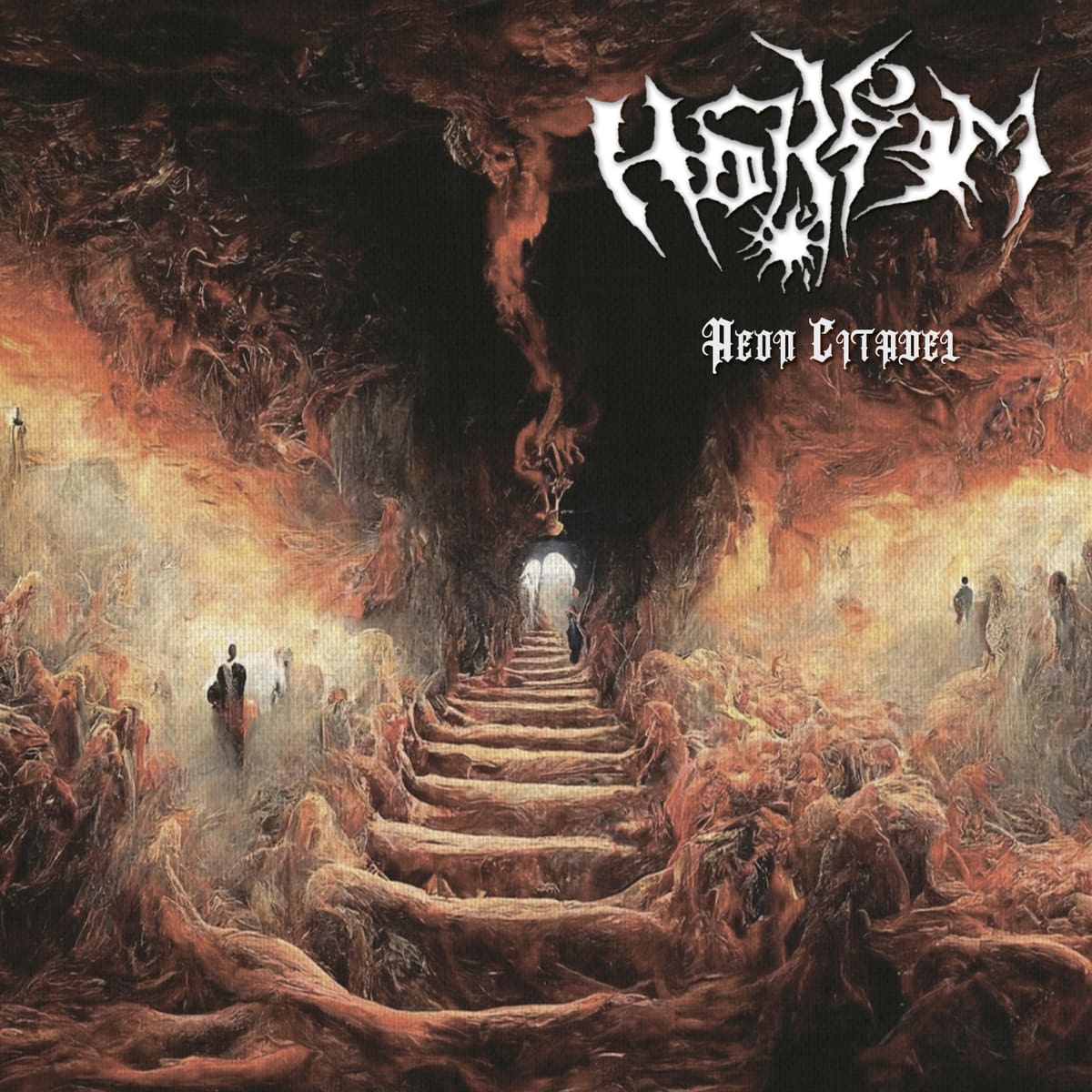
Haissem — Aeon Citadel album cover

The First Three Sins, The Summary

The First Sin, The Strings/Keys: Icy, melodic tremolo lines carve through a dense, blackened wall of sound. The Second Sin, The Vocals: A dual-layered vocal assault consumed by its own disdain, shifting between torment and command. The Third Sin, The Percussions: Measured yet forceful drumming — blast-beat eruptions and mid-paced grooves carefully deployed to sustain momentum.

⸸ ⸸ ⸸ ⸸ ⸸ ⸸ ⸸

The Fourth Sin, Overall Discussion

The Gates of the Citadel

The moment the listener presses play, the opening hymn, The Authenticity of Pious Disdain, greets them with a wall of heavy guitar distortion and dark, abrasive vocals. It does not merely begin; it initiates a ritualistic build-up, a sonic foundation for the architectural darkness to unfold.

There is an immediate sense of weight — not only in the tone, but in the atmosphere — suggesting that the Aeon Citadel is a place of both ancient power and relentless, blackened hostility.

Chambers of Immense Scale

As the journey continues through the three remaining hymns, the album reveals its massive, monolithic structure. At forty minutes, Aeon Citadel demands total immersion. Apart from the opening hymn, which clocks in at over eight minutes, the subsequent hymns push past the ten-minute threshold.

These are not mere hymns; they are expansive, long-form compositions that allow the darkness to breathe, expand, and eventually suffocate. 

This deliberate pacing reinforces the album’s title, making each hymn feel like a chamber within a vast fortress of sound.

The Swedish Echo in Stone

With Aeon Citadel, Haissem has moved toward a sound that is far more expansive and profound than previous releases. This is not mere imitation, but a precisely captured essence of the Swedish school.

Aeon Citadel echoes the melodic phrasing of Dissection, utilising icy tremolo lines and grand pacing that defined the genre’s peak. The architectural depth of the album is further reinforced by the mid-paced grooves of Sweden’s Unanimated, providing a rhythmic backbone that feels both ancient and relentless. 

The long-form melodicism of Sweden’s Dawn allows the compositions to unfold with a patient, blackened majesty.

These melodic elements do not sit in the mix — they drift over the darkness, creating a foggy, dismal aura that envelops the listener. It is a sonic landscape where the coldness of the melody provides the only light in an otherwise suffocating void.

Devilmanship of the Lone Architect

The devilmanship behind Haissem is performed by a single entity — a feat that is forged to perfection. The composition and arrangement are executed with absolute precision.

It is a solitary labour that feels as vast and inhabited as a full coven, yet carries the focused intensity of a lone creator.

The guitars serve as the spine of the album, projecting a blackened aura with riffs that masterfully shift between raw, evil-toned dissonance — forming the record’s aggressive edge — and foggy, melancholic melody, creating a strong sense of narrative movement across these longer hymns.

In these expansive structures, the leads and solos are melodic rather than chaotic. They act as the emotional arc of each ten-minute movement, guiding the listener through the citadel’s darker chambers. While tremolo picking dominates the faster passages — anchoring the sound in raw black metal — subtle, clean guitar textures appear in the background of at least one hymn, adding a layer of spectral depth. 

The bass, while not foregrounded, remains clearly present and functional, providing a grounded foundation for the melodic clouds above.

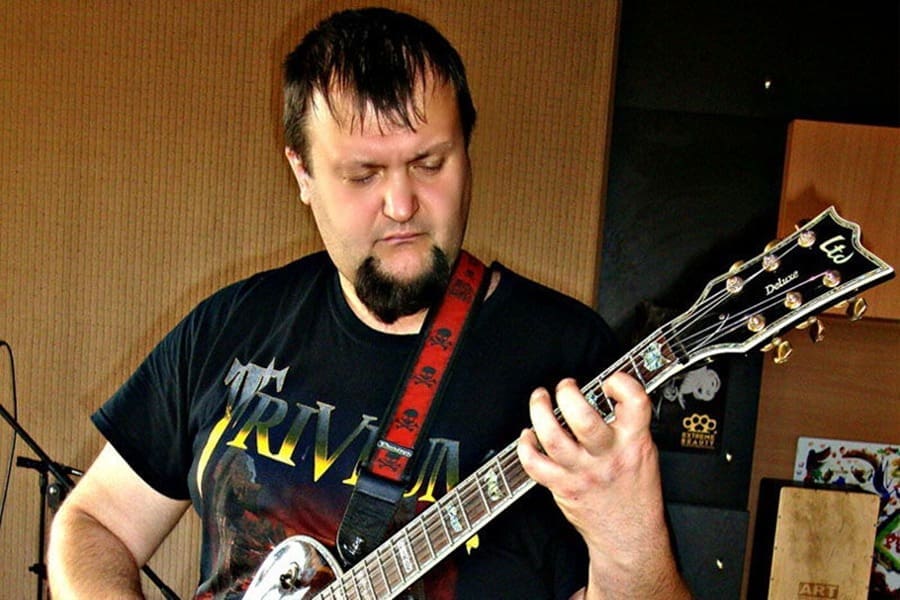
Haissem — band photo

The Pulse Within the Walls

The drumming is a skilful blend of classic black-metal aggression and groove-driven momentum. Rather than a constant blast-beat assault, there is a wide and deliberate tempo range — slow, mid-paced, and fast movements are all utilised to shape these long-form compositions.

Some hymns lock into a solid, near-catchy groove, providing a stable rhythmic platform for the guitars and vocals to ride. This rhythmic variety is essential for a forty-minute journey; it ensures that the citadel has a pulse that shifts with the architecture of each room.

Voices Carved in Cold Air

Haissem’s vocals feel raw, twisted, and torn — a harrowing mix of black-metal extremity and subtle tonal variation. The delivery consists primarily of high-pitched black-metal screams, but these are frequently punctuated by deep, cavernous growls for contrast. 

This vocal duality adds a layer of shifting intensity to the record, making the narrator sound as if they are consumed by the very disdain they proclaim.

A Fortress Forged in Sound

The production of Aeon Citadel feels modern at the edges, possessing the intimate, focused energy of a home studio rather than the clinical air of a big-budget recording space. 

This choice grants the album an old-school charm and a dense atmosphere at its core. The result is a professional, clear, yet still raw-edged production style — allowing the intricate melodic phrasing to shine through without stripping away the music’s blackened grit.

The Citadel Remains

As Aeon Citadel draws to a close, the weight of its architecture does not collapse; it lingers. The final moments do not offer release, but instead a slow withdrawal from the citadel’s cold, oppressive corridors, leaving behind an atmosphere that clings long after the sound has faded.

An Obsidian Monument

Overall, Aeon Citadel stands as a dark fruit of art — Haissem’s most commanding vision yet. It is an obsidian monument of melodic darkness, carved with intent, conviction, and a cold fire that endures. 

It is a testament to what a single entity can achieve when the devilmanship is fuelled by such a profound sense of pious disdain.

⸸ ⸸ ⸸ ⸸ ⸸ ⸸ ⸸

The Fifth Sin, The Memorabilia

Where does one begin with Haissem? This stands as his most profound release to date. While the hymns are expansive and long-form, they are never dull; instead, each composition is allowed the space to breathe, moving through the listener with deliberate, haunting grace. 

It is music that is simultaneously dark, melodic, and aggressive — a sound that does not just surround you, but possesses an edge that truly bites.

The Sixth Sin, The Artwork

The artwork is a perfect visual anchor for Haissem’s themes of cosmic occultism and alien god-emanation. The light depicted is not benevolent or welcoming; it is overwhelming and consuming. It perfectly mirrors the Aeon Citadel itself — a place where the atmosphere is as vast as the stars and twice as cold.

The Seventh Sin, Disrelish

Nothing to disrelish. The record achieves exactly what it sets out to do — building an obsidian monument that stands defiant against the void.

⸸ ⸸ ⸸ ⸸ ⸸ ⸸ ⸸

The Hymns

01. The Authenticity Of Pious Disdain
02. Alleged Insight
03. Ablaze
04. Alien God Emanation/The Feathered Reptiles

Haissem

Andrey Tollock — All Instruments, Vocals

Reviewed by Kristian — editorial architect and ceremonially crafted. © Athenaeum of Sin Reviews.

Urku Llanthu — Wachuma Review

Urku Llanth is an Ecuadorian dark folk and dungeon synth project. In 2026, Urku Llanthu released his sixth studio album, Wachuma, via Takiri Prod. Ind.

Urku Llanth, Wachuma Review: This review will evaluate every aspect of the album, from its intricate musical composition to its production.

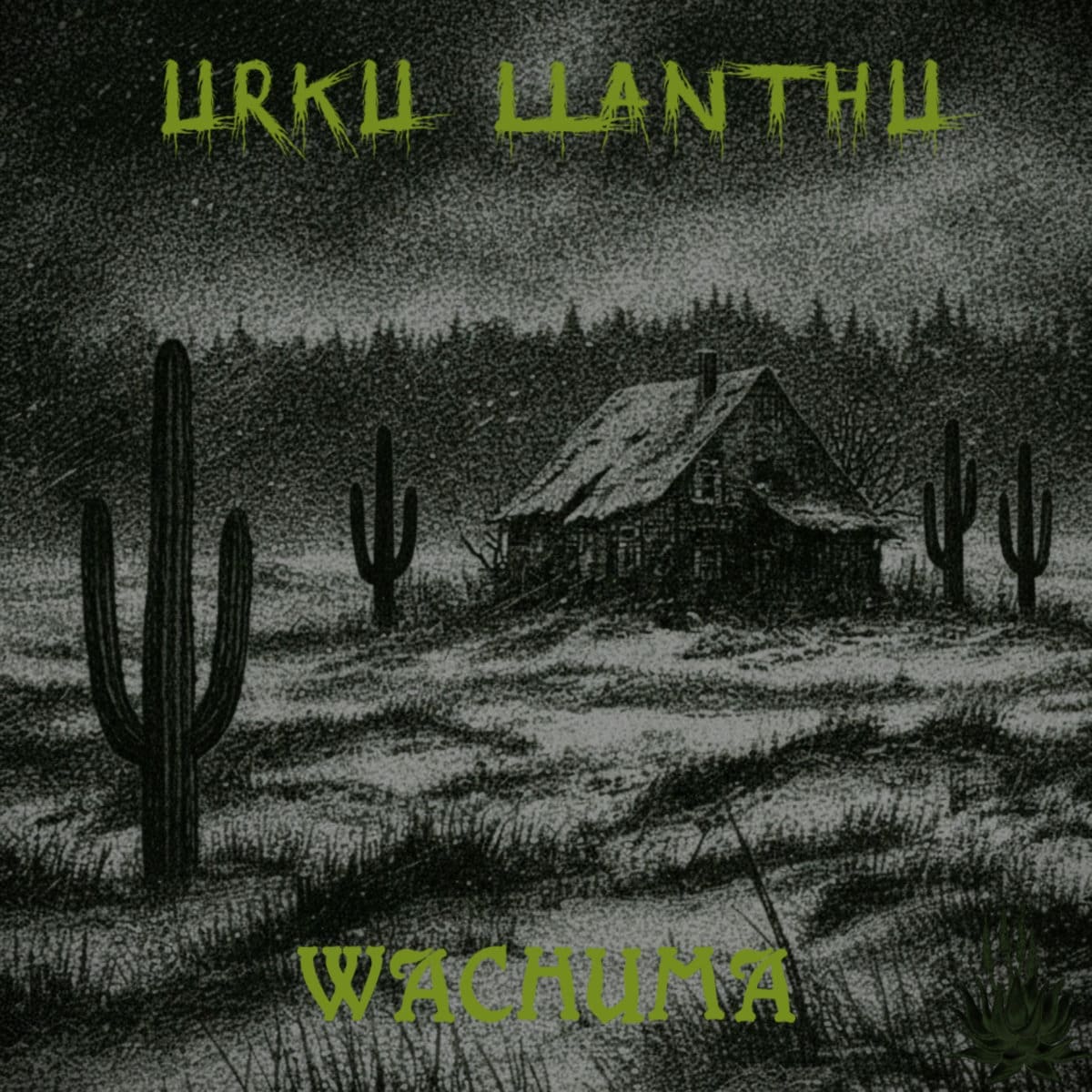
Urku Llanth — Wachuma album cover

The First Three Sins, The Summary

The First Sin, The Strings/Keys: Ceremonial synth layers drift like mountain fog—slow, meditative, and heavy with atmosphere. Rather than pushing forward, the melodies unfold patiently, allowing the listener to enter the ritual space of the Andes. The Second Sin, The Vocals: Human voices are largely absent; instead, atmosphere and wind instrumentation become the voice of the ceremony. The Third Sin, The Percussions: Rhythm appears sparingly, favouring subtle pulses and organic movement over rigid structure. When it emerges, it feels less like percussion and more like the heartbeat of the ritual.

⸸ ⸸ ⸸ ⸸ ⸸ ⸸ ⸸

The Fourth Sin, Overall Discussion

The Sacred Gate

The opening hymn greets the listener with mystical synths, an ethereal gateway that draws the spirit into the world of Wachuma. This is more than an album; it is a musical translation of the sacred Quechua medicine—an Andean plant believed to bridge the material and spiritual worlds.

As the music unfolds, we are ushered into a ceremony administered by the wachumeros (Andean priests). Within the Andean worldview, Wachuma is a medicine believed to clarify thought and soften the soul. The objective of the rite is for the participant to bloom—allowing the subconscious to open like a flower, mirroring the cactus that blooms under the cover of night.

The Stillness of the Ceremony

This is an experience that demands complete stillness. The modern world, with its noise and technical distractions, must fall silent. To enter Wachuma is to step outside linear time and into a space where the digital pulse is replaced by the ancestral heartbeat. Here the synths act as the fog of the high Andes, creating a sense of weightlessness before the rhythmic ceremony begins. It invites the listener to move from the mundane to the medicinal, where the music serves as the vehicle for the ascent of the spirit.

As the synths swirl and the atmosphere deepens, the music becomes the medicine. It is a guided meditation in the form of sound, where the blooming of the soul requires the listener to first be still.

Roots in Shadow and Earth

Urku Llanthu’s work grows from deep, shadowed roots. It is a place where the eerie, atmospheric vibes of dungeon synth meet the hushed, expansive textures of dark ambient. Here, the sharp bite of blackened atmosphere finds a strange, symbiotic peace with the ancient heart of Andean folk traditions and instruments.

As a solo project, Urku Llanthu displays a level of devilmanship that offers more than just a performance; it is an ear-to-soul experience. The compositions are profoundly well thought through, with arrangements that breathe life into the ancestral themes. 

This is no longer mere music—it is a living soundscape.

The Pulse of the Ritual

The essence of the Wachuma ceremony is not just found in the lore or the spiritual concepts—it is embedded in the very fabric of the music. From the intentionality of the composition to the spirit-led solos of the artist himself, every note becomes a pulse. This is what brings the ritual to life, ensuring the cactus bloom is felt as much as it is heard.

Urku Llanthu — band photo

Instruments of the Andes

The listener is ushered into a minimal yet profound arrangement: a foundation of mystical synths and ancient folklore layered with traditional instrumentation. Throughout the album, the calls of nature remain ever-present—the rush of a stream, the sigh of the wind, the breathing Andes themselves.

These organic textures are woven together with piano, acoustic guitars, and the distinctive wind instruments of the region, such as the Zampoña (the acoustic wood lurker) and the Quena (the traditional wood flute).

While the palette of instruments remains consistent, no two hymns are identical. There is a deliberate curation at work; certain effects or instruments are omitted when the spirit of the hymn demands it. 

Whatever is necessary to cultivate this spiritual fruit of art is included—nothing more, nothing less.

The Spirit of Lo-Fi

The world of Urku Llanthu is entirely self-produced, utilising lo-fi techniques that bypass the sterile shine of modern studios. The mix deliberately resists high-definition clarity, choosing grain over gloss and grit over polish. 

This is not a technical flaw, but a spiritual vow—a conscious rejection of studio sheen in favour of raw, unfiltered soul.

Entering the Vision

Overall, Urku Llanthu is a magical, hypnotic spiritual fruit of art. It is an experience that defies traditional critique; it simply is.

To experience Urku Llanthu is to surrender. You are invited to settle into this magical world; to let the music lead you on a profound journey. It is a path that is not necessarily easy—it explores the depths of the subconscious—but the composition guides the listener through the ritualistic realm of sound.

Crossing the Threshold

In the end, Wachuma is not merely listened to—it is entered. Urku Llanthu does not perform so much as he opens a doorway, inviting the listener to cross from the ordinary world into something older, quieter, and profoundly sacred.

⸸ ⸸ ⸸ ⸸ ⸸ ⸸ ⸸

The Fifth Sin, The Memorabilia

Once again, I find myself within the magical world of Urku Llanthu. As I have noted in my previous reviews of this project, this is music that feels truly out of this world. It is a realm that does more than just describe the Andean landscape; it transports the listener directly into it through a minimalist yet fruitful instrumental setup. It is a bridge between the soil and the cosmos.

The Sixth Sin, The Artwork

The artwork is a perfect reflection of the project’s soul. It captures the world of Urku Llanthu and the lyrical concept of the ceremony with visual precision, acting as the final ritual component that completes the music.

The Seventh Sin, Disrelish

I find no dislike here. Every review of this project presents a unique challenge, yet it remains fun and deeply enjoyable. I find myself constantly immersed in the music—like water drawn into a cactus, stored and held within.

⸸ ⸸ ⸸ ⸸ ⸸ ⸸ ⸸

The Hymns

01. Amawta
02. Chakuk
03. Hamutana
04. Pawana
05. Runa

Urku Llanth

Atuk Urku Llanthu (Pablo Mesías) — Everything

Reviewed by Kristian — editorial architect and ceremonially crafted. © Athenaeum of Sin Reviews.

Dinenthal — In the Darkness of the Earth Review

Dinenthal (Dínenðál) is a UK one-man folkloric black metal project. On 26 February 2026, he released his ninth full-length, In Þǣre Eorðan Dimmðe (In the Darkness of the Earth), via DAV Music (Dwarrowdelf Records).

Dinenthal, In Þǣre Eorðan Dimmðe Review: This review will evaluate every aspect of the album, from its intricate musical composition to its production.

Dinenthal — In Þǣre Eorðan Dimmðe album cover

The First Three Sins, The Summary

The First Sin, The Strings/Keys: Folk-infused tremolo lines rooted in Northumbrian soil — weaving mournful melody with serrated blackened edge. Piano and dungeon-synth textures deepen the atmosphere. The Second Sin, The Vocals: Ritualistic delivery, moving between mid-to-high rasp and resonant throat depth. The Third Sin, The Percussions: Measured blast work and deliberate restraint shape the album’s dual nature — balancing aggression with space so each passage lands with intent.

⸸ ⸸ ⸸ ⸸ ⸸ ⸸ ⸸

The Fourth Sin, Overall Discussion

Burial Beneath Salt Soil

Before heading into this article, this is not the final Dinenthal release, but a deep slumber.

As Dínenðál explains, “It simply feels like the right time to lay Dinenthal to rest. The project has started to clash with my writing for “Old Corpse Road”. That said, I wouldn’t say Dinenthal is finished, endings feel too final. Instead, it will be buried in the salt soils of Northumbria until called upon again. Until that day, it sleeps in silence.”

This is not an ending, but a burial beneath Northumbrian soil. Meanwhile, a new entity — Caad — prepares to rise from those same shores with a rawer atmospheric intent.

A Kingdom Remembered

The journey into In Þǣre Eorðan Dimmðe begins with Prologue — A Kingdom Remembered, an opening hymn that greets the listener with a haunting historical audio clip before transitioning into a sombre tapestry of piano, folk instrumentation, and ancient chants.

Tweed-to-Tyne Devotion

Continuing the Tweed-to-Tyne journey, In Þǣre Eorðan Dimmðe unfolds over thirty-seven minutes of blackened, folkloric devotion. These nine hymns are dark and deeply rooted in the blood-soaked history of the borderlands.

Lyrically, the record centres on the significant conflict between Northumbrian forces and the combined Scottish and Cumbrian armies—a clash that resulted in a decisive and brutal victory for the Scots. 

The music becomes a vessel for this ancient trauma, capturing the shadow of a kingdom under siege through a lens of atmospheric extremity.

Grim Evolution

In every work Dínenðál unleashes, there is a stark, intentional difference; however, In Þǣre Eorðan Dimmðe stands as a particularly grim evolution. Compared to the previous release, The Labyrinthe of Auximenes, this record is noticeably darker and more composed.

The arrangements are executed with precision, blending frenetic energy with slower atmospheric and rhythmically dissonant sections. It is a more mature form of blackened folklore—one that allows the sombre weight of Northumbrian history to breathe through every carefully placed note.

This intricate composition is a rare fruit of artistry, borne of a profound devilmanship and delivered with an air of devilish allure. Its construction is meticulous — a tapestry woven with delicate grace and surgical precision. Dinenthal’s instrumental arrangements maintain a hauntingly dark balance between raw force and ethereal beauty, ensuring that the Kingdom Remembered feels as physically heavy as it is spiritually light. 

Looking back at hymns like Vampyr’s Lament and The Ruins of Auximenes, it is clear that the project has conquered the cinematic art of mourning, successfully merging history and folklore into an otherworldly soundscape.

Northumbrian Strings

Dínenðál’s guitar work serves as the definitive backbone of the record, demonstrating devilmanship that blends haunting melodies and folk-inspired passages with dissonant chords and serrated tremolo picking.

This technical prowess reaches a peak in the third hymn, Thorne of Northumbria, where the final minute breaks into a sophisticated, progressive chord structure—a movement that echoes across the album. Grounding this technicality is a rock-solid bass presence, providing a foundational weight that mirrors the guitars’ every shift.

Siege & Restraint

Whether performed live or masterfully programmed, the drumming carries a distinctively humanised feel, driving the album’s dual nature. It seamlessly combines black metal’s signature complex rhythms and blistering blast beats with slower, more deliberate patterns. These moments of restraint—highlighted by shimmering cymbal clashes and clean, rhythmic precision—serve to heighten the record’s lyrical and atmospheric weight. 

The result is percussion that shapes the mournful contours of the Northumbrian landscape.

Dínenðál — band photo

Voice & Mist

The synths are a vital pillar of the Dinenthal sound, providing ethereal dungeon-synth textures and cinematic soundscapes that expand the record’s narrative reach. These aren’t just background layers; they are atmospheric effects that breathe life into the Northumbrian soil.

Dínenðál’s vocals are equally essential, eschewing traditional singing for a commanding narration of the album’s themes. His delivery ranges from harsh, mid-to-high black metal rasps to deep, resonant throat singing—an ancient vocal style that acts as a bridge to the past, fully realising the Tweed-to-Tyne narrative.

Total Immersion

This is music that demands total immersion. It invites you to retreat into a dimly lit room, seated in isolation, headphones in place, swaying to its dark rhythms and dense ambience. Only in this isolation can one fully appreciate the intricate artistry and devilmanship behind the work.

Cartography of Loss

Overall, In Þǣre Eorðan Dimmðe is more than just an album; it is a dark, atmospheric journey through the blood-soaked history of Northumbria and Scotland. This is a forbidden fruit of art captured within what feels like a homemade studio setting — modern in its clarity, yet ancient and old-school in its spirit. 

This is not mere music; each hymn is a distinct tale, woven into a singular, epic narrative, binding the modern listener to the ghosts of the Northumberland shores.

Between Sword & Chains

As the tide recedes back into the sea like a slumbering beast, the record closes with its most progressive and heavy hymn: Epilogue: Between Scotland’s Sword and England’s Chains. It is a final, crushing movement that feels as if the battle has finally fallen silent, leaving nothing but the cold fog to linger.

⸸ ⸸ ⸸ ⸸ ⸸ ⸸ ⸸

The Fifth Sin, The Memorabilia

The memorabilia of this release is bound to a six-year journey. Having been there since the early days of Dinenthal, this moment feels deeply personal for the Athenaeum of Sin.

While I have followed every step of Dinenthal’s music and devilmanship, In Þǣre Eorðan Dimmðe feels significantly stronger and more menacing—particularly within the final two hymns. As the artist himself noted, I’ve been part of this since the very beginning, and seeing this project reach such a dark peak is a heartfelt milestone. 

It is the end of one chapter, yet as the folklore of our lands teaches us, the Lambton Worm may fall, but the beast endures. So too does Dinenthal — its spirit continuing through Old Corpse Road, DTS Overdrive, and the rising dawn of Caad.

The Sixth Sin, The Artwork

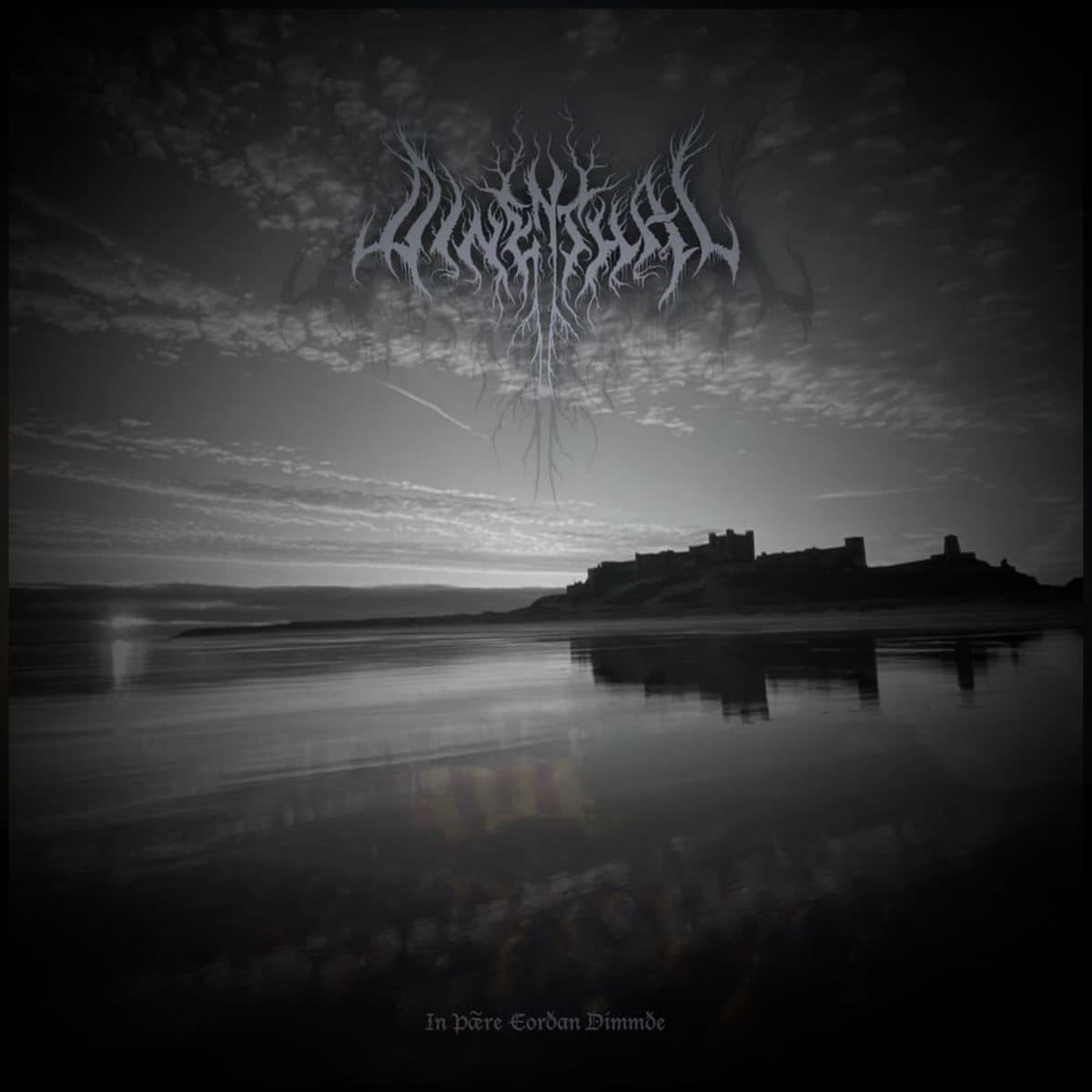
The cover artwork is a blend of a sunrise photograph I took at Bamburgh Beach, combined with extensive editing to create the impression that the ghosts of a 10th-century Northumbrian army are reflected in the wet sand. [Dinenthal]

The Seventh Sin, Disrelish

There is no disrelish within the devilmanship or music, but one thing is sure, that Dínenðál‘s work is an exceptional and elusive endeavour that authentically encapsulates the profound darkness of Northumbrian and Scottish folklore, history, and narratives.

Yet, as with all folklore and legend, Dinenthal’s music will live on, like an old folk tale.

⸸ ⸸ ⸸ ⸸ ⸸ ⸸ ⸸

The Hymns

01.  Prologue a Kingdom Remembered
02. The Battle of Carham
03. The Throne of Northumbria
04. An Iron Crown
05. Defeat of Lothian
06. From the Tweed to the Tyne
07. Utred Of Bamburgh
08. Flame of the Highlands
09. pilogue Between Scotland’s Sword and England’s Chains

Dínenðál

Dínenðál — Vocals, All Instruments

Reviewed by Kristian — editorial architect and ceremonially crafted. © Athenaeum of Sin Reviews.

Årxøytt — Sunder Review

Årxøytt is a German one-person fourth-dimensional black metal entity. On 21 December 2025, Årxøytt released his independent debut EP Sunder — a dimensional realm transmitting messages into humankind’s reality through black metal.

Årxøytt, Sunder Review: This review will evaluate every aspect of the album, from its intricate musical composition to its production.

Årxøytt — Sunder album cover

The First Three Sins, The Summary

The First Sin, The Strings/Keys: Frost-bitten tremolo lines and grain-laden textures favour repetition over flourish, with sparse synth layers adding cold dimension without softening the edge. The Second Sin, The Vocals: Buried, distant, and ritualistic, the vocals feel transmitted rather than performed, shifting between rasped proclamations and sermon-like invocations. The Third Sin, The Percussions: Minimalist and heartbeat-like, the drums reject spectacle — less performance, more strain.

⸸ ⸸ ⸸ ⸸ ⸸ ⸸ ⸸

The Fourth Sin, Overall Discussion

Invocation of Descent

The moment the listener presses play, they are plunged into a realm of fourth-dimensional black metal, five hymns spanning twenty minutes of harrowing transit.

Sunder acts as a dark portal into raw atmospheric depths, exerting a sense of glacial pressure and slow spiritual erosion. It feels as though the music is transmitting messages into our reality from a distant void, evoking visceral themes of decay, perennial frost, and the inner abyss.

Internal Collapse

While each hymn on Sunder functions as a distinct chapter, they ultimately fold into a singular, cohesive void of darkness. The opening hymn, Pain, is a suffocating, inward-turning, claustrophobic experience. It opens with a cold mid-tempo riff that feels like the slow, rhythmic tightening of a ribcage.

The vocals are buried and distant, sounding like a frantic shout from behind a thick, impenetrable wall. The drums remain simple and ritualistic—less a performance and more a heartbeat under extreme strain. Subtle synth pads are utilised not for melody, but to exert a physical sense of atmospheric pressure.

A study in internal collapse — not explosive agony, but the dull, grinding ache that never leaves.

External Fallout

If Pain is the internal collapse, the second hymn, Future, is the vast external fallout. It is a bleak, suspended hymn characterised by repetitive tremolo lines that stretch out like a horizon never quite reached. While the tempo rises slightly, the atmosphere remains completely frozen. The shift in vocal delivery is particularly striking, transitioning into something more sermon-like — from a buried cry to an authoritative, grim proclamation.

The keyboards are utilised with surgical precision, layering a thin, translucent frost over the guitars rather than softening the blow.

A vision of the future as erosion — not progress, but the slow wearing-down of the self.

Ceremonial Centre

If the previous hymns were journeys, Demiurgo, the third hymn, is a destination. It is a ritualistic, oppressive, and metaphysical ceremonial piece that anchors the centre of the record. Here, the riffs abandon linear progression, moving instead in circular patterns that mimic the cadence of a dark chant. The drums lock into a trancelike, mid-pace rhythm, providing a steady pulse for the unfolding rite.

The vocals shift seamlessly between rasped, blackened proclamations and low, chillingly calm spoken invocations.

It feels less like a song and more like a formal summoning — a ceremonial surrender to the darkness.

Arxoytt — band photo

Elemental Drift

As the fourth hymn, Tide drifts in not as a structured composition, but as a natural force. Here, the guitars feel abandoned in favour of oscillating textures: they move like waves—rising, breaking, and receding into a vast, grey distance.

The production opens outward, creating a vast, breathless space. The synths swell and fade like a distant wind front, carrying the hymn forward with a sense of slow, inescapable pull.

A moment of surrender — not peace, but acceptance of the pull that drags everything away.

The cycle completes itself with the closing hymn, Opfer — sacrificial, final, hollow. The guitars return raw in tone; the vocals are harsher and more exposed. The tempo slows again, returning to the oppressive weight of the opener.

Negative Space & Devilmanship

Within these twenty minutes, Årxøytt delivers music executed with flawed-to-perfection devilmanship. It is a testament to the power of the singular creator: one person crafting an exacting composition and instrumental arrangement that feels both ancient and alien. 

Beyond the hymns themselves, a profound sense of negative space haunts the entire recording. Instruments bleed into one another, their edges softened by a reverb that opens into blackened air. The synths do not behave as traditional musical layers; instead, they drift like weather fronts—unpredictable, cold, and enveloping.

Sunder is recorded with a deliberate austerity, embracing a raw, frost-bitten production style that strips away any sense of comfort. The mix feels intentionally distant, as if the entire EP is happening in a collapsing chamber rather than a studio.

Årxøytt’s vocals are buried, distant, almost smothered. The use of the Spanish language as a deliberate act of denouncing “god,” projected through cold shrieks and four-dimensional tones that echo into the void.

Guitars smear into cold, grainy textures — frost-bitten tremolo lines with repetitive phrasing that feels like pressure building in the skull, slightly overdriven, raw in tone — no polish, no warmth. The drums sit low and unembellished, more pulse than percussion, almost heartbeat-like. The synths: thin pads that sit behind the guitars like cold air — no melody, just atmosphere.

Sacrificial Closure

With Opfer, the album does not simply end; it is consumed. It is the sound of the shadow finally overlapping the source.

Frozen Descent

Overall, Sunder is an aggressive yet atmospheric fruit of art. The EP moves from internal pain to fatalistic vision, to metaphysical confrontation, to surrender, to sacrifice.

It is a small release, yet the emotional gradient is deliberate and coherent — a descent carved in ice.

⸸ ⸸ ⸸ ⸸ ⸸ ⸸ ⸸

The Fifth Sin, The Memorabilia

For me, Sunder transcends the label of black metal; it is something else entirely. While it begins within the familiar structures of the genre, the transition into the fourth hymn—a move into atmospheric instrumentalism—breaks the initial aggression. By the closing piece, the EP has folded into a dense, dark atmospheric-ambient aura. 

It feels like five-dimensional realms collapsed into a single cohesive void.

This is a bridge for those who walk between traditional raw black metal and the experimental frontiers of post-black metal. While some might view the fourth hymn, Tide, as a mere intro or outro, its placement is vital—it serves as a necessary breather, a moment of suspension before the final sacrifice.

The Sixth Sin, The Artwork

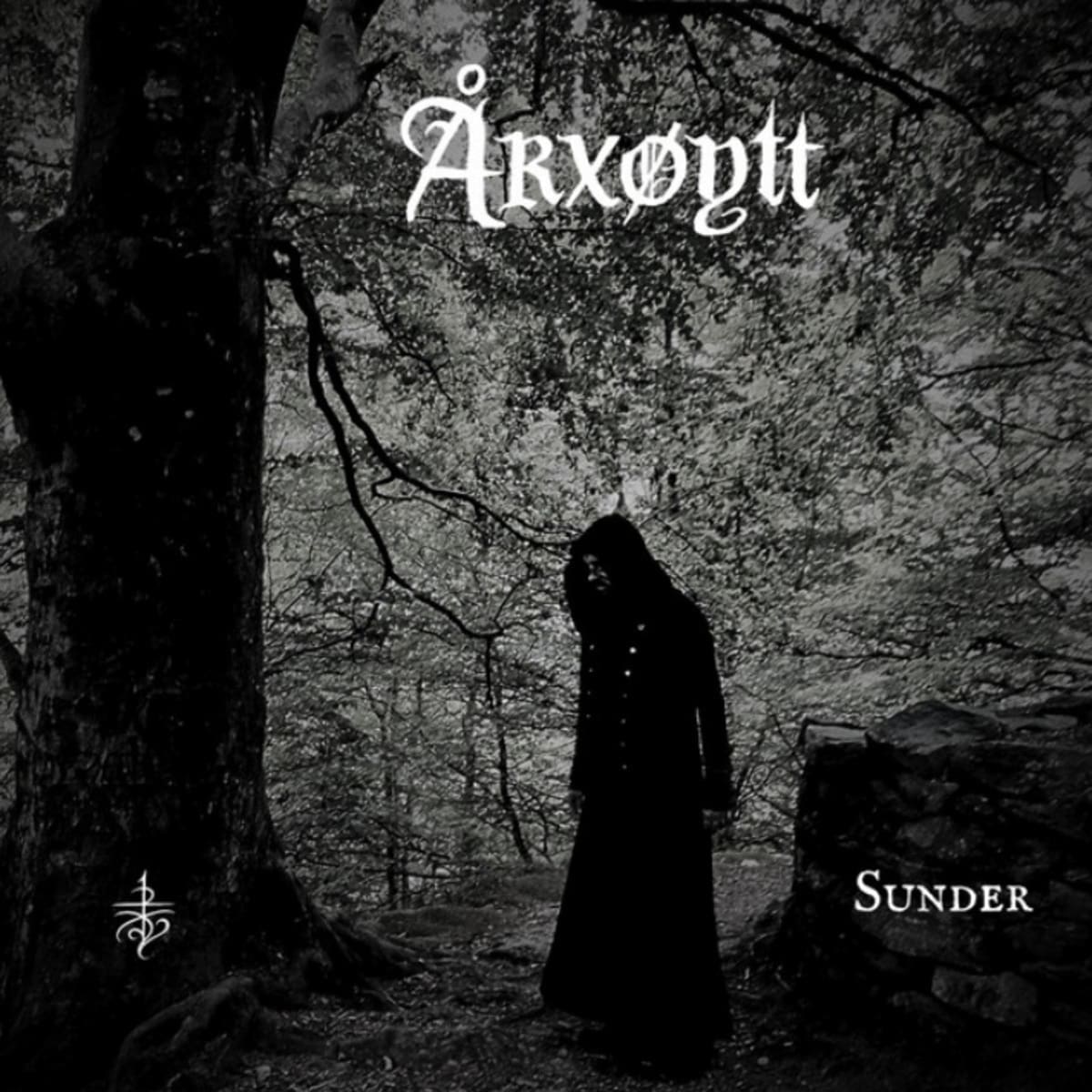
The artwork occupies a strange middle ground; it is neither the best nor the worst, yet it possesses a captivating quality. It acts as the visual threshold for the frost-bitten sounds contained within.

The Seventh Sin, Disrelish

There is very little here to disrelish. One could argue that Sunder is too short—that it demands more time—but would a longer duration spoil the purity of the EP? Perhaps not. Besides, that is precisely why the devil invented the re-play button.

⸸ ⸸ ⸸ ⸸ ⸸ ⸸ ⸸

The Hymns

01. Pain
02. Future
03. Demiurgo
04. Tide
05. Opfer

Årxøytt

Årxøytt — Everything

Reviewed by Kristian — editorial architect and ceremonially crafted. © Athenaeum of Sin Reviews.

Ephemerality — Obsessed With Homicide Review

Ephemerality is a Romanian one-person gore death metal project. On 8 December 2025, Ephemerality released the independent debut full-length Obsessed with Homicide, a later release via Brutal Cave Productions scheduled for 20 February 2026.

Ephemerality, Obsessed with Homicide Review: This review will evaluate every aspect of the album, from its intricate musical composition to its production.

Ephemerality — Obsessed with Homicide album cover

The First Three Sins, The Summary

The First Sin, The Strings/Keys: Melodic tremolo lines and tight death metal riffing cut with surgical precision, carrying a restrained sense of decay. The Second Sin, The Vocals: Dry, throat-driven death growls deliver controlled anguish with unwavering consistency. The Third Sin, The Percussions: Precision-driven percussion provides a mechanical, high-velocity pulse beneath the violence.

⸸ ⸸ ⸸ ⸸ ⸸ ⸸ ⸸

The Fourth Sin, Overall Discussion

Deceptive Calm Before the Rot

The descent begins with Festering Away, a deceptive opening hymn that greets the listener with clean acoustic guitars before the rot fully sets in. What follows is a relentless journey through ten decaying hymns, compressed into a lean, suffocating thirty-two-minute runtime.

Melody Under the Scalpel

Obsessed With Homicide is neither a casual stroll nor a sanctuary for the faint of heart. Ephemerality delivers melodic yet brutal death metal, weaving a tapestry of stylistic affinities that echo the technicality of Intestine Baalism, the surgical rot of Carcass, and the blackened elegance of Dissection. 

The sound is defined by sharp, slicing melodic lines that cut through classic death metal riffing like a scalpel. There is a palpable fixation on morbidity and psychological decay—a theme reinforced by the tightly structured, concise nature of the hymns, ensuring that the listener is never allowed to escape the claustrophobicweight of the subject.

Devilmanship of Singular Vision

The Devilmanship of Ephemerality is a hermetic achievement, driven entirely by the singular vision of Negoiță Ștefan. A sense of tortured hostility radiates from the composition and arrangements, anchored by a guitar performance that serves as the project’s primary character. The tone is defined by high-gain, mid-scooped distortion that remains sharp and articulate, even during the most frantic tremolo-picked passages. 

While the rhythm guitars feel meticulously double-tracked for density, it is the harmonised lines—appearing at critical junctures—that provide a melodic contour reminiscent of Dissection, bridging the gap between clinical brutality and blackened elegance. 

The guitar work on Obsessed With Homicide is defined by its refusal to wander. Palm-muted chugging appears only as connective tissue between movements, never as the focal point. Instead, the riffs are short, violent, and tightly structured—executing their intent with zero atmospheric padding.

The Mechanical Backbone

Beneath this high-gain assault, the bass guitar acts as the structural glue. Though often hidden from the casual ear, it serves as the project’s foundation stone. It follows the guitar lines with a mirroring precision, ensuring that the composition remains a solid, crushing entity. It is the silent architect; you don’t always notice it, but the entire album would collapse into noise without its anchoring presence.

The percussion reinforces the album’s surgical aesthetic through heavy sampling and sharp, metallic snares. Negoiță Ștefan ensures the drums act as a high-velocity pulse rather than just a rhythmic backdrop, with calculated intent. Utilising tight, modern drum samples, the sound is defined by sharp, slightly metallic snares and fast, click-heavy kicks designed to pierce through the high-gain guitar density.

The cymbals and toms are used with utilitarian restraint, appearing only to accent transitions or provide short, functional fills. While blast beats are frequent, they are balanced by double-kick runs that underpin the mid-tempo sections. 

The drums do not compete for dominance, but instead provide a relentless, surgical backbone that reinforces the album’s homicidal momentum.

Ephemerality — band photo

The Voice of Obsession

Negoiță Ștefan’s vocals eschew the trend toward cavernous depths or blackened shrieks, the delivery consists of dry, direct, throat‑driven death growls that draw a clear lineage from the surgical rot of Carcass. There is a relentless consistency to the performance; rather than searching for melodic hooks or wild tonal shifts, the vocals remain throat-driven and steady. 

Positioned slightly behind the high-gain guitars in the mix, they never compete for dominance. Instead, they function as a rhythmic texture—the voice of the obsession itself, pushing the narrative of psychological decay without ever breaking the album’s surgical discipline.

Triangle of Malice

In essence, the instrumentation forms a tight, disciplined triangle of malice: the guitars serve as the melodic and structural core, the drums provide the mechanical violence, and the bass acts as the grounding force—all while the vocals provide the sharp, psychological edge.

Despite its origins in a project-studio setting, Obsessed With Homicide possesses the intensity and clarity of a modern, top-tier production. Every arrangement is defined by singular clarity of vision; there is no filler, no ego, and no wasted motion.

Fruit of Controlled Violence

Ultimately, this is a rotten fruit of extreme art—a relentless, controlled explosion designed for those who truly wish to feel the pressure of sound.

Dissolution into Decay

As the final notes dissolve — like a corpse in a vat of acid — the suffocating, decaying aura lingers long after the final sound has faded.

⸸ ⸸ ⸸ ⸸ ⸸ ⸸ ⸸

The Fifth Sin, The Memorabilia

Ephemerality reflects the isolation and focus of project-studio extreme metal. Obsessed With Homicide returns to core themes of decay, rot, morbidity — brutal and heavy — yet melodic — delivered with a personal and uncompromising intensity shaped entirely by Negoiță Ștefan’s vision.

The Sixth Sin, The Artwork

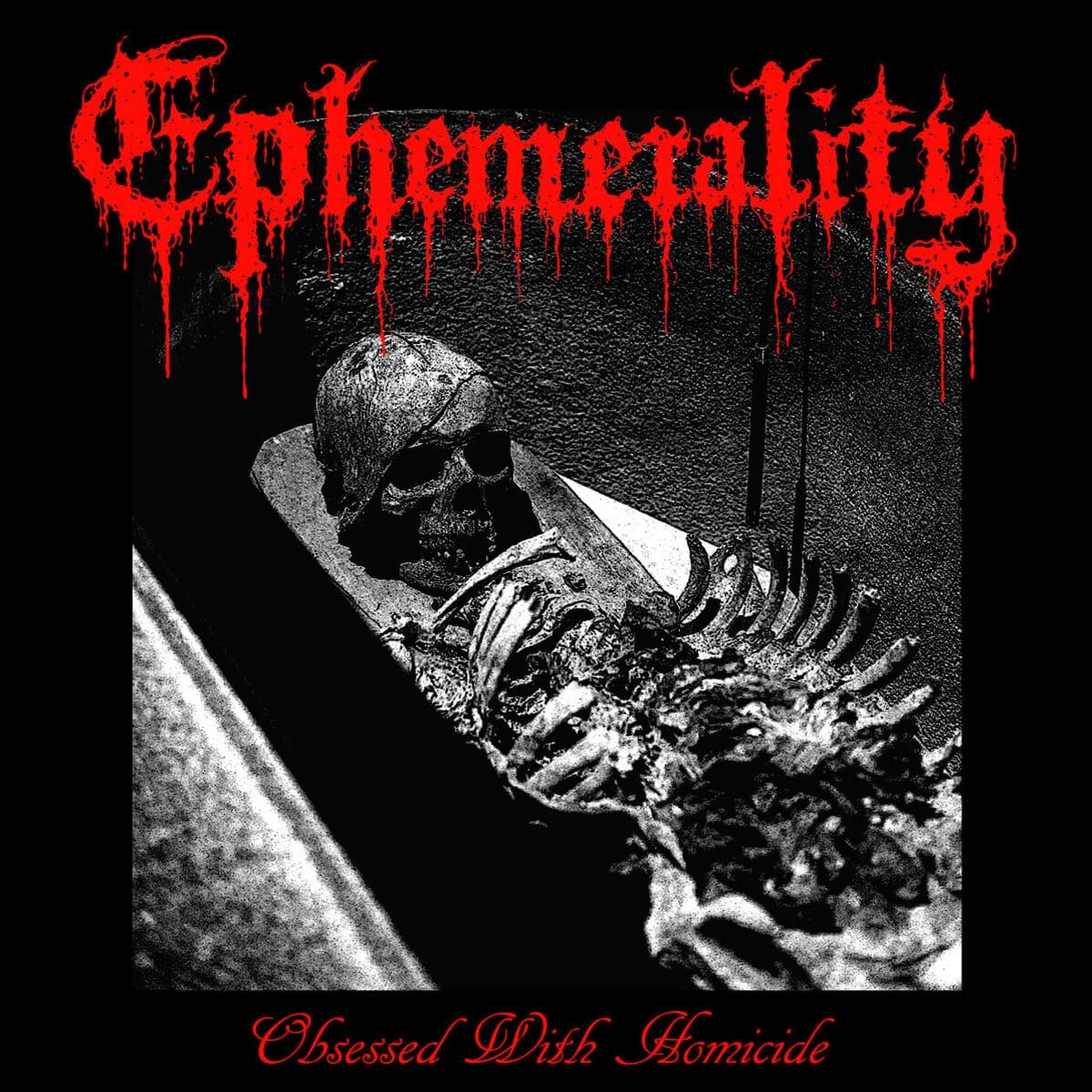
The artwork reflects the album’s fixation on morbidity and psychological decay, reinforcing the suffocating atmosphere established by the music.

The Seventh Sin, Disrelish

There is little here to disrelish. Obsessed With Homicide remains disciplined and focused from beginning to end, never overstaying its welcome.

⸸ ⸸ ⸸ ⸸ ⸸ ⸸ ⸸

The Hymns

01. Festering Away
02. Neurotic Plague
03. Buried Fears
04. Post-Mortern Anguish
05. Disfigurement
06. Necrophilicon
07. Baptized
08. Stripping to Violent Urge
09. Toy Box(bonus hymn)
10. Depravity(bonus hymn)
Hymns showcased are the Brutal Cave Productions release.

Ephemerality

Negoiță Ștefan (also known as S) — Everything

Reviewed by Kristian — editorial architect and ceremonially crafted. © Athenaeum of Sin Reviews.

Ira Satana — Black Mass Orgy Review

Ira Satana is a one-man black metal entity, birthed from the abyss by Melkor. On 1 January 2026, the project released its debut full-length, Black Mass Orgy, via Melkor’s own label, Studio 13.

Ira Satana, Black Mass Orgy Review: This review will evaluate every aspect of the album, from its intricate musical composition to its production.

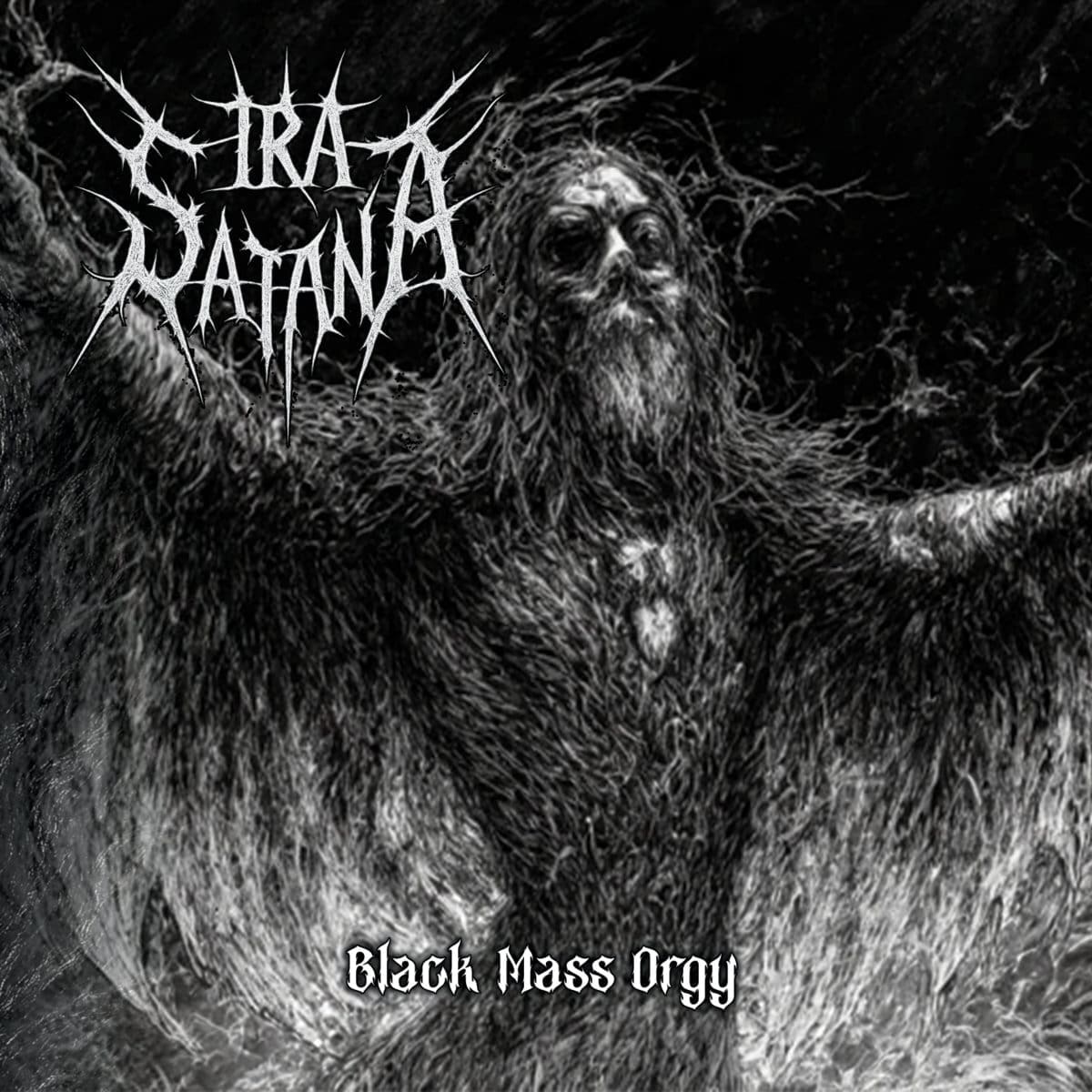
Ira Satana — Black Mass Orgy album cover

The First Three Sins, The Summary

The First Sin, The Strings/Keys: A core ritual blade, cutting deep with high-gain distortion aggressively boosted in the mid-range. The Second Sin, The Vocals: A scorched mid-range delivery that cuts directly through the mix. The Third Sin, The Percussions: Blast beats and mid-tempo pounding serve the ritual sections with mechanical, unyielding energy.

⸸ ⸸ ⸸ ⸸ ⸸ ⸸ ⸸

The Fourth Sin, Overall Discussion

Initiation of the Black Rite

As soon as the listener presses play, an unholy ceremony begins—there is no warning, only the immediate onset of the profane. This rite splits into eight distinct invocations, each one acting as a tether that pulls you deeper into the mouth of the dark abyss. 

Black Mass Orgy is not just an album title; it is a description of the sonic debauchery contained within.

Isolation and Desecration

Black Mass Orgy takes shape as a ritual of sonic desecration. The album delivers a violent, unholy fusion of raw black-metal aggression and extreme vocal expression, layered with suffocating occult atmospheres. This entire descent into depravity is forged by the project’s sole creator—Melkor.

As a solitary one-man manifestation, the record possesses a terrifyingly focused intent. Every note, every rhythmic shift, and every harrowing scream feels like a direct transmission from Melkor’s own psychological abyss.

It is a work of isolationist violence, where the aggression is not just a style, but a weapon used to carve out a space for the “Black Mass” to take place.

The Black Mass Proper

Black Mass Orgy stands as an eight-hymn anthem spread across over thirty minutes of unyielding shadow. Each hymn functions as a distinct rite, weaving together mythology, esoteric symbolism, and a profound sense of spiritual defiance. Listeners do not simply listen; they plunge step by step through a gauntlet of raw chants and fierce, predatory riffs.

The structure of the album is a cohesive descent into darkness. These hymns are built on blasphemous calls, ritual acts, and firm sonic summons that feel like they were birthed in the deepest shadows. Esoteric signs drive the progression, occult moods feed the atmosphere, and a raw, unrefined spirit of revolt powers every second of the recording. 

This is the sound of an ancient law being broken and a new, darker order being summoned into existence.

Black Mass Orgy stands as a testament to the underground ethos: solitary creation, absolute control, and total devotion to the craft of sonic blasphemy.

Primitive Devilmanship

The production of Black Mass Orgy is intentionally primitive. It is a calculated act of devilmanship that utilizes a high-gain, low-fidelity guitar tone to dominate the mix. The grainy texture suggests a deliberate push into analogue clipping or low-headroom digital capture, creating a sound that feels stressed and volatile.

The mix is raw, unfiltered, and unapologetically unpolished; this is the project’s aesthetic contract with the listener. By stripping away modern spatial effects, Melkor creates a terrifying sense of claustrophobia. There is no reverb-soaked distance here—the closed-circle feeling makes it seem as if the listener is trapped inside the rite itself, rather than safely observing it from afar. 

Every note is shaped to evoke ritual heat and a thick, blasphemous darkness that refuses to breathe.

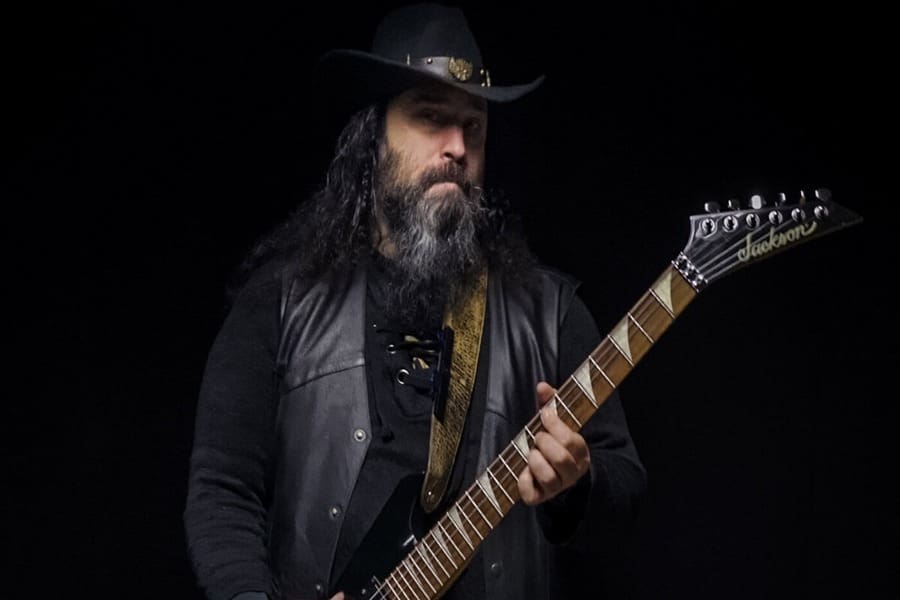
Melkor — band photo

The Ritual Blade

Melkor’s guitar work stands as the album’s core ritual blade, cutting deep with high-gain distortion boosted aggressively in the mid-range. This setup grinds out a jagged, rough texture—a sonic profile that feels like serrated edges being dragged over sandpaper. His tremolo riffs do not just play; they loop in tight, suffocating cycles designed to pull the listener into a hypnotic, blackened daze. 

These riffs feel intentionally cycled in ritualistic patterns, perfectly mirroring the infernal themes of the hymn titles.

Anchoring this guitar assault is a percussive style that emphasizes the cold and sharp. Whether programmed or recorded live, the production keeps the drums stripped of any room ambience. The blast beats and straightforward mid-tempo pounding serve the ritual sections with a mechanical, unyielding energy. The kicks are cliquey and high-frequency rather than deep and resonant, sitting just enough in the mix to anchor the tremolo waves. The cymbals are thin and splashy—a hallmark of the “home-recorded” or “guerrilla” recording style—further reinforcing the claustrophobic, no-escape atmosphere of the Black Mass Orgy.

Voice and Invocation

Melkor’s vocals are dry, close-mic’d, and entirely unembellished. This creates a tight, throat-to-ear feel where the listener senses raw breath right in their ear—trapping you in a small space like a whisper in the dark. Eschewing deep growls or piercing shrieks, he employs a mid-range, scorched tone that cuts straight through the mix. 

It is the sound of someone performing a rite, not a studio take.

Several hymns, such as Whispers of the Abyss, stand out for their use of low-frequency drones and static beds. These elements create a primitive synth ambience, with deep rumbles pulsing below the threshold of normal hearing to build a terrifying tension. Satanic Conjuration adds thick layers of static noise, forming a bed that hums and crackles beneath the chants, pulling the listener further into the dark void.

The Circle Sealed

The album concludes with the final hymn, Satanic Conjuration, where the thick layers of static and low-frequency rumbles finally boil over. As the last chant fades, the static rises to consume the mix—leaving no silence, only the cold, humming resonance of the abyss. The circle is closed, the Orgy is complete, and the listener is left interred in the very darkness Melkor summoned.

Final Assessment

Black Mass Orgy is a forbidden fruit of art. It is a thirty-minute anthem of spiritual revolt, powered by esoteric signs and raw, unpolished spirit. It is an immersive descent into a blasphemous ceremony that refuses to let go.

⸸ ⸸ ⸸ ⸸ ⸸ ⸸ ⸸

The Fifth Sin, The Memorabilia

Melkor clearly has no plans of slowing down. With a relentless stream of releases, the output is staggering—and I have no intention of slowing my coverage of it. Whether he is conjuring something blasphemous, ritualistic, folk-driven, or pure dark extremity, the work never falters.


Most artists hit a wall, but Melkor’s visions never feel tiresome or repetitive. Each project is a new shadow, a different ritual, and a fresh descent into the abyss. In a scene that often recycles the same tired ideas, his work remains a vital, evolving force of darkness.

The Sixth Sin, The Artwork

The artwork’s monochrome palette and hostile composition reflect the music’s raw, ritualistic ethos—deliberately rejecting polish in favour of underground extremity.

The Seventh Sin, Disrelish

Ira Satana is forged in darkness, shaped by disciplined isolation and sonic blasphemy. There is no compromise here, no gesture toward accessibility or modern refinement. Every element exists in service of the ritual itself—raw, oppressive, and unwavering in intent.

Promotional material provided by Ira Satana.

⸸ ⸸ ⸸ ⸸ ⸸ ⸸ ⸸

The Hymns

01. Lucifer’s Embrace
02. Sacrilegious Ecstasy
03. Flesh and Fire
04. The Ninth Gate of Hell
05. Orgies of the Damned
06. Ritualistic Sacrifice
07. Whispers of the Abyss
08. Satanic Conjuration

Ira Satana

Melkor — All music, lyrics, vocals, guitars, bass, and drum programming

Reviewed by Kristian — editorial architect and ceremonially crafted. © Athenaeum of Sin Reviews.

Mitternacht — Mitternacht Review

Mitternacht is an American one-person Black Metal entity. On 22 December 2025, Mitternacht released his independent raw and wrathful Self-titled release, rooted in primitive, aggressive, second-wave black metal.

Mitternacht Review: This review will evaluate every aspect of the album, from its intricate musical composition to its production.

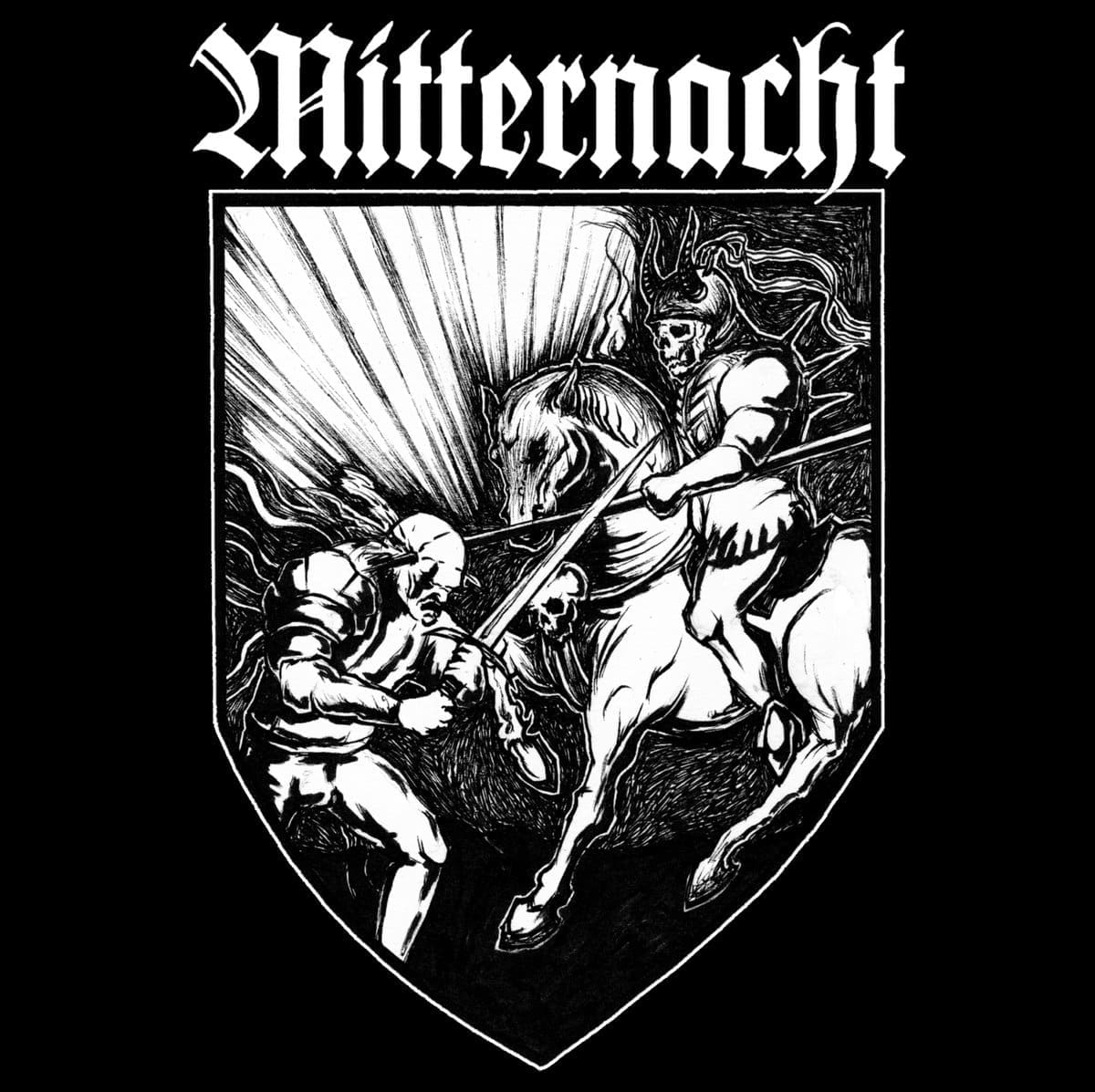
Mitternacht — Self-titled album cover

The First Three Sins, The Summary

The First Sin, The Strings/Keys: Guitars wail like fierce snowstorms, serrated tremolo lines colliding into cold, unrelenting walls of sound. The Second Sin, The Vocals: Deliver furious black metal screams, raw and unrefined, cutting through the mix with feral intensity rather than theatrical flourish. The Third Sin, The Percussions: Characterised by relentless blast beats, driving each hymn forward with punishing momentum and no space for reprieve.

⸸ ⸸ ⸸ ⸸ ⸸ ⸸ ⸸

The Fourth Sin, Overall Discussion

The First Strike

A surge of rapid, irreverent fury erupts the moment the listener presses play. Mitternacht unleashes five anthems of sheer chaos and fire, under twenty minutes. These hymns draw inspiration from the primal and frigid ambiance of early Darkthrone, infused with the aggressive style reminiscent of Germany’s Katharsis.

The Turning Point: Umwertung

Umwertung, the fourth hymn on the EP, marks a turning point; it is in this hymn that the cycle of violence begins to mirror rather than repeat. Let us pause for a second and focus on this powerful moment. This is the sole hymn that transitions into a slow, dark, and atmospheric soundscape. 

Following the stifling monotony of Crescent Horns, Umwertung feels like a ceremonial breath — not a release, but a moment of inner realignment before the ultimate plunge into Torture.

Forged in Isolation (DIY Creation)

Mitternacht’s creation is entirely DIY, capturing the unrefined essence of Darkthrone’s 1994 full-length release Transilvanian Hunger. 

Mitternacht’s guitars wail like fierce snowstorms, and the drums are submerged within the mix. The instrumentals were assembled over two sessions: one dedicated to drums and another for guitars (with a humorous power outage occurring during the second session), while the vocals were recorded in a professional studio.

Sigillvm states:

“Blasphemous Warfare” uses two triplet ostinatos throughout the track if you listen closely to the main riff variations and the chorus, respectively. “Crescent Horns” has a Rune/Blasphemer style arpeggio between each part of the main riff and is just blast beats throughout the entire song without any breaking. 

That track encapsulates how I felt at the time, pure frustration and monotony — just beating the life out of the instruments. 

Athenaeum Of Sin ‘Mitternacht’ Interview

Mitternacht — band photo

Instruments of Devotion

Mitternacht stands as a singular force of artistry and devilmanship, delivering a composition, both instrumental and musical, executed to perfection.

Sigillvm’s guitars drive the sound forward with a blend of speed and grit. The riffs are crafted from tremolo-driven riffing, triplet ostinatos, and Rune/Blasphemer-style arpeggios, featuring occasional melodic nuances that are hidden beneath the onslaught.

The guitar tone is intentionally rough — not lo-fi accidentally, but by DIY philosophy.

Sigillvm’s drums are characterised by relentless blast beats, frequently without any pauses. Consider the third hymn, Crescent Horns, which features these blast beats throughout, embodying sheer frustration and monotony. The drumming focuses less on subtlety and more on a percussive onslaught — a tangible expression of the emotional turmoil present in the EP.

Sigillvm’s vocals deliver furious black metal screams, unrefined, raw, and harsh. They sit prominently in the mix, piercing through the thick wall of guitars and drums. 

This is not about atmospheric shrieking — it’s a furious, forward-thrusting scream.

Blackened Machinery

Mitternacht’s assault is unmistakably black metal at its core — a chassis built from second‑wave orthodoxy, all serrated tremolo lines and frostbitten chord shapes. But inside that frame, heavier machinery grinds. The riffs carry a death metal weight, a percussive, iron‑shod stomp that thickens the low end and drags the music into a more corporeal register.

Chromatic smears and blunt rhythmic pivots add torque where most raw United States Black Metal would dissolve into obscurity. And threaded through the gears is a war/bestial black metal spark, not enough to claim the genre, but enough to contaminate it: short, violent riff loops, martial surges, and a bestial edge in the vocal phrasing. 

The result is a weaponised hybrid — black metal as the flame, death metal as the iron, war metal as the accelerant — all fused into a single, grinding engine of raw and wrathful extreme metal.

Final Assessment

Overall, Mitternacht is a dark fruit of extreme art, characterised by its primitive and wrathful black metal sound. This is a must-listen for fans who appreciate the harsh and aggressive second wave style that Darkthrone has perfected.

Fade to Black

Mitternacht fades into the darkness, leaving only scorched echoes and the promise of deeper night to come.

⸸ ⸸ ⸸ ⸸ ⸸ ⸸ ⸸

The Fifth Sin, The Memorabilia

For me, Mitternacht unfolds not like American black metal, but as something unique, fresh, and bold. It sheds the expected regional markers, presenting instead a dark, unholy war-like machine driven by instinct rather than scene allegiance. This self-titled release feels compulsive — the kind of record that demands the repeat button, not for comfort, but for immersion. 

Beneath the surface, there’s a sense that this is only the opening strike, that more of this extreme midnight metal waits to be unleashed.

The Sixth Sin, The Artwork

The artwork has this war metal look, with more focus on the music than the artwork.

The Seventh Sin, Disrelish

There is nothing to dislike within the musical offerings of Mitternacht. Mitternacht delivers a release forged in raw, wrathful darkness and frost-bitten aggression. Mitternacht does not ask for attention; it asks to be repeated and be loud.

Promotional material provided by Mitternacht.

⸸ ⸸ ⸸ ⸸ ⸸ ⸸ ⸸

The Hymns

01. Blasphemous Warfare
02. Plagued by Wrath
03. Crescent Horns
04. Umwertung (instrumental)
05. Torture

Mitternacht

Sigillvm — All Instruments, Vocals

Reviewed by Kristian — editorial architect and ceremonially crafted. © Athenaeum of Sin Reviews.

Lucky XIII — Fortune’s Curse Review

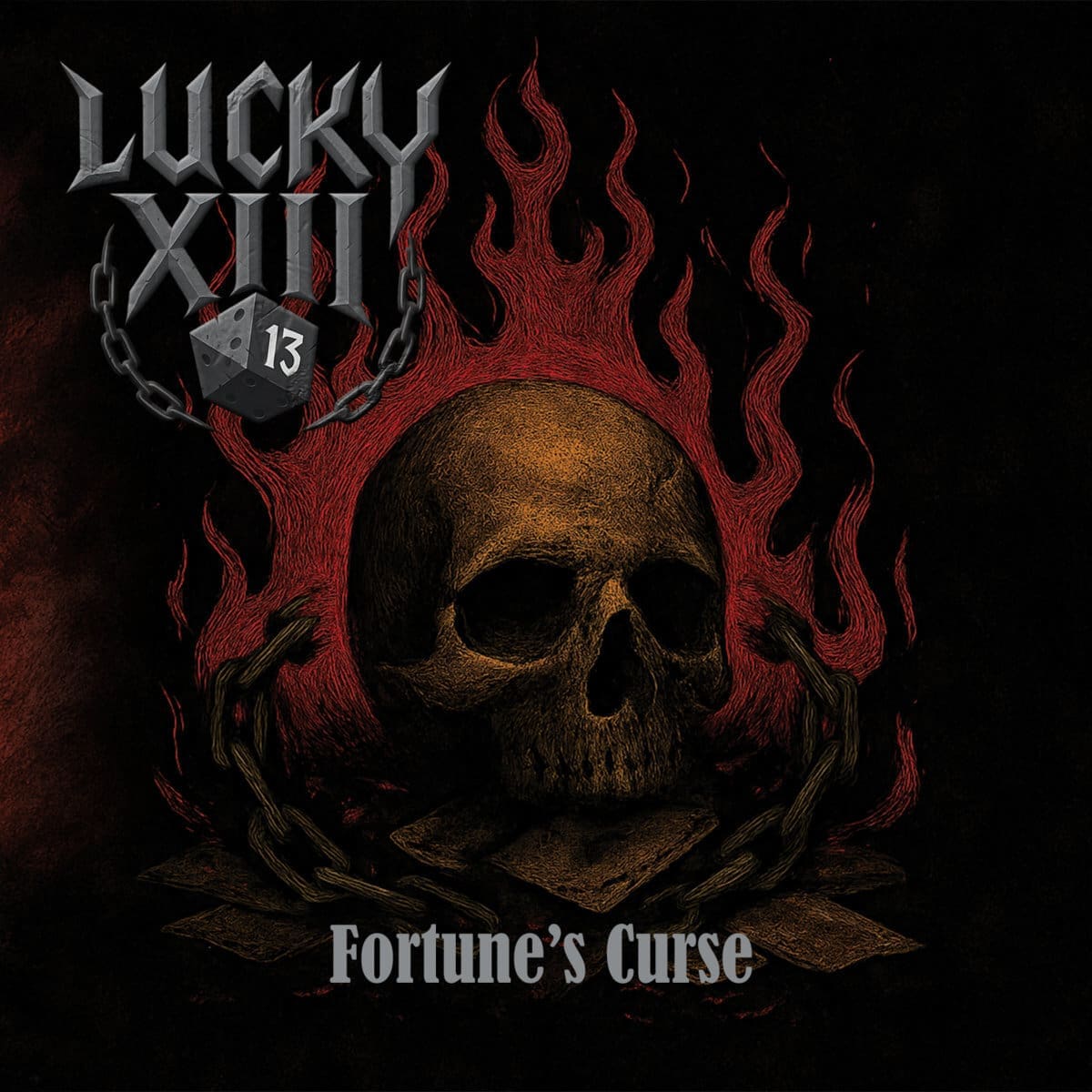
Lucky XIII is brought to life by Portuguese multi-instrumentalist and producer Melkor. On 1 December 2025, Luckey XIII released their debut full-length, Fortune’s Curse. released through Studios 13.

Lucky XIII, Fortune’s Curse Review: This review will evaluate every aspect of the album, from its intricate musical composition to its production.

Lucky XIII — Fortune's Curse album cover

The First Three Sins, The Summary

The First Sin, The Strings/Keys: Guitars tear through the hymns with thick, down-tuned strings, interwoven with haunting melodic lines that cut through the weight. The Second Sin, The Vocals: Vocals carry genuine menace — growls that bite hard and refuse to loosen their grip. The Third Sin, The Percussions: Drums roar with thunderous force, slamming out crushing beats, while percussion adds raw, unpolished power.

⸸ ⸸ ⸸ ⸸ ⸸ ⸸ ⸸

The Fourth Sin, Overall Discussion

The Thirteenth Shadow Falls

Lucky XIII kicks off with Thirteen Shadows. Fierce guitars drive the hymn hard. Aggressive vocals bite deep. This opener flows smoothly into the next eight hymns. Each one builds on the raw energy. Listeners feel the shift, like a storm rolling in.

These hymns resurfaced only after one of the creators rediscovered long-lost files, allowing the material to be fully reconstructed and the band’s sound reborn.

Guitars fade and swell across the tracks. Vocals echo, pulling you deeper. The remaining eight hymns carry that momentum forward. They pulse with the same dark fire.

Fate, Fortune, and Defiance

Across nine hymns, the album explores the eternal struggle between destiny and defiance: shadows that cling to the soul, dice cast into the fire, wheels that grind bone, the cursed embrace of fortune herself.

Each hymn is a ritual of sound and word, where heavy riffs and haunting melodies collide with lyrics steeped in betrayal, misfortune, and the hunger to rise again. From the spectral march of Thirteen Shadows to the cruel laughter of Wheel of Misfortune, from the infernal pact of The Devil’s Number to the final wound of Fortune’s Betrayal, the album is both curse and catharsis.

Fuses Old Grit with Fresh Metal Punch

Fortune’s Curse runs for forty minutes. Guitars lead the charge. They pound out riffs that demand action. Aggressive vocals cut through sharply. Beyond those growls, pure guitar power rules. The hymns hook you fast, your head starts to nod, your feet stomp in time. Energy surges. You feel it deep in your bones.

That sound pulls from Motörhead’s raw grit and no mercy rock ‘n’ roll swagger, collides with AC/DC‘s early-seventies rhythmic fire, then locks into modern heaviness. Layer on heavy death grooves next. Machine Head brings chug that crushes. Acherontia Styx adds dark twists. Lamb of God slams with groove metal rage. Rhythms lock in. They drag you under. Death metal edge bites hard, but grooves keep it moving.

All this fuses old grit with fresh metal punch. Classic rawness meets modern weight. Heaviness slams home. Depth builds layers thick. The project wakes darker now. Reborn in shadow. It roars back, fierce.

Chains, Fire, and DIY Truth

Fortune’s Curse lives through its raw DIY recording. The sound hits hard — brutal, yet tightly controlled. Chains rattle through every hymn. Fire snaps and hisses. Broken mirrors crunch underfoot. Shattered emblems scatter sharp edges. Cursed luck hangs like bad omens. All this feeds a thick mix, packed with shadows that swallow light.

Layers of ambience stack up, slow and deep. They pull you in, layer by layer. Backing textures drown in reverb. Echoes stretch out, cold and endless. Vocals cut through sharply. They carry real menace — growls that bite. Their presence locks the vocals front and centre. The soundstage squeezes inward. It traps you. Pressure builds from all sides. No escape. This setup mirrors the curse itself.

DIY keeps it real — no studio polish. Just grit and truth. Chains bind the beat. Fire fuels the rage. Mirrors reflect the breaks. Emblems smash hope. Luck twists dark.

The shadows thicken the bass. Ambience hums low, hides secrets. Reverb coats guitars in fog. Vocals press close, whisper threats. Confinement grips the ears. Pressure mounts with each note. Brutal craft at its peak. Precision born from scraps. This album curses loud.

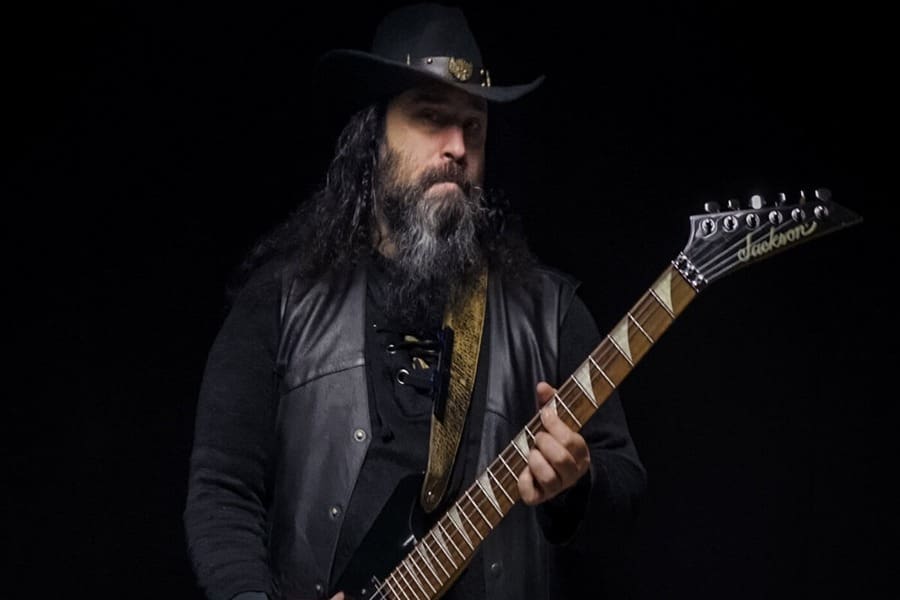
Luckey XIII - Melkor — band photo

Riffs That Cut, Grooves That Hold

Every element finely honed. The composition and devilmanship grab you hard. Music and instruments balance just right. Melkor’s guitars rip through the hymns, using thick, down-tuned strings that add extra weight and growl. Haunting melodies weave in. Heavy distortion cranks up the fuzz and bite. It packs a modern metal punch. Raw aggression hits hard.

Yet, it stays catchy. You nod your head right along. Groove pulls you in deep. Bass riffs lock-step with the drums. No slack anywhere. They pound out the album’s heavy bass. That solid ground lets everything else soar. Feel the rumble in your chest. This setup drives the whole sound forward.

Thunder Beneath the Screams

Melkor’s drums pound the core of the music, slamming with crushing beats. Percussion adds raw force. The rhythm section roars like thunder. They build density that hits your chest. Every kick and snare demands attention. Melkor’s vocals charge in next. They shout with pure aggression. Dark tones weave through the screams. Themes run deep, full of shadow. These match the album’s heavy symbols. The entire tone stays grim and bold.

Listeners feel the weight in every track. Drums lead, vocals push the edge. Together, they grip you hard.

Forged in Shadow, Unleashed in Fire

Forged alone in quiet shadows, then honed sharp by fierce flames. Fortune’s Curse stands as far more than a simple set of hymns. These hymns pulse with raw truth. They bear witness to chance’s heavy load.

Fortune’s Curse blasts out as a raw, gritty fruit of art. It pulses with anthem hooks that demand you shout along. Dirty riffs grind like gravel under boots. Big choruses swell to fill rooms, arenas, even your skull. Every hymn holds that fire firm. No slow fades here. First song slams in hard. Next one ramps it higher. Energy never dips. It surges hymn after hymn, like a live show that won’t quit.

Then it sinks its claws in. Once those sounds latch on, they stick fast. No escape. You crank the knob to full blast. Head snaps back and forth in rhythm. Body dives into the pit, spine twisting wild until it aches.

This album takes hold — and refuses to let go. It turns quiet nights into full-throttle chaos — pure addiction in every note.

Sub-header X

The album ends with Fortune’s Betrayal, an eight-minute descent where aggression remains, but the tempo drags itself down into something heavier and more malignant. It sounds like rusted chains scraping across scorched coal beds — slow, grinding, and suffocating.

⸸ ⸸ ⸸ ⸸ ⸸ ⸸ ⸸

The Fifth Sin, The Memorabilia

For me, Lucky XIII does not feel like stepping into unfamiliar territory. Having covered Melkor’s work across numerous projects and articles, there is a clear lineage here — and, as expected, it does not fail to deliver.

What sets Lucky XIII apart, however, is its balance. Where Melkor’s music often traverses black, death, folk, doom, and thrash, Fortune’s Curse leans into a fusion of extreme metal, modern heaviness, and classic hard rock swagger. It works for one simple reason: Melkor knows exactly how to make it work.

The Sixth Sin, The Artwork

The artwork will undoubtedly draw criticism. It does carry the hallmarks of AI-assisted design — but when such tools are used to support the creative vision rather than replace it, the result can still serve the music. Here, the imagery complements the album’s occult-rock spirit and sense of rebirth, even if it challenges traditional expectations.

The Seventh Sin, Disrelish

There is nothing here to dislike within the musical offerings of Fortune’s Curse. Lucky XIII deliver a release forged in fire, fuel, and rock ’n’ roll conviction. This album does not ask for attention — it demands devotion, calling the listener to worship at the altar of distortion, riffs, and volume.

⸸ ⸸ ⸸ ⸸ ⸸ ⸸ ⸸

The Hymns

01. Thirteen Shadows
02. Dice of Destiny
03. Broken Luck
04. Wheel of Misfortune
05. The Devil’s Number
06. Twist of Fate
07. Chains of Chance
08. Edge of Fortune
09. Fortune’s Betrayal

Luckey XIII

Melkor — All music, lyrics, vocals, guitars, bass, and drum programming
D-Void – All Guitar Solos

Reviewed by Kristian — editorial architect and ceremonially crafted. © Athenaeum of Sin Reviews.
Secret Link