El Muerto — Lost and Amsterdamned Review

El Muerto is a black death metal solo project from the Netherlands, created by multi-instrumentalist Riccardo Botello. On 21 November 2025, Botello independently released his debut EP, Lost and Amsterdamned. Promoted via ClawHammer PR.

El Muerto, Lost and Amsterdamned Review: This review will evaluate every aspect of the album, from its intricate musical composition to its production.
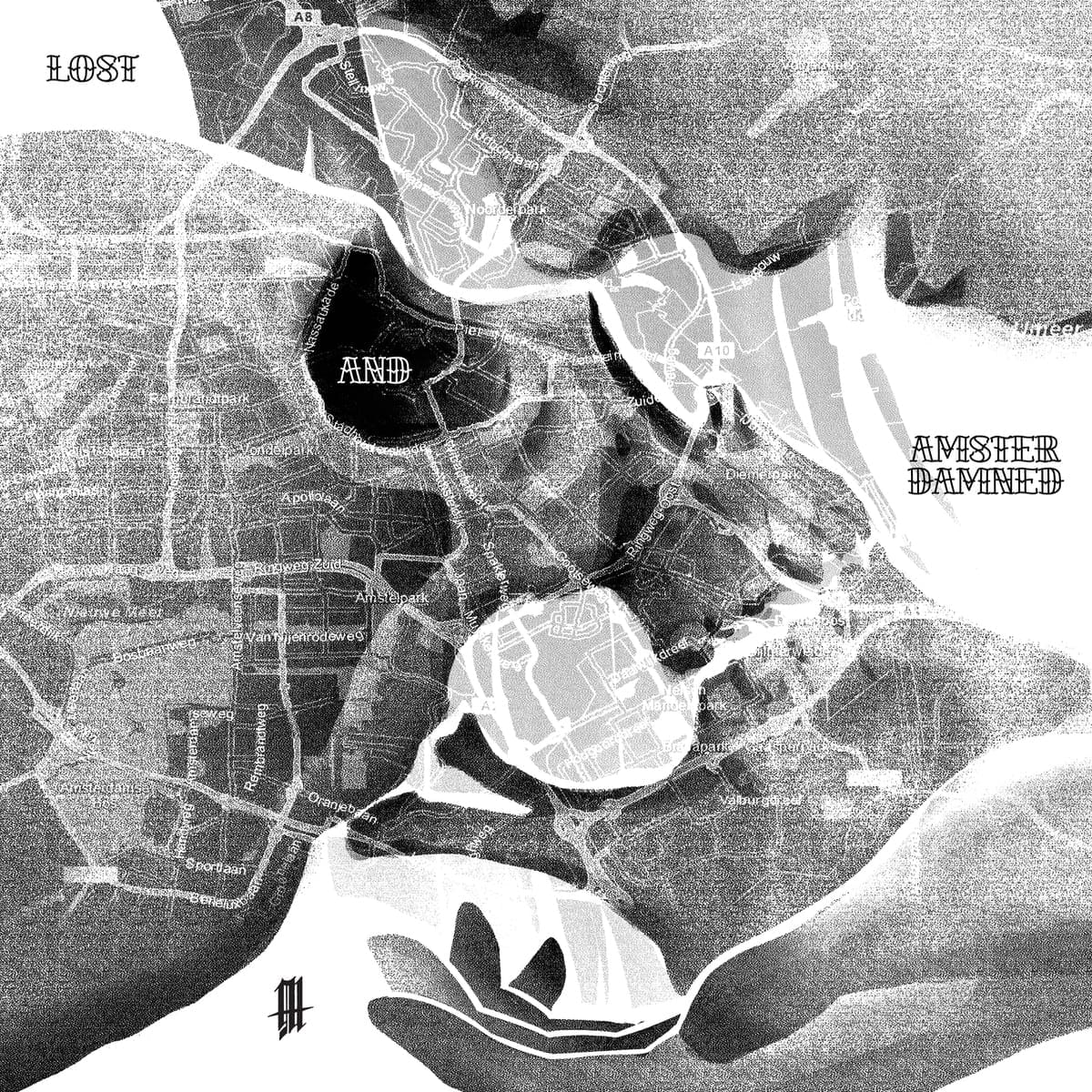
El Muerto — Lost and Amsterdamned album cover

The First Three Sins, The Summary

The First Sin, The Strings/Keys: Frostbitten riffs, grim tremolo pickings, crushing chord progressions. Dark synths add depth, layering the soundscape. The Second Sin, The Vocals: Harsh cries of torment rather than melodic singing, channelling depression and trauma into ritual sound. The Third Sin, The Percussions: Blast beats fly fast, relentless double-time rhythms, galloping black metal patterns driving chaos forward.

⸸ ⸸ ⸸ ⸸ ⸸ ⸸ ⸸

The Fourth Sin, Overall Discussion

The Opening Hymn — Enthroned in Shadows

This is no normal release. Born in crisis, Lost and Amsterdamned was conceived as a final message from an artist who had lost the will to live. Each track captures a chapter of that darkness. Yet, this record is no longer a goodbye — it proves that even in shadows, something survives.

Raw Soundscapes — Basement-Born Ferocity

As soon as the listener presses play, the opening hymn, Enthroned in the Tower of Shadows (The Witch) blasts out. It mixes fierce riffs and wild screams. Witch themes fill the air. Frosty guitar lines chill the bones. This opener locks in the mood. It pulls you into occult rites and cold rage.

The path grows darker over the remaining five hymns. Each hymn carries its own ritual weight, blending black metal and death metal ferocity with atmospheric depth: Enthroned in the Tower of Shadows (The Witch), Witchcraft and occult power, enthronement in darkness. Ghosts of Torment, personal anguish and haunting trauma. Undead sovereignty, mythic imagery of eternal decay within the third hymn, Lich King. A Song for Ran, focusing a Norse myth, invoking Ran (goddess of the sea). Blood Crypt — death, burial, and ritual sacrifice. The closing hymn, Wolves of Den Haag, urban mythos — wolves stalking The Hague, tying exile to place.

Each hymn is both personal and mythic imagery (Witches, Lich Kings, Wolves) — depression, trauma, and survival refracted through occult and ritual imagery. The EP moves from witchcraft and torment to mythic sovereignty and urban ferality, forming a ceremonial arc of descent and rebirth.

Ritualised Cry of Sound

Lost and Amsterdamned is a raw energy of old-school and modern black metal that collides with intricate riffs, and shrieking vocals. This is captured in a recording that echoes influences from Immortal‘s icy atmosphere, Darkthrone‘s grit, Mgła‘s dense storm, and Emperor‘s grand sweep.

The sound of Lost and Amsterdamned feels basement-born. Picture a wet, rotting space under a lost church. Botello went DIY. Yet, it stays clear. No mud blocks the riffs. No blur hides the screams. Raw force cuts clean.

Grit holds firm from the underground. Still, tunes peek through. They gleam in the dark.

Songcraft and Ritualized Vocals

Within the walls of Lost and Amsterdamned, the musical and instrumental composition and arrangement are tight and strong from the moment of play. All is conducted and composed by this fruit of art devilmanship, with everything forged to perfection. Song structure is beautiful-dark, timed, and composed. The vocals are harsh with scalding roars that burn like fire, yet, abrasive, guttural, and deliberately raw that bites. The delivery of vocals feels more a cry of torment than melodic singing, channelling depression and trauma into ritualized sound.

Vocals ride high in the mix, cutting through riffs like a blade, intensifying the atmosphere.
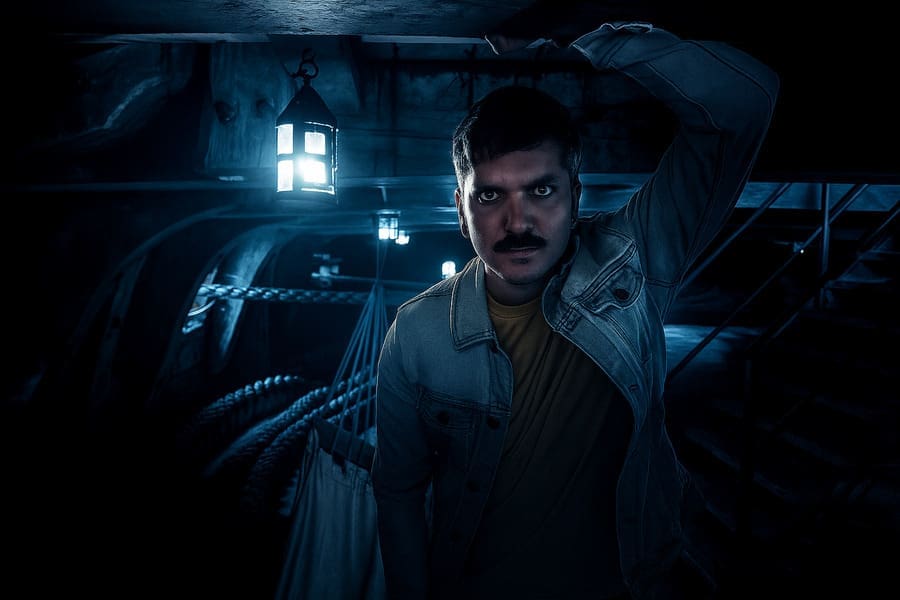
El Muerto — band photo

Frostbitten Strings and Relentless Percussions

Botello‘s guitar freezes the air with his frostbitten dissonant riffs and grim tremolo pickings, and crushing chord progressions. The lead guitar — occasional melodic lines woven into the chaos, echoing Emperor and Opeth influences. While the tone is cold, raw, and atmospheric — balancing heaviness with melodic undertones.

Drums? Botello handles them. Programmed or played by hand, they pound.The blast beats fly fast, relentless double-time rhythms, and galloping black metal patterns. Aggression emphasized over precision — drums feel combative, driving the chaos forward. While aggression and darkness rule -yet, dark synths add depth, creating a layered soundscape where black metal and death metal ferocity collide with atmospheric dread.

The low drone synths with eerie pads, and ambient textures woven beneath riffs. Ritualistic noises and subtle industrial hits expand the sonic palette.

One Man’s Shadow into Art

Overall, Lost and Amsterdamned is a dark, raw and powerful fruit of art release. It blends attack with gloom layers. Botello plays every note alone. Guitar, drums, voice, synths – all his. Crisis births this black metal and death metal rite. One man’s shadow turns to stark art.

Context Sin — Shadows of Crisis

Lost and Amsterdamned is not just another extreme metal release. It emerged from Riccardo Botello‘s descent into depression, trauma, and existential struggle. Conceived as a final message from an artist who had lost the will to live, each hymn carries the weight of that darkness.

Yet, the EP is no longer a farewell. It is survival refracted through ritual sound — proof that even in the shadows, something can endure. The riffs, screams, and synths are not only musical choices but scars carved into art, transforming despair into a ceremonial scripture.

Final Rite: Wolves in Exile

The album closes with the closing hymn, Wolves of Den Haag. As we conclude this review, the wolves stalk not only the streets of The Hague but the shadows of the self, sealing the EP with a vision of torment reborn as art.

⸸ ⸸ ⸸ ⸸ ⸸ ⸸ ⸸

The Fifth Sin, The Memorabilia

Lost and Amsterdamned is more than another black metal or death metal release — it is a dark testimony born of depression, trauma, and existential struggle. That weight makes the record heavier, every riff and scream carrying lived torment.

Yet within that heaviness, I found myself drawn to every moment of the EP. Each hymn feels like a chapter in a shadowed scripture, but the third hymn, Lich King, stands out as my personal favourite. There is something about its mythic sovereignty — the imagery of eternal decay, the cold grandeur of its riffs — that resonates deeper. It feels like the heart of the record, where personal anguish and occult myth fuse into a single, commanding vision.

The artwork doesn’t try to be polished or commercial; instead, it feels basement-born and ritualistic — just like the music. It’s a visual scripture of Botello‘s crisis turned into art.

The Seventh Sin, Disrelish

There is nothing to dislike in the musical offerings of Lost and Amsterdamned. Each hymn stands as a testament to struggle transformed into art, a ritual carved from shadows and despair. The EP is not simply listened to — it is endured, absorbed, and carried with the listener long after the final notes fade.

⸸ ⸸ ⸸ ⸸ ⸸ ⸸ ⸸

The Hymns

01. Enthroned in the Tower of Shadows (The Witch)
02. Ghost of Torment
03. Lich King
04. A Song for Ran
05. Blood Cypt
06. Wolves of Den Haag

El Muerto

Riccardo Botello — Guitars, Vocals, Piano
Reviewed by Kristian — editorial architect and ceremonially crafted. © Athenaeum of Sin Reviews.

Consanguine — Worlds Hidden Behind Vision… Review

Consanguine is a American dissonant & disgusting black metal solo artist. On December 2025, Consanguine will release its latest ritual, Worlds Hidden Behind Vision, Rituals Hidden Behind Dream.

Consanguine, Worlds Hidden Behind Vision, Rituals Hidden Behind Dream Review: This review will evaluate every aspect of the album, from its intricate musical composition to its production.

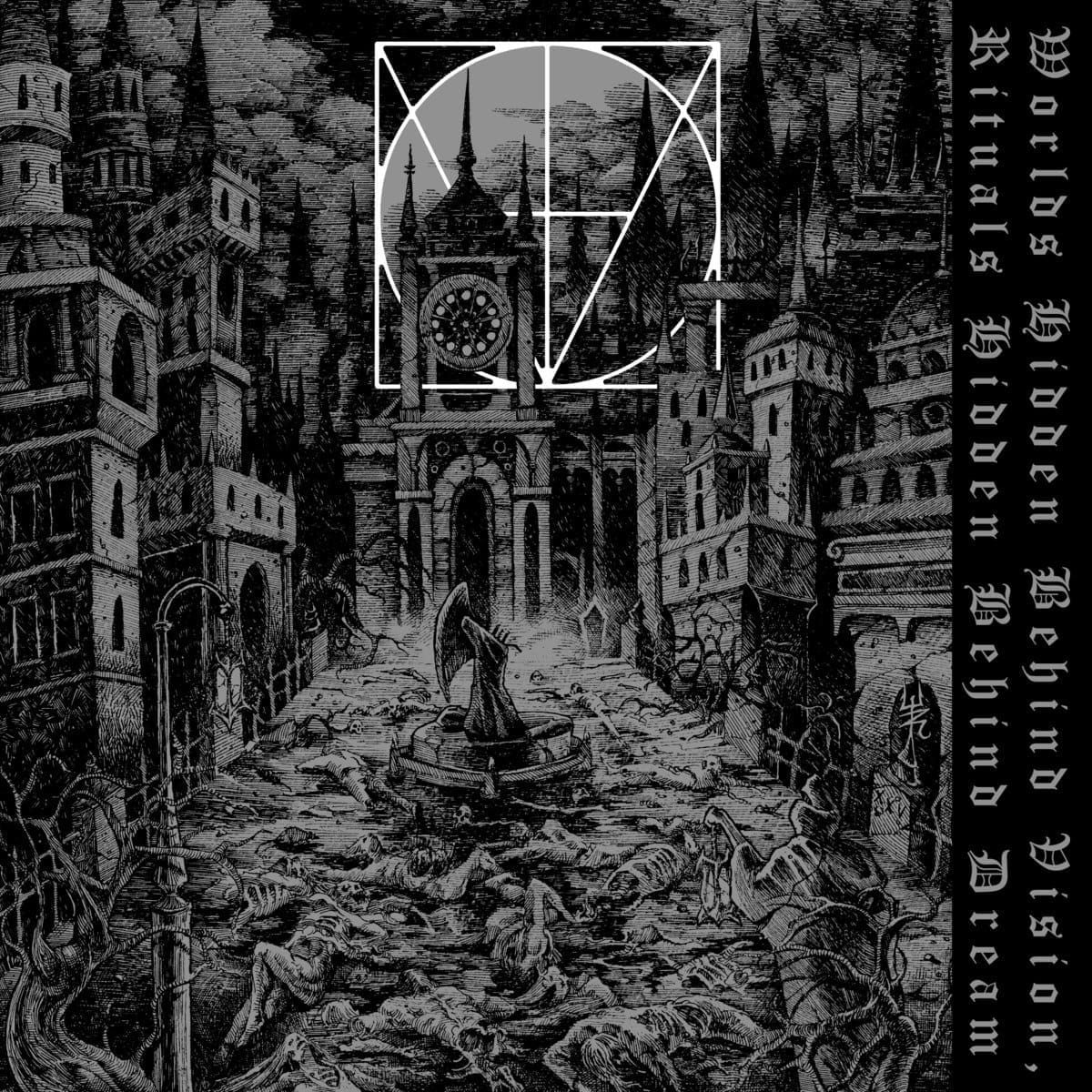
Consanguine — Worlds Hidden Behind Vision, Rituals Hidden Behind Dream album cover

The First Three Sins, The Summary

The First Sin, The Strings/Keys: The riffs emerge as heavy, dissonant incantations—tremo-picked and vile, yet visionary in their veil. While ambient textures unfurl like haunted corridors. The Second Sin, The Vocals: Unholy voices channel blackened shrieks, cutting deep with pain and despair. The Third Sin, The Percussions: Percussion strikes as relentless purification: blast-beats rain like scourges, while avant-garde tempo shifts fracture rhythm into suspended chaos.

⸸ ⸸ ⸸ ⸸ ⸸ ⸸ ⸸

The Fourth Sin, Overall Discussion

Opening: Invocation

As soon as the listener presses the play button, the ceremony begins. Four hymns, twenty-seven minutes. There is no escape. You’re dragged into its nightmare. A nightmare drawn from the eerie horror world of Bloodborne.

Think foggy streets and lurking horrors. Images of secret worlds flicker. Strange rites unfold. Dream-like events twist reality.

The Weight of Torment

Worlds Hidden Behind Vision, Rituals Hidden Behind Dream, isn’t music for comfort. It will torment. It crushes, suffocates, gnaws at the edges of your ears. If you played Bloodborne, this is the soundtrack. Fans of horror and extreme music will be drawn in. The music’s sound and foundation are heavy and dark; they will crush you, and will suffocate you beneath its blackened atmosphere.

“Worlds Hidden Behind Vision, Rituals Hidden Behind Dream” is rooted in progressive black metal, with avant-garde and death metal elements.

Hymns of the Blood Moon Rite

Each hymn feels different, stands apart. Lengths vary from four to eight minutes. Yet, they link like one full moon rite. Each hymn tells a tale. The first hymn, Secret Under Reflected Moon, acts as the opening door. It runs six minutes. This opener calls forth the hidden. The moon acts as a glassy door. Secrets wait just beyond that first step. You step through. Tremolo riffs shimmer like silver knives. Blast beats hammer the pulse. Vocals shriek from behind the veil — not before you, not beside you, but always behind.

Time breaks. Stops. Then stretches until it hurts. Guitars bend perception, chords dissonant and ugly. Drums fracture rhythm — sudden halts, then elongated rolls that feel like eternity. Vocals growl, shriek, collapse. You’re stuck in the pull. It’s claustrophobic. This is the puzzle of the ceremony, the four minute, second hymn, The Swiftness of Time Halted and Stretched.

The heart of it all is the third hymn. You are the vessel now. To Host the Unfathomable Beyond lasts eight minutes. Here, the Lovecraftian cosmic horror expands, Ambient textures — gothic, eldritch — seep in, humming like a current beneath your skin, filling every gap. Riffs expand, Vocals shift from guttural invocations to whispers that feel too close. The beyond doesn’t knock. It floods.

The end arrives with the seven-minute closer. Crimson Wellspring Coagulates / Forbidden Archaeology. Bloodlines mix with old tales. History weighs down like ancient stone. This seals the whole event. Ancestors press in close, riffs violent and coagulating. Bass thick, crimson. Drums pound like excavation tools digging into forbidden ground. Vocals guttural, ancestral, heavy with weight. The rite closes. Ancestors press in close. You feel them breathing down your neck.

The Lone Devilmanship

One mind crafts Consanguine. This lone force shows a solid devilmanship. Providing an instrumental score, a composition that offers the listener a fruit of dark arts. Dalton‘s guitar riffs are built on a foundation of progressive writing practices and structure: heavy dissonant, tremolo-picked and disgusting, forming a visionary veil, sharp and piercing.

Dalton‘sdrums are relentless and purifying, with blast-beats and avant-garde tempo shifts to suspend rhythm, embodying halted time. Cymbal washes create dreamlike atmospheres, shimmering like veils. The ambient textures inspired by Bloodborne — gothic, eldritch resonance.

Dalton‘svocals are unholy, channelling blackened shrieks cut deep with pain that pierce through the layers. With growls and guttural tones — the voice of blood, binding the ceremony to ancestral depth. Layered vocals are likely used, with echo effects and spectral doubling to create the sense of voices hidden behind dream, and occasional spoken or whispered passages act as ritual invocations.

Consanguine — band photo

Clarity vs. Chaos

The album is captured in this DIY recording, where the production emphasizes spacious layering, allowing avant-garde black metal textures to breathe. There is a feeling of Clarity vs. Chaos instruments are balanced so that dissonant passages remain intelligible, preserving the ritualistic intent. Vocals sit slightly behind the instrumentation, spectral, reinforcing the hidden behind vision” motif.

Overall: Blood Moon Benediction

This album isn’t just sound. It’s a rite. A nightmare you inhabit. Every riff, every scream, every production choice reinforces the ceremonial arc. Worlds Hidden Behind Vision, Rituals Hidden Behind Dream does not ask you to listen. It demands you suffer, host, and close the blood moon rite.

Closing Ceremony

The rite concludes with the final hymn,Crimson Wellspring Coagulates / Forbidden Archaeology—a last invocation where vision and dream entwine into silence. With this closing hymn, the ceremonial arc is sealed, the altar veiled, and the torches extinguished. We extend our deepest gratitude to Consanguine for granting us the honour of beholding Worlds Hidden Behind Vision, Rituals Hidden Behind Dream, and for allowing us to inscribe its mysteries into testimony.

⸸ ⸸ ⸸ ⸸ ⸸ ⸸ ⸸

The Fifth Sin, The Memorabilia

For me, Consanguine is pure nightmare incarnate—an architect of shadows who forges old-school raw black metal with progressive, gothic, and death metal-laden currents, laced with avant-garde dissonance.His craft is not merely music but a ritual of collision, where tradition is shattered and reassembled into something colder, darker, and more unearthly than its parts. From this crucible emerges the forbidden fruit of art: intoxicating in its allure, perilous in its taste, and eternal in its resonance.

To encounter his work is to descend into a dreamscape where vision and nightmare entwine, where every hymn is both a wound and a revelation.

The Sixth Sin, The Artwork

The album’s artwork captures the lyric and horror of Bloodborne—a canvas where gothic architecture bleeds into nightmare, and every shadowed spire becomes a hymn of dread.

The Seventh Sin, Disrelish

There is nothing to disdain within the musical offerings of Consanguine; each hymn stands as testament to nightmare transfigured into art. Thus, we draw the veil upon our review, sealing the rite with reverence. I extend my deepest gratitude for your time in reading this testimony, and I urge you to step beyond the threshold to explore the visions and rituals wrought by Consanguine. 

As the veil lifts on December 26th of this year, Consanguine will unleash Worlds Hidden Behind Vision, Rituals Hidden Behind Dream. This review stands as but a taste of what is to come—a foretelling of nightmare hymns yet to be heard, a glimpse into the forbidden fruit soon to be offered.

⸸ ⸸ ⸸ ⸸ ⸸ ⸸ ⸸

The Hymns

01. Secret Under Reflected Moon
02. The Swiftness of Time Halted and Stretched
03. To Host the Unfathomable Beyond
04. Crimson Wellspring Coagulates/Forbidden Archaeology

Consanguine

Dalton Hall — Everything

Reviewed by Kristian — editorial architect and ceremonially crafted. © Athenaeum of Sin Reviews.

Urku Llanthu — Hanak Review

Urku Llanthu is an Ecuadorian dark folk/dungeon synth solo artist. In 2025, Urku Llanthu released his latast single, Hanak, and released through his label Takiri Productions.

Urku Llanthu, Hanak Review: This review will evaluate every aspect of the album, from its intricate musical composition to its production.

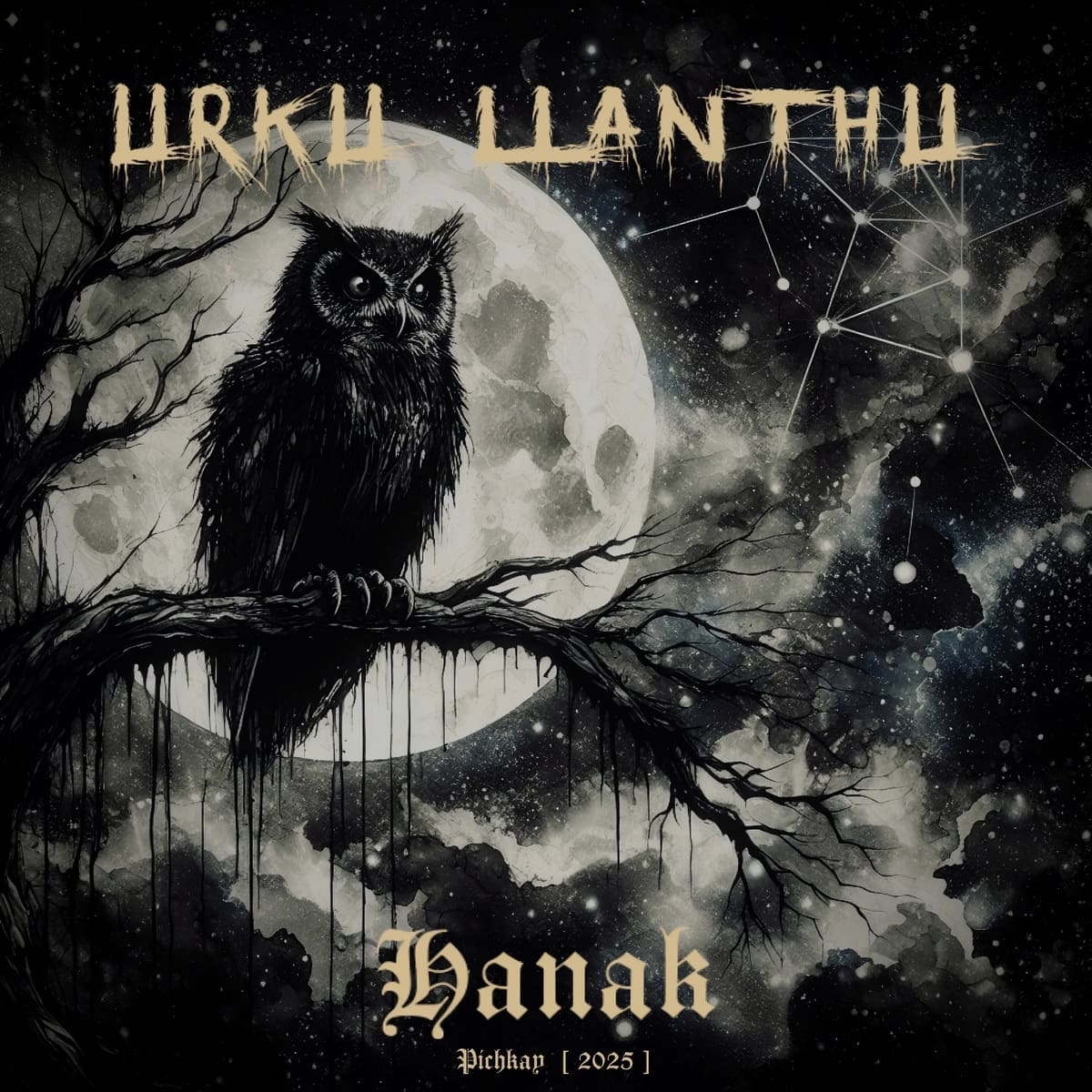
Urku Llanthu — Hanak cover

The First Three Sins, The Summary

The First Sin, The Strings/Keys: All electrical instrumentals are omitted. Part from the keyboards, which offers the listener with an instrumental soundscape with the use of traditional Andean wind/string instruments and environment sound Fx. The Second Sin, The Vocals: Omitting vocals entirely, Hanak allows its melodies and atmospheres to breathe. The Third Sin, The Percussions: Percussion in Hanak isn’t just rhythm—it’s a primal force.

⸸ ⸸ ⸸ ⸸ ⸸ ⸸ ⸸

The Fourth Sin, Overall Discussion

Opening: Beneath the Mountain’s Pulse

Urku Llanthu frames its musical atmosphere together with melodic, harmonic and mystical rhythms, with a strong base in ancestral Andean melodies, along with a diverse framework of instruments that come from this region. Amalgamating all these sounds under the harmonic company of the piano that supports and shapes this musical genre called Dungeon Synth — Dark Folk Metal. [Urku Llanthu]

Hanak: A Sonic Ritual Rooted in Andean Spirituality

As soon as the listener presses that play button, they don’t just hear music. They step into the raw pulse of Urku Llanthu‘s world. Urku Llanthu pulls you in deep. Nature’s call blends with dark, heavy keys. It begins a journey that feels alive and ancient.

Hanak stretches nine minutes long. It floats like a dream into Kichwa and Quechua ways of life. The name ties to “Aya Puncha,” the day of spirits or the day to honour the dead. It sits on the full album Pichkay, released in 2025 as Urku Llanthu‘s fifth studio work.

Aya Dwells in Stone

“In Andean views, everything carries ‘aya.’ That means spirit or soul. Hills, stones, lakes, and other holy spots all share it. The old Andean people held tight to ideas of life after death. They mummified bodies to keep them close. Family and friends would wash in special falls as part of the rites. For these groups, the dead keep their souls. They receive the same care as the living. Spirits wait in Uku Pacha, the lower world, ready to join us again. This spirit shapes ‘Hanak.’ The hymn remembers those bonds. It draws from Kichwa roots, where “Pichkay” translates loosely to the beginning of a new path or a hidden journey.”

Liturgy in Lo-Fi

Urku Llanthu’s Hanak is entirely self-produced using lo-fi techniques. It skips the clean shine of big studios. Hanak walks the edge of decay and devotion. The mix resists clarity, choosing grain over gloss. This is not a flaw, but a vow. A rejection of studio sheen in favour of soul.

Each crackle or fade sounds like an old voice from the past. Think dungeon synth — retro, game-like tones from the 80s and 90s, twisted dark. It blends with folk metal’s heavy edge. Layers stay simple, free from heavy compression. The mix focuses on feeling, not sharp details. Picture faint synth waves rolling like fog. Soft pads fill the air. Drums beat like ritual steps — slow and steady.

Synth layers, ambient pads, and ritual percussion dominate. No polished studio sheen — this is raw, intimate, and intentional.

Band Name here! — band photo

Vigil in Sound

Urku Llanthu’s atmosphere is hypnotic, mournful, and trance-inducing — a powerful instrumental that makes you think of mist-covered mountains, flickering candles, and silent processions. The track feels like a sonic vigil — an ideal soundtrack for meditation or getting lost in your mind.

The hymn moves slowly and deliberately, with motifs that repeat like chants. It’s not meant to entertain — it’s meant to invoke.

I’ve followed Urku Llanthu‘s sounds for some time now. He doesn’t just make tunes. He builds whole worlds of history and myth in sound. Ones that feel solid and full. All instrumental, no words to break the flow. His fruit of art devilmanship and tools stay basic but hit strong: lo-fi dungeon synth crashes into dark folk metal. Layers rise gently, building light. No artificial shine — just raw mood. The blend puts mood first, clarity second. Grainy synths grind low. Bells ring far off. Drones hum in the back. Now and then, a bent guitar or simple folk string slips in, like a ghost in the mist.

No lyrics. No voice. Hanak speaks in silence. The absence of words is deliberate — a space for spirits to breathe. The track becomes a vigil, not a verse. A hymn for memory, not ears.

The energy stays even by choice. It’s a calm high ground, not wild ups and downs. If voices creep in, they hide low or murmur soft. Synths and soft sounds rule the space. The entire mix reverberates like it’s sealed within stone walls.

Ritual Roots, Deep and Dark

Urku Llanthu‘s work grows from dark roots. Dungeon synth’s eerie vibes meet dark ambient’s hush. Black metal’s bite joins Andean folk’s heart. They entwine into a rite-born mix that sticks with you. Fans of deep, cultural sounds will find “Hanak” stirs something ancient and real. It echoes old rites in a fresh way, hard to shake once it starts. The album PichKay as a whole dives further into these themes, with tracks that layer more stories from the mountains. If you’ve ever felt the weight of ancient lands, this hymn drives it home with sharp clarity.

No climax. No chaos. Hanak holds its energy like a candle in windless air. It doesn’t rise— it remains. Stillness becomes sacred. A refusal to entertain. A choice to invoke. A fruit of art.

Closing: Descent into Silence

As the single gradually fades into silence, we offer our thanks to Urku Llanthu for granting us passage into Hanak.

⸸ ⸸ ⸸ ⸸ ⸸ ⸸ ⸸

The Fifth Sin, The Memorabilia

We deeply admire the work of Urku Llanthu. It’s never easy to put into words what his music already expresses—but each new release invites us into a fresh, magical challenge. Every offering feels darker, deeper, and uniquely its own. His sound never repeats itself, making each listen a true pleasure and a ritual of discovery.

The Sixth Sin, The Artwork

The artwork is a ceremonial triumph—visually rich, mythically charged, and editorially aligned with the spirit of Hanak.

The Seventh Sin, Disrelish

There is nothing to dislike in the musical offerings of Urku Llanthu, especially in his latest single, Hanak. Every element — its absence of vocals, immersive instrumentation, devilmanship, and ritualistic atmosphere — serves a clear artistic purpose.

⸸ ⸸ ⸸ ⸸ ⸸ ⸸ ⸸

The Hymns

01. Hanak

Urku Llanthu

Atuk Urku Llanthu (Pablo Mesias) — Songwriting, All Instruments

Reviewed by Kristian — editorial architect and ceremonially crafted. © Athenaeum of Sin Reviews.

Tales Of Mike — Human Review

Tales Of Mike, a heavy metal solo artist hailing from Germany, unveils their full-length debut, Human, on 31 October, 2025. The album is co-released through the vaults of Fetzner Death Records and Schattenpfade, marking a powerful alliance in the underground metal realm.

Tales Of Mike, Human Review: This review will evaluate every aspect of the album, from its intricate musical composition to its production.

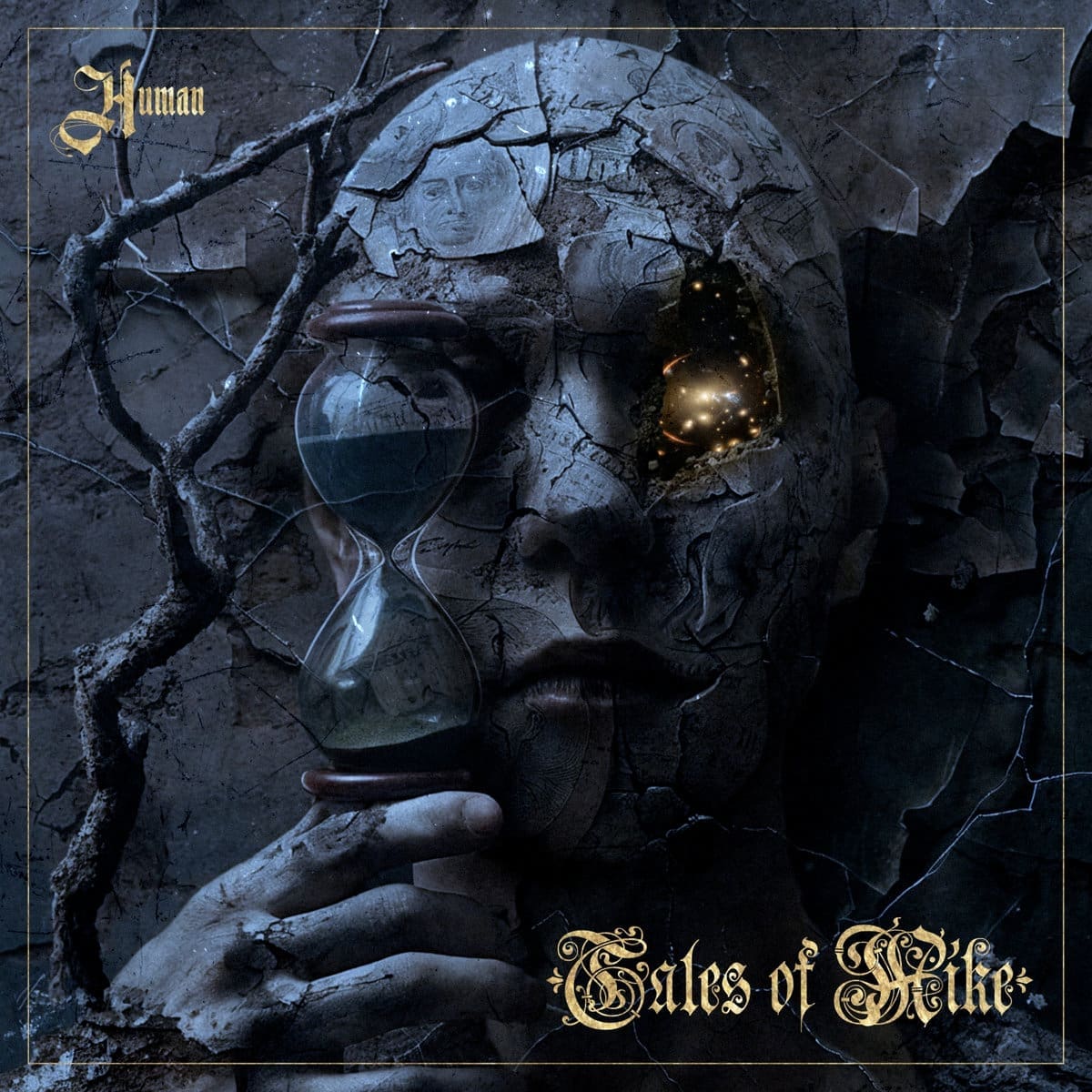
Tales Of Mike — Human album cover

The First Three Sins, The Summary

The First Sin, The Strings/Keys: Layered, mournful riffs rise and fall with bursts of aggression and melodic phrasing. Each chord carries sorrow like a ritual weight. The Second Sin, The Vocals: A shifting blend of clean and growled vocals, alternating to mirror emotional upheaval — grief, defiance, reflection. The Third Sin, The Percussions: The drums plod with doom’s solemn pace, broken by sudden double-kick surges and tom rolls that echo like distant thunder across a ritual plain.

⸸ ⸸ ⸸ ⸸ ⸸ ⸸ ⸸

The Fourth Sin, Overall Discussion

Opening Invocation: The First Hymn Beckons

As soon as the listener presses that play button, the opening hymn, Nomen est Omen, greets the listener with an audio podcast, setting the tone for what’s about to come. Following suit is Nevermore, the second hymn, which deepens the gloom. It flows seamlessly into the other six hymns, each one adding layers to the story.

Sonic Alchemy: Epicus Meets the Mask

Human stretches out over thirty mintues, blending epicus with touches of thrash metal’s sharp edges with progressive twists and technical skill, all wrapped in a heavy doom metal shell. You feel the weight of it, like chains dragging through mud. At times, it sparks a blackened theatrical vibe, much like King Diamond‘s twisted tales. The energy surges with a bite, echoing Rob Halford’s piercing vocals from Judas Priest. Then there is this grand, epic atmosphere that echoes Candlemass, My Dying Bride‘s mournful depths, and the early, shadowy woods of Opeth. Yet, the band stamps it all with their own clear voice, making it fresh and personal.

The whole album floods your ears with themes of betrayal’s sting, shallow lies in daily life, and the hard fight to hold on to your true self amid fake social games. It digs into how people hide behind masks, losing touch with what makes them human.

The Masquerade Unmasked: A Shift in Sound

One hymn that stands out sharply is the fourth hymn, Human Masquerade. It served as a single, marking a big shift from the band’s first EP, “Landscape of Sorrow.” That earlier work drowned in epic doom’s slow waves, full of loss and heavy sorrow. But “Human Masquerade” leans into a heavier progressive style, with twists and turns that keep you guessing. This new sound threads through the album Human, mixed with epic doom touches. You hear it clearly in the fifth hymn, Ancient Mirror, where reverb-soaked guitars and thin, spaced-out arrangements stir deep thoughts. It feels like staring into a foggy past, pulling at old memories. The seventh hymn, Abandoned, carries that same weight, with its empty echoes of being left behind.

Production as Ritual: No Gloss, Just Grit

Human delivers a rough, heart-pounding sound built from real-life pain, and possible homemade recording tricks and a deep bow to doom metal’s roots. The band — in what feels like a full DIY approach to production — no big studio gloss here. They mixed it rough purposely, keeping the raw punch of feelings front and centre, ahead of any slick polish. Every note, vocal cry, and beat thumps out loud from your speakers, refusing to fade. It’s like the music claws its way into the room, demanding you feel it all.

It’s more than just a project — it’s a personal necessity, born from loss, fuelled by passion, and shaped by truth and depth.

This isn’t just some side gig. It’s a deep need, sparked by grief, driven by fire in the gut, and carved from honest truths. The band, Tales of Mike, infuses a devilish spark in their devilmanship that breathes life into every corner of the album. The songs’ build—both in instruments and overall flow—hits flawless marks, like a ripe piece of art born from sweat and soul.

Guitar Ceremony: Distortion as Devotion

Lead guitarist Michael Heß lays down the core, with Henrik Schaller adding extra guitar fire. They craft slow, crushing riffs straight from epic doom’s playbook, laced with sweet melodic lines and shaky tremolo waves that fill the air with haze. Their guitar sound drips thick distortion, but it stays warm and old-school, like vinyl crackle. It stirs up sorrow’s ache, a sense of massive spaces, and quiet inward stares.

Hymns like “Abandoned” and “Human Masquerade” shine with smart overlaps in sound and heartfelt bends in the melody. They shift from quiet builds to full storms, pulling you along.

Tales Of Mike — band photo

Rhythm & Ritual: Bass and Drum Communion

The bass lines hold steady under the guitars, grounding the harmonies during the slower passages. Its tone rolls deep and full, like a low rumble from the earth. Drums come from programmed beats or live hits, likely handled by Michael Heß or Gonzalo Civita. They plod at doom’s steady pace, broken by quick double-kick bursts and deep tom rolls that echo like distant thunder. The mix gives them room to breathe—organic and wide—fitting the album’s slow, ceremony-like rhythm. It all feels like a rite, unfolding step by step.

Vocal Invocation: Voices from the Shadows

Gonzalo Civita takes the main vocal reins across “Human.” His voice pours out grief, bold pushback, and quiet reflection. He switches from clean, sad lines to guttural growls from the chest, staying raw and true. Effects layer his calls with echoes, ramping up the drama, as if voices rise from shadows. Bernhard “Doomchild” Tischler, fresh from his role in “Seeds of Doom’s — The Misery Show” provides the spoken words on Nomen Est Omen.

His gravelly tone works like a dark spell, kicking off the album’s dive into who we are, the bite of loss, and the will to fight back

Lyrical Spine: Myth and Memory

Shannon Heß authored the lyrics, weaving personal experiences and old myths to knit a tight tale of release. Her words form the spine of this emotional ride, guiding you through the hurt toward light.

“Nomen est Omen”—it calls on names, fate, and self, where sorrow meets an end in “Nevermore.” “Money Tree” rips into rot and fake riches that poison the soul. “Human Masquerade” twists identity under social veils, answered by “Ancient Mirror’s” gaze back at roots and kin echoes. “Hourglass” ticks with time’s rush and life’s big questions. “Abandoned” sinks into aloneness and heart’s slow rot. It all closes with “Swan Song,” a final breath of ascent and peace.

Ritual Arc: From Name to Silence

No single force makes this music pulse—each hymn claims a face of its own, rhythm, and throb. They spark to life one by one, yet together they ignite the whole. A ritual path arcs from the opening call in “Nomen Est Omen” to the quiet end in “Swan Song,” tracing a soul’s trek through dark woods. This goes beyond records on a shelf. It’s pure fruit of art, forged in fire and raw emotion.

Benediction: The Final Hymn Folds

As the album closes with the final hymn “‘Swan Song’”, the music folds like swan wings — graceful, solemn, and ceremonial. Yet, it remains alive, pulsing with emotional weight, tethered to the listener long after silence returns.

⸸ ⸸ ⸸ ⸸ ⸸ ⸸ ⸸

The Fifth Sin, The Memorabilia

For me,  where does one begin? This is more than mere music — it’s a heartfelt, passionate journal etched in sound. A literary vessel of sorrow, emotion, and profound melancholy. Each hymn bears a burden of its own: weight, grief, and ache. And this heaviness isn’t heard through the ears alone — it’s felt in the chest, in the heart, where the music truly lives.

The Sixth Sin, The Artwork

The artwork captures the album’s lyrical concept and emotional theme in full.

The Seventh Sin, Disrelish

There is nothing to dislike in the musical offerings of Tales of Mike and their debut, Human. Each hymn carries weight — grief, sorrow, and truth — not just heard, but felt in the chest. This is more than music; it’s a ritual carved from loss and lit by passion.

With that, we close this review — a passage through shadow and sound. Thank you for walking this path with us. We invite you to explore the work of Tales of Mike, and honour the labels that brought this to life: Fetzner Death Records and Schattenpfade.

⸸ ⸸ ⸸ ⸸ ⸸ ⸸ ⸸

The Hymns

01. Nomen est Omen
02. Nevermore
03. Money Tree
04. Human Masquerade
05. Ancient Mirror
06. Hourglass
07. Abandoned
08. Swan Song

Tales Of Mike

Michael ”Mike” Heß — All Instruments
Gonzalo Civita — Guest Vocals
Henrik Schaller – Guest Guitar Solos
Shannon Heß – Lyrics
Spoken words by Bernhard ”Doomchild” Tischler, from Seeds of Doom – The Misery Show

Reviewed by Kristian — editorial architect and ceremonially crafted. © Athenaeum of Sin Reviews.

Crux EX — The Pain of Silence Review

Crux Ex is an Spanish depressive black metal solo entity. On 23 September 2025, Crux Ex released his latest independent full-length, The Pain Of Silence. Five hymn lament blending black metal, ambient decay, & introspective suffering

Crux Ex, The Pain Of Silence Review: This review will evaluate every aspect of the album, from its intricate musical composition to its production.

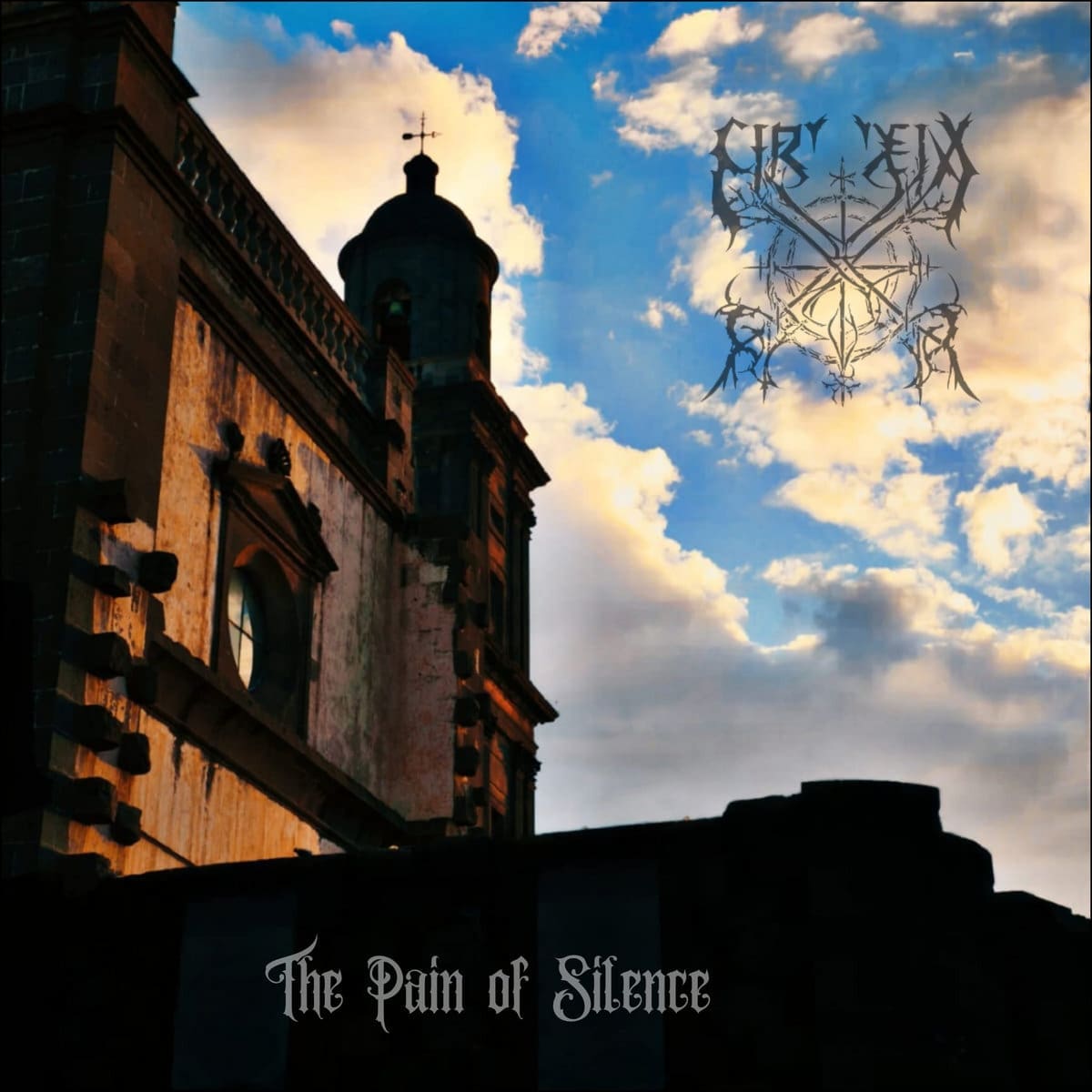
Crux Ex — The Pain Of Silence album cover

The First Three Sins, The Summary

The First Sin, The Strings/Keys: Washed in reverb and delay, the tremolo-picked riffs bleed into each other like fog over a graveyard. Ambient and atmospheric elements fill in the decay. The Second Sin, The Vocals: The voice is not a narrator but a vessel for anguish, buried in the mix like a ghost clawing at the veil. The Third Sin, The Percussions: Sparse and ritualistic—more funeral march than blast beat. The pacing is deliberate, allowing each note to decay into silence.

⸸ ⸸ ⸸ ⸸ ⸸ ⸸ ⸸

The Fourth Sin, Overall Discussion

Genesis Through Ash: The Birth of Crux EX

In a time full of mediocrity, where everything is measured to the millimetre, constrained, and tight, Crux EX is born under an ideal of minimalism and realism, opposing the current decadent culture. The magic lies in simplicity and authenticity. Far from polished, unorganic, and mainstream productions, Crux EX seeks to preserve the purest essence in sound. True to the productions of the 1990s, it explores the rawness and rage of Black Metal, with touches of Death and Doom, and delves into the most introspective ambient music. [Crux Ex]

Descent Begins: Five Hymns of Hollow Flame

When the listener hits play, they dive into five hymns. These span thirty-five minutes. They deliver black metal that captures the raw heart of atmospheric and depressive black metal. This genre pulls from dark roots. It mixes heavy riffs with deep gloom. Think bands like early Burzum or Lifelover. They blend fury with quiet despair. Here, the sound stays simple. It strikes deep intro emotions. The production keeps it lo-fi on purpose. That choice holds true to black metal’s spirit. It shuns clean polish for raw truth. Imagine a tape from a cold, wet cellar. Echoes and grit fill the air.

The Fog of Hurt: Where Silence Festers

The mix stays murky by design. That haze reflects depression’s fog. It shows isolation’s grip. The artist skips any gloss on the hurt. They just record it plainly. No ornate flourishes disrupt the void. Forget showy solos or catchy hooks. Repetition rules. Decay lingers. Silence stretches wide. Each note hangs and fades like rot. That tight control mirrors the pain itself. It builds a world of quiet torment.

Each hymn shifts and tests limits. This album demands focus. It’s no easy listen. The sting of silence lingers throughout. Listeners might pull back at first. But the pull grows. It draws you into the dark.

No Empathy: The Severance Rite

The opening hymn. No Empathy. It kicks off the mood right away. Bleak tremolo riffs slice through. Distant shrieks hide in thick reverb. Guitars melt together like spreading mist. Drums plod slow, like a funeral march. Words mourn lost ties. Empathy isn’t gone. It’s ripped away with force. The sound feels vast and empty. Like a trap in endless nothing. Connection dies there.

In texture, it uses clashing notes. They fade slow. Vocals layer like ghosts. The pain remains subdued. It’s the throb of no one listening.

Homesickness: A Lament for Roots Never Known

The second hymn, Homesickness.Eschews warm memories. It digs into soul-deep loss. Guitars take a softer bend. They hint at post-rock swells. But sorrow soaks every line. Voices switch from soft breaths to far-off cries. Like shouts over a deep gap. The track turns exile into rite. You feel cut from roots and self.

Texture builds with clean strums. Drones hum low in the back. It’s a sad song for a lost home. One that might never have been real.

Crux Ex — band photo

The Fall of Adam: Descent Without Crash

The third hymn, The Fall of Adam, stretches longest. Over ten minutes of gradual descent. It probes life’s end and faith’s break. The piece moves in stages. A soft hum starts. Dissonance builds sharp. Then it crumbles to hush. Voices stay rare. They weave in as mood, not story.

Texture stacks tremolo waves. Quiet breaks dot the flow. Pace feels like old rites. Adam doesn’t just slip from light. He sinks into quiet. No big crash. Just fade.

From My Depths: Murmurs Beneath the Wound

From My Depths marks the fourth. It’s a low murmur from hidden places. Lo-fi grit rules here. Hiss and fade join the tools. Guitars stay calm, almost still. Voices rise like calls from underwater. The whole thing stands for buried wounds. What hides still whispers out.

Texture keeps it spare. Layers build light. Real-world sounds mix in. Noise drifts like fog. Silence isn’t empty. It’s the push of holding back.

Ritual of Survival: The Pain of Silence

Overall, Crux Ex is a dark, raw and depressive fruit of art release, solid composition both instrumental and musical, and all crafted through devilmanship—an art of sonic possession and ceremonial decay.

The Pain of Silence feels like a direct transmission of someone’s inner torment—raw, unfiltered, and ritualised through sound. It doesn’t just express pain; it embodies it. Every track is a wound reopened, every silence a scream withheld.

This isn’t just music. It’s a ritual of survival, a sonic diary of someone who has walked through the void and returned with scars instead of answers.

Cruel: The Final Breath, Meaning Unmade

The last hymn, Cruel, seals it shut. No words break the flow. Just a stark cry in notes. Slow guitar lines weep. Decay fills the gaps. It’s the final breath, the moment after the ritual ends and the silence becomes absolute. The track feels like a requiem, not for a person, but for meaning itself. We offer our deepest gratitude to Crux EX for allowing us to witness this sonic rite.

⸸ ⸸ ⸸ ⸸ ⸸ ⸸ ⸸

The Fifth Sin, The Memorabilia

For me, playing The Pain of Silence is not just listening—it’s ritual. Another depressive black metal artefact for my collection, one I would gladly place upon my shelf of altar, beside the relics of grief and sonic decay. But after the opening invocation, things shift. The five hymns that follow are not repetitions—they are transformations. Each one different. Each one a challenge.

And for me, this challenge is sacred.

These hymns do not comfort. They do not dull the senses or hold your hand through the void. They demand presence. Furthermore, they open the eyes and ears to suffering rendered in sound. They are long, yes—but never indulgent. Their length is a descent, a slow walk through shadowed corridors where silence is not peace, but violence.

They are: Dark: not just in tone, but in spirit. Experimental: bending genre into ritual. Depressive: not performative, but personal. Ambient: where decay becomes texture. Instrumental: where words fail, sound speaks. Blackened: as the night sky covering an abandoned graveyard.

This is not music for the masses. It is music for the altar. For those who find beauty in ruin, and clarity in collapse.

The Sixth Sin, The Artwork

The artwork, I’m unsure.

The Seventh Sin, Disrelish

There is nothing to dislike in the musical offerings of The Pain of Silence. Each hymn stands as a testament to Crux EX’s raw vision—uncompromising, introspective, and ritualistically bleak.

⸸ ⸸ ⸸ ⸸ ⸸ ⸸ ⸸

The Hymns

01. No Empathy
02. Homesickness
03. The Fall Of Adam
04. From My Depths
05. Cruel (instrumental)

Crux Ex

Dante Crux EX – All Instruments, Vocals, Composition, Production

Reviewed by Kristian — editorial architect and ceremonially crafted. © Athenaeum of Sin Reviews.

Angel Rising — The Fall Of Tell Nefareh Review

Angel Rising is an French progressive/technical death metal entity. On 22 October 2025, Angel Rising will release their latest full-length, The Fall of Tell Nefareh, through Music Records.

Angel Rising, The Fall of Tell Nefareh Review: This review will evaluate every aspect of the album, from its intricate musical composition to its production.

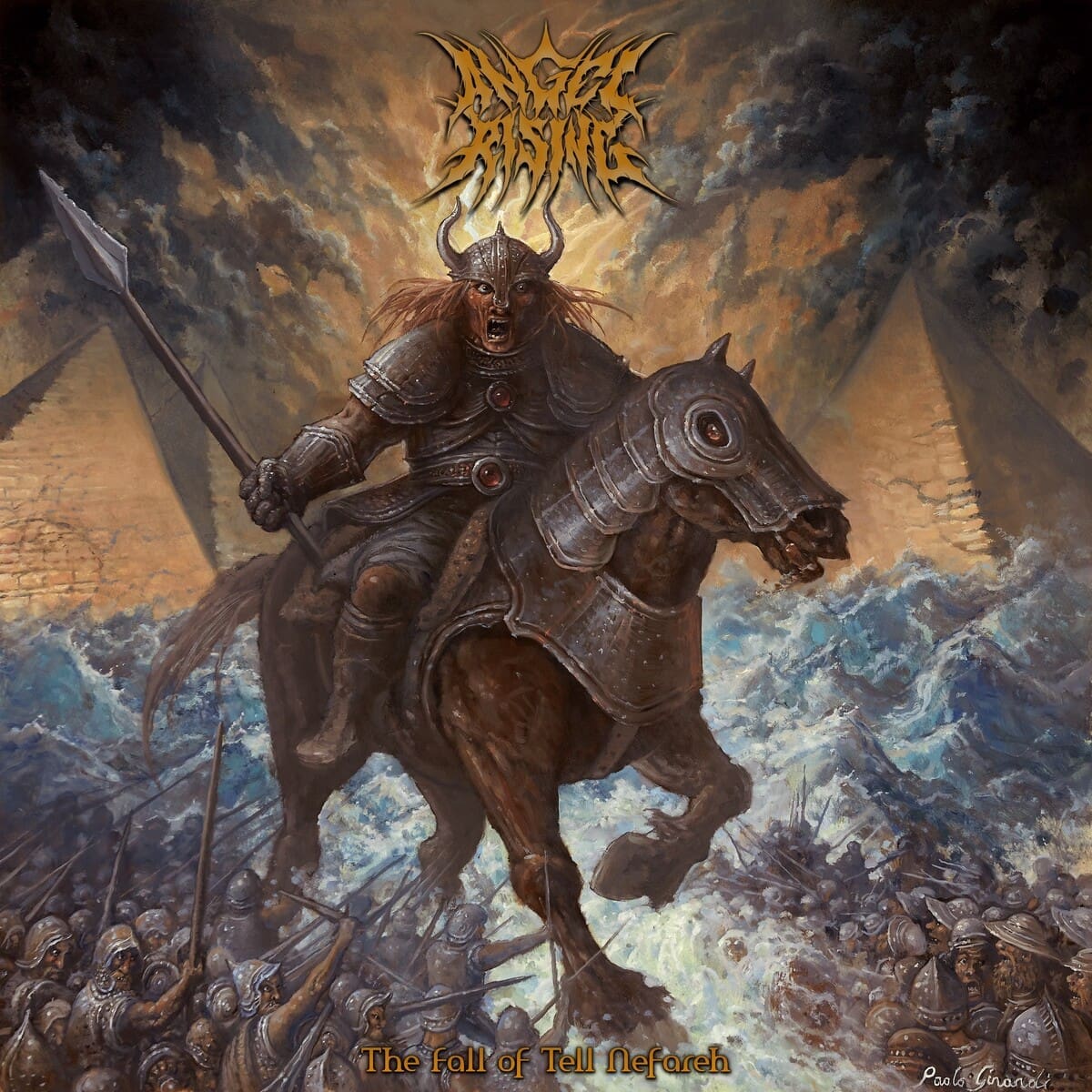
Angel Rising — The Fall of Tell Nefareh album cover

The First Three Sins, The Summary

The First Sin, The Strings/Keys: Guitars bite with sharp tone. Riffs shift fast—thrash charges, death metal crushes, and neoclassical sweeps. The Second Sin, The Vocals: Vocals tear through with deep growls and layered contrasts—harsh commands clashing with soaring cries. The Third Sin, The Percussions: Dominated with thunderous double kicks, ripping blast beats, and tribal rolls that echo ancient rites.

⸸ ⸸ ⸸ ⸸ ⸸ ⸸ ⸸

The Fourth Sin, Overall Discussion

Opening Invocation — The Descent Begins

When the listener hits play, the first hymn, The Fall of Tell Nefareh, hits hard. War drums pound like distant thunder. An audio soundscape swirls around the ears—winds scream through cracks. Guitars start low. They build tension bit by bit. The sound pulls you in. It leads straight into the next eight hymns. No breaks. The flow keeps you locked in place.

Lyrics paint a grim picture. Images flash of a city crumbling. Tell Nefareh stands as a symbol of total downfall. It calls to mind old tales from Mesopotamia or Egypt. Think of ziggurats toppling or pyramids swallowed by sand. The whole album traces this mythic slide into chaos.

Sonic Evolution — A Giant Leap Forward

Clocking in at thirty-four minutes, the album delivers nine hymns in all. It marks a big step forward for the band. Earlier works seem tiny by comparison. The group pours more heart into it. They blend the steady push of groove metal with smart changes from progressive twists. Technical riffs get complex. They ask you to pay close attention. Melodic death metal brings in sharp bites.

You catch hints of Metallica shows in tight riff patterns—the science of heavy grooves. Those riffs lock into heavy beats—the maths of hard grooves. Sepultura‘s raw vocal fire burns through. Megadeth‘s Friedman-era solos spark wild runs.

Hymnal Highlights — Rituals in Flight and Sand

Hymns like Falling off the Edge of the World: it launches with a burst of power metal energy. Guitars climb high, like eagles riding storm winds. Picture Gamma Ray or Helloween leading a grand march. The song feels like a sacred soar over broken stones.

Now turn to the fifth hymn. It pulls from Arallu‘s feel of the Middle East. Drums beat in ritual style, like calls from long-lost times. Riffs wind through odd scales. Distortion blasts like a storm of sand. It smothers all in rough grit. These touches ground the music in ancient roots. They make the chaos feel real, tied to dusty history.

The Mythmaker — Listenangel’s Singular Vision

Angel Rising springs from one mind — Listenangel crafts most of it alone. He records guitars, programs drums, shapes the sound. This keeps the vision pure—a lone storyteller weaving myths.

Guests add sparks, Rob Lundgren joins tracks two and three. His parts layer on new depth, like voices bouncing in a stone hall. Elvis Ukmar steps in on track six. His styl stretches the sound wider. It mixes fresh notes into the base without losing the core feel.

These guests keep things fresh. They answer the question of how one person can fill a big space.

Angel Rising — band photo

Atmosphere & Production — The Stir of Deeper Fires

Under the hard hits and slams, brutal prog and tech parts take charge. Yet soft spots emerge. Ambient interludes offer space to breathe. The production stacks layers for real depth. The pace copies a slow fall of a mighty land. Each hymn plays like a step in the breakdown of a once-tall world. The feel digs deep. It mixes quiet awe, loud rage, and soft grief. This fits into those hidden spots in your mind. Places where dark thoughts build up.

Notes ring clear. Drums thump like a heartbeat in the dark. You pick out every piece, like rain hits in a downpour. That sharpness makes the wild parts shine. But Angel Rising stirs deeper fires. The devilmanship flares in every corner. Not just in the tunes or noise, but in how the parts fit together. Arrangements draw you close.

Instrumentium & Vocal Anatomy — The Bones of Tell Nefareh

Listenangel‘s guitars cut with a keen edge. They stack heavy, like smoke from a holy fire. Riffs shift quick—thrash rushes forward, death metal pounds down, neoclassical lines sweep wide. Leads climb into melody. Solos touch power metal heights, especially in track three. They twist and turn, chasing light in the gloom.

Guitars form the skeleton of Tell Nefareh. They build towers in one riff. They shatter them in the next. Passages rise as grand halls. Then they drop like toppled idols. This back-and-forth mirrors the story’s rise and crash. It keeps you hooked, wondering what breaks next.

Bass lines add weight. They hum thickly, backing the guitars. Often, they stick to the main path. But occasionally, the bass breaks free. It has a firm, low line of its own. In the mix, it stays under the roar. It anchors strongly, like roots gripped in old rock—the foundation of Tell Nefareh‘s faded shine.

Kevin Talley commands the drums. Known from Dying Fetus and Suffocation, his skill slices precise. Beats blend tight grip with loose fury. Blasts tear through the atmosphere in a matter of seconds. Double kicks boom from below. Tribal fills call back to ancient ways. Each strike lands like a verdict from the sky. Each roll shakes a pillar loose and cracks the earth.

Vocal Duality — From Grace to Ruin

Listenangel‘s vocals tear right through the storm. He drives the hymns with low growls. His rough voice fills the air. It rises from the chest, packed with power. On tracks two and three, guests bring clean high calls. Their strong cries rise and glide. This blend of rough and smooth shows the full drop. Harsh lows meet bright highs. It paints the shift from strength to fall. The whole setup grips you. It turns simple listening into a journey through dust and fire.

Ritual Overview — A Forbidden Fruit of Art

Overall, The Fall of Tell Nefareh goes beyond a simple record. It stands as a bold mix of progressive drive, brutal slams, heavy weight, and technical flash. Put together with care, it tempts like hidden art—a fruit you dare not ignore—a forbidden fruit of art.

⸸ ⸸ ⸸ ⸸ ⸸ ⸸ ⸸

The Fifth Sin, The Memorabilia

For me, Rising’s The Fall of Tell Nefareh has conjured something fresh, bold, and undeniably epic—an offering that feels both entertaining and transcendent. The Fall of Tell Nefareh isn’t just another entry in the band’s discography; it’s a ritual evolution, a ceremonial leap into deeper mythic waters.

It was especially gratifying to see “Everything That We Build” featured on the album. That hymn stands as a cornerstone—its guitar work is hymptic, almost liturgical in its phrasing, while the beats and melodies pulse with a sense of sacred architecture. It feels like a sonic monument being erected and dismantled in real time.

The entire album is a fruit of art—ripe with layered composition, emotional gravity, and mythic intent. Every riff, every vocal invocation, every percussive strike feels deliberate, as if carved into the stone of Tell Nefareh itself. It’s not just music—it’s a ceremonial act of creation and collapse

The Sixth Sin, The Artwork

This is not just cover art—it’s a final hymn made visible. The descent is complete. The sins are named. The world, once towering, now falls.

The Seventh Sin, Disrelish

There is nothing to fault in the musical offerings of Angel Rising.

⸸ ⸸ ⸸ ⸸ ⸸ ⸸ ⸸

The Hymns

01. The Fall of Tell Nefareh
02. The Agony of the Brave
03. Falling off the Edge of the World
04. We Must Suffer
05. Ancient Whispers
06. Distant Solace
07. Everything That We Build
08. Drums of War
09. The Voyager

Angel Rising

Listenangel — Guitars
Rob Lundgren – Guest Vocals on hymns two & three
Elvis Ukmar – Guest contributions on hymn six
Kevin Talley – Drums

Reviewed by Kristian — editorial architect and ceremonially crafted. © Athenaeum of Sin Reviews.

Bardos De Amergin — Hinos Alcoólicos Review

Bardos De Amergin is an Portugese extreme folk metal entity, created by Melkor. On 9 March 2025, Bardos De Amergin released its debut full-length, Hinos Alcoolicos, self-release via Stuidos13.

Bardos De Amergin, Hinos Alcoolicos Review: This review will evaluate every aspect of the album, from its intricate musical composition to its production.

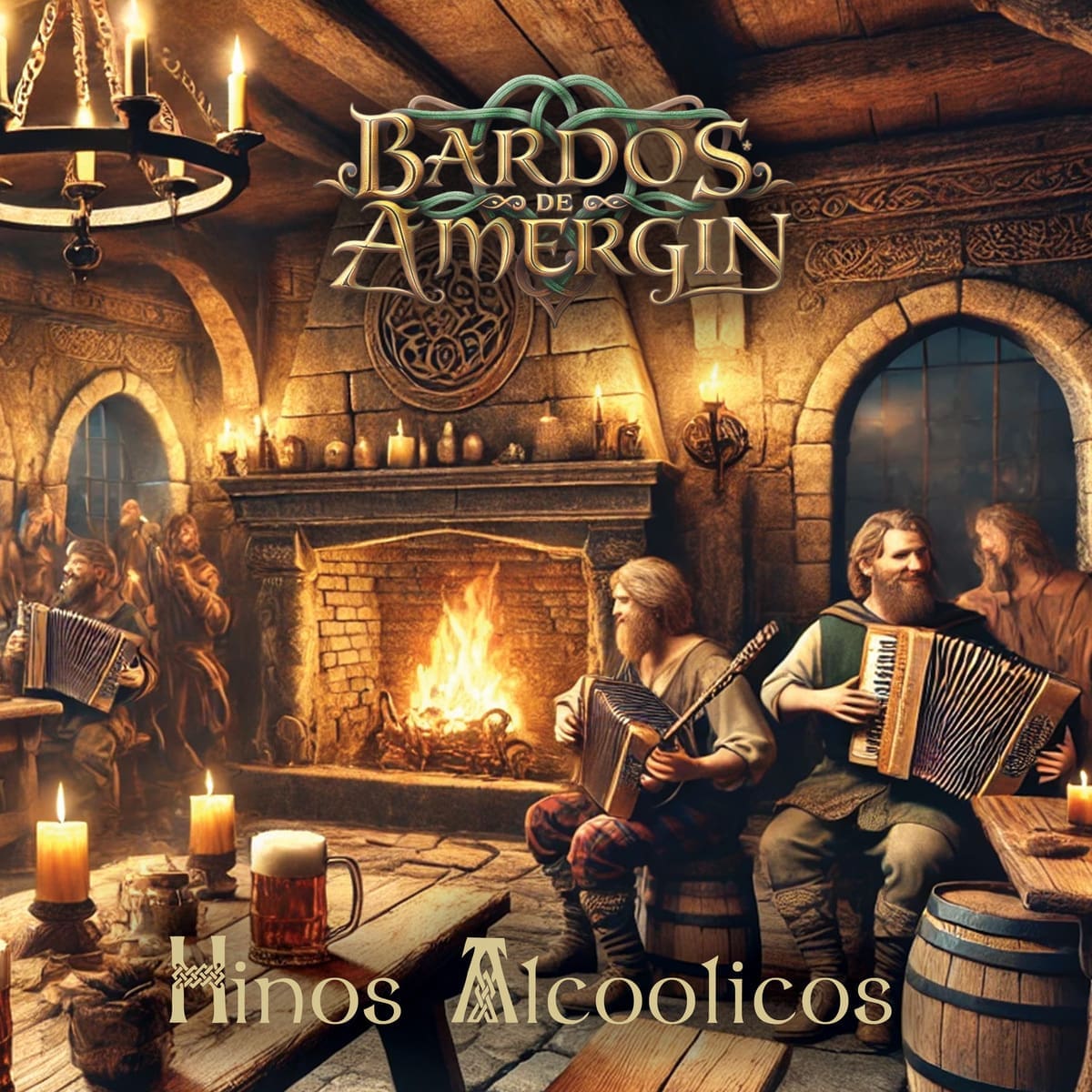
Bardos De Amergin — Hinos Alcoolicos album cover

The First Three Sins, The Summary

The First Sin, The Strings/Keys: Acoustic strums entwine with distorted riffs, forging folk anthems and battle hymns. The Second Sin, The Vocals: Three layers: gruff lead invocations, bardic chants echoing tavern camaraderie, and mythic growls that punctuate the tale. The Third Sin, The Percussions: Blast beats, warlike marches, and stomping rhythms conjure the album’s thunderous spine. Whether digital or live, the drums summon the spirit of ancient revels.

⸸ ⸸ ⸸ ⸸ ⸸ ⸸ ⸸

The Fourth Sin, Overall Discussion

Opening Invocation: Press Play, Enter the Ritual

The moment the listener presses that play button, the album’s journey begins. The opening hymn, Hino das Canecas, immediately transports you. It conjures a medieval atmosphere. This segues into a folkish extreme metal anthem.

The Alcohol Hymns: Storytelling Under the Influence

Listeners then continue their merry way with the remaining six alcohol hymns, and discovering “Hinos Alcoólicos” is a celebration of ancient drinking songs and the timeless bond between music and revelry. Inspired by myth, folklore, and the spirit of camaraderie, Bardos de Amergin bring forth a collection of anthems that echos through feasts, taverns, and sacred gatherings. With powerful melodies and tales soaked in ale and mead, this album is an invitation to raise your cup and sing along to the rhythms of the past. “The raw energy and unpredictable nature of storytelling under the influence of alcohol—a mix of lighthearted revelry and tragic myth.” [Bardos De Amergin]

Each track is a ceremonial hymn, blending folk instrumentation with metal intensity, invoking the spirit of Dionysian celebration and bardic storytelling. Lyrics are steeped in Celtic ritual, drunken myth, and exaggerated tales told by firelight.

Solo Devilmanship: Melkor’s Ritual Craft

The entire Bardos De Amergin project is the conjuration of a single visionary. This solo artist is known as Melkor. He is solely responsible for its “devilmanship.” Melkor composes, performs, and produces every single track himself. This immense undertaking includes spans every instrument, music composition, lyric writing, recording sessions, mixing, and mastering. He even handles all the vocals. This solo ritual imbues the album with a deeply personal feel. It is truly a handcrafted (fruit of art) work. It feels like a lone bard whispering ancient tales by a crackling firelight. Pedro Raimundo makes a guest appearance. He adds a touch of spectral shimmer on keyboards. His melodic counterpoint weaves through the heavier instrumentation.

Tavern Alchemy: Where Folk Ritual Meets Metal Fury

Bardos De Amergin offers a unique folk metal fusion. It masterfully blends traditional folk motifs. These are layered with powerful heavy metal textures. Imagine acoustic strums intermingling with heavily distorted guitar riffs. Warlike drums provide a relentless pulse. Mythic chants rise above it all. Hymns such as Taverna dos Druidas and Círculo da Cerveja are particularly evocative. They transport you to smoky, communal drinking spaces. You can almost hear the clinking of tankards. You can feel the stomping of boots on wooden floors. The album expertly captures this authentic tavern ambience.

The album moves from the thunderous power of Whisky nas veias. It shifts to the more introspective melodies of Ode ao Vinho. This dynamic range mirrors the emotional arc of a night spent drinking. It oscillates between intense revelry and quiet introspection.

The production itself is described as a “solo distillation.” Melkor is both the brewer and the bard. The sound is a ritualistic exploration of contrast. It plays with light and shadow. It navigates between clarity and controlled chaos, where Melkor acts as both brewer and bard. The sound itself is a ritual of contrast—light and shadow, clarity and chaos.

Bardos De Amergin — band photo

Battle Riffs and Bardic Whispers: The Stringed Backbone

The stringed instruments form the backbone of the sound. Electric guitars provide the core riff engine. They are distorted, crunchy, and often gallop with furious energy. These guitars are employed for the album’s battle hymns and energetic tavern anthems. Acoustic guitars are used for the gentler folk intros. They feature in bardic interludes and provide melodic transitions. These acoustic elements add warmth and a rich storytelling texture. The bass guitar offers a deep, rumbling foundation. It typically mimics a heartbeat or a ritualistic pulse beneath the sonic chaos.

Hymns like Whisky nas veias and Círculo da Cerveja showcase layered guitar harmonies. These harmonies evoke both boisterous revelry and a touch of melancholy.

Rhythmic Rites and Bardic Voices: The Pulse of the Ceremony

Percussion is equally dynamic. The drum kit, whether digital or live, creates a thunderous backbone. It delivers blast beats, warlike rhythms, and infectious tavern stomps. Speculative percussion elements include the frame drum or Bodhrán. This adds a distinct folk resonance. It is likely used in intros or ambient passages. It simulates ancient rites and ceremonies. The vocals are presented in three distinct layers. Lead vocals deliver gruff storytelling. They provide ceremonial invocations. Bardic chants are a key feature. Layered harmonies simulate communal drinking songs. They create echoes of a lively tavern chorus. Spoken word and growls are used for dramatic emphasis. They add a layer of mythic narration.

Solo Distillation: Brewer and Bard

Additional sonic elements are likely employed. These would deepen the immersive experience. Ambient effects such as crackling fire sounds or the clinking of mugs are probable. The sound of wind through trees might also feature. MIDI orchestration could add cinematic weight. This would be especially effective in tracks like Ode ao Vinho and Taverna dos Druidas. Reverb and delay effects would be used. They would simulate cavernous taverns and grand, echoing bardic halls.

This is a manifestation of “bardic possession.” Melkor conjures a full ceremonial ensemble from within himself. Each instrument becomes a vessel for his artistic vision. The guitars act as swords. The drums become war cries. Synthesizers evoke swirling mist. The vocals serve as powerful invocations.

Final Invocation: Raise Your Tankard/Viking Horn

Bardos De Amergin is a must-listen release. It is for fans of extreme metal and folk metal alike. This thirty-minute folk-anthem is a fruit of art. It delivers speed, fun, and catchiness. It is heavy and aggressive. The lyrics are sung in Portuguese, adding to its authentic charm.

As the Album Reaches Its Last Sip

As Hinos Alcoólicos reaches its final, mead-soaked moments, we raise our tankards in gratitude to Bardos De Amergin / Melkor for entrusting us with this review. His solo devilmanship has conjured a ritual worth chronicling.

⸸ ⸸ ⸸ ⸸ ⸸ ⸸ ⸸

The Fifth Sin, The Memorabilia

For us, where I begin is always with “Melkor”—a name that’s never let me down, whether in devilmanship or music. Every project delivered is a fruit of art. But Bardos De Amergin? Melkor‘s name alone carries mythic weight, but Bardos De Amergin was a first-time rite—and what a collision it was. Extreme folk metal meets Dungeons & Dragons fantasy, with enough charm to win over even Gamma, our review-sidekick. This is a project that lingers, not just in sound, but in spirit.

The Sixth Sin, The Artwork

The album’s visual invocation mirrors its sonic ritual: rustic, chaotic, and steeped in folklore. It evokes the clinking of tankards and the flicker of firelight—an emblem of Dionysian revelry.

The Seventh Sin, Disrelish

There is none. Hinos Alcoólicos delivers on every front—musically, thematically, and ceremonially. It’s a handcrafted offering that honours both its genre and its mythic intent.

⸸ ⸸ ⸸ ⸸ ⸸ ⸸ ⸸

The Hymns

01. Hino das Canecas
02. Whiskey nas veias
03. Taverna dos Druidas
04. Bebida dos Deuses
05. Círculo da Cerveja
06. Dança do Barril
07.  Ode ao Vinho

Bardos De Amergin

All music, lyrics, recording, mixing, mastering, and vocals by Melkor
Pedro Raimundo – Keyboards

Reviewed by Kristian — editorial architect and ceremonially crafted. © Athenaeum of Sin Reviews.

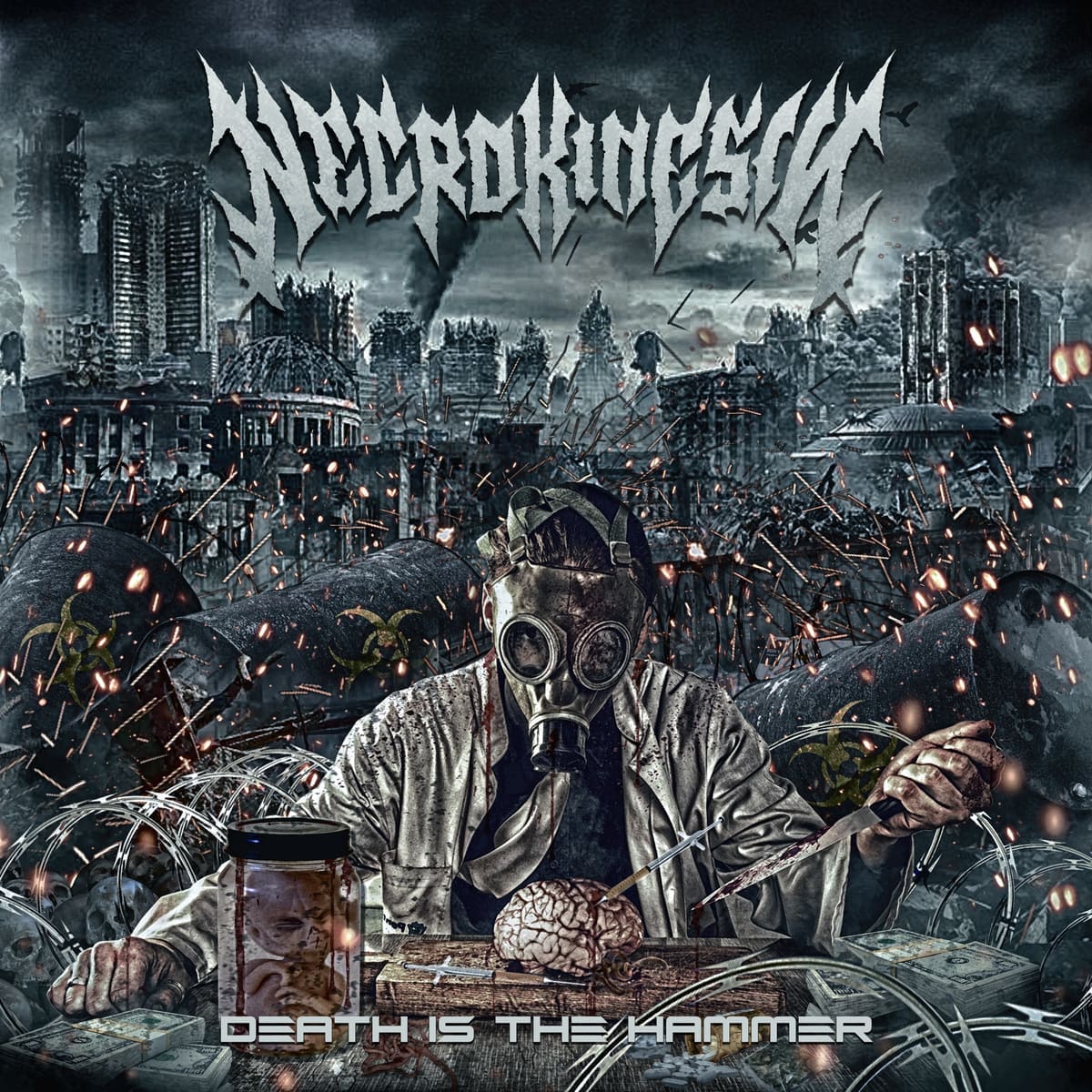
Necrokinesis — Death Is The Hammer Review

Necrokinesis is a Irish thrash death solo entity. On 29 August 2025, Necrokinesis released its third full-length, Death Is The Hammer, through Witches Brew and promoted via Cutting Edge Metal PR.

Necrokinesis, Death Is The Hammer Review: This review will evaluate every aspect of the album, from its intricate musical composition to its production.

Necrokinesis — Death Is The Hammer album cover

The First Three Sins, The Summary

The First Sin, The Strings/Keys: Blistering thrash velocity collides with the crushing chug of death metal. Rhythm guitars construct a claustrophobic wall, each riff a hammer strike in the sonic rite. The Second Sin, The Vocals: Vocals emerge dry, deep, and ritualistic—commands rather than expressions. A blend of guttural growls and shrieking invocations conjures a wide emotional range, from menace to despair. The Third Sin, The Percussions: Blast beats erupt like volcanic fury. Double-kick barrages pound with relentless force, mimicking war drums buried deep underground. Sudden tempo shifts fracture the rhythm, invoking chaos and transformation.

⸸ ⸸ ⸸ ⸸ ⸸ ⸸ ⸸

The Fourth Sin, Overall Discussion

Forged in Isolation, Tempered by Fury

The sonic assault commences the instant the play button is engaged. The opening hymn, grimly titled Death is Just the Beginning, unleashes a torrent of raw aggression. This ferocious onslaught sets the tone, a relentless current that carries through the remaining eight hymns. For thirty brutal minutes, extreme music relentlessly hammers the listener’s psyche.

Biohazard Hymns: Thrash-Death Ferocity with Melancholic Undercurrents

Necrokinesis is a thirty-minute sonic battering ram, fruitfully merges the kinetic ferocity and technical of thrash metal with the guttural power of old-school death metal. Yet, it sidesteps any sense of nostalgia. The sound is resolutely forward-facing. Beneath the crushing weight lie melodic currents, subtle whispers of melancholy that add depth. The music possesses a potent catchiness. Rhythmic passages groove with a visceral pull, while intricate chord work and brief, sharp solos inject moments of technical brilliance.

These technically adept and groove-laden guitar passages act like a biohazard, an infectious hook that seizes and compels.

One Man, One Vision: The Devilmanship of Death’s Architect

Adrian Foley, the sole architect behind this sonic ritual, recorded, mixed, and performed every single element. This singular vision grants him absolute command over the album’s tone, its deliberate pacing, and its grim atmosphere. Within the sonic architecture, the soundscape is simultaneously raw and refined. The mix is intentionally tight, possessing a cavernous quality, with guitars thrust forward like a phalanx of serrated blades. Presenting a dry, aggressive timbre. There is no artifice, no polish; only unadulterated grit and unwavering intent. 

The drums, whether they be live or programmed, possess an undeniable organic feel. It’s likely they are programmed, yet imbued with humanized velocity and decay, mimicking the thunderous boom of war drums buried deep underground. The vocals deliver commands with unwavering authority.

Every sonic detail is captured with meticulous perfection, creating a sound that practically oozes from the speakers. As a singular artistic endeavour, the sheer devilmanship of this project is a testament to its artistic merit. It is a hellish composition and a series of deliberate sonic pacts, woven through both the instrumental and vocal elements.

The Hammer and the Serpent: Foley’s Sonic Invocation

Instrumentally, Adrian Foley‘s guitar tone is decidedly dry, with a potent mid-range punch and an aggressive edge. There’s no lingering reverb haze, just the sharp, unvarnished bite of raw guitar. The riffs are tight, relentless, and often gallop with the blistering velocity of thrash before plummeting into the crushing chug of death metal. Solos are a rare but piercing occurrence. When they erupt, as heard on Cernunnos, they shriek like banshees, clawing their way through the dense mix.

Rhythm guitars form the dominant force in the soundscape, constructing a claustrophobic wall that ensnares the listener within the confines of the sonic rite.

There’s a ritualistic cadence to the phrasing. Each riff feels like a potent chant, a forceful hammer strike, a deliberate summoning of dark forces.

Adrian Foley‘s bass riffs operates on a primal level, felt more than overtly heard. It coils beneath the guitars like a subterranean serpent. This low-end presence anchors the sonic chaos, lending considerable weight without ever muddying the overall mix.

In hymns such as Wolfwalker, the bass subtly underscores the album’s transformative themes, grounding the primal beast within the music’s fabric.

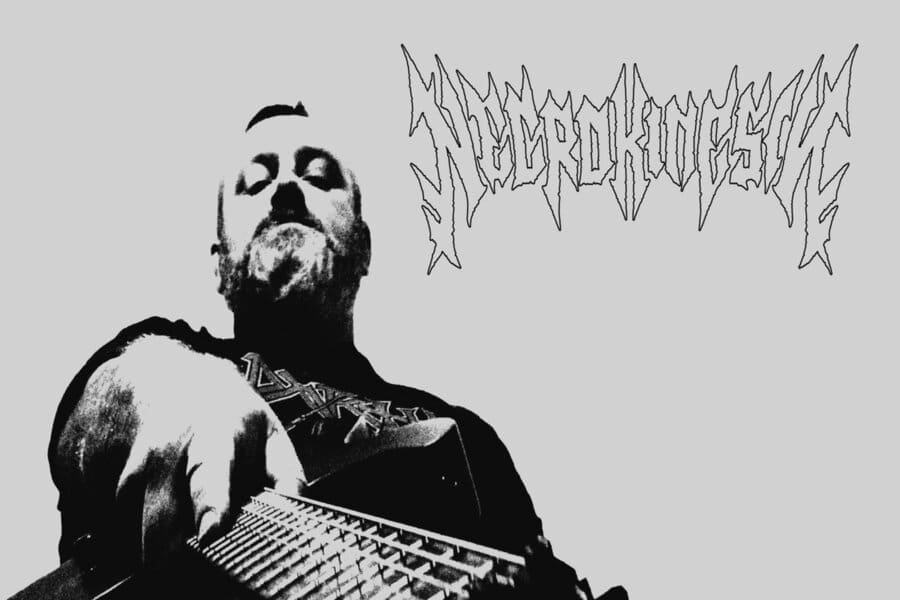
Necrokinesis — band photo

Hammer-Struck Rhythms of Ritual Precision

Adrian Foley‘s drums, regardless of their origin, live or programmed, are exceptionally tight, imbued with a humanized feel, and relentlessly punishing. Blast beats erupt, double-kick barrages pound with relentless force, and sudden tempo shifts occur, each one a calculated rupture in the sonic ritual. Cymbals are dry and sharp, snare hits land with stone-crack precision, and the toms roll with the ominous rumble of distant thunder.

Hymns like Annihilation and The Power showcase Foley’s formidable percussive prowess, demonstrating violence executed with clear intent, not mere haphazard chaos.

Catacomb Convictions: Foley’s Ritual Voice and Incantatory Fury

Adrian Foley‘s vocals are deep, dry, and possess a distinct ritualistic quality. They are not simply aggressive; they carry a ceremonial weight. They sit lower in the mix, echoing as if from the depths of ancient catacombs. Minimal layering or effects are employed, allowing the raw power of Foley‘s throat and his unwavering conviction to shine through.

Apologist and A. Icon feature his most venomous vocal deliveries, transforming condemnation into a potent form of catharsis.

Lyrically, the album delves into themes of death, ancient myth, and utter destruction. Foley employs incantatory phrasing, frequently repeating key lines like a powerful mantra, drawing the listener into a state of trance.

No Idol Left Standing: Necrokinesis’ Death-Thrash Invocation of Absolute Authority

Necrokinessis‘ Death Is The Hammer transcends being merely an album; it is a weaponized rite of passage—a fruit of art. Conceived and executed in isolation by Adrian Foley, this singular death/thrash ritual channels raw annihilation, the fury of ancient myths, and the unyielding pulse of underground defiance. Foley‘s hammer does not simply strike; it judges, cleaving through false idols and the stagnant waters of sonic complacency with absolute authority.

The Final Invocation: Three Last Sins Before the Hammer Falls

As Death is The Hammer fades into its final echoes, we extend our deepest thanks to Cutting Edge Metal PR for granting us the honour of reviewing Necrokinesis’ Death is the Hammer.

⸸ ⸸ ⸸ ⸸ ⸸ ⸸ ⸸

The Fifth Sin, The Memorabilia

For me, Necrokinesis‘ Death Is The Hammer channels the groove-driven aggression of early DevilDriver—particularly The Fury of Our Maker‘s Hand era—with tight rhythmic chug and primal vocal delivery that feel forged in venom. But beneath the surface, Slayer‘s chaotic thrash energy surges: tremolo-picked fury, frantic pacing, and solos phrased like ritual incantations. Layered atop this is Celtic Frost‘s mythic dread—not in speed, but in ceremonial pacing, invoking unease with every march.

It’s not just an album. It’s a toxic rite. Each riff is a hammer blow, each vocal a venomous decree. I couldn’t get enough—the groove is pure poison, and I drank deep.

The Sixth Sin, The Artwork

The cover of Necrokinesis‘ Death Is The Hammer is a gate, not a garnish. It channels the album’s lyrical themes with stark, ceremonial intent—pulling the viewer into a sonic rite of passage.

The Seventh Sin, Disrelish

To dismiss Necrokinesis‘ Death Is The Hammer is to overlook a calculated descent into thrash-death madness. Every riff, growl, and blast beat is a deliberate invocation. There is no filler—only fervour. Disrelish is absent here; what remains is unfiltered devotion to the underground craft, sharpened by years of solitary refinement.

⸸ ⸸ ⸸ ⸸ ⸸ ⸸ ⸸

The Hymns

01. Death Is Just The Beginning
02. Cernunnos
03. Dig Your Own Graves
04. Annihilation
05. A. Icon
06. The Power
07. Wolfwalker
08. Apologist
09. Breaker Down

Necrokinesis

Adrian Foley — All Instruments, Vocals

Reviewed by Kristian — editorial architect and ceremonially crafted. © Athenaeum of Sin Reviews.

In Magna Sila — Worthless Review

In Magna Sila is an avant-garde depressive black metal solo entity. In 2025, In Magna Sila released its latest two-track EP, Worthless, released via The Triad Rec.

In Magna Sila, Worthless Review: This review will evaluate every aspect of the album, from its intricate musical composition to its production.

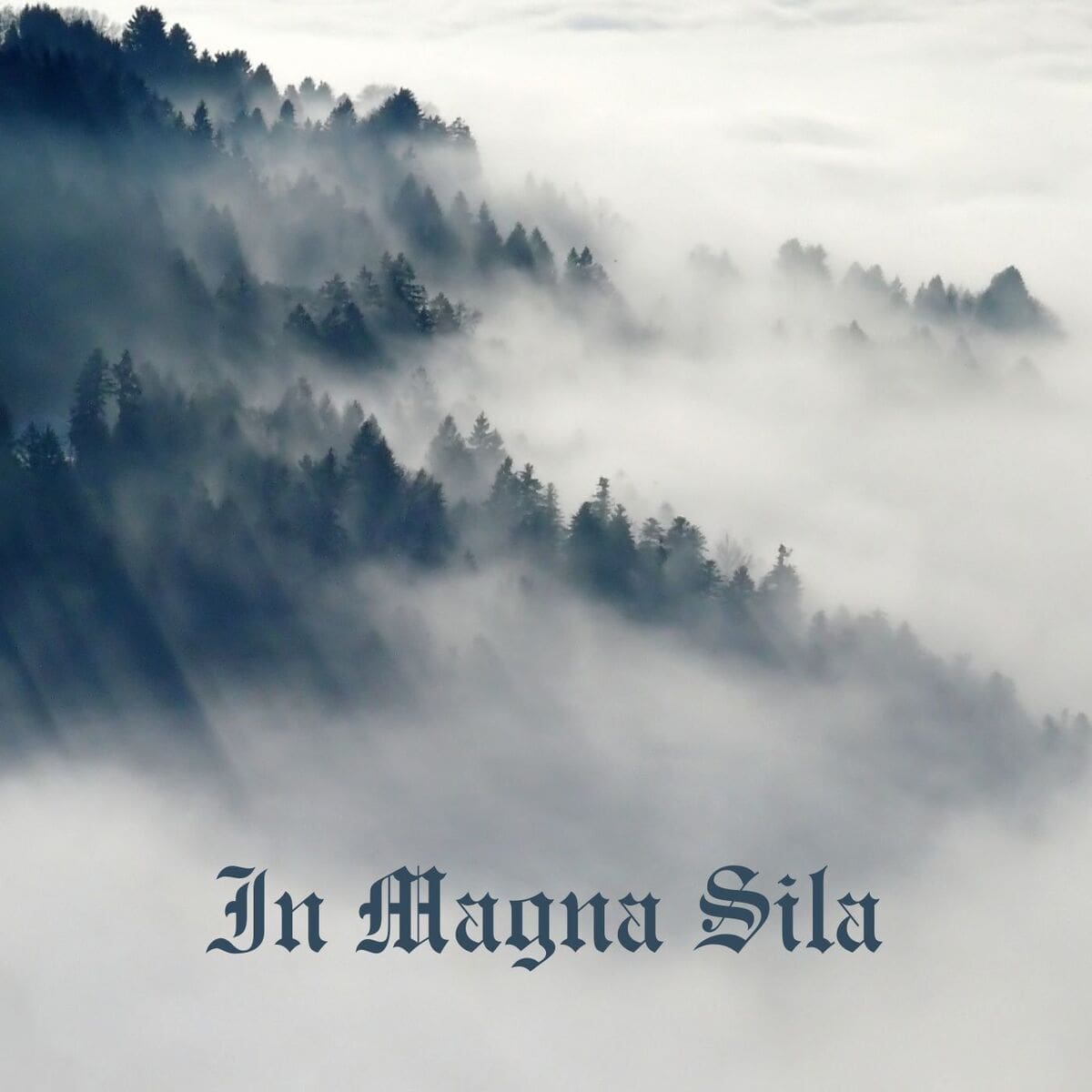
In Magna Sila — Worthless album cover

The First Three Sins, The Summary

The First Sin, The Strings/Keys: Horror—tremolo lines, brittle and frostbitten riffs drenched in reverb and decay. The Second Sin, The Vocals: The voice emerges like a ghost in the fog—torturous, spectral, and hollow. The Third Sin, The Percussions: Sparse, ritualistic beats echo like a fading heartbeat in a frozen cathedral.

⸸ ⸸ ⸸ ⸸ ⸸ ⸸ ⸸

The Fourth Sin, Overall Discussion

Invocation: Descent into Decay

Pressing play invites seventeen minutes of profound immersion. This is no background noise—it’s a carefully crafted descent. The music plunges into an abyss of emotional decay. Rooted in atmospheric and depressive black metal. Expect long, winding compositions. They bleed slowly, unflaring across the expanse of time.

Each note is a deliberate step further into darkness.

Opening Hymn: Worthless

The journey begins with the opening hymn Worthless. This is an opening hymn, a slow burn into utter despair. A sorrow-drenched, ten-minute invocation. Melancholic tremolo picking drenched in reverb creates expansive emptiness. No crescendo—just immediate despair. Suffocating atmosphere and torturous vocals.

There is no gradual buildup here, no crescendo. Instead, you are plunged immediately into despair. It settles in. It lingers in the listener mind. The atmosphere is suffocating. The vocals are torturous, raw, This is not for the faint of heart nor listened to alone in the dark.

Guitar Fog, Emotional Paralysis, & Tremolo as Ritual

In Magna Sila‘s guitar tone in Worthless is raw, almost brittle—evocative of early Burzum, but with deeper introspective decay. The sound feels suffocating and static—a sonic fog. This hymn is emotional paralysis rendered in sound, the mix is lo-fi and pervasive distortion blur the edges.

Clarity is swallowed whole…

Tremolo variations are minimal, becoming a ritualistic device. Monotony serves as a meditation. It allows the despair to truly sink in. The guitars are key. Tremolo–picked melodies dominate. (again) drenched in reverb and decay. No riffs — just mournful tone. Layering creates depth, like multiple voices weeping in unison.

Ambient Scaffolding and Percussive Silence

Synths are used sparingly. Ambient textures are buried deep— felt more than heard. They serve as emotional scaffolding, not melodic content. Drums are sparse and ritualistic. Slow, deliberate beats punctuate the silence, long pauses follow each hit. No blast beats—just fading heartbeat echoing through a vast void. The bass lines add weight, often mirrors guitar lines, occasionally diverging into its own mournful groove.

Furthermore, it does not add clarity, typically mirrors the guitar lines. Occasionally, it diverges into its own mournful groove.

Spectral Vocals and Textural Lament

Vocals are torturous, distant, and spectral. Buried deep in the mix, like a ghost screaming from beneath the floorboards. Lyrics are indecipherable—texture over narrative. The delivery is raw and unfiltered, more emotional discharge than performance.

In Magna Sila‘s vocals emerge not as screams but as distant laments-buried in the mix. They are spectral and hollow. They don’t demand attention; they haunt. The delivery is more presence than performance, a ghost in the sonic fog.

In Magna Sila — band photo

Closing Hymn: Emotional Blunting

The closing hymn, Emotional Blunting. Opens even slower, feels more numb. The title is embodied in every sonic choice. Bleaker than Worthless. The soundscape is hollow, like walking through a ruined cathedral — distortion is thicker here, the pacing more glacial.

This is a descent into emotional erosion. Less active pain, more about a pervasive emptiness. Guitars remain tremolo-driven and repetitive—like a mantra of despair. Dissonant chords break the monotony, like cracks in a frozen lake. Ambient drones may be present, but they’re ghostlike—never foregrounded. If used, they mimic emotional numbness rather than melody.

Erosion and Dissociation

Drums are even sparser than Worthless. Long stretches of silence between hits. Fills are nearly absent—just skeletal percussion. Bass is submerged, adding gravity, not groove. It feels like a shadow trailing the guitar rather than a separate voice. Vocals are more subdued, more buried. The screams are distant, almost whispered. The emotional intensity is replaced by resignation.

The track’s structure mirrors the psychological experience of dissociation: drifting, disconnected, yet still present.

Synths speak softly within this dark fruit of art world—more as atmospheric layers than melodies. Their hums settle beneath everything else like distant chants echoing through shadows. They add spectral depth to the atmosphere without overpowering the organic instruments or distracting the ritual’s solemnity.

Final Benediction: Frostbitten Fruit of Art

Overall, this depressive black metal EP is a solitary creation, recorded and mixed entirely by the anonymous artist himself. A haunting devilmanship that delivers a composition is floored to perfection. The recording and mix; Worthless, feels entirely DIY, lo-fi, raw, and emotionally honest. No polish, no studio sheen. Emotional Blunting, with the same DIY ethos, the mix is slightly more ambient, but still raw. No mastering gloss—just emotional truth.

Closing Rite — The Last Words Before the Silence

As the album draws to its final, haunting moments, we extend our sincere gratitude to The Triad Rec for granting us the honour of reviewing In Magna Sila. This journey through bleak soundscapes and spectral emotion has been as immersive as it has been unrelenting—a work that lingers long after the last note fades.

⸸ ⸸ ⸸ ⸸ ⸸ ⸸ ⸸

The Fifth Sin, The Memorabilia

For me, In Magna Sila‘s Worthless was beautiful and dark—echoing the spirit of early Norwegian and depressive black metal. It’s the kind of sound that wraps around you like fog on a forgotten forest trail. Lights out, eyes closed, letting the chill seep into your bones—this is music that doesn’t just play, it possesses. Honestly, it’s my ideal hot bubble bath meditation: a paradox of comfort and torment, where the bleakness becomes strangely soothing.

In the opening song, (depends on the listener) when the vocals slow down and drop deep, they tap into something primal—an old-school Gothic rock essence that’s impossible to ignore. For me, it’s not just a stylistic nod; it’s a descent. That slow, brooding delivery adds a layer of fear and darkness that transforms the hymn into something ritualistic.

The Sixth Sin, The Artwork

The cover art mirrors the music’s suffocating atmosphere — stark, frostbitten. There’s no comfort here, only the cold embrace of emptiness. Much like the hymns themselves, the imagery doesn’t just set the mood — it pulls you into it, making the visual and sonic experience inseparable.

The Seventh Sin, Disrelish

There is nothing to disrelish in the musical offerings of In Magna Sila—each note, each breath of distortion, feels deliberate and steeped in purpose.

⸸ ⸸ ⸸ ⸸ ⸸ ⸸ ⸸

The Hymns

01. Worthless
02. Emotional Bluting

In Magna Sila

Unknown —

Reviewed by Kristian — editorial architect and ceremonially crafted. © Athenaeum of Sin Reviews.

Tårfödd — Efterlämnade i sorg Review

Tårfödd is a Swedish depressive black metal solo artist. On 29 June 2025, Tårfödd released their fifth full-length, Efterlämmade i sorg, through Wolfmond Production.

Tårfödd, Efterlämmade i sorg Review: This review will evaluate every aspect of the album, from its intricate musical composition to its production.

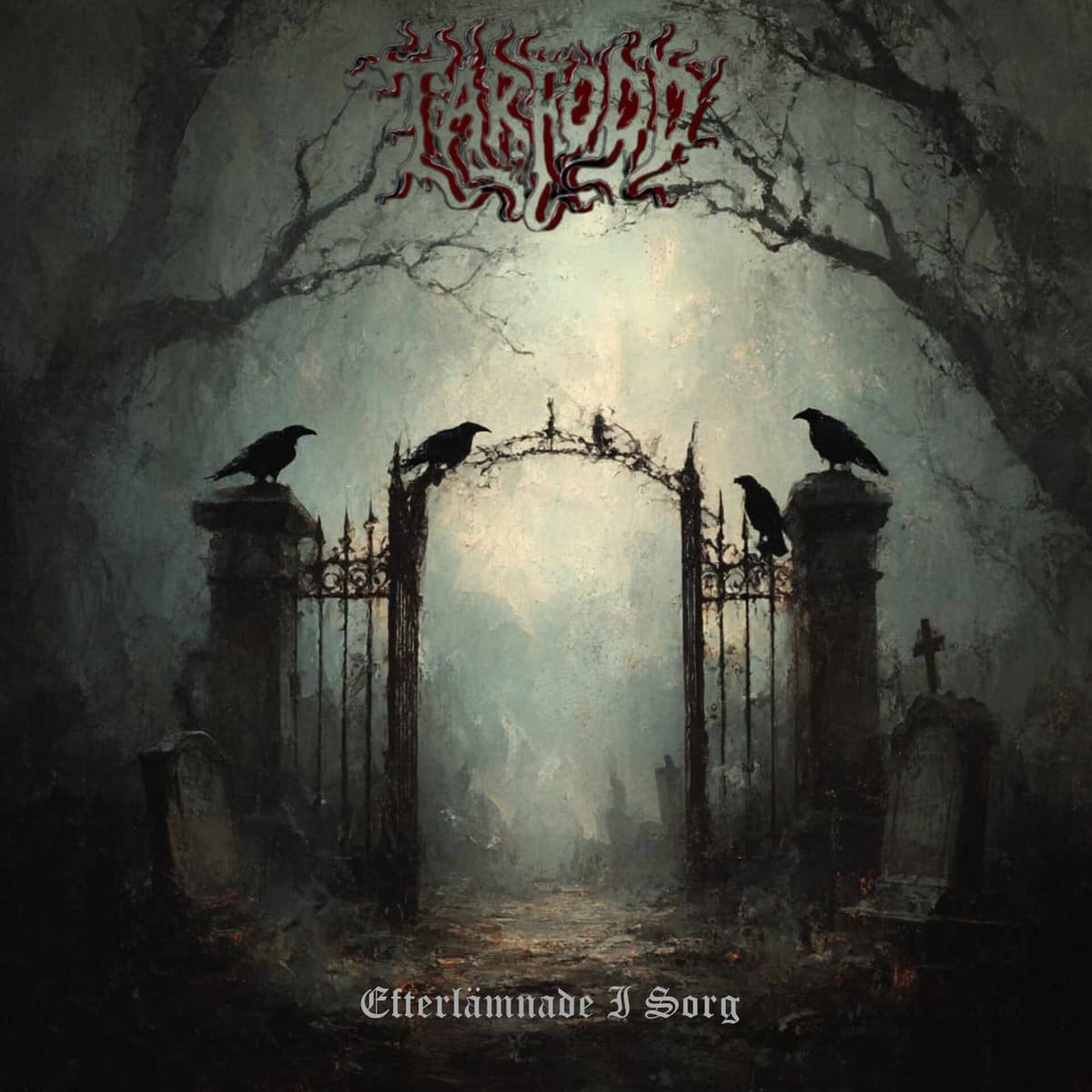
Tårfödd — Efterlämmade i sorg album cover

The First Three Sins, The Summary

The First Sin, The Strings/Keys: Steeped in cold tremolo-picked riffs, interwoven with harmonic arpeggios that evoke both tension and melancholy. The Second Sin, The Vocals: Vocals span a wide emotional range—from piercing black metal shrieks to mournful clean singing. The Third Sin, The Percussions: The programmed drumming is relentless and chaotic when needed, yet shows remarkable restraint during quieter passages.

⸸ ⸸ ⸸ ⸸ ⸸ ⸸ ⸸

The Fourth Sin, Overall Discussion

Opening Hymn: The Birth and Extinction of Hope

The album commences with the stirring anthem, Hopp Föds Och Släcks. Upon pressing play, an immaculate instrumental passage immediately captures the listener. This serene introduction is deliberately short-lived. Around the one-minute mark, a palpable wave of aggression washes over you. This sudden shift firmly establishes the album’s sombre and tempestuous tone. It’s a prelude to a narrative of hope’s fragile birth and swift demise.

This opening piece encapsulates perfectly the overarching theme of fleeting light in encroaching darkness.

A Sixty-Minute Descent into Grief and Isolation

With the remaining eleven tracks, the listener is plunged into a profound sonic experience. This is no easy listening escapade; it’s a demanding traversal. The music navigates the space between monotonous lament and crushing despair. It intricately weaves dark-progressive, depressive and post-black metal textures into its very fabric. The entire work spans a full sixty minutes. This duration feels precisely calibrated for introspection and catharsis, long enough to fully immerse yourself and let the pervasive atmosphere envelop you.

Tårfödd‘s Efterlämnade i sorg offers a hauntingly personal journey through the depths of grief, stark isolation, and the gnawing void of existential dread.

This is achieved through a fruit of artful blend of atmospheric black metal’s expansiveness and progressive music’s intricate structures. The result is a deeply emotional and cinematic unfolding that artfully juxtaposes raw, unbridled aggression with a profound, melancholic beauty.

From the very first arpeggiated notes of Hopp Föds Och Släcks, the album pulls you into a desolate, despairing, Nordic expanse. The sonic world is steeped in sorrow, yet it avoids stagnation. Tårfödd exhibits remarkable skill in balancing ferocious black metal intensity with sophisticated progressive passages and moments of ambient calm. Tracks such as Tomhet Stilla Ro Och Evig Sömn chart immense emotional territory. They seamlessly transition from quiet, meditative sadness to explosive, overwhelming despair.

The prevailing atmosphere is one of biting cold, deep introspection, and cinematic scope. You are not merely an observer; you are actively participating. You wander through forests choked with sorrow, stand isolated on bleak, wind-battered cliffs, and confront the spectral remnants of memories. It is undoubtedly a depressive experience, yet it possesses a strange, undeniable beauty

Raw Yet Refined: Production and Sonic Control

The recording itself is commendably robust. The production maintains an intentionally raw quality, yet it is also richly layered. It deftly sidesteps the pitfalls of early depressive black metal’s often muddy lo-fi sound. Instead, it prioritises clarity precisely where it is needed most. This is particularly evident in the melodic sections and passages featuring clean vocals. The mix allows each individual instrument ample space to resonate. The guitars, in particular, frequently assume a commanding presence, driving both the rhythm and delivering captivating leads.

The shifts between clean and heavily distorted sections are executed with remarkable fluidity. The dynamic range displayed is surprisingly broad for a project primarily conceived by a single artist. There is a palpable sense of intimate control at play.

Tårfödd possesses an acute understanding of when to unleash sonic chaos and when to retreat into periods of thoughtful reflection.

Devilmanship and Composition: Precision in Darkness

Tårfödd‘s devilmanship delivers this meticulously crafted sonic tapestry; the musical arrangement and composition reach heights of near perfection. As mentioned, every element, from the placement of guitars and bass to the delivery of vocals and drums, feels deliberate and precisely timed. Even the programmed drums seem to fall into place organically, mirroring the inexorable descent into the underworld.

This is not a purely progressive or exclusively depressive affair. There are moments of profound calm and clean passages, most notably within the fourth hymn, Tomhet. This section offers a stark, beautiful coldness. This chill is then shattered by a sudden eruption of aggression, akin to a blade slicing through flesh.

Tårfödd — band photo

Instrumental Backbone: Riffs, Rhythms, and Resonance

Tårfödd‘s instrumental work forms the album’s sturdy backbone. Guitar work with cold tremolo-picked riffs intermingle with harmonic arpeggios and even expressive pinch harmonics. Several hymns incorporate subtle nods to rock and Americana motifs, as heard in En Ljusglimt I Mörkret, Förlåt Fūr Allt, and Del 1.

These unexpected influences inject vibrant emotional colour. The drumming is relentless and chaotic when the music demands it, yet capable of remarkable restraint. The pacing shifts frequently, fostering a compelling cycle of tension and release.

Tårfödd‘s bass lines, though often understated, provide a crucial grounding presence, anchoring the more ethereal moments. Synthesizers and ambient layers are employed with judicious restraint, serving to deepen the emotional resonance without overwhelming the core sound.

Vocal Duality: From Desperate Shrieks to Fragile Clean Singing

Tårfödd‘s vocal performance spans the spectrum from traditional black metal shrieks to a mournful, clean singing style. These vocal approaches are frequently layered to amplify their emotional impact. Guest vocalist Vindur, from the band Mörkvind, contributes to Ett Sista Rop. Their harsh, desperate vocalisations offer a stark and effective contrast to the album’s more melodically inclined passages.

The clean vocals, potentially featuring Johanna, are a particularly striking element. They shine brightly in Stilla Ro Och Evig Sömn. These clean passages inject a fragile sense of humanity into the otherwise bleak sonic landscape, evoking comparisons to the sounds of Alcest or early Katatonia.

Final Reflection: A Forbidden Fruit of Grief and Beauty

Overall, Tårfödd‘s Efterlämnade i sorg represents a dark, forbidden fruit of art. The title of the album translates to Left Behind in Grief, and it truly embodies that sentiment. Each track is infused with themes of loss, isolation, forgiveness, and existential dread. The two-part Förlåt För Allt (“Forgive Me for Everything”) serves as a heart-wrenching emotional peak, centred around a recurring melodic motif that resonates long after the album concludes.

This is more than mere depressive black metal—it is a thoughtful exploration of grief, crafted with depth and emotional insight.

⸸ ⸸ ⸸ ⸸ ⸸ ⸸ ⸸

The Fifth Sin, The Memorabilia

For me, Tårfödd’s Efterlämnade i sorg captures far more than just atmosphere or depressive black metal. It channels the raw, sombre spirit of Scandinavian old-school black metal, steeped in cold, bleak emotion—yet it’s laced with progressive elements that offer flickers of warmth and light. Each track feels professionally composed, and the fusion of chaos, melody, and atmosphere elevates the album into a true fruit of art—a cinematic descent crafted with precision and darkly burning passion.

The Sixth Sin, The Artwork

The visual presentation mirrors the music’s emotional weight. Stark, evocative, and haunting, the artwork serves as a crematory gateway into the album’s sorrowful world, reinforcing its themes of isolation and loss.

The Seventh Sin, Disrelish

There is none. Efterlämnade i sorg offers no missteps. Every moment feels intentional, immersive, and emotionally resonant. It’s a rare work that demands full attention and rewards it with lasting impact.

⸸ ⸸ ⸸ ⸸ ⸸ ⸸ ⸸

The Hymns

01. Hopp Föds Och Släcks
02. Ond Bråd Död
03. Efterlämnade I Sorg
04. Tomhet
05. Stilla Ro Och Evig Sömn
06. Nattsvart
07. En Ljusglimt I Mörkret
08. Ett Sista Rop (Feat. Vindur)
09. I En Ensamhet
10. Förlåt För Allt, Del 1
11. Förlåt För, Del 2
12. Avslut

Tårfödd

Unknown

Reviewed by Kristian — editorial architect and ceremonially crafted. © Athenaeum of Sin Reviews.
Secret Link