Mehrwertsteuer – Krone der Schöpfung Review

Mehrwertsteuer is an German black metal solo entity. On 8 August 2025, Mehrwertsteue released its debut full-length, Krone der Schöpfung. The album was promoted via Cutting Edge PR.

Mehrwertsteuer, Krone der Schöpfung Review: This review will evaluate every aspect of the album, from its intricate musical composition to its production.
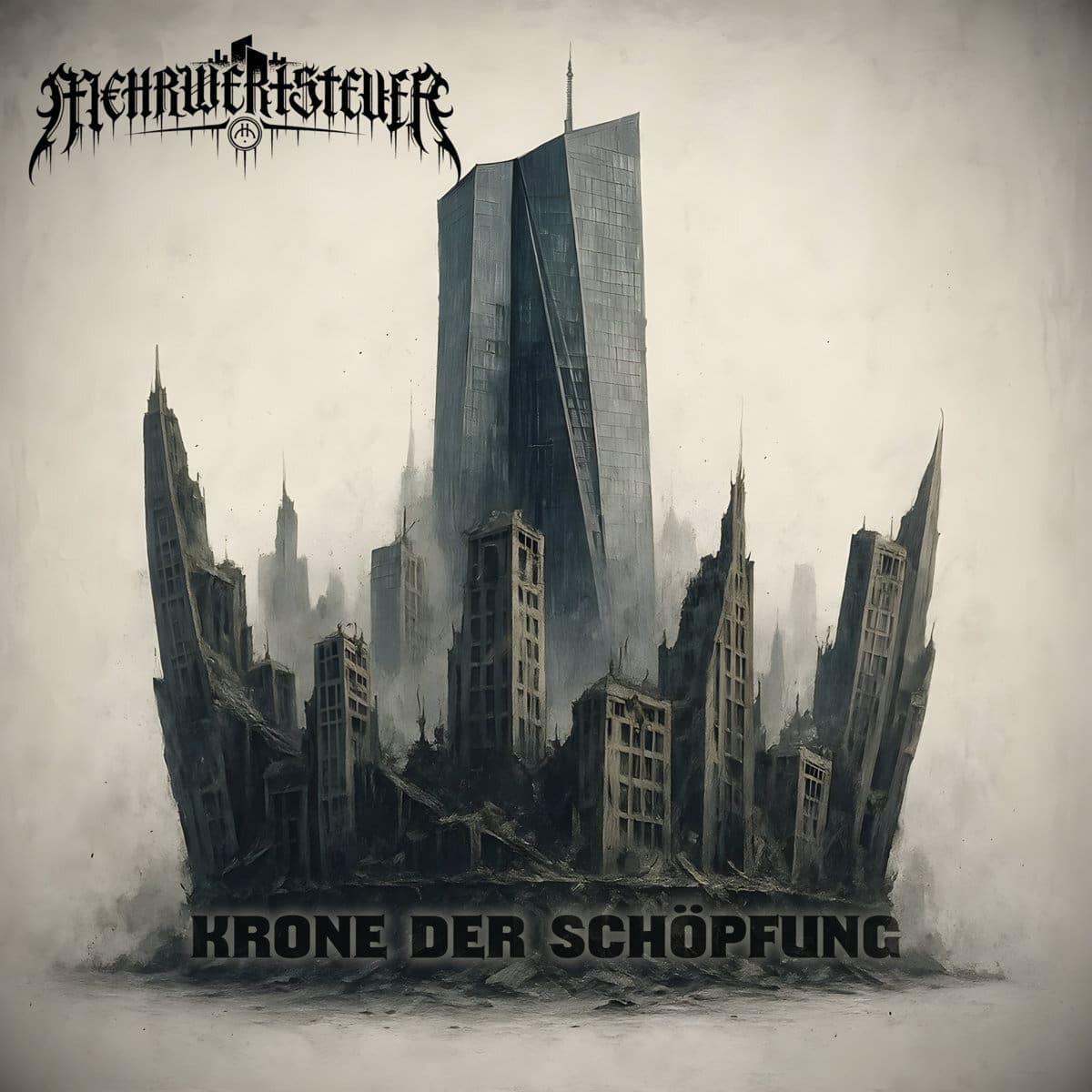
Mehrwertsteuer — Krone der Schopfung album cover

The First Three Sins, The Summary

The First Sin, The Strings/Keys: The guitar tone is sharp, biting, and mid-heavy—evoking physical dread with precision — synths are sparse but effective… The Second Sin, The Vocals: A potent blend of guttural growls and venomous snarls. The Third Sin, The Percussions: Meaty and aggressive. Blast beats dominate, with rapid-fire barrages and groove-laced transitions that build tension and reinforce revolt.

⸸ ⸸ ⸸ ⸸ ⸸ ⸸ ⸸

The Fourth Sin, Overall Discussion

Opening Salvo: Börsensturz and the March of No Mercy

The moment the play button is activated, the album’s inaugural hymn, Börsensturz, immediately assaults the senses. A relentless marching rhythm underpins the sound. Quick-fire tremolos add an urgent, almost frantic energy. This opening sets an unyielding pace for the entire album. It signals that no respite will be offered.

Nine Hymns of Economic Apocalyps

This auditory onslaught continues through the remaining eight hymns. The album takes the listener on a thematic journey across nine tracks. It blends perfectly sharp economic satire with a visceral apocalyptic metal sound. This fusion creates a truly singular concept. Mehrwertsteuer weaponizes blackened melodic death metal. It serves as a tool to lampoon the soul-grinding machinery of modern economics.

Conceptual Depth: Taxation, Collapse, and Class Struggle

The German band, aptly named “Mehrwertsteuer” (Value-Added Tax), has crafted a concept album. Its ferocity mirrors its subject: taxation, fiscal policy, and capitalist despair—blending biting sarcasm with despair and sharp social critique.

The lyrical content delves deeply into critical economic issues. Financial market collapses are a central theme, as seen in “Börsensturz.” The immense power wielded by the European Central Bank is explored in tracks like “EZB” and “Leidzins.” The sheer burden and fundamental purpose of taxation are examined in “19 Prozent,” “Steuerlast,” and “Der Fiskus.” The album also addresses the plight of the working class. This is powerfully conveyed in “Arbeitsmarktkampf.”

Key thematic threads run through the album. Warnings against unchecked greed and rampant egotism are prominent. The erosion of social solidarity is another core concern, encapsulated in “Verlust der Vernunft.” The track “Mittelstandsangst” specifically captures the growing fears of the once-prosperous middle class. They face the stark reality of economic decline.

Raw Aesthetic: Precision in Chaos

Mehrwertsteuer offers the listener a fruit of art merit—bruised, barbed, and bleeding with intent. It presents a deliberately abrasive aesthetic: a sound that’s tight, focused, and unflinchingly raw. There’s no gloss, no polish—just the immediacy of live execution. Overdubs are minimal, and the mix breathes with the heat of the room. This rawness suggests a studio setup that favoured energy over refinement, conjuring the restless spirits of early 2000s blackened death recordings.

Yet for all its feral edge, every note and nuance is captured with precision. Even through headphones, the recording transmits a modern, relevant mood—one that feels urgent and uncomfortably close. And still, it retains that serrated texture. This deliberate contrast—between clarity and chaos—creates a listening experience that is both compelling and confrontational.

Der Vorstamd’s Singular Vision and Guitar Craft

The entire tapestry of Mehrwertsteuer is the creation of a single individual. Der Vorstamd is responsible for every element. His devilmanship and composition are polished and meticulously tight. This applies to both the instrumentation and the overall musicality. The execution is flawless. His guitar work delivers a tone that is sharp and biting, with a mid-heavy density that permeates the mix. It evokes fiscal dread with uncanny precision—perfectly suited to the tremolo-picked hysteria and low-end chug that define the album’s dual lineage of black and death metal.

The impression of dual guitar work is evident, especially in the contrast between high leads and low rhythm sections on “Der Fiskus”

Specific hymns like “Arbeitsmarktkampf” and “Verlust der Vernunft” exemplify this musical prowess. They feature rapid tremolo runs, melodic interludes, and occasional dissonant flourishes, adding further complexity.

Bass lines of Burden: The Filthy Pulse Beneath

Der Vorstamds bass lines are grim and undeniably death-metal inspired—especially prominent in Steuerlast. There, the bass provides a filthy, underpinning current to the main riffing. The bass is not buried in the mix. It often drives transitions and reinforces the rhythmic backbone, giving weight to the albums atmospheric passages.
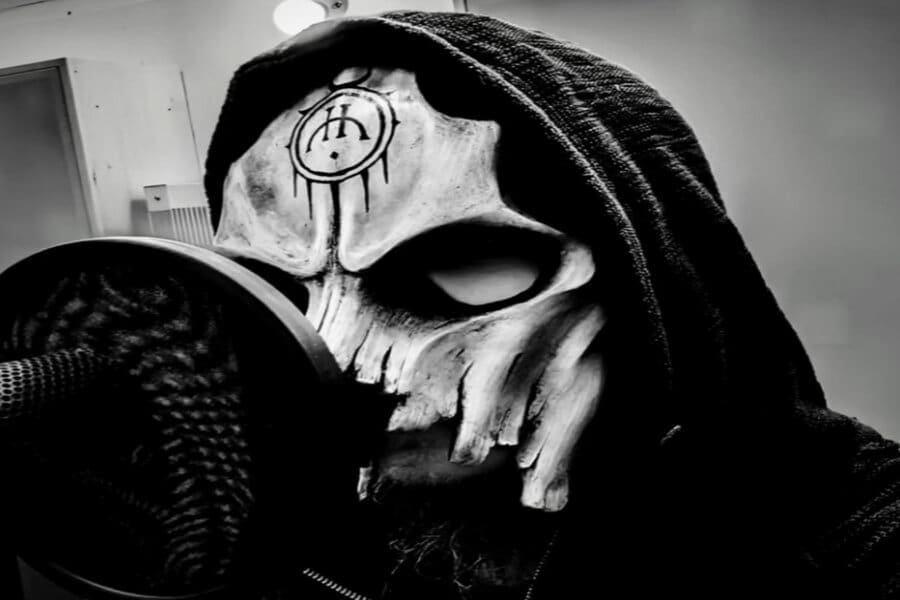
Mehrwertsteuer — band photo

Drums of Revolt: Blast Beats and Groove Warfare

Mehrwertsteuer‘s drumming is both meaty and aggressively executed. Blast beats dominate the rhythmic landscape. Barrages of rapid-fire drumming are interspersed with groove-laden transitions. This creates a powerful rhythmic architecture of revolt. A surprising amount of groove can be found in hymns such as Arbeitsmarktkampf. The kick drum has a forceful impact. It punches through the mix with authority.

The drum dynamics extend beyond mere relentless speed. There are notable tempo shifts and rhythmic breaks. These elements provide crucial structure and heighten the album’s tension.

Vocals as Weaponry: Growls, Snarls, and Rhythmic Venom

Der Vorstamd‘s vocal delivery is a potent blend. It combines deep, guttural growls with higher, more venomous snarls. This style leans more towards death metal than traditional black metal. However, the sheer venom is ample, to satisfy fans of both styles. His vocal phrasing is rhythmically precise. It is often locked tightly to the riff structure. This enhances the album’s overall mechanical and oppressive feel.

Synths of Dread: Bureaucratic Horror in Minimalism

Finally, the album’s use of synths is noteworthy. Der Vorstamd does not employ synths to soften the sound. Instead, they are used to deepen the pervasive sense of unease. This is not the grandiosity of symphonic black metal. It is a more minimalist form of dread. The keyboard elements are sparse but incredibly effective, like a bureaucrat’s whisper before the hammer drops.

Tracks like “Der Fiskus” open with spectral keyboard lines that evoke a cold, institutional dread—think of flickering fluorescent lights in a tax office at midnight

Krone der Schöpfung: A Fiscal Exorcism in Blackened Death

Mehrwertsteuer is a formidable black/death metal act. Its debut, Krone der Schöpfung, isn’t merely an album. It’s a fiscal exorcism. Tracks serve as ledger entries. These chart economic despair. Riffs count suffering. Vocals audit the soul. The music avoids overt politics. It addresses working-class struggles.

Expect no inverted crosses. No satanism or extremism taints the sound. This is taxation turned sacrament.

Closing: As the Album Reaches Its Final Moments

As Krone der Schöpfung approaches its final hymns, the sonic architecture begins to settle—its fiscal dread fully unfurled, its apocalyptic vision complete.

⸸ ⸸ ⸸ ⸸ ⸸ ⸸ ⸸

The Fifth Sin, The Memorabilia

For me, Krone der Schöpfung is a formidable fruit of art album—an album of music and hymns that are meaningful. The entire listening experience is an immersion. The music itself carries the raw, untamed flames of Norwegian black metal. It embodies the genre’s core spirit. However, it achieves this without resorting to overt Satanic imagery or inverted crosses. This is black metal at its purest. It is a powerful release that commands attention. I happily place this formidable beast among my most cherished black metal gems.

The songwriting is a fruit of art. Each track builds upon the last. It creates a cohesive and compelling narrative.

The Sixth Sin, The Artwork

Mehrwertsteue’s artwork mirrors the album’s lyrical theme. The lone skyscraper rising from a ring of crumbling buildings isn’t just architectural—it’s symbolic. It represents the centralized power of modern finance, towering above the ruins of social solidarity and economic stability.

The Seventh Sin, Disrelish

There is nothing to disrelish in the musical offerings of Krone der Schöpfung. Each hymn stands as a ledger entry in Mehrwertsteuer’s fiscal exorcism—bruised, barbed, and bleeding with intent.

⸸ ⸸ ⸸ ⸸ ⸸ ⸸ ⸸

The Hymns

01. Börsensturz
02. Mittelstandsangst
03. Leidzins
04. Der Fiskus
05. Arbeitsmarktkampf
06. 19 Prozent
07. Steuerlast
08. EZB
09. Verlust der Vernunft

Mehrwertsteuer

Der Vorstand — Everything
Reviewed by Kristian — editorial architect and ceremonially crafted. © Athenaeum of Sin Reviews.

Paranoia Church — Till the Wolves Come Home Review

Paranoia Church is a Brazilian avant-garde solo artist. On 8 August 2025, Paranoia Church released it debut indepenent full-length, Till the Wolves Come Home.

Paranoia Church, Till the Wolves Come Home Review: This review will evaluate every aspect of the album, from its intricate musical composition to its production.

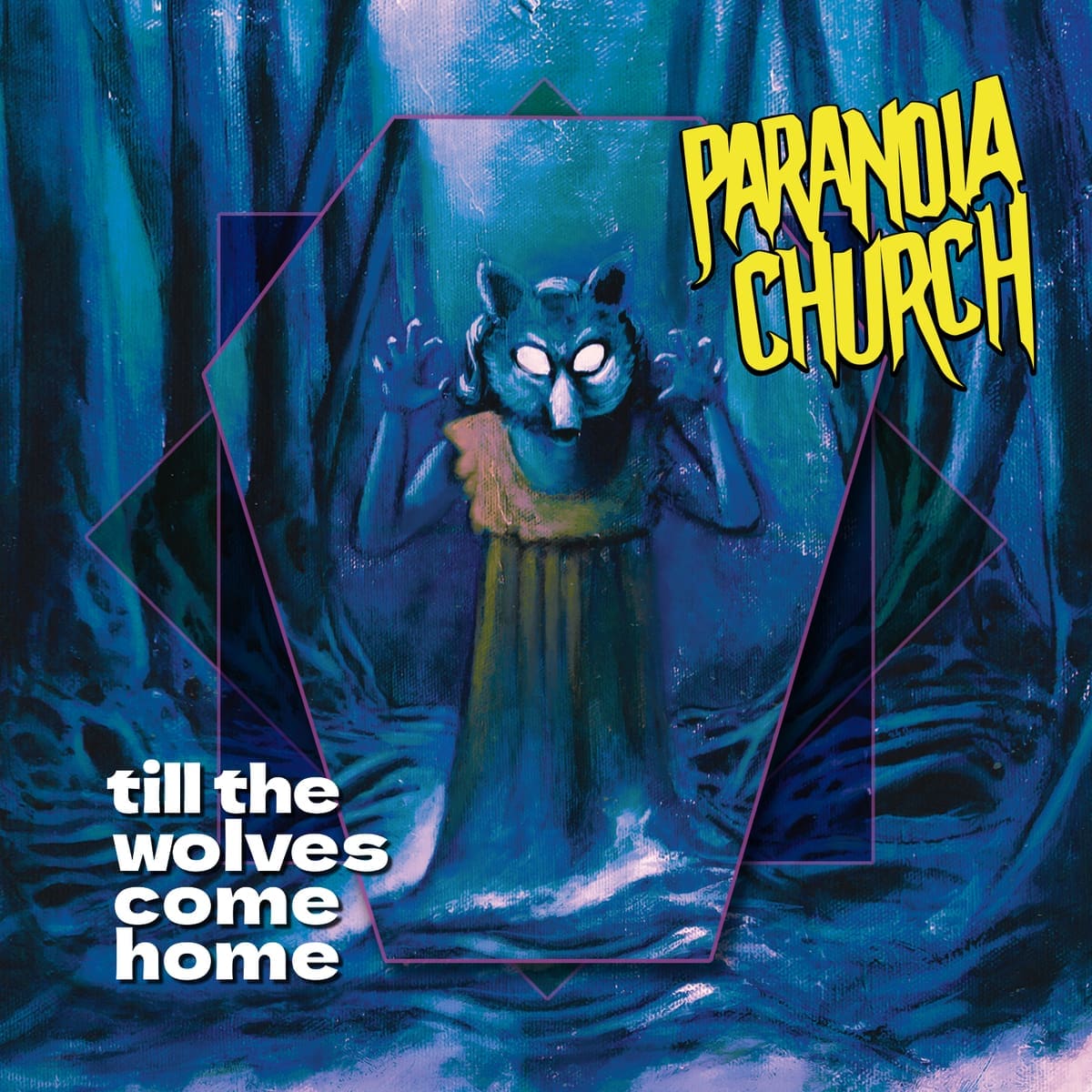
Paranoia Church — Till the Wolves Come Home album cover

The First Three Sins, The Summary

The First Sin, The Strings/Keys: Guitar riffs cut sharp and melodic, shaped with ritual precision, while the syths and ambient textures rise gently, adding depth without dominance. The Second Sin, The Vocals: Vocals are the central rite—vulnerable, strained, and human. They channel inner fragmentation through layered harmonies and spectral echoes. The Third Sin, The Percussions: Drums strike with thunderous control. Each hit feels ceremonial—never flashy, always purposeful—guiding the emotional pulse of the hymns.

⸸ ⸸ ⸸ ⸸ ⸸ ⸸ ⸸

The Fourth Sin, Overall Discussion

Invocation of the Vulture: The Sonic Rite Begins

The sonic voyage commences with the pressing of the play button. Immediately, the opening hymn, V is for Vulture , envelops the listener. A theatrical spoken-word introduction sets a venomous tone. The guitars are sharp, angular, and ceremonial in their repetition.

Psychic Descent: Eight Hymns of Human Unravelling

As the auditory journey continues through the remaining seven hymns, a lyrical exploration unfolds. This narrative delves deep into the human psyche. It uncovers darker corners. Eight cinematic tales paint pictures of manipulation and fear. Obsession, trauma, and guilt are explored. Betrayal, identity, and oblivion are also woven into the fabric of these stories.

Temporal Alchemy: Old-School Metal Reborn in 2023

Paranoia Church stands as a testament to pure, old-school heavy metal. It feels like a fruit of art trapped in time. Yet, this creation emerged in 2023. The music transcends simple heavy metal. It exquisitely fuses traditional metal with alternative and progressive rock. A hint of Gothic rock and shock rock adds another dimension.

The result is a high-energy musical head experience. It’s perfect for headbanging and fist-pumping.

Spectral Lineage: Influences and Instrumental Devilmanship

The influences are clear, channelling spirits like Iron Maiden, Alice Cooper, King Diamond, Type O Negative, and even (UK alternative band) Tears for Fears. This is filtered through a lens of psychological dread. Spiritual undertones are buried within the music. Devilmanship and the instrumental composition intertwine. The instrumental itself is executed to perfection. It is tight and meticulously controlled.

Thoughtful arrangements break up the heavy metal core. These elements lend the music significant depth.

Cathedral of Mirrors: Forty Minutes of Ritual Immersion

Across its forty-minute duration, each hymn offers a distinct sound. Tempos, composition, and vocals vary. This keeps the listener engaged. It allows for both intense immersion and moments of release. These forty minutes are captured with a DIY ethos. Yet, they possess a grand, cinematic scope. The album sounds polished and spacious. It feels emotionally raw. Imagine a cathedral built from shattered mirrors.

Layered mixing places vocals front and centre. The guitars and synths swirl like ritual smoke. A deliberate tension exists between clarity and chaos. This, especially in hymns like, His Private Shock Machine and Hello_?

Gothic Respite: The Fifth Hymn’s Pulse and Transformation

The music offers moments of respite. The fifth hymn, Till the Wolves Come Home, provides this breathing space. It begins with clean female vocals. The composition is gentle at first. Around the one-minute mark, drums enter like a heartbeat. The tempo gradually rises. This transforms the piece into something entirely different. It becomes a Gothic alternative piece.

It brings to mind the style of Bad Pollyanna, especially their songs Monstrous Child and Invincible Girl.

Paranoia Church — band photo

Architect of Sound: Bruno Rios and the Vocal Confession

The entire tapestry of Till the Wolves Come Home is woven by a single architect — Bruno Rios — whose devilmanship conjures a sonic cathedral of precision and emotional weight. While guest musicians lend their voices and hands, the vision remains singular. Rios’ compositions are polished, tightly structured, and ritualistically immersive.

Paranoia Church’s Vocals emerge as a central rite. Vulnerable, strained, and deeply human, they channel inner fragmentation through harmonies and call-and-response passages.On the seventh hymn, Sister, ghostly screams erupt — reminiscent of King Diamond’s spectral anguish — casting shadows across the altar of sound. These voices do not merely perform; they confess.

Ceremonial Strings and Serpent Roots: Guitar and Bass as Narrative

Paranoia Church’s guitar work channels the spirits of NWOBHM legends. Bands like Mercyful Fate, Accept, Judas Priest, and Iron Maiden resound through the cathedral walls, yet Rios tempers tradition with a modern emotional edge. Riffs are sharp, melodic, and often follow a ceremonial structure — each passage a blade drawn with purpose. Guitar tones are saturated but clear, distortion wielded with ritualistic clarity.

This is especially potent in V is for Vulture and Sister, where the guitars do not merely accompany — they narrate.

Paranoia Church’s bass riffs coils beneath the guitars like a serpent in the roots — never flashy, always essential. It functions as a shadow motif, anchoring the emotional weight without demanding attention. In Hello_?, the bass steadies the digital disorientation with a warm, rounded tone. Occasionally distorted, it adds heft without overwhelming the mix. This is not sloth in the lazy sense — it is restraint as ritual. The bass waits, watches, and strikes only when the ceremony demands it.

Percussive Cosmos: Drums as Ritual Pulse and Spatial Force

Paranoia Church’s drums are thunderous and controlled. They feel like ritual percussion — never flashy, always purposeful. They drive the emotional pacing, especially in Back to the Ocean and A Little Dream of You. Snare hits are crisp, toms are cavernous, and cymbals shimmer like distant stars.

There’s a sense of space in the drum mix that adds to the album’s cinematic feel.

Whispers in the Void: Synths and Ambient Echoes

The listener will also discover subtle yet potent elements woven throughout the music. Synthesizers and ambient textures surface, not to dominate, but to add depth. These sonic adornments are used with careful restraint. Yet, their impact is undeniable, especially with the track’s conclusion, the Outro, and the evocative piece titled Back to the Ocean. In these moments, they shimmer like the lingering traces of strong emotions. They are like echoes of feelings left behind after a powerful experience. These are not loud declarations. Instead, they are quiet whispers that resonate.

A Shared Journey Through Reflection and Meaning

The entirety of Till the Wolves Come Home is a fruit of art journey. It is a collection born from dedicated creative exploration. The lyrical themes explored are deeply meaningful. They speak to universal human experiences. The music invites listeners to connect with these ideas. It’s an album that encourages reflection. This work is a true fruit of that artistic voyage. It’s more than just songs; it’s a shared exploration of significant ideas.

Closing: The Final Benediction: Let the Wolves Come Home

As the album reaches its final moments, we offer our heartfelt thanks to Paranoia Church for allowing us to review Till the Wolves Come Home. This has been more than a listening experience — it’s been a ritual of sound, emotion, and reflection. Now, we close the ceremony by unveiling the final three sins and sealing the review.

⸸ ⸸ ⸸ ⸸ ⸸ ⸸ ⸸

The Fifth Sin, The Memorabilia

For me, Paranoia Church’s Till the Wolves Come Home was a hellbound ride — equal parts catharsis and chaos. That repeat button became my ritual companion, each spin a fresh descent into the sonic underworld. The experience was a rollercoaster of moods and motifs; every hymn unveiled new layers, and I’m certain I missed some sacred details along the way. That’s the mark of potent music — it doesn’t just play, it possesses.

Each hymn stood apart, a distinct invocation in the greater rite. But my favourite remains the fifth piece, Till the Wolves Come Home. It’s the heart of the ceremony, the breath between screams, and the moment I felt most enthralled.

The Sixth Sin, The Artwork

The artwork is beautifully eerie, theatrical, and emotionally charged, just like the music itself.

The Seventh Sin, Disrelish

There is nothing to dislike in the musical offerings of Till the Wolves Come Home. Each hymn stands as a distinct invocation — emotionally raw, technically precise, and spiritually immersive.

⸸ ⸸ ⸸ ⸸ ⸸ ⸸ ⸸

The Hymns

01. V Is for Vulture
02. A Little Dream Of You
03. Back to the Ocean
04. His Private Shock Machine
05. Till the Wolves Come Home
06. Hello_?
07. Sister
08. Neptune In October

Paranoia Church

Bruno Rios — Guitars, Bass, Keyboards

For Till The Wolves Come Home, the Church summons a high clergy featuring singers Berzan Önen (Black Water Sunset; Crypted Roots), Tasos Lazaris (One Machine; Fortress Under Siege), Valeriano De Zordo (Agarthic; Stargenesis), Carolina Padrón (Tribus; Under Silence), Giorg¡a (Bookish Songs Collective), and Samtar. On drums are Fabio Alessandrini (Annihilator; Bonfire; Enforcer; Hardline; Rhapsody), Fabián Troya (Wishfor; Ely y las Luciérnagas), and Rômulo Castro Filho (In The Shadows; Frozen Fire; Somberlain).

Other guest musicians include guitar players Rod Rodrigues, Victor Gueiros, Eduardo Gueiros (Walking Back To Hell), and Tiago Rezakk (Steel Fox); trumpeter Kelly O’Donohue, saxophonist Kevon Scott, and keyboard player Michael Berry.

Reviewed by Kristian — editorial architect and ceremonially crafted. © Athenaeum of Sin Reviews.

A Sow of Violence — A Vow of Silence Review

A Sow of Violence is a American symphonic/atmospheric dark metal solo entity. On 12 March 2025, A Sow of Violence released its second independent EP, A Vow of Silence — promoted via GlobMetal Promotions.

A Sow of Violence, A Vow of Silence Review: This review will evaluate every aspect of the album, from its intricate musical composition to its production.

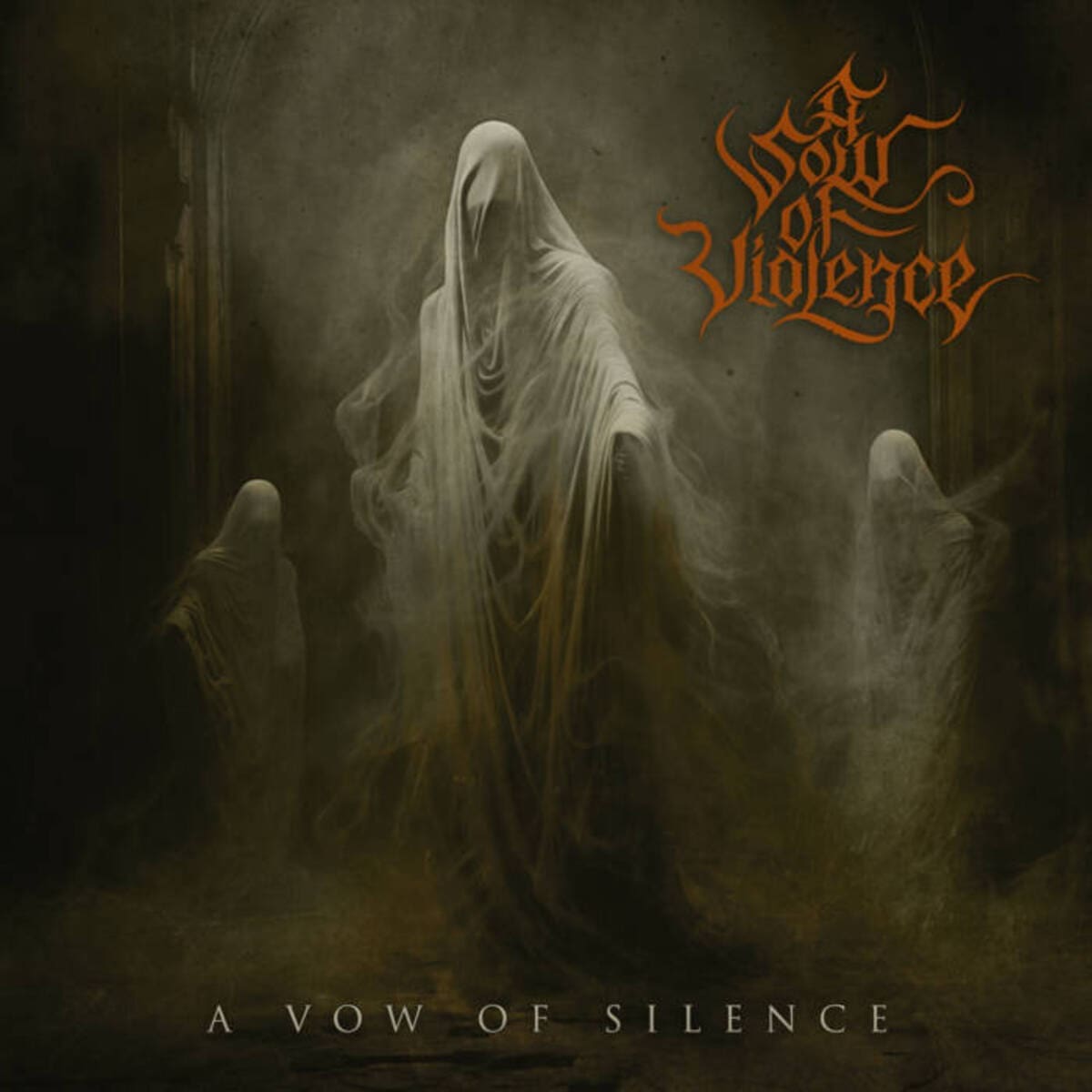
A Sow of Violence — A Vow of Silence album cover

The First Three Sins, The Summary

The First Sin, The Strings/Keys: Riffs crawl like chains over stone—downtuned and deliberate. Beneath them, bass festers, felt more than heard. Synths drift above the ruin, solemn and spectral. The Second Sin, The Vocals: Whispers swell into guttural expulsions—less performance than exorcism. Each phrase tears silence like a veil, consecrated in repression. The Third Sin, The Percussions: No blast beats. Just bone-sharp strikes tolling through tomb air. Cymbals hiss, snares boom—each hit a funeral bell guiding the procession.

⸸ ⸸ ⸸ ⸸ ⸸ ⸸ ⸸

The Fourth Sin, Overall Discussion

Invocation: A Binding Covenant Begins

As soon as the listener presses that play button, they step into a ritual instead of a mere musical experience. The opening sound is not an inviting melody but a stark, cold proclamation. It’s called A Vow of Silence, a four-part liturgy woven into a deep promise — not just an album but a binding covenant.

Silencing Ritual: Tongues Cut, Voices Buried

Each track functions like a razor-sharp blade pressed against the tongue, silencing words before they can be spoken. Each chord rings out as a psalm of repression, a chant sung by those who have lost their voices. The listener is not simply invited into this space; they are indicted, convicted of participating in a solemn act of silence. They are baptised in an ocean of hush, then entombed within an altar carved from bone, a sacred place of grave stillness.

Mortification Through Sound: A Genre in Deep Freeze

What unfolds through these sound is not mere music but an act of mortification — an intense, almost physical experience of pain and control. It’s black metal at it’s coldest, a genre that’s stripped of warmth and comfort. Inside, it’s forbidden, almost frozen in time, with edges blackened by shadow.

Every note feels like an icy gust against the skin, a reminder of the void where feelings once resided.

A Sow of Violence: The Allure of Poison

A Sow of Violence evokes the image of deadly nightshade — beautiful yet toxic. Its appearance is alluring, drawing the eye with dark, velvety tones. But inside lurks a hidden danger. The album weaves atmospheric layers and symphonic death metal into a rich tapestry of blackened doom. The music feel like a suffocating fog, thick with atmospheric texture that suggest silence isn’t; just quiet but a form of suffocation.

Funeral Procession: Bells, Mist, and Ancient Echoes

A Sow of Violence‘ drums toll like funeral bells, each strike deliberate and heavy, as if marking a silent procession. Synths drift through the mix like ghost veiled, cloaking the entire soundscape in mist and shadow. Reverb is not just an effect; it’s weaponized — vocals echo like confessions in an ancient cathedral. Guitars shimmer with that muted brilliance of candlelight flickering on wet stones, then decay into darkness, their sound like fading echoes.

Beauty in Rot: Sonic Incense and Ritual Decay

There’s an unspoken tension in the music — a constant dance between beauty and decay. Moments of ethereal harmony clash with overwhelming dissonance. This conflict never finds peace but remains suspended, unresolved, adding to the album’s haunting atmosphere. The entire EP delivers a raw but intentional sound. The recordings are not polished to perfection but crafted with a careful hand, feeling dense and packed — like sonic incense curling through the dark recesses of a crypt.

They avoid clarity for the sake of heaviness, letting the atmosphere bleed into every channel, thick and immersive.

A Sow of Violence — band photo

Cursed Manuscript: Sound Design as Ceremony

Korolenko’s background as both author and musician shines through in the sound design — a sound design that is a fruit of art. Each track feels like a chapter from a cursed manuscript — full of stories whispered in shadows. The mood is ritualistic, almost ceremonial, like a secret rite kept from the outside world. The layers of sound create a narrative that pulls the listener into a dark realm.

Riffs Like Ritual Knives & Bass Beneath the Grave

The devilmanshipon A Sow of Violence is deliberate and precise. The riffs are crushing, downtuned to feel like crawling rather than galloping. Instead of swift, flashy solos, the guitar work focuses on creating a ritualistic cadence and eerie melodies. The chords seem less about technicality, more about invoking something ancient and forbidden. Occasional tremolo passages slice through the dense murk like ritual knives, adding moments of sharp tension.

Still, the general mood remains, slow, oppressive, and ceremonial — like a dark ritual performed in silence.

A Sow of Violence‘s bass lines lie thick beneath the surface, acting as an undercurrent of dread. They rarely step into the spotlight, but serve as the foundation of the entire mood. It’s felt more than hear — a growl lurking in the shadows, anchoring the music with unseen force. The bass lines add a deep layer of tension, making the sound feel even more intense and oppressive.

Echoes in the Crypt: Ritual Drums and Whispered Synths

A Sow of Violence‘s Percussion is slow and measured. No blast beats here. Instead, the drums hit with a funeral-like purpose — heavy, deliberate strikes that feel like gongs in a sacred space. The snare booms cavernously, echoing as if resonating from a vast, silent tomb. Cymbals hiss like steam escaping from a sealed chamber, providing a ritualistic heartbeat rather than a regular rhythm.

It’s less about traditional rhythm and more about creating a pulse for a ceremonial act.

Synths speak softly within this dark fruit of art world — more as atmospheric layers than melodies. Their hums settle beneath everything else like distant chants echoing through shadows. They add spectral depth to the atmosphere without overpowering the organic instruments or distracting the ritual’s solemnity.

Mythic Silence: Vocals as Exorcism

A Sow of Violence‘s Vocals are restrained yet powerful. They’re not loud or aggressive but harrowing in their quiet intensity. Whispered invocations rise into tortured growls that tear through the lyrics, which revolve around repression, silence, and ritual sacrifice. Titles like Lips Sewn Shut and The Tongue Removed evoke images of mythic punishments for speech — acts that away the voice and essence of the individual. It’s not just storytelling, but symbolic exorcism — casting out the world that could undo the silence.

The Sonic Rite: Experience Over Song

Overall, A Vow of Silence stands as a dark, atmospheric fruit of art. It’s a sonic ritual, crafted with intent and precision. It invites the listener into a space of profound silence and decay — where beauty and horror intertwine. This is not just music; it’s an experience, a rite that leaves an indelible mark long after the final note fades away.

Closing: The Silence Is Sealed: A Benediction in Dread

The Vow arrives not as exclamation, but as absolution. It greets the listener with birdsong and solemn piano — an auditory threshold where serenity and dread hold hands. Gradually, melodic chords, drums descend with ritual finality and monastic chants rise like mist from the altar. It is not a climax. It is a sealing.

⸸ ⸸ ⸸ ⸸ ⸸ ⸸ ⸸

For me, A Vow of Silence is far more than a hybrid of symphonic or atmospheric black metal, doom, or death — it’s a harrowing plunge into nightmare incarnate. The music unspoilt like shadow-stained ritual cloth, seamlessly entwining atmospheric layers with the punishing grandeur of symphonic death metal and the suffocating tension of blackened doom. It forms a forbidding tapestry — equal parts rotten beauty and ceremonial desolation.

Every compositional element is deliberate and devastating. The instrumental arrangements don’t just build tension; they summon a creeping sense of dread that seeps beneath the skin. This is no mere genre fusion it’s an invocation, a cold-blooded descent into something mythic, monolithic, and terrifying.

The Sixth Sin, The Artwork

The album cover for A Vow of Silence is a hymn in hushed tones—a visual rite steeped in repression and ritual. It mirrors the music’s solemnity, cloaking its themes in mist and silence.

There is little to fault in A Sow of Violence’s sonic ritual — A Vow of Silence offers a seamless communion of beauty and horror, repression and invocation.

Body Text, goes here

⸸ ⸸ ⸸ ⸸ ⸸ ⸸ ⸸

The Hymns

01. The Tongue Removed
02. In The Shadows She Waits
03. Lips Sewn Shut
04. The Vow

A Sow of Violence

Jason Korolenkov

Reviewed by Kristian — editorial architect and ceremonially crafted. © Athenaeum of Sin Reviews.

Nothzog — Exitus Review

Nothzog is an German black metal solo artist. On 8 May 2025, Nothzog released it indepenedent debut full-length, Exitus.

Nothzog, Exitus Review: This review will evaluate every aspect of the album, from its intricate musical composition to its production.

Nothzog — Exitus album cover

The First Three Sins, The Summary

The First Sin, The Strings/Keys: The guitars twist into scenes of devotional ruin, smeared in disintegrating feedback. The rhythm churns like a ritual, the bass presses down like an unseen breath. The Second Sin, The Vocals: Not shriek but command — delivered with dry clarity. A voice made of barked orders and whispered threats, always deliberate, never distant. The Third Sin, The Percussions: Relentless discipline. Blast beats strike like airstrikes; snares snap like shrapnel. Precision replaces chaos.

⸸ ⸸ ⸸ ⸸ ⸸ ⸸ ⸸

The Fourth Sin, Overall Discussion

The fog-draped gateway

From the moment the listener hits play, the experience begins with Kein Morgen. The opening track greets the listener with a mid-aggressive introduction that balances dread and pull — like a fog-covered battlefield where the listener is both spectator and subject. It sets the ritual tone with hypnotic restraint.

A Careful Descent into Chaos

As the listener continues their journey with the second piece Vollige Ekstase, and the remaining seven pieces, where each song feels carefully composed, with a unique structure, not rushed or sloppy, but executed with careful attention to detail. The arrangements are complex yet balanced, holding a sense of purpose in every sound choice. Nothing seems improper or thrown together in a rush; instead, every note, beat, and silence is placed with precision. It’s clear that a lot of thought has gone into Exitus.

War Symbols & Erotic Submission

Nothzog‘s Exitus is drenched in the language of ritual, extremity, and abandon. It explores the dissolution of the self under violence and ecstasy, often intertwining dark themes of militarism, death and erotic submission. There’s a powerful thread connecting militarism, death, and eroticism — all woven into the music without glorification. Peiniger’s use of war-inflected symbolism — gas masks, storm rifles, titles like “Mit Gasmaske und Sturmgewehr” — (again) isn’t glorification but invocation.

These images are songs are not meant to promote conflict but to open a door into a mind where chaos, suffering, and transcendence collide. They act as mental weapons, forcing the listener into a state of altered consciousness, ushering the listener into a headspace where identity dissolves into conflict, suffering, and transcendence.

Sonic Structure & Ritual Engineering

Nothzog‘s Exitus is a nine-track, blackened fruit of art release, spread across over fifty minutes, full of contrasting sounds, moods, and tempos. The variation in each song keeps the listener engaged and always guessing what’s next. The entire album feels wrapped in a production style that leans into a raw, ritualistic sound. Yet, it’s also carefully surgically engineered, leaving no room for atmospheric fluff to hide the violence beneath. It’s not lo-fi in the traditional cassette-hiss sense or with rough edges.

Instead, it possesses a tactile roughness, a silent brutality that’s modern but still gritty enough to hit hard. The clarity of the mix doesn’t soften the menace; it amplifies it, making every element stand out in sharp relief.

Steel-Etched Precision & Trance Decay

Each track feels like a ritual etched in steel: precise and stripped of illusion. The instrumental and the devilmanship which are floored to perfection; drum work is relentless but controlled — no chaotic pounding, just military-like discipline. Blast beats hit like airstrikes, fierce and sudden, then give way to slow, almost ceremonial marches. The snares cut deep, like shrapnel ripping through the air. The guitars twist into scenes of devotional ruin, smeared with feedback that is disintegrating into noise.

There’s a ritualistic churn in the rhythm passages, as if each passage strives to evoke a trance-like state or collective trance decay, forcing the listener into a mental battlefield. The use of tremolo picking and droning dissonance add to this, creating a sense of overwhelming force and chaos.

Furthermore, think of the guitar not as narrators but as ceremonial noise-makers — smearing repetition with subtle variation to evoke trance decay. The guitar seems to chant and scream simultaneously, evoking a sense of losing and finding oneself at the same time.

Nothzog — band photo

Bass as Breath and Gravity

Nothzog‘s bass feels present, sometimes buried — but never absent. It holds the structure together like unseen mortar. Occasionally, it gets distorted; other times, it sounds thick and oppressive. The bass adds gravity, a weight that feels like an oppressive breath pressed against the back of your neck.

Vocal Abrasion and Haunting Clarity

Nothzog‘s Vocals thrive on abrasion, with clarity. Peiniger doesn’t use reverb-drenched howls or buried shrieks — his voice is deliberately present, projected like a commandant rather than an apparition. Often feels close-mic’d and breathy, with dry distortion that allows the German lyrics to punch through.

There’s a range too: rasps, growls, whispered threats, and then there’s Sarah Jasmin Hahn’s vocals on Weißes Kleid, which act as the album’s spectral lament — clear, mournful, and chillingly dispassionate, she’s not an angel above the carnage; she haunts the carnage.

Thematic Fulcrum: Elend and Exitus

As mentioned, each song is different; songs like Elend, both musically and thematically, guitars here are particularly oppressive: layered tremolo riffs grind against each other in a kind of ritual abrasion, while the bass pulses like a heartbeat slowed by trauma. Exitus, a six-minute descent into ritualized finality — arguably the album’s thematic and emotional fulcrum of a mixture of clean acoustic, atmospheric soundscape, and a mixture of clean and harsh vocals that seem hollow —the word Exitus itself, Latin for “departure” or “death.”

A Ritual of Disciplined Chaos

Overall, Exitus creates a sonically brutal and ritualistic experience. It’s a carefully crafted fruit of art, where every element contributed to a sense of disciplined chaos. It’s a journey into dark symbolism, unflinching in its focus on violence, ecstasy, and the dissolution of the self.

Furthermore, it’s a record that challenges you! The listener is to confront uncomfortable truths, wrapped in a sound that is both raw and purposefully constructed. The album’s complexity and precise execution transform it from mere music into a ritual — an intense, immersive ritual where sound, imagery, and emotion collide.

Into Silence, Beyond Ritual

As the album nears its final breath, the closing piece — Mit Gasmaske und Sturmgewehr — draws the listener into a chamber of controlled collapse, where structure and suffocation spiral in measured unison.

⸸ ⸸ ⸸ ⸸ ⸸ ⸸ ⸸

The Fifth Sin, The Memorabilia

Where should I begin with Nothzog? I’m truly at a loss for words regarding this one-man band and its music; It’s black metal yet not entirely so at the same time. However, one thing is certain: this album was on constant repeat and felt more like a poetic interpretation of black metal, rich with lyrics and meaning. I particularly enjoyed the third track, which carries a distinct Rammstein vibe. Yet, the real fruit of art songs, for me, were the fourth and fifth compositions, which truly hit the nail on the head.

The Sixth Sin, The Artwork

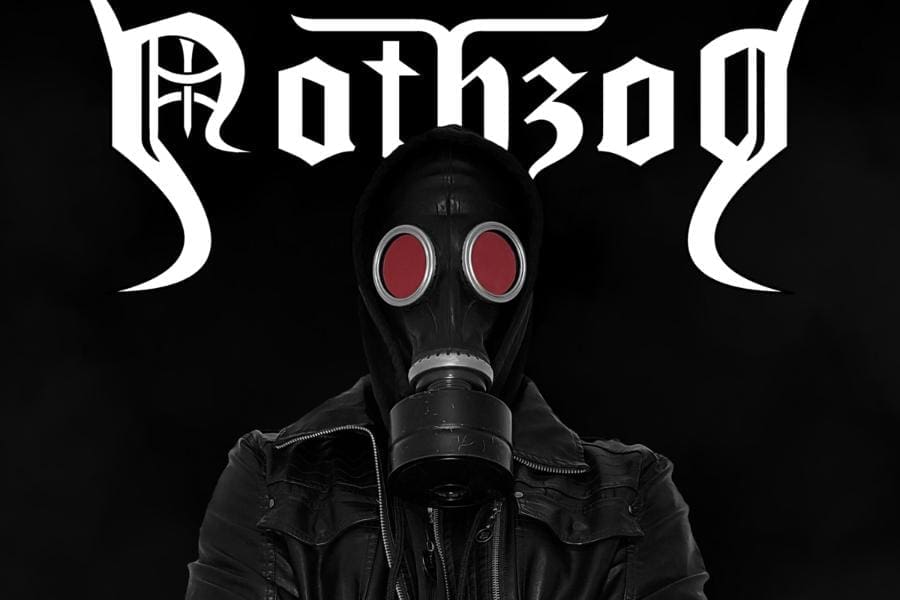
The album’s photography is stark and evocative —an image that feels like a still from an unseen ritual film. (Franziska Eichhorn — photo model)

The Seventh Sin, Disrelish

There is nothing to disrelish here — no excess, no misstep, no indulgence that blunts intent.

⸸ ⸸ ⸸ ⸸ ⸸ ⸸ ⸸

The Hymns

01. Kein Morgen
02. Völlige Ekstase
03. Wo der ferne Osten naht
04. Exitus
05. Elend
06. Kein Erbarmen, kein Vergeben
07. Dein Keben
08. Weißes Kleid
09. Mit Gasmaske und Sturmgewehr

Nothzog

Peiniger — Everything
Sarah Jasmin Hahn – Guest Vocals on hymn Eight

Reviewed by Kristian — editorial architect and ceremonially crafted. © Athenaeum of Sin Reviews.

Padus — Il Diavolo E Il Tecnezio Review

Padus is an Italian doom metal & dark ambient solo artist. On 27 November 2024, Padus released his seventh full-length, Il Diavolo E Il Tecnezio, through The Triad Rec.

Padus, Il Diavolo E Il Tecnezio Review: This review will evaluate every aspect of the album, from its intricate musical composition to its production.

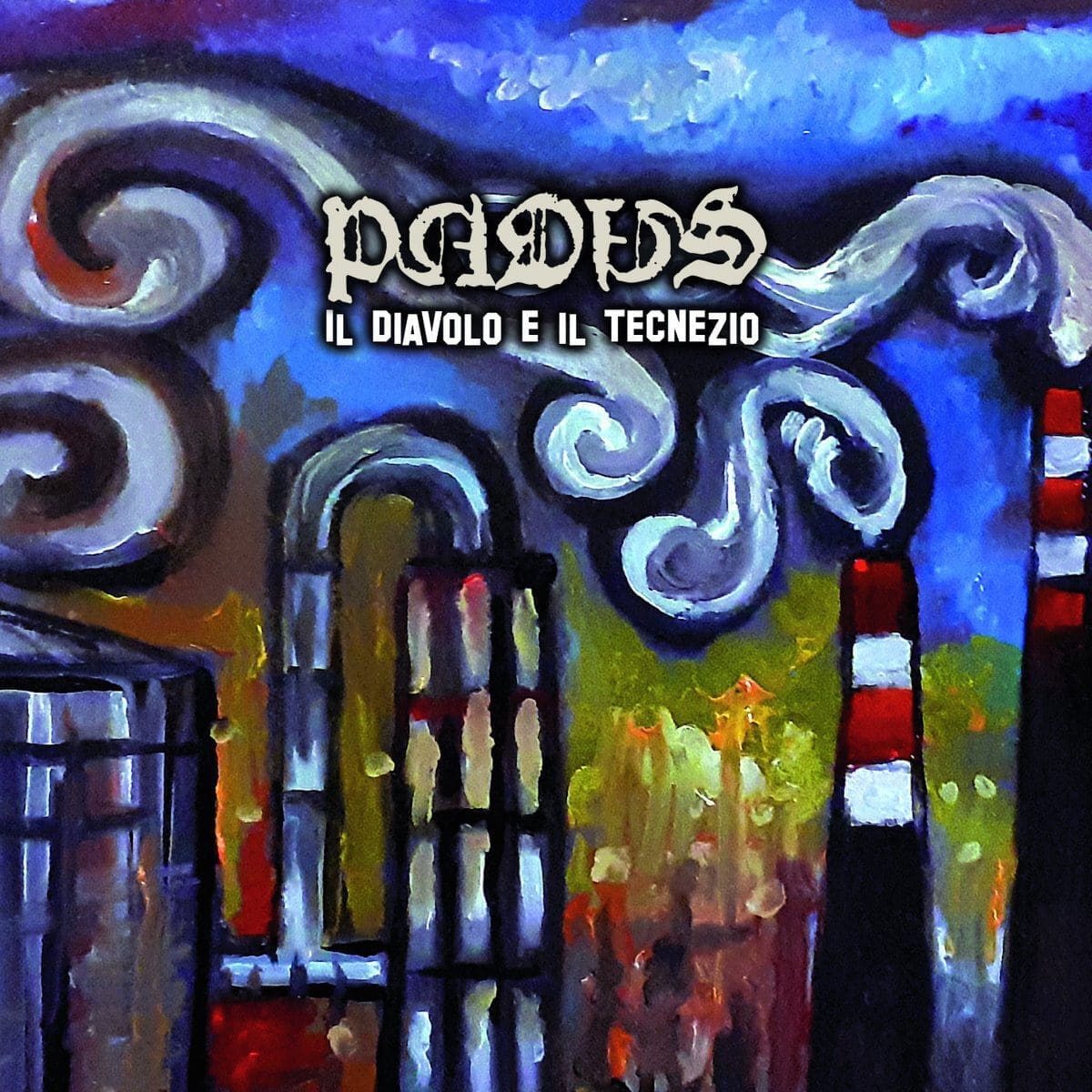
Padus — Il Diavolo E Il Tecnezio album cover

The First Three Sins, The Summary

The First Sin, The Strings/Keys: Brooding bass and chilling organ replace traditional guitars, enhancing the album’s ritualistic depth. The Second Sin, The Vocals: Vocal delivery is ritualistic and atmospheric, merging spoken-word passages, chants, and distant echoes. The Third Sin, The Percussions: Rather than draining the organic feel, provide a mechanical stiffness that works in tandem.

⸸ ⸸ ⸸ ⸸ ⸸ ⸸ ⸸

The Fourth Sin, Overall Discussion

Opening Atmosphere

When the listener presses play, the first track, Demones, enters on a swift but ominous introduction, setting atmosphere with malevolent organ drones and distant, ritualistic incantations. The track is an incantation, calling forth the dark themes of the album.

Structural Distinctions

As the listener embarks on their exploration of the second piece, Sangue Corpus Christi, along with the other five compositions, they will discover that Il Diavolo E Il Tecnezio stands apart from Opera Funebre. While Opera Funebre presents a complete sonic instrumental experience, Il Diavolo E Il Tecnezio blends vocal elements with atmospheric instrumentalsacross seven tracks. Maintaining the essence of doom metal and dark ambient soundscapes within a concise duration of under thirty-seven minutes.

Thematic Depth of mysticism & decay

As the music progresses, listeners will discover that the central theme revolves around dark mysticism, alchemical change, and existential deterioration. (with some information), incorporating references to technetium (Tecnezio), a radioactive element frequently linked to transformation and decay. The title itself — “The Devil and Technetium” — implies a blend of the occult and the scientific, perhaps alluding to the relationship between mysticism and physical decay.

Artistic Execution & Sonic Landscape

Simultaneously,Padus has unveiled yet another profound listener — a dark fruit of artistry, meticulously shaped through a devilmanship that infuses the music with a tightly woven, flawless composition—both instrumental and musical. As in previous works, Padus captures and embraces a raw, atmospheric production style, one that enhances the blend of doom metal and dark ambient with an almost ritualistic fervour.

The recording takes on a rough, lo-fi texture, which contributes to the album’s dark, haunting soundscapes and ritualistic atmosphere. Everything — from the low, rumbling bass lines to the eerie organ work — sounds intentionally rough-hewn, allowing the music to boil with an unsettling, almost primal energy. The programmed drums, rather than draining the organic feel, provide a mechanical stiffness that works in tandem with the album’s themes of degeneration and transmutation.

This sonic approach doesn’t merely act as a backdrop; it’s a vital component, defining the album’s immersive and hypnotic nature. The distorted soundscapes, murmured incantations, and cavernous reverb conspire to create a soundscape that’s simultaneously ancient and otherworldly, like something unearthed from some forgotten ritual.

Padus — band photo

Production, Instrumental Focus & Sound Design

The overall tone is one of bass, ambient, and organ sounds. As noted previously, the bass is again at the forefront, delivering low, resonant bass that propels the compositions forward. The organ sections, once more a central element, contributes a liturgical, haunting feel that contributes even more depth to the album’s decay and mysticism themes. The tone is heavy, with reverb and drone-like soundscapes stacked atop each other contributing a hypnotic, enveloping experience.

In contrast to the other instruments and vocals, the drums are programmed, often acting as a percussive pulse rather than a leading rhythmic force. Although the album does not heavily depend on traditional guitar work, it emphasizes bass-driven textures and ambient effects to establish depth. The vocal delivery is ritualistic and atmospheric, merging spoken-word passages, chants, and distant echoes to amplify the album’s esoteric essence.

Symbolism and Sonic Exploration

Song titles like Sangue Corpus Christi bring up religious imagery, possibly critiquing religion or delving into sacramental symbolism. Onomatopeide, the longest track, appears to explore abstract soundscapes, once more illustrating the atmospheric and ritualistic quality of the album.

The other instrumentals, Danza termica and L’arloj dlà mort, set the mood for eerie, haunting, experimental, and meditative contemplation.

“The lyrics of the songs: “Demones” and “Onomatopoeid” are sung in “grammelot“, a theatrical language with the emission of meaningless sounds, but similar to real words or speeches in order to obtain a comic or farcical effect.” [Padus]

Final Incantation: A Mournful, Free-Flowing Closure

Closing with the closing instrumental piece, Improvvisazione viola, adding a mournful, classical touch to the album’s dark ambient framework. The organic, free-flowing nature of the track contrasts with the structured doom elements, closing the album on a contemplative note.

⸸ ⸸ ⸸ ⸸ ⸸ ⸸ ⸸

The Fifth Sin, The Memorabilia

Yet again, I find myself overcome with anticipation, captivated by the entirety of Il Diavolo E Il Tecnezio, — but none more so than the fifth track, L’arloj dlà mort. Over the entire album, composition, devilmanship and arrangement by Padus, are all a fruit of art.

However, a word of caution: Il Diavolo E Il Tecnezio is meant for those who possess an open mind and are prepared to fully embrace the music and devilish artistry of Padus.

The Sixth Sin, The Artwork

Similar to Opera Funebre, Matteo Zanella created the album’s artwork himself. Interestingly, the artwork for Opera Funebre embodies perfectly the album’s theme. After conducting research on this album, it’s clear that the artwork reflects the theme, title, and more.

The Seventh Sin, Disrelish

Within the realm of Padus, disrelish simply does not exist. Every aspect of Il Diavolo E Il Tecnezio is a deliberate act of artistry, woven with an undeniable sense of purpose. From its haunting sonic landscapes to its alchemical themes, the album stands as a testament to Padus’ fruit of art of atmospheric composition.

⸸ ⸸ ⸸ ⸸ ⸸ ⸸ ⸸

The Hymns

01. Demones
02. Sangue Corpus Christi
03. Danza termica (instrumental)
04. Onomatopeide
05. Il viaggio di notte
06. L’arloj dlà mort (instrumental)
07. Improvvisazione Viola (instrumental)

Padus

MZ — Distored Bass, Organ, Programming

Reviewed by Kristian — editorial architect and ceremonially crafted. © Athenaeum of Sin Reviews.

Padus — Opera Funebre Review

Padus is an Italian doom metal & dark ambient solo artist. On 15 April 2024, Padus released his sixth full-length, Opera Funebre, through The Triad Rec.

Padus, Opera Funebre Review: This review will evaluate every aspect of the album, from its intricate musical composition to its production.

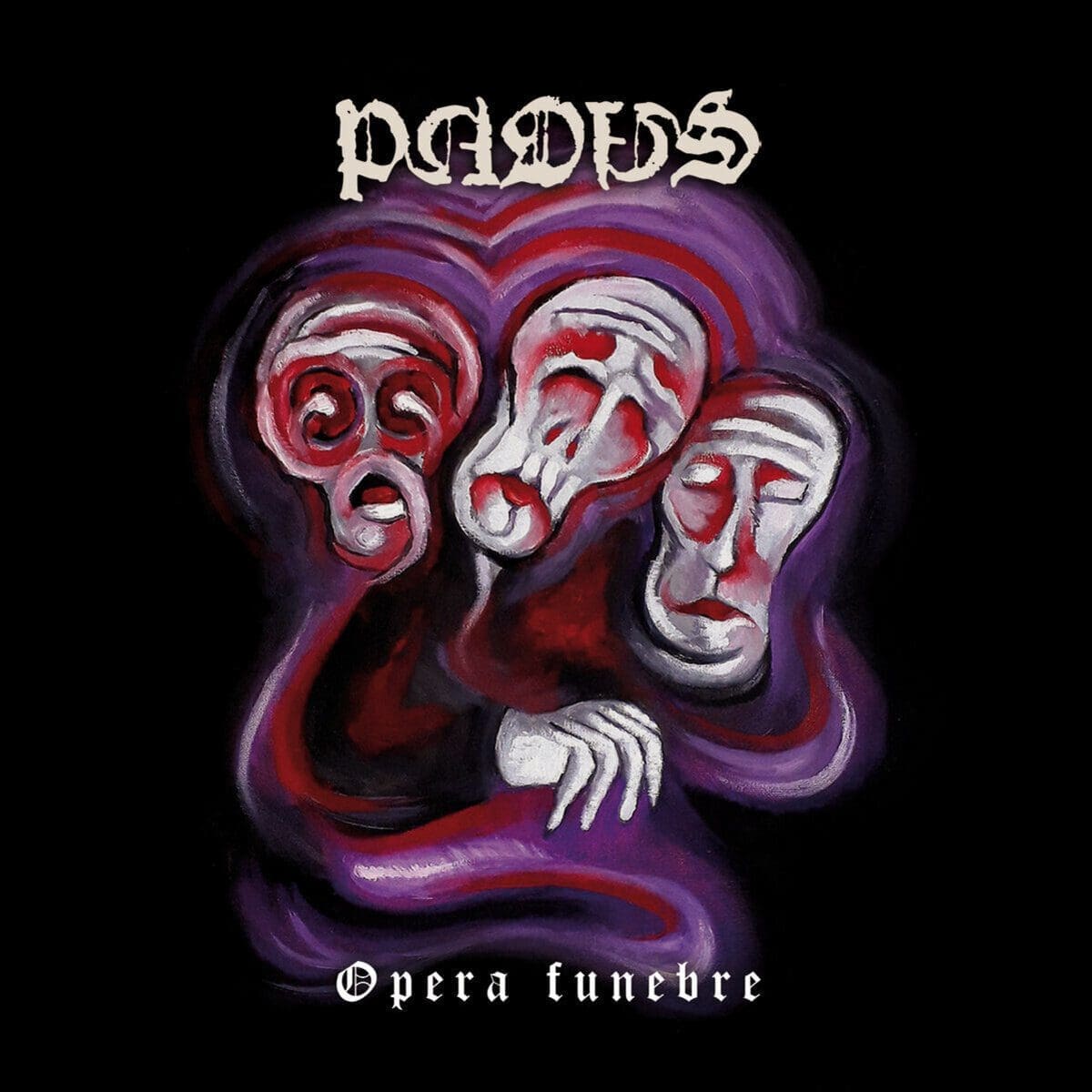
Padus — Opera Funebre album cover

The First Three Sins, The Summary

The First Sin, The Strings/Keys: Brooding bass and chilling organ replace traditional guitars, enhancing the album’s ritualistic depth. The Second Sin, The Vocals: Absence of Vocals — silence becomes a voice, allowing melodies to breathe and intensify the album’s meditative aura. The Third Sin, The Percussions: Programmed drums mirror Funeral Doom’s slow pace with mechanical accuracy, reinforcing the solemn atmosphere.

⸸ ⸸ ⸸ ⸸ ⸸ ⸸ ⸸

The Fourth Sin, Overall Discussion

An Ominous Introduction

Upon pressing the play button, the listener is ushered into an instrumental doom metal abyss, comprising seven pieces that last just under thirty minutes, which delve into rich atmospheric and melancholic themes

A Ritual of Mourning and Despair

As the listener continues their journey, they will find that Padus’ Opera Funebreis a deeply atmospheric journey into mourning and ritualistic despair. Padusblends the heaviness of doom metal with dark ambient sounds, taking inspiration from the classic jazz trio (double bass, piano, and drums) but transforming everything into a metal guise, i.e., distorted bass, pipe organ and heavy drums. [Padus]

A Solemn March Through Sorrow

As the album progresses, it resembles a solemn march, with each track serving as a journey through sorrow, recollection, and the haunting remnants of lost ceremonies.

The soundscape is constructed on a deliberately unrefined production, welcoming a spacious aesthetic that enhances the album’s ceremonial and contemplative nature. The mixing of the album emphasizes atmospheric depth, crafting a sense of expansive, resonant spaces — almost as if the music is reverberating through the aisles of an abandoned cathedral.

An Auditory Force of Devilmanship

At the same time, Opera Funebre emerges as a significant auditory force—a shadowy product of artistry that is shaped by this devilmanship adeptness, which offers the music a tightly woven and impeccably polished composition — both instrumental and musical.

It saturates the listener’s ears with a powerful and resonant sound, featuring brooding bass lines that carry a formidable weight, grounding the arrangements while allowing the ambient textures to meander into ghostly territoris.

The chilling organ passage is also notably striking, evoking the grandeur of ceremonial mourning, echoing the early influences of Funeral Doom.

Descending into Sorrow

The haunting presence of this album is enhanced by employing reverberating drones, eerie effects, distant echoes, and unsettling tonal shifts, creating a feeling of descending into sorrow. The programmed drums, while not bad, convincingly emulate the real thing — providing the music with a slow and deliberate pace that mirrors Funeral Doom, yet possesses an almost mechanical precision due to their programmed nature. The minimalist percussion allows the ambient elements to flourish while keeping a processional rhythm intact.

Padus — band photo

A Guitar-Free Sonic Requiem

Fascinatingly, Opera Funebre does not follow the typical guitar-centric approach. Rather, the album utilizes organ and synthesizer layers to build its harmonic richness. The lack of standard guitar riffs amplifies the ritualistic and atmospheric qualities of the music, transforming it into more than merely an album — it becomes a sonic requiem, a meditation on loss and the passage of time.

Echoes of Forgotten Places

Overall, the compositions evoke imagery of abandoned cathedrals, candlelit vigils, and the slow decay of forgotten places, reinforcing the album’s existential weight. For listeners drawn to Funeral Doom, Dark Ambient, and ritualistic soundscapes, Opera Funebre stands as a fruit of art — a striking piece of sorrowful artistry; the ability to weave grief, reverence, and atmospheric depth into a cohesive experience makes it hauntingly beautiful…

The Final Incantation

As the performance nears its finale, with the concluding piece La Lingua Oscura, it brings forth incantation vocals accompanied by an abandoned cathedral soundscape.

⸸ ⸸ ⸸ ⸸ ⸸ ⸸ ⸸

The Fifth Sin, The Memorabilia

I have a fondness for instrumental doom metal; there’s an intriguing quality to it. The absence of vocals allows the instrumental pieces to take on a voice of their own. Overall, Opera Funebre sounds like it was recorded in a deserted cathedral, which gives it more depth.

Opera Funebre is not for the faint of heart; it’s tailored for those nights filled with flickering candles, where all modern gadgets are turned off, and you close your eyes to visualize the surroundings, letting the music envelop you as night falls

The Sixth Sin, The Artwork

Matteo Zanella (MZ) himself painted the album’s artwork, crafting an image that exudes a haunting, mysterious atmosphere—partly capturing the essence of the music. The piece evokes echoes of The Scream by Edvard Munch and Starry Night by Vincent van Gogh, channelling a similar sense of emotional turbulence and ethereal beauty.

The Seventh Sin, Disrelish

Opera Funebreoffers no missteps — every aspect is meticulously crafted, immersing the listener in its solemn, atmospheric depth. Instead of flaws, it presents a fully realized vision of grief and ritualistic mourning.

⸸ ⸸ ⸸ ⸸ ⸸ ⸸ ⸸

The Hymns

01. Lento incedere catacombale
02. Tomba d’autunno
03. Croce di marmo nero
04. Nebbia ai cipressi
05. Grimorio
06. La Lingua oscura

Padus

MZ — Distored Bass, Organ, Programming

Reviewed by Kristian — editorial architect and ceremonially crafted. © Athenaeum of Sin Reviews.

Urku Llanthu — Anku Review

Urku Llanthu is a Ecuadorian dark folk/dungeon synth solo artist. In 2025, Urku Llanthu released his latast single, Anku, and released through his label Takiri Productions.

Urku Llanthu, Anku Review: This review will evaluate every aspect of the album, from its intricate musical composition to its production.

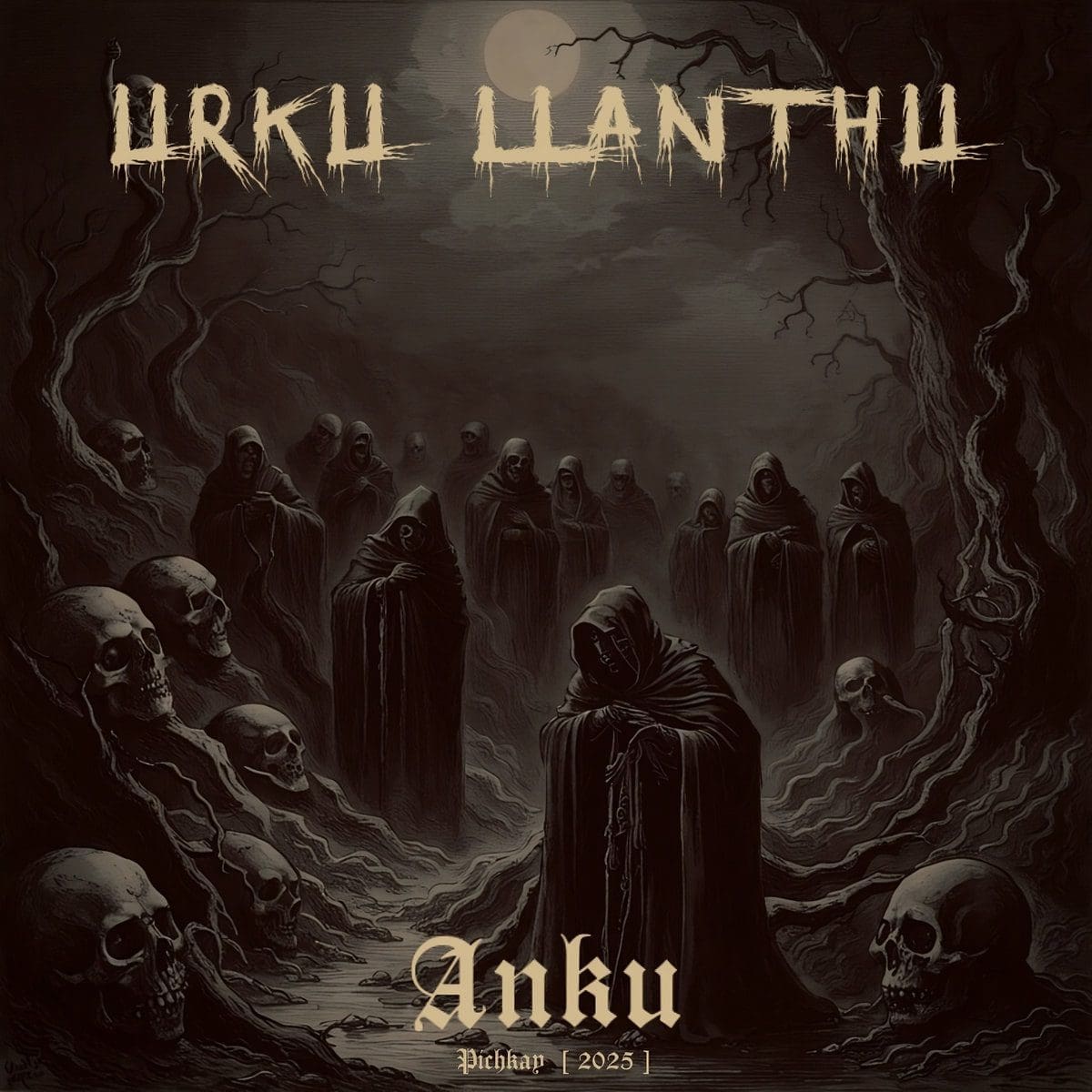
Urku Llanthu — Anku cover

The First Three Sins, The Summary

The First Sin, The Strings/Keys: All electrical instrumentals are omitted. Part from the keyboards, which offers the listener with an instrumental soundscape with the use of traditional Andean wind/string instruments and environment sound Fx.Anku forgoes electric instrumentation, relying on Andean wind and string instruments alongside keyboards to craft an immersive, ritualistic soundscape. The Second Sin, The Vocals: omitting vocals entirely, Anku allows its melodies and atmospheres to breathe, inviting introspection and enhancing its meditative, spiritual essence. The Third Sin, The Percussions: Percussion in Anku isn’t just rhythm—it’s a primal force, guiding the listener through deep ceremonial landscapes with resonant, earthy drum textures.

⸸ ⸸ ⸸ ⸸ ⸸ ⸸ ⸸

The Fourth Sin, Overall Discussion

The Essence of Urku Llanthu’s Musical Atmosphere

Urku Llanthu frames its musical atmosphere together with melodic, harmonic and mystical rhythms, with a strong base in ancestral Andean melodies, along with a diverse framework of instruments that come from this region. Amalgamating all these sounds under the harmonic company of the piano that supports and shapes this musical genre called Dungeon Synth—Dark Folk Metal. [Urku Llanthu]

Anku: A Sonic Ritual Rooted in Andean Spirituality

From the depths of Andean spirituality, Urku Llanthu unveils Anku, the first track from his fifth studio album, Pichkay. Rooted in the Kichwa concept of “Anku” (meaning Root), the song explores the profound connection between humanity and Pachamama (Mother Earth), weaving ancient wisdom into a sonic ritual.

A Fully Immersive Journey into Andean Spirituality

As soon as the listener hits play, they are not just taken to a realm rich in Andean spirituality — they are fully immersed in its essence. The far-off cry of a murder of crows, the steady flow of water, and the harmonious blend of soft sounds with eerie piano notes create an atmosphere where history comes alive and ancestral whispers linger.

Honouring Traditions Through Music

Guitar work by Urku Llanthu embodies a deep sense of respect for traditions and history. You desire to continue your spiritual exploration by listening to Pichkay after listening to Anku.

Harmony layers are deployed like signal pulses — brief, disorienting, and surgical.

Melodies That Resonate with Ancestral Whispers

Its melodies plunge into the spiritual realm, employing instruments that appear to resonate with the whispers of age-old rituals. Every note and rhythm emerges as a sacred pulse, linking the listener to ancestors who have long departed. The music is crafted with intricate layers of ritualistic percussion, conjuring visions of drums thundering in a shadowy forest or encircling a ceremonial blaze. These rhythms vibrate with primal energy, awakening a sense of unity with something greater than oneself.

Band Name here! — band photo

Synth Textures and Folk Influences Intertwined

Haunting synth textures dance through the soundscape, reminiscent of whispers from a different era or realm. These ethereal sounds foster an air of intrigue and awe, drawing listeners into a surreal experience. Folk influences are intricately blended into the composition, possibly featuring melodies inspired by age-old instruments. These folk tones infuse the music with warmth and genuineness, anchoring it in its cultural heritage.

They conjure visions of far-off gatherings or time-honoured rituals celebrated by communities of yore.

A Cycle of Life, Death, and Rebirth

Together, these components create a piece that embodies both tranquillity and rawness. The music invites introspective thought, yet it also releases a deep-seated primal energy that resonates within. It’s as though every note is a fragment of a cycle that perpetually repeats and rejuvenates — symbolizing life, death, and rebirth. In this manner, the music reflects the natural rhythm, reminding us that all things move in cycles.

The Transformative Experience of Anku

Experiencing Anku, but also Urku Llanth’s other fruitless works of art, feels akin to embarking on a journey into a spiritual realm filled with both shadows and illumination. The intricate textures and rhythmic motifs carry listeners away from the mundane, leading them to a domain where the sacred intertwines with the visceral.

This encounter transforms into a voyage that resonates with the spirit and stirs something instinctual within. Each element of the composition appears meticulously crafted to invoke sensations of nostalgia, enigma, and wonder. The lush blend of sounds stands as a compelling testament to how music can act as a conduit to our ancestral heritage.

A Commitment to Storytelling Through Sound

Overall, Urku Llanth’s artistry and devilmanship remains committed to storytelling through sound, channelling the wisdom of ancestors and the essence of Kichwa philosophy. As an invocation of heritage, Anku resonates with a sense of ritualistic guidance, urging listeners to explore the delicate balance between existence and nature’s eternal force.

The Eternal Echo of Anku

As the composition draws to an end, the tunes gradually diminish into the shadows. The distant call of a murder of crows echoes from afar, and the ceremonial rite of passage remains long after the melodies have slipped into the night.

⸸ ⸸ ⸸ ⸸ ⸸ ⸸ ⸸

The Fifth Sin, The Memorabilia

For me, composing reviews for Urku Llanth is a considerable task, not in relation to the music, but in how he showcases his work. He releases an album, picks a song, and promotes it as a single. His artistry and the promotion of his creations are crucial. But could this be my opinion?

If you’re into dungeon synth and dark folk music, I urge you to explore Anku and the ongoing artistic contributions of Urku Llanth — it’s more than mere music; it’s a ritualistic experience and a getaway from the daily grind of modern existence.

The Sixth Sin, The Artwork

This artwork exudes a dark, ritualistic atmosphere, featuring hooded figures standing in a forest littered with skulls. The twisted trees and full moon add to the eerie, supernatural ambiance.

The Seventh Sin, Disrelish

There is nothing to critique in Anku. Every element — its absence of vocals, immersive instrumentation, and ritualistic atmosphere — serves a clear artistic purpose. It’s not a composition seeking validation, but an experience, waiting for the listener to engage and interpret its depths. Rather than flaws, Anku stands as a testament to Urku Llanth’s devotion to atmosphere and spiritual exploration.

⸸ ⸸ ⸸ ⸸ ⸸ ⸸ ⸸

The Hymns

01. Anku

Urku Llanthu

Atuk Urku Llanthu (Pablo Mesias) — Songwriting, All Instruments

Reviewed by Kristian — editorial architect and ceremonially crafted. © Athenaeum of Sin Reviews.

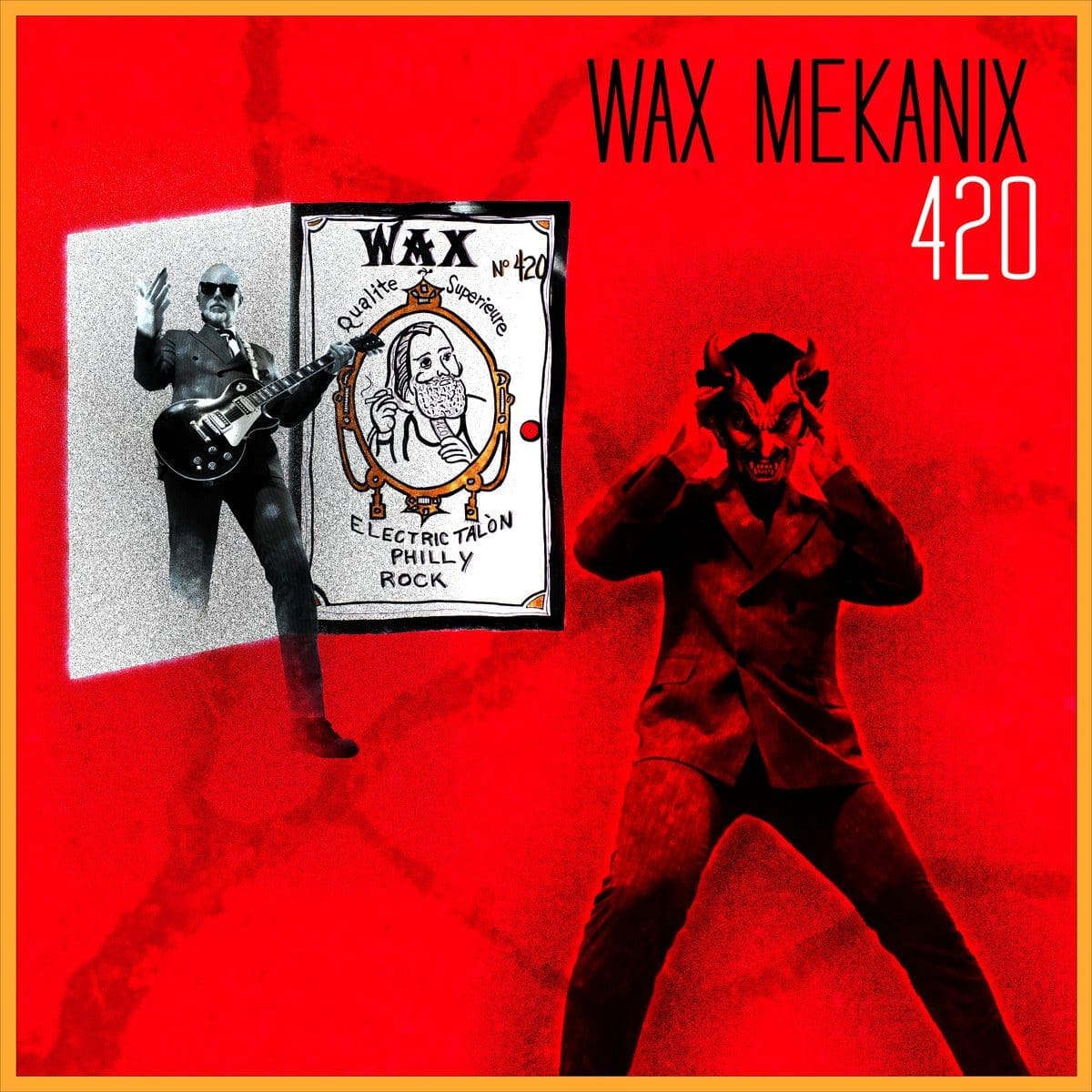
Wax Mekanix — 420 Review

Wax Mekanix is an American musician, songwriter, performer, and producer. On 8 September 2023, Wax Mekanix released his lastest single, 420, released via Electric Talon Records.

Wax Mekanix, 420 Review: This review will evaluate every aspect of the album, from its intricate musical composition to its production.

Wax Mekanix — 420 album cover

The First Three Sins, The Summary

The First Sin, The Strings/Keys: A seamless interplay of acoustic and electric guitars infuses the track with both warmth and vitality. The Second Sin, The Vocals: The vocals are powerful and serve as the song’s voice and expressive heartbeat. The Third Sin, The Percussions: The drums offer a crisp, driving cadence, ensuring a steady pulse throughout, while the percussive elements propel the track forward.

⸸ ⸸ ⸸ ⸸ ⸸ ⸸ ⸸

The Fourth Sin, Overall Discussion

A Lively and Upbeat Introduction

Upon pressing the play button, the listener is greeted by a lively song lasting three minutes. 420 offers the listener a track characterized by its upbeat, sun-drenched lyrics that inspire feelings of escapism and a carefree spirit.

Nostalgic Rock Vibes and Multi-Studio Production

As the listener embarks on their sun-drenched adventure, they will discover that the sound exudes a vibrant, punchy, and melodic essence, drawing inspiration from the rock vibes of the seventies and eighties. Simultaneously, 420 possesses an infectious, sing-along charm with lyrics like “Hook me up, swing by and sweep me away / Turn me on, be my sweet escapade” — all captured with a refined yet raw energy in the recording, which was produced across several studios.

This multi-studio strategy enriches the single, adding layers and diversity to the overall sound.

Intricate Composition and Professional Arrangements

Wax Mekanix is a musical work that merges intricate composition with professional arrangements, resulting in a sound that is both innovative and exquisitely refined. The instrumental layers are meticulously crafted to engage the listener, seamlessly intertwining melody and rhythm with accuracy.

The music gives the impression of being constructed with purpose, with every note and chord selection landing exactly where it ought to.

A Cohesive Blend of Acoustic and Electric Guitars

This robust and cohesive devilmanship bathes the listener’s spirit in a sun-drenched composition and arrangement that features a harmonious blend of acoustic and electric guitars, working in perfect unison to infuse the atmosphere with warmth and vitality.

The acoustic strings are played with precision, offering a soft, welcoming radiance and warmth to the piece, while the electric guitar injects a sharp, invigorating edge that electrifies the track. The rhythm of the song is both sharp and propulsive, ensuring the listener remains captivated from beginning to end.

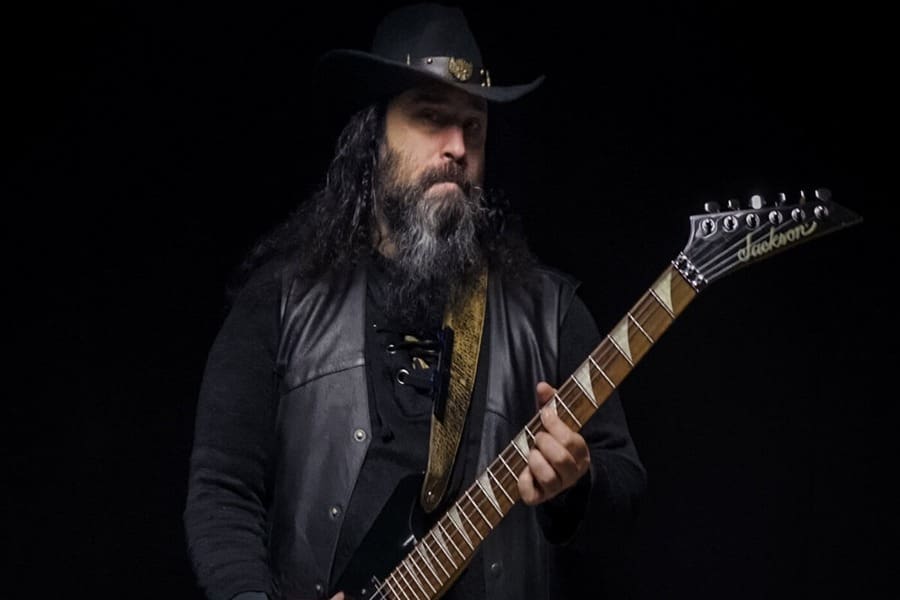
Wax Mekanix — band photo

Dynamic Bass, Percussion, and Drums

The bass line from Wax Mekanix provides a robust, rhythmic foundation that captures the lively essence of the track. Meanwhile, the drums and percussion intricately layer above with both precision and vigour. They intertwine in a tight pattern that invigorates the music. The drums maintain a steady tempo, delivering beats with clarity and strength. The percussion components, such as cymbals and shakers, introduce complexity and texture, enriching the rhythm.

Collectively, they propel the song ahead, infusing it with a sense of urgency and thrill.

Powerful Vocals and Expressive Delivery

Wax Mekanix vocals are powerful and serve as the song’s voice, adding emotion and personality. They are bold and commanding, capable of capturing the listener’s attention instantly. When the singer belts out lyrics with power, it makes the song feel alive and full of life.

A Fusion of Power Punk Pop Rock Nostalgia

Overall, Wax Mekanix has conjured up a jaw-breaking glob of power punk pop rock fondant, as if it was thrown down by Elvis Costello, The Clash, The Ramones, The Police, The Cars, and The Sex Pistols.

This track stands out as a delightful departure from Wax Mekanixn’s more intense creations, capturing a lighter, more nostalgic spirit.

A Lingering Sun-Drenched Atmosphere

As the piece comes to a close, the sun-drenched atmosphere continues to linger even after the final notes fade into the sunset. We want to give a shoutout to Wax Mekanix for letting us review his single 42.

⸸ ⸸ ⸸ ⸸ ⸸ ⸸ ⸸

The Fifth Sin, The Memorabilia

For me, after listening to Psychotomimetic and now his latest single, 420, I realize there are other singles available. But to me, Wax Mekanix isn’t afraid to experiment with various musical elements, blending them effortlessly to craft a distinctive and engaging sound.

If you appreciate music that challenges limits and ventures into uncharted territory, Wax Mekanix is an artist you definitely shouldn’t overlook.

The Sixth Sin, The Artwork

I’m not sure about the artwork; it’s a hit-and-miss for me.

The Seventh Sin, Disrelish

There is nothing to dislike in the musical offerings of Wax Mekanix and his single, 420. It’s a well-executed track with vibrant energy, nostalgic charm, and polished production.

⸸ ⸸ ⸸ ⸸ ⸸ ⸸ ⸸

The Hymns

01. 420

Wax Mekanix

Wax Mekanix — Lead & Backing Vocals, Acoustic Guitars, Drums, Percussion
Lectriq – Backing Vocals, Keyboards
Tom Altman – Electric Guitars, Backing Vocals, Bass
Chris Bishop – Electric Guitars
Barney Cortez – Electric Guitars, Keyboards, Backing Vocals, and Bass
Rob Devious – Bass
Brandon Yeagley – Backing Vovcals

Reviewed by Kristian — editorial architect and ceremonially crafted. © Athenaeum of Sin Reviews.

Blood Of Artemis — Fading in Silence Review

Blood Of Artemis is an Portuguese death/doom metal endeavour brought to life by the multifaceted artist Melkor. On 25 May 2025 Melkor unveiled his latest creation, Fading In Silence. Released through Studios 13.

Blood Of Artemis, Fading In Silence Review: This review will evaluate every aspect of the album, from its intricate musical composition to its production.

Blood Of Artemis — Fading In Silence album cover

The First Three Sins, The Summary

The First Sin, The Strings/Keys: Sorrowful guitar melodies crawl forward, weaving through oppressive, slow riffs and chilling organ that evoke a sense of wandering through desolate ruins. The Second Sin, The Vocals: A harrowing interplay of guttural growls and spectral, grief-laden whispers shapes the vocal landscape. The Third Sin, The Percussions: Deliberate and crushing, the percussion serves as the backbone of the album’s suffocating atmosphere.

⸸ ⸸ ⸸ ⸸ ⸸ ⸸ ⸸

The Fourth Sin, Overall Discussion

A Gateway To The Hollow Halls

The nine-minute introductory piece invites the listener into the melancholic realm of Blood of Artemis. The opening of Echoes Through Hollow Halls, creates an unsettling ambiance through organ tones and spoken words, establishing the mood for the sorrowful journey that lies ahead. As the track progresses, the haunting organ sound merges with sorrowful melodies and slow, heavy riffs, conjuring the feeling of wandering through ancient ruins. Distant echoes of grief resonate throughout the soundscape, drawing the listener further into its atmospheric depths.

The Fall Of Sanctuary

The second piece, Ruin Of Our Sanctuary, greets them with a mournful piano intro transitions into a progressively heavier and more intense composition, merging slow doom metal with eerie symphonic elements. The piece builds up with deep, growling vocals, interspersed spoken word incantations, and sudden outbursts of death metal ferocity, crafting a dark atmosphere filled with despair, betrayal, and possibly the downfall of something once revered.

The intricate layering of sounds and dynamic changes amplify the emotional gravity of the work, drawing the listener further into a state of existential darkness.

A Journey Through Sorrow

The album features its longest and most heart-wrenching track, lasting more than fifteen minutes. With Every, I Fade begins with a chilling organ intro that instantly sends shivers down the spine. Spoken words lay the groundwork for what is to come — a piece that gradually evolves into a hauntingly beautiful clean section, blended with intense heaviness, reflecting a path through sorrow and acceptance.

At over seven minutes in, listeners are treated to a concealed gem—a cover of House Of The Rising Sun…

A Doom-laden Reinvention

Hidden within the album’s depths is a reimagining of House of the Rising Sun, transformed into a harrowing doom interpretation. Blood of Artemis slows the tempo significantly, shifting the song’s inherent melancholy into an abyss of despair. Unlike The Animals or Frijid Pink, this rendition embraces the bleak sorrow at its core, resembling a lament reverberating through desolate ruins — where ghostly vocals and sorrowful guitar lines bleed anguish into every note.

Blood Of Artemis — band photo

A Manifestation Of Darkness

Once more, Blood Of Artemis rises as a fruitiness of artistry, blending doom and death metal with traces of depressive black metal and elements of dark hymns (incantations). Fading in Silence wraps the listener in a soundscape that is both foreboding and stifling, snuffing out any glimmer of light or hope.

At the same time, Melkor illustrates that even within a single genre, two projects can vary greatly in sound, mood, and themes. His works — both instrumental and vocal, along with his devilmanship artistry — display a rich tapestry of lyrical intricacy, musicality, and vocal expression.

A Monument To Mourning

Just as with previous releases, the production remains impeccable, ensuring that neither sound nor recording quality falters — as the album drips with reverence and melancholy. The riffs crawl, the atmosphere suffocates, and the voice tells stories older than memory. Each song is a dirge for the lost, a prayer for the wild, and a curse against the desecrators.

Written and recorded in solitude, Blood of Artemis is both sanctuary and grave. A ritual of mourning and defiance. A howl to the void, slow and unrelenting.

The Depths Of Despair

Overall, Fading in Silence delves even deeper into themes of despair, abandonment, and existential loss, and both the lyrics blend English and Portuguese, further deepening the album’s sense of timelessness and emotional weight. Every track intricately weaves a rich tapestry of emotions, pulling the listener into a haunting sonic journey that reflects the delicacy of existence and the sorrow of love that has slipped away.

From the resonating anguish of the opening piece to the overwhelming conclusion, Blood of Artemis once more makes a profound statement in the realm of atmospheric doom.

⸸ ⸸ ⸸ ⸸ ⸸ ⸸ ⸸

The Fifth Sin, The Memorabilia

For me, Melkor has crafted a singular yet multifaceted fruit of art in musical composition, encapsulating darkness, weight, intensity, and a profound sense of melancholy, making it an ideal choice for enthusiasts of doom, death, and depressive black metal. Melkor‘s Devilmanship and artistry, both in his musical and instrumental, is undeniably a fruit of art. Each of his varied projects presents a distinct atmosphere, sound, and structure, reminiscent of delving into a collection of narratives by a single author, where every story stands apart, perhaps even in its own unique multiverse.

The Sixth Sin, The Artwork

Given the duality of Artemis — goddess of both the hunt and protection — the interplay between death and transcendence resonates within the imagery. The album reflects this idea through its slow, heavy soundscapes, mirroring the tension between destruction and reverence.

The Seventh Sin, Disrelish

There is nothing to dislike in the musical offerings of Blood of Artemis and his album Fading in Silence. The album stands as a monument to sorrow, weaving its melancholic tapestry with precision and emotional depth.

⸸ ⸸ ⸸ ⸸ ⸸ ⸸ ⸸

The Hymns

01. Echoes Through Hollow Halls
02. Ruin Of Our Sanctuary
03. With Every Tear, I Fade

Blood Of Artemis

All music, lyrics, vocals, guitars, bass, and synths invoked by Melkor
All arrangements and sound design crafted in isolation and shadow

Reviewed by Kristian — editorial architect and ceremonially crafted. © Athenaeum of Sin Reviews.

Necroflagelo — Litugia do Apocalipse Review

Necroflagelo is a Portuguese extreme metal endeavour brought to life by the multifaceted artist Melkor. On 27 April 2025, Melkor unveiled his latest creation, Litugia do Apocalipse released through Studio13.

Necroflagelo, Litugia do Apocalipse Review: This review will evaluate every aspect of the album, from its intricate musical composition to its production.

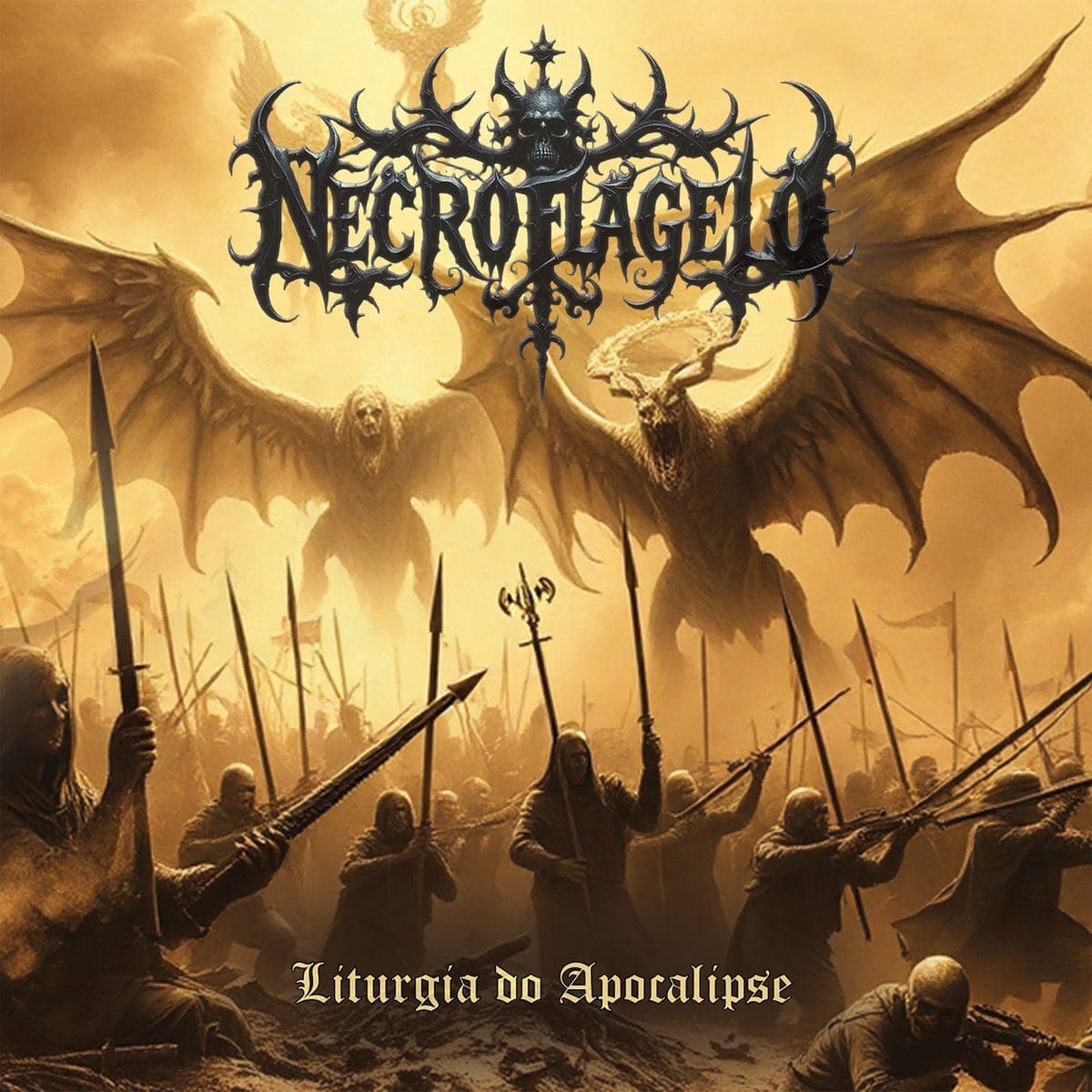
Necroflagelo — Litugia do Apocalipse cover

The First Three Sins, The Summary

The First Sin, The Strings/Keys: The guitars engulfed the music with a sonic onslaught of jagged, technical riffs that slice through the atmosphere. The Second Sin, The Vocals: The vocals are soaked with raw emotion and violence. The Third Sin, The Percussions: The drums unleashing booming hits and swift rhythms that propel the music with unyielding vigour.

⸸ ⸸ ⸸ ⸸ ⸸ ⸸ ⸸

The Fourth Sin, Overall Discussion

The moment the listener hits the play button, the opening track, Marcha do Conenados, assaults the ears with its fierce guitar riffs, intricate drumming, and powerful vocals, resonating through the subsequent nine tracks. Spread across thirty-seven minutes of music that was forged in the abyss and consecrated to ruin, rises as a hymn of devastation and despair.

Necroflagelo chronicles the downfall of human civilization in sound, myth, and death. Blending the ferocity of black, thrash, and death metal, the band offers nine hymns that reverberate with necromantic power, earth-burnt brutality, and ritual despair. Each song is a dark chapter in the sacred book of destruction — from cursed processions and divine fury to plague, blood rites, and cosmic destruction. Portuguese is sung as lyrics, and they cut deeply into the ancient prophecies, forbidden rituals, and the fall of man from spirituality to provide a fresh and powerful listening experience that communicates beyond language and nation.

Necroflagelo‘s artistic vision truly shines through in Flagelo des Alms, creating a fruit of art —a visceral experience that seamlessly fuses the musical composition with unbridled chaos. The band’s ability to channel a dark and extreme interpretation of artistry stands as a testament to their immense talent. Flagelo des Alms delivers a well-structured and efficiently composed fruit of art played to perfection. The intricate entwining of voice and instruments creates a musical fabric, all under the enigmatic control of Melkor.

Listeners will find themselves engulfed in a sonic onslaught of jagged, technical riffs that slice through the atmosphere with fierce intensity. The drumming acts as an unstoppable natural force, unleashing booming hits and swift rhythms that propel the music with unyielding vigour. From the floor pounding beats to scorching blast-beats, the drums propel the madness and chaos of the music to an electrifying height. Melkor‘s vocals, soaked with raw emotion and violence, venture deep into death growls, spine-chilling shrieks and spoken chants, offering an extreme degree of despair to the listener.

Necroflagelo and their album Flagelo des Alms unleash a frenzied rampage that surges from the opening explosion note and continues unabated to the final fading chord. Every moment of Flagelo des Alms sweeps the listener along a whirlpool of rage and chaos, its relentless tempo, red-blooded ferocity, and throbbing headbanging rhythms creating a kinetic and building atmosphere. This emerges not merely as an album of songs but as a strong statement of the apocalypse.

Crafted with intense attention to detail, the production of the album flawlessly blends modern techniques with a gritty, lo-fi visual style reminiscent of the raw essence of underground extreme metal sound, further solidifying the band’s dedication to their craft. Throughout the album, Necroflagelo‘s musical devilmanship and unwavering energy capture the very essence of extreme, brutal, raw, and technical metal while also pushing its boundaries. This results in a captivating listening experience that lingers long after the final fading chord.

In essence, Necroflagelo and their album Flagelo des Alms represents a powerful union of music, dark hymns and chaos. Every track serves as a testament to the band’s uncompromising vision and their commitment to the musical fruit of art with unbridled chaos.

The album Flagelo des Alms culminates with its final track, O Crepúsculo dos Malditos, as the music fades into the chaos and destruction.

⸸ ⸸ ⸸ ⸸ ⸸ ⸸ ⸸

The Fifth Sin, The Memorabilia

After immersing myself in Melkor’s music and showcasing several articles about him, I have never been let down or disappointed. Flagelo des Alms has truly nailed it with this release; Necroflagelo feels modern yet retains an old-school essence, embodying a remarkable artistic achievement while incorporating technical prowess. The vocals send a chilling shiver down my spine, resonating with the depths of my very being.

The Sixth Sin, The Artwork

Ultimately, the artwork is intense and impactful, making it a compelling choice for adorning the cover of a book or a poster. Its eye-catching design and emotive quality ensure that it leaves a lasting impression, drawing attention and conveying a powerful message to anyone who beholds it.

The Seventh Sin, Disrelish

Nothing to disrelish within the musical spectrum of Necroflagelo, and his album Litugia do Apocalipse.

⸸ ⸸ ⸸ ⸸ ⸸ ⸸ ⸸

The Hymns

01. Marcha dos Condenados (Intro)
02. Flagelo das Almas
03. Necromancia da Agonia
04. Ruína do Divino
05. Inquisição de Sangue
06. Pestilência Arcana
07. Sepultados na Ira
08. Vórtice do Caos
09. Liturgia de Carnificina
10. O Crepúsculo dos Malditos

Necroflagelo

All instruments and vocals invoked by Melkor

Reviewed by Kristian — editorial architect and ceremonially crafted. © Athenaeum of Sin Reviews.

Secret Link