Padus — Il Diavolo E Il Tecnezio Review
Padus is an Italian doom metal & dark ambient solo artist. On 27 November 2024, Padus released his seventh full-length, Il Diavolo E Il Tecnezio, through The Triad Rec.
Padus, Il Diavolo E Il Tecnezio Review: This review will evaluate every aspect of the album, from its intricate musical composition to its production.
The First Three Sins, The Summary
The First Sin, The Strings/Keys: Brooding bass and chilling organ replace traditional guitars, enhancing the album’s ritualistic depth. The Second Sin, The Vocals: Vocal delivery is ritualistic and atmospheric, merging spoken-word passages, chants, and distant echoes. The Third Sin, The Percussions: Rather than draining the organic feel, provide a mechanical stiffness that works in tandem.
The Fourth Sin, Overall Discussion
Opening Atmosphere
When the listener presses play, the first track, Demones, enters on a swift but ominous introduction, setting atmosphere with malevolent organ drones and distant, ritualistic incantations. The track is an incantation, calling forth the dark themes of the album.
Structural Distinctions
As the listener embarks on their exploration of the second piece, Sangue Corpus Christi, along with the other five compositions, they will discover that Il Diavolo E Il Tecnezio stands apart from Opera Funebre. While Opera Funebre presents a complete sonic instrumental experience, Il Diavolo E Il Tecnezio blends vocal elements with atmospheric instrumentalsacross seven tracks. Maintaining the essence of doom metal and dark ambient soundscapes within a concise duration of under thirty-seven minutes.
Thematic Depth of mysticism & decay
As the music progresses, listeners will discover that the central theme revolves around dark mysticism, alchemical change, and existential deterioration. (with some information), incorporating references to technetium (Tecnezio), a radioactive element frequently linked to transformation and decay. The title itself — “The Devil and Technetium” — implies a blend of the occult and the scientific, perhaps alluding to the relationship between mysticism and physical decay.
Artistic Execution & Sonic Landscape
Simultaneously,Padus has unveiled yet another profound listener — a dark fruit of artistry, meticulously shaped through a devilmanship that infuses the music with a tightly woven, flawless composition—both instrumental and musical. As in previous works, Padus captures and embraces a raw, atmospheric production style, one that enhances the blend of doom metal and dark ambient with an almost ritualistic fervour.
The recording takes on a rough, lo-fi texture, which contributes to the album’s dark, haunting soundscapes and ritualistic atmosphere. Everything — from the low, rumbling bass lines to the eerie organ work — sounds intentionally rough-hewn, allowing the music to boil with an unsettling, almost primal energy. The programmed drums, rather than draining the organic feel, provide a mechanical stiffness that works in tandem with the album’s themes of degeneration and transmutation.
This sonic approach doesn’t merely act as a backdrop; it’s a vital component, defining the album’s immersive and hypnotic nature. The distorted soundscapes, murmured incantations, and cavernous reverb conspire to create a soundscape that’s simultaneously ancient and otherworldly, like something unearthed from some forgotten ritual.
Production, Instrumental Focus & Sound Design
The overall tone is one of bass, ambient, and organ sounds. As noted previously, the bass is again at the forefront, delivering low, resonant bass that propels the compositions forward. The organ sections, once more a central element, contributes a liturgical, haunting feel that contributes even more depth to the album’s decay and mysticism themes. The tone is heavy, with reverb and drone-like soundscapes stacked atop each other contributing a hypnotic, enveloping experience.
In contrast to the other instruments and vocals, the drums are programmed, often acting as a percussive pulse rather than a leading rhythmic force. Although the album does not heavily depend on traditional guitar work, it emphasizes bass-driven textures and ambient effects to establish depth. The vocal delivery is ritualistic and atmospheric, merging spoken-word passages, chants, and distant echoes to amplify the album’s esoteric essence.
Symbolism and Sonic Exploration
Song titles like Sangue Corpus Christi bring up religious imagery, possibly critiquing religion or delving into sacramental symbolism. Onomatopeide, the longest track, appears to explore abstract soundscapes, once more illustrating the atmospheric and ritualistic quality of the album.
The other instrumentals, Danza termica and L’arloj dlà mort, set the mood for eerie, haunting, experimental, and meditative contemplation.
“The lyrics of the songs: “Demones” and “Onomatopoeid” are sung in “grammelot“, a theatrical language with the emission of meaningless sounds, but similar to real words or speeches in order to obtain a comic or farcical effect.” [Padus]
Final Incantation: A Mournful, Free-Flowing Closure
Closing with the closing instrumental piece, Improvvisazione viola, adding a mournful, classical touch to the album’s dark ambient framework. The organic, free-flowing nature of the track contrasts with the structured doom elements, closing the album on a contemplative note.
The Fifth Sin, The Memorabilia
Yet again, I find myself overcome with anticipation, captivated by the entirety of Il Diavolo E Il Tecnezio, — but none more so than the fifth track, L’arloj dlà mort. Over the entire album, composition, devilmanship and arrangement by Padus, are all a fruit of art.
However, a word of caution: Il Diavolo E Il Tecnezio is meant for those who possess an open mind and are prepared to fully embrace the music and devilish artistry of Padus.
The Sixth Sin, The Artwork
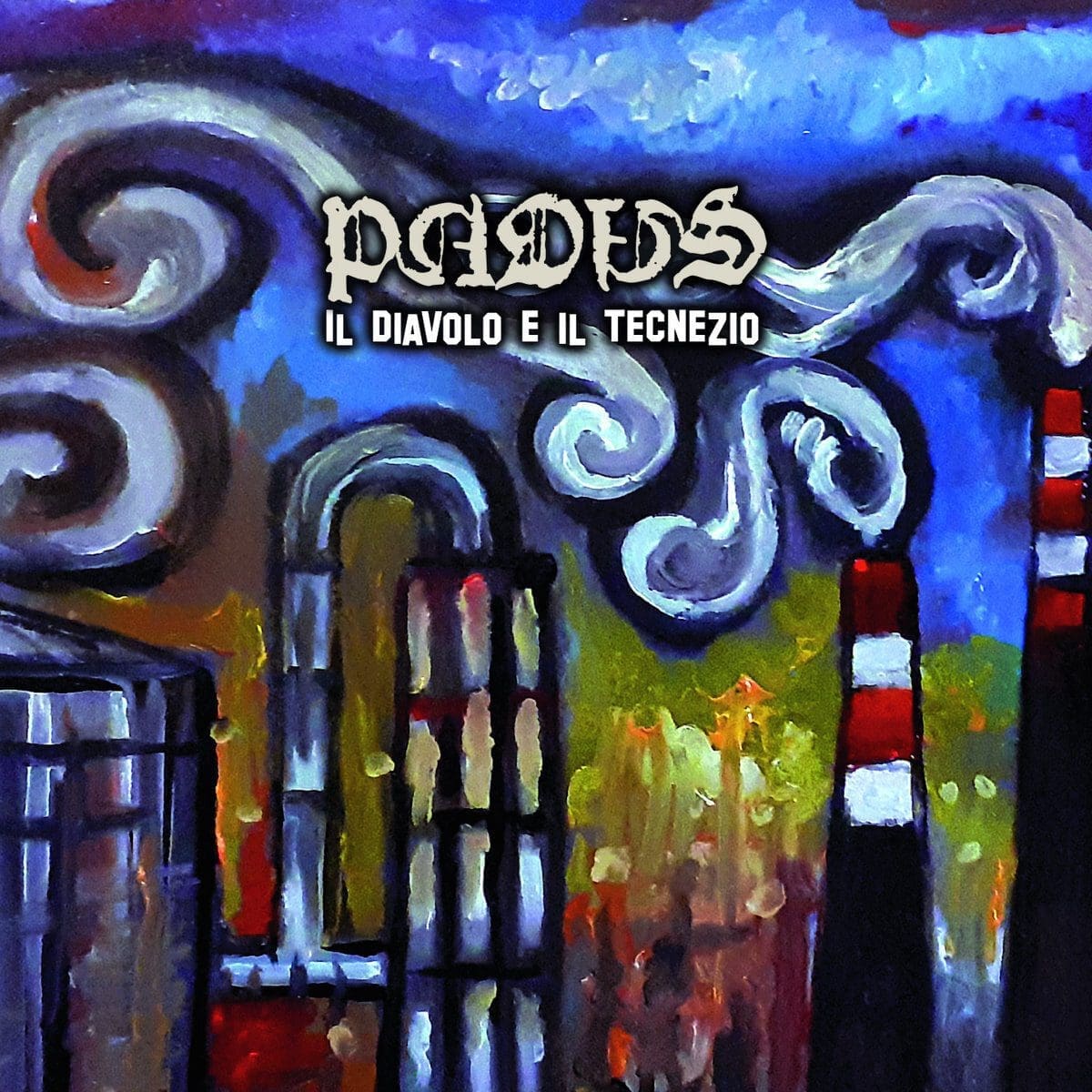
Similar to Opera Funebre, Matteo Zanella created the album’s artwork himself. Interestingly, the artwork for Opera Funebre embodies perfectly the album’s theme. After conducting research on this album, it’s clear that the artwork reflects the theme, title, and more.
The Seventh Sin, Disrelish
Within the realm of Padus, disrelish simply does not exist. Every aspect of Il Diavolo E Il Tecnezio is a deliberate act of artistry, woven with an undeniable sense of purpose. From its haunting sonic landscapes to its alchemical themes, the album stands as a testament to Padus’ fruit of art of atmospheric composition.
The Hymns
01. Demones
02. Sangue Corpus Christi
03. Danza termica (instrumental)
04. Onomatopeide
05. Il viaggio di notte
06. L’arloj dlà mort (instrumental)
07. Improvvisazione Viola (instrumental)
Padus
MZ — Distored Bass, Organ, Programming