Padus — Opera Funebre Review
Padus is an Italian doom metal & dark ambient solo artist. On 15 April 2024, Padus released his sixth full-length, Opera Funebre, through The Triad Rec.
Padus, Opera Funebre Review: This review will evaluate every aspect of the album, from its intricate musical composition to its production.
The First Three Sins, The Summary
The First Sin, The Strings/Keys: Brooding bass and chilling organ replace traditional guitars, enhancing the album’s ritualistic depth. The Second Sin, The Vocals: Absence of Vocals — silence becomes a voice, allowing melodies to breathe and intensify the album’s meditative aura. The Third Sin, The Percussions: Programmed drums mirror Funeral Doom’s slow pace with mechanical accuracy, reinforcing the solemn atmosphere.
The Fourth Sin, Overall Discussion
An Ominous Introduction
Upon pressing the play button, the listener is ushered into an instrumental doom metal abyss, comprising seven pieces that last just under thirty minutes, which delve into rich atmospheric and melancholic themes
A Ritual of Mourning and Despair
As the listener continues their journey, they will find that Padus’ Opera Funebreis a deeply atmospheric journey into mourning and ritualistic despair. Padusblends the heaviness of doom metal with dark ambient sounds, taking inspiration from the classic jazz trio (double bass, piano, and drums) but transforming everything into a metal guise, i.e., distorted bass, pipe organ and heavy drums. [Padus]
A Solemn March Through Sorrow
As the album progresses, it resembles a solemn march, with each track serving as a journey through sorrow, recollection, and the haunting remnants of lost ceremonies.
The soundscape is constructed on a deliberately unrefined production, welcoming a spacious aesthetic that enhances the album’s ceremonial and contemplative nature. The mixing of the album emphasizes atmospheric depth, crafting a sense of expansive, resonant spaces — almost as if the music is reverberating through the aisles of an abandoned cathedral.
An Auditory Force of Devilmanship
At the same time, Opera Funebre emerges as a significant auditory force—a shadowy product of artistry that is shaped by this devilmanship adeptness, which offers the music a tightly woven and impeccably polished composition — both instrumental and musical.
It saturates the listener’s ears with a powerful and resonant sound, featuring brooding bass lines that carry a formidable weight, grounding the arrangements while allowing the ambient textures to meander into ghostly territoris.
The chilling organ passage is also notably striking, evoking the grandeur of ceremonial mourning, echoing the early influences of Funeral Doom.
Descending into Sorrow
The haunting presence of this album is enhanced by employing reverberating drones, eerie effects, distant echoes, and unsettling tonal shifts, creating a feeling of descending into sorrow. The programmed drums, while not bad, convincingly emulate the real thing — providing the music with a slow and deliberate pace that mirrors Funeral Doom, yet possesses an almost mechanical precision due to their programmed nature. The minimalist percussion allows the ambient elements to flourish while keeping a processional rhythm intact.
A Guitar-Free Sonic Requiem
Fascinatingly, Opera Funebre does not follow the typical guitar-centric approach. Rather, the album utilizes organ and synthesizer layers to build its harmonic richness. The lack of standard guitar riffs amplifies the ritualistic and atmospheric qualities of the music, transforming it into more than merely an album — it becomes a sonic requiem, a meditation on loss and the passage of time.
Echoes of Forgotten Places
Overall, the compositions evoke imagery of abandoned cathedrals, candlelit vigils, and the slow decay of forgotten places, reinforcing the album’s existential weight. For listeners drawn to Funeral Doom, Dark Ambient, and ritualistic soundscapes, Opera Funebre stands as a fruit of art — a striking piece of sorrowful artistry; the ability to weave grief, reverence, and atmospheric depth into a cohesive experience makes it hauntingly beautiful…
The Final Incantation
As the performance nears its finale, with the concluding piece La Lingua Oscura, it brings forth incantation vocals accompanied by an abandoned cathedral soundscape.
The Fifth Sin, The Memorabilia
I have a fondness for instrumental doom metal; there’s an intriguing quality to it. The absence of vocals allows the instrumental pieces to take on a voice of their own. Overall, Opera Funebre sounds like it was recorded in a deserted cathedral, which gives it more depth.
Opera Funebre is not for the faint of heart; it’s tailored for those nights filled with flickering candles, where all modern gadgets are turned off, and you close your eyes to visualize the surroundings, letting the music envelop you as night falls
The Sixth Sin, The Artwork
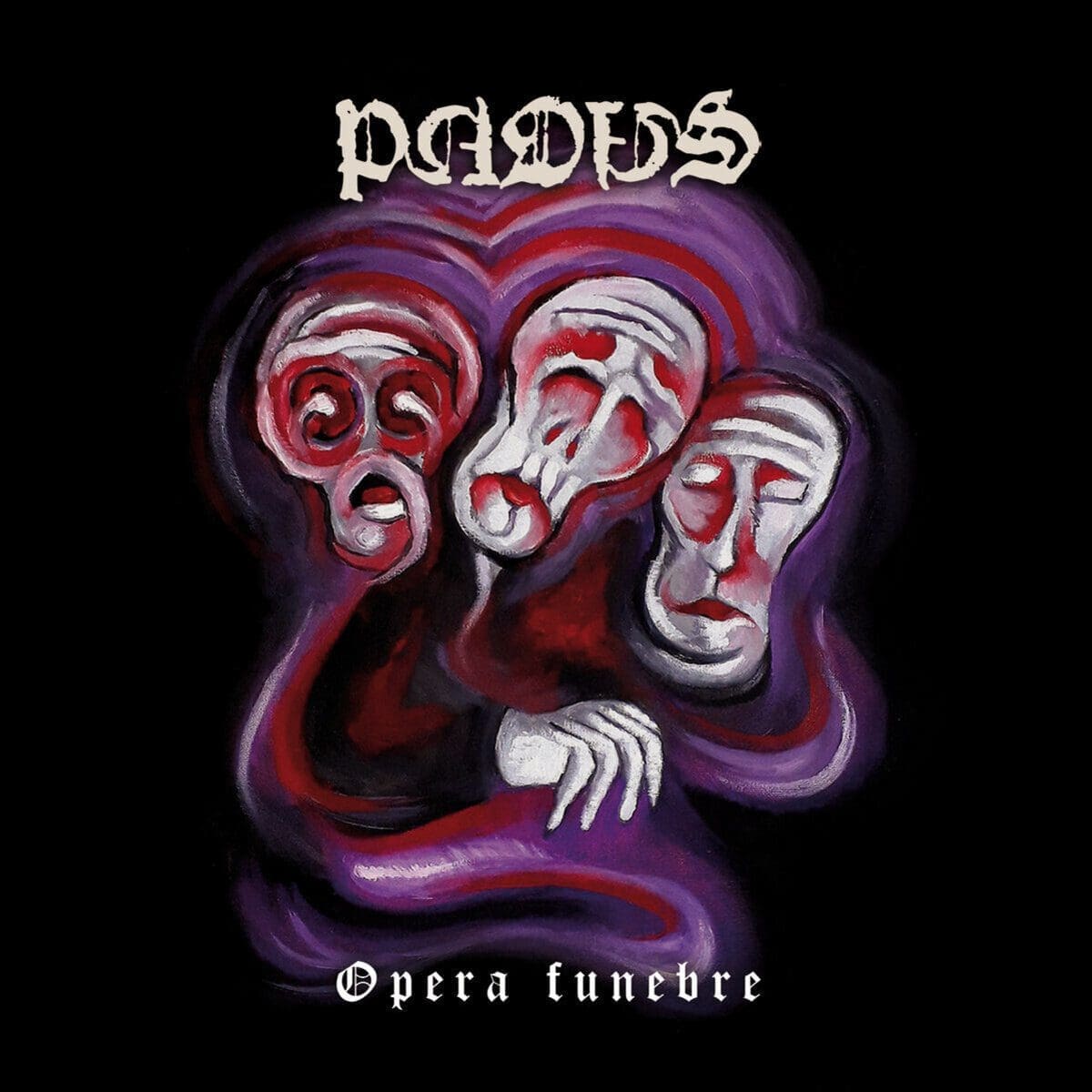
Matteo Zanella (MZ) himself painted the album’s artwork, crafting an image that exudes a haunting, mysterious atmosphere—partly capturing the essence of the music. The piece evokes echoes of The Scream by Edvard Munch and Starry Night by Vincent van Gogh, channelling a similar sense of emotional turbulence and ethereal beauty.
The Seventh Sin, Disrelish
Opera Funebreoffers no missteps — every aspect is meticulously crafted, immersing the listener in its solemn, atmospheric depth. Instead of flaws, it presents a fully realized vision of grief and ritualistic mourning.
The Hymns
01. Lento incedere catacombale
02. Tomba d’autunno
03. Croce di marmo nero
04. Nebbia ai cipressi
05. Grimorio
06. La Lingua oscura
Padus
MZ — Distored Bass, Organ, Programming