Haissem — Pure Devil As Thu Art Review

Haissem is a Ukrainian melodic black metal solo artist, established in 2014 by Andrey V. Tollock. On 2 May 2025, Andrey released his ninth studio album, Pure Devil As Thu Art. Co-released through Arx Productions and More Hate Productions.

Haissem, Pure Devil As Thu Art Review: This review will evaluate every aspect of the album, from its intricate musical composition to its production.
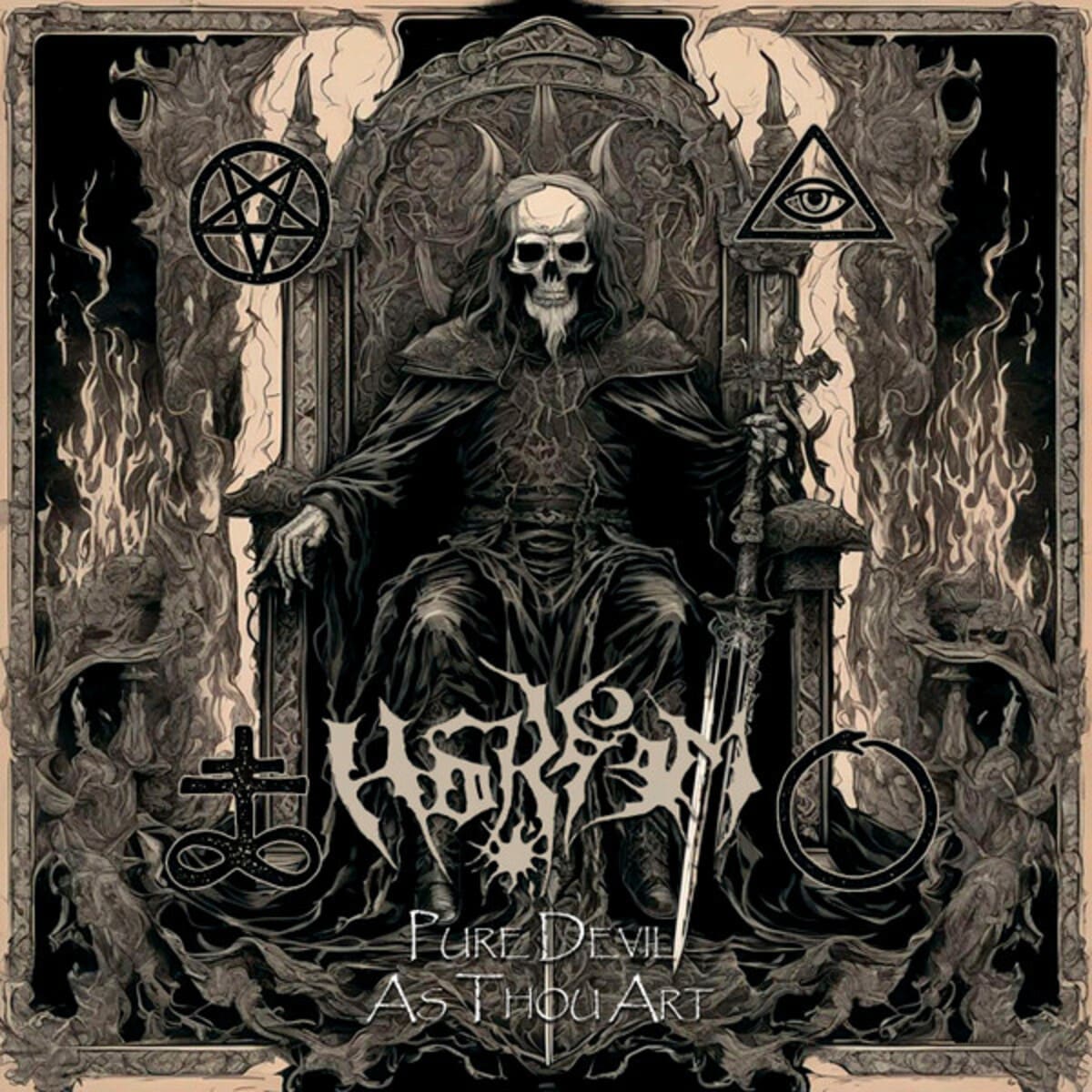
Haissem — Pure Devil As Thu Art cover

The First Three Sins, The Summary

The First Sin, The Strings/Keys: Features distorted melodic tremolo picking and ethereal chord progressions, with a fusion of haunting melodies and powerful aggression. The Second Sin, The Vocals: The vocals involved in snarling and growling singing. The Third Sin, The Percussions: The drums are intense, switching between scorching and thunderous blast beats and measured, calculated patterns.

⸸ ⸸ ⸸ ⸸ ⸸ ⸸ ⸸

The Fourth Sin, Overall Discussion

The moment the listener hits the play button, they are confronted with a fierce instrumental introduction and intense vocals in the opening track, The Origins of Spineless Flesh.

As the listener is guided through with the second piece, …And the Dark Spills Spells, and the remaining three pieces, which draw the listener into a lyrical motif, are preoccupied with, exploring dark, philosophical, and existential issues, oftentimes skirting the nature of evil, human frailty, and metaphysical concepts. Summoning the listener to confront the harsh fact of human existence? Together with the lyrics, the ominous melodies create an immersive tapestry-a tapestry to deeply reflect on one’s own belief and life in general.

Haissem‘s album, Pure Devil As Thou Art, features a thoughtfully crafted set of five tracks that collectively run for just under forty minutes. This album is a listening experience that goes deep, entrancing the listener and addressing very deeply to their soul in its longer compositions. Each piece is anything but dull; instead, they are imbued with a vibrant energy and power that is both frightening and disturbing but still retains a certain sense of ferocity. Interestingly, the sound of Haissem has evolved significantly, as this album presents a more refined interpretation of heaviness and aggression compared to Khaos Ebony Flame.

Pure Devil As Thou Art presents the listener with a dark, suffocating fruit of art experience that bears witness to fine skill and execution. The album thrusts listeners on a chilly ride through darkness and despondency, with each note and line resonating with precision calculation. The production marries furious energy with refined devilmanship, forging a stark contrast that captures well the black and death metal spirit. The effortless marriage of roughness and clarity elevates the music, delivering a raw and involving experience for anyone willing to dive into its rich depths.

Haissem is a multi-talented musician who approaches his project as a one-man band, masterfully undertaking all parts of the musical production process. This encompasses playing several instruments, creating intricate vocal harmonies, and carefully establishing and composing each song with fruit-of-art precision. Haissem‘s exceptional knack for composition shines through, as he expertly layers distorted melodic tremolo picking and ethereal chord progressions, resulting in a captivating fusion of haunting melodies and powerful aggression.

Furthermore, his painstaking attention to detail is heard in his bass lines, which create a strong, vibrant foundation that beautifully supports the complex guitar melodies, enriching the overall depth and power of his sound. The drums are intense, switching between scorching and thunderous blast beats and measured, calculated patterns to drive the album’s mood forward. Behind the chaotic noise, the synth section (when presented) offers an atmosphere and haunting and immersive qualities to another level. Haissem’s intense vocals plunge the listener into a dark and existential journey with his snarling and growling singing that injects the lyrics with bitterness and emotion.

Overall, Haissem’s album Pure Devil As Thou Art is a fruit of art that feels like something old school yet modern—at the same time, a chilling yet compelling auditory journey that pushes the boundaries.

The album ends with the last song, A Phantom Infection. As the last droplets of the dark spills and spells of the music vanishes. 

⸸ ⸸ ⸸ ⸸ ⸸ ⸸ ⸸

The Fifth Sin, The Memorabilia

Haissem‘s album Pure Devil As Thou Art showcases, I feel like, a bolder and more intense sound compared to earlier works, marking a significant evolution in his musical style. As someone who has closely followed Haissem‘s artistic development, I can identify a fruit of art transition towards a more aggressive-melodic sound, but this could just be me?

In essence, Pure Devil As Thou Art (again)stands out as a fruit of art crafting and devilmanship endeavour, fusing what feels and sounds like old-school black metal with the blackened melodic death metal elements of Dissection. This creates a unique and enthralling sound, which I particularly enjoyed.

The Sixth Sin, The Artwork

I love the artwork, but it does have an I.A. look to it… Nevertheless, the artwork effectively conveys the lyrics and exudes a tarot card/playing card aesthetic. But it’s the focal point, the skeleton or demonic figure seated on a throne, representing a lord of death or infernal ruler. The design suggests themes of diabolical majesty, death worship, and occult sovereignty.

The Seventh Sin, Disrelish

Nothing to disrelish within the musical spectrum of Haissem, and his album Pure Devil As Thu Art.

⸸ ⸸ ⸸ ⸸ ⸸ ⸸ ⸸

The Hymns

01. The Origins of Spineless Flesh
02. …and the Dark Spills Spells
03. Coalescence
04. From the Embedded Subliminal
05. A Phantom Infection

Haissem

Andrey Tollock — All Instruments, Vocals

Reviewed by Kristian — editorial architect and ceremonially crafted. © Athenaeum of Sin Reviews.

Tales Of Mike — Abandoned Review

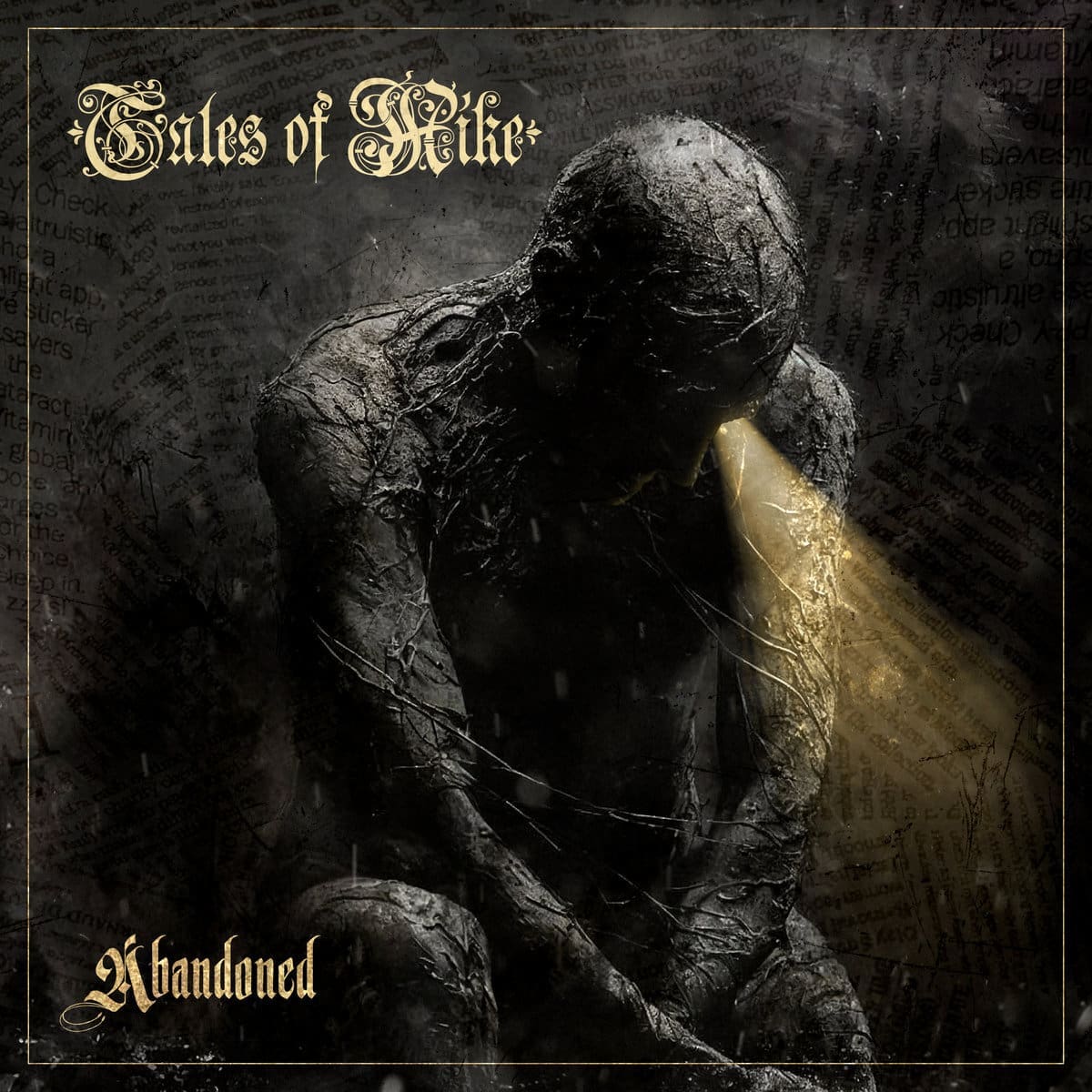
Tales Of Mike is a German heavy/doom metal solo artist. On 23 May 2025, Tales Of Mike relased his self-released single, Abandoned.

Tales Of Mike, Abandoned Review: This review will evaluate every aspect of the album, from its intricate musical composition to its production.

Tales Of Mike — Abandoned cover

The First Three Sins, The Summary

The First Sin, The Strings/Keys: Delivers heavy-distortion doom-laden riffs that seamlessly merge melodic intensity with emotional and melancholic melodies. The Second Sin, The Vocals: The vocals deliver an emotional charge to the music and lyrics. The Third Sin, The Percussions: Delves into the vast world of thunderous drumming to create an intense and electrifying atmosphere.

⸸ ⸸ ⸸ ⸸ ⸸ ⸸ ⸸

The Fourth Sin, Overall Discussion

This hymn restores the essence of doom, echoing like a tolling bell, and is featured on the upcoming album titled Human.

As soon as the listener presses play, they are enveloped in a haunting and evocative soundscape, accompanied by melodic and atmospheric instrumentation that sets the stage for Abandoned. This six-minute journey unfolds with a heavy doom metal essence, rich in emotional depth and complexity. 

As the listener embarks on their journey, they will discover that Abandoned feels like a fresh chapter, seamlessly continuing from previous works like Landscape of Sorrow. You’ll find yourself understanding that this is not just music but a strong statement that speaks volumes, regardless of whether you’re a veteran follower or new to Tales of Mike. “Landscape of Sorrow” speaks to the sorrow of losing a brother, and “Human Masquerade” to the hypocrisy of humanity and the resilience of those who are unfazed by lies.

And now Abandoned takes you on a dark path (lyrical and poetic, inked by Shannon Heß) by into the consequences of selfish ambition. A song about the cracks that appear when others are left behind in the climb to the top, only to find nothing but emptiness in the end. “Those who sacrifice others to elevate themselves will end up alone.” [Tales of Mike]

Abandoned gradually shifts from the initial essence of the single Human Masquerade towards the heavier, more grandiose, and emotionally cold charged laden-doom sound of Landscape of Sorrow. This entire single is a fruit of art, beautifully captured in a potent DIY production that effectively blends sounds and chords to capture every nuance, from the delicate tones to the slow, dense tempo. This production stands as a fruit of art, striking a perfect balance between the rawness of the music and its crystal-clear clarity, effectively expressing profound emotions while maintaining a refined, polished sound.

Tales of Mike and their single, Abandoned is a solid fruit of art release that is delivered on a sliver plate and offered to the listener by this fruit of art devilmanship. It offers listeners an intense experience that ignites both the ears and the soul, characterized by a dark, slow, and emotionally charged tempo that subtly modulates. Furthermore, the composition and arrangement are flawlessly executed—both instrumentally and sonically. Mike’s guitar work produces and delivers heavy-distortion doom-laden riffs that seamlessly merge melodic intensity with profound emotional resonance and melancholic melodies. 

Simultaneously, Henrik Schaller guitar solos infuse a richly complex, dynamic, and expressive dimension into the music and its composition. As the bass reverberates, it adds depth and establishes a robust foundation. Meanwhile, the drumming explores a realm of thunderous rhythms and beats, crafting an electrifying and intense atmosphere. Gonzalo Civita‘s vocals breathe life into the music and lyrics, showcasing a range that spans from deep growls to soaring melodies. His skilful transitions between these styles enchant the listener, pulling them further into the song’s emotional depth. This vibrant interaction of instruments and vocals weaves a lush soundscape that lingers long after the last note has faded.

This six-minute narrative of Tales of Mike, along with their poignant single, Abandoned, embodies a profound emotional burden, echoing the soulful essence of Candlemass, Solitude Aeturnus, and Black Sabbath. Any fan of doom metal and Candlemass will surely be captivated by Tales of Mike’s latest single—a must-listen!

As the single slipped into the cold and dark shadows, it leaves behind a lingering fire of weighty-emotion and solitude, long after the last note had vanished. Now, we are going to conclude the review by talking about the final three sins and concluding the review.

⸸ ⸸ ⸸ ⸸ ⸸ ⸸ ⸸

The Fifth Sin, The Memorabilia

How should I begin? This is more than mere music; it serves as a heartfelt, passionate, literary journal filled with sorrow, deep emotions, and a profound sense of melancholy. While this may be my personal interpretation, I can’t help but notice that the band’s single ‘Human Masquerade,’ which signified a shift from their doom metal roots, featured a more epic heavy metal sound.

For me, Abandoned appears to reconnect with their doom metal beginnings, capturing a sense of loss and discovery, reminiscent of an unfinished piece from their EP ‘Landscape of Sorrow.’ As if “Abandoned” had made a reappearance, much like genuine human sensations and emotions. Their new single, for me, is a fruit of art, and it made my heart feel so weighty and cold due to the emotional sound and the Epicus-Candlemass poetic vocals.

The Sixth Sin, The Artwork

Similar to all Joss Miranda’s artwork, each piece encapsulates the spirit of the music and lyrics, and ‘Abandoned’ is no exception.

The Seventh Sin, Disrelish

Nothing to disrelish within the musical spectrum of Tales Of Mike, and his single Abandoned.

⸸ ⸸ ⸸ ⸸ ⸸ ⸸ ⸸

The Hymns

01. Abandoned

Tales Of Mike

Michael ”Mike” Heß — All Instruments
Gonzalo Civita — Guest Vocals
Henrik Schaller – Guest Guitar Solo
Shannon Heß – Lyrics

Reviewed by Kristian — editorial architect and ceremonially crafted. © Athenaeum of Sin Reviews.

Dínenðál — The Labyrinthe of Auximenes Review

Dínenðál is a UK-based black metal solo artist, unveiling his darkest chapter yet! On 2 April 2024, Dinenthal released his latest full-length, entitled The Labyrinthe of Auximenes released through DAV Music.

Dínenðál, The Labyrinthe of Auximenes Review: This review will evaluate every aspect of the album, from its intricate musical composition to its production.

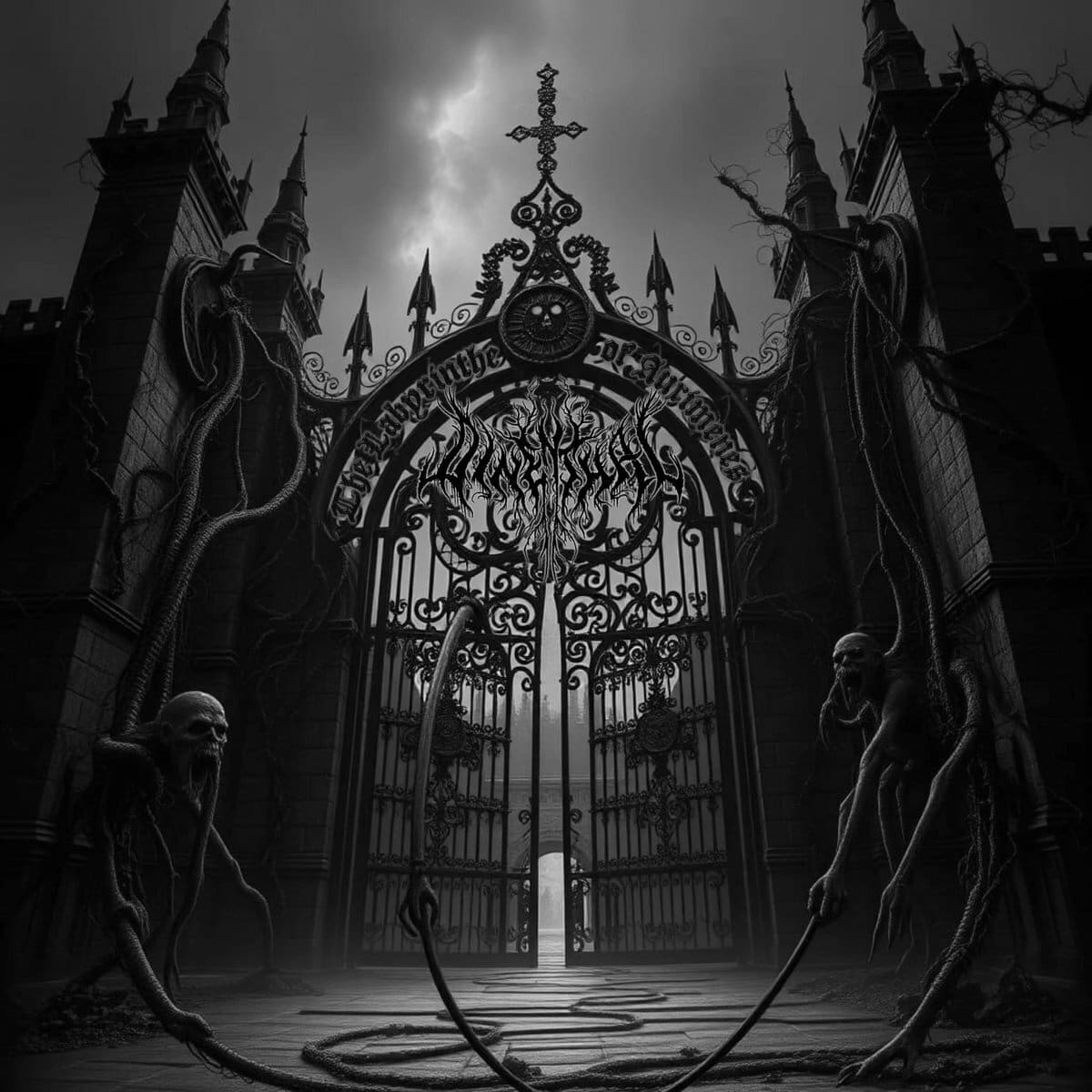
Dínenðál — The Labyrinthe of Auximenes cover

The First Three Sins, The Summary

The First Sin, The Strings/Keys: The strings of hell blends haunting melodies and folk-inspired parts with dissonant chords and tremolo-picked riffs, while the synths provide ethereal and cinematic soundscapes. The Second Sin, The Vocals: Involves cold ghostly shrieks to more expressive and narratively orientated ones. The Third Sin, The Percussions: Delves into the vast world of complex rhythms and fast blast beats with slower, more deliberate patterns.

⸸ ⸸ ⸸ ⸸ ⸸ ⸸ ⸸

The Fourth Sin, Overall Discussion

Once the listener hits the play button, they are immediately met with the opening track, Interdimensional Blasphemy, followed by nine more pieces that unleash a torrent of intense, dark, and aggressive black metal that is unapologetically confrontational.

The Labyrinthe of Auximenes presents listeners with a haunting forty-five minutes steeped in darkness. Before delving further into this piece, it’s worth noting that this isn’t my first experience with Dinenthal. The Labyrinthe of Auximenes is significantly darker and more unrefined than any of Dinenthal‘s prior works. Additionally, each album Paul releases carries a personal touch. Each track weaves a narrative of chaos and defiance, leaving an indelible mark on all who dare to venture through its haunting soundscapes.

The Labyrinthe of Auximenes’ lyrical concept, keeping it breathy, The album marks a stark departure from their previous work, plunging into a gothic horror soundscape steeped in sorrow, grief, heartbreak, emotional, and an unflinching confrontation with faith. Following the passing of a parent, the creative force behind Dinenthal found solace and torment in music, channelling the anguish and uncertainty of the past two years into a sonic odyssey that is both haunting and cathartic. “The album’s title, inspired by the mythic Labyrinthe of Auximenes—an ever-shifting labyrinth that leads to the lost world of Midian, a dark hidden realm that survived the collapse of the previous universe and the creation of ours—serves as a metaphor for navigating the depths of despair, doubt, and existential questioning. Where past Dinenthal releases embraced sweeping, ethereal soundscapes” [Dinenthal]

As The Labyrinthe of Auximenes unfolds its bleak narrative, it embraces a haunting aura that resonates deeply within the listener’s soul. This intricate composition, borne of artistic and devilmanship expertise, is skilfully conducted and delivered with an air of devilish allure, presenting a rare and forbidden fruit of artistry. This fruit of art creation exudes perfection, akin to a tapestry woven together with delicate grace and precision. Immerse yourself in this forty-five-minute symphonic journey to discover a blend of gothic horror elements woven seamlessly with sorrowful orchestration, chilling synth textures, and poignant lyrics.

Songs like Whispered Ruin of Faith, The Falls of Sorrow on the River of Grief, and Unfathomable Loss alternate between intimate, whispered delicacy and grand, almost ceremonial arrangements. The experience created by this contrast is both unsettling and incredibly human. But this is only the beginning; the fifth piece, Loss, is an emotionally charged and powerful song that is distinguished by its acoustic elements, haunting vocals, and immersive atmosphere.

Dinenthal‘s composition and instrumental arrangement features, a harmonious, but darkly haunting balance between raw force and ethereal beauty. This is achieved by the guitar work that blends haunting melodies and folk-inspired parts with dissonant chords and tremolo-picked riffs through the remainder of the album. Dinenthal‘s bass lines provide a strong foundation for the songs, enhancing their harmonic richness and supporting the subtleties of the atmosphere. The drumming combines black metal’s signature complex rhythms and fast blast beats with slower, more deliberate patterns that heighten the song’s lyrical and atmospheric aspects.

A key component of Dinthenal’s sound, the synths provide ethereal, cinematic soundscapes that enhance the composition’s overall atmosphere and narrative. Finally, Paul’s vocals are essential to both the music and the lyrics; he gives them both life with various styles that range from classic black metal ghostly shrieks to more expressive and narratively orientated ones. Beyond simple loss, The Labyrinthe of Auximenes examines how grief affects faith, modifies perception, and influences how we engage with the unknown. It captures the sensation of being lost in a labyrinth of doubt and looking for purpose in seemingly meaningless places.

Dinenthal‘s album, The Labyrinthe of Auximenes is more than just an album; it is a labyrinth. It invites you to immerse yourself in its sounds through headphones in a dimly lit room, curled up in a chair, swaying to its dark rhythms and ambiance, allowing you to fully appreciate the artistry and devilmanship behind it. When the time comes to release your emotions, turn up the volume to the max and let the raw energy flow!

The album ends with the last song, Vampr’s Lament. As the last droplets of music, vanishes in the dark mistiest of the labyrinth, we would like to thank Dinenthal for letting us review his new album, The Labyrinthe of Auximenes. We will wrap it up by discussing the final three sins and concluding the review.

⸸ ⸸ ⸸ ⸸ ⸸ ⸸ ⸸

The Fifth Sin, The Memorabilia

For me, the raw energy and intricate devilmanship throughout the album create an immersive experience, drawing the listener deeper into a sonic abyss. Again, The Labyrinthe of Auximenes does not feel rawer nor darker! It’s rawer and darker, than before, but also heavily emotional. At the same time, music can express so much, and when you lose someone close to you, then that lost and emotion is then channelled in the music, and the few you know Paul, will understand I want I’m saying.

Overall, Paul’s has produced another fruit of art release, thinking out the box, the devilmanship, lyrics and composition and production are all fruits of art

End of the day, if you enjoy the early works of Cradle of Filth and the extreme symphonic aura of Emperor, then Labyrinthe of Auximenes, is for you.

The Sixth Sin, The Artwork

The artwork, looks like A.I., if it’s — well, I will accept it because I know Paul’s has a busy life outside his music, and if you have no time to do artwork or find someone, it can hard. Furthermore, the artwork does capture the dark atmosphere of the music and lyrics

The Seventh Sin, Disrelish

Nothing to disrelish within the musical spectrum of Dínenðál, and their album The Labyrinthe of Auximenes.

⸸ ⸸ ⸸ ⸸ ⸸ ⸸ ⸸

The Hymns

01. Interdimentional Blasphemy
02. The Ruins of Auximenes
03. Whispered Ruin Of Faith
04. The Falls of Sorrow on the River of Grief
05. Loss
06. Lighthouse of the Void
07. Cham Impietatis
08. A Shattered Isle
09. A New Paradigm
10. Vampyr’s Lament

Dinenthal

Paul Taylor — Vocals, All instruments

Reviewed by Kristian — editorial architect and ceremonially crafted. © Athenaeum of Sin Reviews.

Incineration in the Infinite — Serpent’s Tongue Review

Incineration in the Infinite is a Instrumental-blackened stoner doom solo artist from the United States. On 14 March 2025, it unveiled his latest EP, titled Serpent’s Tongue through WormHoleDeath Records.

Incineration in the Infinite, Serpent’s Tongue Review: This review will evaluate every aspect of the album, from its intricate musical composition to its production.

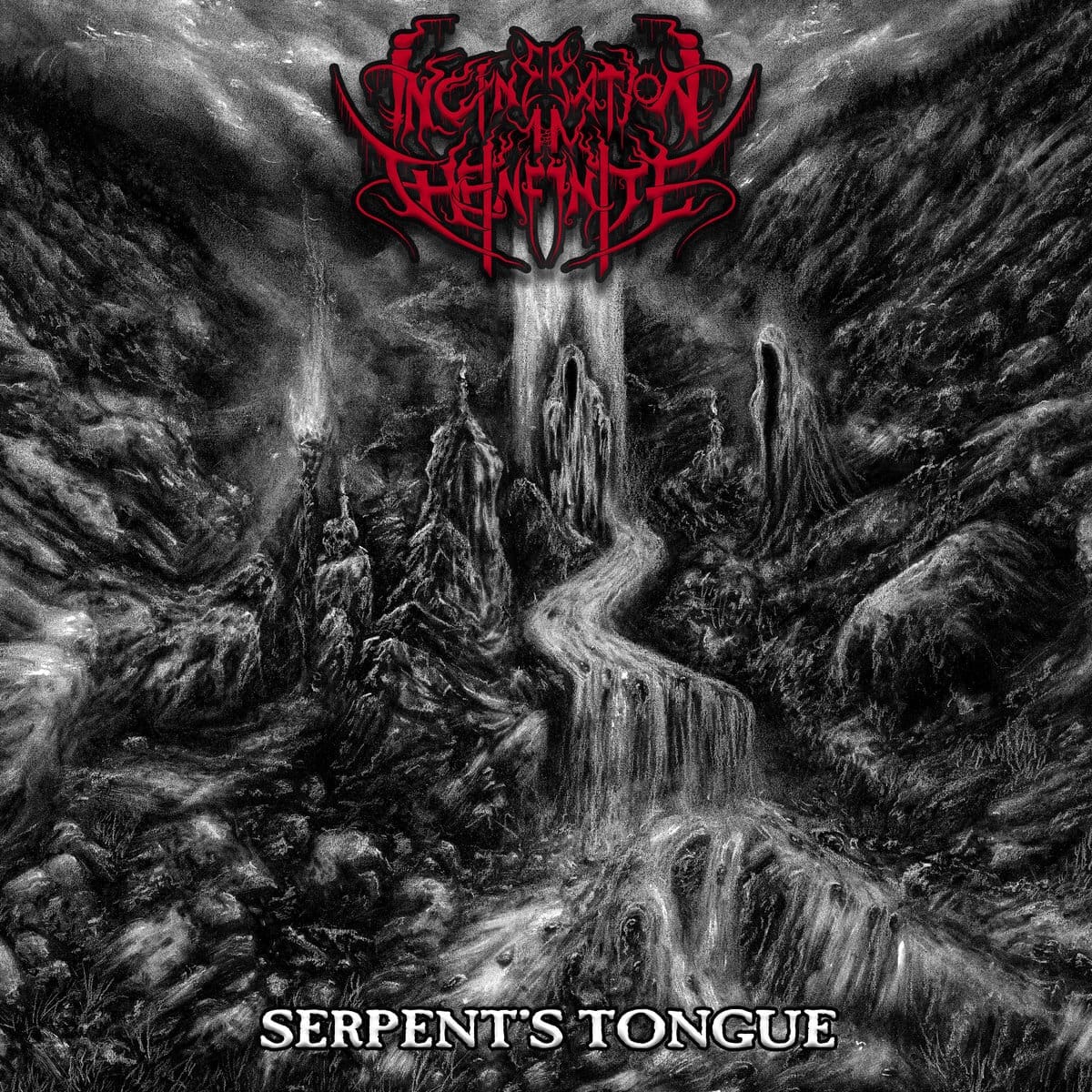
Incineration in the Infinite — Serpent's Tongue cover

The First Three Sins, The Summary

The First Sin, The Strings/Keys: Features Powerful, slow, heavy and crushing riffs paired with haunting melodies. The bass lines provided a solid foundation that enriches the compositions with depth and resonance. The Second Sin, The Vocals: The vocals are omitted and replaced with a slow and dark instrumental atmosphere. The Third Sin, The Percussions: The drumming enhances the music’s slow and intentional flow, featuring dynamic tempo changes and strong beats.

⸸ ⸸ ⸸ ⸸ ⸸ ⸸ ⸸

The Fourth Sin, Overall Discussion

Upon pressing the play button, the listener is welcomed by the opening track, Satanic Ritual in the Fog of Night, which envelops them in a haunting soundscape. This is followed by a heavy, aggressive instrumental segment that carries through the final two songs, conjuring vivid and eerie imagery.

Incineration in the Infinite is a creative endeavour launched by Ömer Doğramacı. It acts as a companion project to his other venture, Fragmentary Solid Abyss, with both exploring akin musical and thematic realms. Yet, Incineration in the Infinite emphasizes crafting immersive and evocative soundscapes characterized by unique tempo variations and refined song structures, favouring simplicity in its songwriting. 

The project also weaves in the defiant spirit of punk rock, the chilling ambiance of black metal, and incorporates the heavy intensity of stoner metal alongside the sombre, introspective atmospheres of doom.

In just three hauntingly and crushing atmospheric tracks that total less than twenty minutes, Serpent’s Tongue offers a disquieting journey that is anything but a leisurely walk in the park. Those who appreciate dark instrumental music that explores the recesses of the psyche will find this sound profoundly impactful.

The raw, DIY production quality enhances the music’s essence, wrapping listeners in a veil of darkness that persists well beyond the last note. As the final echoes fade away, one is left with a lingering sense of unease, prompting introspection long after the experience has concluded.

There are no vocals in Incineration in the Infinite. Instead, they focus entirely on creating atmospheric and evocative soundscapes through their instrumental work, which is delivered by a fruit of art devilmanship. Providing the listener with heavy and immersive compositions and arrangements — both instrumental and musical — with instrumental work emphasizes simplicity and atmosphere, with loose and free performances that prioritize emotional depth and mood over technical complexity.

This approach allows for a profound connection between the listener and the music, fostering an experience that transcends mere auditory immersion.

Incineration in the Infinite showcases powerful, crushing riffs paired with haunting melodies. The sound draws inspiration from the stoner and doom metal genres, aiming to craft a dark and immersive ambiance. The riffs are predominantly slow and weighty, enhancing the music’s overall heaviness. The bass lines are essential, providing a solid foundation that enriches the compositions with depth and resonance.

In the realms of stoner and doom metal, the bass often stands out, and it appears that Incineration in the Infinite adheres to this convention, utilizing the bass to amplify the low-end intensity.

Incineration in the Infinite drumming enhances the music’s slow and intentional flow, featuring dynamic tempo changes and strong beats. The drums infuse a sense of rhythm and momentum, while also enriching the overall atmosphere of the pieces. This combination creates a compelling auditory experience, drawing listeners into a darkened soundscape that feels both immersive and expansive.

The interplay between the bass and drums underscores the heaviness of the genre and invites a meditative quality, allowing for moments of reflection amidst the crushing riffs.

A hauntingly immersive journey through the depths of darkness and heaviness is offered, building on the captivating charm of Incineration in the Infinite and their album Serpent’s Tongue. Imagine yourself tucked away on a cold, rainy night when all modern distractions have vanished and the world has fallen into a shadowed silence. Serpent’s Tongue is a must-listen for lovers of deep instrumental experiences because it transports you to a world of hypnotic melodies and brooding atmosphere. The sheer intensity of the music resonating through your speakers or headphones will engulf you.

The album concludes with the final track, The Gates of Daemons. As the final echoes fade away, one is left with a lingering sense of unease, 

⸸ ⸸ ⸸ ⸸ ⸸ ⸸ ⸸

The Fifth Sin, The Memorabilia

Incineration in the Infinite and their album Serpent’s Tongue is a dark fruit of art, exhibiting fruit of art arrangement, composition, and devilmanship. Because they let listeners imagine their own sinister interpretations of the music’s message, I like bands or artists who create instrumental pieces without lyrics. Finally, despite its briefness, Serpent’s Tongue is a potent and deeply sinister artistic release that leads you down a dark path into the unknown and is typified by the results of artistic devilmanship.

The Sixth Sin, The Artwork

I discovered that there are two covers of the artwork, but the one highlighted in the article is my favourite. To me, the artwork embodies the essence of the chilling, dark music, evoking feelings of loneliness and the shadowy elements in the foreground, which reflect how the music resonates with me!

The Seventh Sin, Disrelish

Nothing to disrelish within the musical spectrum of Incineration in the Infinite, and their album Serpent’s Tongue.

⸸ ⸸ ⸸ ⸸ ⸸ ⸸ ⸸

The Hymns

01. Satanic Ritual in the Fog of Night
02. Dancing Among the Stars
03. The Gates of Daemons

Incineration in the Infinite

Ömer Doğramaci — Everything

Reviewed by Kristian — editorial architect and ceremonially crafted. © Athenaeum of Sin Reviews.

Sonus Mortis — Synapse the Hivemind Review

Sonus Mortis, is a Irish solo artist, with music that’s a mix of death-doom with some melodic/symphonic black metal. On 27 October 2023 Sonus Mortis released his eighth independent studio album Synapse the Hivemind.

Sonus Mortis, Synapse the Hivemind Review: This review will evaluate every aspect of the album, from its intricate musical composition to its production.

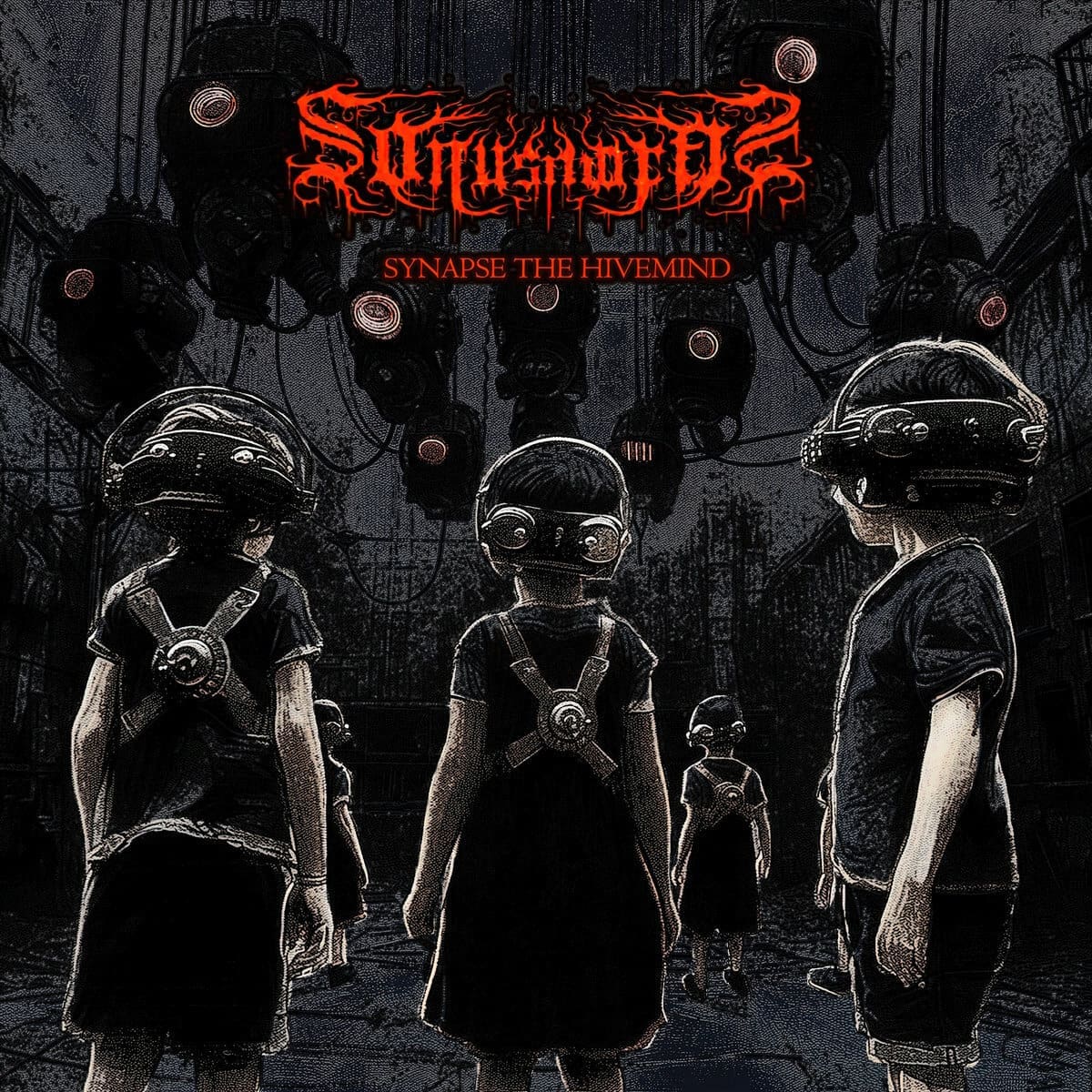
Sonus Mortis — Synapse the Hivemind album cover

The First Three Sins, The Summary

The First Sin, The Strings/Keys: Features powerful, distorted riffs that conjure a dark and strong atmosphere, while orchestral arrangements elevate the music. The Second Sin, The Vocals: Involves aggressive screams and growls that blend seamlessly with epic chorus vocals. The Third Sin, The Percussions: Features powerful and dynamic drumming that fuses fast, aggressive patterns with the slow, heavy beats.

The Fourth Sin, Overall Discussion

Upon pressing the play button, listeners are immediately welcomed by the powerful and intense introduction of Biomechanical Horrors. This sets the stage for the subsequent eight tracks, which embark on a lyrical exploration of cybernetic integration and dystopian imagery, examining the convergence of humanity and technology. Sonus Mortis offers a collection of nine intricate songs that span nearly forty minutes.

Once again, the artistry behind the instrumental and vocal arrangements showcases a fruit of art that blends symphonic elements with the weightiness of death and doom metal, maintaining a distinctive signature style.

Its sole founder, Kevin Byrne, skilfully blends music that is both effectively crafted and performed with fruit of art precision, creating an absolutely flawless production. Every note, chord, tempo, and atmospheric nuance is expertly created with painstaking attention to detail, creating a sonic landscape with unparalleled richness and clarity.

Furthermore, Sonus Mortis’s music transcends the boundaries of traditional extreme symphonic metal, transforming into a majestic symphonic extreme metal experience that enthrals you from the first listen. Allow the music to envelop your spirit and mind, taking you on a haunting voyage.

A compelling guitar work that is characterized by its powerful, distorted riffs that conjure a dark and strong atmosphere is revealed in the world of artistic devilmanship. Byrne skilfully intertwines technically and melodic elements with powerful crushing tones, merging the rapid aggression of death metal with the sombre essence of doom metal.

These compositions are based on the guitar, which drives the music’s emotional resonance and intensity. In addition to boosting the low-end frequencies and adding to the arrangements’ impression of fullness, deep, resonant bass riffs enhance the overall sound. The bass frequently contributes significantly to the tunes’ gloomy atmosphere.

Sonus Mortis features powerful and dynamic drumming that highlights complex rhythms and increased intensity. Byrne uses various methods, fusing the fast, aggressive patterns of death metal with the slow, heavy beats of doom metal. The drums harmonize the metal and symphonic elements while giving the compositions energy and momentum.

By creating orchestral arrangements with strings, choirs, and other symphonic layers, synthesizers significantly influence the overall sound. These elements elevate the music and give it a majestic, cinematic feel that sets it apart from traditional death and doom metal.

Byrne‘s singing technique combines deep growls, piercing screams and epic chorus vocals. His performance is both powerful and expressive, effectively communicating the themes of hopelessness, disdain for humanity, and anti-religious sentiments that lie at the heart of Sonus Mortis‘ sound. The vocals frequently feature added effects to amplify their intensity and blend harmoniously with the orchestral components.

Synapse the Hivemind is an intense and monumental album that flawlessly combines heaviness with grandeur, resulting in a sound that is both progressive and brutal, yet simultaneously dark and beautiful. Each track highlights Kevin‘s exceptional skills in artistry, instrumentation, vocals, and songwriting. A diverse array of instruments and soundscapes contributes to a rich, intricate sound that is both haunting and strikingly beautiful.

The album invites listeners on a profound and intense journey, filled with moments of reflection and beauty. The album concludes with the final track, Synapse the Hivemind (Execute the Code), as the last threads of life, come to a close…

The Fifth Sin, The Memorabilia

Sonus Mortis has unveiled another artistic creation following my experience with the 2023 album Of Red Barren Earth, which I found enjoyable, as well as Synapse the Hivemind. While both albums are artistic achievements, Synapse the Hivemind demonstrates notable growth in its instrumental composition, lyrics (that are dark and somewhat truthful to reality) and devilmanship compared to Of Red Barren Earth.

Synapse the Hivemind presents a more refined and unified experience, successfully achieving its goals. It delivers an epic, heavy, and brutal sound infused with symphonic elements and darkness, while also showcasing beauty and meaningful lyrics.

The Sixth Sin, The Artwork

The artwork not only captures the music and the theme; cybernetic integration and dystopian imagery; examining the convergence of humanity and technology.

The Seventh Sin, Disrelish

There is nothing to dislike in the musical offerings of Sonus Mortis and his album, Synapse the Hivemind. Thus, we conclude our review of Sonus Mortis and his album, Synapse the Hivemind. I would like to take this opportunity to express my gratitude for your time in reading this article, and I encourage you to explore the work of Sonus Mortis.

The Hymns

01. Biomechanical Horrors
02. Eyes in the Sky
03. I Used to be Human
04.  The System Shock
05. The Perfect Host
06. The Unravelling Array
07. Synapse the Hivemind
08. Deracinated
09. Slave to the Algorithm (exectue the code)

Sonus Mortis

Kevin Byrne — Everything

Reviewed by Kristian — editorial architect and ceremonially crafted. © Athenaeum of Sin Reviews.

Iron Lungs — The Path To Go Forth Alone Review

Iron Lungs is a stoner punk solo act from France. On 13 March 2025, Manuel Delsol released his second EP entitled, The Path To Go Forth Alone.

Iron Lungs, The Path To Go Forth Alone Review: This review will evaluate every aspect of the album, from its intricate musical composition to its production.

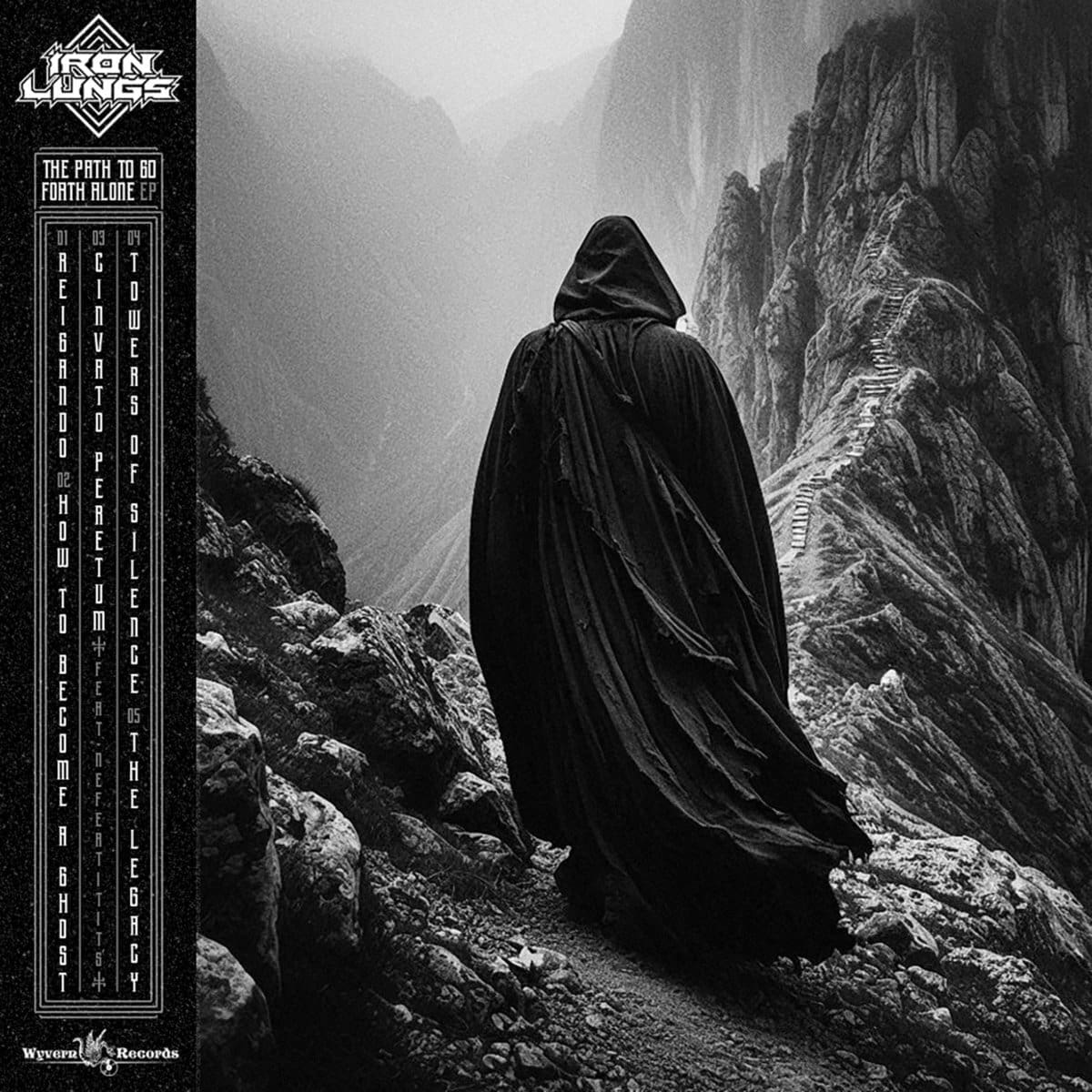
Iron Lungs — The Path To Go Forth Alone cover

The First Three Sins, The Summary

The First Sin, The Strings/Keys: Omitting the guitar for the bass and acoustic guitar, that involves multi-layered distorted riffs, pitch effects and atmospheric soundscape. The Second Sin, The Vocals: Involves coarse and haunting, emotional seductive vocals. The Third Sin, The Percussions: Delve into a vast work of drum work, that fills the music with grooves, beats, fills, tones, and strikes that create a rich, textured.

⸸ ⸸ ⸸ ⸸ ⸸ ⸸ ⸸

The Fourth Sin, Overall Discussion

Once again, I will be conducting this review differently from my typical style by delving deep into the intricacies of each of the five songs featured. For those readers who have experienced Iron Lung’s EP, Heavier, Louder, Older, Wiser, they will find that embarking on “The Path To Go Forth Alone” yields a striking difference in terms of sound, compositions and atmospheric elements, providing a refreshing perspective and enhancing the overall listening experience.

Iron Lungs has a sound that’s haunting, experimental, loud, atmospheric, and challenging to resist.

As soon as the listener presses the play button, Iron Lungs welcomes you with five songs. Where there is still no electric guitar, only bass, vocals, and drums. But the first track, Reigando, features an acoustic guitar.

The last song, The Legacy, features multi-layered distorted riffs and pitch effects to reach some high notes, though, so it can sound as if an electric guitar were playing at that particular time. A Stoner Punk two-headed beast, delivering abrasive sounds from Toulouse, Catharistan.

With its calming instrumental and acoustic opening track, Reigando, Iron Lungs greets the listeners and creates a soothing instrumental and acoustic introduction, creating a warm atmosphere for exploring the band’s raw sound. As the excursion progresses to the second track, How to Become a Ghost, which opens with a compelling audio snipped accompanied by melodic acoustic guitar and rhythmic drumming, complemented by gritty yet haunting vocals. The overall feel of this song evokes a slower rendition of Iron Maiden‘s Fear of the Dark.

Cinvato Peretum, the following piece, greets listeners with warmth and is the shortest, lasting just over a minute. The piece opens with a warm, moody instrumental and the sound of ethereal female chants. As Cinvato Peretum gracefully fades away, transitioning seamlessly into Towers of Silence, the music adopts a slower tempo, delivering a seductive and profound listening experience, and gripping harsh and haunting vocals and composition, adding tension and emotion to the piece. 

As the music moves into its final song, the captivating and enchanting melodies of The Legacy Emerge, weaving together soothing spoken phrases with a distinctive fusion of progressive and stoner rock elements. The Legacy Emerge evokes a nostalgic vibe that harkens back to the legendary early ’70s sound of Black Sabbath, effortlessly engaging listeners with its vibrant energy and irresistible appeal. This piece transports audiences to a cherished musical past, radiating a compelling charm that strikes a chord with an undeniable allure.

Where Heavier, Louder, Older, Wiser was more of this stripped of melodies and rhythms and goes for this stripped-down amalgamation of hypnotic, raw, stoner, and groovy-heavy tones, omitting the guitar, and captured in this DIY and self-edited production. The Path To Go Forth Alone has gone for a modern-polishing sound, capturing every note, sound, and chord. Iron Lungs’ devilmanship is a fruit of art, creating a captivating auditory journey that delivers an electrifying performance through the sheer force of his artistry and imagination.

The album comes to an end with the last song, The Legacy, when reaching the last few minutes of the song, it peacefully closes with an audio clip, that closes perfectly the album

⸸ ⸸ ⸸ ⸸ ⸸ ⸸ ⸸

The Fifth Sin, The Memorabilia

In my opinion, Iron Lungs‘ latest EP, The Path to Go Forth Alone, surpasses his debut EP, Heavier, Louder, Older, Wiser. While I appreciated his first release, The Path to Go Forth Alone is a fruit of art in its own right. This new EP showcases a polished sound and high-quality recording, all while maintaining a DIY spirit. It is a well-crafted composition that reflects the artistry and devilmanship behind it.

Among the tracks, I found myself particularly captivated by the second piece, How to Become a Ghost, and the fourth piece, Towers of Silence. Both songs deliver a haunting, seductive and profound listening experience, giving me chills!

The Sixth Sin, The Artwork

The artwork is a fruit of art, I don’t know how it’s done, or where it came from. For me, it captures the music, as if this darkly shadow is guiding you through the music and beyond.

The Seventh Sin, Disrelish

Nothing to disrelish within the musical spectrum of Iron Lungs, and their album The Path To Go Forth Alone.

⸸ ⸸ ⸸ ⸸ ⸸ ⸸ ⸸

The Hymns

01. Reigando
02. How to Become a Ghost
03. Cinvato Peretum
04. Towers of Silence
05. The Legacy

Iron Lungs

Electric bass, acoustic guitar, vocals, samples and beat making by Manuel Delsol Vocals on Cinvato Peretum by Nefertitis

Reviewed by Kristian — editorial architect and ceremonially crafted. © Athenaeum of Sin Reviews.

Urku Llanthu — Pichkay Review

Urku Llanthu is a Ecuadorian dark folk/dungeon synth solo artist. In 2025, Urku Llanthu released his fifth studio album, Pichkay, and released through his label Takiri Productions.

Urku Llanthu, Pichkay Review: This review will evaluate every aspect of the album, from its intricate musical composition to its production.

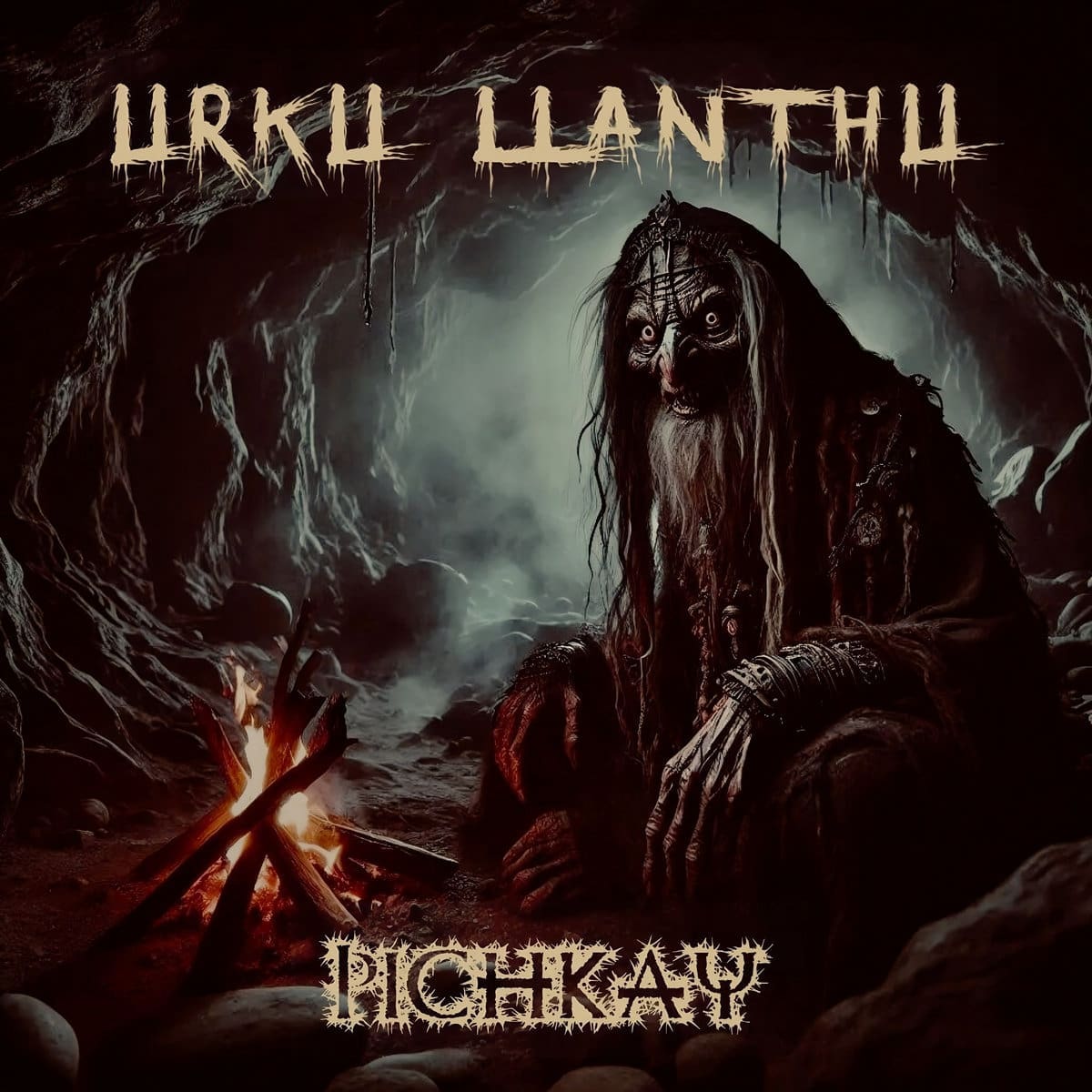
Urku Llanthu — Pichkay cover

The First Three Sins, The Summary

The First Sin, The Strings/Keys: All electrical instrumentals are omitted. Part from the keyboards, which offers the listener with an instrumental soundscape with the use of traditional Andean wind/string instruments and environment sound Fx. The Second Sin, The Vocals: Involves omitting the vocals. The Third Sin, The Percussions: Delves into the vast world of various drum beats, percussions, and environment soundscapes.

⸸ ⸸ ⸸ ⸸ ⸸ ⸸ ⸸

The Fourth Sin, Overall Discussion

Soon as the listener presses the play button, the listener is welcomed to a Conceptual & archaic album, referring to the ancestral Andean worldview.

The Pichka is performed when someone dies. The mourners assume that the soul of the deceased has not left for good, it is among them and can see how much their loved ones do and say. Based on this ancestral Andean belief, three days after the death, the Pichkachiy is performed at the doors of the house where the ceremony takes place, with the light of a lantern or a fire. On a table, some of the deceased’s clothing is placed, simulating the body of the deceased and surrounding it with candles as if the corpse were present. Friends and relatives watch over it in this way: those present chew the highly prized coca leaf. Everyone praises the deceased’s virtues, convinced that the deceased listens to them and needs such praise to be happy and satisfied. Ashes, corn flour or quinoa flour, are thrown near the table and in the room where the death took place, with the aim of finding traces of the deceased’s passing in the ashes. The ancient practice and belief states that if this ceremony called Pichkay is not performed, the spirit of the deceased will not leave them in peace as it will continue to wander in this world. [Urku Llanthu]

Pichkay, showcases his artistic brilliance in a way that mirrors his previous works. It is a creation born not just of skill and talent but also a touch of fruit of art devilish inspiration. Each note and lyric is careful crafted, reflecting a level of professionalism that ensures nothing comes across as hastily put together. The music and instrumentation are not just well-composed, but also intricately arranged, drawing the listener deeper into Urku Llanthu’s world.

The intricate blend of musical elements forms a tapestry of sounds that captivate the audience and transport them to a realm where the immersive experience of his lyrical content truly shines. Through Pichkay, Pablo Mesias has once again showcased his extraordinary talent in the realm of artistic devilry and musical arrangement. His prowess as a professional composer transcends boundaries, allowing him to intricately blend lyrical, instrumental, Ancestral Andean beliefs, and cultural traditions elements into a harmonious tapestry of sound that captivates listeners from the first note to the final crescendo.

Mesias‘s ability to weave together melodies and poignant lyrics with a level of precision that is as captivating as it is immersive has solidified his reputation as a maestro of weaving sonic tales. Leaving a lasting impact on all who are fortunate enough to partake in the rich auditory experience that he has so meticulously crafted. With each composition, he invites audiences to embark on a mesmerizing journey through the depths of his creativity, demonstrating a more in-depth understanding of the power of music to evoke emotions, invoke memories, and transcend cultural barriers.

In the world of musical innovation, Pablo Mesias stands as a beacon of inspiration, continuously pushing the boundaries of artistic expression and redefining what it means to be a modern-day musician and composer. As always with Urku Llanthu, it is crucial to approach his music with an open mind, setting aside all modern distractions. Prepare yourself by creating a cosy atmosphere — lower the lights, find a comfortable spot on the sofa, and perhaps grab a drink to further enhance the experience.

By fully immersing yourself in the music, you will embark on a captivating journey that delves into the rich tapestry of Ancestral Andean beliefs, cultural traditions, and historical narratives. Let the melodies and rhythms transport you to ancient times, where you can explore the depth of these profound themes while appreciating the unique blend of musical elements that Urku Llanthu skilfully weaves into his compositions. Embrace the opportunity to connect with the essence of Andean heritage, allowing the music to resonate with your soul and evoke a sense of wonder and exploration.

So, next time you listen to his music, make sure to create the perfect setting for this immersive experience and allow yourself to be swept away by the magic of Urku Llanthu‘s artistry and storytelling. Again, each work that Pablo Mesias releases is all different, both in theme and musical, but keeping the music to bare essentials, such as dark synths and traditional Andean/folk instrumentals. Sound FX such as Andes environment, birds chirping, crackling fire(s), and the sound of water runner, not just add character and depth -but bring the music alive. 

The result is a captivating soundscape that immerses listeners in hypnotizing atmospheres, with melancholy and dark melodies, goosebumps, ominous, dark and haunting synths that evoke various emotions. The use of natural audio clips and wind instruments further adds to the authenticity of the composition, taking listeners on a journey through the Andes Mountain range and beyond.

As the album gradually fades into silence, with the last song, Pukara. We want to give a shoutout to Urku Llanthu for letting us review his Pichkay album. 

⸸ ⸸ ⸸ ⸸ ⸸ ⸸ ⸸

The Fifth Sin, The Memorabilia

We greatly admire the work produced and provided by Urku Llanthu. It is challenging to put into words what has already been written. However, every time we write about his new releases, it presents a fun and magical challenge. Each release is different, seems darker and brings something unique to the table. The music is never repetitive, making it a pleasure to listen to.

The Sixth Sin, The Artwork

The artwork speaks powerfully, as always, Urku Llanthu artwork captures and evokes the music and the Andean theme.

The Seventh Sin, Disrelish

There is nothing to dislike in the musical offerings of Urku Llanthu and his Pichkay album. Thus, we conclude our review. I would like to take this opportunity to express my gratitude for your time in reading this article. I encourage you to explore the work of Urku Llanthu.

⸸ ⸸ ⸸ ⸸ ⸸ ⸸ ⸸

The Hymns

01. Anku
02. Hanak
03. Killpana
04. Tukuna
05. Pukara

Urku Llanthu

Atuk Urku Llanthu (Pablo Mesias) — Songwriting, All Instruments

Reviewed by Kristian — editorial architect and ceremonially crafted. © Athenaeum of Sin Reviews.

HordaWRX — Sombrio & Oculto Review

HordaWRX is a Brazilian black metal solo artist. Formed by multi-instrumentalist WRX. On 15 June 2023, HordaWRX released its independent debut album entitled Sombrio & Oculto.

HordaWRX, Sombrio & Oculto Review: This review will evaluate every aspect of the album, from its intricate musical composition to its production.

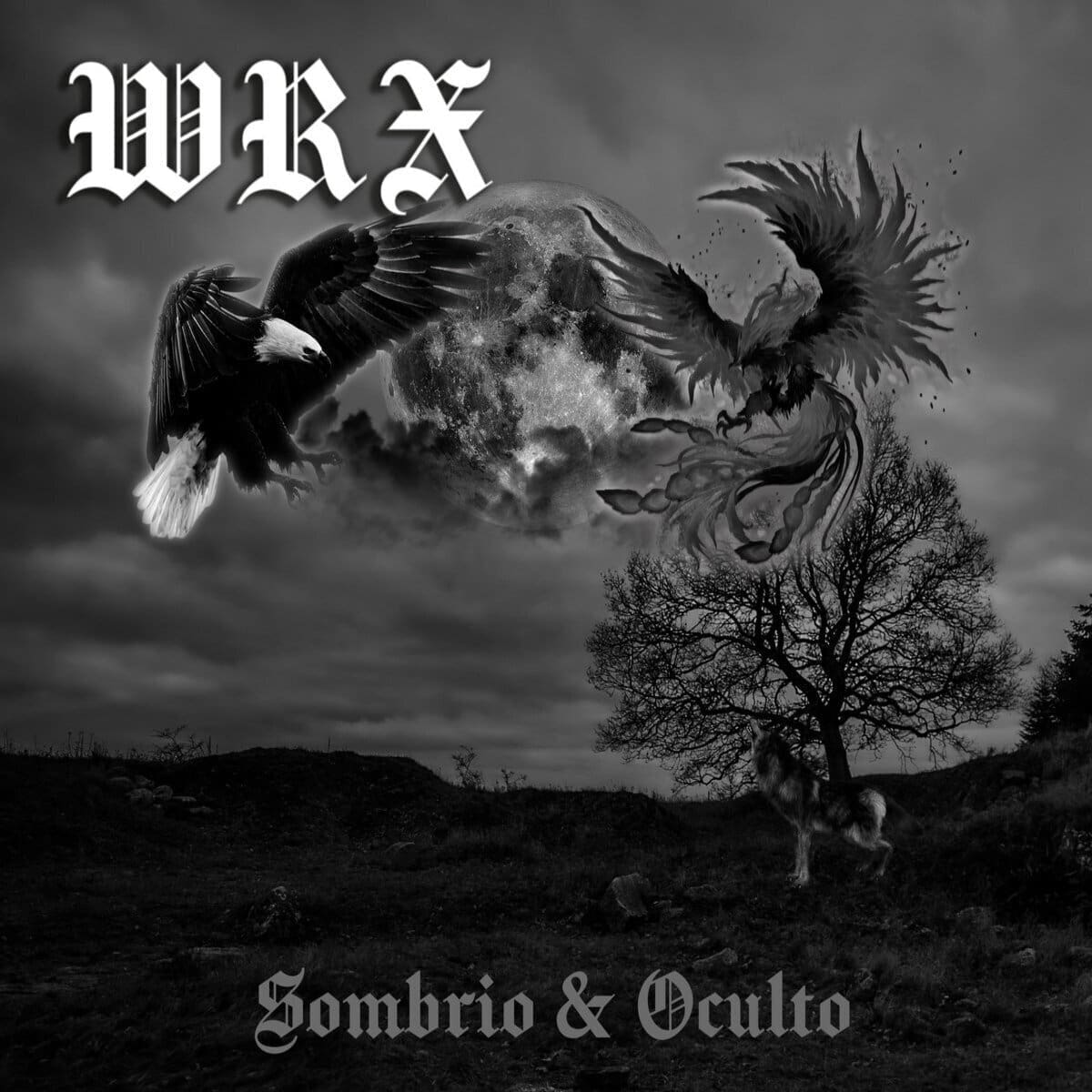
HordaWRX — Sombrio & Oculto cover

The First Three Sins, The Summary

The First Sin, The Strings/Keys: The guitar weaves a tapestry of sinister riffs, encompassing tremolo picking and a wall of feedback and distortion. His bass lines lay down a robust foundation, anchoring the sound. The Second Sin, The Vocals: Channels a voice that echoes the depths of a tormented soul. The Third Sin, The Percussions: Delve in a vast work of drum work that propels the composition with relentless energy drumming and primal beats.

⸸ ⸸ ⸸ ⸸ ⸸ ⸸ ⸸

The Fourth Sin, Overall Discussion

The moment the listener hits the play button, they are welcomed by the haunting and disquieting sounds of Chamado Da Lua Negra. This gripping instrumental and vocal introduction flows seamlessly into the second track, Extrema Unção, and continues through the subsequent five pieces, enveloping the audience in its eerie atmosphere. As you embark on this musical odyssey, you’ll discover that HordaWRX is no mere stroll through the park; it embodies a sinister, shadowy essence that is rotten to its very core.

This raw black metal exudes an old-school vibe while pulsating with the fiery spirit of the 1980s extreme metal. Its lyrics delve into themes of the supernatural, occult, magic, fantasy, and horror films from that era, as well as the world created by Tolkien.

Comprising seven dark and extreme hymns, each piece envelops the listener’s ears and soul in a production quality that evokes the atmosphere of a damp, shadowy cave or Helvete itself. This creates an atmosphere brimming with lo-fi distortion, darkness, and an intense, unrefined energy that brings pure joy to those who dare to dive into its depths.

HordaWRX not only provides the listener with a devilmanship and instrumental composition that a forbidden fruit of art –a creation that features only a singular talent who professionally plays every instrument and delivers haunting vocals. WRX‘s guitar weaves a tapestry of sinister riffs, encompassing tremolo picking and a wall of feedback and distortion. His bass lines lay down a robust foundation, anchoring the sound, while the drums propel the composition with relentless energy and primal beats.

WRX‘s vocal performance is not for the timid, as it channels a voice that echoes the depths of a tormented soul. WRX‘s raw and unrefined unclean singing adds an intense layer to the already powerful instrumentation, creating an atmosphere that is both exhilarating and unsettling. HordaWRX and his album Sombrio & Oculto is anything but brief, featuring two tracks that stretch over seven minutes, while the fifth song clocks in at under two minutes, showcasing clean guitar riffs and a drumbeat reminiscent of a heartbeat.

The essence of “HordaWRX” embodies a black metal experience that is anything but accessible, challenging listeners with its intensity and depth. Sombrio & Oculto will appeal to those who seek a raw, dark, and unsettling black metal, drawing inspiration from the early works of iconic bands such as Burzum, Bathory, Mayhem, Darkthrone, and Sarcófago.

⸸ ⸸ ⸸ ⸸ ⸸ ⸸ ⸸

The Fifth Sin, The Memorabilia

HordaWRX‘s Sombrio & Oculto took me on an unyielding thirty-minute odyssey of headbanging bliss, a sonic assault that immerses me in a world of unrefined, high-octane music, topped with fruit of art composition, orchestration and devilmanship. 

HordaWRX and his album Sombrio & Oculto embody a raw, extreme, and unsettling black metal that is both disturbing and captivating. As mentioned, they draw inspiration from the pioneering sounds of early bands, such as Burzum, Mayhem, Bathory, and Sarcófago, this work manages to carve out its own unique identity without merely imitating these iconic acts. It resonates with the spirit of 1980s extreme metal, offering a fresh perspective while paying homage to its roots.

Sombrio & Oculto, presents a sonic landscape that feels both old-school and new. Sombrio & Oculto’s intensity and depth evoke a sense of forbidden allure, making it a compelling fruit of art that lingers in the mind long after the final note fades. 

The Sixth Sin, The Artwork

For the artwork, I’m unsure about the artwork…

The Seventh Sin, Disrelish

Nothing to disrelish within the musical spectrum of HordaWRX, and their album Sombrio & Oculto.

⸸ ⸸ ⸸ ⸸ ⸸ ⸸ ⸸

The Hymns

01. ChamadoDaLuaNegra
02. ExtremaUnção
03. BFrio&Sombrio
04. Gargonaz
05. HordaNegra
06. Movrabul
07. VerdadeiroMal

HordaWRX

WRX — All Instruments

Reviewed by Kristian — editorial architect and ceremonially crafted. © Athenaeum of Sin Reviews.

Necro Algorithm — Eternal Echoes Review

Necro Algorithm Is a Portuguese death metal endeavour brought to life by the multifaceted artist Melkor. On 2 October 2024, Melkor unveiled his latest creation, Eternal Ecchoes, released through Wreck-Whordes/Studios13.

Necro Algorithm, Eternal Ecchoes Review: This review will evaluate every aspect of the album, from its intricate musical composition to its production.

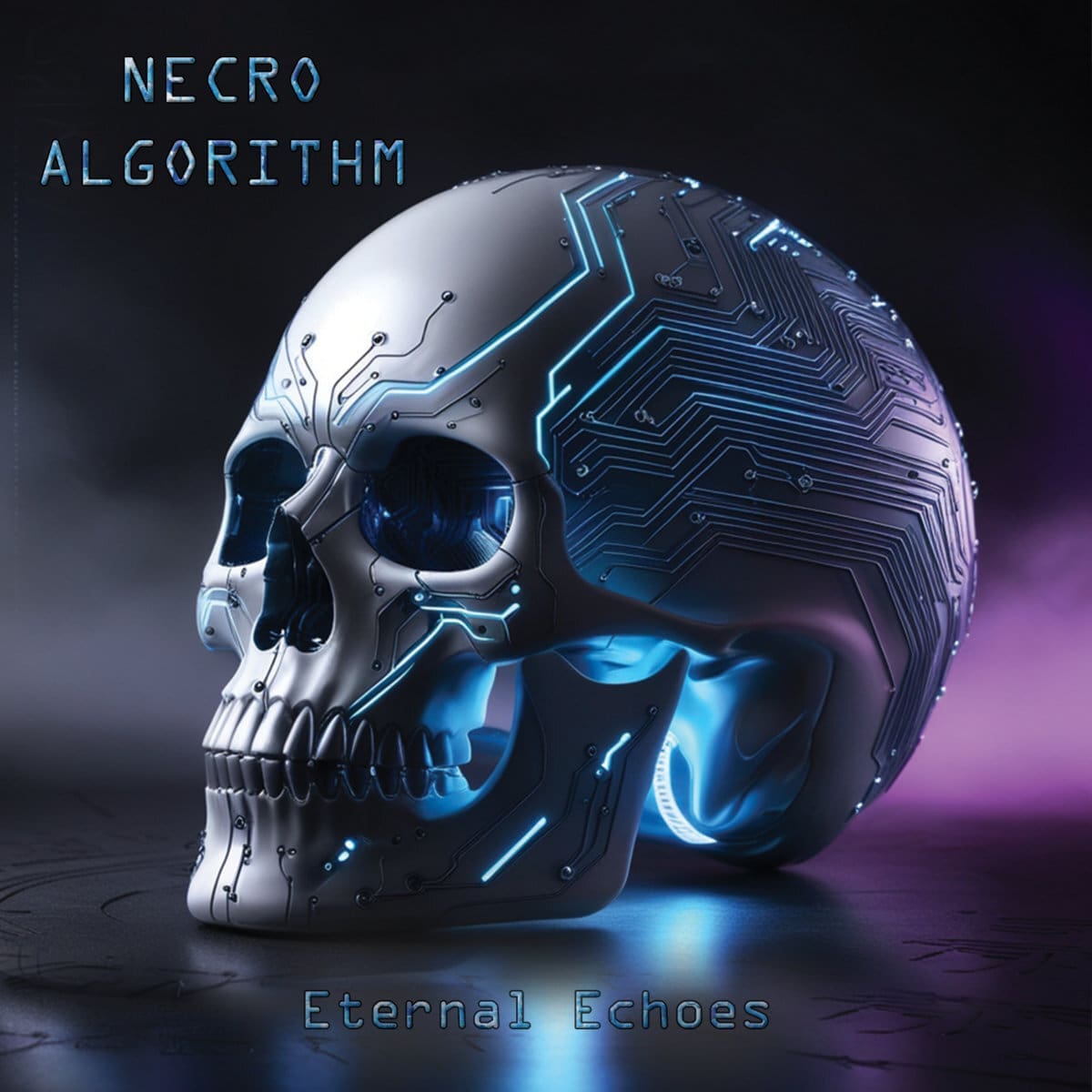
Necro Algorithm — Eternal Ecchoes cover

The First Three Sins, The Summary

The First Sin, The Strings/Keys: Features heavy, fast, aggressive, complex and brutal bone-shaking riffs with down-tuned chords, melancholic melodies and fretboard-shredding solos. The Second Sin, The Vocals: Involves a matrimony of unclean singing, that slices through the intricate layers of the music. The Third Sin, The Percussions: Delve into a vast world of powerful, fast and aggressive drum work, that features blast beats and double-bass kicks.

⸸ ⸸ ⸸ ⸸ ⸸ ⸸ ⸸

The Fourth Sin, Overall Discussion

Before we get to the article, we are pleased to present additional reviews of Melkor. Following our initial set of six reviews, we have returned with another six. We already commenced with the first five reviews titled The Rise Of Ophiuchus – As Galaxies Merge, Vehemence Abyss, Eerie Resonance, Mala Mors, and Neural Plague. Now get ready to “delve into a profound inner journey, navigating the silent depths of emptiness and shadow…” This is Eternal Echoes, from Melkor’s other project, Necro Algorithm. It is important to note that Melkor has introduced something (again) distinctly unique, darker and brutal, stands apart from his previous endeavours.

The moment the listener hits the play button, they are welcomed by the opening track, Fragments of Existence. A rich tapestry of atmospheric synths envelops them, creating a sonic landscape that hints at the journey ahead.

As the listener continues, they embark on their journey with the second piece, Beyond the Void, and the remaining six tracks. Eternal Echoes takes the audience on a lyrical journey that explores a profound inner journey, navigating the silent depths of emptiness and shadow. It speaks of a soul adrift, searching for purpose, grappling with questions that remain elusive. As the protagonist wanders through a desolate landscape of uncertainty and doubt, they are irresistibly drawn to the enigmatic allure of the void — a mysterious force that calls out, yet offers no clear answers, no guiding light…

Necro Algorithm‘s Eternal Echoes is an eight-track fruit of art product of death metal artistry, embodying the essence of existential conflict. The sound is a ceaseless sonic barrage that never relents. It offers listeners a raw and savage musical experience, reminiscent of the previous project, “Melkor.” This creation is executed with a fierce, unyielding devilmanship, operating with the precision of a well-oiled machine.

Simultaneously, Melkor and his collaborative associates have unveiled yet another fruit of art product of artistic endeavour that exudes careful devilmanship and thoughtful composition. This latest release feels anything but hurried; it is meticulously crafted, diverse in its range, and flawlessly arranged.

Each endeavour from this “fruit of art collaboration” is nothing short of stunning, showcasing a unique blend of instrumentation and lyrical themes that traverse nearly every musical genre imaginable—be it death, doom, black, or symphonic. No matter the style, this collaboration consistently delivers exceptional results.

Necro Algorithm envelops listeners in a shroud of darkness, characterized by its haunting atmospheres and sorrowful melodies. Each composition invites a deep sense of introspection, crafting an immersive experience that resonates with the soul. The band delves into themes of shadow, mysticism, and the natural world, all of which contribute to the overarching mood that permeates their sound.

At the helm of this sonic journey is the enigmatic figure known as Melkor, whose brutal bone-shaking riffs unleash a torrent of primal energy, while his bass lines breathe life into the music. His vocals are meticulously sculpted to mirror the intricate intensity of the instrumentation, ensuring that every note and phrase is infused with the raw emotion that lies at the heart of the project.

Adding to this powerful soundscape is guest drummer Jeroen, whose thunderous rhythms evoke the fury of a storm, infusing the music with life. The collaboration with lyricist Catherine Theodore introduces a profound conceptual layer, as they weave together existential themes that explore the human condition, the void, and the quest for meaning. D-Void enriches the music with layers of depth and complexity, infusing the mix with guitar solos that pierce through the composition with precision. This artistic partnership results in a body of work that is not only sonically punishing but also rich in philosophical depth, offering a brutal yet reflective examination of existence itself. The interplay of music and lyrics creates a tapestry that challenges listeners to confront their ‘own’ realities, making the experience both haunting and thought-provoking.

You have now encountered Necro Algorithm, which has evolved into something even more intense and ferocious. The formidable Melkor has teamed up with the Portuguese extreme metal band Cult Of Alcaeus to deliver an explosive split release titled Doomed Algorithms, released through Nova Era Records. This collaboration unleashes a tempest of death metal and thrash metal, where the harrowing themes of Apocalypse, Social Collapse, Existential Anguish, and the Downfall of Humanity converge in a cataclysmic symphony of chaos. Brace yourself for an unyielding sonic odyssey that promises to turn the world upside down, leaving no stone unturned and no soul unscathed.

The sheer power and brutality of this musical onslaught will engulf you, as the artists weave a tapestry of sound that reflects the darkest corners of existence. Prepare to be swept away by the relentless energy and profound themes that Doomed Algorithms has to offer.

If you, as a reader and listener, have been accompanying me on this musical adventure, then you’re in for a treat! If you’ve appreciated the creations of Melkor, this new project is one you definitely won’t want to overlook; it’s absolutely worth exploring.

The album Eternal Echoes culminates with its final track, Infinite Collapse, which envelops the listener in a slightly aggressive yet atmospheric symphonic soundscape. This piece resonates with a sense of futurism, drawing the audience into a world where echoes of the past intertwine with the possibilities of what lies ahead. 

⸸ ⸸ ⸸ ⸸ ⸸ ⸸ ⸸

The Fifth Sin, The Memorabilia

What more can I express about “Melkor”? Each new release serves as a remarkable showcase of his creative genius, a true embodiment of artistic expression. His technical expertise shines through, whether in his devilmanship captivating performances or the intricate layers of his compositions, both instrumental and vocal. He never fails to leave a lasting impression with his work.

Likewise, the contributions of “Catherine Theodore” are equally a celebration of artistry; her lyrical narratives and profound storytelling infuse the music with vitality. Meanwhile, Jeroen‘s drumming provides a rhythmic pulse that animates the entire composition, and not forgetting those solos from D-Void, weaving together the elements into a cohesive and vibrant musical experience. Together, they create a rich tapestry that resonates deeply with listeners.

The Sixth Sin, The Artwork

I just need to say a few words about the artwork, it captures the theme and the music.

The Seventh Sin, Disrelish

Nothing to disrelish within the musical spectrum of Necro Algorithm, and its album Eternal Ecchoes.

⸸ ⸸ ⸸ ⸸ ⸸ ⸸ ⸸

The Hymns

01. Fragments of Existence
02. Beyond the Void
03. Echoes of the Abyss
04. Eternal Fleeting
05. Shadows of the Soul
06. Awaking from Nothingness
07. Endless Cycle
08. Infinite Collapse

Necro Algorithm

All guitars, bass, vocals were crafted and brought to life by Melkor
The lyrical is fuelled by the lyrical visions of Catherine Theodore
Jeroen – Drums
D-Void – Guitar Solo

Reviewed by Kristian — editorial architect and ceremonially crafted. © Athenaeum of Sin Reviews.

Neural Plague — Cybernetic-chaos Review

Neural Plague is a Portuguese black metal endeavour brought to life by the multifaceted artist Melkor. On 19 October 2024, Melkor unveiled his latest creation, Cybernetic-chaos released through Supergoat Wreck-Whordes/Studio13.

Neural Plague, Cybernetic-chaos Review: This review will evaluate every aspect of the album, from its intricate musical composition to its production.

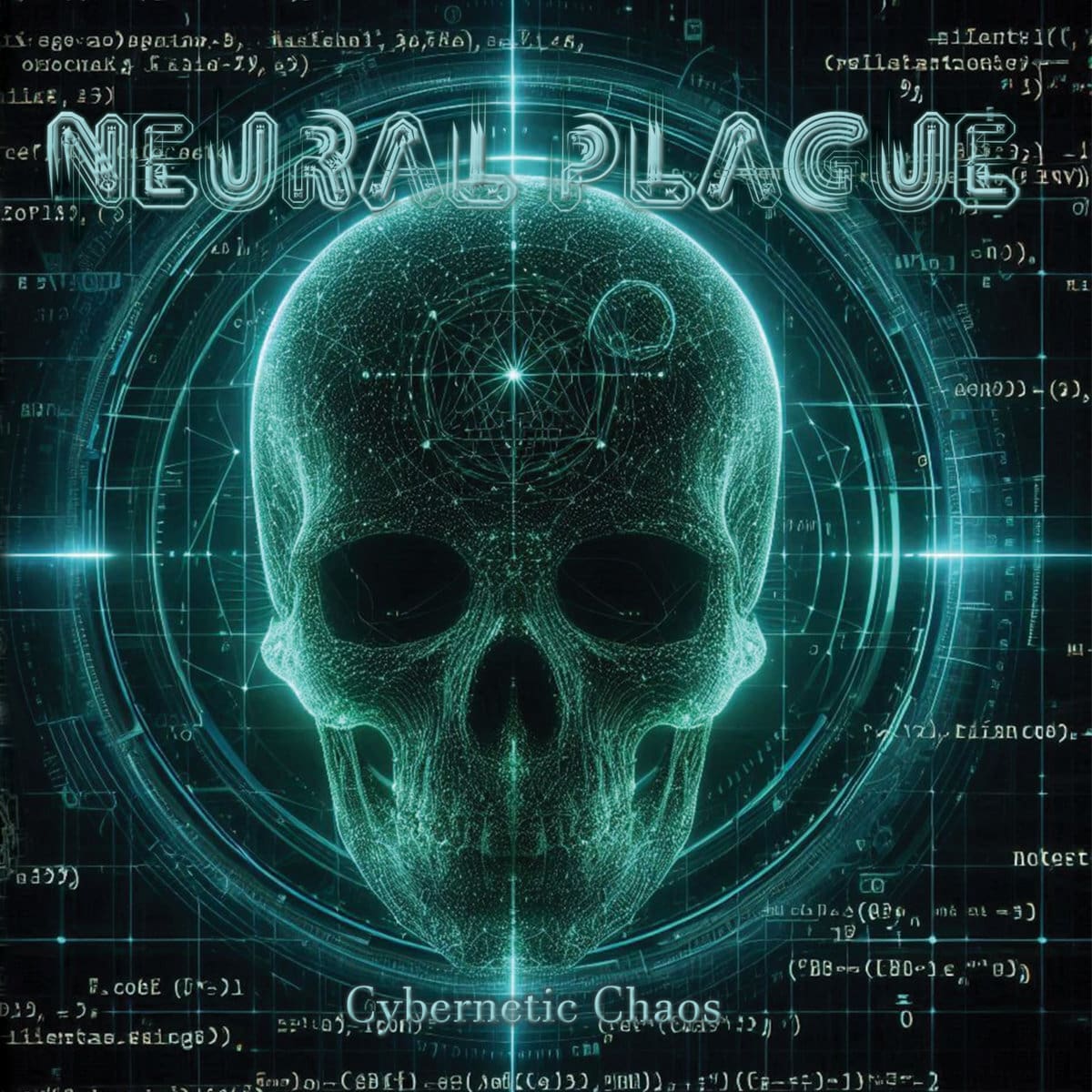
Neural Plague — Cybernetic-chaos cover

The First Three Sins, The Summary

The First Sin, The Strings/Keys: Delivering progressive riffs that intertwine seamlessly with the bass (riffs) anchoring the sound. Ethereal synths weave a cybernetic and mystical ambiance that envelops the listener. The Second Sin, The Vocals: Vocals slice through the intricate layers of sound, conveying a raw emotion. The Third Sin, The Percussions: The drum work pulse with life, propelling the music forward like a relentless heartbeat.

⸸ ⸸ ⸸ ⸸ ⸸ ⸸ ⸸

The Fourth Sin, Overall Discussion

Before we get to the article, we are pleased to present additional reviews of Melkor. Following our initial set of six reviews, we have returned with another six. We already commenced with the first four reviews titled The Rise Of Ophiuchus – As Galaxies Merge, Vehemence Abyss, Eerie Resonance, and Mala Mors.

Now get ready to immerse yourself in this dystopian, yet transcendent creation, and let’s hope that in a world driven by artificial intelligence, it’s still the human soul that holds the reins. This is Cybernetic Chaos, from Melkor‘s other project Neural Plague. It is important to note that Melkor has introduced something (again) distinctly unique, darker and different, stands apart from his previous endeavours.

The moment the listener hits the play button, they are welcomed by the majestic and sweeping orchestral introduction of Digital Apocalypse. As they delve deeper into the experience with the second track, Code of Silence, along with the remaining six pieces, the listener will find themselves enveloped in a dystopian yet uplifting narrative. In a world increasingly dominated by artificial intelligence, let us hold on to the hope that it is still the human spirit that guides the way.

In an era where technology and artificial intelligence reign supreme, Melkor chose to carve a raw and powerful statement through the creation of a blackened death metal opus. Joined by guest drummer Jeroen and fuelled by the lyrical visions of Catherine Theodore, this project is not just an album, but a convergence of human grit and digital precision. [Neural Plague]

Neural Plague, much like Melkor‘s other endeavours, has birthed a creation that stands apart, a genuine artistic fruit of art. But what is this sonic explosion assaulting my senses? It’s a breathtaking blend of the epic and the grand, infused with orchestral elements, primal aggression, and a rapid-fire pace, all woven together with the latest digital technology. The composition and arrangements are impeccably crafted, functioning like a finely tuned machine.

Neural Plague and their album Cybernetic Chaos emerge as a mesmerizing tapestry of sound, a genuine fruit of art that ensnares the listener and refuses to release its grip. This album is a sonic journey, meticulously crafted to perfection, where every note resonates with clarity and intention. The recording quality is impeccable, capturing each nuance of the music, while the composition showcases a brilliant fusion of creativity and technical prowess.

Melkor‘s guitar work is a standout feature, delivering progressive riffs that intertwine seamlessly with the bass guitar anchoring the sound. Jeroen relentless drum work pulse the music with life, propelling the music forward like a relentless heartbeat, fuelling the heart of the music is Catherine Theodore‘s lyrical visions. The ethereal synths weave a cybernetic and mystical ambiance that envelops the listener, enhancing the overall experience. As the powerful vocals slice through the intricate layers of sound, they convey a raw emotion that elevates the entire composition.

Cybernetic Chaos is not just an album; it is an immersive experience that invites you to lose yourself in its depths, a testament to the artistry and dedication of Neural Plague. Each track unfolds like a vivid story, leaving an indelible mark on the soul and ensuring that the listener is left yearning for more. Melkor as fully embraced the technical landscape with Cybernetic Chaos, crafting the sonic onslaught through professional recording of guitars, keys, bass, and vocals, expertly blending and mastering the tracks, while designing all the immersive artwork himself.

This work stands as a fruit of art, a futuristic testament to the fusion of metal’s primal aggression and cutting-edge technology. “Immerse yourself in this dystopian, yet transcendent creation, and let’s hope that in a world driven by artificial intelligence, it’s still the human soul that holds the reins.” If you, as a reader and listener, have been accompanying me on this musical adventure, then you’re in for a treat! If you’ve appreciated Melkor‘s creations, this new project is one you definitely won’t want to overlook; it’s absolutely worth exploring.

As the technical landscape of the album, and the closing piece, Cybernetic Chaos, fades in indefinitely. 

⸸ ⸸ ⸸ ⸸ ⸸ ⸸ ⸸

The Fifth Sin, The Memorabilia

Once again, what can I say about Melkor? Every release he puts out is a testament to his artistry and devilmanship, and a fruit of art. Whether it’s his devilmanship or his complex compositions—both instrumental and vocal. He consistently impresses. Simultaneously, the words of Catherine Theodore are also a fruit of art; her storytelling and lyrical depth breathe life into the music, while Jeroen‘s drum work adds a heartbeat to the songs, enlivening the entire composition.

The Sixth Sin, The Artwork

The artwork captures the theme and the music, with its cybernetic aesthetic.

The Seventh Sin, Disrelish

Nothing to disrelish within the musical spectrum of Neural Plague, and his album Cybernetic-chaos.

⸸ ⸸ ⸸ ⸸ ⸸ ⸸ ⸸

The Hymns

01. Digital Apocalypse
02. Code of Silence
03. Synthetic Dreams
04. Neural Nexus
05. Binary Betrayal
06. Quantum Shadows
07. Machine Mind
08. Cybernetic Chaos

Neural Plague

Melkor — Guitars, Vocals, Bass
Jeroen – Drums
Catherine Theodore – Lyrics

Reviewed by Kristian — editorial architect and ceremonially crafted. © Athenaeum of Sin Reviews.
Secret Link