Umbersound — If The Flies Could Sing Review

Umbersound is an American atmospheric doom death project that immerses the audience in mood and story, created by Joe D’Angelo (Grey Skies Fallen). Umbersound released its second independent full-length, If The Flies Could Sing on 24 January 2025, promoted via The Metallist PR.

Umbersound, If The Flies Could Sing Review: This review will evaluate every aspect of the album, from its intricate musical composition to its production.
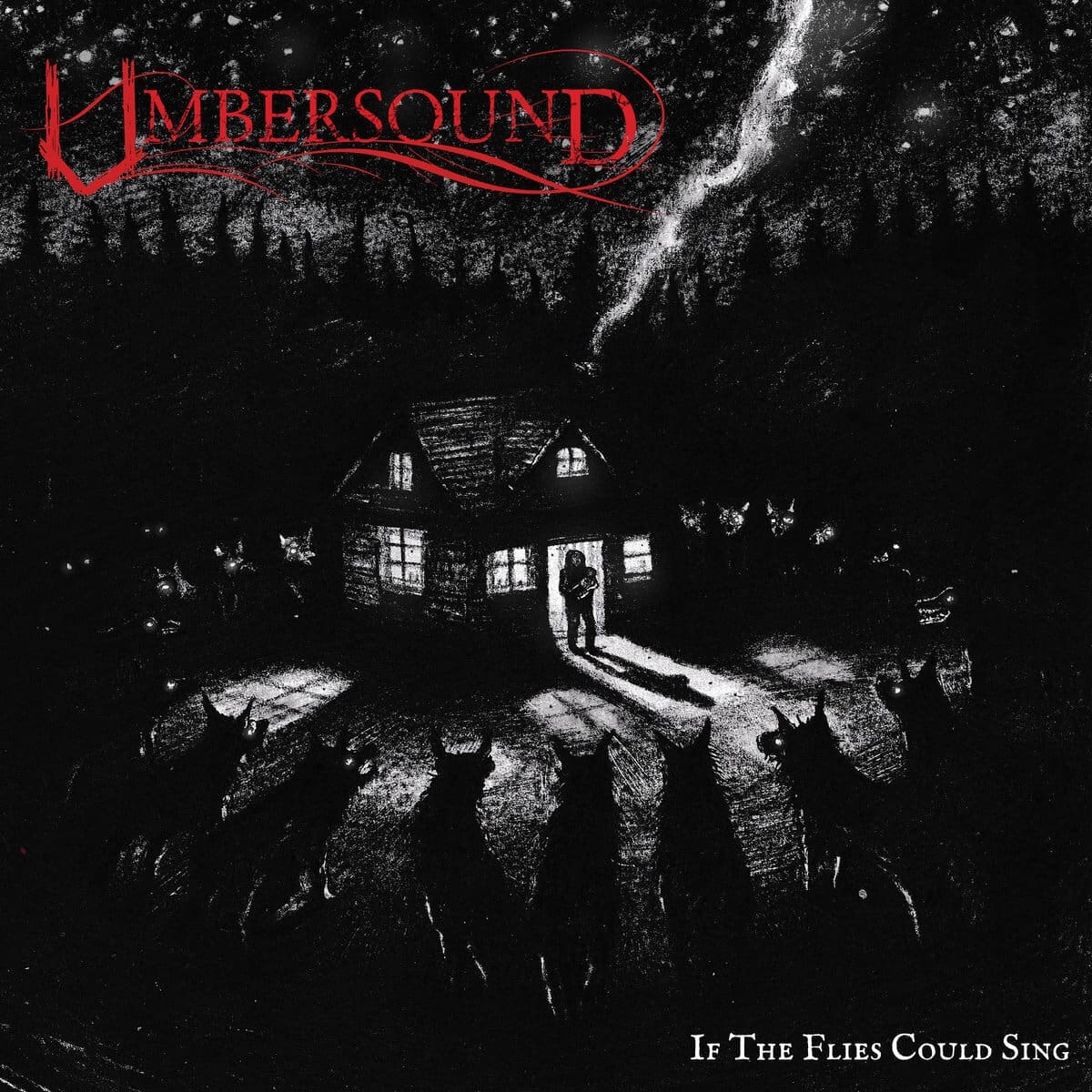
Umbersound — If The Flies Could Sing cover

The First Three Sins, The Summary

The First Sin, The Strings/Keys: Slow thunderous and hypnotic riffs, characterized by down-tuned chords that create a hauntingly theatrical, dark, and brooding atmosphere. The Second Sin, The Vocals: They deliver harsh, raw and unpolished that evoke a sense of melancholy and loneliness. The Third Sin, The Percussions: Powerful and intense drum work, featuring blast beats and double-bass kicks, propels the music forward.

⸸ ⸸ ⸸ ⸸ ⸸ ⸸ ⸸

The Fourth Sin, Overall Discussion

The moment the listener hits the play button, they are welcomed by the haunting sounds of Wolves at the Door. This track envelops the listener in a haze of distorted instruments and reverberating vocals, sending chills racing down their spine. As the listener delves deeper into the experience with the second track, If the Flies Could Sing, along with the remaining eight pieces, they embark on a profound lyrical odyssey. Each song explores themes of mortality, metamorphosis, and the silent despair that resides in neglected corners of existence.

Umbersound is a powerful blend of crushing intensity and melodic beauty, meticulously crafted in a production that captures every nuance—each drop, tempo, riff, beat, and vocal. This sonic experience offers a robust auditory journey, challenging listeners to engage deeply rather than simply stroll through. It demands that modern distractions fade away, forcing you to the edge of your seat as the music sweeps you into a world where decay and beauty coexist. The album If the Flies Could Sing conjures striking imagery of a deteriorating natural world, where an unsettling silence is punctuated only by the soft buzz of flies, creating a hauntingly profound sonic landscape.

Joe D’Angelo stands as the visionary behind Umbersound, where his artistic and devilmanship prowess a weave of tapestry of sound that challenges the very essence of doom and death metal. Joe‘s guitar work creates a hauntingly theatrical atmosphere, characterized by down-tuned riffs that unfold in layers, revealing moments of raw vulnerability. The intensity of the drum work propels the music forward, infusing it with a powerful energy that captivates the listener. Each note resonates deeply, inviting an exploration of the darker realms of emotion and sound.

D’Angelo’s vocals are a fruit of art, and a force unto themselves, delivering harsh, raw and unpolished that evoke a sense of melancholy and loneliness echoing through the listener’s mind and spirit. They serve as a compelling driving force within the music, though their impact may vary from one listener to another. For me, his vocal style evokes the theatrical essence reminiscent of early Candlemass, particularly evident in the second track, “If The Flies Can Sing.” This piece encapsulates the epic nature of his artistry, drawing the listener into a world where sound and emotion intertwine seamlessly.

Simultaneously, the music of Umbersound is a fruit of art, marked by a rich tapestry of melody intertwined with a heavy resonance, skilfully merging the dark tones of doom and death metal. Joe‘s intricate compositions showcase a blend of slow, thunderous riffs that are punctuated by rapid, technical segments, resulting in a captivating auditory journey. The album evokes a haunting, almost surreal dreamlike atmosphere, enveloping the listener in a shroud of heaviness while introducing delicate, ethereal moments that create a striking contrast.

This interplay of sound mirrors the fragile equilibrium between existence and oblivion, comfort and discomfort, as well as love and animosity. The listener is drawn into a world where the weight of the music feels almost tangible, yet it is softened by the airy, gentle passages that float above the dense layers. This duality not only enhances the emotional depth of the album but also invites a profound reflection on the complexities of life itself. Umbersound is not to be missed, if you love doom/death metal, that’s heavy and melodic, then Umbersound is for you.

As the album comes to a close, the listener is introduced to the closing piece, An Open Letter To the Silent. The song welcomes the listener with the sound of the acoustic, and droplets of rain and whispers, as the music falls silent. 

⸸ ⸸ ⸸ ⸸ ⸸ ⸸ ⸸

The Fifth Sin, The Memorabilia

For myself, from the initial swell of distortion to the final, introspective acoustic note, the devilmanship, arrangement and composition—both musical, vocals and lyrical—unfold with a serene fluidity, as if time itself has slowed. Each track transitions seamlessly into the next, creating a cohesive experience that flows like a dark river, that guiding me through a landscape of profound emotion and reflection. At the same time, the vocals delivered by D’Angelo’s are a force unto themselves.

Furthermore, I particularly liked the second piece, If The Flies Can Sing, especially the opening section, the buzzing of flies (even the riffs sound like buzzing of flies) and that hypnotic “Candlemass” atmosphere lure you in.

The Sixth Sin, The Artwork

The entire artwork, designed by James Hutton Artist_lores, is dark and speaks the music and lyrics

The Seventh Sin, Disrelish

Nothing to disrelish within the musical spectrum of Umbersound, and their album If The Flies Could Sing.

⸸ ⸸ ⸸ ⸸ ⸸ ⸸ ⸸

The Hymns

01. Wolves At The Door
02. If The Flies Could Sing
03. Atmos Ritual
04. Spines On The Shore
05. The Circle Maze
06. Deaths OLd Sweet Song
07. One Suffers, One Withers
08. The Sound Of Umber
09.  zoí sou, mia tragodía
10. An Open Letter To The Silent

Umbersound

Joe D’Angelo — Everything
Reviewed by Kristian — editorial architect and ceremonially crafted. © Athenaeum of Sin Reviews.

Rites of Passage — The Days Were Like This Review

Rites Of Passage a Brazilian atmospheric black metal solo project by Limac, a composer, producer and multi-instrumentalist. On 6 June 2021, Limc released his debut album The Days Were Like Thisco-released by Nomade Records, Black Hearts Records and Old Metal Rites.

Rites Of Passage, The Days Were Like This Review: This review will evaluate every aspect of the album, from its intricate musical composition to its production.

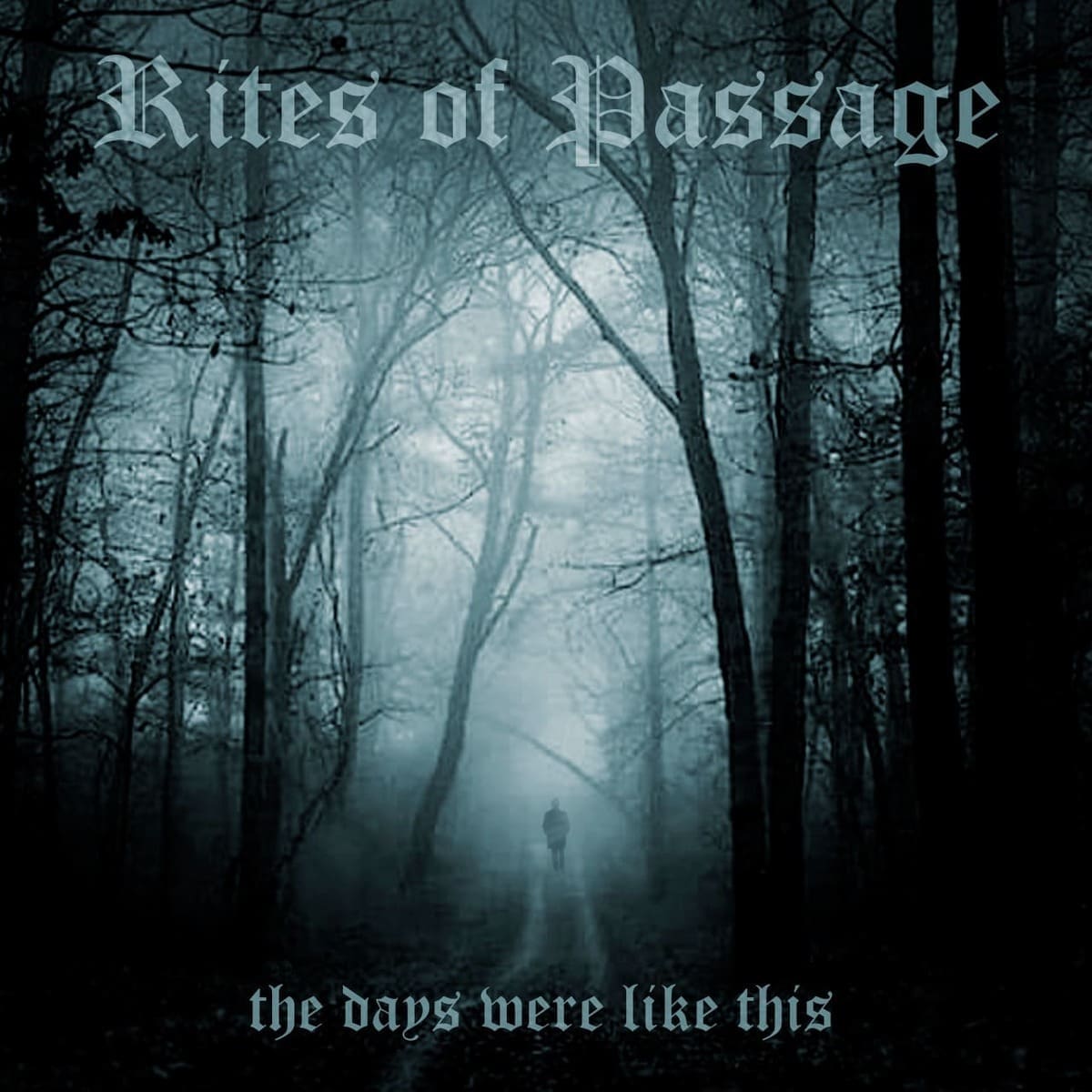
Rites Of Passage — The Days Were Like This album cover

The First Three Sins, The Summary

The First Sin, The Strings/Keys: Features haunting melodies and atmospheric riffs, that create a dense and immersive soundscape that perfectly complements the band’s melancholic themes The Second Sin, The Vocals: Intense and emotional, featuring a mix of harsh growls and screams, that convey a sense of raw emotion and despair. The Third Sin, The Percussions: Dynamic and versatile, moving away from classic black metal to add more depth and variety to the band’s sound.

⸸ ⸸ ⸸ ⸸ ⸸ ⸸ ⸸

The Fourth Sin, Overall Discussion

As soon as the listener hits the play button, the opening track Life and Death envelops them in a haunting embrace of sombre keys intertwined with atmospheric riffs, evoking a feeling of uncertainty, all underscored by raw, intense vocals.

As the listener embarks on the next leg of their auditory adventure with the second piece, The Days Were like This. They are drawn into a profound exploration of themes steeped in melancholy and sorrow. This musical odyssey delves deep into the heart of emotions like despair, anguish, and depression, inviting the listener to reflect on the complexities of the human experience.

The Days Were Like This unfolds over thirty minutes, immersing listeners in a rich tapestry of atmospheric and melancholic artistry, woven through six distinct tracks. This collection showcases a fruit of art, blend of instrumental prowess, lyrical depth, and a unique devilmanship that resonates deeply. The artistry here is not hurried; instead, it flows seamlessly, offering a refreshing experience that nourishes both the ears and the soul.

The Days Were Like This unfolds as a captivating one-man performance, orchestrated by the fruit of art and devilmanship of Limac. This artist weaves together instrumental and vocal elements, ensuring that each layer complements rather than competes with the others. Limac captivates listeners with its enchanting blend of instrumental and vocal elements, beautifully capturing the spirit and emotion woven throughout the composition. The carefully measured tempo sets a reflective and introspective atmosphere, enriching the overall auditory journey. Every note and lyric intertwine seamlessly, forging an in-depth bond that resonates long after the last echoes have dissipated.

The allure of Limac lies in its mesmerizing orchestration, where each instrumental and vocal layer contributes to a rich tapestry of sound that embodies the piece’s core feelings. The deliberate pacing invites a thoughtful, meditative state, enhancing the experience for the audience. Together, the melodies and words create an enduring connection, leaving an imprint that remains in the heart and mind well beyond the final note.

Limac‘s synth work emerges at just the right moments, infusing the compositions with a glimmer of hope and a sense of perfection that resonates throughout the entire musical tapestry. His guitar work is particularly striking, offering atmospheric and immersive soundscapes that seamlessly blend traditional black metal influences with a more reflective and emotional essence. The bass lines enrich the sound, providing a profound depth, while the synths cast an eerie, haunting ambiance. The drumming establishes a robust backbone, alternating between frenetic blast beats and more measured, deliberate tempos.

While Limac‘s vocal delivery is a dynamic range, shifting from raw, guttural screams to hauntingly melodic and sorrowful tones, amplifying the emotional weight of the music. This entire experience is encapsulated in a polished production that beautifully captures the essence of the musical atmosphere.

In general, The Days Were Like This leans towards a greyish tone and feel within the music. At the same time, avoids a complete depressive mood, it still carries an underlying sense of dread, melancholy, and despair that permeates the atmosphere. Rites of Passage stands as a testament to artistic expression and is essential listening for enthusiasts of atmospheric black metal.

⸸ ⸸ ⸸ ⸸ ⸸ ⸸ ⸸

The Fifth Sin, The Memorabilia

In my view, Rites of Passage‘s overall sound and atmosphere evoke feelings of dread, melancholy and despair, there are also rare occasions where moments of light pierce through the darkness, particularly through the use of synthesizers. Furthermore, Rites of Passage embodies the comforting sensation of curling up with a blanket in the corner of your sofa, with the lights dimmed just enough to allow the dark atmospheric essence of Rites of Passage to permeate your thoughts.

The Sixth Sin, The Artwork

The artwork captivates me, depicting a misty forest with towering trees and a slender path that extends into the distance, symbolizing a journey into the unknown. This imagery effectively conveys the sombre and melancholic atmosphere of the accompanying music.

The Seventh Sin, Disrelish

Nothing to disrelish within the musical spectrum of Rites of Passage and his album, The Days Were Like This.

⸸ ⸸ ⸸ ⸸ ⸸ ⸸ ⸸

The Hymns

01. Life and Death
02. The Days Were Like This
03. Depression and Euphoria
04. The Deceived Disillusioned
05. Self Flagelation
06. Dark Passenger

Rites Of Passage

Limac — Everything

Reviewed by Kristian — editorial architect and ceremonially crafted. © Athenaeum of Sin Reviews.

Jester Majesty — Plains Of Heaven Review

Jester Majesty is an Italian progressive metal solo artist. The project was established in 2024, accompanied by the release of two singles. On 31 October 2024, Jester Majesty launched his independent debut EP album titled Plains Of Heaven.

Jester Majesty, Plains Of Heaven Review: This review will evaluate every aspect of the album, from its intricate musical composition to its production.

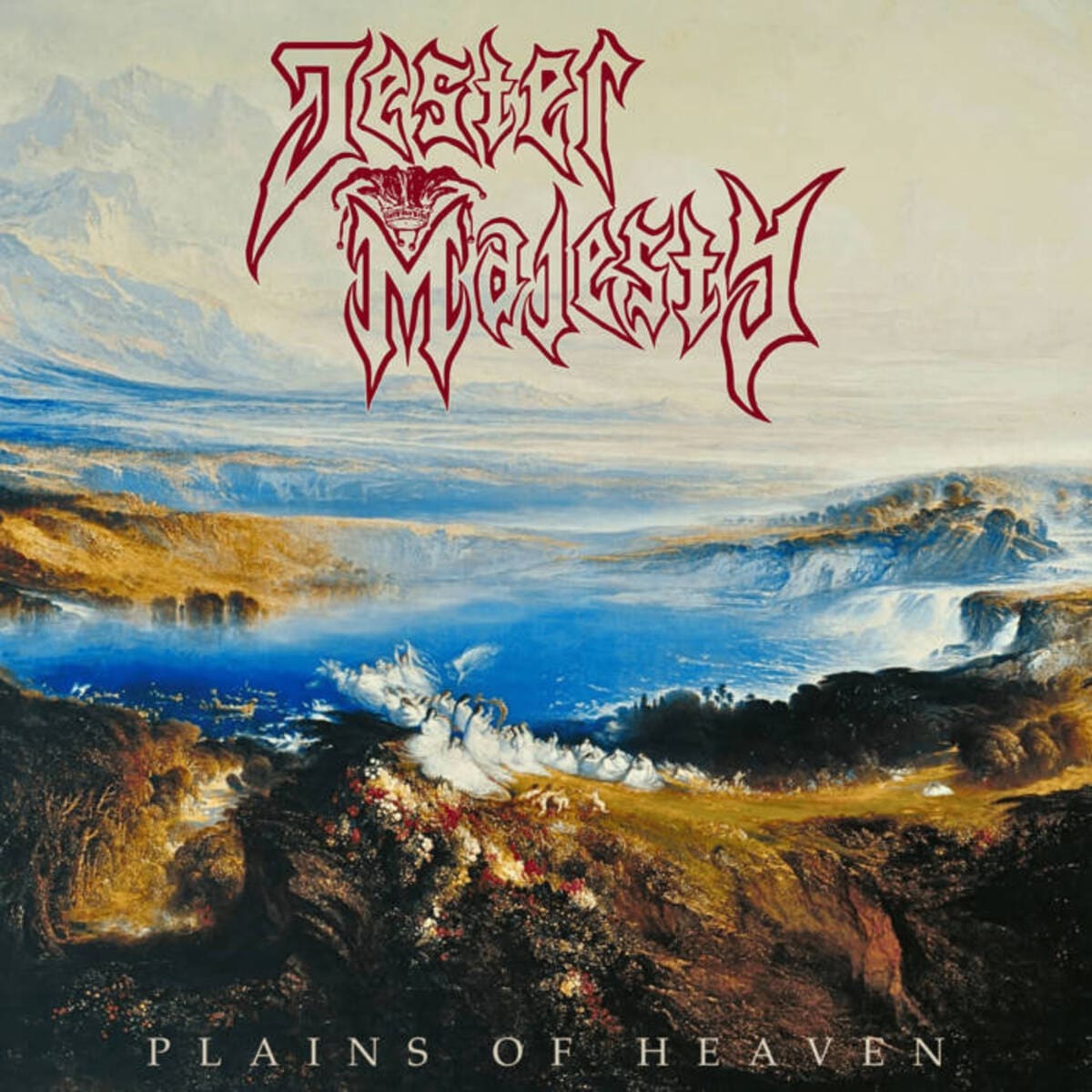
Jester Majesty — Plains Of Heaven album cover

The First Three Sins, The Summary

The First Sin, The Strings/Keys: Showcases a blend of potent, forward-thinking, rhythmic, and neoclassical riffs, accompanied by a robust, intricate, and thrash-influenced sound. Additionally, incorporating acoustic elements and synthesizer work. The Second Sin, The Vocals: Characterized by commanding vocals, that inject a vibrant pulse into each composition. The Third Sin, The Percussions: Intense drumming and robust beats, which contribute significantly to the depth and foundation of the music.

⸸ ⸸ ⸸ ⸸ ⸸ ⸸ ⸸

The Fourth Sin, Overall Discussion

Before heading into the review, Jester Majesty’s Plains Of Heaven is only a three track EP, with a runtime of ten minutes. Don’t worry, there is enough for the listener’s ears and soul to grab hold, while taking the listener on a lyrical journey about concerning the cycle of life and death. It is a “struggle” to live with authenticity, facing death, physical and psychological limits and collective illusions. It is a reflection on the human condition, on the conflict between body and soul, between reason and instinct.

In just three tracks, each distinct in sound, aggression, tone, tempo, and composition, this collection offers a fruit of art experience for the ears and spirit. It showcases a robust display of hypnotic and aggressive music, with a tone that is grandiose and theatrical. Where the music is marked by technical thrash prowess and a melodically old-school vocal approach that is rarely explored. The progressive elements are primarily evident in the riffs, which are heavily influenced by thrash metal, featuring synths and organs, that is all enhanced by an intense atmospheric flair.

As soon as the listener hits play, the first track, Thanatos, welcomes the listener with a complex and intricate instrumental introduction. It seamlessly transitions into a blend of instrumentation and vocal aggression, weaving together a complex musical tapestry. Jester Majesty’s second piece, Memoryless Property, the briefest of the collection at under a minute, unfolds with a beautifully preserved atmosphere and acoustic tones, before seamlessly transitioning and finishing off with a powerful instrumental serge…

Jester Majesty’s and his album, The Plains of Heaven, closes with the closing track, which has a more progressive feel. The fiery guitar devilmanship, one Plains of Heaven is delivered by none other than Erymanthon, the brainchild behind the one-man band Apocalypse. Featured previously on here, Erymanthon’s contribution is complemented by the rest of the ensemble, which enhances the intricate and thrash-infused sound of the music.

The rhythmic and neoclassical riffs from Alessandro Gargivolo, paired with his commanding vocals, inject a vibrant pulse into the composition. Luca Margini enriches the atmosphere with his synth artistry, while the synth/keyboard work has this inspired feel of Jordan Rudess of “Dream Theater” weaving through “Plains of Heaven,” creating a delightful tapestry of sound that captivates the senses. At the same time, Jester “The Fester” on drums delivers a powerful and rhythmic performance, characterized by intense drumming and robust beats, which contribute significantly to the depth and foundation of the music.

Jester Majesty’s journey is short, but showcases the band’s remarkable ability to convey a rich musical tapestry across all three tracks. The performance remains impressively tight and captivating from start to finish. Beyond their solid musical execution, the exceptional sound production elevates the heavy progressive metal experience, thanks to the studio expertise of Bulgarian producer Nikola Zanev.

If you’re a fan of heavy, impactful progressive metal that paints a vivid musical landscape, I highly recommend exploring the three-track EP, Plains of Heaven, by Jester Majesty.

The album concludes with the final track, Plains Of Heaven. We want to give a shoutout to Jester Majesty for letting us review his album, Plains of Heaven. Now, we are going to conclude the review by talking about the final three sins and concluding the review.

⸸ ⸸ ⸸ ⸸ ⸸ ⸸ ⸸

The Fifth Sin, The Memorabilia

For Me, Jester Majesty was a delightful, complex and theatrical experience for me. Although brief, it felt like a cherished fruit of art creation from the very beginning, driven by a powerful composition and a well-crafted instrumentation that showcased a fruit of art devilmanship.

While it may seem modest at first glance, it is a genuine effort, and I sincerely hope we will soon be treated to a full-length album that reveals Jester Majesty in all its glory.

The Sixth Sin, The Artwork

The piece in question is the painting titled “The Plains of Heaven” created by John Martin in 1851. This artwork enhances the musical experience, as both forms of expression appear to encapsulate their respective meanings; the painting embodies the essence of the music, while the music reflects the themes present in the artwork.

The Seventh Sin, Disrelish

Nothing to disrelish within the musical spectrum of Jester Majesty and his album, Plains Of Heaven. Therefore, this concludes Jester Majesty and his album, Plains Of Heaven review.

⸸ ⸸ ⸸ ⸸ ⸸ ⸸ ⸸

The Hymns

01. Thanatos
02. Memoryless Property
03. Plains Of Heaven

Jester Majesty

Alessandro Gargivolo — Rhythm & Lead Guitar, Lead Vocals, Acoustic, Bass, Vocals
“Erymanthon Seth” – Lead Gutiar on hymn three
Luca Margini – Synthesiser, Keyboads, Organ
Jester “The Fester” – Drums

Reviewed by Kristian — editorial architect and ceremonially crafted. © Athenaeum of Sin Reviews.

Eerie Resonance — From The Bowels of the Earth… Review

Eerie Resonance was born from the shadows of unspoken ideas that transcended the boundaries of his black metal band, Melkor’s ambient project emerged. Waving together intricate layers of cold, dark atmospheres, creating a haunting soundscape that echoes the depths of the unknown. From The Bowels of the Earth to the Infinity of Darkness, released Supergoat Wreck-Whordes / Studios13.

Eerie Resonance, From The Bowels of the Earth to the Infinity of Darkness Review: This review will evaluate every aspect of the album, from its intricate musical composition to its production.

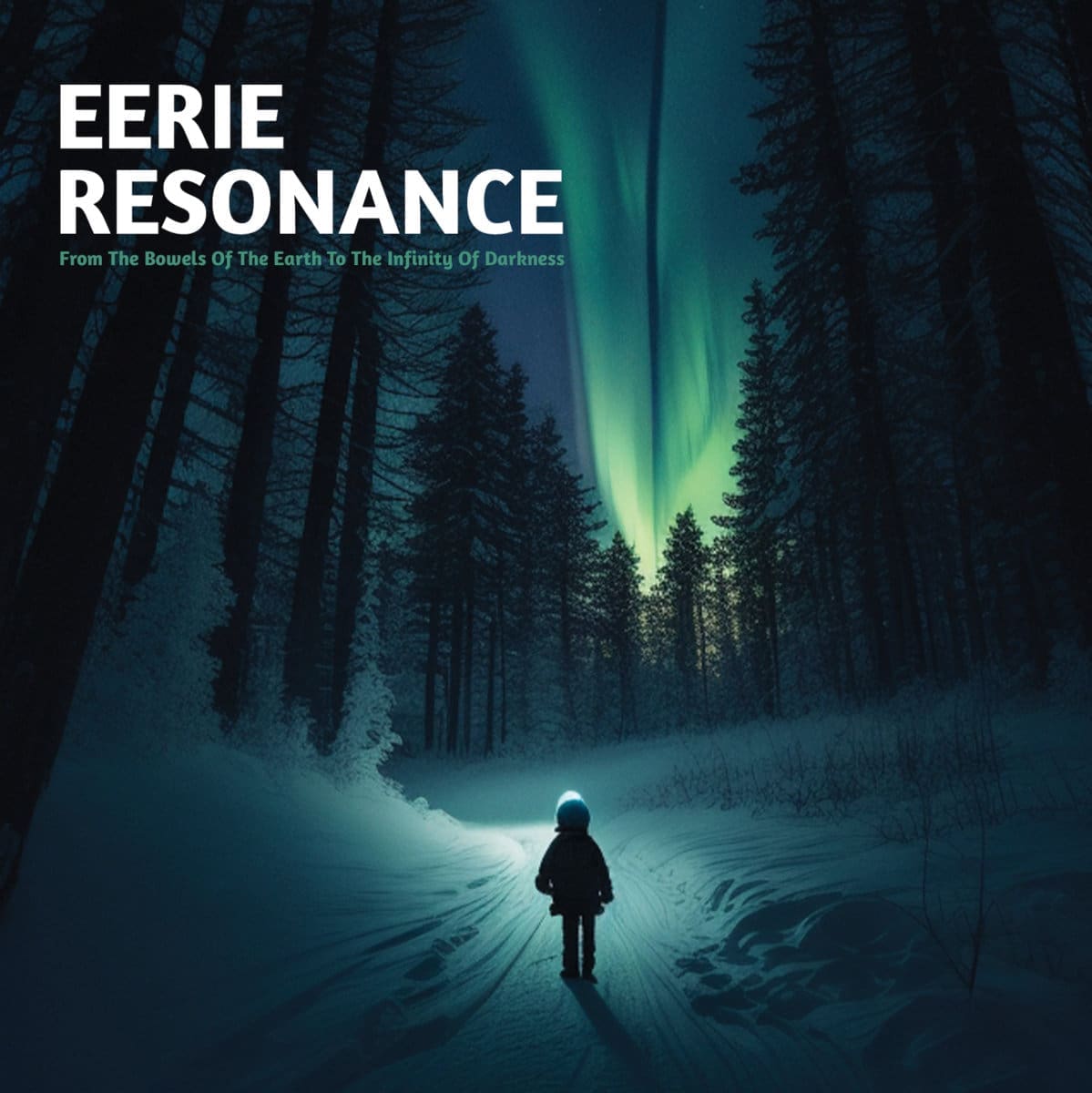
Eerie Resonance — From The Bowels of the Earth to the Infinity of Darkness cover

The First Three Sins, The Summary

The First Sin, The Strings/Keys: Omitting all electrical instrumentals, offering the listener with a dark and cold (ambient synth/keys) instrumental arrangements, along with evocative samples and haunting texts. The Second Sin, The Vocals: Involves omitting the vocals… The Third Sin, The Percussions: Omits all drum work, proving the listener with a dark and cold atmosphere…

⸸ ⸸ ⸸ ⸸ ⸸ ⸸ ⸸

The Fourth Sin, Overall Discussion

Before we get to the article, we are pleased to present additional reviews of Melkor. Following our initial set of six reviews, we have returned with another six. We already commenced with the first two reviews titled The Rise Of Ophiuchus – As Galaxies Merge and Vehemence Abyss. Now get ready for this “dark and cold atmosphere-instrumental” called From The Bowels Of The Earth To The Infinity Of Darkness, from Melkor‘s other project entitled Eerie Resonance. It is important to note that Melkor has introduced something distinctly unique. Eerie Resonance stands apart from his previous endeavours. Once again, I will be conducting this review in a manner that differs from my usual approach, analysing each of the nine songs in detail.

Eerie Resonance, comes with (somewhat) a warning, You want to be in a slight mediation state of mind to listen to this composition. You would rather not be in deep mediation, to manifest this into reality. To listen with a clear mind to contemplate the possibility of could be. [Gemma]

Eerie Resonance is an immersive sensory experience. To better understand and dive into this journey, please read, comply with the following instructions as much as possible:

  • Isolate yourself in a quiet place.
  • Sit comfortably, preferably semi-recumbent.
  • Read the description, internalize it and, for a few seconds, imagine it.
  • Listen to one song at a time. Pause, read the description and press play.
  • The light should be low.
  • For total immersion, listen with headphones, volume 7.

I am unable to provide a complete description; however, I will include some elements of the description that will be conveyed through speech bubbles.

When the listener hits the play button, they are immediately enveloped by the haunting sounds of Black Ocean. Where ethereal keys and the immersive sound of the ocean emerge, enriching the composition with a vibrant soundscape and profound layers, as you “Imagine you’re diving into the unknown. The water is black, you can’t see anything”…

As the listener embarks on their voyage with the second composition, Aurora, the listener is invited to “Imagine you’re in a snow-covered forest at night in the Arctic Circle”, as the gentle tones of ambient keys envelop them, reminiscent of the crisp winter air. As the music progresses, spoken words and sound effects emerge from the speakers, urging the listener to immerse themselves in the unfolding narrative.

Enchanted Damnation is the following up piece, “Imagine you’re in an Ice Labyrinth. In the darkness, only the colours of the borealis illuminate you”. The listener is greeted once more with grand and dynamic melodies that embody the essence and spirit of the piece. Each segment and atmospheric arrangement is distinct, ensuring the music remains engaging and enthralling throughout. The fourth instalment, Revenge of the Valkyries, propels you further into an extraordinary adventure. “Imagine you’re climbing a mountain at night. The sky around the top of the mountain is orange, and you hear violent noises on the horizon”. The piece begins with a powerful choir, leading into an instrumental arrangement that unfolds like an epic soundscape of impending doom, reaching a climactic crescendo at the 1:18 mark!

Eerie Resonance‘s fifth piece, titled Nheengatu, begins with the enchanting sounds of birds, perfectly embodying the theme of the song “Imagine you are a bird.” This composition flourishes with rich atmospheric synths and captivating spoken-word elements. Transitioning to the next piece, At the Gates of Judgement, the listener is greeted by the ethereal harmonies of angels in the background. The dynamic and grandiose keys propel the music forward, inviting the audience to “open your eyes slowly and imagine that you are lying in an open coffin.” As the piece unfolds, it shifts into a smoother, more tranquil soundscape, yet an undercurrent of dread lingers in the atmosphere.

Eerie Resonance‘s seventh track, Deportation Of Souls, invites you to “imagine you’re climbing a ladder, just a ladder. Surrounded by darkness, emptiness”. This composition possesses an epic quality, with ethereal female voices echoing through the shadows, unseen yet hauntingly present. As you approach the conclusion, the soundscape shifts, embodying the lyrical theme of “a noisy machine is carrying yet another container of souls…” In contrast, the eighth track, Angel’s Collapse, opens with a sombre tone, pressing heavily upon your spirit. “Imagine you’re standing in the centre of a huge room in a palace, all completely white. The room has no windows, no doors, but all of it is white light”, amplifying a sense of entrapment and isolation as the piece unfolds.

The album concludes with the final track, Passage to Absolution, which ushers in a rich soundscape, driven by the resonant tones of the organ. This piece gracefully shifts into a realm of hope and forgiveness. “Imagine it’s time to leave everything. It’s the end of the line, the moment to reflect on what our life has been. Were we good? Did we help? Did we leave without regret? Was it worth it? Until the last second, there is time for redemption”.

What has been expressed above reflects my personal interpretation of Melkor’s music, and the lyric theme of From the Bowels of the Earth to the Infinity of Darkness. It is up to each listener to hear and envision their own unique experience and journey. The imagery I conjure is mine alone, yet it feels like a solitary expedition—an exploration of what, exactly? I invite you to fill in the gaps and embark on your ‘own’ journey. At the end of the day, Melkor has offered something distinct and thought-provoking for listeners to ponder and critique. It’s an enjoyable release, a refreshing departure from the norm, crafted with creativity that defies conventional boundaries.

Eerie Resonance‘s From the Bowels of the Earth to the Infinity of Darkness‘s composition is rich with various movements, diverse tones, and moods, along with sound effects that breathe life into each piece. Many of these elements remain unmentioned, as I want you to immerse yourself in the entire album without any spoilers. Once again, “Melkor” has presented another artistic fruit of art, brought to life by the duo’s fruit of art devilmanship. The soundscapes are sculpted by Melkor, complemented by Rui Vieira’s chilling arrangements, evocative samples, and haunting lyrics.

⸸ ⸸ ⸸ ⸸ ⸸ ⸸ ⸸

The Fifth Sin, The Memorabilia

Melkor has once again introduced something new and intriguing with Eerie Resonance. I’m definitely going to revisit “From the Bowels of the Earth to the Infinity of Darkness” to see if I can grasp what I missed the first time, or if it will reveal something entirely different.

Regardless, Melkor has truly captured something special with Eerie Resonance’s From the Bowels of the Earth to the Infinity of Darkness, and I’m eager to write more reviews and explore more of Melkor’s music. From the Bowels of the Earth to the Infinity of Darkness is a fruit of art of artistic expression, not just in the music and instrumentation, but also in the lyrics, all crafted with a unique touch of creativity.

The Sixth Sin, The Artwork

Eerie Resonance’s artwork will reflect the essence of the music; what one perceives in the auditory experience will be visually represented in the artwork. However, the interpretations of the music may vary, allowing each viewer to perceive distinct and unique elements within the image of the artwork.

The Seventh Sin, Disrelish

Nothing to disrelish within the musical spectrum of Eerie Resonance, and his album From The Bowels of the Earth to the Infinity of Darkness.

⸸ ⸸ ⸸ ⸸ ⸸ ⸸ ⸸

The Hymns

01. Black Ocean
02. Aurora
03. Enchanted Damnation
04. Revenge Of The Valkyries
05. Nheengatu
06. At The Gates Of Judgement
07. Deportation Of Souls
08. Angels Collapse
09. Passage to Absolution

Eerie Resonance

Soundscapes sculpted by Melkor: music, mixing, and mastering.
Cold arrangements, evocative samples, and haunting texts by Rui Vieira

Reviewed by Kristian — editorial architect and ceremonially crafted. © Athenaeum of Sin Reviews.

Drymarchon — Mori in Igne Review

Drymarchon is an American extreme metal solo artist. On 13 January 2024, Drymarchon released his independent debut studio album, Mori In Igne ( Die In a Fire). On 6 December 2024, re-released through Morbid and Miserable Records.

Drymarchon, Mori In Igne Review: This review will evaluate every aspect of the album, from its intricate musical composition to its production.

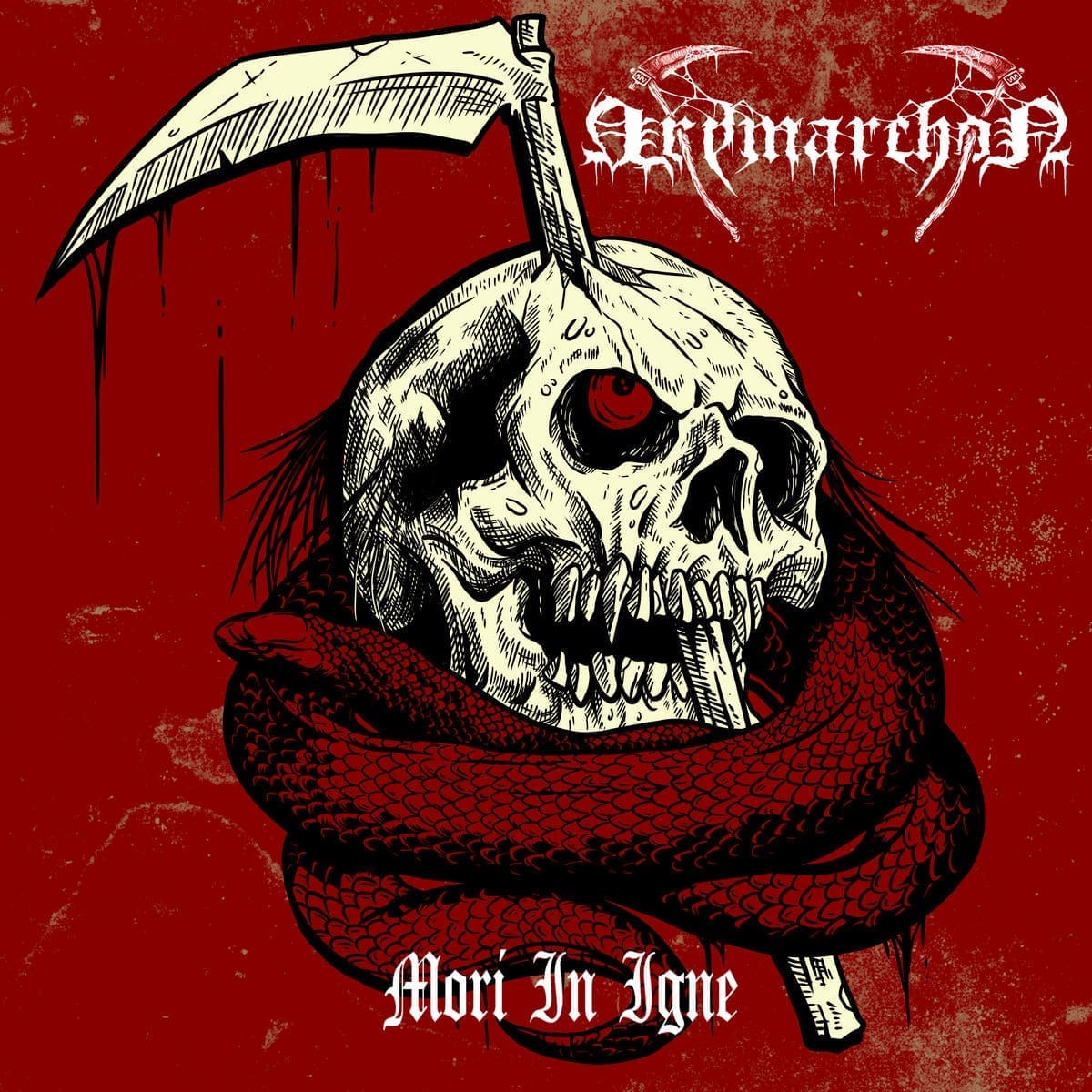
Drymarchon — Mori In Igne cover

The First Three Sins, The Summary

The First Sin, The Strings/Keys: Characterized by heavy, distorted riffs and intricate solos, adding depth and intensity to the tracks, creating a captivating listening experience. The Second Sin, The Vocals: Delivers powerful and guttural vocals (at times sick vocal work) that are ability to convey emotion and intensity through his vocals. The Third Sin, The Percussions: The drum work is powerful and relentless, driving the intensity of the songs, enhances the band’s raw and chaotic sound, making their music even more impactful.

⸸ ⸸ ⸸ ⸸ ⸸ ⸸ ⸸

The Fourth Sin, Overall Discussion

Upon the listener’s engagement with the play button, the introductory track Eternal Blazing Scythe immediately confronts them with an intense barrage of  instrumental and vocal ferocity.

As the listener embarks on their exploration of the second track, F.Y.T.A.D.W.T., along with the subsequent five pieces. Each of the songs is enveloped in a consistent theme that delves into dark and intense subjects, leaving no stone unturned.

In the world of Drymarchon, there emerges a singular artistic force, a one-man, who has traversed various bands, including one named Burial Oath. Discovering that Sean Death was the former vocalist for Burial Oath, a band we previously featured with their new frontman, was a thrilling revelation. Hearing Sean Death‘s vocals, for the first time, was a brutal yet evil experience. His voice, combined with his devilmanship, music and instrumental composition, are a forbidden fruit of fruit, and not to be missed.

Drymarchon is an unrelenting twenty-minute onslaught, delivered through seven tracks, that will rip the very essence from your being. Drymarchon offers a fruit of art instrumental composition to the listener. Which includes fierce and aggressive guitar riffs, complemented by intricate fretboard and chord work, accompanied by killer shredding-solos provided by guest guitarist Cyril Blandino, that adds extra complexity to the composition.

As the music surges forward, propelled by thunderous, bone-crushing drumming that sets a relentless pace. Sean Deth’s vocals, reminiscent of Cronos from the legendary thrash metal outfit Venom, slice through the soundscape with a ferocity that injects raw, visceral energy into every note. 

As listeners dive into the fifth track, Die In Fire, the vocals become even more savage and piercing, creating an ear-splitting experience. Whether Sean‘s unleashing guttural growls or soaring highs, “Sean’s” vocal prowess enriches the band’s overall sound with layers of depth. The intensity escalates further in the closing track, End Times, featuring the female guest vocals of Elyse Hirsch from the death/thrash band Avowal, which infuses the piece with added complexity and aggression.

Drymarchon, seamlessly intertwines the ferocity of death metal with the intricate flair of technical thrash (epically in the guitar work, at times there is catchy flare in the riff work), the sinister ambiance of black metal, and the raw energy of punk rock. At the same time, my ears, and nervous system is doing overtime, with Drymarchon, giving more vibe of extreme-death metal with an old-school atmosphere, than death metal, but if you can make death metal darker and extreme — what more could ask for?

Ultimately, Drymarchon’s debut album, Mori in Igne, stands as a testament to artistic prowess and is an absolute must for headbangers. At the same time, Drymarchon delivers a distinctive and potent sound, meticulously crafted in a production that highlights every dark tone and pulsating riffs and beats, ensuring that the essence of their music resonates deeply.

It demands to be played at full volume, with no tracks skipped—just pure, unrelenting heaviness that shakes the very foundations. If you’re a fan of raw, gritty, old-school extreme metal, then Drymarchon and his debut Mori in Inge are definitely worth your attention!

⸸ ⸸ ⸸ ⸸ ⸸ ⸸ ⸸

The Fifth Sin, The Memorabilia

Drymarchon and his debut album Mori in Igne may not (as mentioned) fit neatly into the death metal category, but they certainly offer a unique experience reminiscent of bands like Venom and Hellhammer, depending on your perspective. Ultimately, Drymarchon and his debut album Mori in Inge have left my ears ringing, my bones aching, and my soul feeling as if it’s been torn apart. 

Every element of this debut, from Sean Deth‘s haunting vocals to his devilmanship and both his lyrical and musical composition, that for me represents a tantalizing slice of forbidden fruit of art. And I can’t forget the guest members Elyse Hirsch and Cyril Blandino, that brought more depth to the music.

I thoroughly enjoy how the final three tracks ramp up in intensity, becoming darker, more intense, and downright sicker… and what more could you ask for, to finish off an album? 

The Sixth Sin, The Artwork

The artwork (by Nanu Nanu Art) is intense and evocative as the music itself. It features dark, fiery imagery that perfectly captures the album’s themes of destruction and chaos.

The Seventh Sin, Disrelish

Nothing to disrelish within the musical spectrum of Drymarchon, and his album Mori In Igne.

⸸ ⸸ ⸸ ⸸ ⸸ ⸸ ⸸

The Hymns

01. Eternal Blazing Scythe
02. F.Y.T.A.D.W.T
03. Coffinshaker
04. Total Violence (Soulless Indoctrination)
05. Die in a Fire
06. House of Altered Madness (717)
07. End Times (717)

Drymarchon

Sean Deth — All Instruments, Vocals
Cyril Blandino – Guitar solo’s on the first four songs
Elyse Hirsch – Guess Vocals

Reviewed by Kristian — editorial architect and ceremonially crafted. © Athenaeum of Sin Reviews.

Vehemence Abyss — Shadows Of Sin Review

Vehemence Abyss is a raw and old-school black metal solo artist from Portugal. On 26 October 2024, Vehemence Abyss released their debut full-length album Shadows Of Sin, through Supergoat Wreck-Whordes / Studios13.

Vehemence Abyss, Shadows Of Sin Review: This review will evaluate every aspect of the album, from its intricate musical composition to its production.

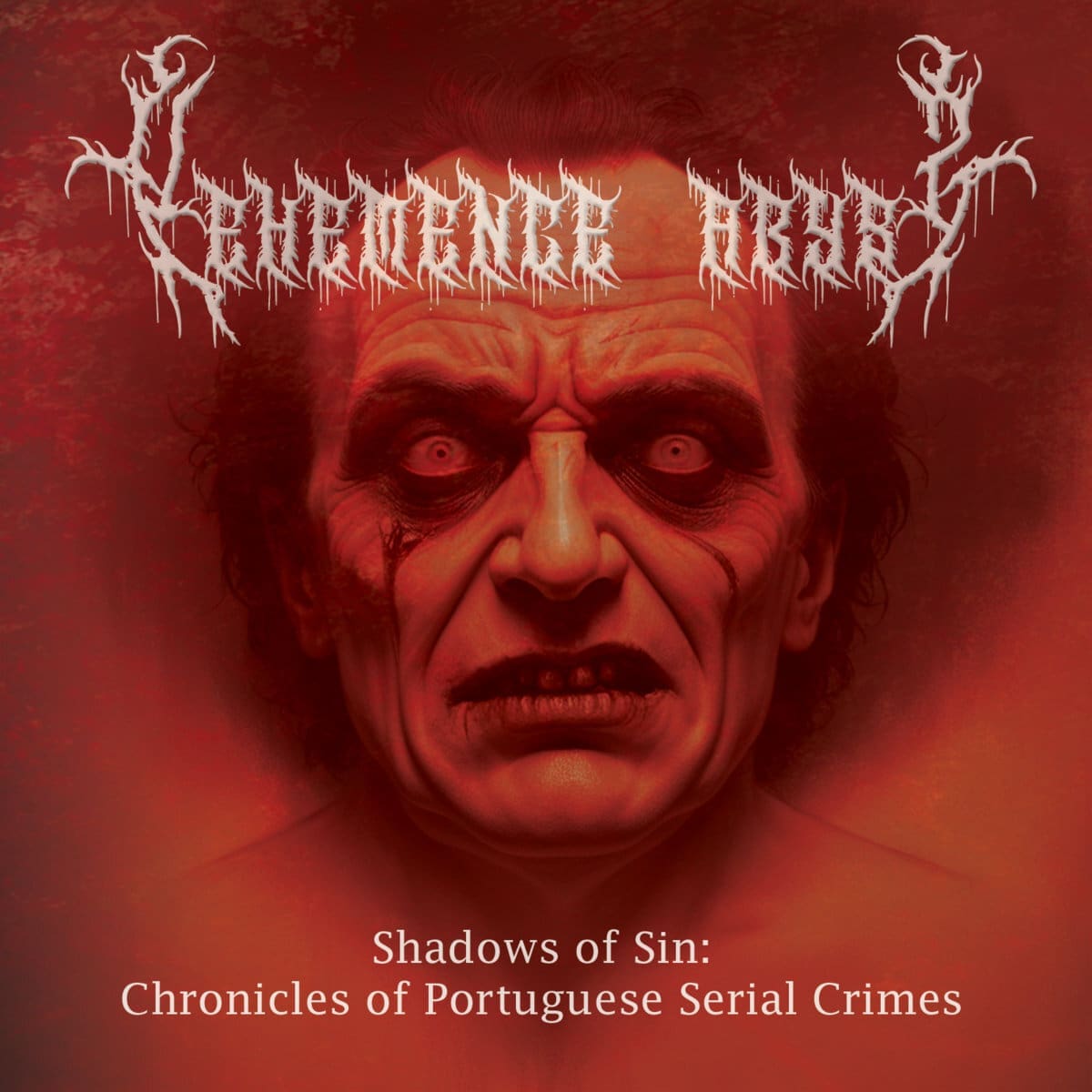
Vehemence Abyss — Shadows Of Sin cover

The First Three Sins, The Summary

The First Sin, The Strings/Keys: Crafts a soundscape that resonates with raw, eerie melodies, plucked from the depths of his guitar and bass. Each riff is a blade, while each note echoing like a ghostly whisper from the void. The Second Sin, The Vocals: Unleashes a spine-chilling wails that slice through the fabric of the music. The Third Sin, The Percussions: Thunderous beats of the drums reverberate through the emptiness, showcasing his remarkable speed and unwavering commitment, propelling the music forward with relentless energy.

⸸ ⸸ ⸸ ⸸ ⸸ ⸸ ⸸

The Fourth Sin, Overall Discussion

Before we get to the article, we are pleased to present additional reviews of Melkor. Following our initial set of six reviews, we have returned with another six. We already commenced with the first review titled The Rise Of Ophiuchus – As Galaxies Merge Review. Now get ready for this “chilling symphony” called Vehemence Abyss Abyss, a raw and extremely fast, this black metal symphony is a chilling tribute to the darkest corners of human nature.

The moment the listener hits the play button, they are immediately enveloped by the powerful sounds of The Vanishing Mystery, a track that combines fierce instrumentals with vocal intensity, gripping the audience from the very start. As the musical journey unfolds with the second track, Hidden Monster, and the subsequent five pieces, it transports the listener on an unparalleled adventure. This music and its lyrics are not meant for the timid; they promise a thrilling ride that is anything but easy.

The lyrics focus around Catherine Theodore’s lyrics, drawn from the blood-soaked pages of true stories, add a haunting narrative, each word a step deeper into the cold, unforgiving night. Together, they create an artwork that is as visually striking as it is sonically brutal, a true homage to the darkest corners of human history.

Within the depths of Studio13, where the air is thick with the scent of creativity and darkness, where a fruit of art devilmanship-malevolence emerges, enveloping the listener in a rich auditory experience. Within the musical spectrum, and devilmanship, Melkor skilfully crafts a soundscape that resonates with raw, eerie melodies, plucked from the depths of his guitar and bass, each note echoing like a ghostly whisper from the void.

His voice unleashes spine-chilling wails that slice through the fabric of the music, while his meticulous production and mastering serve as a form of sorcery, transmuting chaos into a hauntingly beautiful symphony.

The thunderous beats of Jeroen’s drums reverberate through the emptiness, showcasing his remarkable speed and unwavering commitment, propelling this black metal forbidden fruit of art forward with relentless energy. Catherine Theodore’s lyrics, inspired by the grim realities of true events, weave a chilling narrative that draws the listener further into the icy embrace of the night. Together, they forge a creation that is as visually captivating as it is sonically ferocious, paying tribute to the darkest recesses of human experience and history.

Vehemence Abyss Abyss‘s album Shadows of Sin: Chronicles of Portuguese Serial Crimes presents a fierce auditory experience, encapsulated in just under thirty-five minutes across seven blistering tracks. This black metal opus serves as a haunting homage to the most sinister aspects of human existence. Each riff cuts through the air like a sharpened blade, while every drumbeat resonates like the pulse of dread, drawing inspiration from the infamous figures who once roamed these very streets. 

Shadows of Sin: Chronicles of Portuguese Serial Crimes emerges as an unyielding force, with music that howls like a tempest at night, echoing the secrets of the damned. This is more than mere music; it is a plunge into the abyss, a harrowing exploration of the grim narratives surrounding Portugal’s most notorious serial killers. So embrace the shadows, for within them lies the primordial spirit of black metal.

As album and the final track, Infanticide fades in abyss emptiness. 

⸸ ⸸ ⸸ ⸸ ⸸ ⸸ ⸸

The Fifth Sin, The Memorabilia

Having immersed myself in the music of Melkor and penned reviews for his earlier works like Temple of The Fallen and Carnificina, Etc., I’ve witnessed a remarkable evolution in his artistry and devilmanship. After experiencing Shadows of Sin and Rise of Ophiuchus, it’s clear that Melkor has progressively built upon his previous successes, growing stronger with each new release.

With my initial six reviews behind me and now diving into another set of six, I find myself eagerly anticipating what lies ahead. The production quality, the contributions from guest artists, the depth of the lyrics, his devilmanship, and the intricate instrumental arrangements all come together to create a refined fruit of art and pure underground metal, that should be unearthed…

The Sixth Sin, The Artwork

Their artwork is absolutely captivating; it’s darkness embodies the entire essence of music and Catherine Theodore’s lyrics.

The Seventh Sin, Disrelish

Nothing to disrelish within the musical spectrum of Vehemence Abyss, and their album Shadows Of Sin.

⸸ ⸸ ⸸ ⸸ ⸸ ⸸ ⸸

The Hymns

01. The Vanishing Mystery
02. Hidden Monster
03. The Elusive Ripper
04. The Aqueduct Killer
05. Sin Slayer
06. Beach Massacre
07. Infanticide

Vehemence Abyss

Melkor — Guitars, Bass, Vocals
Catherine Theodore – Lyrics
Jeroen – Drums

Reviewed by Kristian — editorial architect and ceremonially crafted. © Athenaeum of Sin Reviews.

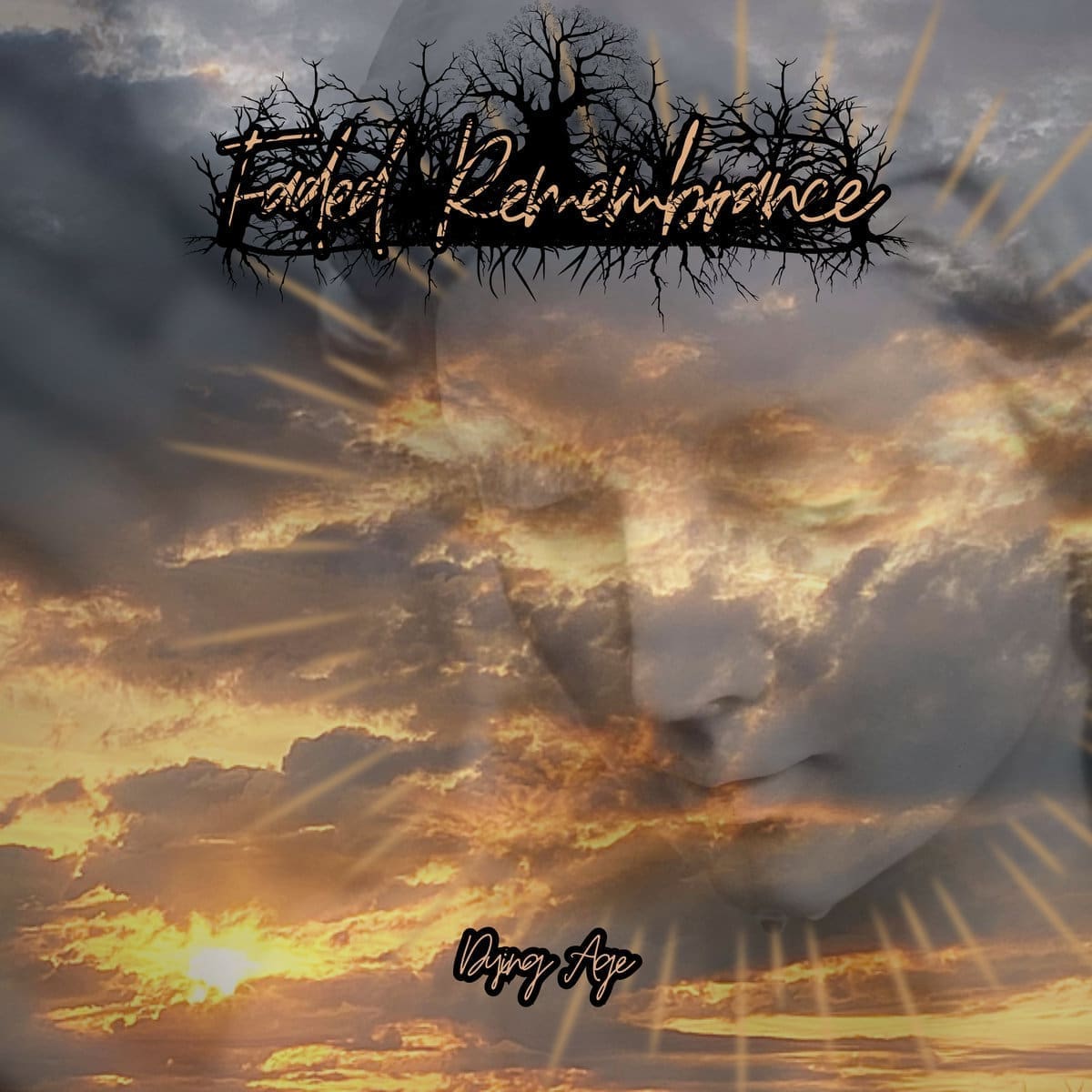
Faded Remembrance — Dying Age Review

Faded Remembrance is a Hungarian one-man atmospheric doom (death/Gothic) project founded in 2020. On 6 December 2024, Faded Remembrance released his third full-length album, Dying Age through French Label Bitume.

Faded Remembrance, Dying Age Review: This review will evaluate every aspect of the album, from its intricate musical composition to its production.

Faded Remembrance — Dying Age cover

The First Three Sins, The Summary

The First Sin, The Strings/Keys: The guitar work combines slow, heavy, and distorted riffs create an unease in the atmosphere of the music, while the interplay of melodic and clean segments adds a striking contrast. The Second Sin, The Vocals: Involves in deep, haunting quality that aligns perfectly with the album’s melancholic and atmospheric style. The Third Sin, The Percussions: The drum work propels the songs forward, balancing slow, heavy beats with more complex rhythms, creating a compelling drive.

⸸ ⸸ ⸸ ⸸ ⸸ ⸸ ⸸

The Fourth Sin, Overall Discussion

When the listener hits the play button, they are welcomed by the enchanting sounds of rain in the opening track, Vanquished Dreams. This instrumental introduction sets the stage beautifully for the next piece, Dying Age, along with the subsequent seven tracks that follow.

As the dark, haunting melodies emerge from the listener’s speakers. It becomes immediately apparent that Faded Remembrance is steeped in the rich traditions of 90s and early 2000s sombre weight of doom, the ferocity of death, and the chilling ambiance of gothic metal, with some elements of black metal. This fusion crafts a soundscape that is both melancholic and atmospheric, delving into themes that frequently examine the complexities of human nature, inner conflicts, faith, existence, emotions, and the natural world. 

At the same time, Faded Remembrance, draws the spiritual influences of bands like Anathema, early Paradise Lost, and My Dying Bride, the artist crafts a sound that is both nostalgic and uniquely personal. The music envelops the listener in a shroud of darkness, yet it also hints at glimmers of hope, creating a compelling contrast that keeps the experience engaging.

The entire album feels like a moment frozen in time, as if the sands of an hourglass have spilled, leaving behind a rich tapestry of sound and atmosphere. This artistic creation is a testament to the skilful production that enhances the overall tone and mood of the recording.

The intricate arrangement of instruments and the carefully crafted score contribute significantly to this auditory experience, delivering a blend of slow, heavy, and distorted riffs that evoke a sense of dread. The juxtaposition of melodic and clean passages creates a dynamic contrast, amplifying the melancholic and atmospheric essence of the music.

Synthesizers play an essential role in shaping the sound of Faded Remembrance, weaving dark, atmospheric layers that beautifully complement the guitar work. The keyboards enrich the music, adding depth and texture that envelop the listener in a haunting experience. The drumming propels the songs forward, balancing slow, heavy beats with more complex rhythms, creating a compelling drive that keeps the listener engaged. 

Tamás Albert‘s vocals resonate with a deep, haunting quality that aligns perfectly with the album’s melancholic and atmospheric style, often conveying a profound sense of despair and introspection that deepens the emotional impact of the music.

The inclusion of trumpet and trombone sections adds a unique dimension to the compositions, enhancing the overall experience without overshadowing the core elements of the music. For my partner and me, these brass instruments evoke a feeling of “hope within reach,” contrasting beautifully with the dark atmosphere that represents the inner demons we all grapple with.

This delicate balance between light and shadow enriches the listening experience, allowing the music to resonate on multiple levels, inviting listeners to explore their ‘own’ emotions and reflections within the haunting soundscape. This duality not only enriches the listening experience but also showcases the devilmanship and artist’s ability to balance despair and optimism, making Faded Remembrance a captivating journey through the realms of emotion and sound.

Dying Age is a hidden fruit of art that deserves exploration, especially for fans of bands like “Anathema,” early “Paradise Lost,” and “My Dying Bride.” At the same time, discovering Faded Remembrance and his album Dying Age without any previous background knowledge can lead to a rewarding journey through its haunting melodies and profound themes.

⸸ ⸸ ⸸ ⸸ ⸸ ⸸ ⸸

The Fifth Sin, The Memorabilia

Faded Remembrance and his album Dying Age are ideal for those times when you crave music that captivates your complete focus. This experience calls for the right atmosphere and mindset, encouraging listeners to relax and connect deeply with the melodies. The brass instrumentals complement the music beautifully, enhancing rather than overwhelming the overall sound.

If you’re a fan of the music and artistry of “Anathema,” early “Paradise Lost,” and “My Dying Bride,” then you’ll almost certainly want to check out Faded Remembrance and his album Dying Age

The Sixth Sin, The Artwork

The artwork is unusual and captivates the viewer, simultaneously embodying a classic Gothic Doom aesthetic.

The Seventh Sin, Disrelish

Nothing to disrelish within the musical spectrum of Faded Remembrance, and his album Dying Age.

⸸ ⸸ ⸸ ⸸ ⸸ ⸸ ⸸

The Hymns

01. Vanquished Dreams
02. Dying Age
03. We Are Here
04. Tragic Journey
05. Shroud of Mourn
06. The Colour of Innocence
07. Sublime in Agony
08. Hollowed Soul
09. A Silent Embrace

Faded Remembrance

Tamás Albert — All Instruments, Vocals

Reviewed by Kristian — editorial architect and ceremonially crafted. © Athenaeum of Sin Reviews.

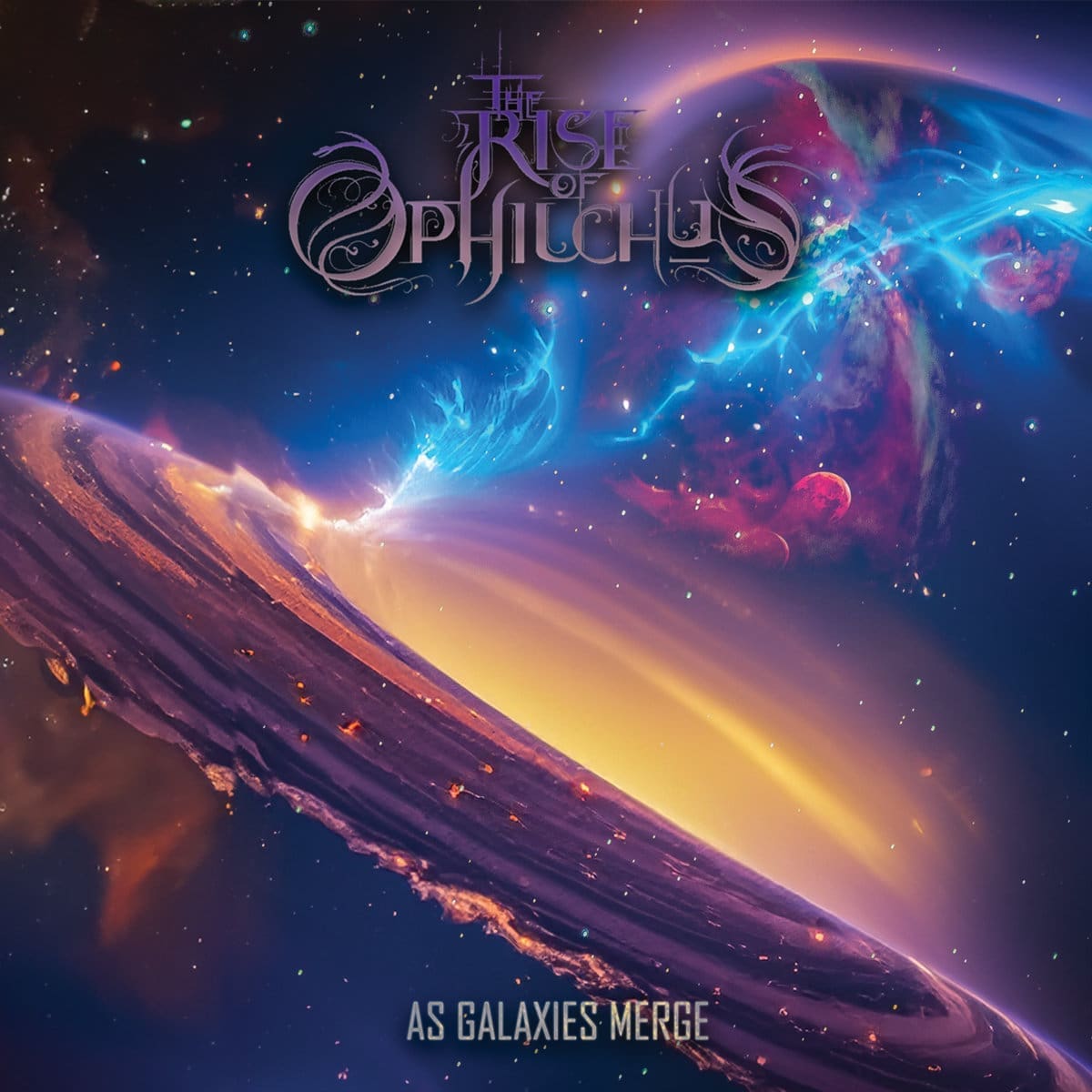
The Rise Of Ophiuchus — As Galaxies Merge Review

The Rise Of Ophiuchus is a symphonic death metal solo artist/band (“Melkor”) from Portugal. On 4 October 2024, The Rise Of Ophiuchus released their third full-length album, As Galaxies Merge through Supergoat Wreck-Whordes / Studios13.

The Rise Of Ophiuchus, As Galaxies Merge Review: This review will evaluate every aspect of the album, from its intricate musical composition to its production.

The Rise Of Ophiuchus — As Galaxies Merge cover

The First Three Sins, The Summary

The First Sin, The Strings/Keys: Features fierce and galloping guitar work with pulsing and driving rhythms and soaring solos, while the synths, add a rich layer of ambiance that creates a cosmic and otherworldly atmosphere. The Second Sin, The Vocals: Involves in harsh vocals, that are powerful and dynamic. The Third Sin, The Percussions: Delves into a vast world of thunderous and pounding drums and intricate fills and pattens.

⸸ ⸸ ⸸ ⸸ ⸸ ⸸ ⸸

The Fourth Sin, Overall Discussion

Before delving into the article, we are pleased to present additional reviews of Melkor. Following our initial set of six reviews, we have returned with another six. We commence with the first review titled The Rise Of Ophiuchus – As Galaxies Merge Review.

Before the review, it is important to note that As Galaxies Merge is divided into two parts, reminiscent of an epic theatrical performance. This composition captivates the listener with a sixty-minute display of intense artistry, encompassing fifteen tracks that seamlessly integrate symphonic elements with the fierce and powerful characteristics of death metal. The lyrical content invites listeners to engage with the theme of Ophiuchus, the enigmatic 13th sign, lies hidden between Scorpio’s sting and Sagittarius’ arrow, whispering of a cosmic secret in the tapestry of stars. Known as the Serpent Bearer, Ophiuchus is portrayed as a healer, a seeker of wisdom, cradling a snake in his grasp—a symbol of transformation, mystery, and rebirth.

Those born under its shadow are said to be fierce and curious, drawn to life’s mysteries like moths to a flame. Ophiuchus does not conform to the orderly rhythm of the traditional zodiac; instead, it dances on the edges, where change and chaos create new possibilities. A sign both feared and revered, Ophiuchus is the alchemist of the night sky, forever altering the cosmic map with its untamed energy.

The music commences with the initial segment of As Galaxies Merge, alongside the introductory composition, Dissonance of the Interdimensional, provided by guest artist Christian P. Weller. This piece welcomes the listener with an epic, dynamic atmospheric instrumental introduction that establishes the mood for the forthcoming experience, and the remaining seven pieces, and the first half of the album.

The unfolding soundscape and the six remaining pieces, that envelops the listener in a dynamic interplay of instrumentation and lyrical depth, showcasing a fruit of art combination of symphonic grandeur and the raw energy and aggression of death metal. While the composition frequently delivers an in-your-face experience. The music is overwhelmingly bold, often striking the listener with its intensity, yet it also offers moments of ethereal beauty of the atmosphere keys and soaring guitar solos by Pedro D-Void. This allows for breathtaking solos and keys to elevate the overall atmosphere.

Even the third track, Malevolent Dominion of the Lion, exemplifies the proficiency of the music, as the songs exhibit a diverse range of stylistic variations, tones, and compositions. Malevolent Dominion of the Lion begins with the clarity of clean vocals from Cesar Silva, setting a pleasing tone that seamlessly transitions into a powerful blend of melodic ambiance and the death metal’s fierce, and aggressive essence. This creates a striking contrast, leading into a perfect synthesis of melodic richness and the relentless intensity.

This is the essence of artistry and devilmanship, the crowning touch that elevates the experience, particularly evident in the Melkor projects. Each endeavour showcases a forbidden fruit of art arrangements, skilfully bringing together the right individuals whose unique talents and creative flair enhance specific sections of the songs. In many of these projects, we witness the multifaceted capabilities of Melkor as he navigates vocals, guitar, and drums. The heavy, aggressive riffs and booming percussion are complemented by fierce vocals and symphonic elements, introduced at just the right moment to enrich the musical tapestry.

The compositions crafted within these projects are intricate and vibrant, often weaving together a rich array of instrumentation and shifting tempos, and this can be found within the musical spectrum of As Galaxies Merge. This intricate layering amplifies the overall intensity and deepens the emotional resonance of the music. Each piece becomes a journey, inviting listeners to explore the depths of sound and feeling, where every note and rhythm contributes to a powerful and immersive experience. Transitioning into the album’s second segment, we encounter the track Constellation’s Direful Manifest, (again) provided by Christian P. Weller. This piece envelops the listener in a grand, atmospheric instrumental introduction that sets the stage for an exhilarating experience. The soundscape is rich and immersive, inviting the audience to delve deeper into the musical odyssey that lies ahead.

As the second part of the journey unfolds, listeners are treated to yet another wave of symphonic intricacies, seamlessly intertwined with the fierce and powerful essence of death metal. The intensity escalates, creating a dynamic interplay between melodic elements and aggressive rhythms, ensuring that each moment is charged with energy and emotion. This track not only captivates, but also challenges the listener to embrace the full spectrum of sound that defines this fruit of art album.

The Rise Of Ophiuchus and their album As Galaxies Merge deliver an exhilarating experience that resonates with fans of every Melkor release. You can’t help but admire the meticulous effort poured into each project, including The Rise Of Ophiuchus. From the intricate details and guest collaborations to the stunning guitar work that captivates the senses. The blend of instrumental and vocal performances showcases a remarkable devilmanship in music composition, while the production quality stands out with its clarity and balanced mix, allowing every element to shine through. As previously noted, each release brings something unique to the table, ensuring that listeners are always in for a fresh experience.

The Rise Of Ophiuchus and their album As Galaxies Merge is a brutal and heavy, headbanger release, filled with aggression and power but with a touch of beauty from the symphonic work and solos.

The album might be long, but it’s a sixty-minute that should be listened to…

The album concludes with the final track, Serpent Conquerors of the Abyss. This piece begins with symphonic keyboard melodies and powerful riffs, gradually escalating the intensity of the song. It transitions into a dynamic and aggressive composition, featuring soaring guitar solos, diverse rhythms, intricate fills, and backing vocals that enhance the overall sound. This track serves as an ideal conclusion to the album.

⸸ ⸸ ⸸ ⸸ ⸸ ⸸ ⸸

The Fifth Sin, The Memorabilia

The Rise of Ophiuchus stands out as one of the most intense offerings from Melkor to date. Every element, from the pounding drums and synth layers to the powerful vocals, showcases a solid artistic and devilmanship vision. However, it was the guitar work that truly electrified the experience—those fierce riffs and driving rhythms, along with Pedro D-Voide‘s fruit of art solos, hit like a bolt of lightning.

Each track brings something unique to the table, particularly the fourth track, Malevolent Dominion of the Lion. I was captivated by its intricate composition, the fruit of art instrumentation, and the dynamic interplay of vocals, especially from Cesar Silva and Melkor. And let’s not forget the finale, Serpent Conquerors of the Abyss—what a fruit of art piece.

Not only that, the album stands out not just for its compositions, instruments, or devilmanship, but for its imaginative lyrics and visually appealing song titles. The creative effort poured into the music is evident, especially as the lyrics delve into the darker aspects of the zodiac signs. It’s essential to take the time to read the lyrics; they add a whole new layer to the experience, while bringing the music and concept alive.

The Sixth Sin, The Artwork

The Rise Of Ophiuchus and their artwork is absolutely captivating; it beautifully embodies the entire essence of music, intertwining it with the cosmos and the zodiac signs

The Seventh Sin, Disrelish

Nothing to disrelish within the musical spectrum of The Rise Of Ophiuchus, and their album As Galaxies Merge.

⸸ ⸸ ⸸ ⸸ ⸸ ⸸ ⸸

The Hymns

01. Dissonance of the Interdimensional Eater (intro)
02. Astrak Siege of the Crab
03. The Nebula Sovereign’s Dark Quest
04. Malevolent Dominion of the Lion
05. Cosmic Warden of the Bull
06. The Galactic Goat’s Infernal Roar
07. Celestial Harbingers of Doom
08. The Water-Bearer’s Cunning Flow
09. Constellation’s Direful Manifest
10. Dark Duality on the Cosmic Edge
11. The Maiden’s Sinister Conquest
12. Neptune’s Vengeful Call
13. The Archer’s Wicked Descent
14. Stellar Balance – The Scale’s Ominous Vow
15. Serpent Conquerors of the Abyss

The Rise Of Ophiuchus

Melkor — Guitars, Drums, Vocals
Pedro D-Void – Solos on all the hymns
vocals on ‘Malevolent Dominion of the Lion’ by Cesar Silva

Reviewed by Kristian — editorial architect and ceremonially crafted. © Athenaeum of Sin Reviews.

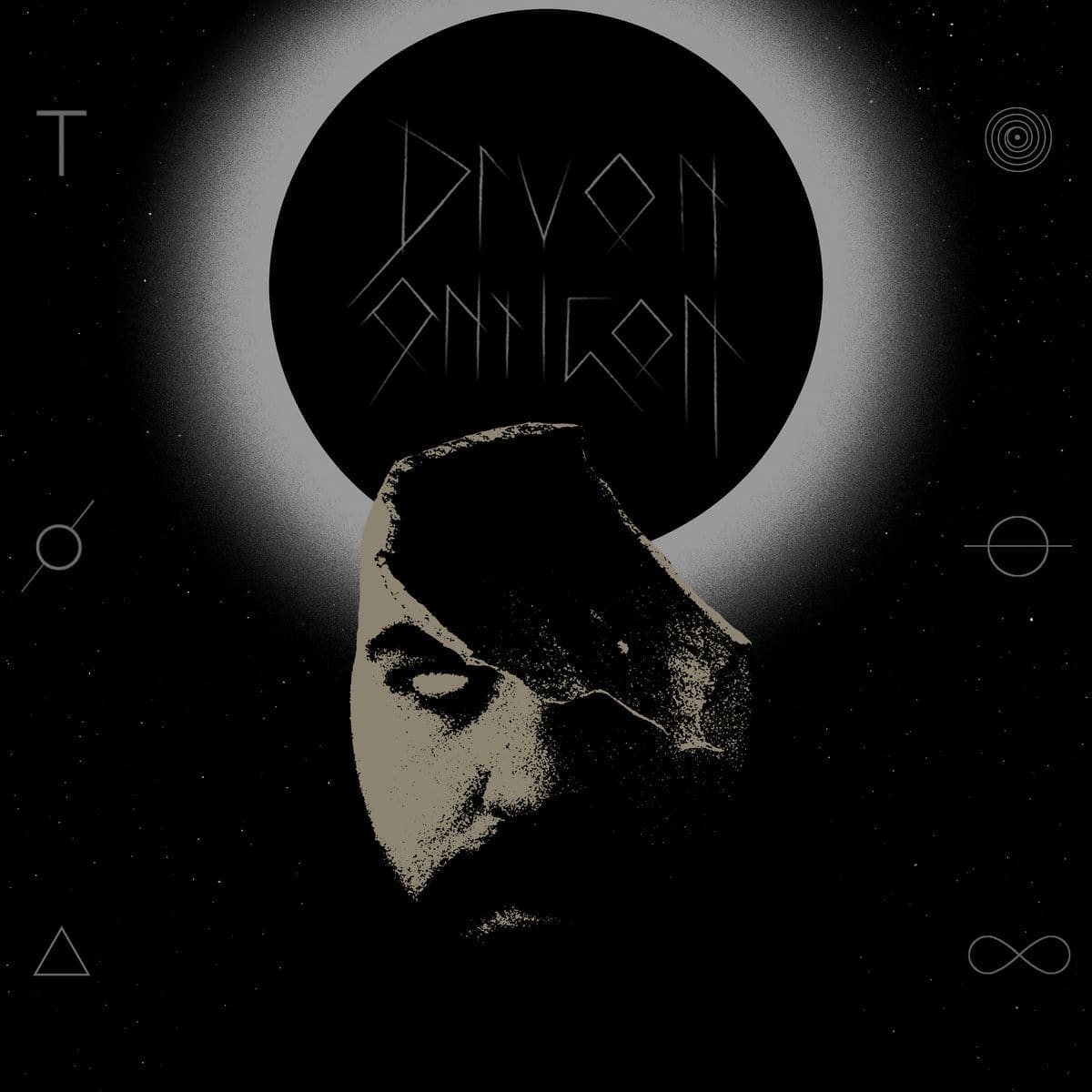
Druon Antigon — Het Donkere Volmaakte Review

Drun Antigon is a one-man existential cosmic black metal project (led by Lennart Janssen) from Belgium. On 15 November 2024, Drun Antigon released his latest release, Het Donkere Volmaakte Al, via Consouling Sounds and promoted through The Metallist PR.

Drun Antigon, Het Donkere Volmaakte Al Review: This review will evaluate every aspect of the album, from its intricate musical composition to its production.

Drun Antigon — Het Donkere Volmaakte Al cover

The First Three Sins, The Summary

The First Sin, The Strings/Keys: The guitar parts often create a dense, immersive soundscape that complements the cosmic themes of the music. Mixing glitching electronica and ambient soundscapes/elements that add layers of texture and atmosphere, enhancing the cosmic and otherworldly feel of the music. The Second Sin, The Vocals: Involves harsh and aggressive vocals, delivering powerful and intense performances that convey the existential and cosmic themes of the lyrics. The Third Sin, The Percussions: The drum work is relentless and precise, often featuring blast beats and complex rhythms. The drums drive the intensity of the music, providing a powerful backbone to the intricate compositions.

⸸ ⸸ ⸸ ⸸ ⸸ ⸸ ⸸

The Fourth Sin, Overall Discussion

Druon Antigon known for pushing the boundaries of black metal with doom metal and layers of harsh noise and glitching electronica and ambient elements into his music. Making it feel as though the listener is peering into the abyss, where every echo resonates with the weight of solitude.

The moment the listener hits the play button, they are enveloped by the hauntingly intense six-minute opener, De Doler, which welcomes the listener with a raw, dark instrumental and vocal introduction that sets a fierce tone.

Continuing with the second track, Midas, along with the subsequent four pieces, guides the listener through a profound lyrical exploration, delving into existential themes and reflecting on the fleeting nature of humanity in the grand expanse of the universe. 

Het Donkere Volmaakte Al (translating to both ‘The Dark Perfect Universe’ and ‘The Dark Perfected All’) aims to reflect that which lies beyond our bubble of breathable air. Vast, majestic and beautiful. Uncaring, dark and inhospitable. A perfect and unchangeable system in which humanity is but an accidental stowaway. A clockwork of which the workings and origins are still largely a matter of speculation.

Druon Antigon and his album Het Donkere Volmaakte Al redefine the realms of dark and extreme metal. This captivating forty-minute journey unfolds over six expansive tracks, offering listeners a rich tapestry of sound that transcends traditional black metal. It weaves together the chilling essence of black metal, the weighty intensity of doom metal, and innovative electronic and ambient elements, crafting a soundscape that is as enchanting as it is thought-provoking.

This musical expedition is far from a leisurely stroll, nor is it the typical black metal that many might expect. However, admirers of the cosmic black metal group Darkspace will undoubtedly appreciate the dynamic, experimental, and ever-evolving sound of Druon Antigon.

Druon Antigon presents a devilmanship and instrumental composition that intertwines traditional black metal instrumentation, such as guitars and drums, with innovative electronic elements and ambient textures. This fusion results in a fruit of art auditory journey that envelops the listener.

For example, the track Zinloos, where a jarring interlude of harsh noise and glitchy electronic sounds disrupts the flow, creating a stark contrast. Meanwhile, tracks like Herrijzenis and Weavess seamlessly merge doom metal with electronic influences and black metal, while the raspy, throttled vocals slice through the soundscape, evoking the chilling vastness of the cosmos.

The overall atmosphere of the music is chilling, instilling a sense of isolation and alienation, as if one is adrift in the void of time and space. The production is both meticulous and raw, capturing the essence of each note and the haunting ambiance that permeates the tracks. Every sound, from the sharpest riff to the deepest vocals, is preserved in a way that maintains the music’s dark and cold essence, reminiscent of the most desolate corners of the universe.

This careful and fruit of art-balance between icy-rawness cold black metal, and electronic/ambient elements, enhances the listening experience, making it feel as though the listener is peering into the abyss, where every echo resonates with the weight of solitude.

Druon Antigon offers a fully avant-garde experience, that will not be everyone’s cup of weird tea. However, for those with the most open of minds, and allow yourself to embrace the unfamiliar and immerse your senses. You will find that the innovative sounds of Druon Antigon can profoundly resonate with your mind and spirit, delivering an extraordinary journey beyond conventional boundaries.

At the same time, Druon Antigon‘s music will envelop you in a chilling ambiance that is both haunting and captivating, guaranteed to send shivers down your spine and leave an indelible mark on your heart. If you’re into bands like Arcturus, Igorrr, Darkspace, and Aphex Twin, then Druon Antigon‘s unique blend of cosmic black metal and electronic elements might be right up your alley.

The album culminates with the haunting six-minute track, Geen Begin Noch Einde, Enkel Verandering, which envelops the listener in a deeply unsettling ambiance, serving as a fitting conclusion to the entire experience. 

⸸ ⸸ ⸸ ⸸ ⸸ ⸸ ⸸

The Fifth Sin, The Memorabilia

Immersing myself in Druon Antigon, from the very first note of Druon Antigon, I was captivated by its chilling, unrefined, and experimental vibe. The entire experience, from the opening track to the final one, enveloped me in an atmosphere that was both compelling and refreshing, leaving me eager to explore more.

The electronic elements, black metal and atmospheric sounds throughout the album evoke a sense of isolation, creating a hauntingly eerie feeling that lingers long after the music stops. It’s a unique blend (again a composition and musical structure, that is well-balanced) that draws you in while simultaneously making you feel distant and alienated.

The Sixth Sin, The Artwork

The artwork for the album, created by Lennart Janssen, complements this theme by depicting a dark and cosmic landscape that evokes a sense of mystery and existential reflection.

The Seventh Sin, Disrelish

Nothing to disrelish within the musical spectrum of Drun Antigon, and his album Het Donkere Volmaakte Al.

⸸ ⸸ ⸸ ⸸ ⸸ ⸸ ⸸

The Hymns

01. De Doler
02. Midas
03. Offer
04. All Paths Lead Inwards
05. Collapsing Black
06. Geen Begin Noch Einde, Enkel Verandering

Drun Antigon

Lennart Janssen — Everything

Reviewed by Kristian — editorial architect and ceremonially crafted. © Athenaeum of Sin Reviews.

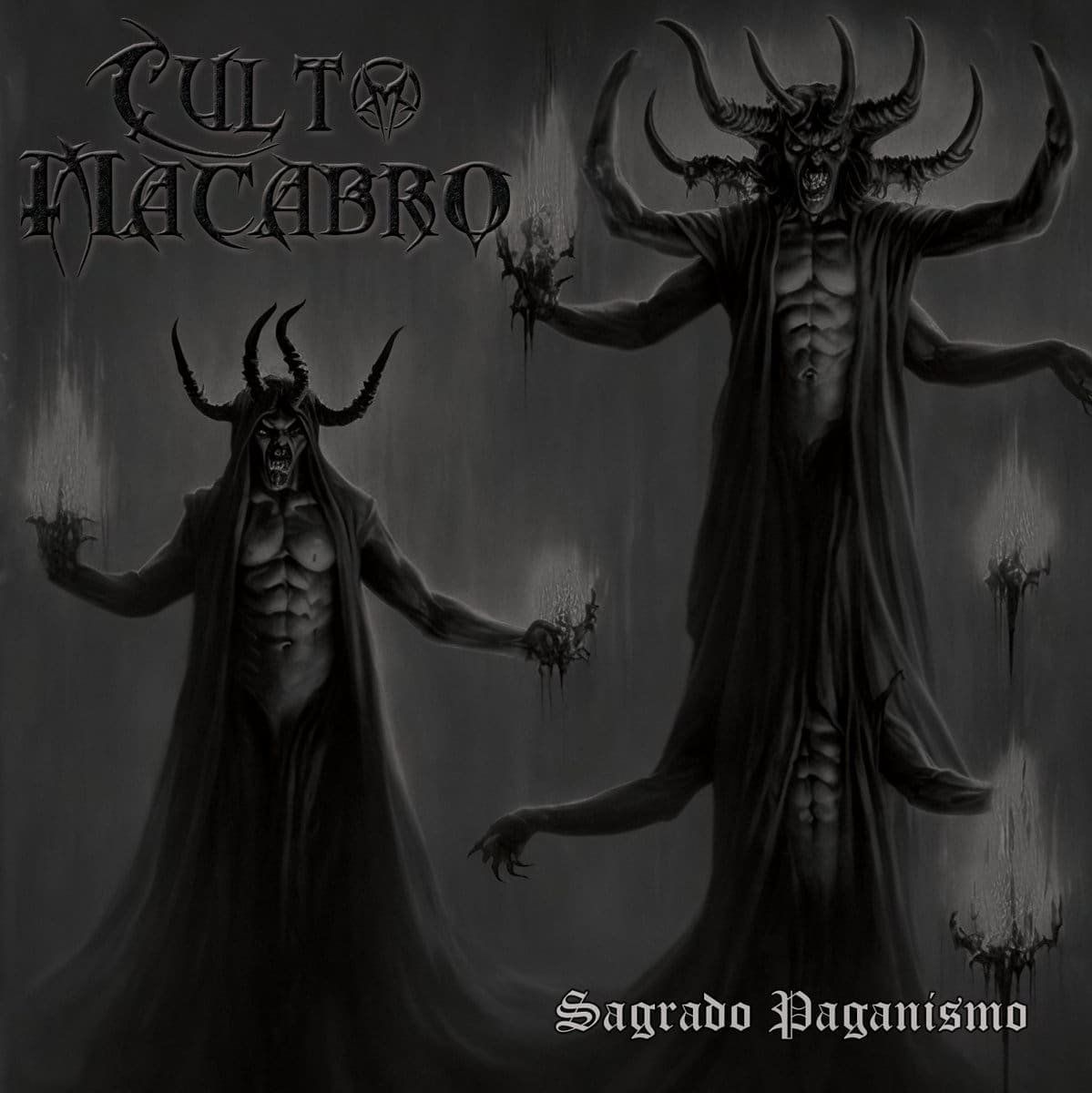
Culto Macabro — Sagrado Paganismo Review

Culto Macabro is a dark black metal solo artist (“Melkor”) from Portugal. Once again present on putrid soil with a new album entitled Sagrado Paganismo released on 18 May 2023 and through Supergoat Wreck-Whordes / Studios13.

Culto Macabro, Sagrado Paganismo Review: This review will evaluate every aspect of the album, from its intricate musical composition to its production.

Culto Macabro — Sagrado Paganismo cover

The First Three Sins, The Summary

The First Sin, The Strings/Keys: Features heavy, rapid, menacing, aggressive riffs and intricate tremolo pickings with dark melodic, and atmospheric passages. The Second Sin, The Vocals: Piercing through the mix are ferocious, snarling, and guttural blackened vocals. The Third Sin, The Percussions: Delves into a vast world of infernal percussion drums, that create a dark and mystical atmosphere.

⸸ ⸸ ⸸ ⸸ ⸸ ⸸ ⸸

The Fourth Sin, Overall Discussion

Before heading into the article, this is the sixth review of six (Melkor‘s reviews). Like Temple of the Fallen, Wasteland Requiem, Carnificina, Deadly Mourning Shadows and All Hope Is Broken. Culto Macabro is another project from sole and foundered artist Melkor. Unlike Temple of the Fallen, Wasteland Requiem, Carnificina, etc. The listener will found Culto Macabro, changes everything – going for more of a black metal route.

As soon as the listener presses that play button, the opening piece, Espectro, welcomes the listener to a dark and unsettling atmosphere, before unleashing this aggressive instrumental and vocal, upon the listener.

As the listener continues their journey with the second piece, Guerreiors de Morte and the remaining five pieces, and a lyrical theme that explores the realm of occultism, hate and nihilism, which are reflected in their powerful and evocative music. At the same time, the listener’s journey will discover, that Culto Macabro, will find that this work embodies the very spirit of traditional black metal. Delivering a sound that is not only dark and intense but also gritty and atmospheric, evoking feelings that are both unsettling and sinister, gripping the listener and refusing to release its hold!

Sagrado Paganismo unfolds as a thirty-minute journey through a dark and haunting soundscape, comprised of seven fruits of art songs. Each song is a testament to the artistry behind its creation, showcasing a formidable blend of heavy guitar work characterized by rapid, menacing, aggressive riffs and intricate tremolo pickings, with a slight groove to the rhythm. The bass riffs provide a robust backbone, while the infernal percussion drums create a dark and mystical atmosphere, all underscored by ferocious. 

Melkor‘s vocal style encompasses a blend of guttural snarling blackened vocals that pierce through the mix vocals and screams, as well as melodic and clean passages that impart depth and variety to the album. At times, the listener will encounter haunting vocal delivery that perfectly complements the dark and atmospheric music.

The inclusion of synths, woven into the fabric of this blackened tapestry, enhances the overall atmosphere, infusing it with an additional layer of malevolence. This sonic combination creates an immersive experience that envelops the listener in a chilling embrace, where every note resonates with an unsettling intensity. The music is not merely heard; it is felt deep within, sending shivers down the spine and igniting a primal response.

In essence, Sagrado Paganismo is a relentless exploration of sound that is both aggressive, heavy, loud, atmospheric and raw, leaving an indelible mark on those who dare to listen. It is a visceral experience that challenges the senses, evoking a sense of unease and fascination simultaneously. This is not just music; it is a dark ritual that stirs the very core of one’s being, revealing the cold, sinister beauty that lies within its depths.

When Melkor unveils his creations; each project he undertakes has time and time again exceeded my expectations. Melkor presents each of his projects with a rich tapestry of fruit of art devilmanship and composition — lyrical, instrumental and musical. His fruit of art artistry, devilmanship and production, has never failed to impress, consistently presenting work and production that is both robust and executed with the utmost professionalism.

⸸ ⸸ ⸸ ⸸ ⸸ ⸸ ⸸

The Fifth Sin, The Memorabilia

This is merely a chapter in an ongoing journey, not the conclusion… After immersing myself in the music and penning articles about it, I can confidently say that every project Melkor has undertaken has been a memorable experience. What sets Melkor apart, and like so many solo artists I have encountered, is the ability to craft something unique each time, whether it’s the atmosphere, composition, vocals, and so on; nothing feels repetitive or tedious. 

The Sixth Sin, The Artwork

The artwork intricate and detailed imagery that reflects the band’s exploration of paganism and dark spirituality. The artwork is designed to evoke a sense of mystery and ancient rituals, drawing the listener into the world that Culto Macabro has created through their music.

The Seventh Sin, Disrelish

Nothing to disrelish within the musical spectrum of Culto Macabro, and his album Sagrado Paganismo.

⸸ ⸸ ⸸ ⸸ ⸸ ⸸ ⸸

The Hymns

01. Spectrum
02. Guerreiros da Morte
03. Devassa
04. Sagrado Paganismo
05. Ajo Maldito
06. Senhor do Mal
07. The Fallen Angel

Culto Macabro

Lyrics written by Neusa Pires and music written, performed and
vocalized by Melkor, except for the theme “The Fallen Angel” (Cover of Corporum Strues, written and vocalized by Hypnoticvs)

Reviewed by Kristian — editorial architect and ceremonially crafted. © Athenaeum of Sin Reviews.
Secret Link