Grylle — Egrotants, Spiffreteux, Cacochymes Review

Grylle is a French one-man epic folk/medieval black metal band project. On 10 November 2024, Grylle released his second full-length album Égrotants, souffreteux, cacochymes, covidards, through Antiq Records.

Grylle, Égrotants, souffreteux, cacochymes, covidards Review: This review will evaluate every aspect of the album, from its intricate musical composition to its production.
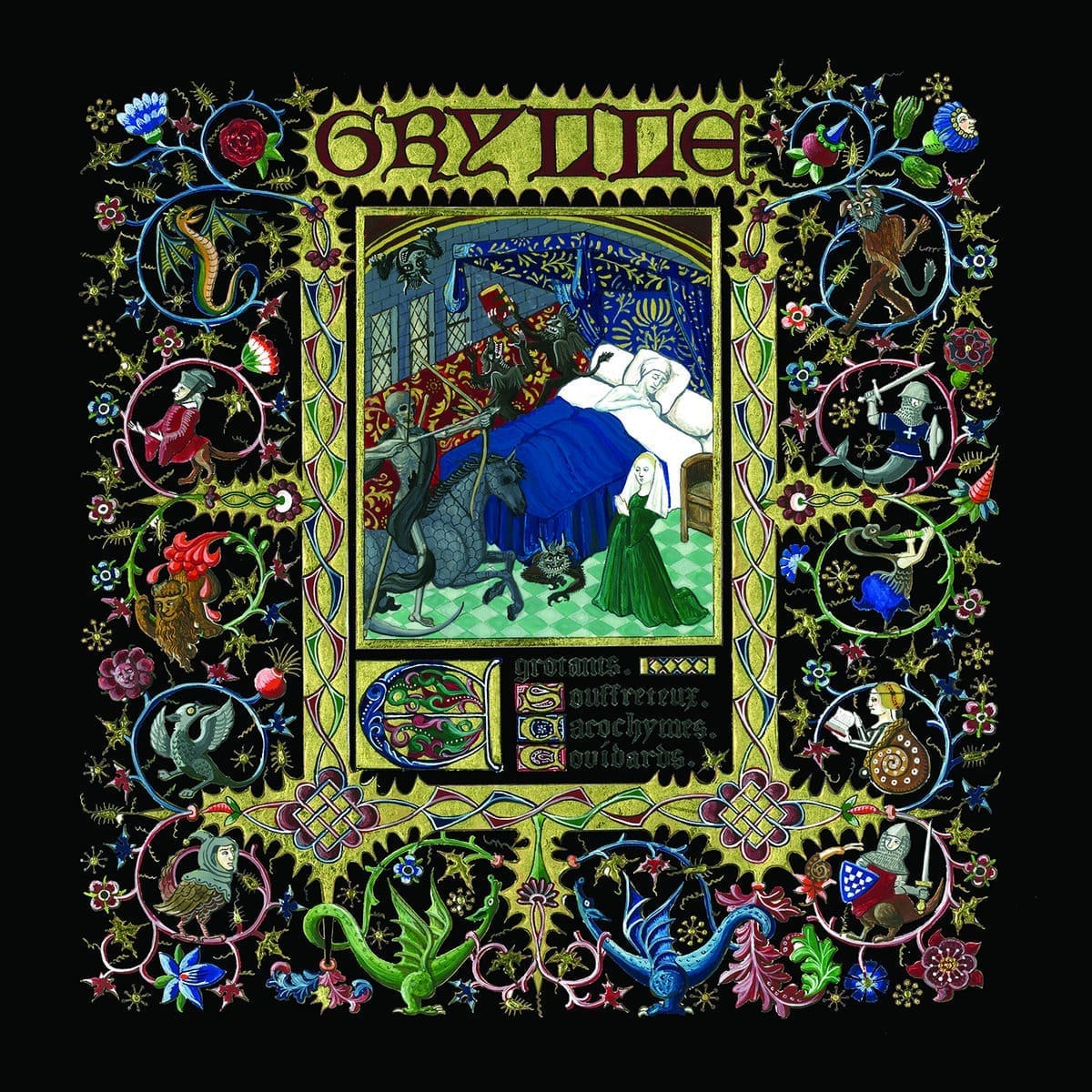
Grylle — Égrotants, souffreteux, cacochymes, covidards cover

The First Three Sins, The Summary

The First Sin, The Strings/Keys: Involves in stripping all electric guitars, and replace with medieval instruments like the hurdy-gurdy, bagpipes, and mandocello. The Second Sin, The Vocals: Involves harsh rasps, chants, clean singing enhanced by rare-but-angelic choirs. The Third Sin, The Percussions: The soundscape is crafted using medieval percussion and drum instruments to enhance their music’s historical and atmospheric feel.

⸸ ⸸ ⸸ ⸸ ⸸ ⸸ ⸸

The Fourth Sin, Overall Discussion

The moment the listener hits the play button, they are greeted by the enchanting strains of Grande Marche de Coidards, which serves as a warm invitation into an audio experience filled with spoken word introductions. This captivating piece swiftly immerses the listener in a rich medieval ambiance, perfectly establishing the mood for the adventure that lies ahead.

As the journey unfolds with the second track, Maivais Sang, and the subsequent five pieces, the listener is swept away by lyrical explorations of medieval themes and historical narratives.

As one immerses themselves deeper into the soundscape of Grylle, a captivating experience unfolds, revealing a blend that is both distinctive and thrilling. This project offers a genuine taste of medieval music infused with the raw energy of black metal. The listener is invited to explore a realm where traditional melodies intertwine with the fierce intensity of black metal, creating a refreshing auditory journey.

What sets Grylle apart from your typical black metal, is stripping away any modern instrumentation, which reminds me of acoustic black metal, where the stripping of the modern instrumentation to focus solely on the primal essence of the genre. The music resonates with an earthy authenticity, featuring powerful black metal vocals while seamlessly integrating medieval themes and instruments that evoke a sense of medieval times. 

This raw and unplugged style allows the listener to connect with the music on a deeper level, as it transports them to a world steeped in history and emotion, enriching the overall experience. Each note and lyric conjures images of a bygone era, where the echoes of the past meet the intensity of black metal. This innovative fusion captivates the ears and stirs the imagination.

The listener will be immersed in a unique auditory experience, as previously noted, where present-day instruments like electric guitars, synthesizers, and drums are entirely absent. Instead, the soundscape is crafted of a power-trio: fast and bizarre lute melodies by Hyver (Véhémence, Hanternoz), swinging and inventive bass with a ’70s prog approach by KK (Passéisme, Paroxysm Unit), and flamboyant and luxurious drums led by Cadavre (Cantique Lépreux, Mêlée des Aurores, Forteresse live).

Above it, some strange and uncommon instruments are psalterions, flutes and pipes, Sarrazin guitar (or citole), and brass sections. And then, harsh vocals provided by Grylle‘s Hyver and La Griesche enhanced the music with rare-but-angelic choirs. But not forget those, raw intensity black metal shrieks and the poignant spoken words in French weave together to form a gritty, dark atmosphere that evokes the essence of late medieval France. This carefully curated arrangement invites listeners to step into a world steeped in history, where the absence of modernity enhances the authenticity of the experience. 

The combination of ancient instruments, black metal, the stench of medieval plague atmosphere, and the evocative vocal expressions creates a powerful atmosphere. The music transports the listener to a time of both beauty and haunting, resonating with the echoes of a bygone era.

Ultimately, Grylle offers listeners a fruit of art experience that feels otherworldly, but also haunting and captivating, all crafted through the skilful devilmanship of its creators.

⸸ ⸸ ⸸ ⸸ ⸸ ⸸ ⸸

The Fifth Sin, The Memorabilia

For us: Grylle does not capture the feel of this medieval dark French atmosphere, but plunges the listener into this dark French-medieval atmosphere, that makes one drag out their medieval mead, bob your head and sing-a-long to the melodies. At the same, Egrotants, Souffreteux, Cacochymes, Covidards captures the core of this unique setting, certain tracks evoke an electrifying sensation, as if the guitar were present, even when it is absent. The resulting sound is nothing short of enchanting.

Expect nothing less than black metal as it would have been made in the Middle Ages after the Great Plague fear: brutal, inventive, and without compromise

The Sixth Sin, The Artwork

The artwork (created by the medievalist painter Miho Kuroyanagi) for Egrotants, souffreteux, cacochymes, covidards is a striking representation of the band’s medieval and folk themes. The cover art features intricate and detailed medieval paintings, which complement perfectly the album’s musical style. The artwork is designed to evoke a sense of historical depth and fantasy, drawing the listener into the world that Grylle has created through their music.

The Seventh Sin, Disrelish

Nothing to disrelish within the musical spectrum of Grylle, and his album Égrotants, souffreteux, cacochymes, covidards.

⸸ ⸸ ⸸ ⸸ ⸸ ⸸ ⸸

The Hymns

01. Grande marche des covidards
02. Mauvais sang
03. Moribond flétri d’orgueil
04. Réservement de confortale présence
05. Le Tropique du Cancer
06. Queresle des Diables sur la savance du mort
07. Le triomphe de la mort

Grylle

Hyvermor — Everything
Reviewed by Kristian — editorial architect and ceremonially crafted. © Athenaeum of Sin Reviews.

Apocalypse — Pandaemonium Review

Apocalypse is a Swedish (Italy early) one-man black metal band, formed in 2015. On 15 November 2024, Apocalypse released his latest full-length album, Pandaemonium through MiMo Sound Records & Publishing.

Apocalypse, Pandaemonium Review: This review will evaluate every aspect of the album, from its intricate musical composition to its production.

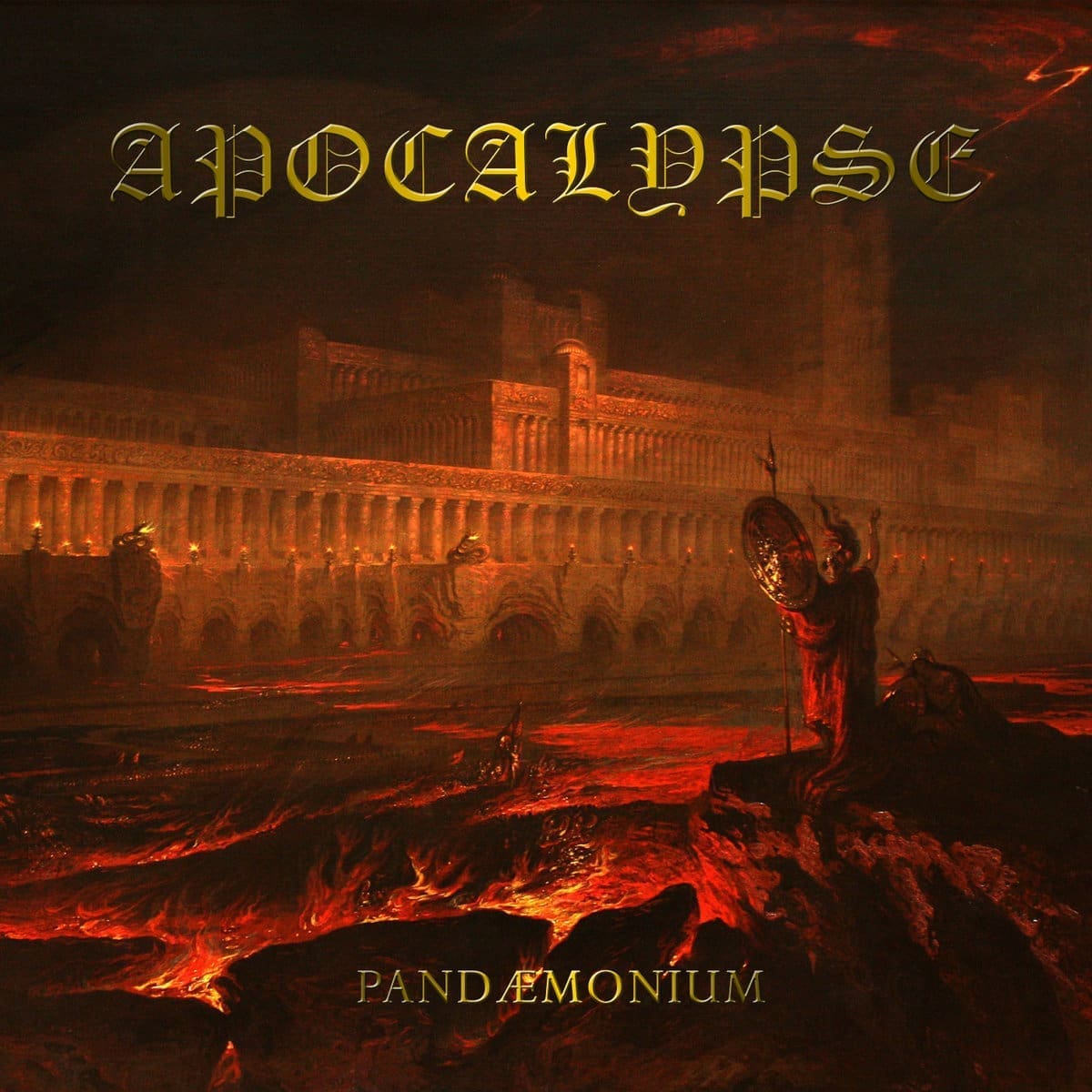
Apocalypse — Pandaemonium cover

The First Three Sins, The Summary

The First Sin, The Strings/Keys: Delivers heavy, down-tuned riffs that resonate with a powerful mid-tempo rhythm, punctuated by moments of tremolo picking. The Second Sin, The Vocals: Techniques that span from deep, guttural growls to piercing screams. The Third Sin, The Percussions: Delves into a vast world of thunderous double-bass kicks that drive the rhythm forward, while delicate cymbal work adds layers of intricacy.

⸸ ⸸ ⸸ ⸸ ⸸ ⸸ ⸸

The Fourth Sin, Overall Discussion

Before diving into the review, it’s important to note that those acquainted with the Italian solo project Apocalypse of Erymanthon will recognize his reputation for crafting music inspired by legendary on-man extreme band Bathory. However, Apocalypse marks a departure from the Bathory sound, venturing into uncharted territory and music that feels like Dante’s nine circles of hell.

Apocalypse has gone for this evolution in his sound, a tapestry uniting the typically epic traits of previous works with a faster pace and Gothic and Neoclassical atmospheres. Within this tapestry, the listener will find elements of black metal, death metal, symphonic, heavy, pagan, and folk influences, and a touch of old-school in the sounds and production.

Moving on with the review, when the listener hits the play button, they are greeted by the captivating strains of Praeludium in D Minor, an instrumental introduction that spans over three minutes and pays homage to Bach‘s intense original. As the journey unfolds with the second piece, Hanged, Drawn and Quartered, and the remaining seven pieces, the listener is drawn into a chilling theatrical experience, each chapter (song) unfolding like a dark anthology.

As one delves deeper into the realm of Pandemonium, and his nine circles of hell tapestry. Erymanthon and his album Pandaemonium, and its tapestry unfolds over a captivating forty-six minutes, divided into nine distinct tracks, each one a unique journey through the varied landscapes of nine circles of hell. As listeners traverse this sonic odyssey, they are met with fresh elements (mentioned above) in every composition, inviting the listener to lose themselves in the intricate details and rich textures. 

Pandaemonium, also provides the listener with a perfect brilliance of musical and lyrical composition — unveiling a spellbinding blend of creativity and devilmanship. Each track invites the listener to experience a rich tapestry of synths and organ sounds that amplify the album’s gothic and neoclassical allure, wrapping them in an eerie atmosphere. Alongside this, haunting melodies emerge, characterized by a heavy, brooding atmosphere, dynamic shifts in vocals, and moments of chaotic and epic grandeur. 

Additionally, within the tapestry of the Apocalypse composition, one can discover a remarkable display of instrumental and vocal devilmanship. Guitar work, mentioned in the first sin, manges to infuse the tracks with an intricate beauty, enhancing the overall complexity of the sound, but also hint back to a classic heavy metal sound. Adding to these complex compositions are the drums, the dynamic drumming adds a technical prowess with the relentless pace of thrash metal. The use of synths and organ sounds, which create a gothic, neoclassical, and dark atmosphere, in certain points in the music, the synth introduces this sinister depth, enriching the overall mood of the tracks.

Erymanthon‘s vocal delivery in his composition is raw and aggressive, at the same time showcasing a wide range of techniques. This dynamic performance also incorporates intense shouting and merciless shrieking to melodic and powerful epic clean singing, contributing to a powerful and varied vocal landscape that enhances the music’s emotional depth, and adds this theatrical feel to the music. Despite the aggressive tone, the vocals convey profound themes, reflecting the dark intensity of the compositions.

Each track on Pandaemonium showcases Erymanthon‘s ability to blend different metal subgenres and create a cohesive and engaging listening experience. But also showcasing Erymanthon‘s remarkable artistic ability for weaving together various styles into a cohesive and mesmerizing auditory journey that resonates long after the last note has faded away.

And one more thing, that needs a mention is the production quality of Pandemonium is top-notch, ensuring that every note, atmospheric texture, and chord resonates clearly, providing a crisp auditory experience for the listener. Otherwise, the record features an innovative sound with an old-school touch.

This album is certainly worth exploring if you are a fan of epic and atmospheric black metal.

The album wraps up with its final track, Final, which greets the listener with a symphonic instrumental finale, bringing the journey to a flawless close. 

⸸ ⸸ ⸸ ⸸ ⸸ ⸸ ⸸

The Fifth Sin, The Memorabilia

We found great pleasure in experiencing, Apocalypse. Pandaemonium unfolds as a fruit of art journey, crafting an entirely new realm of music, that’s fresh, epic, extreme, and new, but draws you in. Each song is different, neither dull nor repetitious.

Erymanthon emerges as a fruit of art artist, with his songwriting revealing a rich tapestry of creativity and depth. Each layer of Erymanthon Seth‘s artistry and devilmanship invites listeners to explore the intricate complexities of his work, making the experience all the more captivating. At the same time, Erymanthon did a fruit of art job with his new album “Pandaemonium”, but also unlocking new musical ideas for this album, but keeping the spirit and memory of Bathory and old-school metal alive.

The Sixth Sin, The Artwork

The artwork features a painting by John Martin titled “Pandemonium” (1841), which was inspired by the poem “Paradise Lost” (1667) by John Milton. The Artwork depicts a chaotic and apocalyptic scene, fitting the dark and intense themes of the album.

The Seventh Sin, Disrelish

Nothing to disrelish within the musical spectrum of Apocalypse, and his album Pandaemonium.

⸸ ⸸ ⸸ ⸸ ⸸ ⸸ ⸸

The Hymns

01. Praeludium in D Minor
02. Hanged, Drawn and Quartered
03. Witchhunt
04. Pit Of Oblivion
05. Broken Illusion
06. Son of Fire
07. Pandaemonium
08. Final

Apocalypse

Erymanthon — All Instruments, Vocals

Reviewed by Kristian — editorial architect and ceremonially crafted. © Athenaeum of Sin Reviews.

Hell Winter — Painting In Black Review

Hell Winter is a Italian black metal solo project. On 1 August 2024, Hell Winter released his debut EP release Painting In Black. Co-released through SneeuwStorm Produkties and Depressive Illusions.

Hell Winter, Painting In Black Review: This review will evaluate every aspect of the album, from its intricate musical composition to its production.

Hell Winter — Painting In Black cover

The First Three Sins, The Summary

The First Sin, The Strings/Keys: Features a tapestry of haunting melodies and powerful rhythms with raw, aggressive and powerful riffs. The Second Sin, The Vocals: Involves haunting vocals, the weaves seamlessly into the dark and immersive atmosphere. The Third Sin, The Percussions: Delves into a vast world of fast-paced drumming, which ranges from thunderous double-bass kicks to intricate cymbal patterns.

⸸ ⸸ ⸸ ⸸ ⸸ ⸸ ⸸

The Fourth Sin, Overall Discussion

As the listener hits the play button, they are immediately enveloped by the haunting atmosphere of Frozen Abyss. This opening piece establishes a stark and intense mood, driven by fierce instruments and powerful vocals that resonate throughout the subsequent three pieces.

As the listener embarks on their musical journey, Hell Winter invites the listener on a raw and dark journey, to confront the depths of their emotions. Each note serves as a gateway to the darkness of unknown, introspective themes that delve deep into the complexities of despair and the human experience, creating an atmosphere that unsettling, whiles leaving an indelible mark on the listener’s soul.

Further the listener immersed deeper within the darkness of the music, the listener stumbles upon a fruit of art black metal release that embodies the spirit of the black metal band Satyricon. However, the music, instruments, and vocals never felt like mere imitation.

As the tracks progress, each piece is driven by this fruit of art instrumental and music composition, and devilmanship. Each song presents a unique blend of tones, tempos, moods, and compositions that captivate and envelop the listener, drawing them into a realm steeped in darkness. In the depths of darkness, the listener will experience a rich tapestry of haunting melodies and formidable rhythms, crafted by the fruit of art guitar devilmanship.

This artistry delivers raw, aggressive, and powerful riffs, while a robust rhythmic foundation underpins the haunting vocals, intricately blending into the dark and immersive atmosphere of the music, thereby enriching the emotional resonance of each composition.

The relentless pace of the music, is delivered by fast-paced drumming, which ranges from thunderous double-bass kicks to intricate cymbal patterns. Furthermore, the bass work infuses the compositions with richness and texture that elevate the overall sound, making it even more compelling.

What makes Painting in Black more compelling are the moments within the composition, which build towards a climactic climax, highlighting Hell Winter‘s technical proficiency and his ability to craft an engaging auditory experience. And what’s noteworthy also with this auditory experience is that the modern production manages to maintain a gritty, old-school essence while being meticulously refined, resulting in a sound that resonates with authenticity and sophistication.

Painting in Black may be brief, yet it encapsulates a profound depth through its four tracks, each brimming with intense and dark emotions, and the chilling atmosphere, that will keep the listener engaged from start to finish.

The album concludes with the final track, Eternal Frostbite. We want to give a shoutout to Hell Winter for letting us review his album Painting in Black. 

⸸ ⸸ ⸸ ⸸ ⸸ ⸸ ⸸

The Fifth Sin, The Memorabilia

Hell Winter and its release Painting in Black delivered me with a captivating listening experience. What truly drew me in was the unique atmosphere reminiscent of Satyricon, yet the music and vocals never felt like mere imitation. But also, the guitar and vocal devilmanship was a significant feature for me. The guitar work brought the songs to life, whereas the vocals imparted additional depth and frigidness to the composition and music.

The Sixth Sin, The Artwork

The cover art for Hell Winter‘s EP, Painting in Black, powerfully evokes the band’s brooding and intense motifs. It conjures an aura of intrigue and unease, inviting listeners to immerse themselves in the hauntingly atmospheric realm that Hell Winter weaves through their sound.

The Seventh Sin, Disrelish

Nothing to disrelish within the musical spectrum of Hell Winter, and his album Painting In Black.

⸸ ⸸ ⸸ ⸸ ⸸ ⸸ ⸸

The Hymns

01. Frozen Abyss
02. Damnation
03. Shadows of the Fjord
04. Eternal Frostbite

Hell Winter

Unknown —

Reviewed by Kristian — editorial architect and ceremonially crafted. © Athenaeum of Sin Reviews.

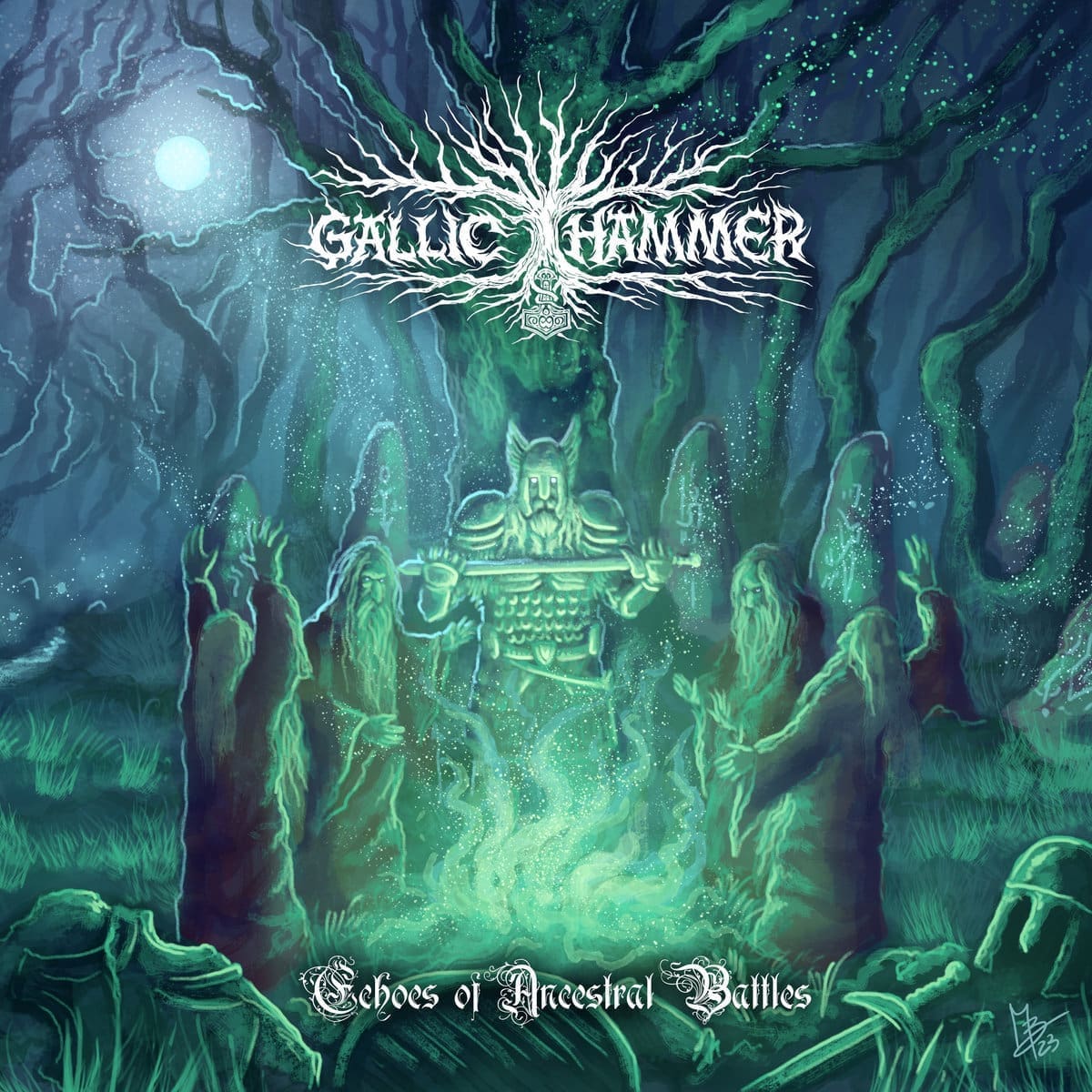
Gallic Hammer — Echoes of Ancestral Battles Review

Gallic Hammer is a Swiss epic black metal solo artist. On 22 November 2024, Gallic Hammer released his debut EP Echoes Of Ancestral Battles. Co-released through Orko Productions and Remparts Productions.

Gallic Hammer, Echoes Of Ancestral Battles Review: This review will evaluate every aspect of the album, from its intricate musical composition to its production.

Gallic Hammer — Echoes Of Ancestral Battles cover

The First Three Sins, The Summary

The First Sin, The Strings/Keys: The guitar work blends powerful, traditional black metal elements with epic, aggressive, and melodic influences. The Second Sin, The Vocals: Characterized by blending traditional black metal growls with epic, and powerful and commanding delivery. The Third Sin, The Percussions: The drum work is intensity and precision, which complements perfectly the powerful riffs and haunting melodies of the music.

⸸ ⸸ ⸸ ⸸ ⸸ ⸸ ⸸

The Fourth Sin, Overall Discussion

As we dive into the review, I’m breaking away from my usual format to focus on the unique essence of each composition. I’ve taken this approach with a few artists and bands in the past. The reason for this shift lies in the distinctiveness of every track on Galic Hammer’s Echoes Of Ancestral Battles.

Each song unfolds its narrative, weaving together to create a larger tapestry. These lyrical themes are steeped in epic tales and historical contexts, delving into ancient conflicts, mythology, and the splendour of bygone civilizations. They explore heroism and the eternal struggle, all of which beautifully align with the band’s intense and atmospheric black metal sound, ensuring a strong and unified thematic presence throughout their work.

The moment the listener hits the play button, they are greeted by the enchanting sounds of Ceremony (In The Heart Of Sacred Wood). This track immerses the listener in a world where nature’s whispers intertwine with ethereal chants, creating a mystical ambiance. The clean guitar melodies and atmospheric synths weave together seamlessly, crafting a serene soundscape. As the piece draws to a close, it erupts into a brief yet intense burst of instrumental and vocal energy, seamlessly transitioning into the next track, Winter Moon.

As the listener embarks on their journey, transitioning from the opening track to the second piece, Winter Moon, (this depends on the listener). It evokes a sense of tribute to Mayhem, particularly their iconic 1994 album De Mysteriis Dom Sathanas and its haunting track Freezing Moon. Katruix beautifully captures the spirit of Freezing Moon through the composition of Winter Moon. Katurix’s unique blend of vocals, instrumentation, and atmospheric depth creates a captivating experience that stands apart, avoiding mere imitation.

The third track, In The Depths Of Phurunargain, plunges into a more aggressive and classic black metal sound, characterized by rapid tempos and an atmospheric keyboard that enriches the overall experience. The ferocious vocals cut through the lyrics with a raw intensity. The fourth track, Taïga, embraces a refined yet intricate style, weaving together acoustic elements and violin melodies.

The addition of traditional leather drums and ethereal synths creates an enchanting atmosphere that envelops the entire composition. The vocals, delivered with a deliberate slowness, evoke the essence of an ancient ritual, summoning the spirits of yore from the depths of time.

Gallic Hammer presents an impressive EP that greets listeners with a fruit of art, crafted soundscape, where every note shines with clarity and precision. Echoes Of Ancestral Battle showcases the devilmanship prowess, offering robust compositions and intricate arrangements that set each track apart. The music is rich with powerful riffs intertwined with captivating melodies and atmospheric depth. The drumming serves as a perfect backdrop, enhancing the intensity of the riffs and the haunting melodies, while the synthesizers add an ethereal layer that elevates the overall sound. Katurix’s vocals are a standout, delivering traditional black metal growls alongside epic, commanding tones.

In summary, Gallic Hammer and his EP Echoes of Ancestral Battles is essential listening for fans of the epic/Viking style reminiscent of Bathory and the early works of Immortal and Mayhem. As listeners immerse themselves in the music, they will discover that each of the five tracks offers a unique blend of sound, atmosphere, and mood. The album captures the spirit of Traditional and Old-school black metal, infused with melodic, symphonic, atmospheric and epic/Viking elements.

Concluding the work with Echoes of Ancestral Battle, this track encapsulates a multifaceted journey, enveloping the listener in a fierce black metal soundscape. The tempo, riffs, beats, and vocals shift seamlessly, showcasing a fluidity that is both powerful and elegant. Within the structure of the piece, the synth elements weave an enchanting atmosphere, infusing the composition with a sense of mystique. 

⸸ ⸸ ⸸ ⸸ ⸸ ⸸ ⸸

The Fifth Sin, The Memorabilia

Personally, I found Gallic Hammer‘s EP, Echoes of Ancestral Battles, to be a captivating experience. It transported me back to the classic era of black metal, while also incorporating elements of atmospheric and epic black metal. This blend of styles resonated with me deeply, as I have a fondness for both traditional black metal and its more expansive, atmospheric counterparts.

Each of the five tracks on the EP struck a chord with me, but I was particularly enamoured with the second track, Winter Moon, and the fourth track, Taïga. Their unique compositions and evocative melodies stood out, making them memorable highlights in an already impressive release.

The Sixth Sin, The Artwork

The artwork (by Macchabee Artworks) beautifully embodies the lyrical themes of the music. It goes beyond mere representation, encapsulating the very spirit of atmospheric, epic, and folk black metal.

The Seventh Sin, Disrelish

Nothing to disrelish within the musical spectrum of Gallic Hammer, and his album Echoes Of Ancestral Battles.

⸸ ⸸ ⸸ ⸸ ⸸ ⸸ ⸸

The Hymns

01. Ceremony (In the Heart of Sacred Woods)
02. Winter Moon
03. Ginnungagap
04. In the Depths of Phurunargian
05. Taïga
06.  Echoes of Ancestral Battles
07. Fall of the Warrior King

Gallic Hammer

Katurix: — All Instruments

Reviewed by Kristian — editorial architect and ceremonially crafted. © Athenaeum of Sin Reviews.

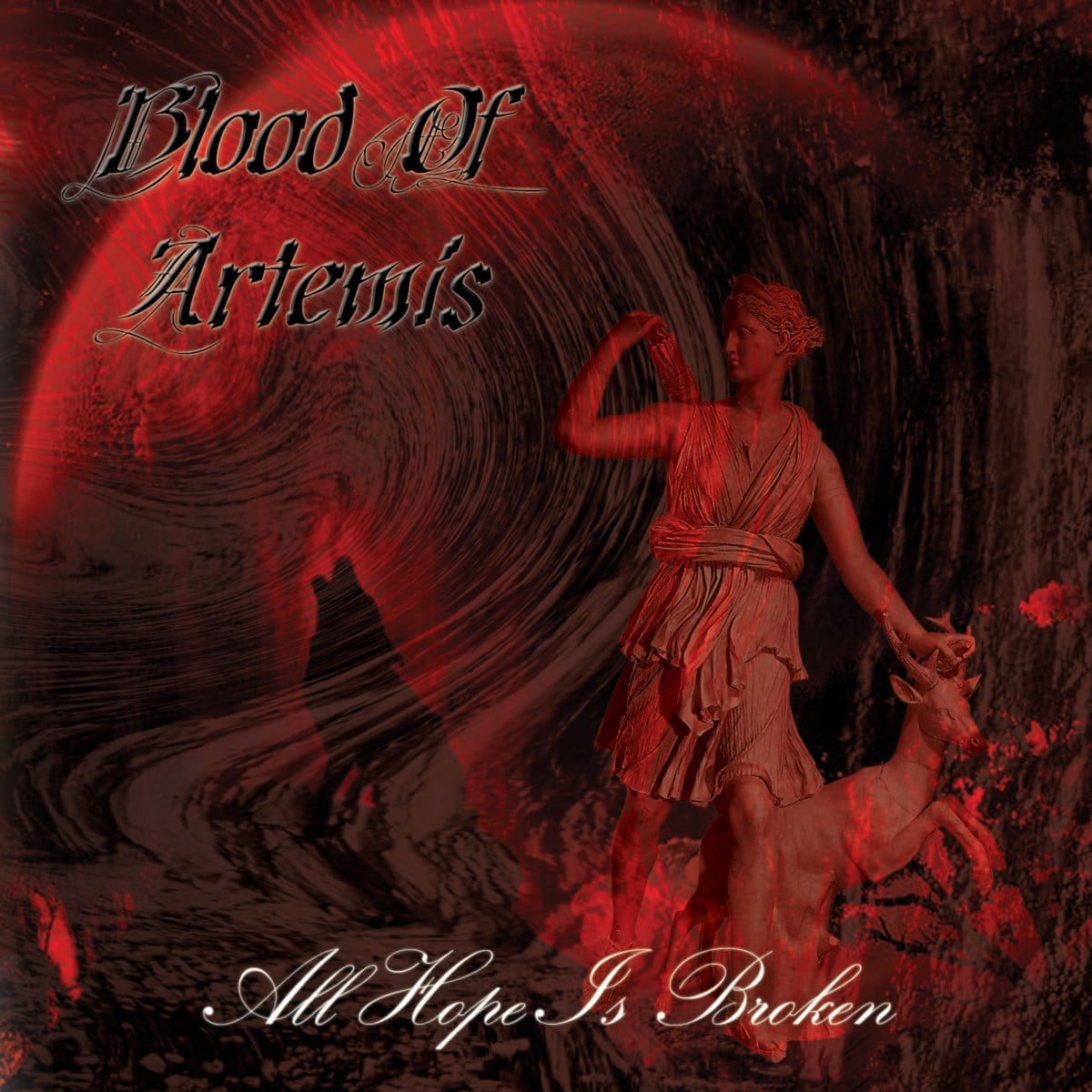
Blood Of Artemis — All Hope Is Broken Review

Blood Of Artemis is a melodic doom death metal solo artist (“Melkor”) from Portugal. On 5 September 2024, Melkor released his Blood Of Artemis debut full-length album, All Hope Is Broken through Supergoat Wreck-Whordes / Studios13.

Blood Of Artemis, All Hope Is Broken Review: This review will evaluate every aspect of the album, from its intricate musical composition to its production.

Blood Of Artemis — All Hope Is Broken cover

The First Three Sins, The Summary

The First Sin, The Strings/Keys: Employs heavy down-tuned and crushing guitar riffs with dark melodies, producing an incantation like atmosphere. The Second Sin, The Vocals: Involves in deep growling vocals and spoken (conjuration) words, adding intensity to the dark themes of the music. The Third Sin, The Percussions: Delves into a vast world of slow and powerful beat that enhances the atmosphere.

⸸ ⸸ ⸸ ⸸ ⸸ ⸸ ⸸

The Fourth Sin, Overall Discussion

Before heading into the article, this is the fifth review of six (Melkor‘s reviews). Like Temple of the Fallen, Wasteland Requiem, Carnificina and Deadly Mourning Shadows. Blood Of Artemis is another project from sole and foundered artist.

Before the listener engaging with the play button, Melkor has presented (again) something different and unusual. At the same time, and just like his previous work, Shadows of Despair, that embodies a sombre love narrative, encompassing themes of love, betrayal, and profound emotions in lyrical theme. All Hope Is Broken, composition structured is partially similar to Shadows Of Despair, each song is like a chapter, that deals with a theme of two lovers Artemis and Orion, that faced a tragic ending in their love story.

Contrary to standard review procedures, I will examine each piece individually before offering a concise summary, moving on with the review.

As soon as the listener presses play, they are swept away by the heavy emotional tide of the nineteen-minute opener, All Hope Is Broken. Begining with hauntingly beautiful riffs that set a sombre tone, accompanied by the sound of rain and melancholic piano notes that linger in the background, enhancing the overall sense of despair. When the piece hits the three-minute mark, it erupts into a heavy, slow-burning soundscape filled with spoken word and intense, aggressive growls, casting a shadow of weight and foreboding over the listener.

Throughout this composition, one will discover a blend of clean yet dark melodies and pulsating drums, creating an incantatory atmosphere thatresonates deeply with the instruments.

As the listener embarks on the nearly twelve-minute excursion of Now I Know, they are immediately enveloped by the fierce clash of sound waves. The instrumentation unfolds with a slow, aggressive intensity, steeped in brooding melodies and deep, growling vocals interspersed with moments of clearer
singing.

The synths (once again) linger in the background, enhancing the piece’s depth and crafting a melancholic, almost sinister atmosphere that wraps around the listener’s spirit. Yet, amidst this darkness, brief solos emerge like glimmers of light, infusing the composition with a sense of hope and possibility.

Moving to the third piece, Is Not Fair, this nearly eight-minute composition begins with the haunting whistle of the wind, accompanied by pristine guitar melodies and evocative vocals. It sustains the album’s brooding and intense ambiance, enriched by its melancholic keyboard arrangements and the commanding interplay of instruments and vocals that exude a sense of raw emotional depth.

Concluding the album, All Hope Is Broken transitions into the final track, Cinema Paradiso, which envelops the listener in a serene instrumental landscape. The gentle sound of birds chirping mingles with a shadowy ambiance, creating a fittingly poignant end to the musical journey perfectly.

In summary, Blood Of Artemis emerges as a fruit of art, a fusion of doom and death metal, and (perhaps a) soupcon of depressive black metal and a dark-hymn (incantation). This envelops the listener in a sonic landscape that is both ominous and suffocating. It casts a shadow over any flicker of light or hope. Meanwhile, Melkor demonstrates that even within the same genre, two projects can diverge significantly in sound, atmosphere, and theme, showcasing a rich tapestry of lyrical depth, musicality, and vocal expression. Just like Melkor‘s previous, projects, the production, never lets the sound, recording or music down, again the production captures sound with remarkable precision, enveloping the listener in a rich auditory tapestry.

Warning to thee — Blood Of Artemis is heavy and dark, not for the faint of heart nor a walk in the park.

⸸ ⸸ ⸸ ⸸ ⸸ ⸸ ⸸

The Fifth Sin, The Memorabilia

For me, Melkor has once more produced a fruit of art musical composition, that embodies darkness, heaviness, intensity, and a sense of melancholy, making it perfect for fans of doom, death and depressive black metal. Melkor‘s devilmanship, both in musical and instrumental composition, is absolutely a fruit of art. Each of his diverse projects offers a unique atmosphere, sound, and structure, akin to exploring a collection of stories by a single author, where every tale is distinct, perhaps even set in its own multiverse.

The Sixth Sin, The Artwork

The artwork, adds more depth and the lyrical theme, mentioned beforehand.

Artemis and Orion in Greek mythology are lovers who faced a tragic ending in their love story. The relationship between Orion, a mere mortal, and Artemis, the goddess of hunting, was devastated by none other than her twin brother, Apollo, who was provoked by his jealousy.

The Seventh Sin, Disrelish

Nothing to disrelish within the musical spectrum of Blood Of Artemis, and his album All Hope Is Broken.

⸸ ⸸ ⸸ ⸸ ⸸ ⸸ ⸸

The Hymns

01. All Hope Is Broken
02. Now I Know
03. Is Not Fair
04. Cinema Paradiso

Blood Of Artemis

All guitars, keyboars and vocals made by Melkor
Rolando Barros – Drums
D-Void – solo guitar at the beginning of All Hope is Broken

Reviewed by Kristian — editorial architect and ceremonially crafted. © Athenaeum of Sin Reviews.

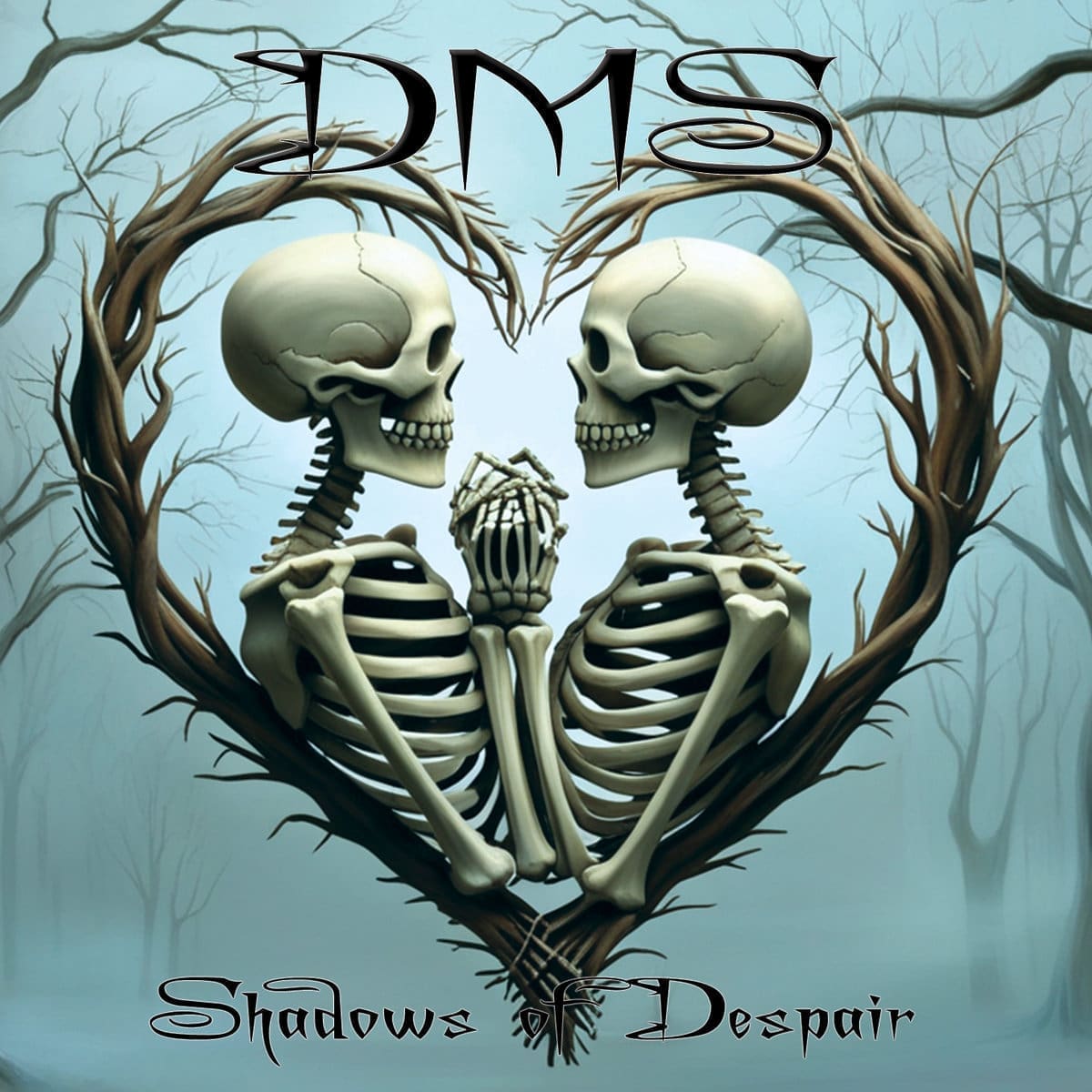
Deadly Mourning Shadows — Shadows Of Despair Review

Deadly Mourning Shadows is a doom death metal solo artist (“Melkor”) from Portugal. On 24 August 2024, Melkor released his debut full-length album, Shadows of Despair, through Supergoat Wreck-Whordes / Studios13.

Deadly Mourning Shadows, Shadows of Despair Review: This review will evaluate every aspect of the album, from its intricate musical composition to its production.

Deadly Mourning Shadows — Shadows of Despair cover

The First Three Sins, The Summary

The First Sin, The Strings/Keys: Guitars are characterized by their heavy and aggressive tones, producing melancholic riffs that establish a sombre ambiance. The Second Sin, The Vocals: Features profound growls that perfectly express the emotional intensity of the the music. The Third Sin, The Percussions: Delves into a vast world of powerful rhythms, incorporating various tempos that complement the music, atmosphere, and overarching concept.

⸸ ⸸ ⸸ ⸸ ⸸ ⸸ ⸸

The Fourth Sin, Overall Discussion

Before heading into the article, this is the fourth review of six (Melkor‘s reviews). Like Temple of the Fallen, Wasteland Requiem and Carnificina. Deadly Mourning Shadows is another project from sole and foundered artist Melkor. Unlike Temple of the Fallen, Wasteland Requiem and Carnificina, the listener will found Deadly Mourning Shadows a darker and emotional.

Before the listener engaging with the play button, Melkor has presented something different and unusual. Based on my understanding and viewpoint, the artwork and accompanying information suggest that Shadows of Despair embodies a sombre love narrative, encompassing themes of love, betrayal, and profound emotions. For me, I feel like, each composition is divided into four segments or acts, reminiscent of a theatrical performance.

Contrary to standard review procedures, I will examine each piece individually before offering a concise summary, moving on with the review. The moment the listener hits the play button, they are enveloped by the haunting thirteen-minute opener, Whispers of Betrayal. This welcomes the listener with a melancholic atmospheric key and a soft female whisper that sets a sombre tone. This is soon accompanied by heavy, sorrowful guitar riffs, thunderous drums, and emotionally charged, deep growls that resonate with the soul.

The atmospheric keys weave a dark shroud, invoking feelings of grief and reflection. As the piece unfolds, the listener is drawn into a heartfelt segment filled with sorrowful whispers, before seamlessly transitioning back to the powerful doom/death metal instrumentation and resonant growls.

She fled, and left my soul to die, in sorrow’s grip, I breathe a sigh

Her smiles, her vows, all turned to dust, in love’s cruel game, I placed my trust. She vowed to stay, to never part, to reign forever in my heart But now those words are empty lies, beneath her gaze, deceitful eyes [certain aspects of the lyrics].

Embarking on the next chapter of the journey, the second ten-minute composition, Lament of the Forsaken, envelops the listener in a chilling soundscape that evokes deep feelings of abandonment, grief, and treachery. It begins with the battered sound of waves of water and the soft patter of rain, setting a sombre tone. As the piece unfolds, mournful piano keys emerge, weaving a tapestry of despair. The fusion of Melkor fruit of art devilmanship, instrumentation and a haunting musical score amplifies the oppressive atmosphere reminiscent of doom metal, while the fierce, aggressive undertones of deathmetal resonate through the listener’s mind. Layered beneath it all are sorrowful keys, shrouded in a veil of darkness, enhancing the overall sense of desolation.

As the listener delves deeper into the narrative, they encounter the seven-minute third track, Love’s Dark Requiem. This composition navigates the shadowy realms of love and loss, beginning with the gentle chirping of birds and ethereal keys that invite the listener into its haunting theme. The soundscape shifts to a heavier, more intense atmosphere compared to the previous two pieces, yet it still encapsulates the feelings of love’s betrayal and profound sorrow. The journey concludes with the return of birdsong and the soft keys, creating a poignant closure. Wrapping up the album is the nine-minute finale, Echoes of Treachery, which greets the listener with atmospheric keys and the soothing sound of water. This track explores the enduring effects of betrayal, bringing the story to a reflective conclusion.

In summary, this is the third project of Melkor, and each project is different and very enjoyable, but also, each one is a fruit of art. However, Shadows of Despair transcended my expectations, revealing an auditory experience that was surprising and emotional-heavy, to listen to. While I have encountered music that explores themes of loss, emotion, and love, this particular work, feels more in-depth, especially the weight of the lyrics when paired with the music, amplifies the overall intensity of the concept.

Melkor’s fruit of art skills shines through in its production, his devilmanship, composition, music and his lyrical artistry. The production captures sound with exquisite precision, enveloping the listener in a rich auditory tapestry. The fusion of slow, melancholic doom metal with the ferocity of death metal evokes a spectrum of emotions—hatred, sorrow, and love. What further enriches this experience are the intricate sound effects, meticulously chosen tempos, haunting whispers, and vocal performances.

The symphonic sections weave additional layers, adding more depth, veil of sorrow, and emotion, crafting an intense and introspective journey through the music.

⸸ ⸸ ⸸ ⸸ ⸸ ⸸ ⸸

The Fifth Sin, The Memorabilia

For me; as mentioned before, after listening and reviewing three of Melkor projects, and more reviews on the way. Shadows, and Despair, stood out as the most challenging to review and listen to. Shadows of Despair, struck me as a heavier (doom/death) approach and the similar dark tone, sense of melancholy and sorrowful atmosphere, that found in the UK post rock band Joy Division, and a few other bands and artists to name.

Depending on each listener, engaging with this type of music requires a clear and refreshed mindset. Personally, I believe it complements perfectly those gloomy, rainy evenings or serves as an ideal backdrop for a soothing soak in a warm bubble bath.

The Sixth Sin, The Artwork

One could argue, that the artwork, is done with A.I., but if helps one’s work, but does not do the work for you, then it is perfectly acceptable. The artwork, including the back cover, beautifully encapsulates the entire essence of the music concept.

The Seventh Sin, Disrelish

Nothing to disrelish within the musical spectrum of Deadly Mourning Shadows, and his album Shadows of Despair.

⸸ ⸸ ⸸ ⸸ ⸸ ⸸ ⸸

The Hymns

01. Whispers of Betrayel
02. Lament of the Forsaken
03. Love’s Dark Requim
04. Echoes Of Treachery

Deadly Mourning Shadows

The music, vocals, mixing, mastering, and artwork were all done by Melkor

Reviewed by Kristian — editorial architect and ceremonially crafted. © Athenaeum of Sin Reviews.

Carnificina — Portuguese Massmurder Memorabilia Review

Carnificina is a old-school death metal band, by the solo artist (“Melkor”) from Portugal. On 11 September 2024, Carnificina released/remastered his 2011 debut EP Portuguese Massmurder Memorabilia through Supergoat Wreck-Whordes / Studios13.

Carnificina, Portuguese Massmurder Memorabilia Review: This review will evaluate every aspect of the album, from its intricate musical composition to its production.

Carnificina — Portuguese Massmurder Memorabilia cover

The First Three Sins, The Summary

The First Sin, The Strings/Keys: Features heavy, thunderous-fast-paced guitar riffs with an unholy aggression… The Second Sin, The Vocals: Involves in piercing and demonic screams and guttural growls. The Third Sin, The Percussions: Delves into a vast world of aggressive drumming assaults that propel the music forward.

⸸ ⸸ ⸸ ⸸ ⸸ ⸸ ⸸

The Fourth Sin, Overall Discussion

Before heading into the article, this is the third review of six (Melkor‘s reviews). Like Temple of the Fallen, and Wasteland Requiem. Carnificina is another project from sole and foundered artist Melkor. Unlike Temple of the Fallen (symphonic death) and Wasteland Requiem (doom death). Carnificina is more old-school death metal band.

When the listener hits the play button, the listener is immediately welcomed by the brief audio introduction, from the opening piece Metal Lusitano, setting the stage before launching into a powerful onslaught of instrumentals and vocals.

Soon as the listener continues their journey with the second piece, Olhos na Escuridao, and the remaining four pieces. This forbidden fruit of art is not like Melkor’s previous work (we reviewed) Temple of the Fallen and Wasteland Requiem. Carnificina is no walk in the park or for the faint of heart. The listener will embark on the journey through this collection of six tracks spanning twenty-four minutes, providing the listener with an exploration of themes of gore, splatter, and death. This is reflected in their intense and visceral sound.

Carnificina unleashes a whirlwind of ferocity, embodying the very essence of extreme metal with its relentless pace and heavy brutality. For a full twenty-four minutes, listeners are engulfed in an unyielding barrage of sound, where every note is a testament to the genre’s most intense offerings. The music is a fruit of art-chaotic symphony of death, provided by an unholy devilmanship that delivers aggressive guitar riffs, intricate fretboard arrangements, and a drumming assault that propels the music forward. All of this is underpinned by thunderous bass lines that resonate deep within.

The vocals, delivered by the enigmatic The Beyonder, add a chilling layer to this sonic onslaught. Known for his collaborations with various bands, including a fan-favourite of mine, Filii Nigrantium Infernalium, he brings a haunting presence to the mix. The Beyonder piercing and demonic screams and guttural growls pierce through the heavy instrumentation, creating an atmosphere that is both exhilarating and terrifying, ensuring that every listener is captivated by the sheer intensity of the performance.

Again, this relentless musical journey is not for the faint of heart; it is a celebration of the extreme, designed to thrill those who crave the raw power of brutal music. Carnificina stands as a beacon for extreme metal devotees, offering a visceral experience that leaves an indelible mark. With its unrestrained energy and fruit of art devilmanship, it promises to satisfy even the most discerning fans of the genre, inviting them to revel in its dark and chaotic beauty.

We now turn our attention to the sound recording and the missing track. Carnificina first emerged in 1995, releasing their sole EP titled Portuguese Massmurder Memorabilia, which featured seven tracks. Among these was the seventh song, a cover of V12 called Negócio das Almas. Unfortunately, this track was lost due to technical difficulties with the computer.

Fast-forward to September 2024, and the album has undergone a remastering process, showcasing a more evolved sound. This new version captures every breath, note, beat, and raw intensity that resonates within the music, bringing a fresh life to the music.

If you fan and crave music, that’s brutal, aggressive, and extreme, characterized by demonic vocals and thunderous guitar and bass riffs, then this is for you. Prepare yourself for an exhilarating journey that promises relentless headbanging from the very first note to the last!

The album concludes with the concluding track, titled Carnificina Total – Forças Psicóticas Unidas.

⸸ ⸸ ⸸ ⸸ ⸸ ⸸ ⸸

The Fifth Sin, The Memorabilia

For me, Carnificina offers a death metal experience that is brutal, raw, unholy, and steeped in old-school underground vibes. However, the standout element of this release is undoubtedly the vocalist known as The Beyonder. His intense vocals inject an additional layer of extremity into the music, bringing a nostalgic charm that perfectly complements the overall sound.

The Sixth Sin, The Artwork

The artwork , is not the best, but I can’t hate it, due to it has that old-school charm.

The Seventh Sin, Disrelish

Nothing to disrelish within the musical spectrum of Carnificina, and his album Portuguese Massmurder Memorabilia.

⸸ ⸸ ⸸ ⸸ ⸸ ⸸ ⸸

The Hymns

01. Metal Lusitano
02. OOlhos na Escuridão
03. Casttrati(The New York Corkscrew Slaughter)
04. Ghob
05. Ílhavo, Agosto de 1999 – À sombra do Eclipse
06. Carnificina Total – Forças Psicóticas Unidas

Carnificina

Melkor — Guitars, Drums
Ve-R-ee Ax – Bass
D-Void – Lead Guitar
The Beyonder – Vocals

Reviewed by Kristian — editorial architect and ceremonially crafted. © Athenaeum of Sin Reviews.

Wolfjaw — Soils of Renunciation Review

Wolfjaw is a sludge/death metal, solo artist from the rainy shores of Western Norway. On 11 October 2024, Wolfjaw1 released his second Independent EP Soils of Renunciation.

Wolfjaw, Soils of Renunciation Review: This review will evaluate every aspect of the album, from its intricate musical composition to its production.

Wolfjaw — Soils of Renunciation cover .

The First Three Sins, The Summary

The First Sin, The Strings/Keys: The guitar work is adorned with thunderous guitar riffs and robust grooves, steeped in a visceral intensity that resonates with raw and dreaded emotion. The Second Sin, The Vocals: Presents and conveys anguished vocals echo with a haunting dread… The Third Sin, The Percussions: Powerful drumming elevates the experience to a primal level, enveloping the listener in a world of tumultuous soundscapes.

⸸ ⸸ ⸸ ⸸ ⸸ ⸸ ⸸

The Fourth Sin, Overall Discussion

The moment the listener engages the play button, they are ushered into the formidable realm of Tombs Of Wallachia. This introductory piece confronts them with an unapologetically aggressive and thickly sludgy instrumental and vocal tapestry.

Soon as the journey unfolds with the second piece, Soils Of Renunciation, and the final offering piece, Violence, Worthier than Apathy. An auditory journey evokes the raw beauty of Western Norway’s tempestuous terrain, where the relentless rain and rugged vistas serve as a backdrop to the music’s thematic wanderings.

As the listener immerses themselves in the unfolding tapestry of sound, the listener will discover a sonic experience that is both unique and something new. Wolfjaw provides the listener with this forbidden fruit of art fusion of gritty, heaviness of sludge metal intertwined with the ferocious and unyielding essence of death metal, that sounds like it ascended from the murky depths of a moist grotto. 

This amalgamation gives rise to a robust, textured soundscape that’s captured in a production quality, that is undeniably solid, yet it maintains an atmosphere that is both oppressive and exhilarating, ensuring that every note strikes with a palpable force. 

As the relentless rain and rugged vistas serve as a backdrop to the music’s thematic wanderings. The listener will encounter, Soils Of Renunciation, delve into the depths of human emotion, grappling with dark and intense motifs such as suffering, power dynamics, and societal critique. They reflect on personal struggles and the darker aspects of human nature.

The EP draws from a range of influences, both positive and negative, and focuses on crafting an atmosphere that is intentionally claustrophobic. There is an undercurrent of inevitability, a sense of nothingness, and anger that runs throughout.

Soils Of Renunciation is imbued with a sense of darkness and grit, that is delivered by a fruit of art devilmanship, and composition both instrumental and lyrical.

The album offers the listener an instrumental journey adorned with thunderous guitar riffs and robust grooves, steeped in a visceral intensity that resonates with raw emotion. The powerful drumming elevates the experience to a primal level, enveloping the listener in a world of tumultuous soundscapes. Patrik Blomberg provides and delivers anguished vocals echo with a haunting dread, perfectly complementing the music’s heavy and unrefined essence.

Each note, chord, breath, composition, and the various tempos, and so on, reverberates with a sense of dread, drawing the listener deeper into a world that is as haunting as it is seductive. The resulting atmosphere is not merely a backdrop, but a vital component of the musical narrative, enhancing the overall experience and inviting reflection.

It is a celebration of the raw and the real, a testament to the power of sound to evoke visceral emotions and transport one to a place where the beauty of darkness is fully realized.

This intricate balance of beauty and darkness, creating an unforgettable auditory experience that lingers long after the final note has faded, leaving an indelible mark on the soul.

The album comes to an end with the last song, Violence, Worthier Than Apathy. 

⸸ ⸸ ⸸ ⸸ ⸸ ⸸ ⸸

The Fifth Sin, The Memorabilia

Soils Of Renunciation offered me a unique and invigorating experience, enveloping me in an atmosphere rich with a sense of darkness and foreboding. It felt like a breath of fresh air, introducing me to new depths of sound and emotion. Meanwhile, Wolfjaw has elevated his musical craft, skilfully blending sludge and death metal while incorporating various other influences.

I also sense that Vadim has successfully channelled his emotions into this work, creating a powerful connection between the music and the listener. The intricate layers and raw intensity of the compositions resonate deeply, making it a compelling journey through both sound and feeling.

The Sixth Sin, The Artwork

The artwork (by Warehouse Work) captivates me with its enchanting allure; it transcends the realms of sludge and death metal, instead embracing a more psychedelic and stoner metal aesthetic. This distinctive choice sets it apart and enriches the entire musical experience, transforming it into a truly singular journey.

⸸ ⸸ ⸸ ⸸ ⸸ ⸸ ⸸

The Seventh Sin, Disrelish

Nothing to disrelish within the musical spectrum of Wolfjaw, and his album Soils of Renunciation..

The Hymns

01. Tombs Of Wallachia
02. Soils Of Renunciation
03. Violence, Worthier Than Apathy

Wolfjaw

All the music instruments and pre-production, lyrics and recording are done by Vadim Chernyshow
Patrik Blomberg – Vocals

Reviewed by Kristian — editorial architect and ceremonially crafted. © Athenaeum of Sin Reviews.

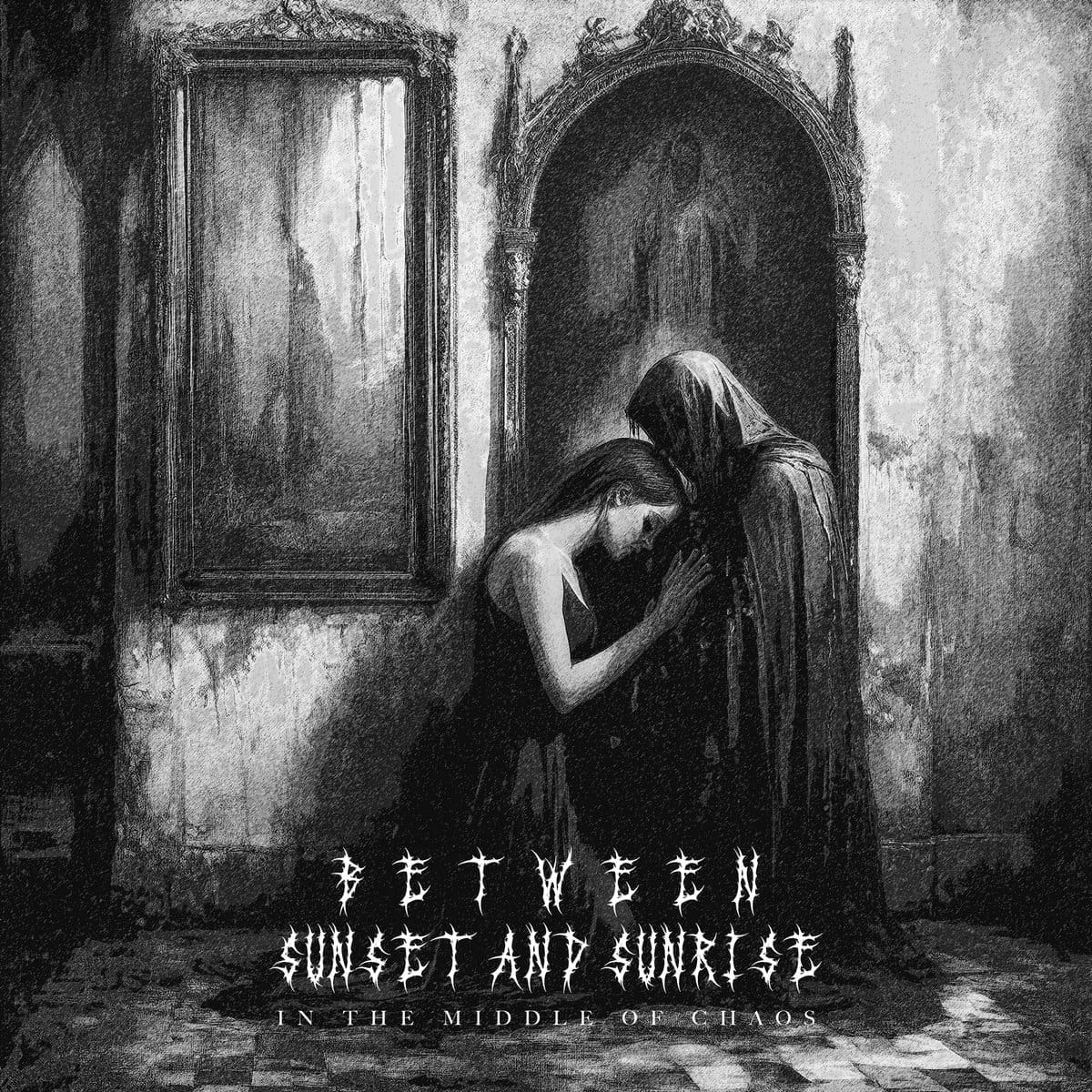
Between Sunset and Sunrise — In the Middle of Chaos Review

Between Sunset and Sunrise is a one-person depressive act from the UK. On 27 September 2024, Between Sunset and Sunrise released his independent debut EP album, In The Middle of Chaos, promoted through The Metallist PR.

Between Sunset and Sunrise, In The Middle of Chaos Review: This review will evaluate every aspect of the album, from its intricate musical composition to its production.

Between Sunset and Sunrise — In The Middle of Chaos cover

The First Three Sins, The Summary

The First Sin, The Strings/Keys: Distorted riffs that are both droning and intense, occasionally blending with melodic elements and post-black metal guitar techniques. The Second Sin, The Vocals: Involves haunting vocals that scream with a sense of desperation throughout the music. The Third Sin, The Percussions: Explores the expansive realm of straightforward drumming that dances alongside intense rhythmic patterns, powerful strikes, intricate fills, and dynamic beats.

⸸ ⸸ ⸸ ⸸ ⸸ ⸸ ⸸

The Fourth Sin, Overall Discussion

Upon the listener’s engagement with the play button, the open track, Half Empty Nightmare, envelops the listener’s soul in a swirl of distorted and fierce instrumentals, accompanied by a vocal barrage. This establishes the tone for both the musical and lyrical themes of the album. Acting as a pilot episode in a TV series, it introduces listeners to the sound and narrative that unfolds across the album.

As the listener embarks on the next chapter with the second composition, Echoes Of Sorrow, alongside the remaining three pieces. The lyrical essence of In The Middle Of Chaos delves into themes of melancholy, remorse, and guilt, all encapsulated within hauntingly vivid nightmares. The album unfolds its narrative from a first-person perspective, offering a deeply personal glimpse into the songwriter’s experiences and emotions.

As the listener proceeds through In The Middle Of Chaos, the listeners’ ears are filled with haunting echoes of depressive black metal that echo beautifully from the listeners’ speakers. Meanwhile, Between Sunset and Sunrise amplifies this depressive musical journey by seamlessly weaving in ambient, melodic, and post-black metal influences/elements, which enrich the already dark and melancholic atmosphere. This creative fusion adds a breath of new life to the music, inviting the listener to explore the interplay between light and shadow.

In a mere thirty minutes, divided into five tracks, this collection emerges as a forbidden fruit of art, both lyrical and instrumental. Each piece captivates the allure of the listener’s hidden desires, inviting them to explore the depths of their ‘own’ emotions. The music weaves a spellbinding tapestry of haunting vocals that resonate with an urgent sense of longing, seamlessly merging with the distorted guitar work, pulsating drums, and ethereal ambient tones. The mid-tempo, almost languid rhythms contribute to a richly dark atmosphere, inviting the listener to delve deeper into its depths. As the listener progresses, the listener’s spirit is further enveloped by delicate piano interludes that amplify the brooding ambience, adding layers of complexity and emotion to the overall soundscape.

And what helps the atmosphere and soundscape is the sound and recording production. Within the walls of the music, comes a sound quality that is beyond impressive, wrapping the audience in a dense wall of sound that elevates the overall quality. Every note, every beat, and every breath is a testament to the meticulous attention to detail.

Between Sunset and Sunrise is a dark release, that is depressive, but at the right moment, “Between Sunset and Sunrise” comes a pleasurable listen. At the same time, Between Sunset and Sunrise is a fruit of art. Standing as a testament to the devilmanship of its creator Der Abt, inviting all who encounter it to lose themselves, in their own deepest part of themselves.

The album closes with the nine-minute closing track Dreams, which serves as both the final chapter and a resolution to the tale introduced in the opening track, “Half Empty Nightmares”, bringing the album full circle. 

⸸ ⸸ ⸸ ⸸ ⸸ ⸸ ⸸

The Fifth Sin, The Memorabilia

I discovered that In The Middle Of Chaos isn’t as overwhelmingly bleak as some of the more depressive black metal bands. While the overall sound and atmosphere do carry a sense of melancholy and depression, there are also moments where light breaks through the shadows. The incorporation of ambient, melodic, and post-black metal elements contributes significantly to this balance, creating a rich listening experience.

However, In The Middle Of Chaos stands out as a striking fruit of art that feels both ominous and refreshing. It avoids the pitfalls of being overly lengthy, dull, or long-winded, making it a perfectly crafted album that keeps the listener engaged from start to finish.

The Sixth Sin, The Artwork

The artwork is cold and captures the essence of the very spirit of the musical theme and its surrounding atmosphere. At the same time, the artwork radiates a frosty allure, embodying the emotional essence of the music and the atmosphere it evokes.

The Seventh Sin, Disrelish

Nothing to disrelish within the musical spectrum of Between Sunset and Sunrise, and his album In The Middle of Chaos.

⸸ ⸸ ⸸ ⸸ ⸸ ⸸ ⸸

The Hymns

01. Half Empty Nightmares
02. Echoes Of Sorrow
03. The Mirror
04. Reconstruction From Within
05. Tiamtu
06. Dreams

Between Sunset and Sunrise

Der Abt — Everything

Reviewed by Kristian — editorial architect and ceremonially crafted. © Athenaeum of Sin Reviews.

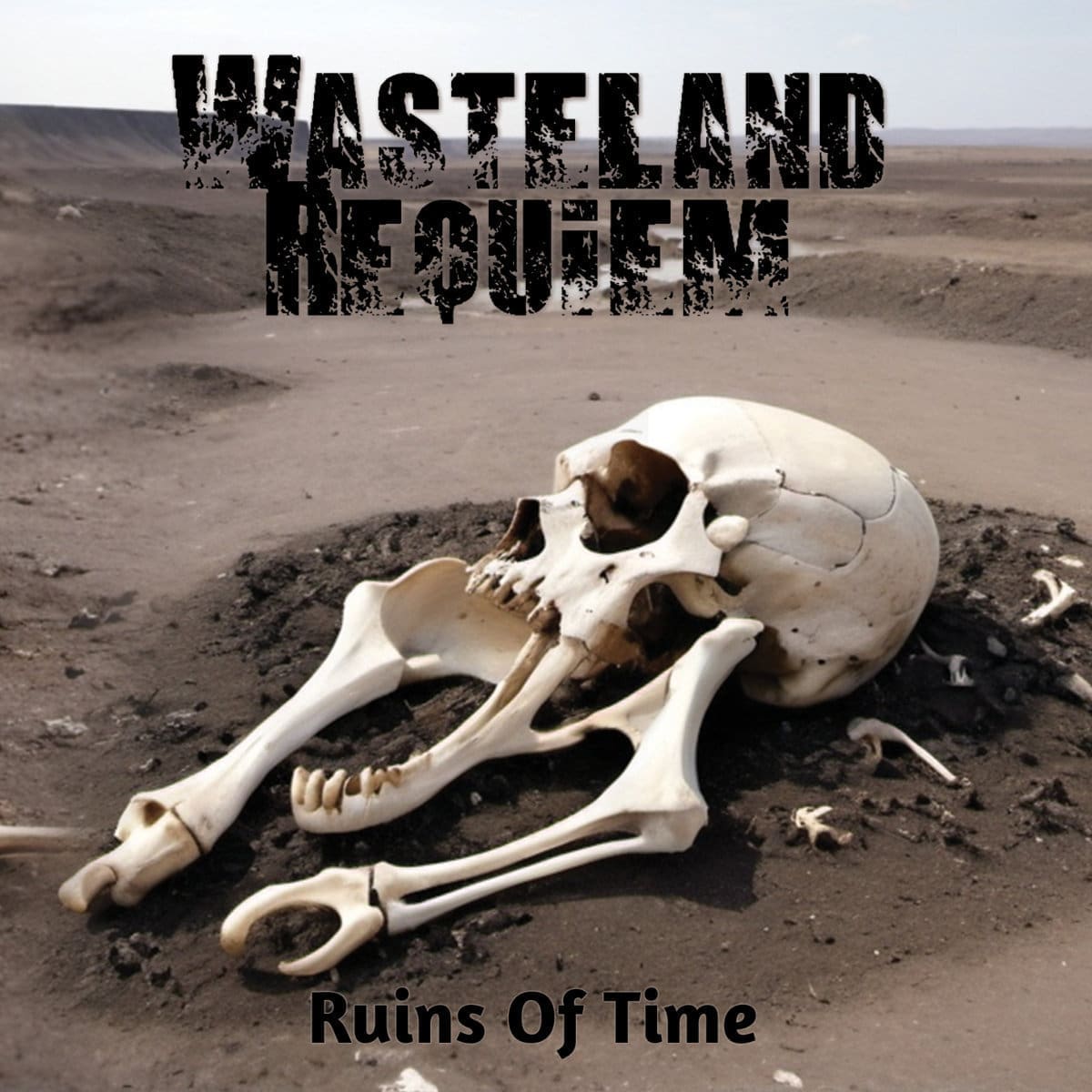
Wasteland Requiem — Ruins Of Time Review

Wasteland Requiem is a doom death metal solo artist from Portugal. On 21 September 2015, Melkor released his latest solo full-length album, Ruins of Time, through Supergoat Wreck-Whordes / Studios13.

Wasteland Requiem, Ruins of Time Review: This review will evaluate every aspect of the album, from its intricate musical composition to its production.

Wasteland Requiem — Ruins of Time cover

The First Three Sins, The Summary

The First Sin, The Strings/Keys: Showcases a dynamic interplay of rhythmic and melodic intensity, and the presence of sinister synths, lurking in the background. The Second Sin, The Vocals: Melkor’s vocal performances are nothing short of electrifying with his aggressive death growls. The Third Sin, The Percussions: Delves into a vast world of relentless drum work propels the composition forward, driving the listener through a labyrinth of sound.

⸸ ⸸ ⸸ ⸸ ⸸ ⸸ ⸸

The Fourth Sin, Overall Discussion

Before heading into the article, this is the second review of six (Melkor‘s reviews). Like Temple of the Fallen, Wasteland Requiem is another project from sole and foundered artist Melkor. Unlike Temple of the Fallen, Wasteland Requiem is more melodic doom/death metal.

The moment the listener presses the play button, the opening piece, Echoes Of Extinction, greets the listener with a symphonic soundscape, followed by a surge of instrumental and vocal aggression. The listener continues their journey with the second piece, Wasteland Requiem, and the remaining two pieces, which take the listener on a journey, about an apocalyptic future. Wasteland Requiem is based on an apocalyptic future caused by human greed. Lyrics inspired by the fires happening in Portugal. (A big thank you to the firefighters and everyone who risks their lives to keep us safe [Melkor])

Scientists warn that the Earth will become barren and arid, with deserts expanding and fertile lands turning into wastelands. This vision of desolation is attributed to human greed and environmental degradation. [Melkor]

Melkor seamlessly transitions the listener into a new fruit of art creation as they embark on their journey, echoing the spirit of the guitar work in Temple Of The Fallen. This composition embodies a devilmanship of rhythmic intensity, where the guitar weaves a tapestry of sound that switches between raw ferocity and delicate finesse. Nonetheless, a noteworthy distinction lies in the meticulously orchestrated slowing of tempo, which enhances the pervasive dread that permeates the soundscape, engulfing the listener in an atmosphere characterized by tension. The sense of foreboding is further heightened by the presence of sinister synths, lurking in the background like shadows waiting to emerge.

These sinister synths, which add a haunting element, occasionally break through the audible veil, adding an unsettling layer to the atmosphere. The combination of synth and guitar creates a rich, immersive environment that draws the listener deeper into the narrative, evoking an emotional response that is both thrilling and chilling. Adding to this intricate soundscape are Melkor‘s aggressive death growls, which infuse the music with an intense emotional weight. The relentless drum work propels the composition forward, driving the listener through a labyrinth of sound.

Wasteland Requiem is a solid piece of fruit of art showcasing a meticulously crafted instrumental, musical score and devilmanship. Each composition is distinct, weaving a rich tapestry of sound that tweens like a thorn brush. This sonic journey immerses listeners in a profound exploration of darkness, heaviness, and the foreboding essence of doom metal, alongside the fierce yet melodic and aggressive elements of death metal.

Like Melkor’s Temple of the Fallen production, Wasteland Requiem is nothing less than extraordinary with its sound quality and production. It surrounds the audience with a soundscape that enhances both the music and its atmosphere. Every layer of sound is meticulously crafted, creating a robust auditory experience that resonates deeply with the listener. Melkor‘s arrangements are evident, as each note and rhythm is executed with precision, inviting the audience to lose themselves in the immersive experience.

The album concludes with the concluding track, titled Apocalyptic Visions. 

⸸ ⸸ ⸸ ⸸ ⸸ ⸸ ⸸

The Fifth Sin, The Memorabilia

The dedication to detail is palpable in every aspect of Wasteland Requiem, from the intricate melodies to the powerful beats that drive the compositions forward. This is not merely music; it is an unforgettable journey through the shadows, a reflection of the darker aspects of human existence, and a fruit of art in the fusion of brutality, darkness, and melody. The result is a profound auditory experience that lingers long after the final note has faded, leaving an indelible mark on the soul.

The Sixth Sin, The Artwork

The artwork appears to me to resemble artificial intelligence. However, I may be mistaken. However, I am not going to dislike the artwork, due to having seen the inlays of the CD work, and they are like the front cover, all capturing the theme of the music.

The Seventh Sin, Disrelish

Nothing to disrelish within the musical spectrum of Wasteland Requiem, and his album Ruins of Time.

⸸ ⸸ ⸸ ⸸ ⸸ ⸸ ⸸

The Hymns

01. Echoes Of Extinction
02. Wasteland Prophecy
03. Ruins Of Time
04. Apocalyptic Visions

Wasteland Requiem

Melkor — Guitars, Keys, Vocals
Jeroen – Drums
Catherine Theodore – Lyrics

Reviewed by Kristian — editorial architect and ceremonially crafted. © Athenaeum of Sin Reviews.
Secret Link