Needless — Premonition Review
Needless is an Hungarian melodic/progressive metal entity. On 30 May 2025, Needless released their second full-length, Premonition, through Inertial Music.
Needless, Premonition Review: This review will evaluate every aspect of the album, from its intricate musical composition to its production.
The First Three Sins, The Summary
The First Sin, The Strings/Keys: Thrash-driven aggression meets soaring progressive melodies. Bass riffs add depth, while eerie synths enhance the blackened and stellar atmosphere. The Second Sin, The Vocals: The vocals oscillate between harsh screams, guttural growls, and melodic clarity, shaping the album’s emotional weight. The Third Sin, The Percussions: Explosive, relentless, and precise. The drumming drives the chaos with rhythmic destruction and controlled ferocity.
The Fourth Sin, Overall Discussion
A Gateway to Chaos
The instant the play button is clicked, the album begins with the opening track, Derelict, which instantly sets a strong tone, greeting the listener with a neoclassical progressive-style introduction that subtly invites the listener in. Before the song hits the one-minute mark, dark and aggressive vocals erupt, cutting through the atmospheric buildup with raw energy.
A Journey Through Soundscapes
As the listener moves from Derelict into the second piece, Metatrons in Sunken Arks, and the remaining seven pieces. The listener is met with a shift that builds on this foundation, weaving through a tapestry of sound that includes melodic thrash riffs, death metal ferocity, atmospheric black metal layers, and subtle progressive elements. Each of the eight pieces, which together span approximately forty minutes, offers a unique experience. What stands out is how seamlessly these styles blend, crafting an aggressive yet immersive soundscape that feels mythic and timeless.
These lyrics and atmosphere seamlessly integrate into the band’s nihilistic storytelling, evoking a sense of ancient worlds unravelling, cosmic cycles, and existential collapse.
Alchemy of Composition
Premonition feels like a cosmic cauldron of creative energy — a fruit of art brew that combines the devilmanship of composition, arrangement, and emotional expression. The band embraces expansive songwriting; each song is crafted with a deliberate sense of space, allowing parts to breathe and evolve. Shifting tempos, dynamic stop-and-go rhythms and intricate guitar work. No song sounds the same; each one is distinct in sound, mood, and texture.
Tracks, such as Dark Epiphany, stand out with their angular and sharp riffs and weighty atmospheric transitions that slice through the mix, reminiscent of early Opeth’s dark complexity. Meanwhile, Twilight Cradle injects melancholic melodies intertwined with aggressive riffs, creating a feeling of longing and despair.
The Art of Precision
Critical to capturing the essence of the band’s sound is the album’s mix, which strikes a subtle compromis — dense enough to sound heavy, yet clear enough to reveal subtle detail. There’s a fine line between clarity and brute aggression, and this album walks it perfectly.
One will find that over-compression is avoided, allowing the music to (again) breathe and the impact of each instrument to remain intact. The overall sound invites the listener to deep dive into every corner of the music, revealing fresh details with each listen.
Fire & Ice of Instrumentation
Premonition’s guitar work exemplifies both precision and chaos. Combining thrash’s aggression, abrupt rhythms and progressive’s soaring, evolving melodies. The riffs are jagged, sharp, and relentless, yet textured with layers of tremolo picking and melodic phrases that weave through the chaos. Occasionally, the guitar playing has a power metal’s melodic impact in it, with a sense of transcendence amidst the darkness.
The distortion is thick but remains transparent, with each note being clearly defined even when playing at full speed.
The bass riffs complement this chaos beautifully; they remain prominent, not swallowed by the guitars, and serve as a counterpoint that adds depth and richness. The bass feels more like a bridge — bridging the sound’s aggressive energy with an atmospheric mood, enriching the overall palette.
Rhythmic Devastation
The drumming is particularly noteworthy, providing both relentless energy and nuanced control. Explosive blast beats punctuate the album’s more chaotic moments, injecting a sense of ferocity. Rhythmic breakdowns in Constellations evoke an almost tribal feel, reminiscent of bands like Gojira’s tribal percussion. The drums can also feel dynamic — they can burst into a full-force storm when needed, or slow to allow space for the melodic or atmospheric passages. The Outer Reach is a perfect example, with its precise, controlled burst of drums and layered fill that build tension without losing clarity.
The Voice of the Void
Vocal work on Premonition plays a vital role in shaping its storytelling. The vocals oscillate between harsh screams, guttural growls, and soaring, melodic lines. These vocal shifts bring emotional depth and dynamism to each song, making the narrative more engaging. The lower growls carry a weight that hints at elemental forces — like storms brewing or mountains crumbling. Higher screams and clean vocals lift moments of emotional urgency, creating a sense of desperation, hope, or warning.
They layer textures — sometimes with reverb-heavy whispers or distant harmonies—adding a spectral, ghostly presence to the atmosphere. These elements elevate the songs, provide contrast, and deepen their storytelling aspect. Each vocal phrase feels intentional, from raw, guttural growls to expressive cleans, building a powerful emotional arc across the album.
Atmospherics & Unconventional Touches
The synth and ambient textures set a haunting mood, with occasional piano flourishes and reverberated pads filling the space, especially during transitions. As mentioned, some sections push beyond normal beats by adding tribal-style tom work, reinforcing the album’s mythic scale.
There are also quiet, acoustic parts that break the atmosphere but add a natural touch. Tracks like Constellations and Metatrons in Sunken Arks introduce subtle symphonic textures, echoing early Fleshgod Apocalypse. A saxophone even appears in one song, giving a nod to Rivers of Nihil.
Echoes Beyond Time
Overall, this is more than a fruit of art-experience; it is a vivid, immersive experience that draws the listener into a mythic saga.
The Final Echo — A Premonition Fulfilled
Concluding the album, Premonition, where the whole of music and sound, leaves a lasting impact and ear-drums ringing like shooting stars in a stellar night sky.
The Fifth Sin, The Memorabilia
For me, Premonition solidifies Needless as a band unwilling to stagnate. Needless balance technical precision and emotional intensity, making an album that is both epic in nature and relatable. To me, Premonition is more than a fruit of art experience; it is an epic story retold in song. Every song is a mythological ride for the listener — each instrument, each note carefully crafted with passion. An epic storytelling, where song is brought to life by this devilmanship that is floored to perfection.
The Sixth Sin, The Artwork
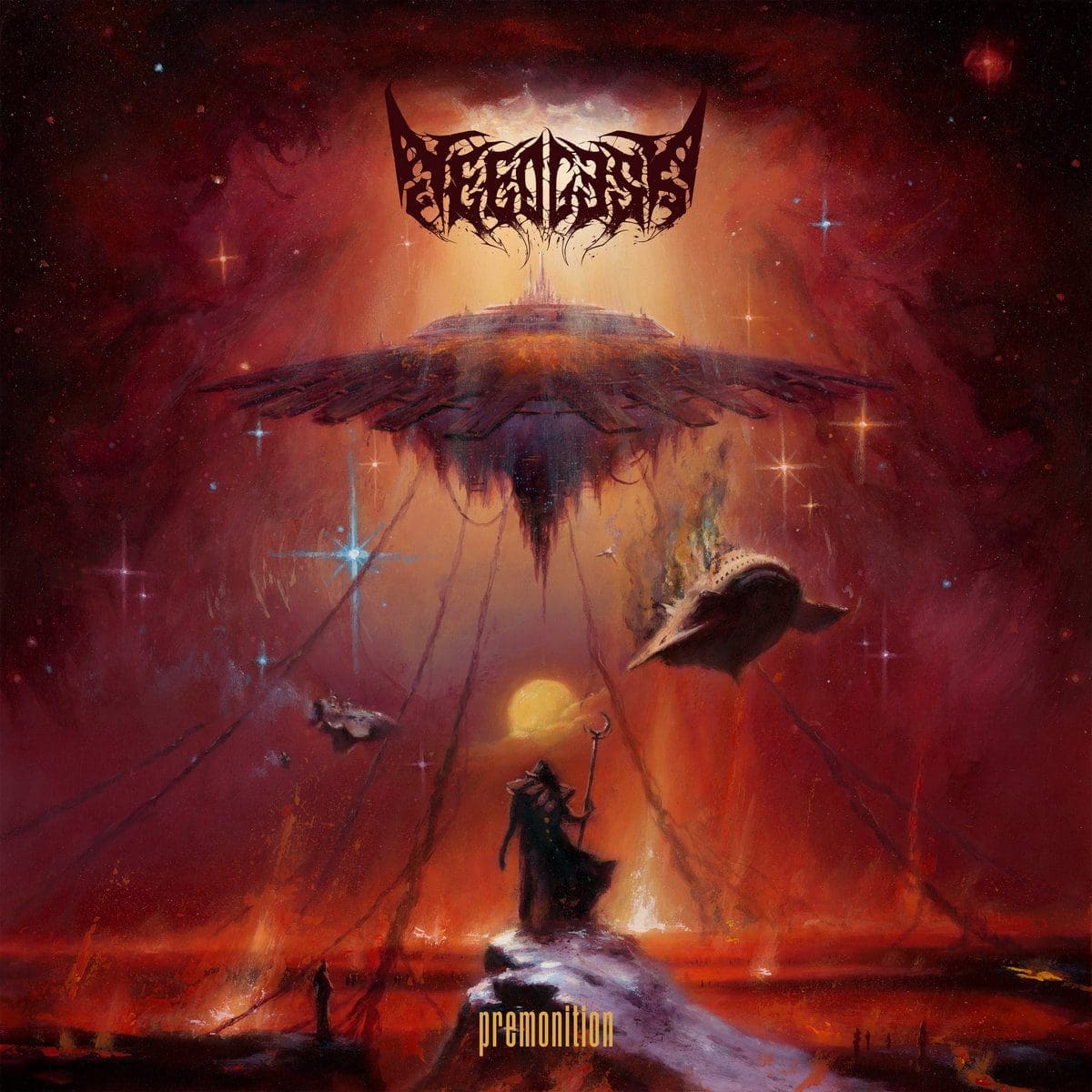
The artwork (Ryan T. Hancock www.facebook.com/ryan.t.hancock/) presents a surreal and atmospheric scene with a cosmic, almost supernatural aesthetic.
The Seventh Sin, Disrelish
To seek faults within Premonition is to misunderstand its nature. It does not strive for flawlessness, but rather embraces its own grand design — each note a chapter, each transition a deliberate step in an intricate narrative. Nothing is misplaced; everything is crafted with purpose.
The Hymns
01. Derelict
02. Metatrons in Sunken Arks
03. Twilight Cradle
04. Constellations
05. As Our Citadels Burn
06. Dark Epiphany
07. Dark Epiphany
08. World Forgotten, Dreams Undone
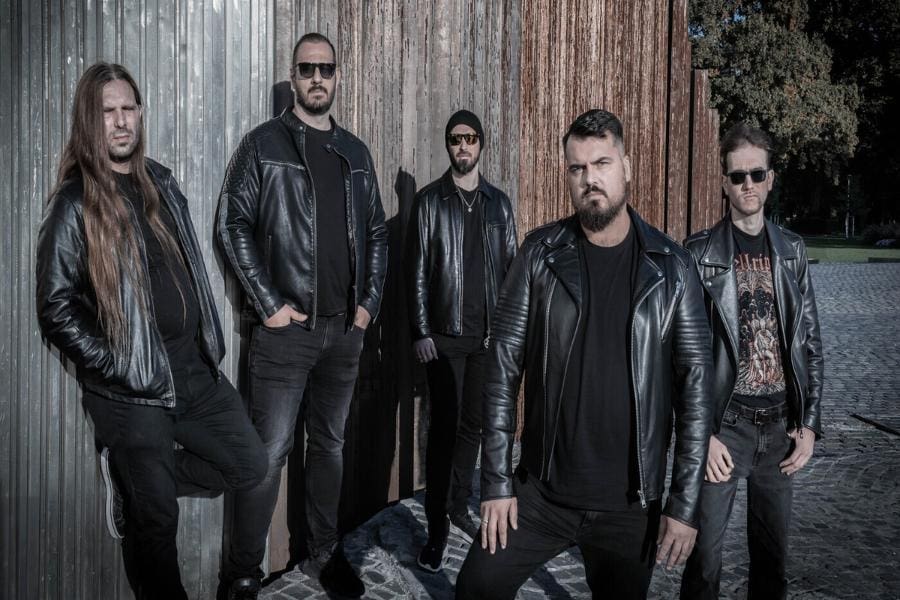
Needless
Ádám Forczek — Vocals
Tamás Bárány – Gutiars
Botond Fogl – Guitars
Lászió Báanfalvi – Bass
Zoltán Németh – Drums
Dániel Márton – Guest Guitars
Kristóf Katona – Guest Guitars
Sára Erdei – Guest Saxaphone