Cogadh — Kingmaker Review
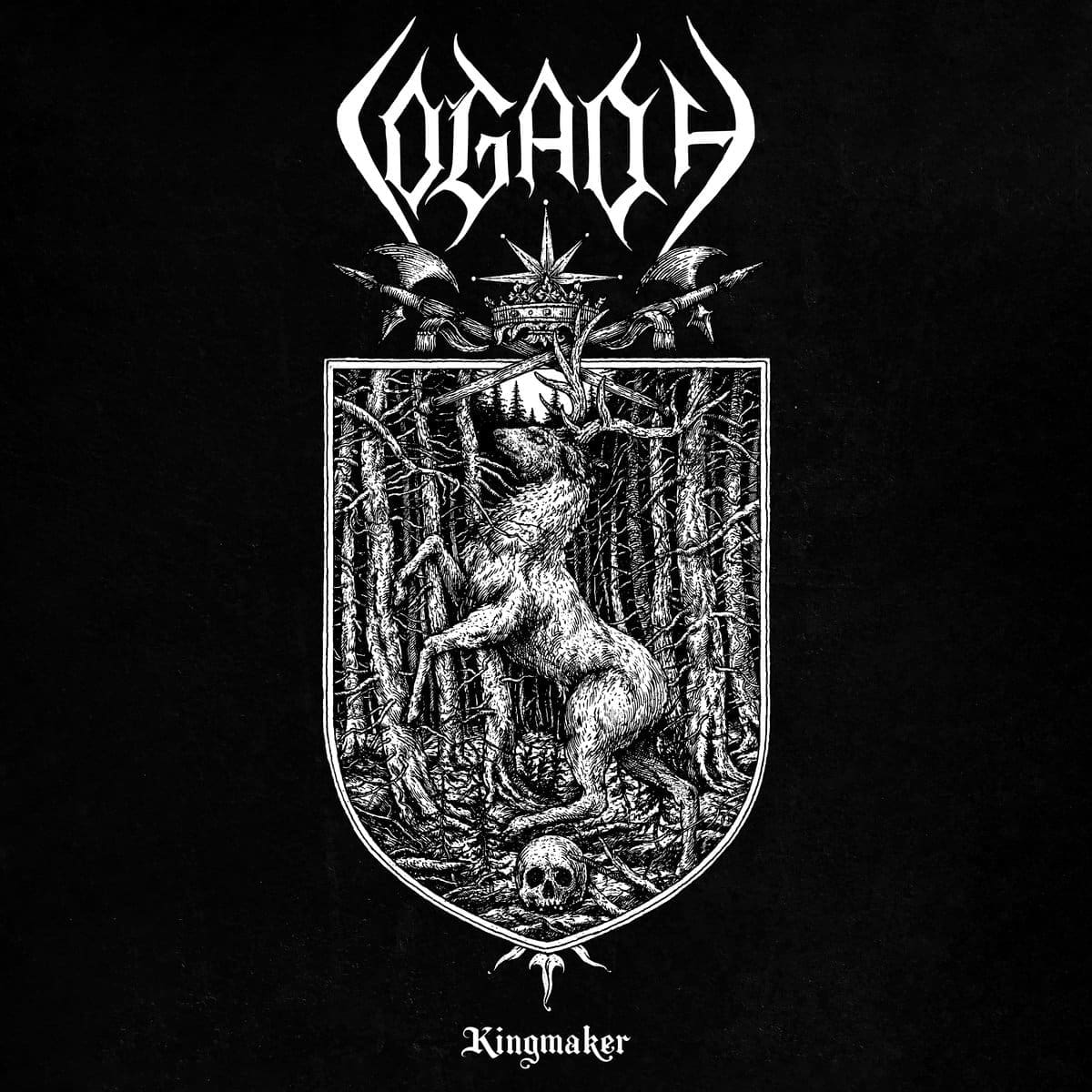
Cogadh is a Canadian black metal entity. On 6 March 2026, the band unleashed their independent debut Kingmaker, promoted via Cutting Edge PR.
Cogadh, Kingmaker Review: This review will evaluate every aspect of the album, from its intricate musical composition to its production.
The First Three Sins, The Summary
The First Sin, The Strings/Keys: Frostbitten tremolo riffing with austere precision — long-form passages favouring atmosphere over immediacy, rooted in early nineties black metal tradition. The Second Sin, The Vocals:A commanding mid-range rasp delivered as proclamation — controlled, authoritative, and devoid of hysteria. The Third Sin, The Percussions: Disciplined, martial drumming — measured blast beats and dry snare work driving the hymns with structured force rather than chaos.
The Fourth Sin, Overall Discussion
Opening Threshold
From the first strike, Kingmaker immerses the listener in just under fifty minutes of unrelenting extreme music. Across six hymns, Cogadh weaves a tapestry of mythic and historical resonance, utilising titles that evoke ancient ritual, forgotten folklore, and bloodied martial lineage.
Tradition & Lineage
Kingmaker is an exercise in traditional black metal — cold, harsh, and uncompromising. Yet, it eschews mindless speed for deliberate pacing and long-form compositions that allow its thematic cohesion to fully take root.
Kingmaker is a primal fusion of eras: it carries the skeletal, freezing grit of early Darkthrone, the sweeping, ancestral grandeur of Bathory, and the lush, atmospheric storytelling of Blackbraid. This is not just a collection of hymns; it is a unified narrative of shadow and steel.
Monument of Steel & Shadow
Kingmaker is more than a collection of hymns; it is a solid and profane monument to the genre. The instrumental compositions and arrangements are carved with a precise devilmanship that renders the performance flawless.
It is an album that feels forged on the burning brimstone of hell rather than recorded in a studio — a relentless, soot-stained journey from the battlefield pulpit to the ruined, smoke-filled hall.
Brimstone-Forged I — The Divide
Within the six hymns, the album feels split. The first two hymns are driven by frostbitten riffs and tremolo lines that drift likemarching columns seen through smoke. Here, the vocals are not merely performed; they are delivered from a pulpit raised above a battlefield, commanding the chaos with a grim, martial authority.
The frostbitten war-cry is broken by the third hymn Donnchadh, The Hunter. This piece pivots toward a beautifully dark, folkish tradition, inviting the listener into an atmospheric aura that feels grounded in the earth rather than the iron of the front lines. It is a necessary, haunting breath of soil and shadow.
The final triad shifts the tone once more. The music becomes triumphant, but not victorious — the sound of a banner raised in defiance over a lost cause. Cold, spiralling melodies rise like smoke from a ruined hall, while the vocals retreat into a space that is half-whispered and half-accusatory, echoing through the silence of the fallen.
Brimstone-Forged II — The Instrumental Core
Within this forge, the guitars are frostbitten and dry — a tactile assault on both the ears and the soul. The tone is serrated, unmistakably rooted in the jagged ethos of early nineties black metal.
Long-form tremolo passages move with the indifferent weight of winter wind over stone, creating a sense of vast, desolate space. When melodic or folkish motifs do emerge — most notably in Donnchadh, The Hunter — they do not function as hooks. Instead, they act as sigils: brief, sharp carvings in the ice that serve as markers for the listener to find their way through the dark.
Beneath the frostbitten guitars, the bass guitar sits as a thick, rounded presence—slightly muted, yet providing a pulse that feels like a heartbeat beneath a heavy cloak. It is the steady, subterranean hum of the record.
Measured Violence & Voice of Authority
However, it is within the drumming that Kingmaker’s discipline becomes undeniable. This is not the sound of unbridled chaos, but of measured violence. The snares possess a dry, papery crack — thin and cold — that perfectly suits the album’s desiccated aesthetic. Even at its most intense, the relentless blast beats function as a martial backbone, a disciplined march rather than a frantic blur.
The vocal performance on Kingmaker is defined by a chilling sense of authority. Delivered as a proclamation rather than a frenzy, the voice sounds as though it declares fate itself.
There is no desperate shrieking or guttural indulgence here; instead, a harsh, mid-range rasp — a commanding, frostbitten roar that cuts through the smoke of the instruments.
It is the voice of a leader on the battlefield, or a priest at a blood-stained altar, ensuring every word carries the weight of history.
Ancestral Pulse & Folkloric Presence
The album is structurally strengthened by a recurring ancestral pulse— folk instrumentation that surfaces at key moments like omens. These are not mere interludes; they are sonic markers that signal shifts in the record’s narrative arc.
The mournful lilt of the Irish whistle and the wheezing, rhythmic weight of the accordion provide a folk tradition that feels both archaic and immediate. These instruments are woven into a framework of subtle environmental recordings—the breath of the Québec woods—bleeding into the hymns.
It creates an atmosphere where the music feels as though it is echoing off curving stone and ancient bark, rather than being contained by modern walls.
Production & Sonic Form
The production is not flashy or modernised; it sits firmly in the lineage of the early nineties. It is purpose-builtto preserve traditionalism while letting the atmospheric textures breathe. It is the kind of production that feels intentional, not underdeveloped; raw, but never careless.
Overoll Verdict
Overall, Cogadh is a forbidden fruit of art — music that is frostbitten and cold from beginning to end.
Final Hymn — The Unbroken Line
Kingmaker closes with The Unbroken Line — a final hymn that does not resolve, but endures. It leaves the listener not with closure, but with the lingering weight of something still standing.
The Fifth Sin, The Memorabilia
Kingmaker is a record lost to time — a relic unearthed from a forgotten temple buried deep within the Canadian wilderness, its edges weathered by thick moss and the bite of cold air. The music carries an ancient, subterranean weight, reminiscent of an artefact dragged out of the fog-shrouded Teutoburg Forest of Germany or the wind-scoured, icy realms of Norway.
This is atmospheric black metal with the aura of myth: raw, ritualistic, and timeless. It feels as though the music has been waiting in the dark for centuries, finally finding its way back into the light.
The fifth hymn stands as a beast — a personal highlight — carrying a primal power that, alongside the third hymn, forms the backbone of this ancestral ritual.
The Sixth Sin, The Artwork
The sonic tapestry of Kingmaker is a deliberate blend of atmospheric black metal and folk textures, sharpened by a faint, underlying war-metal steeliness.
The Seventh Sin, Disrelish
If there is one thing to disrelish, it is nothing. Kingmaker stands as a complete, uncompromising vision of extreme metal.
The Hymns
01. Comwell’s Curse
02. Doonchadh, the Hunter
03. Restrainer of Dreams
04. Spill the Giant’s Blood
05. The Misery Scryer
06. The Unbroken Line
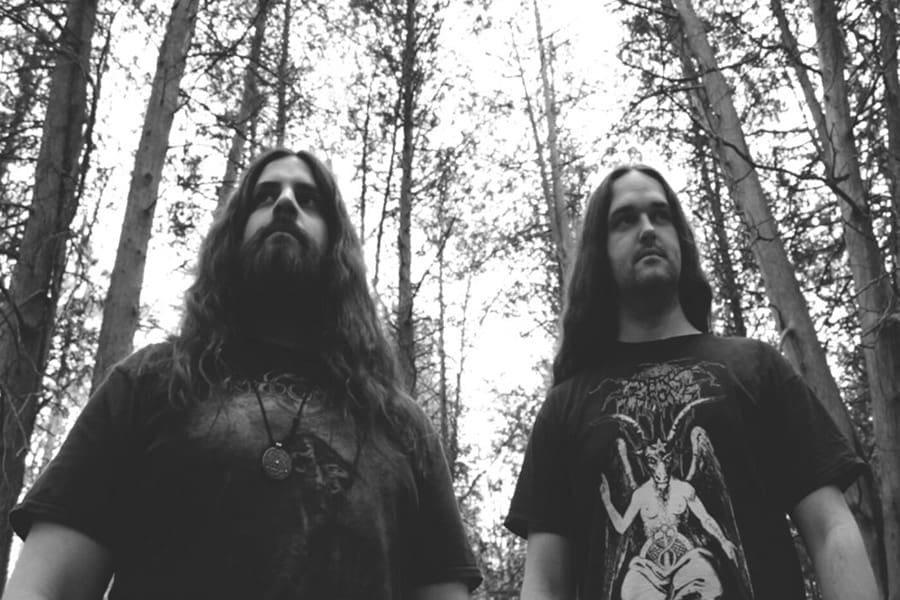
Cogadh
Ira Lehtovaara — Guitars, Bass, Guitars (acoustic)
Alex Snape – Vocals, Drums, Whistles, Accordion, Violin