Lord Centipede — Centipede II: Electric Boogaloo Review
Lord Centipede is an American mutant blackened grind entity. On 13 March 2026, the band released their debut EP, Centipede II: Electro Boogaloo via Morbid and Miserable Records.
Lord Centipede, Centipede II: Electro Boogaloo Review: This review will evaluate every aspect of the album, from its intricate musical composition to its production.
The First Three Sins, The Summary
The First Sin, The Strings/Keys: Colossal fuzz-drenched doom riffs fused with psychedelic layering — hypnotic, suffocating, and ritualistically paced. The Second Sin, The Vocals: Grit-soaked invocations delivered with ceremonial weight — more chant than performance, grounded in occult gravitas.The Third Sin, The Percussions: Programmed, martial pulsework — mechanical, deliberate, and built to sustain trance rather than showcase flair.
The Fourth Sin, Overall Discussion
Initial Contact
From the very first droplet of sound, the listener is not welcomed, but physically attacked. This is the moment where the realisation hits: you are not just hearing a record, but being dragged through a multi-limbed, multi-genre mutant organism.
Furthermore, this is music that intends to devour you — a sonic predator that discards the ceremonial for the visceral. It is a blunt-force introduction that signals a departure from the erudite and the spectral, grounding the music in a high-velocity, primitive violence.
Mutation & Fusion
Centipede II: Electric Boogaloo clocks in at under eighteen minutes, but within that brief window lies a lifetime of pure, fuzzed-up, high-octane filth and decay. This is a work of total heavy metal annihilation-fusion — a record that refuses to hold your hand and instead chooses to devour you whole.
This aggressive, animalistic, jagged, multi-genre monstrosity possesses the cold, serrated edge of raw black metal, fuelled by the biting speed of thrash and the short, violent energy of grindcore. But this biological aggression is fused with a mechanical sickness: static bursts, hums, and glitches of noise-industrial electricity flicker through the hymns like dying nerves.
Grounding this high-voltage chaos is the dirt and filth of punk and D-beat, dragging the listener through the rot and decay of crust punk and the suffocating, slow-motion weight of sludge and doom metal.
The result is a blackened-grind / industrial vermin-ritual mutant centipede — a creature that is as much a product of a toxic wasteland as it is a byproduct of the Shadow.
Tunnelling Devilmanship
The devilmanship behind Lord Centipede is a paradox: an instrumental composition that is floor-to-stone precision, yet rotten to the core. The guitar work is defined by a buzzing, overdrive-saturated, and serrated distortion — a sound that feels like a lethal swarm being amplified through a broken fluorescent tube, flickering with unpredictable, high-voltage energy.
These guitars do not aim for the classic wall of sound; instead, they build tunnels, burrowing through the mix with a manic, obsessive precision. This claustrophobic tunnelling is punctuated by occasional feedback shrieks — piercing, metallic cries that sound like chitinous mandibles scraping against rusted metal.
Panic Engine
The drumming is a relentless panic-ritual — the frantic sound of a creature that refuses to be still. It is defined by hyperactive blast beats that scatter like a swarm the moment the lights are switched on, darting through the dirt and filth of the production with a desperate, predatory energy.
These are punctuated by sudden rhythmic spasms, mirroring the album’s high-voltage electrical theme. Every crash is a shock; every cymbal hiss sounds like a thousand wings beating at an impossible, supernatural speed. It is a performance of total anaerobic exertion, providing the kinetic fuel for the multi-limbed mutant to continue its eighteen-minute annihilation.
Mandible Voice
The vocals are a grotesque hybrid — a performance that sounds as though it is being forced through chitinous mandibles rather than a human throat. High, venom-spitting shrieks and blackened rasps collide with low, gurgling growls that sound like a predator in the act of digesting its prey.
This vocal horror is contained within an atmosphere that is frenzied, crawling, and electrically charged. There is a grotesquely playful edge to the chaos, acting as the soundtrack to a flickering, fluorescent underground. It is the sonic equivalent of a high-voltage power station infested with impossible creatures — a place where the hum of the grid and the chittering of the swarm become a single, lethal frequency.
Bioelectric Habitat
The production of Electric Boogaloo is a deliberate, high-voltage sickness. It functions as a bioelectric ritual captured inside a malfunctioning power station, where the air is thick with the smell of ozone and burning grease. This is a lethal hybrid of raw basement grind and blackened filth, intentionally disrupted by industrial electrical interference.
There is no polish here, and no safety. The sound is alive, twitching, and unstable— as if the record itself is being shocked back to life every few seconds by a failing grid. It is a production that does not just present the music; it animates it, creating a sonic environment that feels dangerously close to a total circuit collapse.
Overall Verdict
Overall, Centipede II: Electric Boogaloo is a filthy and rotten fruit of art. It functions as a bioelectric terrarium where grind, extreme metal, and industrial noise fuse into a single, twitching organism.
This is a creature built of riffs, filth, electricity, and panic — a high-octane annihilation-fusion that refuses to settle into a single genre, choosing instead to devour the listener from the inside out.
Cycle of Reanimation
Centipede II: Electric Boogaloo does not conclude — it burns out. The organism collapses in a final surge of noise and electricity, only to demand reanimation. What remains is not silence, but the impulse to restart the cycle, as if the creature must keep feeding to sustain its existence.
The Fifth Sin, The Memorabilia
Lord Centipede is music that delivers exactly what it says on the tin: decaying, rotten-to-the-core extreme metal. This was the moment I realised I was not simply listening to a record, but being dragged through a multi-limbed, multi-genre mutant organism.
It is a relentless, predatory experience that refuses to stay in one lane, shifting its weight through the filth of the underground.
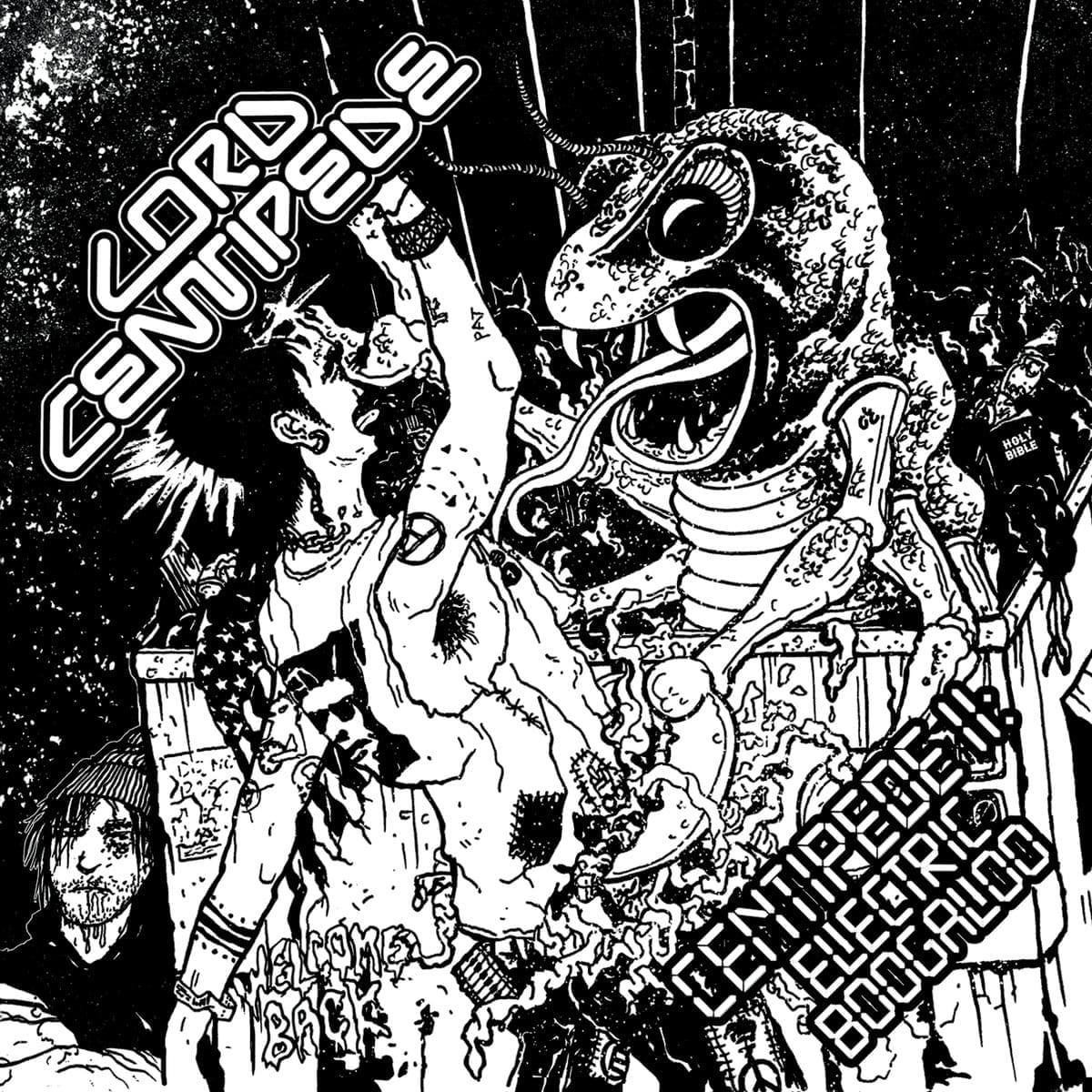
The Sixth Sin, The Artwork
The artwork is a perfect visual anchor for the sonic rot. It captures both the chaotic essence of the music and that gritty, old-school underground charm.
The Seventh Sin, Disrelish
There is nothing to disrelish in the composition itself. The only sin is that the decay of the music fades too soon. Because of this, the replay button acts as an electric charge, a necessary jolt to shock the organism back to life and drag the closing hymn back to the opening piece. It is a cycle of annihilation that demands to be repeated.
The Hymns
01. Dumb as F**k
02. Shitstorm of Stupodity
03. Wolf Witch
04. Dawn of the Troglodytes
05. Sword of Conan
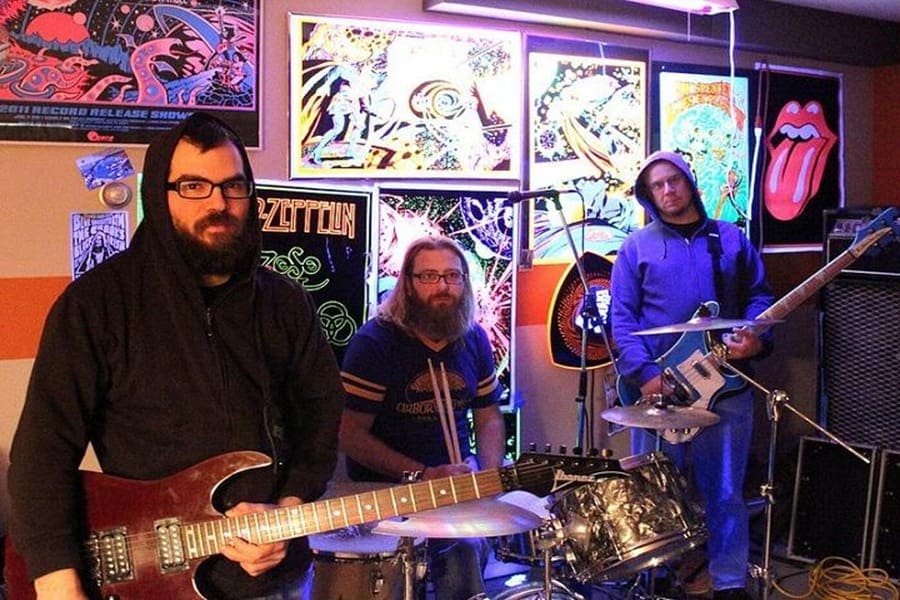
Lord Centipede
Ian Harris — Bass
Justin O’Neill – Drums
Samir Asfahani – Guitars, Vocals
Hear The Music
Social Links
Morbid and Miserable | Home Page