Uburen — Brister i Vevet Review
Uburen is a Norwegian Viking black entity. On 29 April 2026, the band unleashed their latest single Brister i vevet, taken from their upcoming album Dødsdans I Aske — released via Dusktone and promoted by The Metallist PR.
Uburen, Brister i vevet Review: This review will evaluate every aspect of the album, from its intricate musical composition to its production.
The First Three Sins, The Summary
The First Sin, The Strings/Keys: The guitars operate through cold, mid-gain tremolo and ritual repetition, favouring hypnotic cycles over excess — a loom tightening with each pass. The Second Sin, The Vocals: A layered delivery of rasped screams, shouted declarations, and spoken prophecy — weathered, commanding, and bound to the mythic thread. The Third Sin, The Percussions: Mid-paced and deliberate, the drums avoid excess and instead act as a ritual heartbeat — steady, subtle, and trance-preserving.
The Fourth Sin, Overall Discussion
The Loom Awakens
The moment the play button is pressed, the listener is not met with the expected violence of a blast-beat assault. Instead, Brister i vevet greets you with a harsh, slow-burning progression. It is a work of patience, utilising heavy repetition and hypnotic cycles to create a meditative, accumulating weight. It doesn’t strike; it surrounds.
Brister i vevet takes the listener on a lyrical journey that pulls from the deep roots of myth. From available cues — and a reasoned reading — the title refers to the tapestry of fate woven by the Norns — the weavers of fate who determine the beginning, middle, and end of every life.
Threads of the Mortal Plane
Forged in a cold, unadorned chain of tremolo, low-end pulse, and dust-heavy drums, the production of Brister i vevet does not aim for polished perfection. Instead, it moves like a fraying thread through the Norns’ loom — raw, atmospheric, and unyieldingly mortal. It sounds like a record aged by the elements it describes.
Brister i vevet stands as a testament to high-level song craft — a devilmanship that is honed to perfection. The instrumentation does not simply play notes; it operates as the physical machinery of fate.
The Tension of the Weave
The aggressive guitar riffs function like threads pulled taut across the Norns’ loom. They possess a specific, calculated character:
- Cold Texture — utilising mid-gain tremolo picking that feels sharp and biting.
- The Heavy — avoids the raw-necro lo-fi aesthetic in favour of a clear, abrasive power.
- The Ritualistic — the movement is defined by long, hypnotic cycles. Rather than stacking riff upon riff, Uburen uses repetition as a ritualistic tool to bind the listener to the hymn.
The Warp Beneath the Thread
The bass merges seamlessly with the guitars, acting as the dark warp beneath the weave. It provides the unseen structural integrity of the song, adding a low-end depth that suggests the heavy, hidden forces moving behind the tapestry of destiny.
The drums eschew hyper-aggression in favour of a ritualistic steadiness. The tempo is mid-paced and deliberate, acting as the rhythmic heartbeat of the Norns at their work. Rather than shattering the atmosphere with dramatic breaks, the percussion relies on subtle shifts — small adjustments that keep the tapestry moving forward without breaking the trance.
And from within this measured weave, a voice begins to form.
The Voice Within the Weave
The vocals are not merely performed; they are woven into the texture of the music itself. They sound scoured and despair-etched, as if the throat has been weathered by the same storms that shaped the mythic landscape.
- Harsh Rasped Screams — the traditional black metal foundation, pushed to an abrasive extreme.
- Shouted Declarations — adding a sense of urgency and command to the Seer’s message.
- Spoken-Tone Phrases — occasional moments of eerie clarity that pierce through the distortion, making the prophecy feel intimate and unavoidable.
Echoes of the Ancients
Musically, Brister i vevet carries the unmistakable weight of mid-era Bathory. It possesses that same epic, sprawling atmosphere that feels less like a hymn and more like achronicle of the ages — carried through its sonic weight:
- The Pace — a deliberate, funeral-march crawl that mirrors the slow movement of the weaver’s hand.
- The Atmosphere — each repetition feels like another loop in the thread, tightening the tension until the weight of fate becomes a physical presence.
- The Ritual — rather than dramatic shifts, the hymn relies on an accumulation of sound, much like the way a life is built — one small, inevitable moment at a time.
While the vocals evoke the gravel-etched declarations of Abbath’s work with I, there is a fundamental shift in perspective:
- The Warrior — where Abbath sounds like a king leading a charge, Uburen sounds like a Seer interpreting the omens.
- The Delivery — the phrases are spoken with a storm-worn, fate-bearing resonance. It captures the same windswept, ancient energy found in Primordial’s chant-driven force — a voice that does not just sing, but declares the inevitability of the threads being woven.
The music does not just support the vocals; it provides the storm they rise above. The repetition in the guitars acts as the rhythmic clacking of the loom, while the vocals serve as the prophetic voice explaining exactly what is being made.
Echoes of the Ancients
The single eventually fades into a cold silence, but the weight of the tapestry does not lift.
Overall, Brister i vevet is a frostbitten fruit of art. It is a stark, uncompromising piece of prophecy that demands to be felt rather than just heard.
The Fifth Sin, The Memorabilia
For me, Brister i vevet represents more than just a new hymn; it serves as a definitive introduction to Uburen themselves. This was my first encounter with the band’s work, and I must extend my thanks to my contact at The Metallist PR for facilitating this introduction.
A genuine memorabilia moment — not only adding a new name to my collection but creating a clear sense of anticipation for what the upcoming full-length album will reveal.
The importance of this hymn lies in its evolution. While the echoes of early-Bathory, Abbath, and Primordial are clearly present, they are not mere imitations. Uburen has taken those legendary influences and woven them into their own distinct tapestry — creating a sound that is entirely their own.
The Sixth Sin, The Artwork
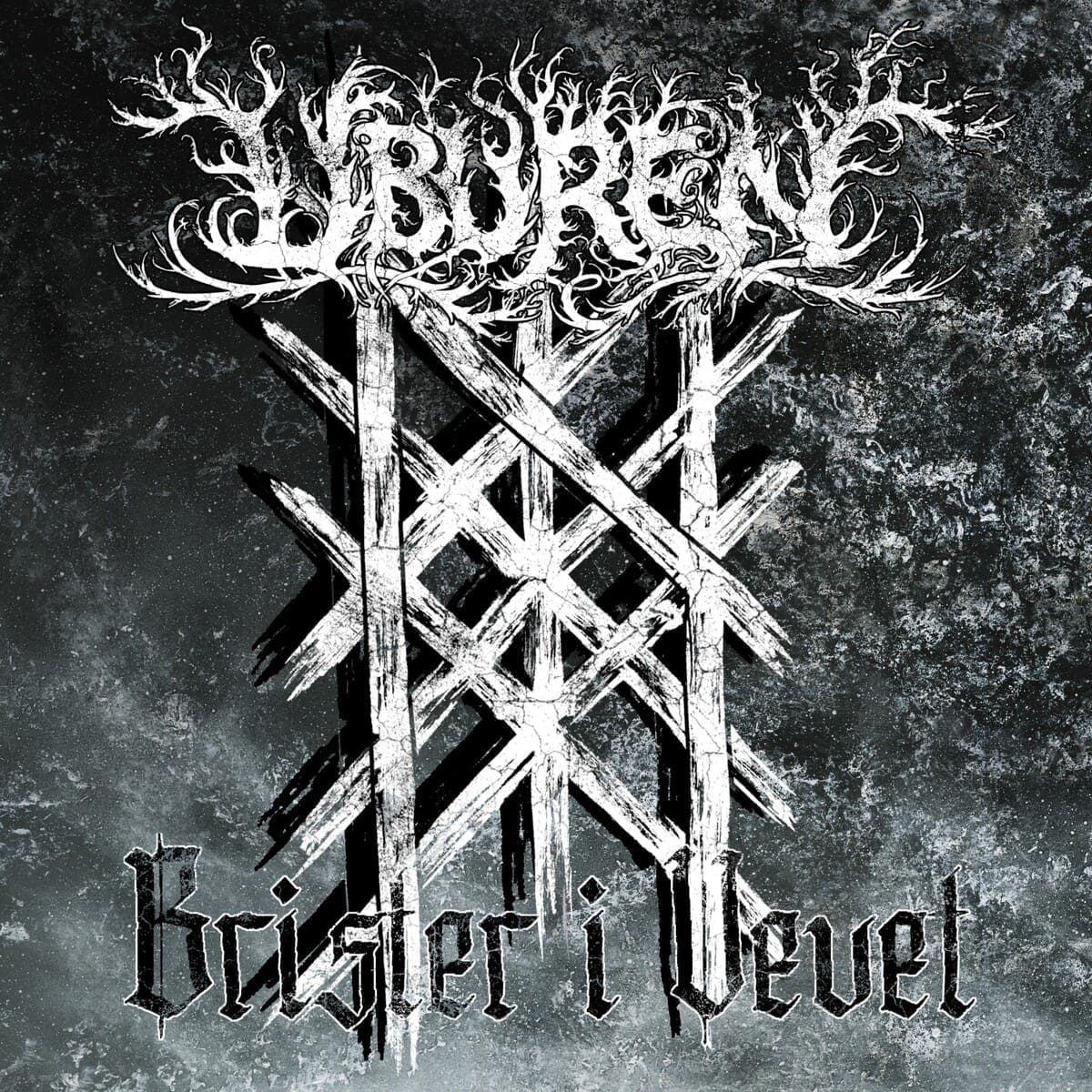
The artwork mirrors the song’s theme —the breaking of fate’s weave— and presents a visual echo of tension, fracture, and inevitability. It stands not as decoration, but as an extension of the prophecy itself.
The Seventh Sin, Disrelish
There is no disrelish to be found within Brister i vevet. To find fault in its repetition would be to find fault in the heartbeat or the tide.
The Hymns
01. Brister i vevet
Uburen
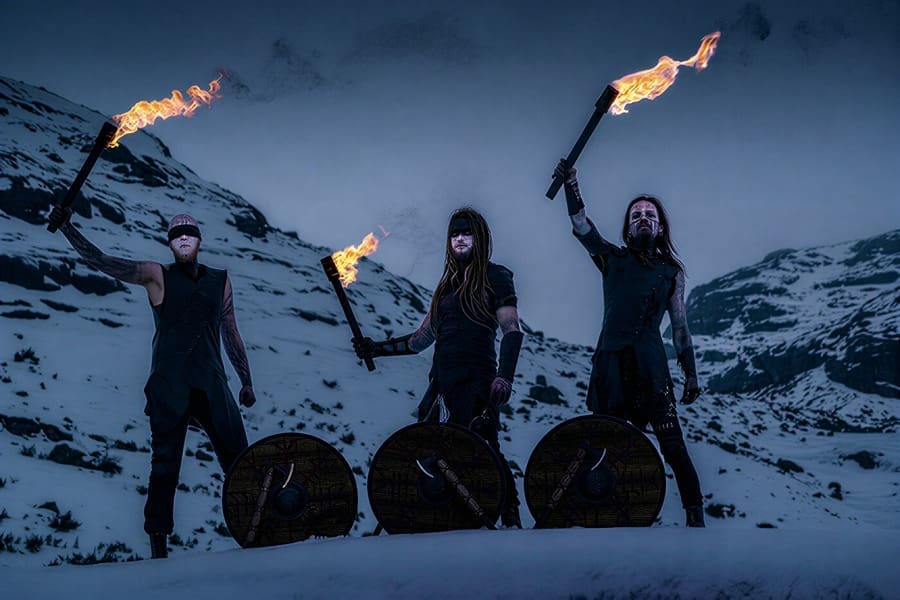
Bior Kjetilson — Bass, Vocals
Ask Kjetilson – Guitars, Vocals
Wrage Steinarson – Drums