Antithetic — Kadath Review
Antithetic is an Ameircan black metal entity. On 11 June 2026, Antithetic released their debut full-length, Kadath, and promoted via GlobMetal Promotions.
Antithetic, Kadath Review: This review will evaluate every aspect of the album, from its intricate musical composition to its production.

The First Three Sins, The Summary
The First Sin, The Strings/Keys: Razor-edged tremolo riffing, soaring melodies, restrained synthesisers, and progressive songwriting forge a vast, frostbitten atmosphere. The Second Sin, The Vocals: Multilingual rasps, cavernous growls, whispered invocations, and spoken passages become the album’s ritualistic narrator. The Third Sin, The Percussions: Organic drumming combines relentless blast beats, powerful double-kick work, and ceremonial rhythms without sacrificing atmosphere. .
The Fourth Sin, Overall Discussion
The Dream-Gate Opens
The moment the listener presses play, the instrumental opening hymn unfolds with a heavy, atmospheric shadow — welcoming the listener into a cold, ritualistic prelude that portends the madness to come.
The Dreamlands Beyond Reason
Spanning thirty minutes and spread across seven hymns, Kadath presents the listener with melodic and progressive black metal. Shaped by a biting, glacial atmosphere, and built around intense thematic contrasts: beauty and decay, dream and nightmare, and sacred iconography set against vast cosmic horror.
Steeped in Lovecraftian mythos, the album is tracked with a ritualistic narrative flow.
Architecture of the Frozen Void
Rather than relying solely on non-stop blast beats or standard dissonant noise, Antithetic constructs a deeply layered, architectural nightmare. The compositions balance intricate, soaring melody with severe black metal aggression, allowing the Lovecraftian themes of dream-questing and cosmic insignificance to feel genuinely vast.
The ritualistic pacing ensures every transition feels like a deliberate step further into the cold, uncharted void of the Dreamlands.
Tongues of the Dreamer
A defining hallmark of Kadath is its total refusal to anchor itself to a single tongue. The lyrics shift fluidly between English, Finnish, and Russian — constructing a fragmented, multi-faceted voice that continuously fluctuates between desperate prayer, religious worship, unhinged madness, and transcendent illumination.
This continual shift in language makes the narrative feel less like a conventional vocal performance and more like a collection of fragmented journal entries recovered from a traveller slowly surrendering their sanity to the void.
One Riutal, Many Limbs
The devilmanship within Antithetic is confident and well-crafted, featuring compositions that feel honed to perfection. Rather than operating as isolated parts, each instrument behaves like a different limb of the same creature — cold, highly ritualistic, and completely dream-driven.
Steel Beneath the Stars
The guitars serve as the primary narrative engine of the entire record. They feature razor-sharp tremolo-picked leads and dual-guitar harmonies that directly evoke the legendary, frostbitten atmospheres of Dissection and Thulcandra. The tone is intentionally raw yet articulate — eschewing muddy, lo-fi noise in favour of a crisp, Scandinavian coldness that allows every intricate melodic phrase to cut through the mix like a frozen blade.
Driving the album’s kinetic force forward, the drums operate with a strict ritual pulse. They erupt into sudden, blinding blast-beats — frequently following atmospheric intros — before locking into heavy double-kick runs that add massive weight beneath the guitar harmonies.
During slower, more expansive passages, the percussion shifts into primitive tribal patterns, reinforcing the album’s ceremonial atmosphere. Beneath the guitars and percussion, the bass guitar is never buried, functioning as a low, persistent shadow that anchors the melodic chaos.
Voices Beyond Kadath
Vocally, Kadath eschews personal emotion in favour of mythic, ceremonial grandeur. Functioning as a multilingual guide through Lovecraft’s Dreamlands, the vocal performance fluctuates between razor-sharp black metal rasps, deep cavernous growls, and ominous spoken or whispered ritual lines.
The voice acts as both narrator and apparition — imparting the words of a desperate traveller in one moment, and the booming decree of ancient gods in the next.
The cold synths act as the atmospheric veil across Kadath, functioning as the mist, the dream-fog, and the overarching sense of cosmic vastness. Without these delicate electronic textures, the album would feel grounded and earthly; with them, the entire work transforms into a mythic, otherworldly odyssey.
The Frost Within the Sound
The production is cold, raw, and unpolished. Built around sharp mid-range guitar tones, natural drum room ambience, and vocals pushed slightly forward to feel like direct ritual incantations, the mix intentionally preserves space and dynamics rather than crushing everything with modern brick wall compression. Tremolo-picked melodies cut cleanly through the icy atmosphere, while the bass and sparse synths form a dark, low-end undercurrent.
It is a frostbitten, melodic-progressive black metal sound that favours clarity of mood and emotional weight over sterile technical sheen.
The Last Dream
The album reaches its horizon with the closing hymn, Kadath VI. As this final chapter brings the cosmic cold dream to its conclusion, the overarching atmosphere conspicuously refuses to end. It lingers in the air like a persistent freezing fog, leaving the listener suspended in a state of quiet, unearthly reverence long after the final note has dissolved into silence.
Overall, Kadath is a cold and melodic fruit of art. Every single instrument, vocal incantation, and synth veil contributes directly to that profound sense of an arduous journey through cosmic cold and Lovecraftian mythos.
The Fifth Sin, The Memorabilia
For me, Kadath is a solid, deeply fruitful release. It is difficult to ask more from such a debut full-length. It delivers a seamless, high-calibre blend of sharp, progressive black metal, vast atmospheric depth, and rich Lovecraftian lore. Furthermore, keeping the hymn titles minimalistic and stripped-down suits the cold, mysterious nature of the compositions perfectly, allowing the music itself to do the talking.
The Sixth Sin, The Artwork
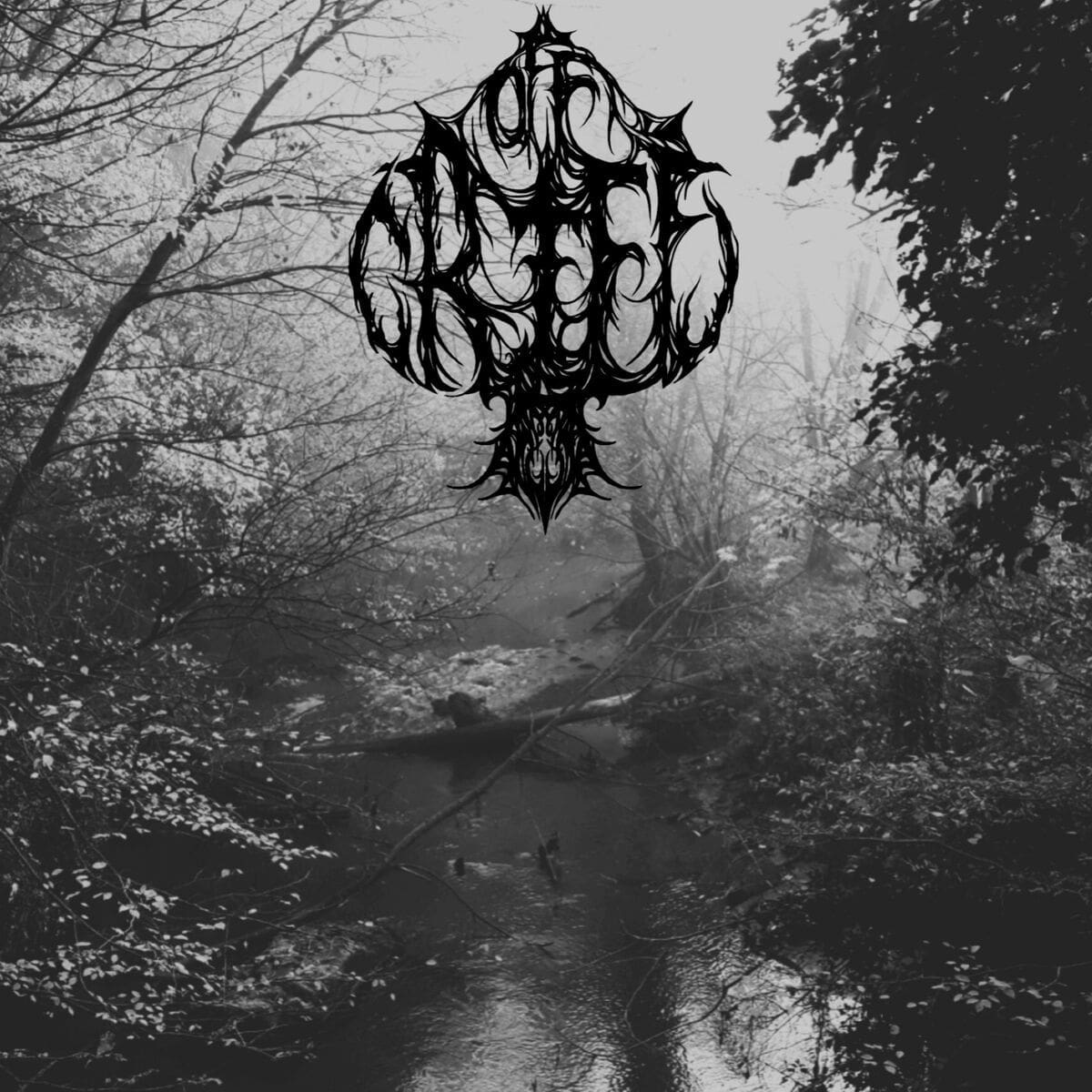
The artwork succeeds in capturing the exact essence of Lovecraftian cosmic mythos, setting the mood before the listener presses play and preparing the listener for the cold, vast dream-quest contained within the music.
The Seventh Sin, Disrelish
I find nothing to disrelish within the music itself across this entire thirty-minute descent into the void.
The Hymns
01. N
02. I
03. II
04. III
05. IV
06. V
07. VI
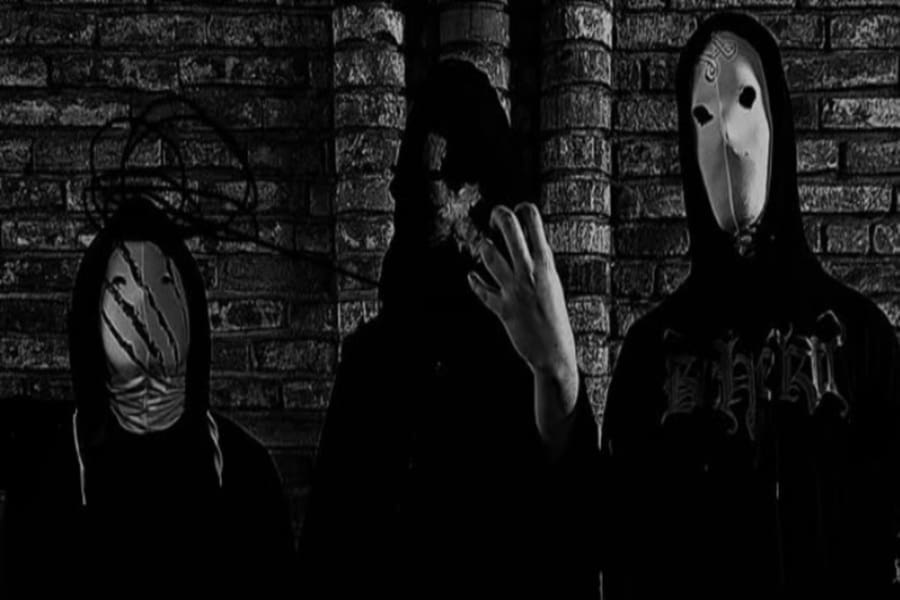
Antithetic
Hauras — Lead Guitars, Vocals, Synths
Surma – Guitar
Nøkken – Bass
Andrew Dewar – Drums
Onidaiko – Drums