Nocturnis — Drangsal Review
Nocturnis is a German black metal entity. On 6 November 2026, the band unleashed their highly anticipated second full-length album, Drangsal, via Fetzner Death Records and promoted via The Metallist PR.
Nocturnis, Drangsal Review: This review will evaluate every aspect of the album, from its intricate musical composition to its production.
The First Three Sins, The Summary
The First Sin, The Strings/Keys: Blistering tremolo riffs, haunting melodies, acoustic passages and orchestral textures forge a suffocating blackened atmosphere. The Second Sin, The Vocals: Grim growls, piercing screams and anguished expressions deliver a theatrical assault of darkness and despair. The Third Sin, The Percussions: Relentless blast beats, forceful rhythms and calculated tempo shifts balance ferocious aggression with atmospheric restraint.
The Fourth Sin, Overall Discussion
A Haunting Prelude into Darkness
From the very first press of the play button, Nocturnis pulls the listener headfirst into the void with the opening hymn, Liturgie. The hymn immediately establishes a suffocating yet captivating atmosphere, ushered in by a haunting, minimalist piano introduction.
This stark and desolate melody does not merely start the album; it acts as a chilling overture, serving as a solemn warning and a preview of the psychological and sonic darkness yet to come.
Eight Hymns of Witchcraft and Persecution
Clocking in at over forty-five minutes, Drangsal is a harrowing sonic journey that explores the dark depths of the European witch hunts, weaving historically inspired storytelling with the blistering intensity of atmospheric black metal.
The record marries aggressive, relentless instrumentation with sombre, haunting melodic passages, creating a suffocating tension that mirrors the paranoia of the era.
This is more than a standard black metal release draped in witchcraft clichés; Drangsal feels like a meticulously researched historical concept album. It methodically dissects the anatomy of mass hysteria, dealing unflinchingly with the machinery of persecution — from the initial whispers of accusation and the rigged mechanics of the trials, to the final agony of execution.
Yet, the album’s true weight lies in its aftermath, examining the enduring trauma and lingering consequences that continued to haunt communities long after the smoke of the pyres had finally cleared.
An Unbroken Liturgy of Darkness
Musically, Nocturnis achieves a level of artistry that transcends mere technical proficiency, operating as a masterclass in devilish atmosphere and compositional precision. Its execution is utterly flawless; this brilliance extends far beyond the intricate architecture of the songwriting or the stellar devilmanship.
Instead, the true triumph lies in what sounds like seamless, atmospheric cross-fading between hymns — a technique that dissolves the boundaries between individual pieces, transforming the record from a traditional collection of eight distinct hymns into one unbroken, monolithic liturgy of sound.
The Strings of Sorrow and Desolation
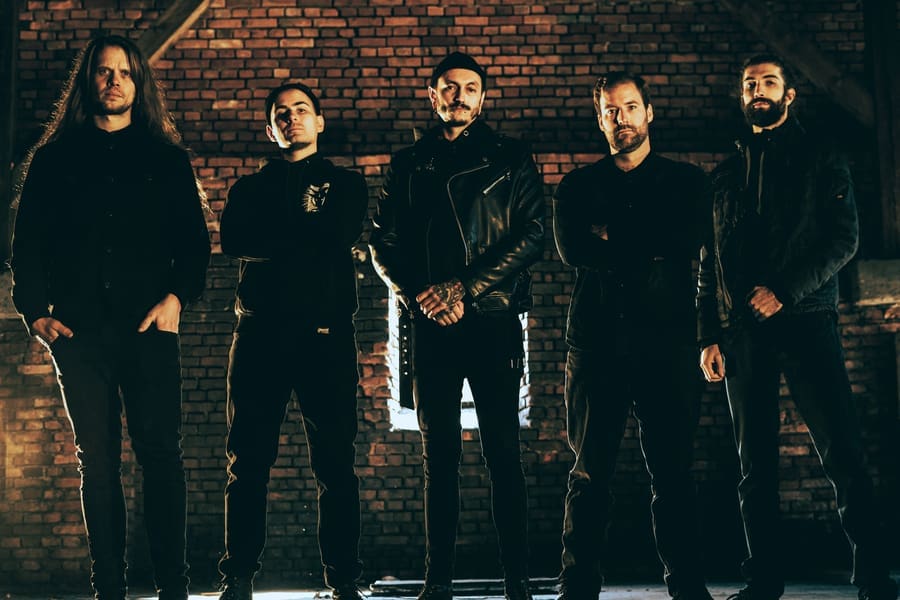
At the heart of this architecture are the twin guitar arrangements forged by rhythm guitarist Lukas Wenzel and lead guitarist Vincent Padrutt. The pair weave a dynamic tapestry that effortlessly shifts between blistering, rapid-fire tremolo picking, fiercely aggressive black metal riffing, soaring melodic passages, and sprawling, expressive solos.
While the album is anchored in unrelenting intensity, it also breathes in moments of quiet reflection: listeners will discover arresting acoustic interludes in the fifth hymn, Der Letzte Hort, and again within the sweeping expanse of the closing title hymn.
Woven beneath and around these guitar-driven dynamics are rich choral and orchestral-sounding textures, enveloping the entire record in an immersive, cathedral-like atmosphere of profound darkness.
The Erratic Heartbeat of Darkness
Jonas Fegar’s dynamic drumming serves as the erratic heartbeat of the ensemble, seamlessly weaving together blistering, rapid blast beats, forceful rhythmic attacks and calculated shifts in tempo. Rather than locking into a single, relentless velocity, the arrangements demonstrate a sophisticated understanding of pacing, opening up to accommodate slower, deeply atmospheric passages that allow the tension to breathe.
Beneath this volatile percussive landscape, the bass guitar — anchored by Dirk Schoening — provides crushing low-end weight and an impenetrable foundation of heavy, resonant groove. Vocalist Matthias Störck delivers predominantly harsh vocals, moving between grim growls, piercing screams and anguished expressions. Some passages introduce more dramatic singing, contrasting with the album’s aggressive sections.
The German-language delivery contributes significantly to the music’s historical and theatrical atmosphere.
The Suffocating Fruit of Art
Ultimately, Drangsal stands as a remarkably dark, suffocating fruit of art, housed within the acoustic architecture of the recording chamber itself. The production strikes a delicate yet striking balance, pairing pristine clarity with the raw, abrasive grit characteristic of traditional black metal.
This expert mixing ensures that the intricate melodic details and sweeping, atmospheric soundscapes are never swallowed by the chaos, allowing them to coexist in stark, beautiful tension with the music’s more aggressive instrumentation.
A harrowing, blackened journey of over forty minutes that lingers long after the final note fades.
The Fifth Sin, The Memorabilia
For me, immersing myself in Drangsal is akin to stepping into a deeply shadowed, claustrophobic realm. Captured within a dark and oppressive atmosphere, the record — especially when experienced intimately through headphones — feels increasingly suffocating, wrapping around the listener like a heavy fog.
Yet, for all its dense gloom, monotony finds no home here; no two hymns sound alike. While a continuous, hypnotic current pulses relentlessly through the music, channelling directly into my soul, each individual hymn simultaneously carves out its own distinct path, telling a haunting historical tale of sorrow and turmoil.
This is more than black metal …
The Sixth Sin, The Artwork
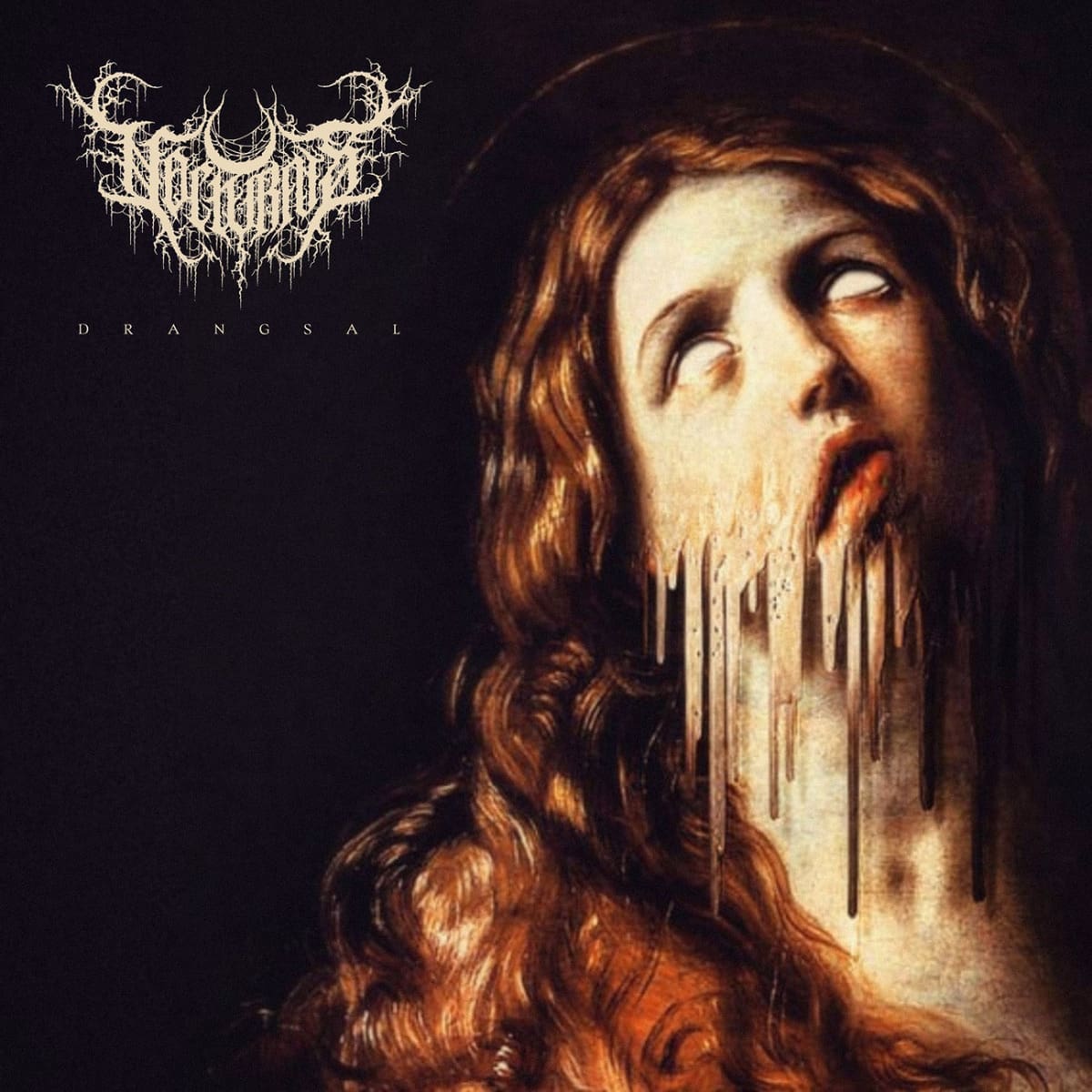
The artwork possesses a deeply unsettling quality, yet it draws you in precisely because of that discomfort — it is the kind of profound unease that feels strangely captivating.
As I stand before it, my mind oscillates between two haunting interpretations. On one hand, the visceral textures and warping forms evoke the agonising imagery of someone being consumed by fire. On the other hand, the piece suggests something much slower and more melancholic: a candle melting away to nothingness.
The Seventh Sin, Disrelish
Ultimately, there is simply nothing to dislike here. Once again, my repeat button has endured torture and torment through countless presses.
The Hymns
01. Liturgie
02. Tituba
03. Thaumaturg
04. Düsternis
05. Der Letzte Hort
06. Das Licht der nächstern Sonne
07. Dämmernis
08. Drangsal
Nocturnis
Matthias Störck — Vocals
Lukas Wenzel – Guitars
Vincent Padrutt – Lead Guitars
Dirk Schoening – Bass
Jonas Fegar – Drums
Hear The Music
Social Links
Fetzner Death Records | Home Page
Fetzner Death Records | Facebook
Fetzner Death Records | Instagram