Dinenthal — In the Darkness of the Earth Review
Dinenthal (Dínenðál) is a UK one-man folkloric black metal project. On 26 February 2026, he released his ninth full-length, In Þǣre Eorðan Dimmðe (In the Darkness of the Earth), via DAV Music (Dwarrowdelf Records).
Dinenthal, In Þǣre Eorðan Dimmðe Review: This review will evaluate every aspect of the album, from its intricate musical composition to its production.
The First Three Sins, The Summary
The First Sin, The Strings/Keys: Folk-infused tremolo lines rooted in Northumbrian soil — weaving mournful melody with serrated blackened edge. Piano and dungeon-synth textures deepen the atmosphere. The Second Sin, The Vocals: Ritualistic delivery, moving between mid-to-high rasp and resonant throat depth. The Third Sin, The Percussions: Measured blast work and deliberate restraint shape the album’s dual nature — balancing aggression with space so each passage lands with intent.
The Fourth Sin, Overall Discussion
Burial Beneath Salt Soil
Before heading into this article, this is not the final Dinenthal release, but a deep slumber.
As Dínenðál explains, “It simply feels like the right time to lay Dinenthal to rest. The project has started to clash with my writing for “Old Corpse Road”. That said, I wouldn’t say Dinenthal is finished, endings feel too final. Instead, it will be buried in the salt soils of Northumbria until called upon again. Until that day, it sleeps in silence.”
This is not an ending, but a burial beneath Northumbrian soil. Meanwhile, a new entity — Caad — prepares to rise from those same shores with a rawer atmospheric intent.
A Kingdom Remembered
The journey into In Þǣre Eorðan Dimmðe begins with Prologue — A Kingdom Remembered, an opening hymn that greets the listener with a haunting historical audio clip before transitioning into a sombre tapestry of piano, folk instrumentation, and ancient chants.
Tweed-to-Tyne Devotion
Continuing the Tweed-to-Tyne journey, In Þǣre Eorðan Dimmðe unfolds over thirty-seven minutes of blackened, folkloric devotion. These nine hymns are dark and deeply rooted in the blood-soaked history of the borderlands.
Lyrically, the record centres on the significant conflict between Northumbrian forces and the combined Scottish and Cumbrian armies—a clash that resulted in a decisive and brutal victory for the Scots.
The music becomes a vessel for this ancient trauma, capturing the shadow of a kingdom under siege through a lens of atmospheric extremity.
Grim Evolution
In every work Dínenðál unleashes, there is a stark, intentional difference; however, In Þǣre Eorðan Dimmðe stands as a particularly grim evolution. Compared to the previous release, The Labyrinthe of Auximenes, this record is noticeably darker and more composed.
The arrangements are executed with precision, blending frenetic energy with slower atmospheric and rhythmically dissonant sections. It is a more mature form of blackened folklore—one that allows the sombre weight of Northumbrian history to breathe through every carefully placed note.
This intricate composition is a rare fruit of artistry, borne of a profound devilmanship and delivered with an air of devilish allure. Its construction is meticulous — a tapestry woven with delicate grace and surgical precision. Dinenthal’s instrumental arrangements maintain a hauntingly dark balance between raw force and ethereal beauty, ensuring that the Kingdom Remembered feels as physically heavy as it is spiritually light.
Looking back at hymns like Vampyr’s Lament and The Ruins of Auximenes, it is clear that the project has conquered the cinematic art of mourning, successfully merging history and folklore into an otherworldly soundscape.
Northumbrian Strings
Dínenðál’s guitar work serves as the definitive backbone of the record, demonstrating devilmanship that blends haunting melodies and folk-inspired passages with dissonant chords and serrated tremolo picking.
This technical prowess reaches a peak in the third hymn, Thorne of Northumbria, where the final minute breaks into a sophisticated, progressive chord structure—a movement that echoes across the album. Grounding this technicality is a rock-solid bass presence, providing a foundational weight that mirrors the guitars’ every shift.
Siege & Restraint
Whether performed live or masterfully programmed, the drumming carries a distinctively humanised feel, driving the album’s dual nature. It seamlessly combines black metal’s signature complex rhythms and blistering blast beats with slower, more deliberate patterns. These moments of restraint—highlighted by shimmering cymbal clashes and clean, rhythmic precision—serve to heighten the record’s lyrical and atmospheric weight.
The result is percussion that shapes the mournful contours of the Northumbrian landscape.
Voice & Mist
The synths are a vital pillar of the Dinenthal sound, providing ethereal dungeon-synth textures and cinematic soundscapes that expand the record’s narrative reach. These aren’t just background layers; they are atmospheric effects that breathe life into the Northumbrian soil.
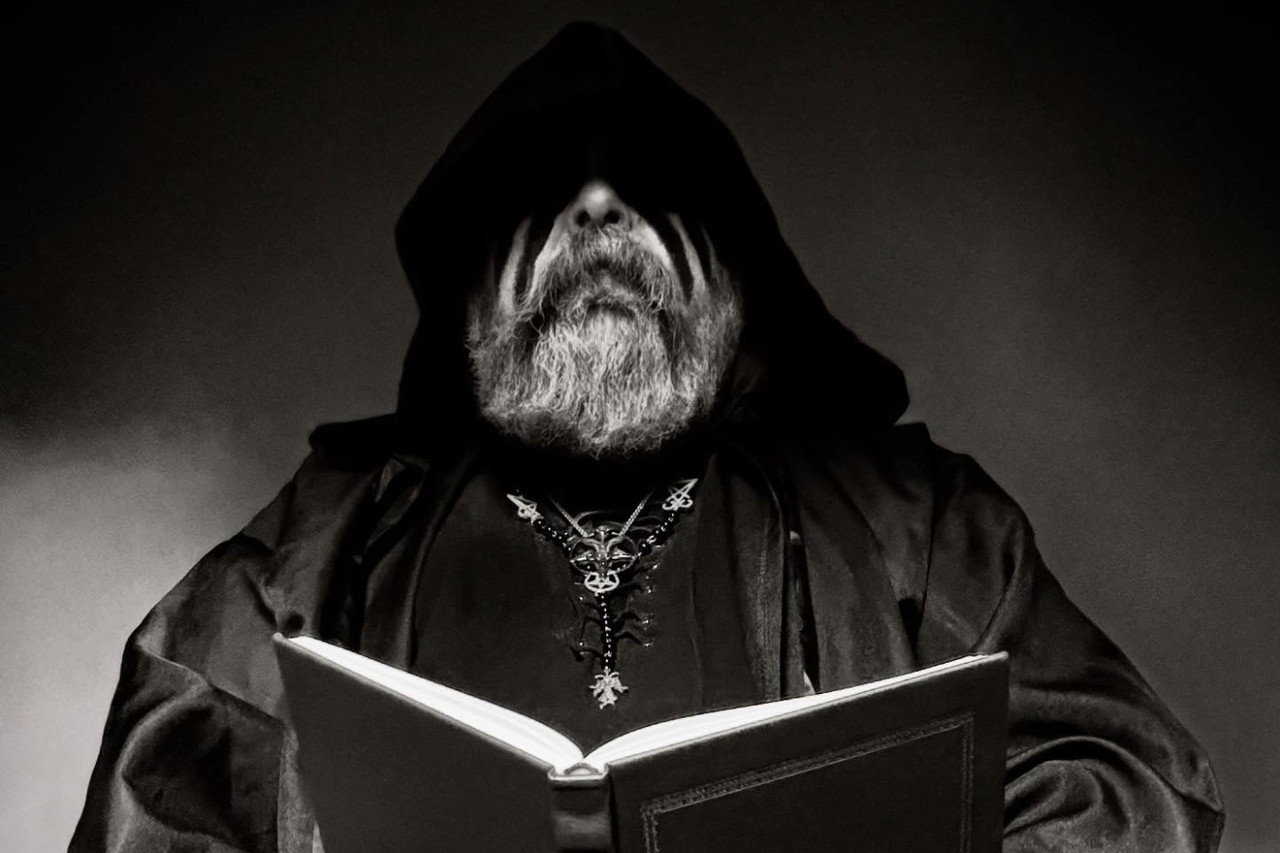
Dínenðál’s vocals are equally essential, eschewing traditional singing for a commanding narration of the album’s themes. His delivery ranges from harsh, mid-to-high black metal rasps to deep, resonant throat singing—an ancient vocal style that acts as a bridge to the past, fully realising the Tweed-to-Tyne narrative.
Total Immersion
This is music that demands total immersion. It invites you to retreat into a dimly lit room, seated in isolation, headphones in place, swaying to its dark rhythms and dense ambience. Only in this isolation can one fully appreciate the intricate artistry and devilmanship behind the work.
Cartography of Loss
Overall, In Þǣre Eorðan Dimmðe is more than just an album; it is a dark, atmospheric journey through the blood-soaked history of Northumbria and Scotland. This is a forbidden fruit of art captured within what feels like a homemade studio setting — modern in its clarity, yet ancient and old-school in its spirit.
This is not mere music; each hymn is a distinct tale, woven into a singular, epic narrative, binding the modern listener to the ghosts of the Northumberland shores.
Between Sword & Chains
As the tide recedes back into the sea like a slumbering beast, the record closes with its most progressive and heavy hymn: Epilogue: Between Scotland’s Sword and England’s Chains. It is a final, crushing movement that feels as if the battle has finally fallen silent, leaving nothing but the cold fog to linger.
The Fifth Sin, The Memorabilia
The memorabilia of this release is bound to a six-year journey. Having been there since the early days of Dinenthal, this moment feels deeply personal for the Athenaeum of Sin.
While I have followed every step of Dinenthal’s music and devilmanship, In Þǣre Eorðan Dimmðe feels significantly stronger and more menacing—particularly within the final two hymns. As the artist himself noted, I’ve been part of this since the very beginning, and seeing this project reach such a dark peak is a heartfelt milestone.
It is the end of one chapter, yet as the folklore of our lands teaches us, the Lambton Worm may fall, but the beast endures. So too does Dinenthal — its spirit continuing through Old Corpse Road, DTS Overdrive, and the rising dawn of Caad.
The Sixth Sin, The Artwork
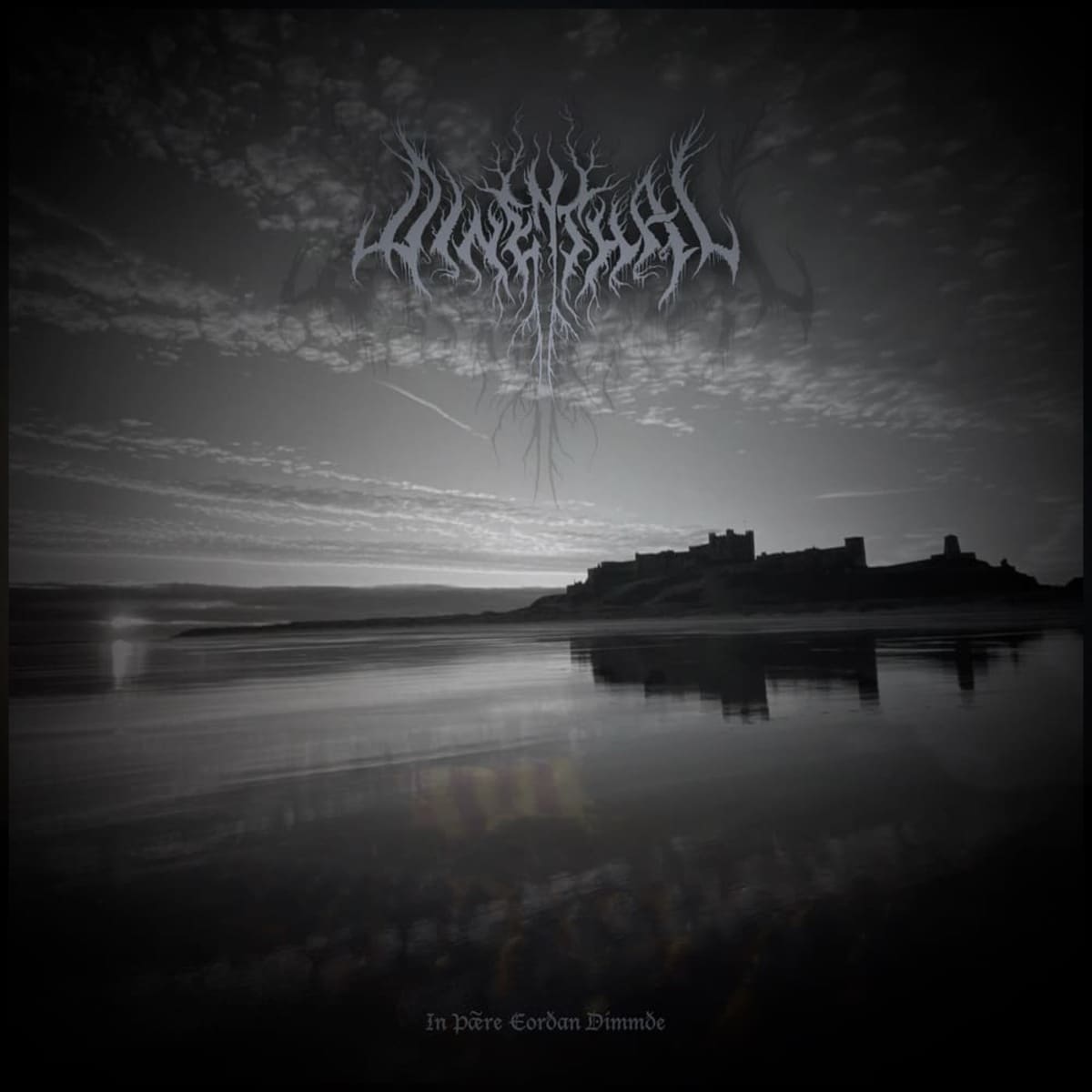
The cover artwork is a blend of a sunrise photograph I took at Bamburgh Beach, combined with extensive editing to create the impression that the ghosts of a 10th-century Northumbrian army are reflected in the wet sand. [Dinenthal]
The Seventh Sin, Disrelish
There is no disrelish within the devilmanship or music, but one thing is sure, that Dínenðál‘s work is an exceptional and elusive endeavour that authentically encapsulates the profound darkness of Northumbrian and Scottish folklore, history, and narratives.
Yet, as with all folklore and legend, Dinenthal’s music will live on, like an old folk tale.
The Hymns
01. Prologue a Kingdom Remembered
02. The Battle of Carham
03. The Throne of Northumbria
04. An Iron Crown
05. Defeat of Lothian
06. From the Tweed to the Tyne
07. Utred Of Bamburgh
08. Flame of the Highlands
09. pilogue Between Scotland’s Sword and England’s Chains
Dínenðál
Dínenðál — Vocals, All Instruments