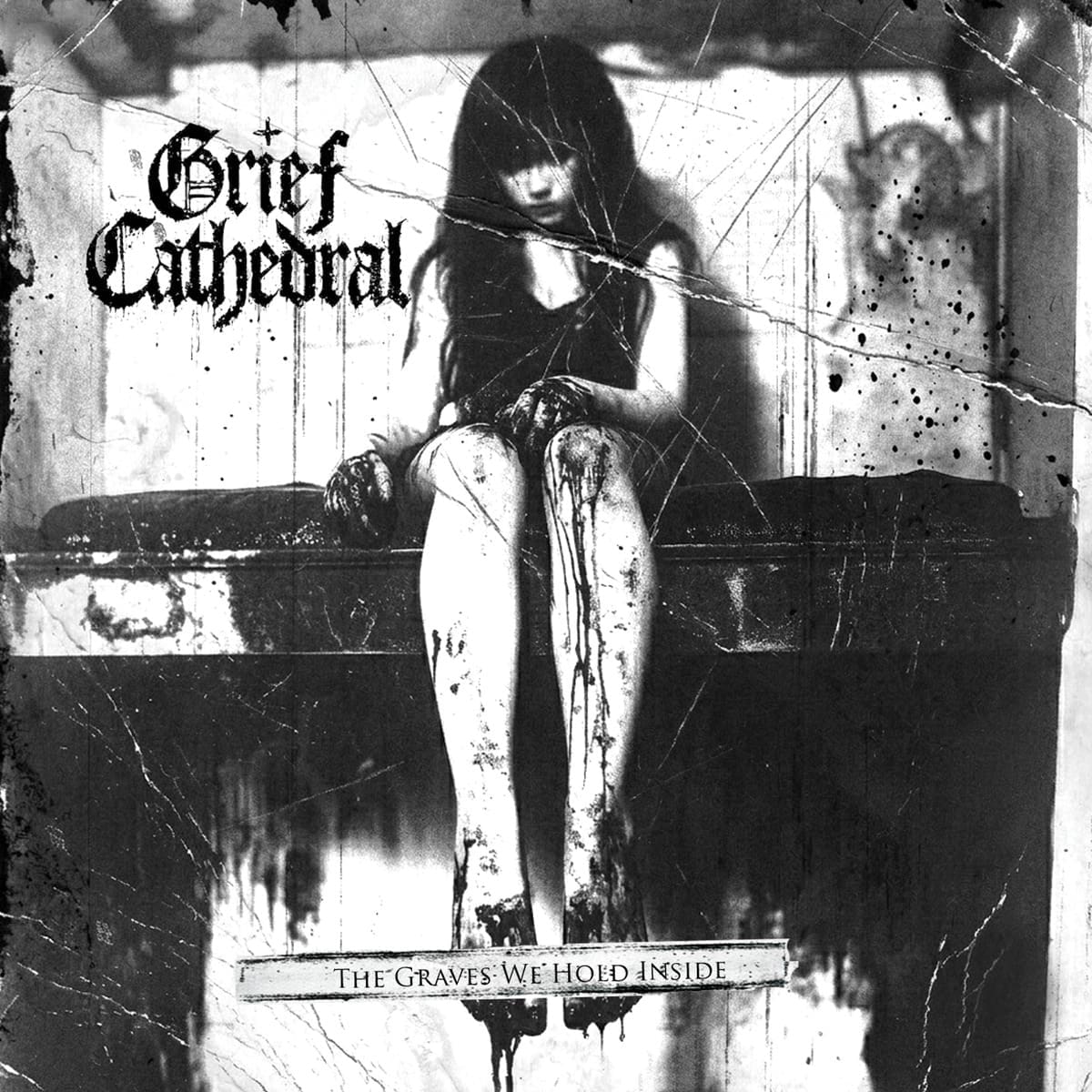
Grief Cathedral — The Graves We Hold Inside Review
Grief Cathedral is an American funeral doom metal entity. On 23 October 2026, Grief Cathedral unveiled their spellbinding, sprawling catacomb debut full-length The Graves We Hold Inside, through Morbid and Miserable Records.
Grief Cathedral, The Graves We Hold Inside Review: This review will evaluate every aspect of the album, from its intricate musical composition to its production.
The First Three Sins, The Summary
The First Sin, The Strings/Keys: Monolithic, sustained guitar riffs, crushing bass, and haunting piano melodies weave a cathedral of sorrow and despair. The Second Sin, The Vocals: Abyssal growls, mournful cleans and ethereal female vocals intertwine, creating a haunting contrast between beauty and anguish. The Third Sin, The Percussions: Glacial funeral cadences, thunderous floor toms and restrained cymbal washes deliver a slow, ritualistic march towards oblivion.
The Fourth Sin, Overall Discussion
The Cathedral of Eternal Mourning
From the very first second the listener presses play, they are not merely greeted with music — they are welcomed into a solemn, sacred space. Over the course of a haunting and spellbinding thirty minutes, Grief Cathedral constructs a monument of sound on The Graves We Hold Inside.
Spread across five sprawling, desolate hymns, the album is an immersive journey through the architecture of mourning. It is a sonic experience that effortlessly sends shivers down your spine, wrapping its cold, comforting arms around you before finally fading into silence, only to linger heavily on your soul long after the last note has died away.
Crossing the Threshold of Decay
The listener’s journey into the abyss begins with the solemnity of the opening hymn, a haunting overture that serves as the gateway to the record. This initial movement, aptly titled At the Threshold of a Dying Season, functions less like a traditional hymn and more like a glacial funeral procession — a slow, agonising crossing of the boundary where vibrant life finally surrenders to the creeping cold of decay.
Musically, the atmosphere is constructed from agonisingly slow-moving harmonic shifts, where massive, sustained guitar chords are allowed to ring out and fade naturally into the silence, mimicking the final, fading breaths of a failing world. Beneath this wall of mournful sound, the drums labour with the heavy, deliberate cadence of a failing pulse, beating like a dying heart slowing inexorably toward flatlining.
Piercing this oppressive gloom is a striking duality of human emotion: cavernous, subterranean male growls that embody the suffocating weight of absolute despair, which are continuously answered and elevated by ethereal, haunting female vocals that drift above the wreckage like lingering memories, spectral echoes, or the faint, distant promise of transcendence.
The Cursed Tongue of Despair
Continuing the harrowing trajectory set by the opening hymn, The Tongue That Cursed the Light plunges the listener even deeper into the abyss of despair. The instrumentation acts as a suffocating force: the guitars trade conventional harmony for jagged minor-second, slithering melodic fragments that feel both ancient and malevolent.
Beneath this dissonance, the piano shifts its emotional weight — bleeding outward from a place of mournful, solitary reflection into a tense, confrontational melancholy that demands a reckoning. Anchoring the chaos, the bass guitar hums with a crushing, funeral gravity, vibrating through the mix like a slow-moving tide of heavy earth.
Propelling the march of doom, the drums summon the ghosts of ancient rites with steady, relentless funeral cadences and a thunderous, cavernous emphasis on the floor toms. Above this monolithic wall of sound, the vocal dynamic serves as the hymn’s emotional battleground: the brutal, abrasive snarls and growls of the harsh metal vocals intertwine with Victoria Graves‘ haunting, ethereal presence, creating a mesmerising juxtaposition of light and ruin that feels vital to the hymn’s dramatic climax.
Within the Cathedral of Buried Grief
Arriving at the true conceptual heart of the album with a concentrated run-time of under nine minutes, the third hymn, The Graves We Hold Inside, stands as a towering monolith of architecture. From its opening moments, shimmering piano and ethereal vocals construct a vast, cathedral-like atmosphere, enveloping the listener in a sacred, echoing expanse.
Within this cavernous space, the song achieves its most potent vocal convergence: the three distinct contributors bleed into one another seamlessly, weaving abyssal, earth-shaking growls with mid-range mournful cleans and soaring, ethereal female passages that haunt the upper registers.
Beneath this vocal interplay, the guitars anchor the composition with a central, driving riff, built upon repeated thematic motifs and rich layering of both clean tones and distorted textures. The rhythm section matches this intricate melancholy with a striking sense of ritual; every drum strike feels ceremonial, heavy with consequence, while every intentional pause breathes a suffocating life into the silence.
The Graves We Hold Inside, again the conceptual heart of the album, everything before leads toward it. Everything after reflects upon it.
Where Silence Devours the Light
Descending into the abyss of the record, the fourth hymn — the darkest and most emotional composition in the suite — arrives under the ominous title Silence of Endless Shade. Here, the music strips away all superfluous aggression, relying instead on a vast, suffocating minimalism.
The riffcraft is sparse in its chord changes, favouring cavernous, atmospheric sustain and agonisingly long stretches of unresolved tension that hang in the air like a persistent fog. Beneath this heavy stillness, the keyboards weave lonely, melancholic melodic figures — ghost-like thematic echoes that drift in and out of the mix like fading memories. The percussion completely abandons traditional notions of rhythmic momentum; instead, every drum accent and cymbal wash is deployed strictly in service of the atmosphere, striking with the deliberate, heavy gravity of falling earth.
Above this desolate landscape, the vocal arrangements stretch out into wide, echoing expanses. Rather than actively narrating events or driving a traditional narrative, the vocals function almost as pure emotional textures — haunting, ghostly lamentations that suggest a psyche where grief has finally burned itself out, moving beyond the jagged edges of anger and settling into a profound, paralysing numbness.
The Devilmanship of Sorrow and Desolation
Musically, The Graves We Hold Inside transcends the boundaries of traditional funeral doom, evolving into a living, breathing atmosphere of profound sorrow, crushing anguish, consuming longing, and desolation.
The composition and direction of the album are so darkly inspired that they feel less like human performance and more like the work of some devilish malevolent devilmanship — devilish orchestration that goes far beyond mere technical execution.
This devilmanship is vividly evident in the meticulous instrumental arrangement and the interplay of multiple vocalists that forge a striking beauty-versus-despair dynamic that serves as the very beating heart of the album’s dark identity.
A Final Procession Through Dead Memories
The album ultimately draws to a close with its monumental final hymn, Among The Dead Memories I Rise and Fall. Serving as the emotional and sonic apex of the record, the composition is built upon a labyrinth of guitar riffs that feel simultaneously devastating and profoundly beautiful, swinging effortlessly between crushing weight and fragile grace.
Beneath this towering wall of guitars, the percussion moves with deliberate patience, progressing from an atmosphere of tense, trembling restraint toward a slow, measured crescendo that eventually shatters the quiet. Interwoven with this heavy instrumentation are shimmering passages of clean piano and ghostly, ethereal vocals that drift through the mix like a haunting presence, lingering in the air long after the final note fades into silence.
A Monument Carved from Human Heartbreak
Overall, The Graves We Hold Inside is an emotional and spellbinding fruit of art — a monument built entirely from the raw materials of human heartbreak. From the very first hymn, the listener is invited into a meticulously constructed, spellbinding architecture where every instrument plays a vital, agonising role in the ritual of remembrance.
The guitars function as master masons, methodically constructing the vaulted arches and looming corridors of a towering mausoleum. Beneath them, the bass provides a crushing, gravitational weight, anchoring the listener to the cold stone floor of loss. The drums do not merely keep rhythm; they mark the relentless, heavy passage of time, ticking away the hours in an empty room, while the piano bleeds a pure, uncompromising sorrow into the spaces.
Rising above this instrumental catacomb, the vocals do not sing so much as haunt — they are the desperate, haunting echoes of souls permanently trapped within the labyrinth of their own grief.
The Fifth Sin, The Memorabilia
To truly experience The Graves We Hold Inside, one must actively divorce themselves from the frantic pace of contemporary existence. The album is best captured only when all modern technology is silenced and the noise of the outside world is entirely switched off. Sink deep into a favoured, worn-in chair, place a pair of high-fidelity headphones over your ears, and allow the music to channel directly through you, vibrating against the marrow of your bones.
Rather than relying on traditional lyrical arcs or narrative storytelling, the album operates on a higher, more abstract plane. It appears far less concerned with where a story is going, and far more focused on mapping out a sustained, suffocatingly beautiful emotional landscape. It is a place dedicated entirely to the heavy work of mourning, the bittersweet ache of remembrance, and the profound, quiet grace of spiritual exhaustion.
The Sixth Sin, The Artwork
When it comes to the album’s visual presentation, I find myself torn. I honestly don’t know quite what to make of the artwork, yet there is no denying its distinct impact — it lingers in the mind, undeniably eerie, deeply unsettling in a good way.
The Seventh Sin, Disrelish
As for my dislikes, I can honestly say I have none when it comes to the core of the music itself; the compositions are faultless to my ears. However, if I am forced to pinpoint a singular grievance, it is this: the music is simply too addictive. My repeat button has officially been worn to a crisp, metaphorically driven straight to an early grave from the sheer weight of being relentlessly, obsessively overplayed.
The Hymns
01. At the Threshold of a Dying Season
02. The Tongue That Cursed the Light
03. The Graves We Hold Inside
04. Silence of Endless Shade
05. Among the Dead Memories I Rise and Fall
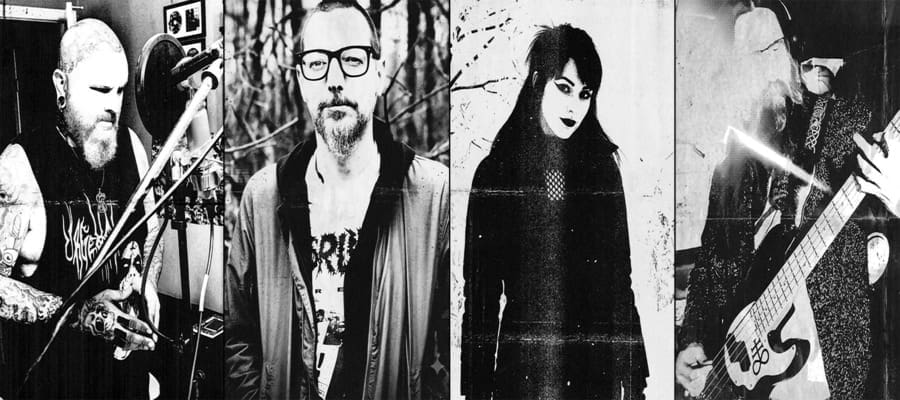
Grief Cathedral
JD Hall — Vocals
Victoria Graves- Ethereal Vocals
Jerry Barkside – Guitars, Vocals, Keyboards
Phil Garrett – Bass
Hear The Music
Social Links
Morbid and Miserable | Home Page