Iron Bones — Poison Riot Review
Iron Bones is an Chilean speed metal entity. On 26 June 2026, Iron Bones released their third full-length, Poison Riot, through Morbid and Miserable Records (digial, cassette) & Witches Brew (CD).
Iron Bones, Poison Riot Review: This review will evaluate every aspect of the album, from its intricate musical composition to its production.
The First Three Sins, The Summary
The First Sin, The Strings/Keys: Filthy, gasoline-soaked riffing unleashes relentless speed-metal aggression, combining punk-driven momentum. The Second Sin, The Vocals: A sleazy, venomous rasp fuses classic speed metal, punk hostility, proto-black filth, and South American underground grit into one riot-leading performance. The Third Sin, The Percussions: High-velocity drumming drives every hymn with relentless speed, d-beat aggression, pounding mid-tempo stomps, and brilliantly abrasive cymbal work.
The Fourth Sin, Overall Discussion
Ignition Without Warning
The instant that play button is pressed, the listener is welcomed to a blistering, thirty-eight-minute blast of filthy, Chilean heavy/speed metal drenched in a raw, punk-charged edge. Iron Bones wastes no time with artificial build-ups or atmospheric pleasantries; instead, they light a fuse that immediately detonates into a high-voltage assault of pure underground speed and grit.
Built from Rust and Rebellion
Spread across nine unyielding hymns, Poison Riotprovides the listener with a sonic experience that sounds like it was violently dragged through a dark back-alley — leaving the music caked in exhaust fumes, street filth, and pure forward momentum.
The resulting style feelsless like calculated studio art and more like a leather-and-spikes, gasoline-fumed metal assault. Rather than following modern, sterile speed metal trends, the nine hymns systematically weaponise the rawest elements of old-school speed, punk, proto-black, and proto-thrash.
Poison Riot nails the gritty rock-and-roll snarl of Motörhead, the malice of early Venom, the aggressive punk-metal hybrid of Tank, the savage thrash-edge of Onslaught, and the primitive Italian speed-frenzy of Bulldozer.
The Riff Engine
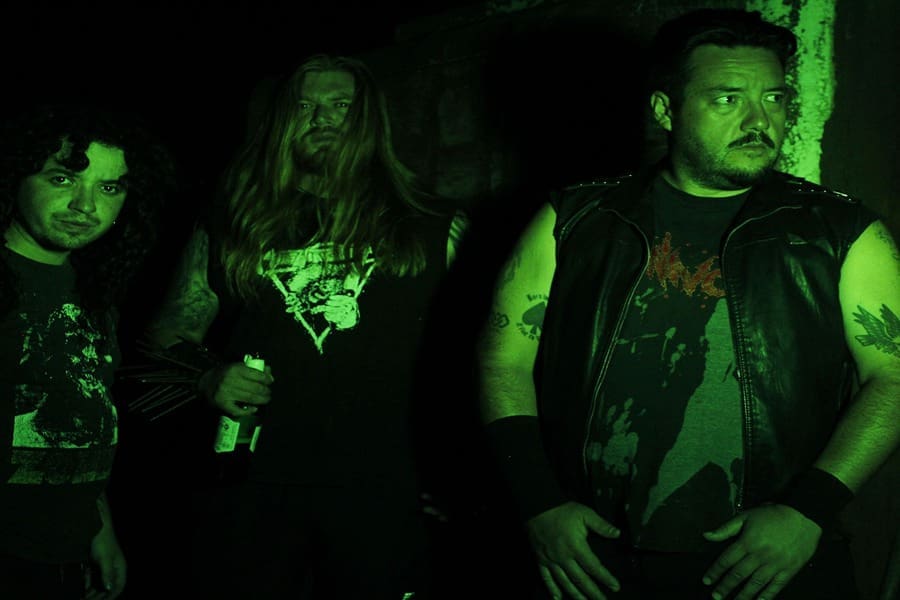
Poison Riot provides the listener with that definitive, classic extreme trio lineup — delivering a bare-to-the-bone display of creative devilmanship where the guitars serve as the spine of the music. The foundation is built upon filthy, gasoline-fumed fretwork caked in a raw street-metal attitude. Unleashing a lethal dosage of high-octane riffing, shaping every single chord structure with a frantic, punk-inflected rhythmic drive.
The guitar tone is grainy and distorted, completely rejecting modern studio gloss. The solos are deliberately kept short, frantic, and chaotic — prioritising raw speed-metal violence and pure adrenaline over polite, calculated melodic exposition. The leads tear through the hymns like a sudden blowout on a dark highway, vanishing just as quickly as they arrived to let the rhythm section resume its iron-fisted march.
The Riot’s Front Line
The bass guitar is never buried beneath this wall of street grit; it is actively wielded as a weapon — injecting a thick, highly prominent low-end snarl into the heart of the mix. Completing this bare-to-the-bone street assault is a vocal and percussion performance engineered for pure, unadulterated riot-energy.
The drumming completely rejects modern studio gloss, offering zero unnecessary frills or sterile triggers. Instead, the percussion delivers constant, high-velocity driving beats, venomous d-beat inflections, and heavy, mid-tempo stomps. The cymbals sit brilliantly high in the mix — bright, abrasive, and often splashing directly into the guitar frequencies to heighten the chaotic, lawless feel of a live back-alley brawl.
The vocal delivery functions as a toxic hybrid of classic speed-metal rasp, defiant punk sneer, and authentic South American underground grit. It is a gasoline-fume Kool-Aid of proto-black metal filth, masterfully blending the subterranean rot of early Venom, the alcohol-soaked swagger of Lemmy, the unhinged venom of Bulldozer, and the proud, lawless Chilean speed-metal tradition.
The vocals are sleazy, fiercely aggressive, and proudly unrefined — spitting out each line with a raw, street-level conviction that makes it the ultimate frontline weapon for the entire riot.
Fuelled by Filth
The sonic engineering of Poison Riot is executed like a spark-spitting engine running hot inside a garage overflowing with toxic fumes. The record carries an unmistakable, lawless gasoline-street production value — hot, abrasive, heavily overdriven, and always on the absolute verge of blowing a gasket.
The guitars come tearing off the tape like rusted metal pushed under extreme electrical voltage. Anchoring this electrical storm is the bass guitar, which functions as a thick, oil-slick rumble. The drums crack through the chaos with a fierce alley-fight immediacy. The vocals sit directly inside this sonic confrontation — delivered as a sleazy, street-brawler rasp that feels close-mic’d, unpolished, and containing far more raw spit than studio sheen.
Nothing on this record feels sterilised, corrected, or safe. The production is tight only in the way a clenched fist is tight, meticulously engineered from the pavement up for pure speed, open confrontation, and asphalt-scraping truth.
One Last Poisoned Strike
Ultimately, Poison Riot is a teeth-gritted, leather-spike and-gasoline fruit of art. An album that never once cleans itself up, never slows down, and never pretends to be anything besides a violent riot in audio form.
This lawless velocity reaches its terminal threshold as the album crashes into its closing hymn, Callejón Oscuro, functioning as the final bite of the poison apple. This final hymn delivers a desperate, shadowy back-alley sprint that summarises the band’s entire raw-street ethos in one parting strike. There is no triumphant classic rock outro or over-produced fade; Iron Bones simply cuts the power right at the peak of the frenzy, leaving the listener caked in street filth, breathing in exhaust fumes, and staring into a sudden, pitch-black silence.
The Fifth Sin, The Memorabilia
For me, Iron Bones delivers a pure, volatile breed of rock & roll fuelled entirely on raw speed, street dirt, uncompromising grit, and toxic gasoline fumes. This is music that has been aggressively stripped back to its bare, bleeding bones — offering zero nonsense, zero commercial fluff, and zero compromise.
It plays out like pure heavy metal, proto-black metal filth, primitive proto-thrash, blisteringly fast speed metal, and old-school punk rock all throwing an absolute riot inside your mind and through your speakers. It is a sonic assault that speaks a universal language of danger, nocturnal darkness, and back-alley confrontation, leaving an indelible, caked-on layer of road grime on anyone brave enough to spin it.
The Sixth Sin, The Artwork
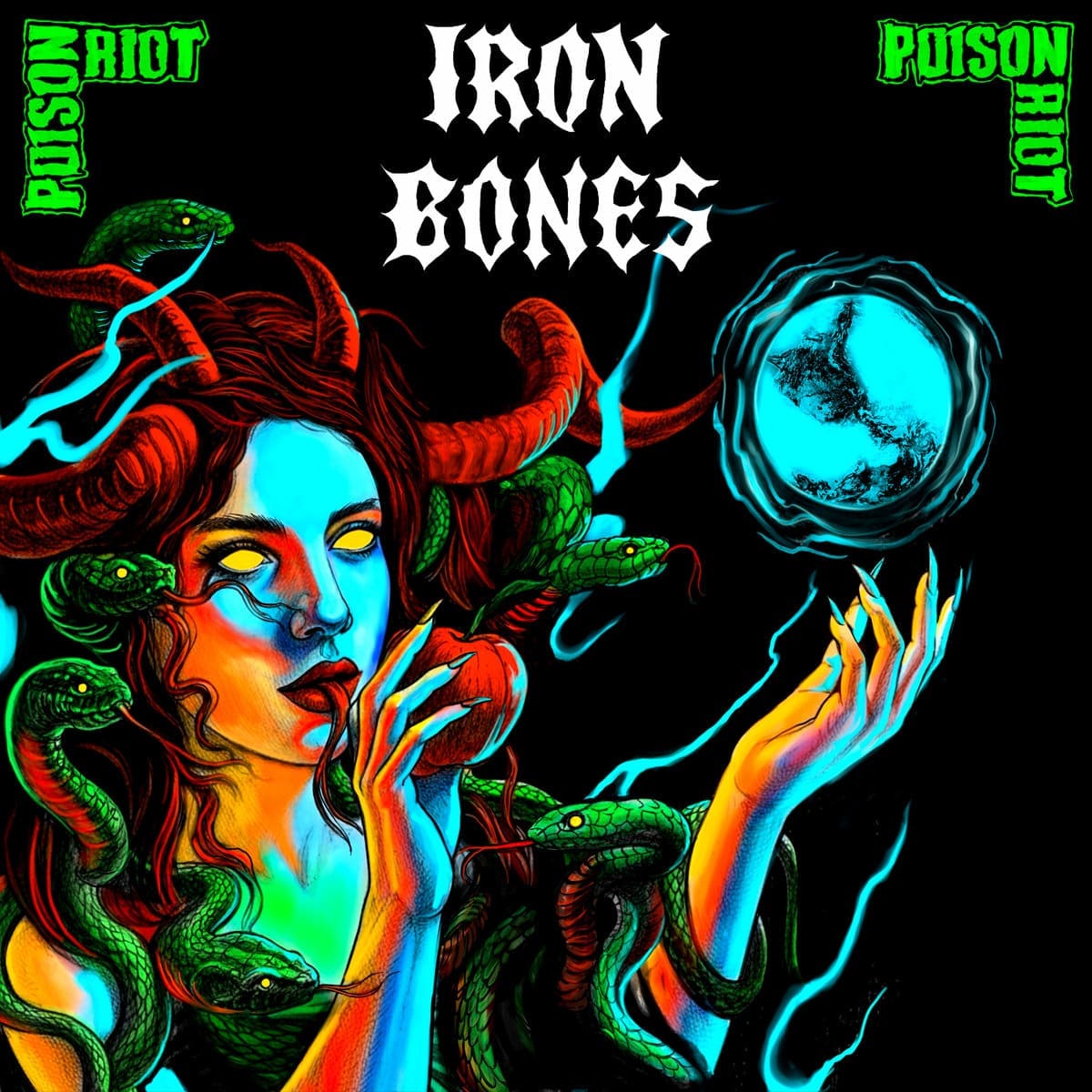
The artwork serves as a flawless, uncompromising mirror to the music pressed inside, telling the listener exactly what kind of lawless, leather-jacketed speed-punk war they are signing up for before the needle even touches the wax.
The Seventh Sin, Disrelish
I find nothing to disrelish across this entire, high-octane ride. The bare-to-the-bone power-trio devilmanship is completely flawless in its execution, the gasoline-street production is unrefined, creating a riot in both the listener’s mind and speakers from start to finish.
The Hymns
01. Chaos and Mayhem
02. Stigoi (Bringer of Death)
03. Planet Orgy
04. No Mercy Heavy Attack
05. Mujer Mágica
06. High on Fullmoon
07. Loving a Wh**e
08. When you die… Goodbye!
09. Callejón Oscuro
Iron Bones
Morton Dboner — Guitars, Vocals
Maniac – Drums
Morbozo – Bass, Backing Vocals
Hear The Music
Social Links
Morbid and Miserable | Home Page
Morbid and Miserable | Facebook