Kaaper — While Flows The Nile Review
Kaaper is a Cypriot dark melodic death metal entity. On 30 April 2025, Kaaper released their debut full-length, While Flows The Nile — co-released via Satanath Records and The End of Time Records.
Kaaper, While Flows The Nile Review: This review will evaluate every aspect of the album, from its intricate musical composition to its production.
The First Three Sins, The Summary
The First Sin, The Strings/Keys: Melodic death metal structured with Slavic phrasing and restrained symphonic undercurrents. The Second Sin, The Vocals: Deep, chest-driven growls delivered with clarity and authority. The Third Sin, The Percussions: Measured and purposeful. Mid-tempo marches and controlled double-kick surges provide momentum without sacrificing compositional structure.
The Fourth Sin, Overall Discussion
Opening Invocation
The journey begins with Reign!, an opening hymn that greets the listener with a dark ambient and symphonic prelude—a regal summoning that sets the stage for the nine hymns to follow. This cinematic introduction quickly gives way to a melodic instrumental surge and guttural death growls, establishing a sonic blueprint that carries throughout the record.
Thematic Foundation
Over forty minutes of dark melodic death metal, While Flows The Nile offers a rare synthesis of Slavic melodic sensibilities and a deep Mediterranean/Egyptian thematic focus. As the album title implies, this is more than a collection of hymns; it is a journey—spiritual, historical, and mythological.
The music acts as a vessel, carrying the listener through the shifting sands of time, where the cold, sharp melodies of the North meet the sun-scorched, regal atmosphere of the Old Kingdom.
Alchemy of Influence
While melodic death metal serves as the core, the result transcends the genre’s tropes. Instead, While Flows The Nile is a dark alchemy—merging the melancholic heaviness of Insomnium with the scorched aura of Melechesh and the relentless, thematic brutality of Nile.
This creates a sound that is symphonic, dramatic, and entirely its own. Within this devilmanship, Kaaper captures something darkly distinctive. The arrangement is tight yet spacious, allowing each instrument to breathe and form a towering wall of sound where every note is placed for maximum impact.
Guitar Architecture
Timur’s guitar work serves as the spine of the Kaaper sound: melodic phrasing rooted in Slavic emotion, structured within Egyptian thematic discipline. While the lead lines and rhythmic chugs nod to the Gothenburg tradition— reminiscent of the dark grace found in Dark Tranquillity— they carry a sharper, ritualistic edge. Here, the guitar is the narrator, painting vivid scenes of the desert, the tomb, and the journey of the Solar Barque toward the Field of Reeds.
Beneath this, Igor’s bass is no mere background hum; it is the earth element in the band’s cosmology, providing the heavy, terrestrial grounding for riffs that feel like ancient processional marches and ritual invocations.
Rhythm & Voice
Boychuk’s drums serve as the engine of Kaaper’s mythic momentum. He utilises mid-tempo stomps for the record’s ceremonial sections, shifting into double-kick runs during melodic climaxes and blast-adjacent bursts for the heavier movements—avoiding the chaos of black metal in favour of structured power.
Guiding this momentum is Evgeny, the ritual officiant who speaks for the dead, the gods, and the desert. His voice is a commanding force, featuring deep growls with a Slavic timbre— rounded, chest-driven, and authoritative. Through mid-range roars that provide narrative clarity and occasional layered harmonies or whispered passages, Evgeny ensures that every lyric feels like a sacred decree from the Old Kingdom.
Atmospheric Undercurrents
The synthesisers on While Flows The Nile act as an invisible priesthood—shaping the ritual from the shadows without ever stepping into the spotlight. These elements never overshadow the core instrumentation; instead, they build a theatrical aura through ambient pads that evoke a shimmering desert heat-haze or the chilling stillness of the underworld.
With choral layers that summon the feeling of temple rites, low drones, and occasional ethnic-inspired textures—such as flutes and percussive strikes— the synths provide the atmospheric glue that binds the ancient themes to the modern extremity.
Production Discipline
The production of While Flows The Nile strikes a rare chord: raw yet clear, blending cinematic undertones with atmospheric extremity while strictly avoiding a sterile over-polished finish. It is a sound of stone, sand, ritual, and myth—all filtered through the unwavering discipline of Slavic melodic death metal.
Final Assessment & After the River
Ultimately, this debut is a melodic fruit of art that feels modern yet deeply rooted in the dust of antiquity. It stands as a monumental offering to the Old Kingdom, proving that the ancient world still has teeth and the Nile still flows with blood.
As the album comes to an end, the sandstorm settles, yet the music remains — carried on the winds of the Nile.
The Fifth Sin, The Memorabilia
Kaaper is a formidable force, delivering a release that is as solid as it is profound. While it occupies the realm of dark melodic death metal, it avoids the polished tropes of the genre’s giants. Instead, it has forged a path entirely of its own: a fusion of clean melodies, ancient mythic storytelling, and cosmic atmospheric depth. It is a work of dark beauty — epic, mythic, and spiritually weighted.
The Sixth Sin, The Artwork
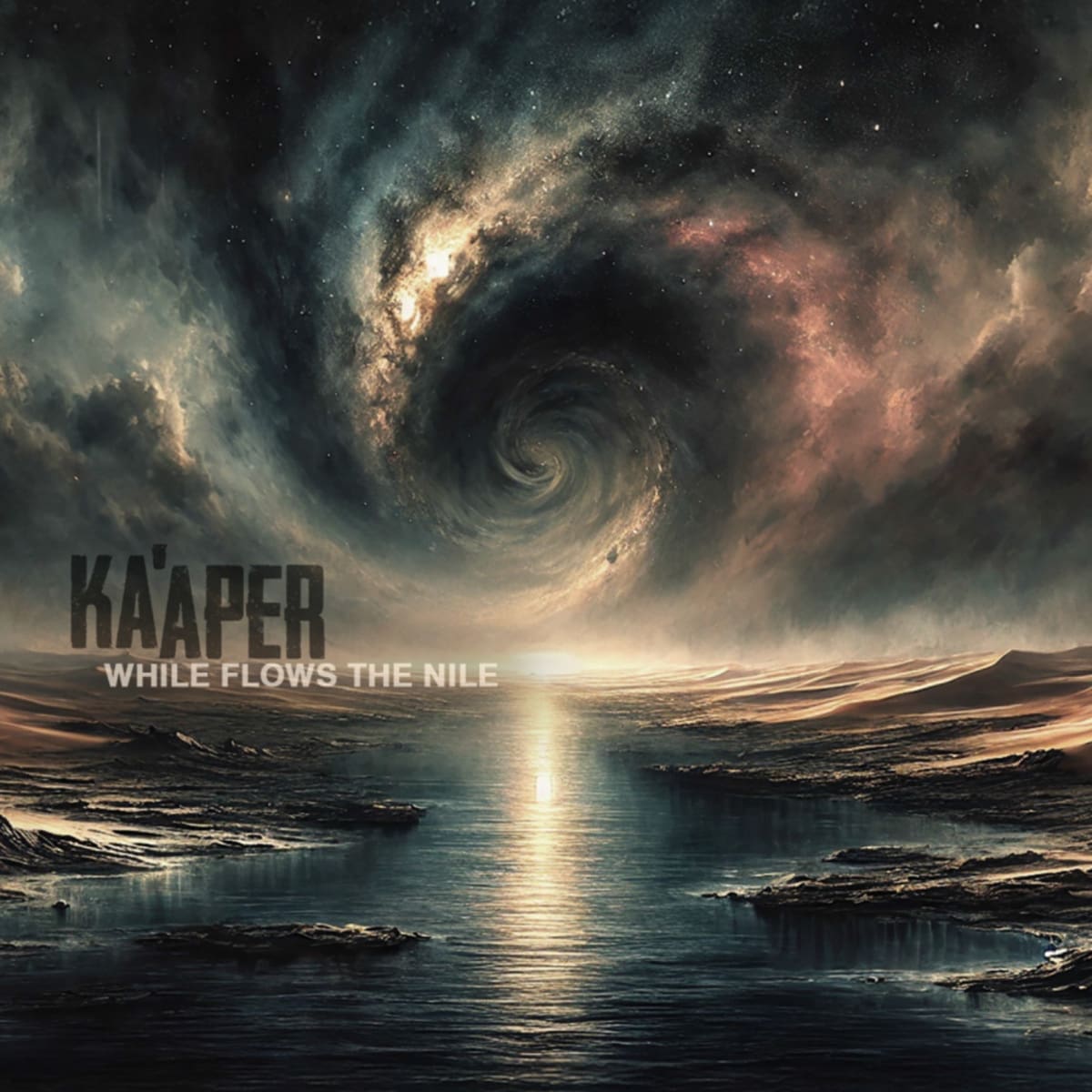
The visual presentation is a striking fusion of Egyptian antiquity and cosmic surrealism, bridging the gap between the ancient sands and the infinite void..
The Seventh Sin, Disrelish
There is nothing here to disrelish. From the first note to the final echo, the album is a complete execution of its own mythic vision.
The Hymns
01. Reign!
02. The Darkness of Times
03. The Hidden One
04. The Sun
05. Eyes of Ka’aper
06. Never Come Home
07. In the Hall of Truth
08. Looking for a Human
09. Ta-Sekhet-Ma’at
10. Lullaby
Kaaper
Igor Kurzin — Bass
Alexey Boychuk — Drums
Timur Glushan — Guitars
Evgeny Pchelyakov – Bass