Eusapia — Relapse Review

Eusapia an American post-black metal entity. On 21 September 2026, Eusapia released their second independent single, Relapse.

Eusapia, Relapse Review: This review will evaluate every aspect of the album, from its intricate musical composition to its production.

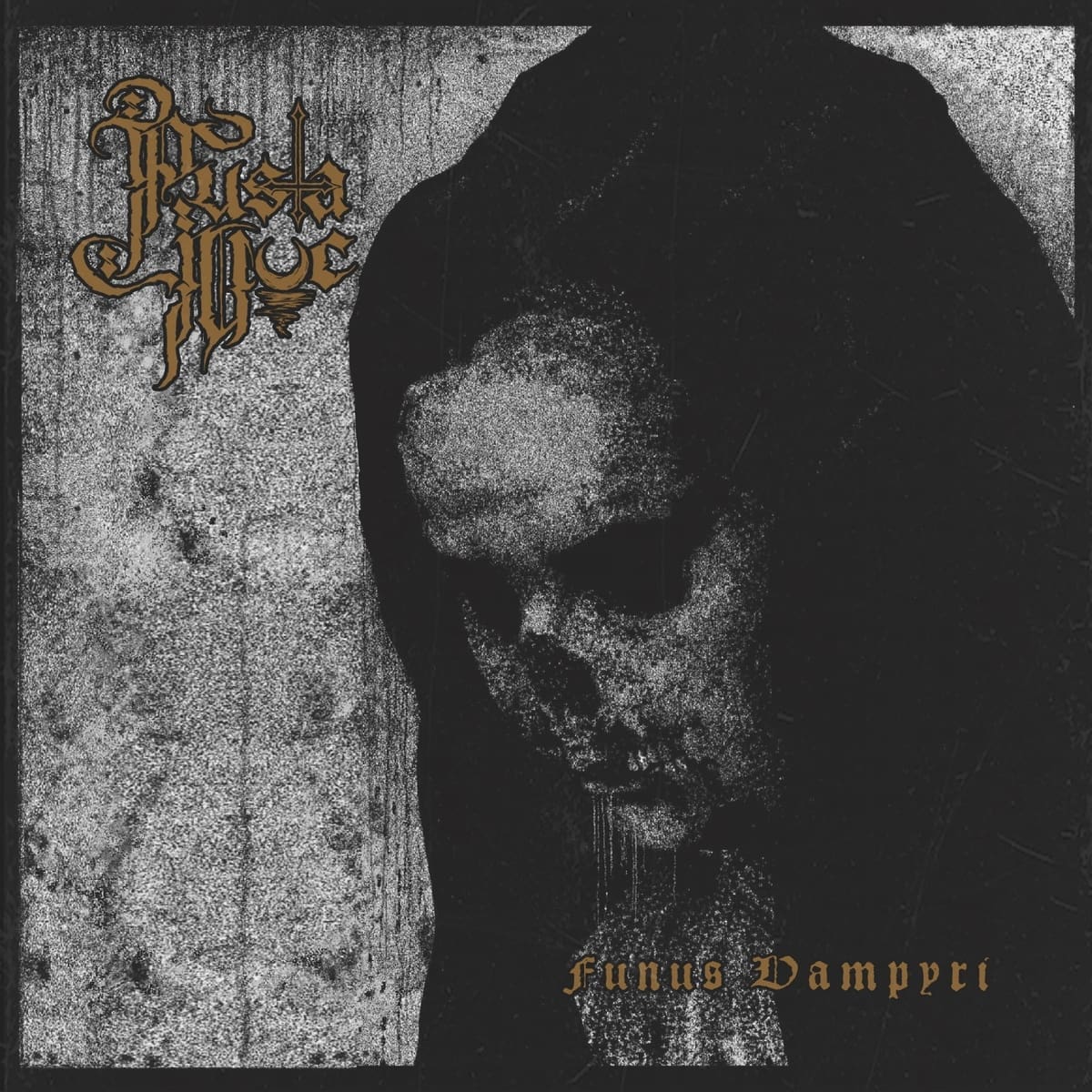
Eusapia — Relapse album cover

The First Three Sins, The Summary

The First Sin, The Strings/Keys: Three-guitar interplay fuses shoegaze clarity, blackened tremolo, and doom weight into a torrential wall of sound. The Second Sin, The Vocals: Distant screams and sorrow-laden phrasing channel anguish, despair, and emotional collapse. The Third Sin, The Percussions: Expansive beats, doom-heavy strikes, and sweeping transitions drive the hymn through collapse and eruption.

⸸ ⸸ ⸸ ⸸ ⸸ ⸸ ⸸

The Fourth Sin, Overall Discussion

Torrential Landscapes & Internal Tempests

As soon as the listener presses the play button, they are greeted by an expansive hymn spanning over six minutes, driven entirely by progressive post-black metal and rich, atmospheric textures.

Relapse channels the damp, rain-drenched landscapes and cold concrete of coastal Washington, grounding its sonic weight in the agonising, deeply personal cycles of addiction and suicidal depression.

Lived Experience Behind the Relapse

Cleopatra the Alchemist explained in our interview: “These are my lived experiences, I’m an alcoholic, I have bipolar disorder and have been suicidal for a lot of my life. Being around other addicts and alcoholics as a foundation puts you in a position where you are forced to acknowledge the realities of mortality, suicide, depression, it’s just my life.” [link below]

These themes emerge directly from Cleopatra’s lived experiences, addressing suffering honestly rather than attempting to glamorise it. This gives the hymn’s darkness a human foundation.

Three Guitars Beneath the Grey Mist

This is not my first encounter with Eusapia, having previously featured their latest EP, Thin Cities / Desert Festival. Before delving further, I suggest reading both the previous review and interview before diving deeper into this abyss. [links below]

The composition of Relapse is built not only upon a seamless fusion of clean shoegaze textures, dissonant post-black metal, depressive black metal, progressive elements, and heavy doom dirges within a torrential soundscape, but also upon a colossal, defining pillar: a massive three-guitar wall of sound.

Three Movements Through Collapse

Once again, Eusapia’s devilmanship and overarching composition are honed to perfection.

Listening closely, the composition unfolds deliberately across three distinct movements:

  • Movement I (The Ethereal Opening) — the opening minute establishes a pristine, clean, and airy atmosphere, drawing the listener gently into the damp coastal fog.
  • Movement II (The Wall of Sound) — the soundscape gradually expands, constructing a massive three-guitar wall of sound that is fully supported and driven by expansive, dynamic drumming.
  • Movement III (The Blackened Eruption) — the tension intensifies sharply around the three-and-a-half-minute mark, where punishing blackened textures and searing vocals finally erupt through the mix.

The Three-Guitar Wall of Sound

The monumental three-guitar wall of sound is driven by the combined forces of Cleopatra the Alchemist, Chazdyn, and Frank Keeler. This formidable triple-axe configuration grants the band an expansive scope for overlapping melodic lines, blurred tremolo haze, pristine post-rock clarity, rich atmospheric chord layers, and contrasting textures weighted with heavy doom.

  • The Beehive of Light — the guitar interplay functions like a beehive of rain-soaked light, constantly flicking back and forth between profound despair and fleeting moments of desperate uplift.
  • Somnium’s Bass Foundation — beneath the soaring fretwork, Somnium’s bass presence remains subtle yet firmly anchoring — providing the necessary emotional gravity and subterranean pulse beneath the track’s massive sonic surges.

Percussion, Voices & the Cycle of Relapse

Anchoring the rhythm is drummer Deenie, whose broader percussive palette includes expansive beats and crushing doom passages interspersed with sweeping post-rock transitional swells. Rather than keeping simple time, the percussion actively narrates the relentless cycle of relapse: collapse, surge, and collapse. Furthermore, much of the pad-like atmospheric weight underpinning the hymn stems organically from sustained, heavily processed guitar textures.

Shared between Cleopatra the Alchemist and Somnium, the vocal delivery forms an essential pillar of the band’s anguish. The performance weaves together a haunting mix of distant blackgaze screams, sorrow-laden depressive black metal phrasing, and soaring, layered post-metal harmonies that cut straight to the bone.

Beauty Within the Abyss

The production on Relapse is vast, immersive, and deliberately layered. Rather than opting for sterile clarity, the mix allows the massive three-guitar wall of sound, processed atmospheric pads, and subterranean bass to bleed together into a torrential, rain-drenched wash. Every element — from the rain-drenched riffs and dynamic percussion to the distant, harrowing blackgaze screams — cuts through the grey mist with suffocating emotional fidelity.

A Torrential, Rain-Drenched Production

Relapse does not merely evoke the dark weather of coastal Washington; it captures the internal tempest of the human mind — leaving you battered, cleansed, and utterly transfixed by the abyss.

Overall, Relapse is an extraordinary, deeply affecting atmospheric fruit of art. Eusapia has successfully synthesised shoegaze, progressive post-black metal, and heavy doom into a cohesive, harrowing narrative on addiction and despair.

It is a work of staggering emotional gravity that demands to be experienced in total darkness — and channelled through headphones.

⸸ ⸸ ⸸ ⸸ ⸸ ⸸ ⸸

The Fifth Sin, The Memorabilia

For me, as mentioned before, this is not my first encounter with the band. While their music might be dark and depressing, Relapse has a strong meaning behind it that I think we can all relate to.

Now, I do normally find reviewing singles a challenge, but this one was not — and it had nothing to do with the interview. I think it was simply down to how the hymn was composed and that massive three-guitar wall of sound. I thoroughly enjoyed their Thin Cities / Desert Festival EP and the Relapse single, and I am already looking forward to their upcoming Mercy release.

What stands out most is how Eusapia blends post-black metal, progressive elements, doom metal, and depressive black metal into one atmospheric downpour, while still creating something beautiful inside the composition — much like a rainbow cutting through the grey mist.

The Sixth Sin, The Artwork

I’m not too sure about the artwork. There might be a reason behind it, or perhaps there is not — but ultimately, it is the music that speaks, not the cover art.

The Seventh Sin, Disrelish

There is nothing to dislike, with the only downside being the long wait for their new material.

⸸ ⸸ ⸸ ⸸ ⸸ ⸸ ⸸

The Hymns

01. Relapse

Eusapia

Somnium — Bass, Vocals
Cleopatra the Alchemist – Guitars, Vocals
Deenie – Drums
Chazdyn – Guitars
Frank Keeler – Guitars

Reviewed by Kristian — editorial architect and ceremonially crafted. © Athenaeum of Sin Reviews.

Eusapia — Thin Cities / Desert Festival Review

Eusapia an American post-black metal entity. On 13 August 2026, Eusapia released their second independent EP, Thin Cities / Desert Festival. The EP was promoted through GlobMetal Promotions.

Eusapia, Thin Cities / Desert Festival Review: This review will evaluate every aspect of the album, from its intricate musical composition to its production.

Eusapia — Thin Cities / Desert Festival album cover

The First Three Sins, The Summary

The First Sin, The Strings/Keys: Three-guitar interplay blends shoegaze textures, dissonant tremolo, melodic leads, doom-laden dirges, and weight-bearing bass. The Second Sin, The Vocals: Spectral shrieks, depressive screams, guttural growls, clean singing, whispers, and ritualistic chants. The Third Sin, The Percussions: Slow, spacious percussion shifts into aggressive post-black surges with resonant kicks and cymbal washes.

⸸ ⸸ ⸸ ⸸ ⸸ ⸸ ⸸

The Fourth Sin, Overall Discussion

The Pendulum of Grief & Exploitation

The moment the play button is pressed, the listener is welcomed to a dual-hymn release that masterfully balances external socio-political critiques with deeply personal, intimate grief.

Eusapia constructs a thematic pendulum that swings between global economic reality and the quiet ache of mortal loss across two distinct compositional movements:

  • Hymn I: Thin Cities — Looks sharply outward toward systemic political and economic exploitation. The lyrical narrative confronts Western consumer excess, the invisible burden of agricultural labour, and the stark realities of global food inequality.
  • Hymn II: Desert Festival — Turns deeply inward toward the quiet, crushing terrain of personal bereavement. The hymn commemorates an enduring friendship severed by terminal illness, processing trauma, physical decay, and the fragile preservation of memory following tragic loss.

Rain-Soaked Textures & Ritual Melancholy

The devilmanship across Thin Cities / Desert Festival is honed to perfection. Rather than relying on traditional riff-driven metal architecture, Eusapia utilises a sprawling three-guitar configuration to craft long-form, atmospheric grain-rituals. Haunting vocals, weight-bearing bass lines, slow, spacious, and deeply ritualistic percussion complete the configuration.

Furthermore, Eusapia adopts a compositional approach that feels experimental — weaving clean shoegaze textures, dissonant post-black metal, depressive black metal, some progressive elements, and heavy doom dirges into a rain-soaked soundscape.

The Three-Guitar Weather System

The three-guitar configuration across Thin Cities / Desert Festival transcends traditional instrumental roles. Rather than operating as static riff engines, the guitars behave like shifting weather systems — shimmering, eroding, swelling, and collapsing across the soundscape.

Cleopatra the Alchemist, Chazdyn, and Frank Keeler weave clean, spacious passages anchored by layered shoegaze chord textures and a lush rain-slicked atmosphere rather than relying upon standard riffing. These tranquil moments suddenly erode into dissonant post-black metal crescendos — built on rapid, tremolo-picked sequences, melodic post-metal lead solos, crushing, doom-laden dirges, and considerable reverb-washed effects that echo through the mix like thunder over open terrain.

These shifting guitar layers allow the compositions to breathe, ebb, and surge alongside the sweeping emotional intensity of both hymns.

The Structural Spine Beneath the Storm

Beneath the sweeping three-guitar weather system, the rhythm section provides the structural spine and physical propulsion across both hymns, moving fluidly between quiet atmospheric space and violent, aggressive catharsis.

Somnium’s bass delivers deep, weight-bearing bass lines that anchor the vast ethereal shoegaze shimmer and post-black dissonance with sub-bass resonance and physical weight. Deenie’s drumsprovide slow, spacious, and deeply ritualistic percussion — allowing every cymbal wash and resonant kick to linger in the air rather than rushing the emotional weight of the compositions.

Rather than remaining static, the drum work drives the transitions between quiet, rain-soaked reflection and raw, aggressive post-black metal surges.

Vocals: A Haunting Sonic Fog

The dual vocals of Cleopatra the Alchemist and Somnium deliver spectral, distant vocal performances that float like phantoms across the mix — heightening the record’s overarching themes of political decay and intimate grief.

The vocal execution across the EP operates primarily as a textural instrument rather than a conventional narrative voice. Drifting through the mix like a field recording captured during a rain-slicked ritual, the delivery prioritises raw, atmospheric resonance over direct message — immersing the listener in a multi-layered landscape of grief and outrage.

High-pitched depressive black metal screams of agony cut through harsh post-black metal shrieks, grounding the record in visceral catharsis. Within the buried layers, deep, guttural growls and clean singing emerge periodically from beneath the wall of guitars, complemented by buried, whispered passages and chant-like incantations that reinforce the record’s ritualistic nature.

The Rain-Soaked Chamber

The production across Thin Cities / Desert Festival is spacious and deeply atmospheric. The mix gives Eusapia’s three-guitar weather system ample room to expand and shiver without smothering Somnium’s deep, weight-bearing bass or Deenie’s multi-tiered drum shifts, capturing the raw, rain-soaked essence of the Pacific Northwest underground.

The Dual-Hymn Testament

Overall, Thin Cities / Desert Festival is a profoundly moving, expertly executed fruit of art. Eusapia has crafted a haunting dual-hymn testament — balancing macro-political fury against Western exploitation with micro-personal mourning through a masterclass in atmospheric post-black metal, shoegaze, and doom.

⸸ ⸸ ⸸ ⸸ ⸸ ⸸ ⸸

The Fifth Sin, The Memorabilia

For me, the Thin Cities / Desert Festival EP stands as a masterclass in atmospheric blackened metal — an experiment that hit every single nerve in my body through its rain-soaked composition and devastating vocal execution.

The music is deeply moving, heavy, depressive, and overflowing with atmosphere.

What more could I possibly ask for from a band that so beautifully weaves clean shoegaze textures, dissonant post-black metal, depressive black metal agony, and slow, heavy doom dirges into a singular, rain-slicked soundscape?

The Sixth Sin, The Artwork

While I remain relatively uncertain about the artwork itself, it indisputably fits the lyrical themes and compositional tone of the music. Ultimately, this release demands that the listener focus entirely on the music within rather than the visual frame.

The Seventh Sin, Disrelish

There is no dislike to be found anywhere across this composition. My only grievance is that the EP consists of just two hymns — though given the profound personal and political weight behind them, I fully understand and respect the reason for its brief, concentrated nature.

⸸ ⸸ ⸸ ⸸ ⸸ ⸸ ⸸

The Hymns

01. Thin Cities
02. Desert Festival

Eusapia

Somnium — Bass, Vocals
Cleopatra the Alchemist – Guitars, Vocals
Deenie – Drums
Chazdyn – Guitars
Frank Keeler – Guitars

Reviewed by Kristian — editorial architect and ceremonially crafted. © Athenaeum of Sin Reviews.
Secret Link