Piano Black — The Piper At the Gates of Dawn Review
Piano Black are an Irish symphonic metal entity. On 30 November 2025, they released their independent debut full-length, The Piper at the Gates of Dawn, a cinematic release shaped by orchestral arrangements, mythic themes, and modern production clarity.
Piano Black, The Piper at the Gates of Dawn Review: This review will evaluate every aspect of the album, from its intricate musical composition to its production.
The First Three Sins, The Summary
The First Sin, The Strings/Keys: The orchestral sections are not mere window dressing; they form the foundational backbone of each hymn, with guitar and bass providing the structural floor beneath. The Second Sin, The Vocals: The vocals opt for a narrative-driven balance, utilising the Beauty and the Beast dual vocal approach. The Third Sin, The Percussions: The drums are polished, controlled, and cinematic.
The Fourth Sin, Overall Discussion
A Portal Opens: All Men Dream
From the moment the listener presses play, the opening hymn, All Men Dream , acts as a portal into a cinematic world. The album unfolds across eleven subsequent hymns and a sprawling sixty-minute runtime.
Piano Black weaves a tapestry of dark, power, symphonic, and melodic modern metal, punctuated by the visceral grit of melodic death metal growls. This is a release defined by dense cinematic orchestral scoring, arrangements, and myth-inflected storytelling—an ambitious work that carries the torch of post-2004 Nightwish, the tectonic cinematic arrangements of Septicflesh, and the grand, layered density of Epica.
Expansive Hymns, Measured Patience
The hymns are expansive, particularly the eleventh hymn, which stretches beyond the ten-minute mark. Yet, despite the length, the compositions never feel hurried; there is deliberate patience in the arrangements. The melodic sections are perfectly placed, and the vocals—notably Ana Marija Dundović—are never overpowering. Instead, they exist in a seamless balance with the instrumentation, whether supported by soaring choral arrangements or punctuated by Mario Stojčić’s death growls.
These heavier vocal shifts are utilised with surgical precision, emerging at exactly the right moment to shift the emotional weight of the hymn.
Devilmanship Through Precision
The devilmanship of Piano Black is defined by a modern, surgical tightness that feels honed to perfection, eschewing the raw, bleeding edges of traditional extreme metal. Mario’s guitars utilise a mid-gain tone that favours melody and structure over sheer abrasion. The riffs act as a rhythmic bedrock rather than a lead voice, punctuated by clean, precise chugging in mid-tempo passages. Paul Piszewski’s bass feels tight and supportive in the mix, reinforcing the orchestration, guitars, and drums.
When the leads do emerge, they are lyrical and evocative rather than technically shredded. This discipline extends to the percussion—John Howell’s drums are polished and cinematic, characterised by a strong kick presence and power-metal-adjacent patterns. Double-kick bursts are deployed sparingly, utilised not for aggression, but for dramatic lift and the preservation of momentum.
Orchestral Backbone and Cinematic Scale
The orchestral sections within The Piper At the Gates of Dawn are not mere window dressing; they serve as the foundational backbone of each hymn. The scoring is expansive, utilising a full palette of strings, brass, and choral arrangements, underpinned by atmospheric cinematic pads reminiscent of modern film composers.
These synthesisers often carry the primary emotional arc, while a full choir and orchestral setup is deployed to provide a sense of immense scale rather than empty bombast. To ground the cinematic heights, folk-inspired textures are introduced during pastoral moments, offering a brief, earthy reprieve from the album’s grander ambitions.
Beauty and the Beast Reimagined
The vocal performance avoids the trap of over-singing, opting instead for a narrative-driven balance.
Utilising the classic Beauty and the Beast dual vocal approach, Ana’s clean operatic vocals serve as the melodic anchor. They are expressive and operatic-leaning without descending into full classical pastiche, carrying the primary narrative line atop surges of orchestral swells.
In stark contrast, Mario’s growls are deep and disciplined, deployed as a rhythmic and emotional tool for dramatic peaks. These gutturals are strategically paired with the heavier instrumentation, providing the necessary dark texture to ground the soaring, cinematic heights of the hymns.
The Album’s Central Arc
As mentioned above regarding instrumentation, every hymn is unique in terms of composition, tempo, and sound. The central core of the album reveals a fruit-of-art command of varied atmospheres and composition. The sixth hymn, King of the Mark, utilises bright, galloping guitars and power metal rhythms to create a cinematic edge reminiscent of Kamelot, using growls only as sharp narrative punctuation.
This shifts abruptly into the seventh hymn, The Pagan March, where the sound transforms into a collision of Wardruna-inspired tribalism and melodic death metal. Here, the percussion adopts a heavy marching focus, supported by synths that mimic war-horns and tribal rhythms, while death-growl war-chants dominate the sonic space.
The sequence concludes with the eighth hymn, Prometheus, a grand and fiery composition where Fleshgod Apocalypse meets Nightwish. It is a theatrical peak defined by volcanic brass, rising strings, and a clean-growl interplay that feels truly Promethean in its dramatic scale.
Cinematic Production Architecture
The production of The Piper At the Gates of Dawn is a fruit of art in terms of clarity, prioritising a cinematic hierarchy where the orchestration sits atop a bedrock of layered, yet never muddy, instrumentation. The guitars and drums provide the structural floor, while the vocals occupy the central focus, framed by choral arrangements that expand the stereo field into a massive, panoramic space.
The Closing Epilogue
The odyssey concludes with The Staves I Never Wrote, a reflective epilogue that functions as the rolling credits to a mythic drama—a gentle, poignant farewell after the preceding storm.
Where Orchestral Metal Meets Modern Discipline
Ultimately, the album is a definitive fruit of art, standing at the crossroads where the melodic majesty of Nightwish and Epica meets the terrifying grandeur of Septicflesh and Fleshgod Apocalypse.
The Fifth Sin, The Memorabilia
For me, The Piper At the Gates of Dawn is a release full of life—not once did I skip a hymn. I was fully embraced by the album, the arrangement, the composition, instrumentation, and the devilmanship—yet all this reminded me of the early Tarja-era Nightwish, especially the Oceanborn/Wishmaster–Once era.
Yet one key thing about the Beauty and the Beast vocals—they did not feel like the traditional Beauty and the Beast vocals, but something fresh and modern. At the same time, I did enjoy the three core songs mentioned earlier, especially the seventh hymn, The Pagan March.
My advice? Use headphones. Headphones are the sinful way to consume this; it transforms the record into something beyond a musical experience.
The Sixth Sin, The Artwork
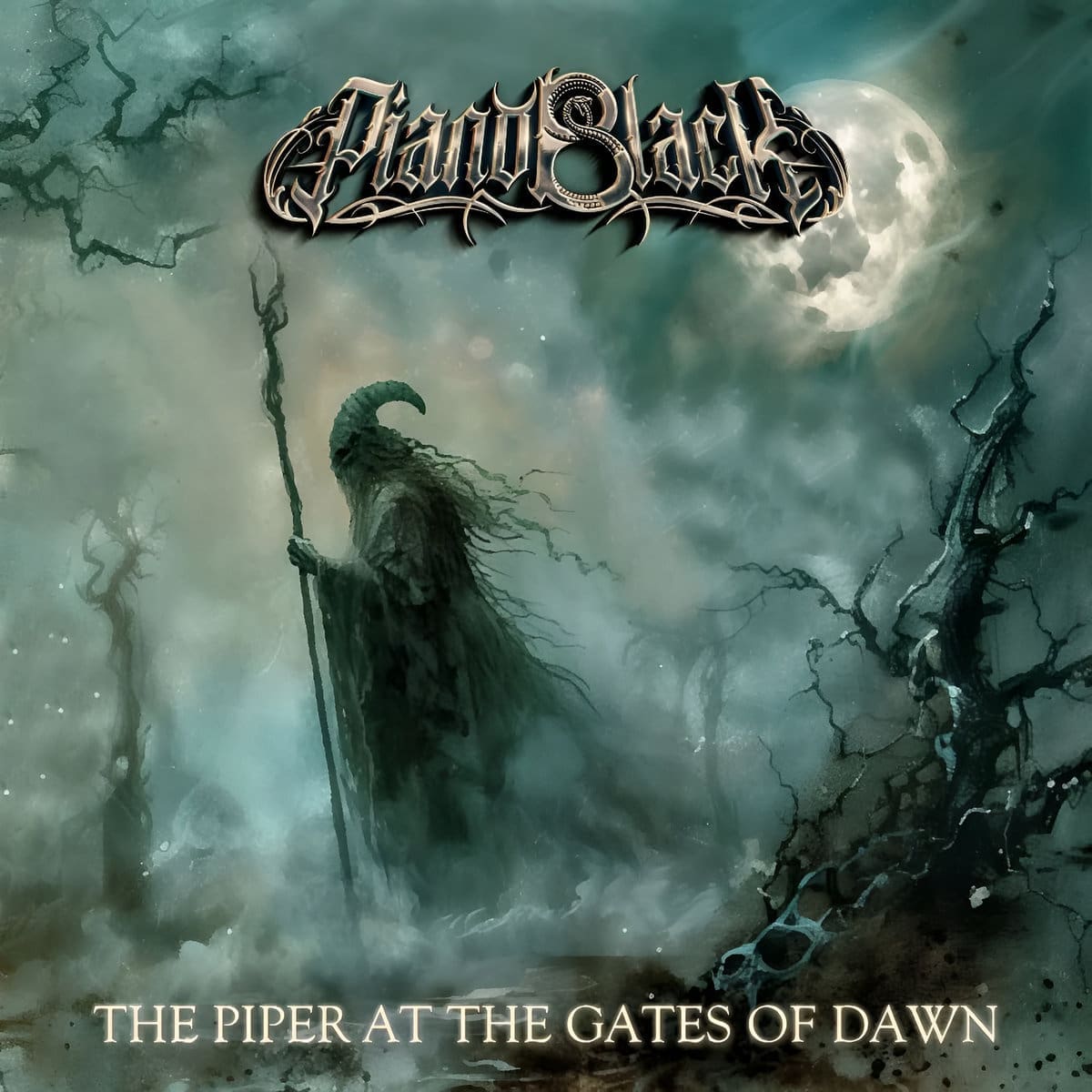
The artwork captures the title of the album.
The Seventh Sin, Disrelish
There is little to disrelish here. The Piper At the Gates of Dawn is more than a fruit of art release — it is a carefully crafted and cinematic work. Symphonic metal itself remains a matter of taste, loved passionately by some and less so by others. While it is not always my natural listening territory, Piano Black’s execution, atmosphere, and compositional strength make this release difficult to fault. In truth, the album feels less like traditional symphonic metal and more like dark orchestral metal shaped through modern metal discipline
The Hymns
01. All Men Dream
02. Northern Sons
03. Higher
04. I Sit Beside the Fire and Think
05. The Man Who Killed God
06. King of the Mark
07. The Pagan March
08. Prometheus
09. Grave Unknown
10. Pride of War
11. The Piper at the Gates of Dawn
12. The Staves I Never Wrote
Piano Black
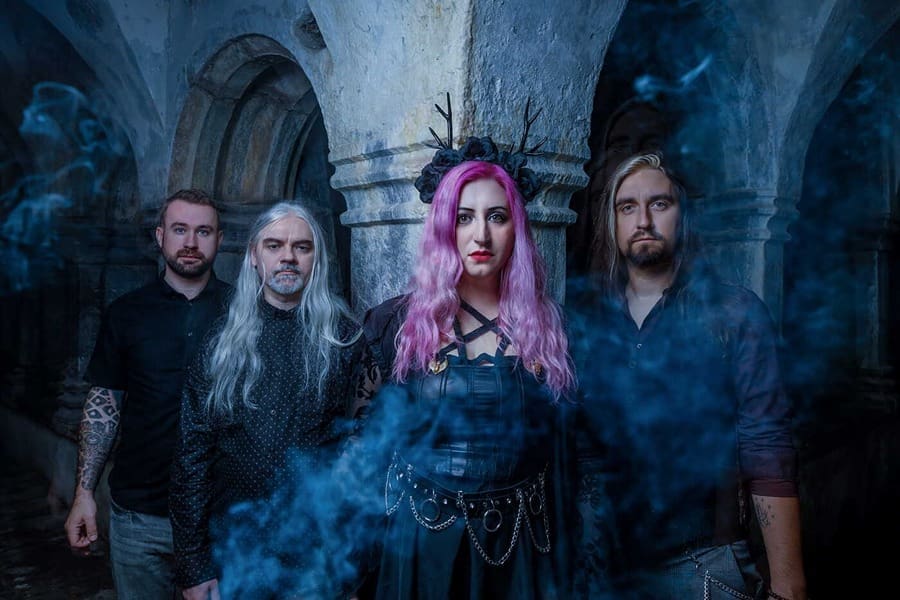
Ana Marija Dundović — Vocals
Mario Stojčić — Guitar, Vocals
John Howell — Drums
Paul Piszewski — Bass