SubQuimera — Vol 1 Review
SubQuimera are a Brazilian sludge metal entity who released their independent EP, Vol. 1 on 03 October 2026.
SubQuimera, Vol. 1 Review: This review will evaluate every aspect of the album, from its intricate musical composition to its production.
The First Three Sins, The Summary
The First Sin, The Strings/Keys: Crushing, fuzz-drenched riffs, hypnotic repetition, dissonant chords, subterranean bass and experimental arrangements. The Second Sin, The Vocals: Hoarse, blackened shrieks, tortured expressions and visceral aggression. The Third Sin, The Percussions: Punishing rhythms, thunderous tom fills, shifting tempos and controlled aggression.
The Fourth Sin, Overall Discussion
The Threshold of DIY Decay
From the very first second the listener presses play, they are submerged in an unfiltered, intimate atmosphere. Vol. 1 greets the audience with five evocative DIY hymns, spanning across a run time of under twenty minutes.
Five Hymns, Five Fractured Identities
Vol. 1 delivers a devilish instrumental composition and arrangement that’s anchored by solid devilmanship. As the listener journeys through its five hymns, it becomes immediately apparent that no two hymns share the same DNA. The EP boasts a striking variety of instrumental arrangements and dynamic tempo-surges, shifting effortlessly from brooding atmospheres to blistering intensity.
Beyond the Sludge-Laden Veil
SubQuimera deliberately fractures the monolithic expectations of sludge metal, refusing to take the well-trodden path of standard sludge metal heavyweights like Eyehategod or Crowbar.
Instead of relying on the predictable, blues-inflected crunch of traditional southern misery, SubQuimera envelops the listener in a distinctly dirtier, heavy-fuzz aesthetic that feels abrasive and unwashed. It audaciously stretches its boundaries, seamlessly weaving in unsettling experimental structures and a suffocating, bleak blackened atmosphere that casts a cold, desolate shadow over the entire composition.
A Descent Through Five Hymns
The journey through the EP is structured as a psychological descent that feels as though the hymns are divided into five movements — each exploring a different facet of existentialism, death, mortality, and psychological decay.
- Devour (The opening Hymn) — the release opens with a suffocating baptism in auditory aggression and evokes a visceral sense of consumption, predation, and annihilation. The hymn is smothered in a deliberately dirty, degraded atmosphere where thick layers of sludge metal collide with an unsettling psychological undertow.
- Hurry! Hurry! Hurry! (The Second hymn) — driven by a frantic yet hypnotic momentum, this instrumental piece captures the feeling of a panic attack set to a sluggish, down-tuned rhythm — combining agitation with an undeniably infectious, subterranean groove.
- Mystery Tunings (The Third hymn) — shifting away from straightforward heaviness, the third hymn ventures into strange, uncharted territory. It is a deeply experimental and hypnotic instrumental piece that leans heavily into textural unease.
- Painted in Death (The Fourth hymn) — the hymn surges forward with renewed venom, yet it refuses to abandon the overarching mood. Instead, it pairs its renewed hostility with a vast, bleak atmospheric composition, creating a landscape that feels both furiously alive and utterly desolate.
- Pipebomb Daydream (The Closing Hymn) — clocking in at nearly six minutes, it stands as the release’s longest composition. Paradoxically and strangely, it anchors the entire EP as its true emotional and sonic centrepiece — a sprawling haunting monument that leaves the listener suspended in the wreckage of the journey.
Devilmanship Beneath the Crushing Weight
At the sonic centre of the band stands guitarist and vocalist Tavico Leite, whose approach to tone favours a crushing, high-end definition — thick, low-mid saturation — a heavy, amber-toned rumble that envelops the listener like a physical pressure front.
His riffcraft is devilishly constructed around hypnotic repetition and immense physical weight, leaning heavily into relentless, palm-muted chugging rhythms interspersed with abrasive, dissonant chord voicings that deliberately evoke a creeping sense of unease and psychological dread.
Leite’svocals distance themselves from the standard barking cadence of sludge, opting instead for a blackened, hoarse, and thoroughly tortured shriek, a delivery that sounds less like performance and more like a visceral exhalation of agony, cutting through the dense wall of guitar distortion with a haunting, demonic resonance.
Beneath this towering wall of noise lies the anchor provided by bassist João Lucas Proença. Proença’s tone possesses a subterranean weight that acts as the essential gravitational pull for the entire ensemble.
Driving the kinetic energy of these bleak hymns is drummer Iagê Donato, whose performance demonstrates devilish skill in tension and controlled aggression — he does not just keep time; he dictates the atmospheric pressure of the music through punishing, heavy drum patterns, sudden and disorienting tempo changes, and a strategic, thunderous deployment of tom fills that expertly telegraph and reinforce every shifting riff and structural transition.
The Final Echoes of DIY Desolation
Vol. 1 is an evocative, dirty and experimental fruit of art that is measured not by speed or technical extravagance, but by the density of its atmosphere and experimentation, the authority of its riffs, drum work, tortuous vocals, and the suffocating weight of the music.
Furthermore, there is an unmistakable warmth to the production despite the cold instrumentation — a proud, raw beating heart of DIY authenticity that strips away modern over-polish in favour of genuine emotion, inviting the listener into a deeply personal space that lingers long after the final notes fade.
The Fifth Sin, The Memorabilia
For me, I have always been notoriously fussy and difficult to please when it comes to sludge metal; too often, modern releases blend into a monotonous sea of uninspired riffs and recycled tropes, making the genre feel stale. That is why Vol. 1 left such a strong impression on me.
SubQuimera don’t just break the mould — they shatter it by capturing something truly different and experimental. Musically, it shares a striking spiritual kinship with the crushing Canadian entity Sea Witch, channelling something of that suffocating, blackened atmosphere and relentless heavy aggression, while completely stripping away the doom elements, resulting in a far more unpredictable listening experience for me.
The Sixth Sin, The Artwork
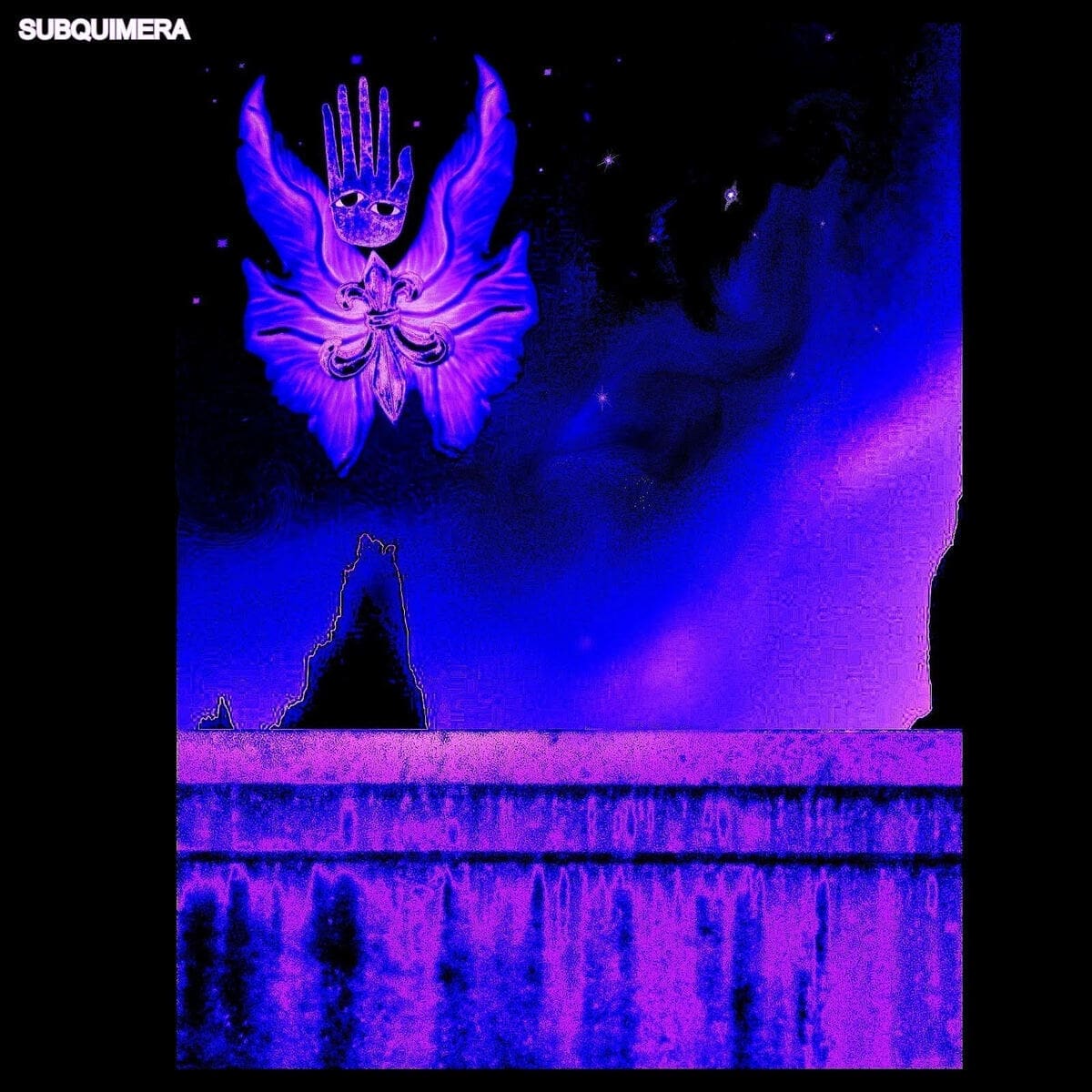
The artwork sits in a strange middle ground for me; while it certainly catches the eye with its psychedelic colours and surreal imagery, I cannot help feeling that something is missing. Perhaps this unconventional presentation is deliberate, reflecting the experimental nature of the music rather than the traditional visual identity of sludge metal.
The Seventh Sin, Disrelish
Honestly, there is very little to genuinely dislike here. If I had to pinpoint a single downside — if you can even call it that — it is simply that there is not enough of it.
The Hymns
01. Devour
02. Hurry! Hurry! Hurry!
03. Mystery Tunings
04. Painted in Death
05. Pipebomb Daydream
SubQuimera
Iagê Donato — Drums
Tavico Leite – Guitar, Vocals
João Lucas Proença – Bass