Peisithanatos — Cityscape Depression Review
Peisithanatos is an International (Italy/Mexico) depressive melodic black metal project. On 11 April 2026, the band released their latest album, Cityscape Depression, via Prison Of Flesh Productions.
Peisithanatos, Cityscape Depression Review: This review will evaluate every aspect of the album, from its intricate musical composition to its production.
The First Three Sins, The Summary
The First Sin, The Strings/Keys: Cold melodic black metal guitars, mournful piano passages, and carefully layered atmosphere construct a suffocating urban landscape steeped in sorrow The Second Sin, The Vocals: Anguished depressive shrieks deliver raw emotional collapse, sounding less performed than painfully exhumed. The Third Sin, The Percussions: Mid-tempo pacing and hypnotic rhythmic repetition favour atmosphere and emotional suffocation over technical exhibition.
The Fourth Sin, Overall Discussion
Opening the Concrete Gate
As soon as the play button is pressed, the opening hymn Sorrow Prologue greets you with a slow, deeply melancholic piano instrumental. It sets a sombre, weeping mood that slowly bleeds into heavy instrumentation and mournful textures resembling pan-pipes intertwined with haunting vocals — the beginning of a deeply moving journey of sorrow and desolation that spans across the remaining hymns.
Frozen Districts & Suffocating Beauty
Cityscape Depression moves with the immense, dragging weight of a frozen dawn, where every single sound drifts through the mix like frost‑laden air. The music is heavy, deliberate, and slow — wrapping itself tightly around the listener like a thick, wintry fog settling over a long-abandoned urban district.
Nothing within this sonic space is warm — nothing invites comfort. Even the central melodies feel cold to the touch — slow, depressive, suffocating, and thoroughly sorrowful. Yet, deep within that bitter coldness lies a strange, incredibly fragile beauty.
This is the album’s defining contradiction:
- The Compositions Suffocate — yet they illuminate.
- The Atmosphere Freezes — yet hidden contours emerge.
- The Bleakness is Absolute — yet the beauty remains.
The Architects of Desolation
The devilmanship behind this release is striking, executed seamlessly by a razor-sharp duo:
- Delirios Del Demente Inconforme — all instruments, mixing, and mastering.
- V — vocals and lyrics.
Together, their instrumental composition and arrangement feel meticulously refined.
The Frozen String Framework
The guitars form the literal core of the album’s signature sound. They navigate expertly through depressive melodic black metal tremolo picking, mid-tempo melancholic riffs, and occasional slower, dirge-like chord passages.
Rather than falling into the hyper-blown-out lo-fi traditions of standard DSBM, the guitar tone feels cold, mid-gain distorted— retaining its abrasive edge while maintaining a clear, cinematic separation.
Engineered with two distinct rhythm layers, occasional melodic overlays, and clean passages, the strings carry the entire weight of the emotional narrative — a sombre exploration of urban desolation, internal collapse, and the album’s signature urban bleakness. Beneath this wall of sound, the bass riffs sit low in the mix, acting as a steady anchor that supports the guitars rather than competing with them.
Pulse Beneath the Pavement
The drumming — whether programmed or performed by Delirios— relies heavily on mid-tempo black metal beats and occasional blast-adjacent passages driven by hypnotic rhythmic cycles. The performance favours emotional pacing over technical exhibition.
With tight, dry snare work and slightly washed cymbals, the drums cast a dense, smoky fog over the hymns, giving the entire record a distinctly hazy, urban atmosphere. If synths are present at all, they remain completely minimal and buried — used strictly for ambient texture, with no melodic leads or dominant keyboard presence to break the guitar-driven bleakness.
Voices Through Empty Alleys
Standing amidst this freezing concrete landscape is the vocal delivery of V. His performance is tortuous, anguished, and dominated by high-pitched, strained depressive shrieks. It is an emotionally raw execution that strips away all modern polish, adding an immense, suffocating weight to the musical atmosphere.
It feels less like traditional singing and more like a desperate, private unravelling echoing through an empty alleyway.
Concrete Corridors & Sonic Confinement
The production operates like a completely sealed urban city — every single sound is perfectly intelligible, yet nothing feels liberating. Delirios’ mixing is deliberately narrow and tightly packed — almost claustrophobic — as if the listener is being held captive inside the very concrete corridors the album describes.
There is no open air, no comforting shimmer, and almost zero modern digital gloss. Yet, despite this lack of breathing room, the instruments remain sharply outlined, each occupying its own cold, isolated slice of sonic space.
- No Gloss — yet no decay.
- No Warmth — yet never lifeless.
- No Modern Sheen — yet no tape-rotted haze.
It is the unwavering, unyielding sound of a city at the dead of night — everything is perfectly visible, but virtually nothing is welcoming.
Exit Through the Concrete Labyrinth
As the album reaches Corridors End, the listener is finally brought to the end of the concrete labyrinth. The music recedes into the same dark stillness from which it emerged, leaving a lingering, icy silence in its wake.
Overall, Cityscape Depression stands as a deeply depressive, atmospheric, and beautiful fruit of art. It is built on stark parameters — a rare beauty discovered only through intense suffocation, and structural clarity found only through the bitter cold.
The Fifth Sin, The Memorabilia
For me, Cityscape Depression is far more than standard depressive black metal. It is an intricate tapestry of melodic, melancholic sorrow and intense suffocation, yet captured with a striking, self-contained elegance — as if looking into a frozen snow globe where the blizzard is perpetually trapped.
The most memorable aspect of this record is the beauty and melancholic weight, even though depressive black metal is always a very emotional listen. It indicates that beauty can exist beyond the thick fog of sorrow and gloomy darkness.
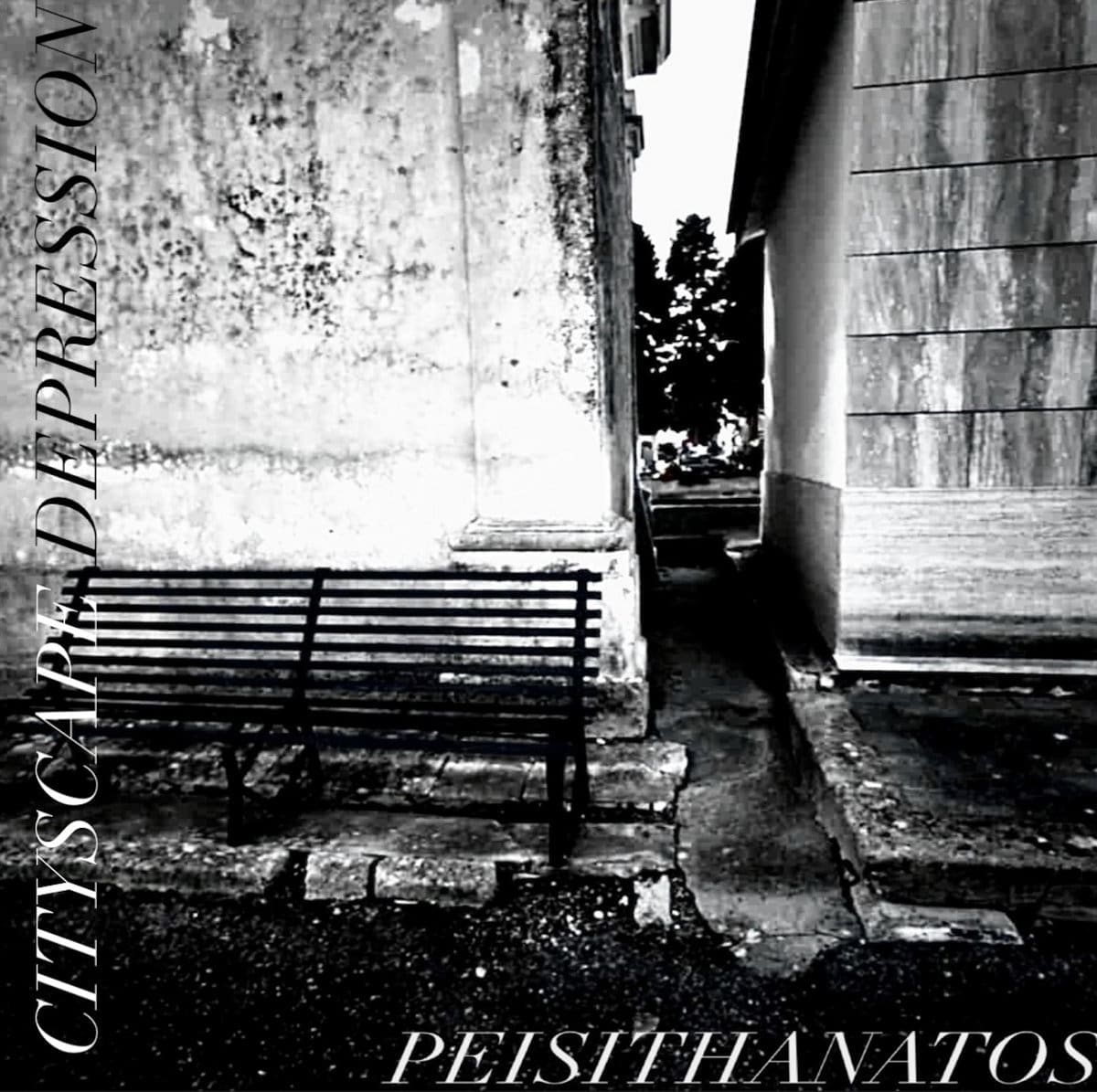
The Sixth Sin, The Artwork
The artwork shows a tight, constricted corridor between two buildings — a visual analogue to the album’s mix, which refuses width, refuses escape, refuses even the illusion of open space. The guitars rise like the left wall: cold, abrasive, unyielding.
The drums answer as the right wall: rigid, repetitive, indifferent. Between them, the vocals stand pressed forward, unable to retreat or advance, the lone listener caught in the narrowing geometry.
Depending on the listener, I find myself observing this corridor from a distance; you are placed inside it, held within its concrete throat, forced to inhabit the same suffocating architecture the music constructs.
The Seventh Sin, Disrelish
There is no disrelish to be found within Cityscape Depression. Every calculated element of this suffocating concrete vault operates with unwavering, unyielding intent.
The Hymns
01. Sorrow Prologue
02. Asphalt Negativity
03. Musings Of My Deteriation
04. Cityscape Depression
05. Towards The Reach Of An Enchanted Suicide
06. Nocturnal Hallucinosis
07. Corridors End
Peisithanatos
Delirios Del Demente Inconforme — All Instruments
V – Vocals